Life on Earth has a story so ancient, so staggering in scale, that it makes all of human civilization feel like the final few seconds of an impossibly long film. You might think you know the basics: single cells, primordial soup, dinosaurs. But the real origin story is far stranger, far more dramatic, and honestly, far more incredible than most textbooks dare to tell.
From microbes that lived without a single breath of oxygen, to crystals that hold whispers of biology from four billion years ago, the origins of life on this planet are packed with surprises that scientists are still piecing together today. So buckle up, because what you’re about to read will fundamentally change the way you think about life itself. Let’s dive in.
1. Life May Have Appeared Almost Immediately After Earth’s Oceans Formed
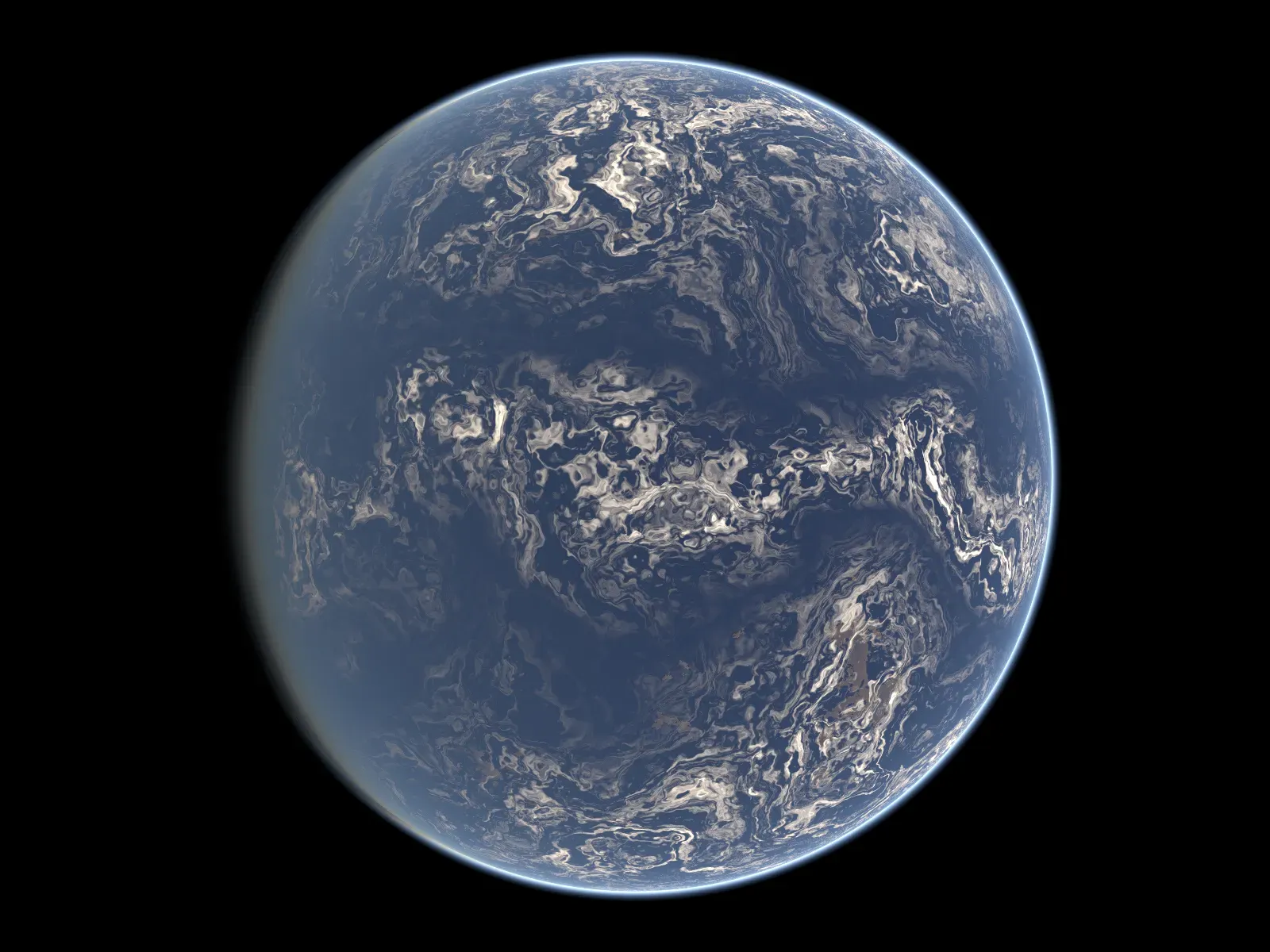
Here’s something that stops most people in their tracks. Possible microfossils in the Nuvvuagittuq Belt of Quebec, Canada may be as old as 4.28 billion years, which would make this the oldest evidence of life on Earth, suggesting “an almost instantaneous emergence of life” after ocean formation 4.41 billion years ago. Think about what that means. The oceans arrived, and life followed almost immediately, in geological terms.
For the first billion years of Earth’s existence, the formation of life was prevented by a relentless fusillade of comet and asteroid impacts that rendered Earth’s surface too hot to allow sufficient quantities of water and carbon-based molecules. Life on Earth began at the end of this period, called the Late Heavy Bombardment, some 3.8 billion years ago. The moment conditions barely became tolerable, life didn’t wait around for a better invitation.
2. The Oldest Direct Fossil Evidence Comes from Western Australia
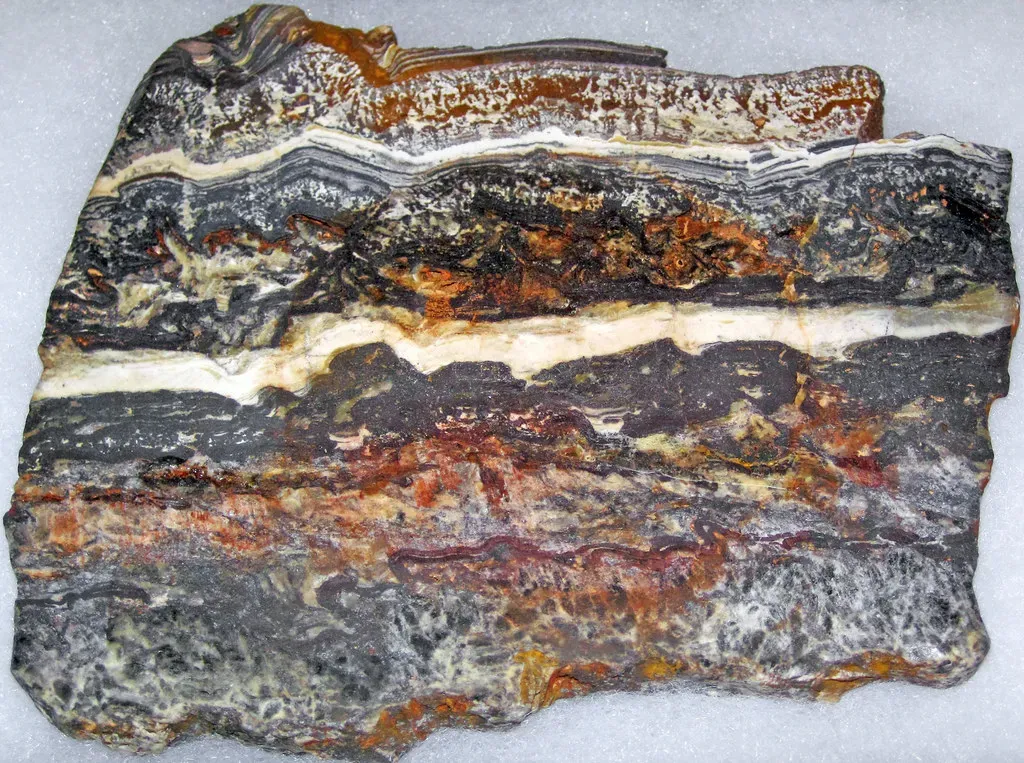
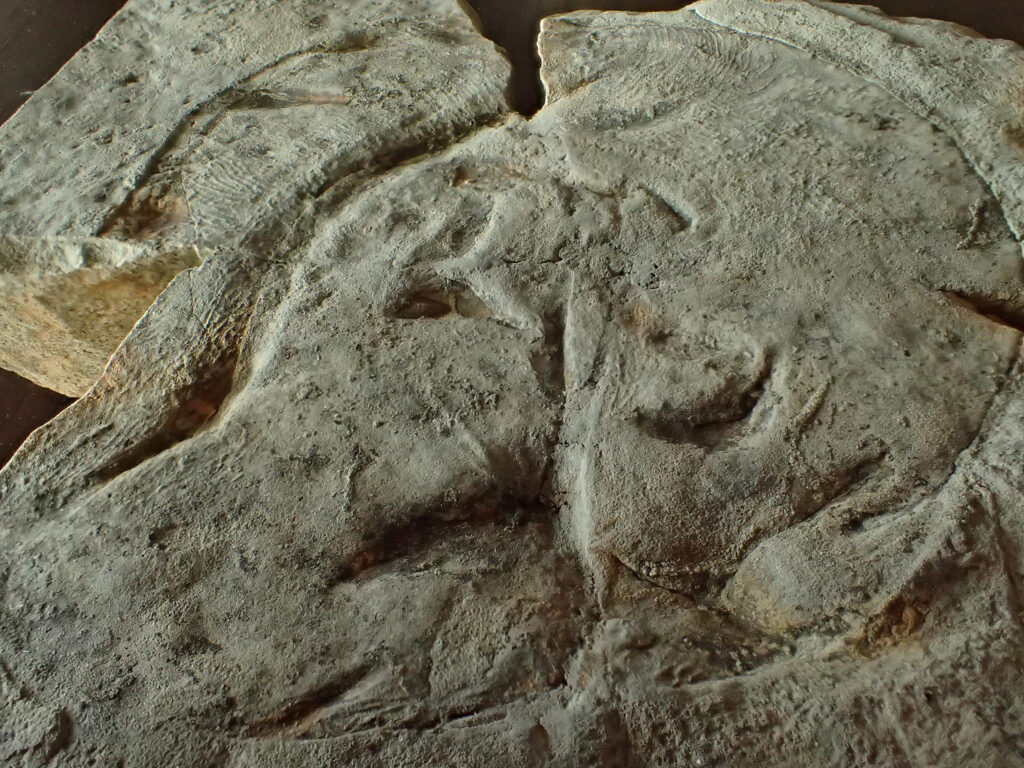
The earliest direct evidence of life consists of stromatolites found in 3.48 billion-year-old chert in the Dresser Formation of the Pilbara Craton in Western Australia. These aren’t elegant fossils of bones or shells. They are layered rock structures built by microbial communities, and they are absolutely ancient beyond comprehension.
Some of the most important stromatolites known today occur in Archean rocks of Western Australia, where ancient seafloors have been remarkably well preserved. Within the Pilbara Craton, stromatolites provide a rare window into a world more than three billion years old, when microbial life was already capable of building large, organized structures. Honestly, the fact that these structures survived at all is almost as astonishing as their existence in the first place.
3. Zircon Crystals May Hold Traces of Life Older Than 4 Billion Years
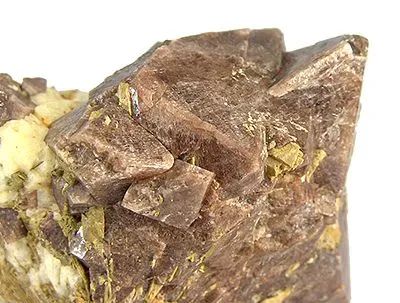
Although the oldest rocks on Earth date back only 4 billion years, researchers have found zircons up to 4.4 billion years old. These crystals provide a rare glimpse into the first chapter of Earth’s history, known as the Hadean eon. Imagine a crystal so old that it formed before most of Earth’s surviving rocks even existed.
The earliest known life forms on Earth may be as old as 4.1 billion years, according to biologically fractionated graphite found inside a single zircon grain in the Jack Hills range of Australia. Scientists detected that the carbon preserved in these crystals shows a specific chemical signature associated with living processes. It’s not definitive proof, but it is deeply tantalizing, and it pushes the clock on life further back than you might imagine.
4. Greenland’s Ancient Rocks Contain Chemical Fingerprints of Life
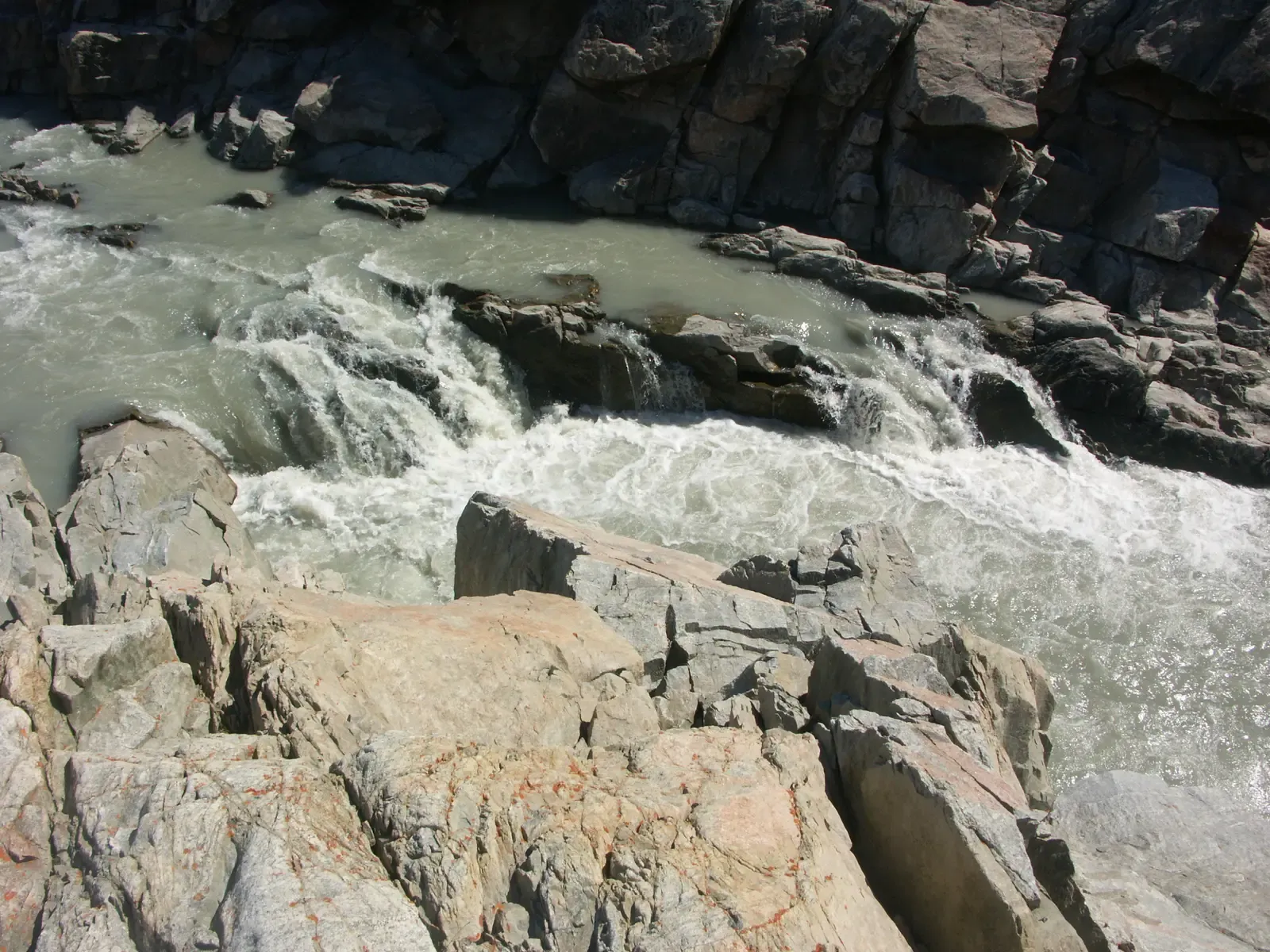
The earliest clear evidence of life comes from biogenic carbon signatures and stromatolite fossils discovered in 3.7 billion-year-old metasedimentary rocks from western Greenland. These are not bones or shells but something far more subtle: chemical whispers left behind in stone.
The oldest evidence of life is indirect, in the form of isotopic fractionation processes. Microorganisms will preferentially use the lighter isotope of an atom to build biomass, as it takes less energy to break the bonds for metabolic processes. Biologic material will often have a composition that is enriched in lighter isotopes compared to the surrounding rock it’s found in. In other words, scientists can detect the echo of ancient organisms not by seeing them directly, but by reading the chemical imbalance they left behind in rock. Brilliant, right?
5. The Last Universal Common Ancestor of All Life Lived Near Hydrothermal Vents
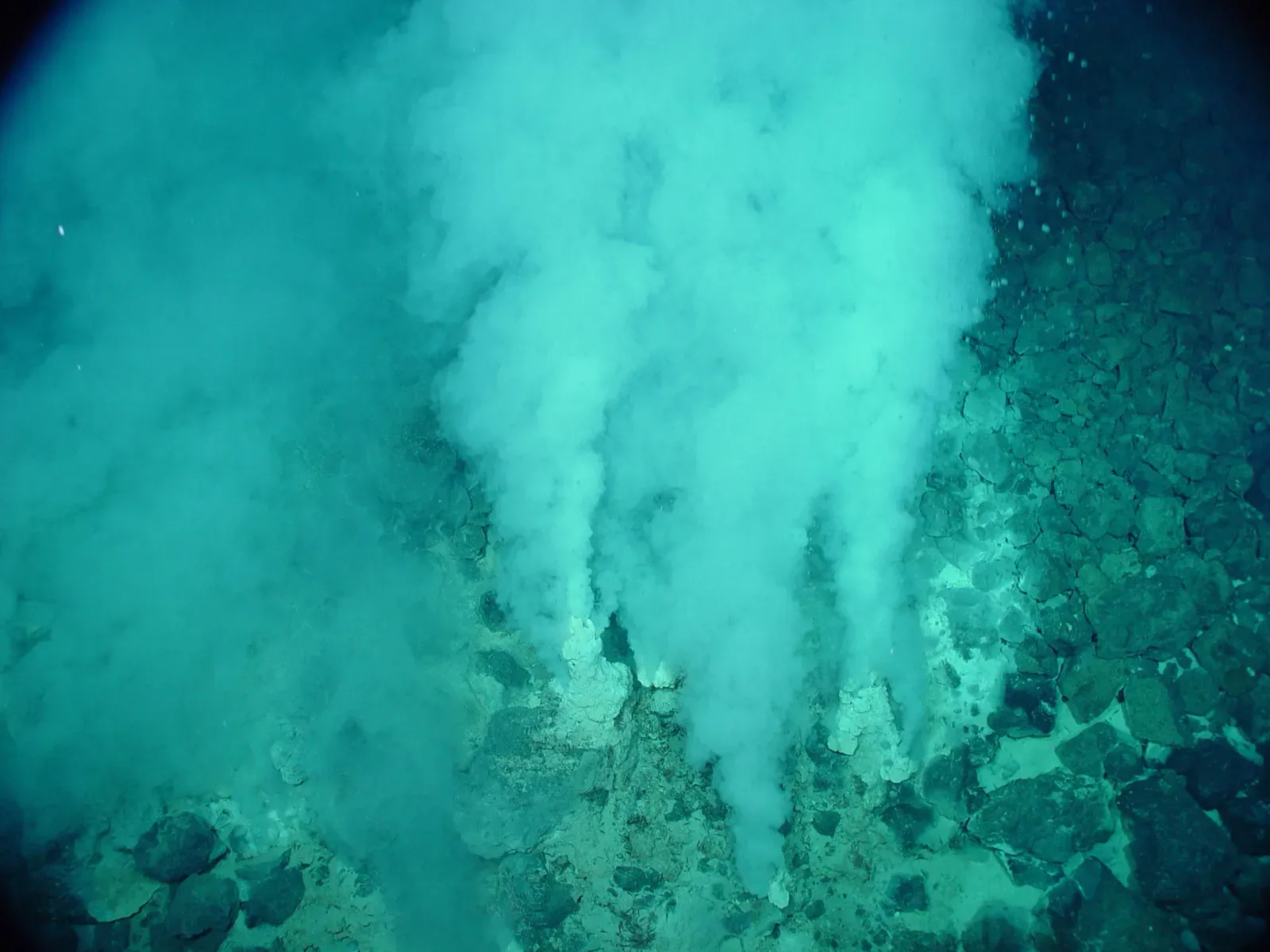
Around 4 billion years ago there lived a microbe called LUCA, the Last Universal Common Ancestor. There is evidence that it could have lived a somewhat “alien” lifestyle, hidden away deep underground in iron-sulfur rich hydrothermal vents. Every single living thing on Earth today, from mushrooms to elephants to you, traces its ancestry back to this one remarkable organism.
Anaerobic and autotrophic, it didn’t breathe air and made its own food from the dark, metal-rich environment around it. Its metabolism depended upon hydrogen, carbon dioxide and nitrogen, turning them into organic compounds such as ammonia. Integration of phylogenetics, comparative genomics and palaeobiological approaches suggests that the last universal common ancestor lived about 4.2 billion years ago and was a complex prokaryote-grade anaerobic acetogen that was part of an ecosystem. So no, LUCA was not a lone spark. It was already part of a community.
6. LUCA Already Had an Immune System – and Was Fighting Viruses
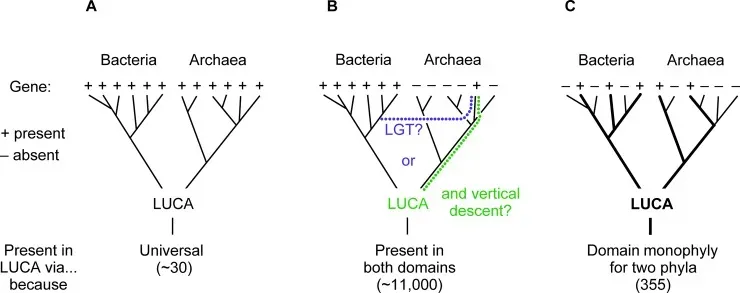
This one genuinely floored me when I first read it. Our study showed that LUCA was a complex organism, not too different from modern prokaryotes. “What is really interesting is that it clearly possessed an early immune system, showing that even by 4.2 billion years ago, our ancestor was already engaged in an arms race with viruses,” said Professor Davide Pisani. Four billion years ago, and life was already locked in conflict.
LUCA’s genome was likely similar in size to that of modern prokaryotes, encoding around 2,600 proteins, based on statistical inference. It may have been an acetogen, respiring anaerobically, and may have had an early CAS-based anti-viral immune system. The idea that your immune defenses have roots stretching back nearly to the formation of Earth itself is nothing short of staggering. We carry ancient weapons.
7. Cyanobacteria Single-Handedly Transformed Earth’s Atmosphere
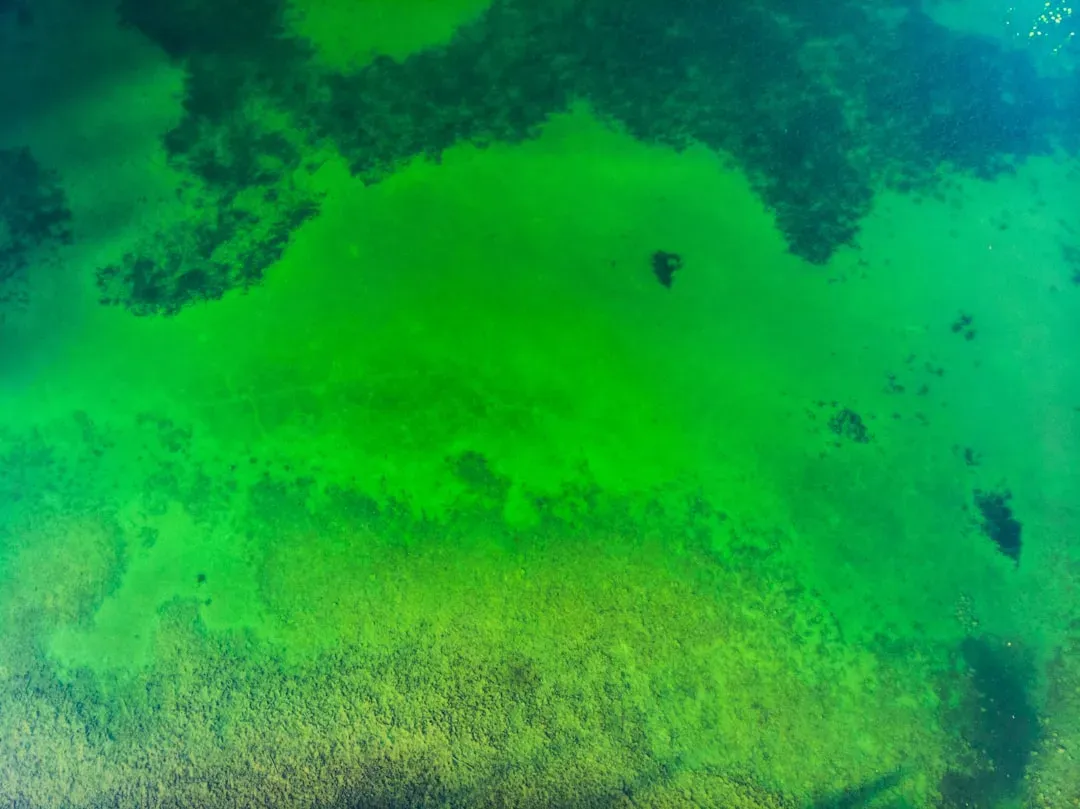
You breathe oxygen right now. But that oxygen didn’t always exist in Earth’s atmosphere. Oxygen was absent from Earth’s atmosphere for close to half of its lifespan. When Earth was formed around 4.5 billion years ago, it had vastly different conditions, with a reducing atmosphere consisting of carbon dioxide, methane and water vapor, as opposed to the present-day atmosphere that consists primarily of nitrogen and oxygen.
The Great Oxygenation Event is inferred to have been caused by cyanobacteria, which evolved chlorophyll-based photosynthesis that releases dioxygen as a byproduct of water photolysis. This event, known as the Great Oxidation Event, occurred sometime between 2.4 and 2.1 billion years ago. It was an epochal moment in the evolutionary timeline and had several grave consequences, not only on Earth’s climate, but also on the adaptation and evolution of living organisms. One microscopic organism rewrote the entire planet’s chemistry. That’s not a small deal.
8. The Oxygen Revolution Was Also a Mass Extinction Event
Let’s be real: the arrival of oxygen was not good news for everyone. To the anaerobic bacteria and archaea of the time, oxygen was toxic. This led to a mass extinction in which most anaerobes were wiped out. However, some survivors found ways to adapt and even thrive in the newly oxygen-rich environment. The very molecule we associate with life was, in that moment, a planetary poison to the dominant life forms of the time.
As methane was displaced by oxygen, global temperatures cooled sufficiently to generate ice sheets that extended all the way from the poles to the tropics. Oxygen was also responsible for the formation of the ozone layer in the atmosphere. So cyanobacteria caused a mass die-off, triggered the first major ice age, and built the ozone layer that now protects you from solar radiation. All without a brain. All in a few billion years. Quite the legacy.
9. New Technology Is Detecting Chemical Traces of Life from Over 3 Billion Years Ago
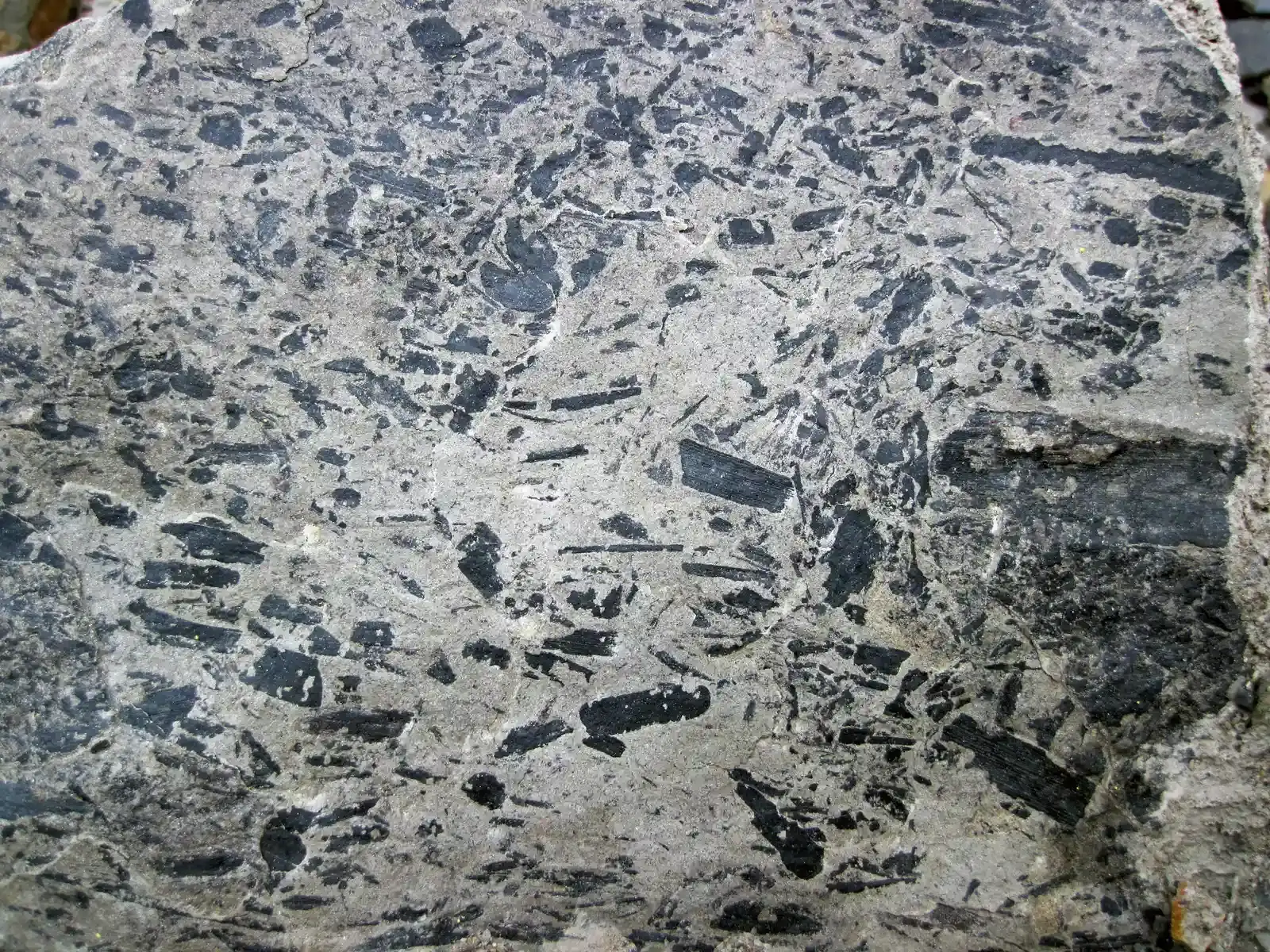
Impressively, recent methods have teased out chemical patterns unique to biology in rocks as old as 3.3 billion years. Previously, no such traces had been found in rocks older than about 1.7 billion years. The results therefore roughly double the window of time in which organic molecules preserved in rocks can reveal useful information about the physiology and evolutionary relationships of their original organisms. In other words, scientists just doubled the depth of our biological record in a single study.
The work also provides molecular evidence that oxygen-producing photosynthesis, the process used by plants, algae and many microorganisms to harness sunlight, was at work at least 2.5 billion years ago. The method uses advanced spectrometry combined with artificial intelligence to sift biological signals out of ancient rock. Think of it like training a computer to recognize whether a pile of shattered puzzle pieces once made a painting of a flower – or just a rock.
10. Living Stromatolites Still Exist Today – and They’re Essentially Time Machines
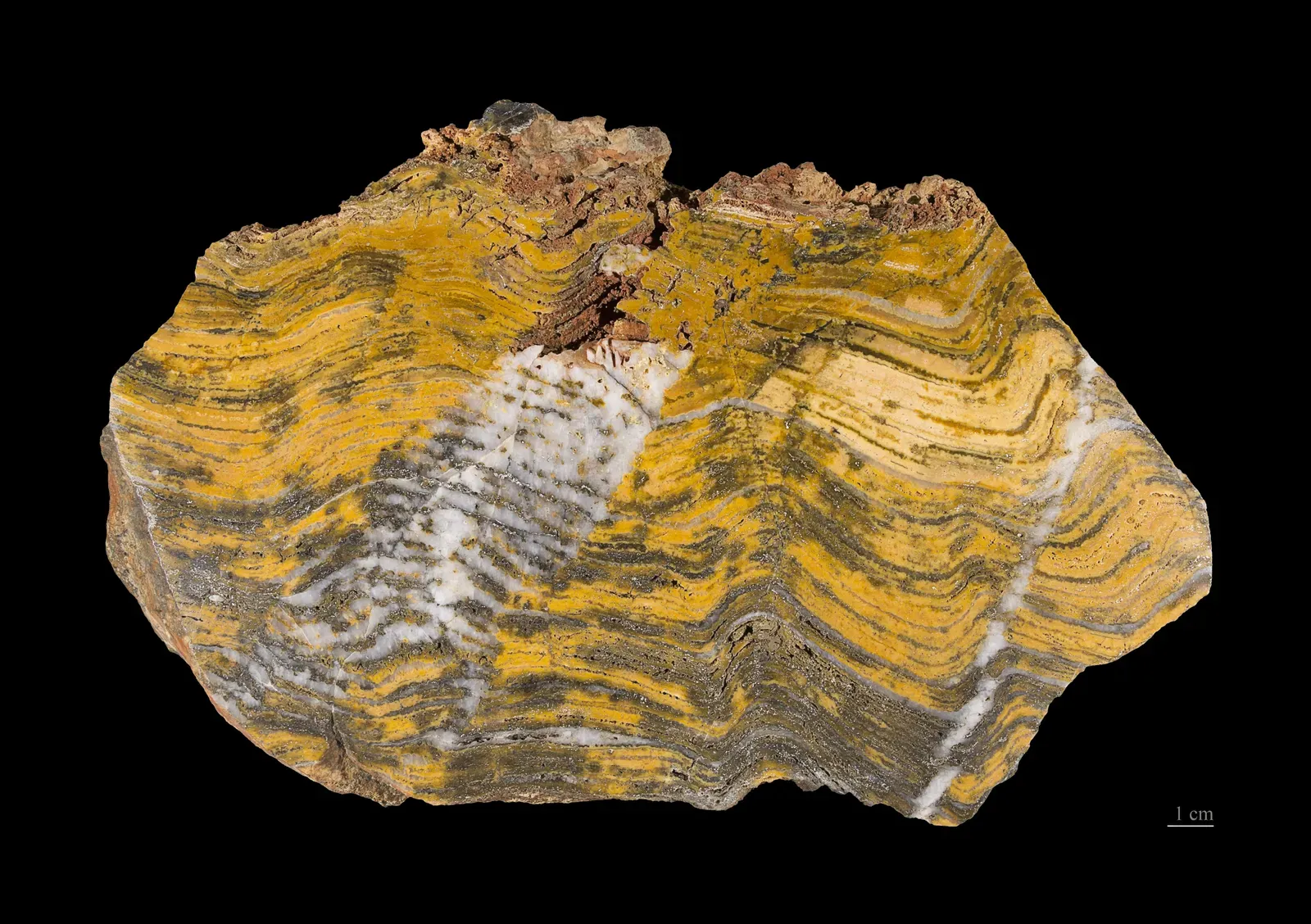
Stromatolite deposits build up very slowly: a single one-meter structure may be 2,000 to 3,000 years old. The tiny microbes that make up modern stromatolites are similar to organisms that existed 3.5 billion years ago. You can stand next to something alive today that is structurally and biologically almost identical to the very first visible life on Earth. That is hard to wrap your mind around.
Living stromatolites are no longer widely distributed. There are only two well-developed marine stromatolite areas in the world: in the Bahamas and at Hamelin Pool in the Shark Bay area of Western Australia. In a world dominated by animals, modern stromatolites survive only in ecological refuges. Yet their continued existence is a powerful reminder that microbial life still retains the ability to shape rock, alter water chemistry, and leave lasting records of its activity, just as it did at the dawn of life on Earth. They outlasted the dinosaurs and everything else. Quietly, stubbornly, magnificently.
Conclusion
The story of is not a slow, gentle beginning. It is a wild, explosive, resilient saga of microscopic organisms that transformed oceans, poisoned and saved entire ecosystems, survived asteroid bombardments, and quietly laid the groundwork for everything alive today, including you. The further scientists dig, the older, stranger, and more awe-inspiring that story becomes.
What strikes me most is how humble our own place is in this timeline. Humans have existed for a tiny fraction of Earth’s biological history. Single-celled microbes, on the other hand, have been running the show for billions of years and frankly, they still are. Every breath you take is a gift from ancient cyanobacteria that lived long before trees, oceans as we know them, or even complex cells existed.
So the next time someone asks you where life came from, you can tell them: a scorching hydrothermal vent on the ocean floor, four billion years ago, from a microscopic organism that was already fighting viruses. Which fact surprised you the most? Tell us in the comments.