The sky above us looks so ordinary today. You glance up, spot a pigeon, maybe a hawk riding a thermal, and you don’t give it much thought. Yet the ability to fly is one of the most extraordinary achievements in the entire history of life on Earth, and for hundreds of millions of years before any bird ever left a branch, the skies belonged to creatures that look like they jumped straight out of a nightmare or a fever dream.
Prehistoric flight is a story full of surprises, wrong turns, vanishing evolutionary dead ends, and jaw-dropping biological breakthroughs. You might think you know the basics – pterodactyls, feathered dinosaurs, maybe Archaeopteryx ringing a bell – but the real story runs so much deeper and stranger than you’d expect. Buckle up, because what you’re about to discover will make you look at every bird that crosses your window in a completely different way. Let’s dive in.
1. Pterosaurs Were the First Vertebrates to Conquer the Skies – And They Did It Early
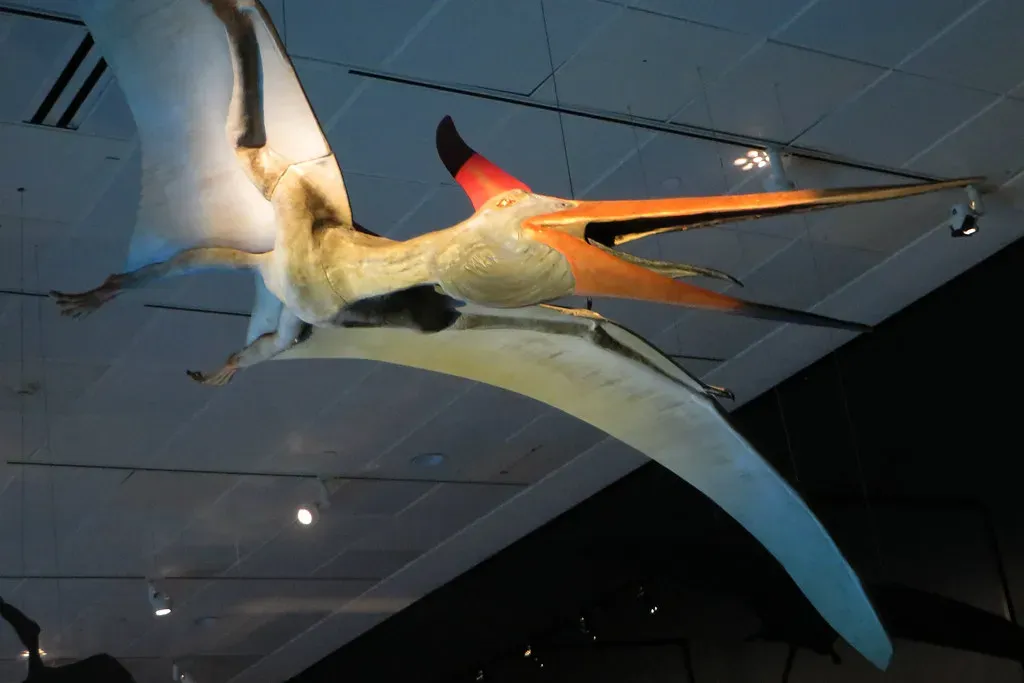
Here’s something worth stopping to appreciate: before a single bird existed, before any bat ever flapped its leathery wings into a cave at dusk, there were pterosaurs. These animals were remarkable in their own right – they were the first vertebrates to evolve flight, tens of millions of years before birds or bats. That means while our own earliest mammal-like ancestors were still scrambling around on the forest floor, giant flying reptiles had already claimed the atmosphere.
The first pterosaurs appeared around 220 million years ago, during the Late Triassic. The Triassic was the first period of the Mesozoic Era, followed by the Jurassic, and then the Cretaceous. Pterosaurs lived until the end of the Cretaceous, becoming extinct in the mass extinction event that occurred 66 million years ago. That is an almost incomprehensible run of dominance. You’re talking about creatures that ruled the skies for roughly 155 million years – for context, modern humans have only existed for a tiny fraction of that time.
2. Pterosaurs Were Not Dinosaurs – A Common Misconception That Keeps Persisting
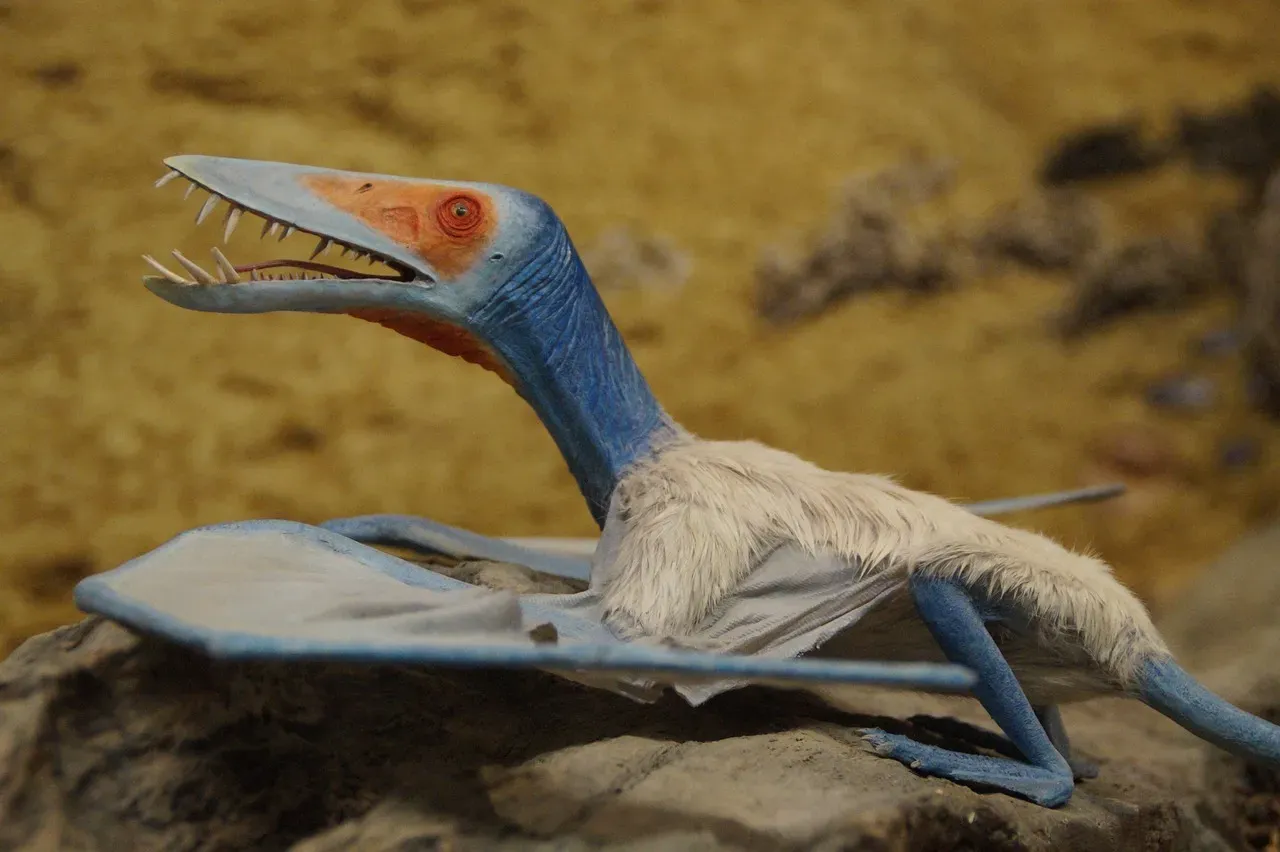
Let’s be real: pop culture has absolutely muddied the waters here. Pterosaurs are often referred to by popular media or the general public as “flying dinosaurs,” but dinosaurs are defined as the descendants of the last common ancestor of the Saurischia and Ornithischia, which excludes the pterosaurs. Think of it this way – calling a pterosaur a dinosaur is a bit like calling a dolphin a fish. They share an environment and some superficial qualities, but biologically they are their own thing entirely.
Pterosaurs and dinosaurs are both members of a group called the archosaurs, meaning they’re related to one another. However, dinosaurs didn’t evolve into pterosaurs, and pterosaurs didn’t evolve into dinosaurs. Instead, somewhere further back in time, the lines leading to these two groups split. At that point, there would have been an animal that wasn’t a dinosaur or a pterosaur, but was an ancestor to both. It’s a fascinating family tree – distant cousins who shared the Mesozoic world without one being the parent of the other.
3. Pterosaurs Evolved Flight in a Sudden Evolutionary “Burst” – Unlike Anything Seen in Birds
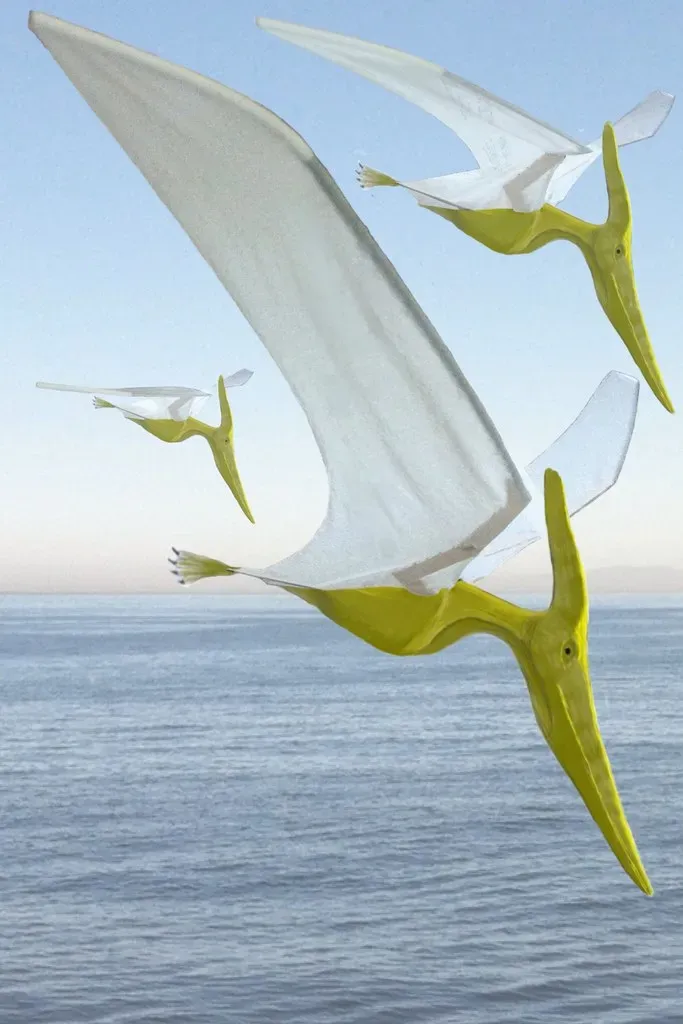
Ancient pterosaurs may have taken to the skies far earlier and more explosively than birds, evolving flight at their very origin despite having relatively small brains. Using advanced CT imaging, scientists reconstructed the brain cavities of pterosaur fossils and their close relatives, uncovering surprising clues – such as enlarged optic lobes – that hint at a rapid leap into powered flight. This is genuinely shocking when you think about it. Most major evolutionary changes are slow, grinding, multi-million-year processes. Pterosaurs apparently said no to all that.
In a study of fossils, a research team led by evolutionary biologist and Johns Hopkins Medicine assistant professor Matteo Fabbri suggests that a group of giant reptiles alive up to 220 million years ago may have acquired the ability to fly when the animal first appeared, in contrast to prehistoric ancestors of modern birds that developed flight more gradually and with a bigger brain. Their findings contrast sharply with the slow, stepwise evolution seen in birds, whose brains expanded over time to support flying. Two groups, one outcome – completely different roads to get there.
4. You Didn’t Need a Big Brain to Fly – Pterosaurs Proved That
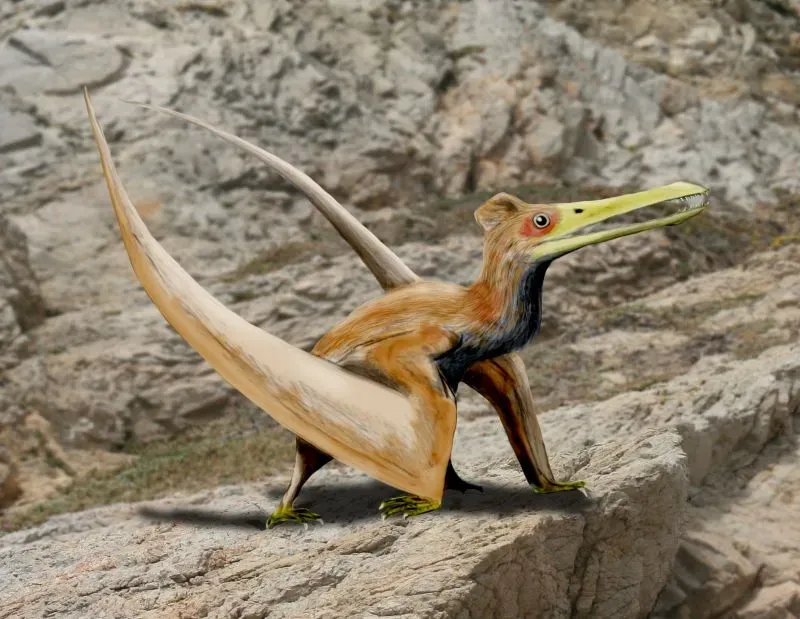
For decades, scientists assumed that the neurological complexity required for powered flight demanded a significantly enlarged brain. The findings add to evidence that enlarged brains seen in modern birds and presumably in their prehistoric ancestors were not the driver of pterosaurs’ ability to achieve flight. “Our study shows that pterosaurs evolved flight early on in their existence and that they did so with a smaller brain similar to true non-flying dinosaurs,” says Fabbri. This completely overturns what many researchers expected to find.
According to researchers, the lagerpetid’s brain already showed features linked to improved vision, including an enlarged optic lobe – an adaptation that may have later helped pterosaur relatives take to the skies. A larger optic lobe was also present in pterosaurs. However, there were otherwise very few similarities in the shape and size of pterosaur brains and that of their closest relative, the lagerpetid. In other words, sharper vision may have been the real key, not raw brain size. Honestly, that’s a detail that makes you stop and reconsider what “intelligence” even means in terms of evolution.
5. Birds, on the Other Hand, Took a Slow and Deliberate Road to the Skies
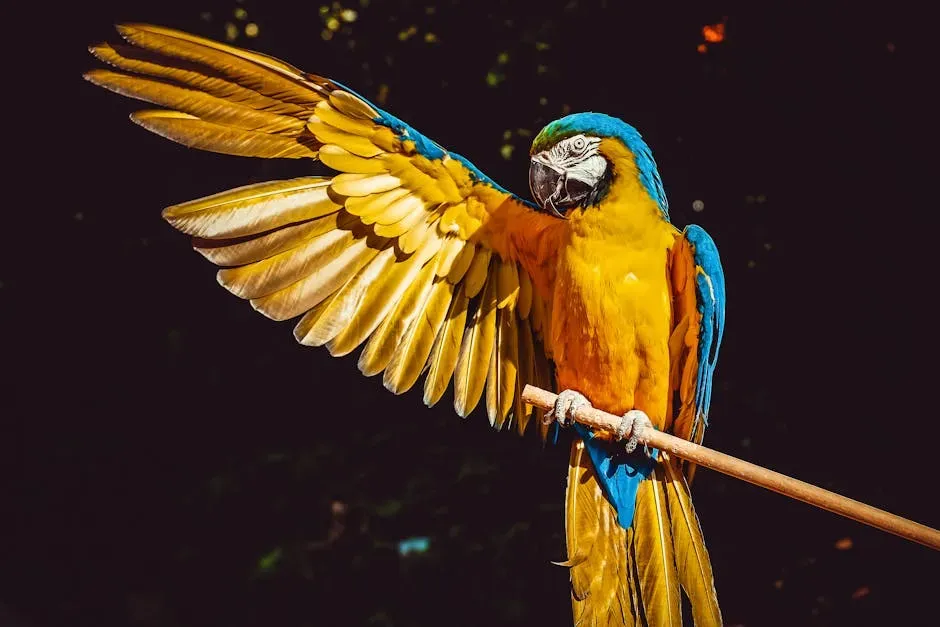
If pterosaurs were the evolutionary sprinters, birds were the marathon runners of flight development. Modern birds are believed to have acquired flight in a step-by-step, more gradual process, inheriting certain features such as an enlarged cerebrum, cerebellum, and optic lobes from their prehistoric relatives, and later adapting them to enable flight. You can almost picture it as a series of upgrades – each generation getting slightly better equipment before finally achieving liftoff.
The evolution of feathers was an essential step that led to the origins of flight in dinosaurs. Living birds use feathers for more than just flight – they also play a role in insulation, display, and camouflage. These were more likely the early drivers for the evolution of feathers. So feathers weren’t invented for flying. They were a multitool that nature eventually repurposed into wings. That kind of evolutionary creativity is what makes this story so endlessly fascinating.
6. Archaeopteryx – The Creature That Changed Everything We Knew About Bird Origins
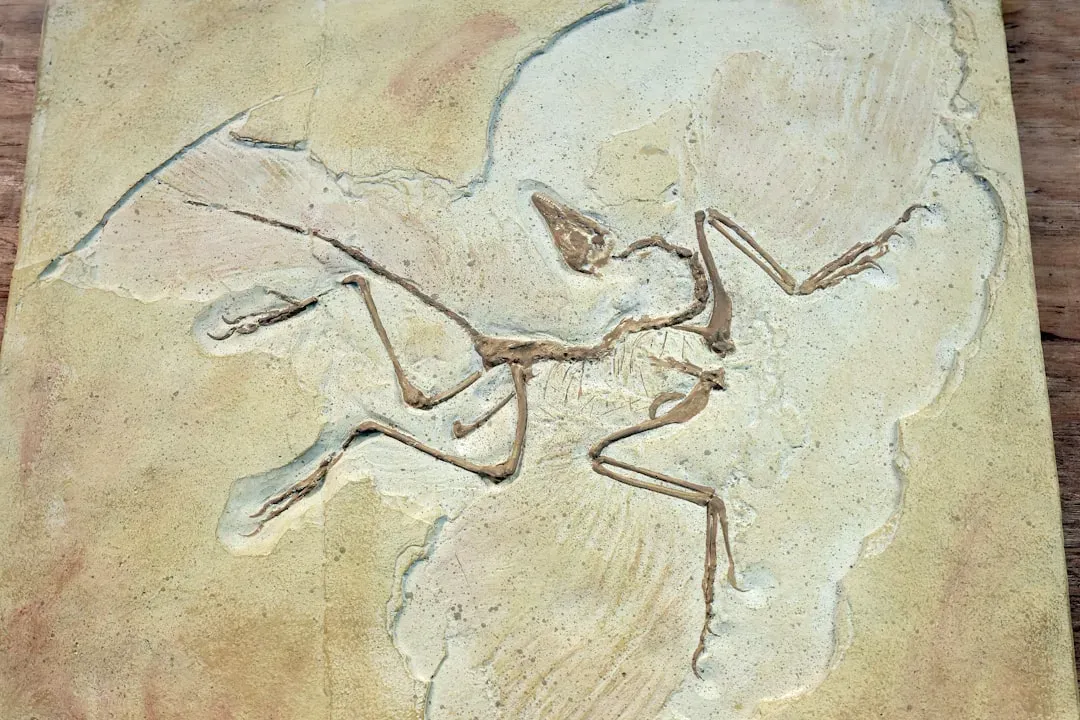
Few fossils have rattled the scientific world quite like Archaeopteryx. Because it displays features common to both birds and non-avian dinosaurs, Archaeopteryx has often been considered a link between them. In the 1970s, John Ostrom argued that birds evolved within theropod dinosaurs and Archaeopteryx was a critical piece of evidence – it had several avian features such as a wishbone, flight feathers, and wings, along with clear dinosaur and theropod characteristics. It’s essentially a creature that nature seemingly couldn’t quite decide how to classify.
Archaeopteryx had well-developed wings, and the structure and arrangement of its wing feathers indicate that it could fly. However, evidence suggests that its powered flight differed from that of most modern birds. The bones were strong enough to handle low torsional forces, which allowed for bursts of powered flight over short distances to elude predators, rather than the high torsional forces required for rapid flapping and soaring. Think of it like an early prototype aircraft – technically capable of flying, but nothing like the sleek machines that came later.
7. Some Dinosaurs Actually Evolved Flight – Then Lost It Again
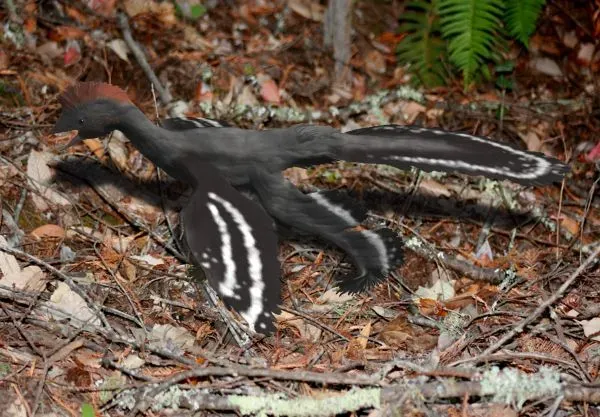
Here is a twist you probably never saw coming. wasn’t always a straight line upward. A new study examined dinosaur fossils preserved with their feathers and found that these dinosaurs had lost the ability to fly. According to the researchers, this is an extremely rare finding that offers a glimpse into the functioning of creatures that lived 160 million years ago, and their impact on the evolution of flight in dinosaurs and birds. Nature, it seems, sometimes gives out wings and then takes them back.
The research team says, “This finding has broad significance, as it suggests that the development of flight throughout the evolution of dinosaurs and birds was far more complex than previously believed. In fact, certain species may have developed basic flight abilities – and then lost them later in their evolution.” As one researcher noted, “Feather molting seems like a small technical detail – but when examined in fossils, it can change everything we thought about the origins of flight. Anchiornis now joins the list of dinosaurs that were covered in feathers but not capable of flight, highlighting how complex and diverse wing evolution truly was.” It’s a reminder that evolution doesn’t always progress in a tidy forward direction.
8. Powered Flight Evolved Independently Multiple Times Across Very Different Animals
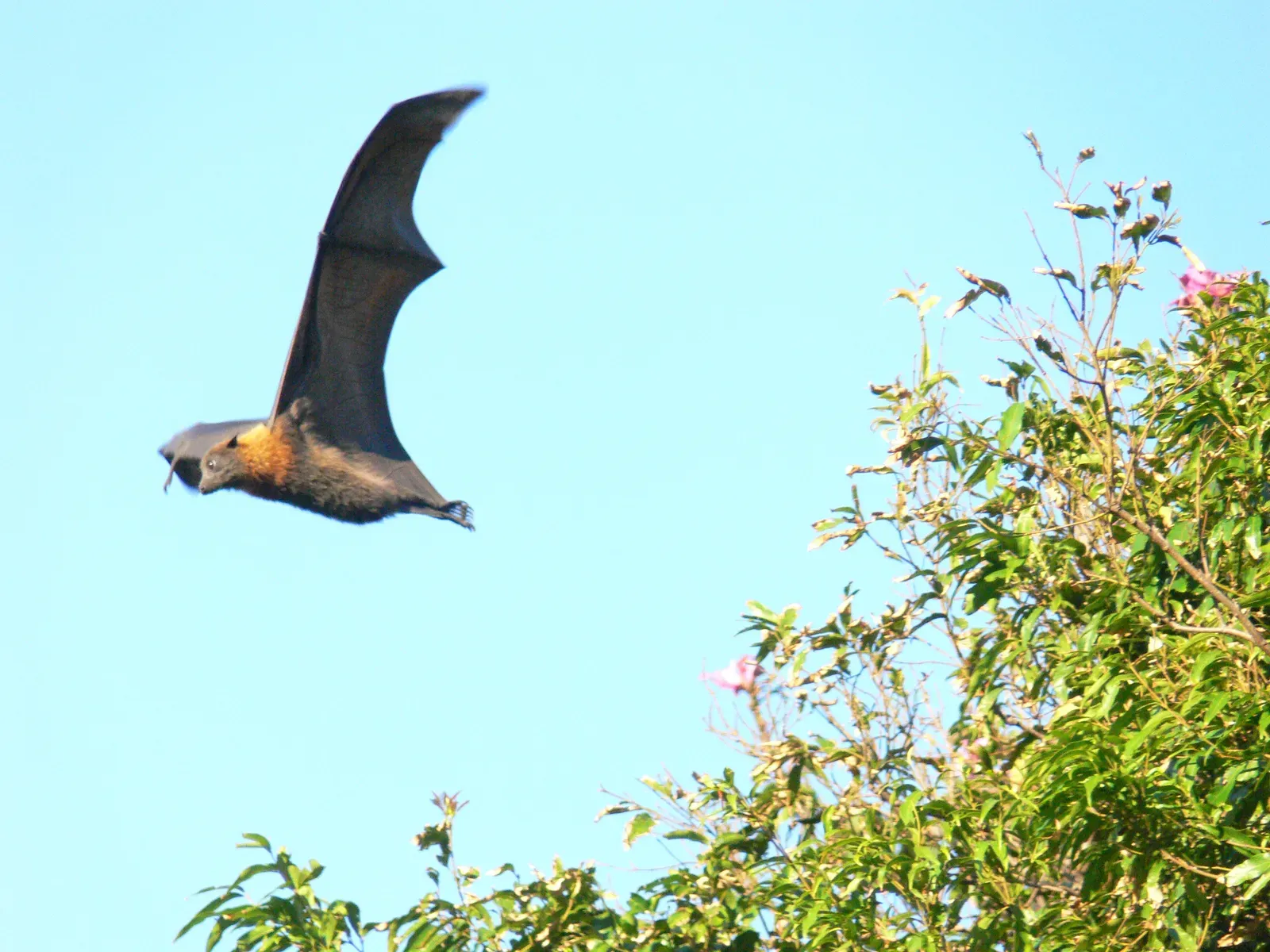
Here’s a mind-bending concept to sit with for a moment. The ability to achieve powered, self-sustained flight didn’t evolve once, spread, and get inherited by everyone. It popped up completely independently in separate lineages, time and time again. We know this trait evolved separately in at least four different animal groups – dinosaurs, pterosaurs, bats, and insects. In dinosaurs alone, it may have evolved at least three times across birds and their closest non-avian relatives. Some scientists believe it may have also originated in early members of another group and then been lost multiple times in their evolution.
Powered flight is a prime example of convergent evolution – where the same trait evolves in distantly related groups. This often occurs as a solution to a similar problem. But the drivers behind why and how flight evolved could differ between the various animal groups. It’s a bit like how humans and dolphins both evolved streamlined bodies for moving through their respective environments – totally unrelated paths, remarkably similar solutions. Nature is nothing if not a creative problem-solver.
9. Quetzalcoatlus – The Largest Flying Creature That Ever Lived on Earth
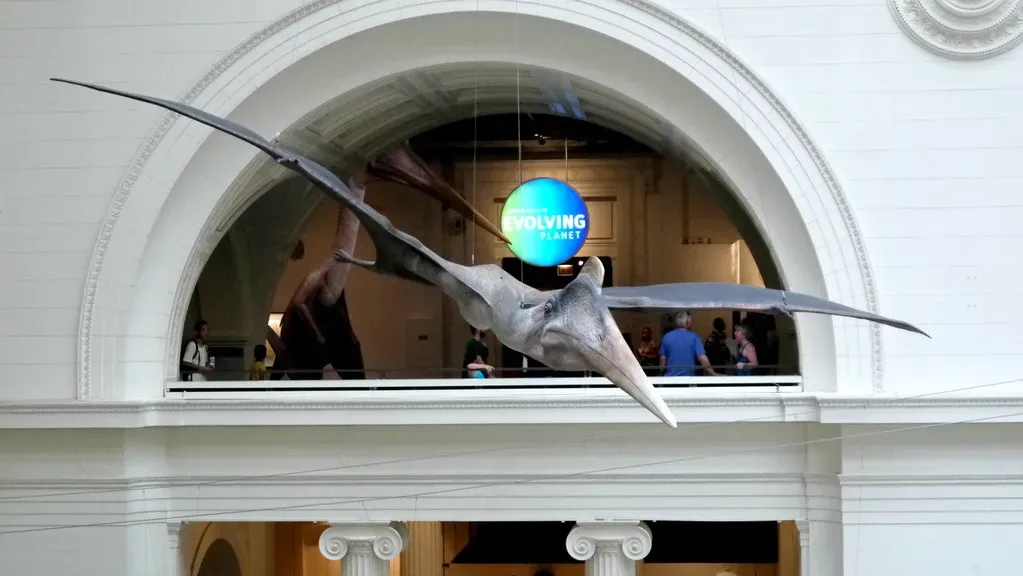
If you want to talk about prehistoric flight at its most awe-inspiring and borderline terrifying, you have to talk about Quetzalcoatlus. One member of the genus Quetzalcoatlus, Q. northropi, is widely believed to have been the largest flying creature that ever lived. Paleontologists contend that members of the species stood about 5 meters tall and had a wingspan of up to 11 meters. To put that in perspective, you’re looking at a wingspan wider than a school bus is long. Standing next to one on the ground would have been an absolutely surreal experience.
An analysis of existing Quetzalcoatlus fossils in 2021 provided evidence that Q. northropi could indeed fly. Because of its massive wings, it likely took off by leaping some 2.5 meters into the air. With enough of a jump, it could flap its powerful wings to reach an altitude at which it could soar like a condor. Estimates suggest that Q. northropi might have flown at speeds of up to 130 km per hour and covered as much as 640 km in a day. I think the image of something this massive running, leaping, and then vanishing into the sky is one of the most spectacular things prehistoric life has to offer.
10. Pterosaurs Were Warm-Blooded and Covered in Hair-Like Filaments – Not Cold-Blooded Reptiles
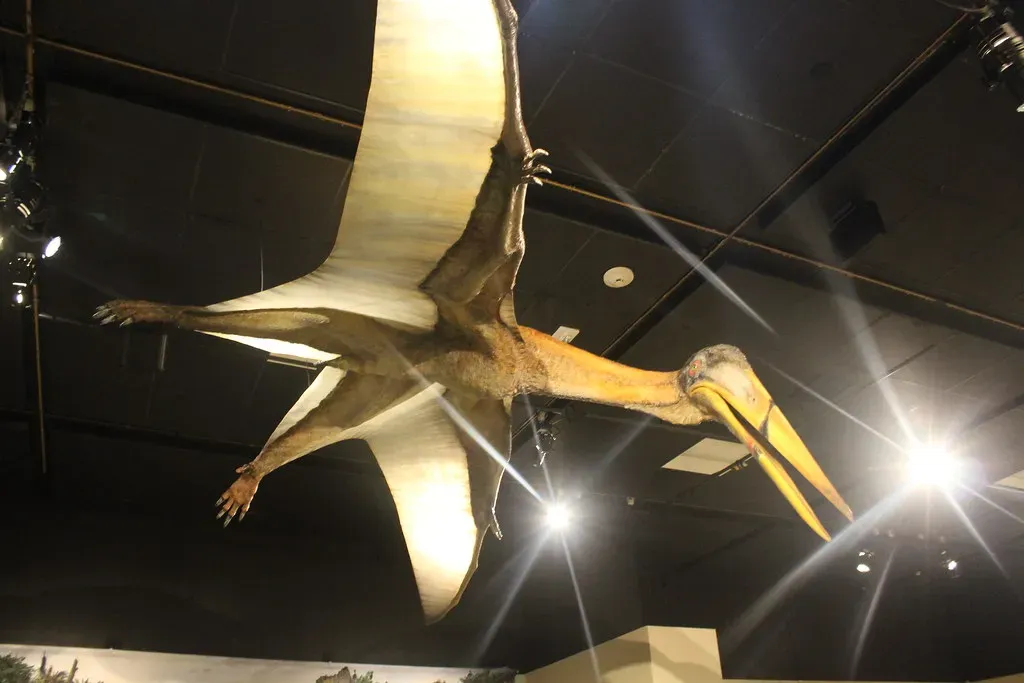
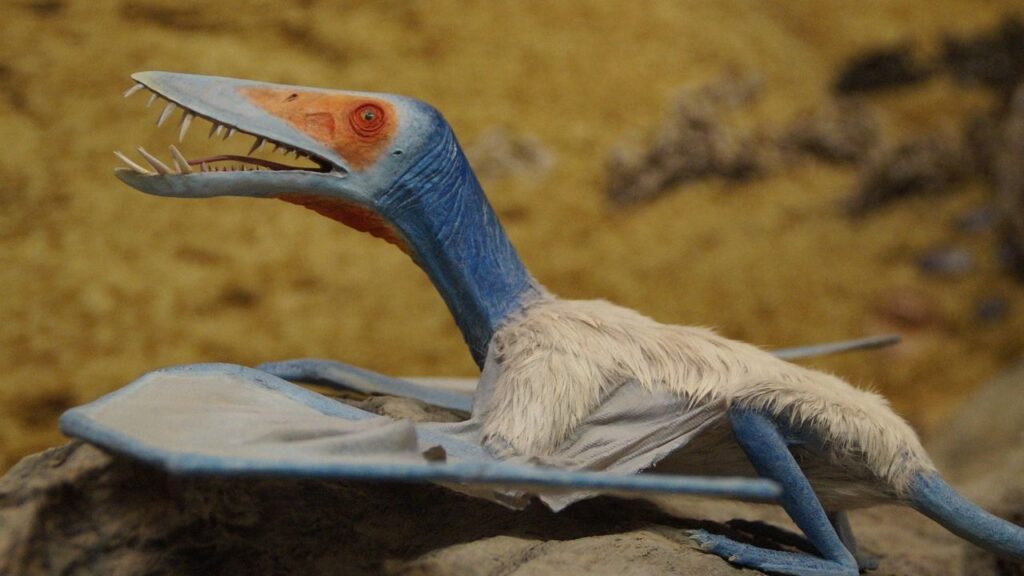
The old textbook image of pterosaurs as cold, scaly, slow-moving gliders has been thoroughly dismantled by modern science. All pterosaurs had hair-like filaments known as pycnofibers on the head and torso. Pycnofibers were unique structures similar to mammalian hair, an example of convergent evolution, and pterosaur pelts might have been comparable in density to those of mammals. The pycnofibers show that pterosaurs were warm-blooded, providing insulation to prevent heat loss. Warm-blooded, active, and fast-metabolizing – these were not the lumbering cold reptiles of old monster movies.
A clue to their evolutionary success came from the Qaratai Mountains of Kazakhstan when zoologist A.G. Sharov discovered fossils of an unknown species with well-preserved hairlike fibers. He named the new pterosaur Sordes pilosus, or “hairy devil.” Sordes clearly set pterosaurs apart from the reptiles known today. Crocodiles and lizards don’t need an insulating layer over their bodies because they are cold-blooded. But the fibers on Sordes suggest that pterosaurs needed to keep their body temperature elevated – one clue that they may have evolved an advanced, warm-blooded physiology similar to birds and mammals. A “hairy devil” soaring on warm blood through Mesozoic skies. Honestly, that’s a more accurate picture than anything Hollywood has ever given us.
Conclusion: The Sky Was Never Empty – and the Story Isn’t Over
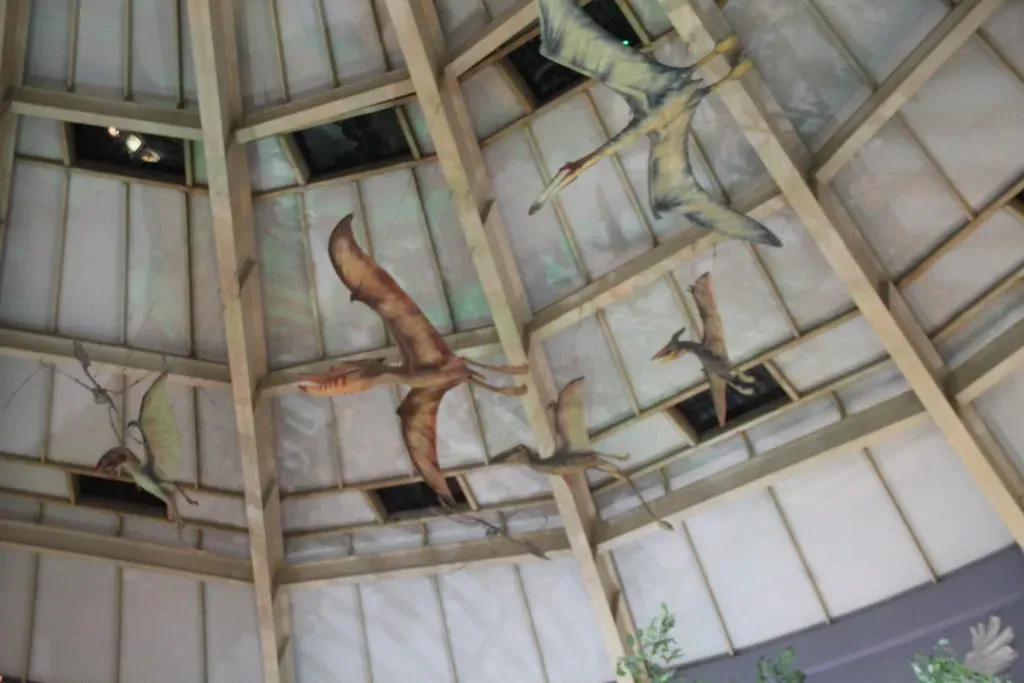
What you’ve just explored is more than a catalog of prehistoric oddities. It’s a deep reminder that life has found its way into the air not once, not twice, but again and again – through bursts of rapid evolution, through slow and steady neurological upgrades, through feathers that started as insulation before becoming wings, and through creatures so massive they make modern condors look like sparrows.
The story of prehistoric flight is also still being written. New fossils are still turning up, CT scanners are still cracking open ancient skulls, and researchers are still rethinking conclusions that seemed ironclad just a decade ago. Every time a new specimen emerges from limestone, chalk, or riverbed sediment, the picture gets a little richer and a little stranger.
So the next time you watch a bird lift effortlessly off a fence post and disappear into the blue, take a second to appreciate just how much evolutionary history is tucked inside those hollow bones and asymmetrical feathers. It took roughly 220 million years of trial, error, extinction, and reinvention to arrive at that casual, effortless moment. Did you ever imagine the sky had that much history written into it?