You’ve probably heard the basic story of evolution in school. You know, Darwin, finches, survival of the fittest. But here’s the thing – what most people know about the history of life on Earth barely scratches the surface. The real story is stranger, more dramatic, and honestly more breathtaking than anything we were ever taught in a classroom.
We’re talking about oxygen that once poisoned the planet, eyes that evolved over two dozen times independently, and extinction events so devastating that nearly everything alive simply ceased to exist. The story of life on Earth is a wild, twisting saga spanning nearly four billion years. Buckle up, because some of these facts will genuinely stop you in your tracks. Let’s dive in.
1. Life Appeared on Earth Almost as Soon as It Possibly Could
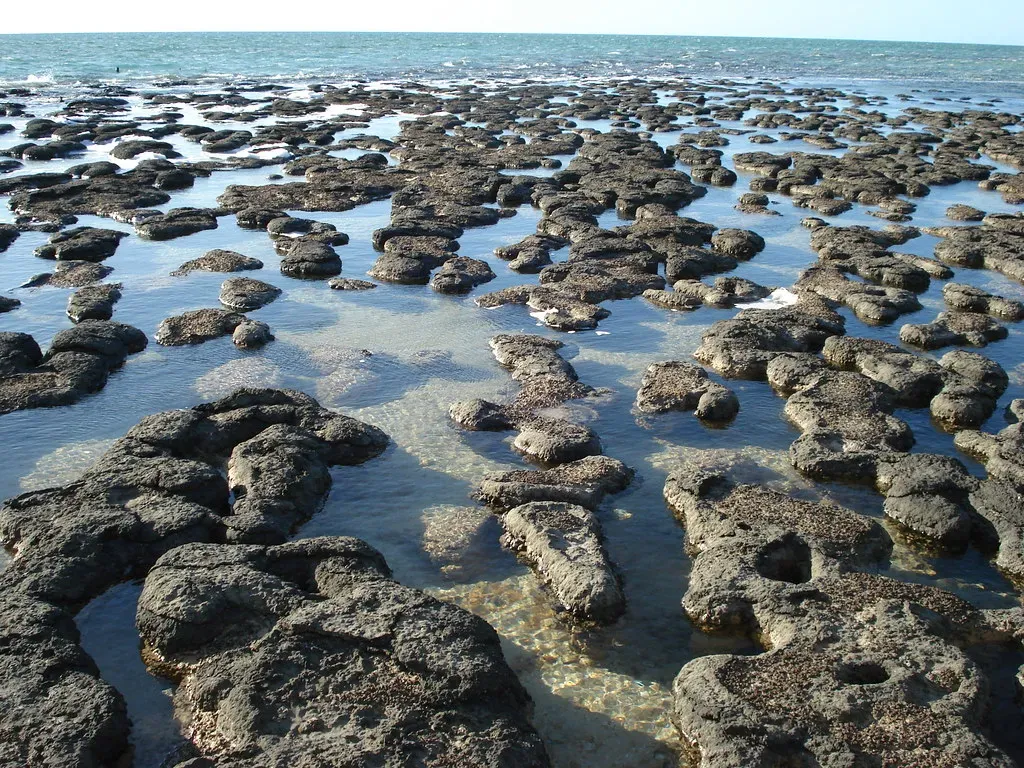
Here’s a fact that makes scientists raise their eyebrows: life didn’t wait long after Earth formed to make its debut. Earth is about 4.5 billion years old, and scientists think that by around 4.3 billion years ago, Earth may have already developed conditions suitable to support life. That’s an almost absurdly short window between a newly formed, molten rock hurtling through space and an environment where biology could begin.
The earliest clear evidence of life comes from biogenic carbon signatures and stromatolite fossils discovered in 3.7 billion-year-old metasedimentary rocks from western Greenland. In 2015, possible “remains of biotic life” were also found in 4.1 billion-year-old rocks in Western Australia. Think about what that means. Life may have been clinging to this planet for so long that the very rocks it left its mark on have been recycled, crushed, and reformed multiple times over. It’s almost like life was impatient to get here.
2. The Early Earth Was a Completely Alien World
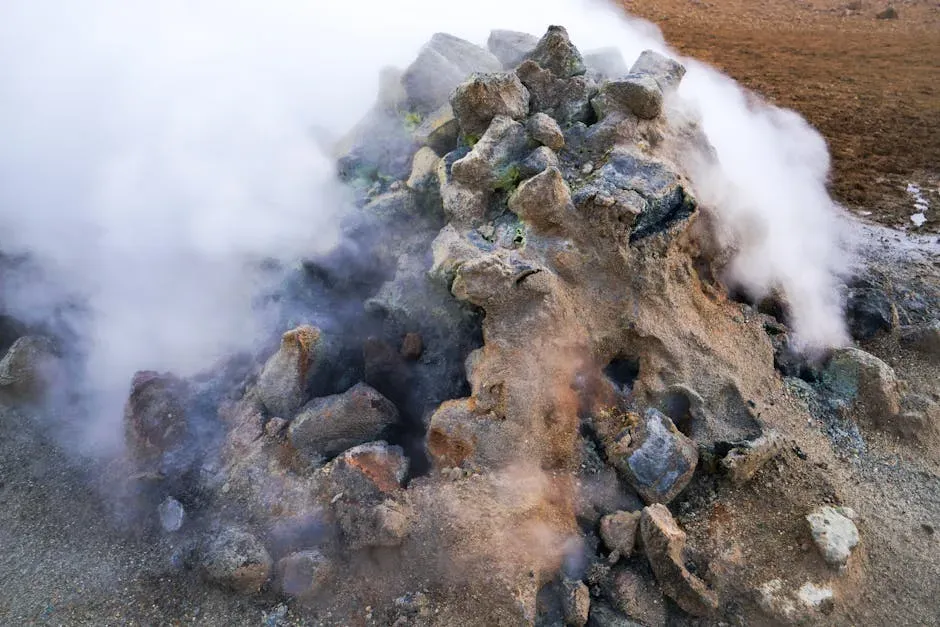
You wouldn’t recognize the young Earth. Not even close. The early days on Earth looked very different from today – it was extremely hot, volcanically active, and bathed in brutal ultraviolet radiation. There was no protective ozone layer, no breathable atmosphere, and no liquid oceans of the kind we know today. It was, by every modern standard, a hellish environment.
Volcanic outgassing probably created the primordial atmosphere and then the ocean, but the early atmosphere contained almost no oxygen. Much of Earth was molten because of frequent collisions with other bodies which led to extreme volcanism. Imagine a world where rivers of lava replaced rivers of water and the sky was a dense toxic haze. And yet, somehow, something figured out how to live there. Honestly, life’s stubbornness is its most defining feature.
3. Oxygen Was Once a Deadly Poison That Reshaped Everything
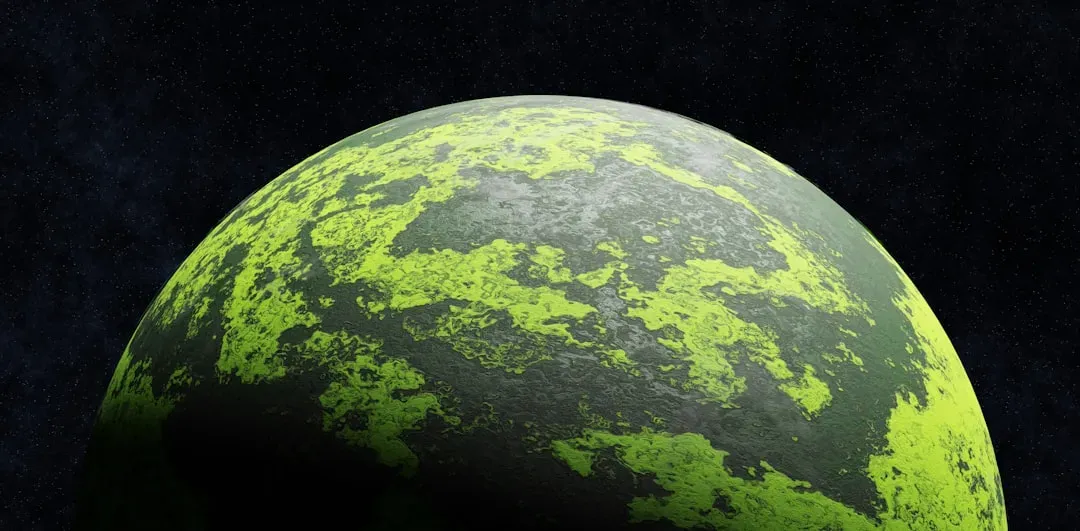
You rely on oxygen to breathe, think, and exist. But here’s something that should genuinely surprise you: for most of Earth’s early history, oxygen was a catastrophic environmental toxin. Cyanobacteria became Earth’s first photosynthesizers, making food using water and the Sun’s energy and releasing oxygen as a result. This catalyzed a sudden, dramatic rise in oxygen, making the environment less hospitable for other microbes that could not tolerate oxygen.
The evolution of photosynthesis by cyanobacteria, around 3.5 billion years ago, eventually led to a buildup of its waste product, oxygen, in the oceans. After free oxygen saturated all available reductant substances on the Earth’s surface, it built up in the atmosphere, leading to the Great Oxygenation Event around 2.4 billion years ago. Think of it like a slow-motion environmental catastrophe triggered by microscopic organisms just doing what they did naturally. The entire biosphere was forced to adapt or die. This event, often called the Great Oxygenation Event, is arguably the most consequential biological moment in the planet’s entire history.
4. Your Mitochondria Were Once Free-Living Bacteria
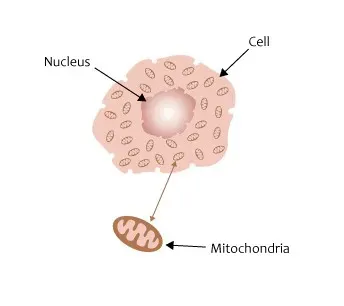
Every single cell in your body carries a tiny passenger with its own DNA. Your mitochondria – the power plants of your cells – were once completely separate, free-living bacteria. Symbiogenesis is the leading evolutionary theory of the origin of eukaryotic cells from prokaryotic organisms, and the theory holds that mitochondria, plastids such as chloroplasts, and possibly other organelles of eukaryotic cells are descended from formerly free-living prokaryotes taken one inside the other in endosymbiosis.
Symbiogenesis demonstrated that major evolutionary advancements, particularly the origin of eukaryotic cells, may have resulted from symbiotic mergers rather than from gradual mutations and individual competition. In a sense, you are not one organism. You are a collaboration. Every complex creature on Earth – every plant, animal, and fungus – is the descendant of an ancient merger that happened over a billion years ago. Because eukaryotes are capable of feats that could never be accomplished by a lone prokaryote, it follows that evolutionary innovation can be achieved by cooperation rather than solely through competition. That’s a beautiful and rather humbling idea.
5. The Cambrian Explosion Invented Almost Every Animal Body Plan Overnight
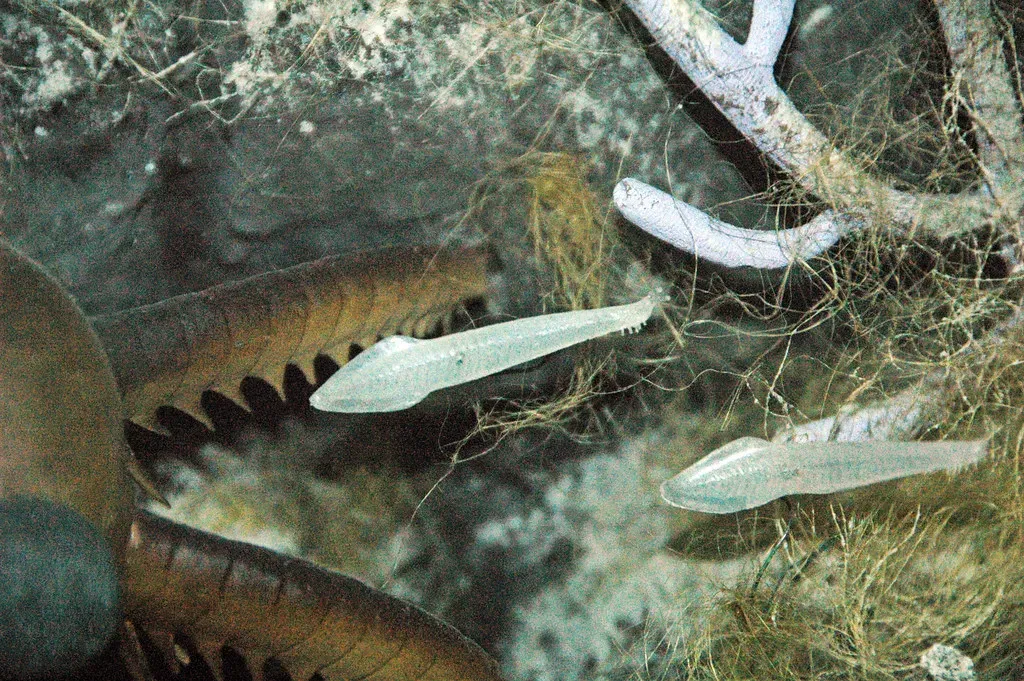
If you wanted a single event that changed everything about life on Earth with staggering speed, it would be the Cambrian Explosion. The Cambrian period, occurring between approximately 542 and 488 million years ago, marks the most rapid evolution of new animal phyla and animal diversity in Earth’s history, and it is believed that most of the animal phyla in existence today had their origins during this time. Eyes, legs, claws, shells, jaws – essentially the entire toolkit of animal body designs was invented in a geological flash.
The Cambrian explosion was a sharp and sudden increase in the rate of evolution. About 538.8 million years ago, at the onset of the Cambrian Period, intense diversification resulted in more than 35 new animal phyla. The creatures that appeared were bizarre almost beyond imagination. A predator of the Cambrian was the giant, shrimplike Anomalocaris, which trapped its prey in fearsome mouthparts lined with hooks. Even stranger was the five-eyed Opabinia, which caught its victims using a flexible clawed arm attached to its head. Five eyes. On a single animal. Let that one sink in for a moment.
6. The Great Dying Almost Ended Complex Life Entirely
There have been several mass extinctions in Earth’s history, but the Permian-Triassic extinction event stands in a class of its own. The Permian-Triassic extinction event, colloquially known as the Great Dying, occurred approximately 251.9 million years ago. It is Earth’s most severe known extinction event, with the extinction of 57% of biological families, 62% of genera, 81% of marine species, and 70% of terrestrial vertebrate species. Those numbers are hard to comprehend. Nearly every species on the planet was simply wiped out.
The scientific consensus is that the main cause of the extinction was the flood basalt volcanic eruptions that created the Siberian Traps, which released sulfur dioxide and carbon dioxide, resulting in oxygen-starved and sulfurous oceans, elevated global temperatures, and acidified oceans. It’s the closest life on Earth has ever come to a total reset. During the recovery from this catastrophe, archosaurs became the most abundant land vertebrates; one archosaur group, the dinosaurs, dominated the Jurassic and Cretaceous periods. In a strange and ironic twist, near-total annihilation gave rise to the age of dinosaurs.
7. The Eye Has Evolved Independently More Than Two Dozen Times
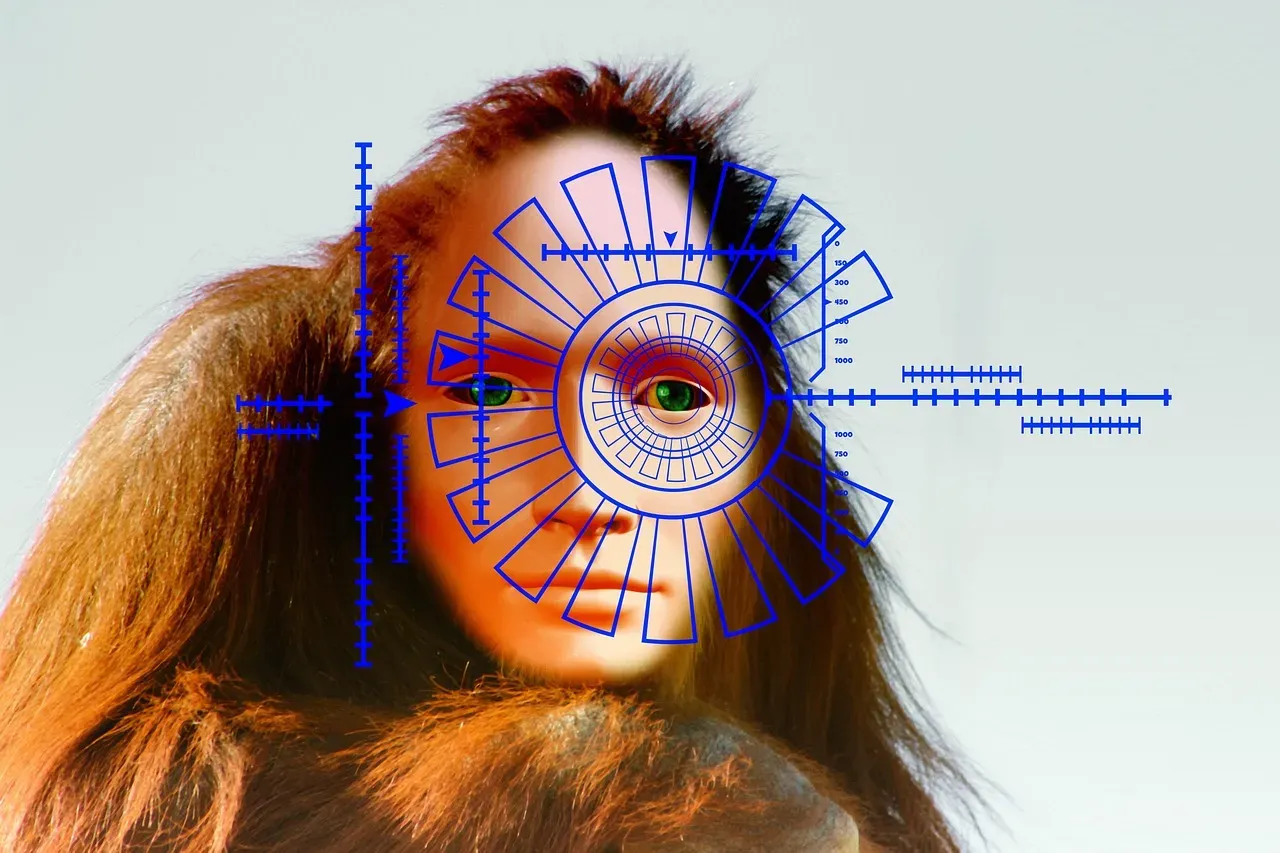
Let’s be real – if you were designing a complex optical instrument like the eye from scratch, you’d probably do it once and share the blueprint. Nature didn’t get that memo. The eye, a light receptor that makes an image, has evolved independently more than two dozen times not only in animals on Earth but in protists, and apparently eyelike structures best solve the problem of visual recording. This is one of the most striking examples of convergent evolution in all of biology.
The work sheds new light on how very different organisms can evolve similar traits in response to their environments, a process known as convergent evolution. Eye-like structures have evolved independently many times in different kinds of animals and algae with varying abilities to detect the intensity of light, its direction, or objects. Think about dolphins and fish both developing streamlined torpedo-shaped bodies without sharing a recent common ancestor. Or wolves and thylacines – quite analogous to the ordinary placental mammalian wolf was the marsupial wolf, the thylacine (extinct since 1936) that lived in Australia, with the two predatory mammals having striking similarities in physical appearance and behaviour. Evolution keeps arriving at the same brilliant solutions, independently, over and over again.
8. Life Remained Mostly Microscopic for Over Three Billion Years
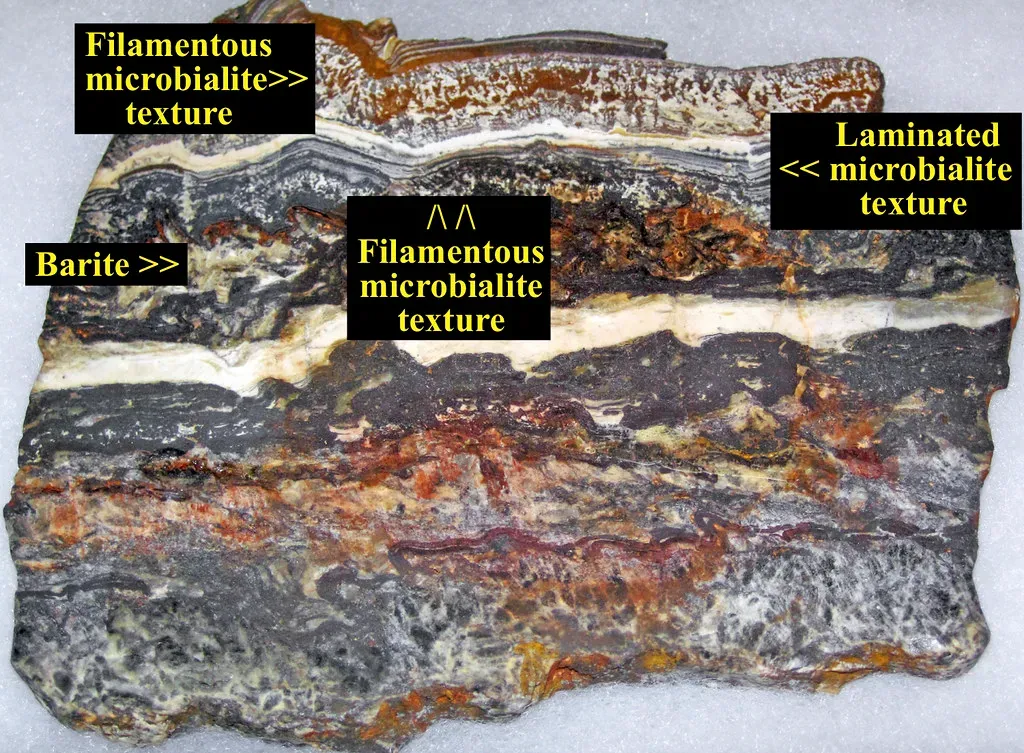
Here’s something that puts the entire human story in sobering perspective. For the vast majority of life’s existence on this planet, nothing you could see with the naked eye was doing much of anything interesting. Life remained mostly small and microscopic until about 580 million years ago, when complex multicellular life arose, developed over time, and culminated in the Cambrian Explosion. That means for more than three billion years, the most sophisticated thing on Earth was a microbial mat.
The earliest evidence of eukaryotes – complex cells with organelles – dates from around 1.85 billion years ago, likely due to symbiogenesis between anaerobic archaea and aerobic proteobacteria. While eukaryotes may have been present earlier, their diversification accelerated when aerobic cellular respiration by the endosymbiont mitochondria provided a more abundant source of biological energy. In other words, complex life only took off once cells figured out how to harvest energy more efficiently. It’s a reminder that almost all of evolutionary history belongs not to animals or plants, but to microbes.
9. Comets and Asteroids May Have Delivered Life’s Building Blocks to Earth
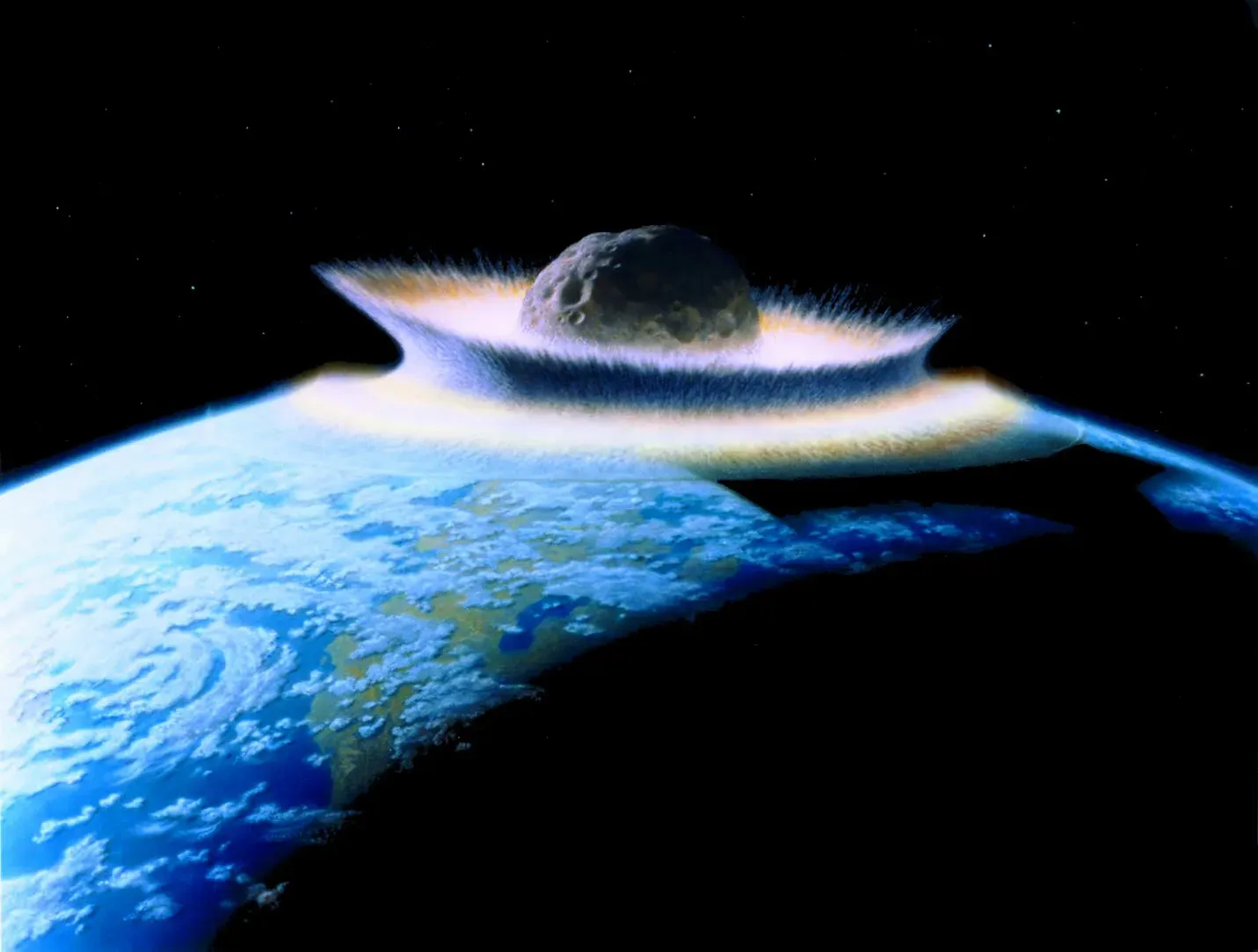
The ingredients for life – amino acids, organic molecules, water – didn’t necessarily form exclusively on Earth. There’s growing and genuinely exciting evidence that space delivered some of the raw materials for biology directly to our planet. In 2019, a team of researchers in France and Italy reported finding extraterrestrial organic material preserved in the 3.3 billion-year-old sediments of Barberton, South Africa, and the team suggested micrometeorites as the material’s likely source. Further such evidence came in 2022 from samples of asteroid Ryugu returned to Earth by Japan’s Hayabusa2 mission, and the count of amino acids found in the Ryugu samples now exceeds 20 different types.
It seems possible that the origin of life on Earth’s surface could have been first prevented by an enormous flux of impacting comets and asteroids, then a much less intense rain of comets may have deposited the very materials that allowed life to form some 3.5 to 3.8 billion years ago. It’s a strange and poetic thought – that the same violent cosmic bombardment that scorched the early Earth eventually delivered the very chemistry that allowed life to emerge. Carbon, nitrogen, oxygen, and other elements essential to life were scattered into space by supernova explosions long before Earth formed. Those atoms eventually became part of our planet, our oceans, and our bodies.
10. The Currently Known Species Represent Less Than One Percent of All Life That Ever Existed
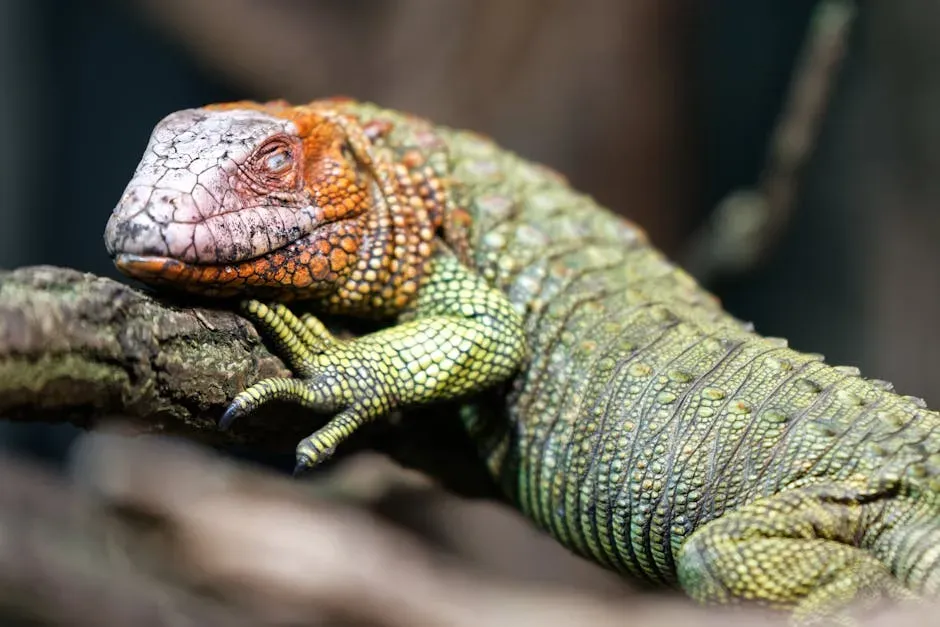
You might think the natural world around you represents most of what life on Earth has produced. In reality, you’re looking at a tiny, tiny fraction of the full catalog. The currently living species represent less than one percent of all species that have ever lived on Earth. Everything you’ve ever seen – every bird, tree, insect, fish, and mammal – is a surviving remnant of an almost incomprehensibly larger story.
Only a very small percentage of species have been identified: one estimate claims that Earth may have one trillion species, because identifying every microbial species on Earth presents a huge challenge. Only about 1.75 to 1.8 million species have been named and documented in a central database. That gap between what exists and what we know is staggering. Mass extinctions may have actually accelerated evolution by providing opportunities for new groups of organisms to diversify. In the most counterintuitive way possible, extinction has been one of evolution’s most powerful creative forces.
Conclusion: The Story Is Still Being Written
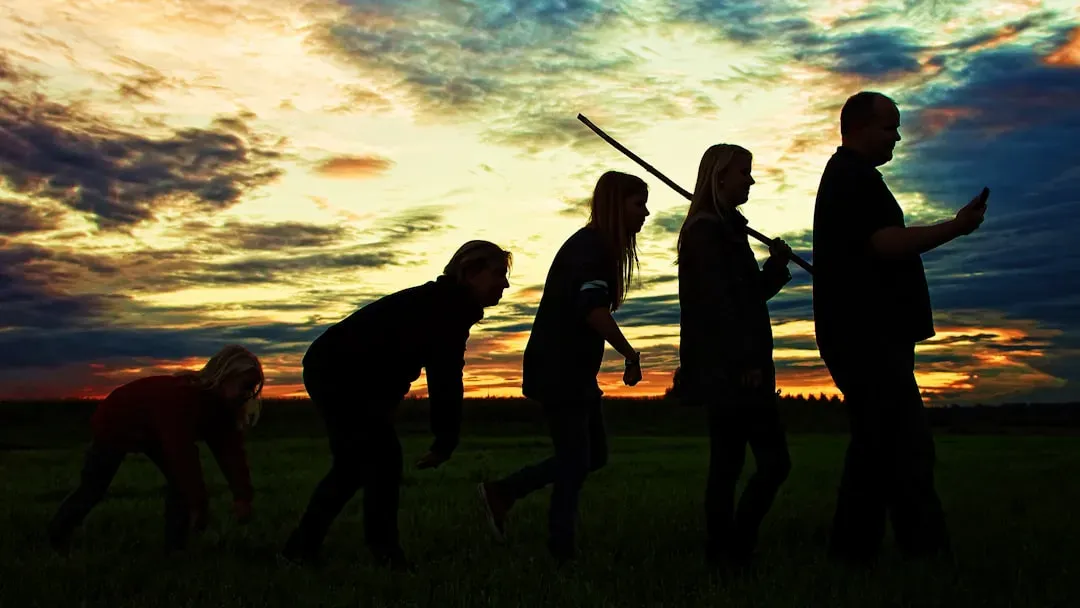
The history of life on Earth is not just ancient science. It’s the most extraordinary story ever told, and new chapters are being uncovered every year. From life appearing almost the moment Earth cooled enough to allow it, to microscopic mergers that gave rise to every complex creature you’ve ever seen, the timeline of evolution is full of twists, near-total collapses, and breathtaking comebacks.
What’s perhaps most striking is how much we still don’t know. Their discoveries reveal a world far stranger than we once imagined – a young planet battered by asteroids, oceans rich with chemical energy, and microscopic molecular experiments occurring endlessly in warm pools and deep-sea vents. The origin of life was not a single event but a long chain of improbable steps. Every rock formation, fossil, and strand of DNA is another clue in a mystery that has been four billion years in the making.
The next time you look at a tree, a bacterium under a microscope, or even your own reflection, remember: you are the latest chapter in the most incredible story this planet has ever produced. Which of these facts surprised you the most? Share your thoughts in the comments below.