You’ve probably heard about dinosaurs. Maybe you’ve seen them in movies, read about them in books, or even visited a museum where their massive skeletons tower overhead. It’s impossible not to wonder what these creatures were really like when they ruled the Earth millions of years ago.
The world of prehistoric predators goes far beyond what most of us imagine. Sure, there’s the famous Tyrannosaurus rex with its bone-crushing jaws and terrifying roar. Then there’s the stuff most people don’t talk about at dinner parties. The monsters that lurked in ancient oceans, stalked across forgotten continents, and soared through prehistoric skies were often far stranger and deadlier than anything Hollywood could dream up. Let’s get started.
Spinosaurus Was Actually the Largest Carnivorous Dinosaur
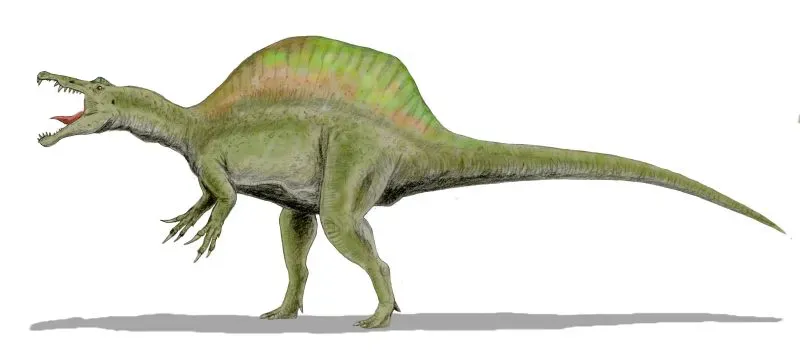
Spinosaurus is one of the biggest carnivores ever recorded, measuring around 50 feet in length and weighing roughly 7.5 tons. It was larger than both Giganotosaurus and the infamous Tyrannosaurus Rex. For years, people believed T. rex held the title, yet this peculiar creature with a sail on its back actually dwarfed it.
Spinosaurus was the first land dinosaur known to have also lived in water, being semiaquatic with short hind legs and large paddle-like tails. The name means “spine lizard,” referring to the large, spiny, fin-like sail on its back that stood at least 6 feet tall. This dinosaur spent much of its time hunting fish in ancient river systems, using its crocodile-like snout to snatch prey from the water.
Megalodon Had Teeth Larger Than Your Hand
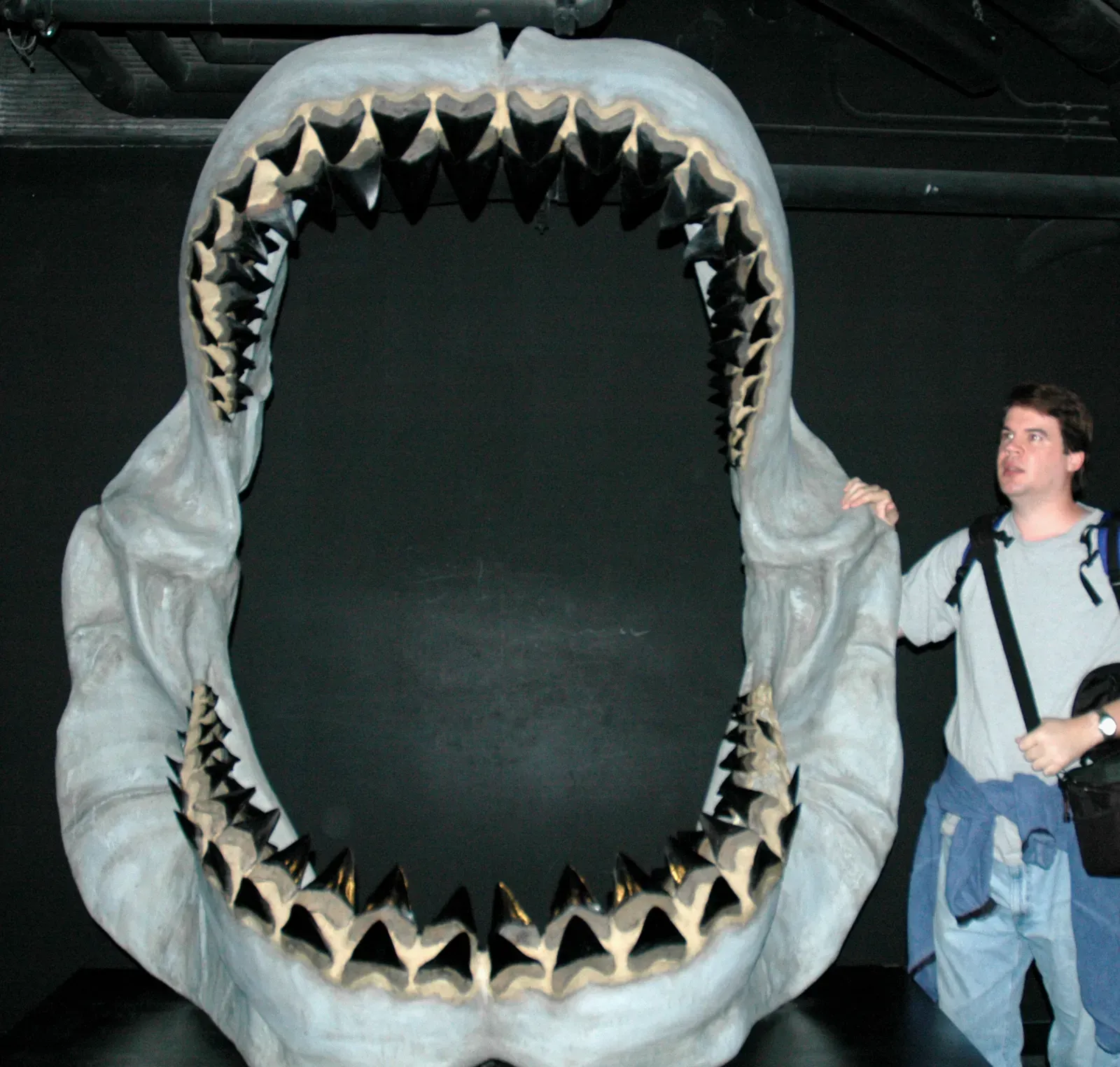
Megalodon sharks reached up to 60 feet long, a length three to four times that of modern great white sharks. These ocean monsters dominated the seas during the Miocene and Pliocene epochs, roughly between 23 million and 2.6 million years ago. Just imagine encountering something that size while swimming.
The tallest known Megalodon teeth slightly exceed 16 centimeters in height. Their jaws were wide enough to swallow a taxi at about 2.7 by 3.4 meters wide and lined with 276 teeth. These prehistoric sharks were apex predators at the highest level ever measured, feeding on other predators and predators-of-predators in a complicated food web. Simply put, nothing in the ocean was safe from them.
Pliosaurs Had a Bite Force Rivaling T. Rex
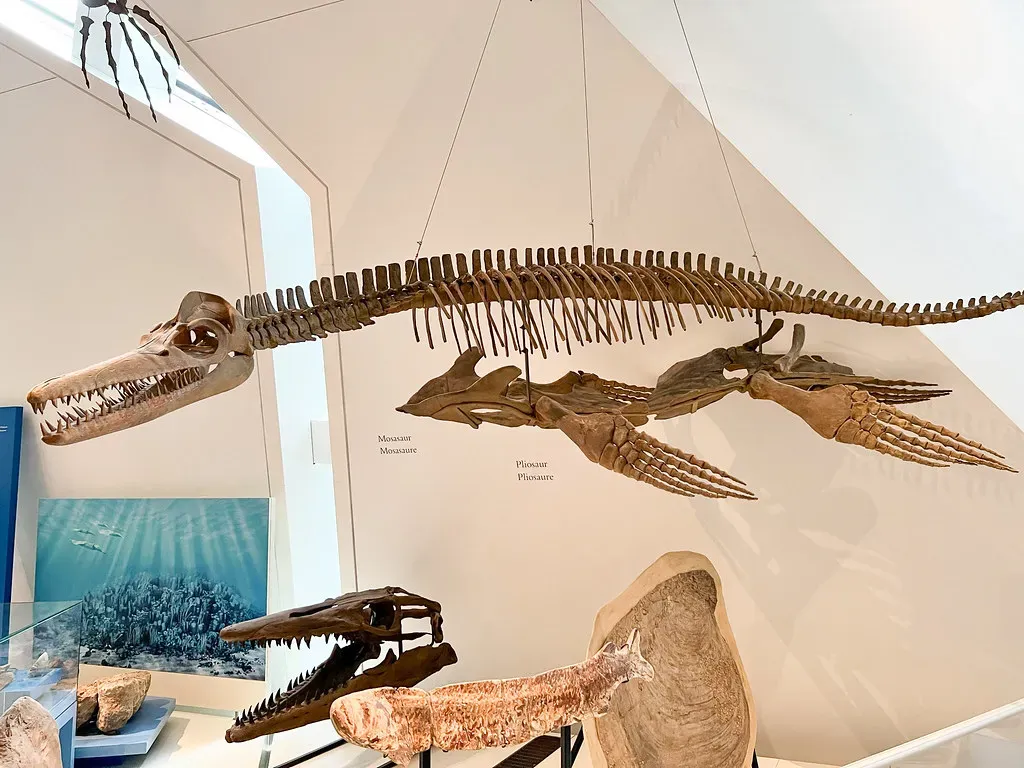
The largest pliosaurs like Kronosaurus queenslandicus reached over 30 feet long, and species such as Pliosaurus macromerus achieved massive lengths exceantml:cite>. These marine reptiles reached lengths of more than 11 meters and were the largest marine reptiles for the majority of their existence, ruling the oceans as apex predators for more than 80 million years.
Pliosaurus funkei had a bite force of 149 kilonewtons, one of the most powerful known. These creatures hunted by ambushing their prey from below, using their powerful jaws and incredibly sharp teeth to dismember prey, oftentimes in a single bite. They were basically the crocodiles of the ancient seas, only much larger and far more terrifying.
Giganotosaurus Sliced Prey With Shark-Like Teeth
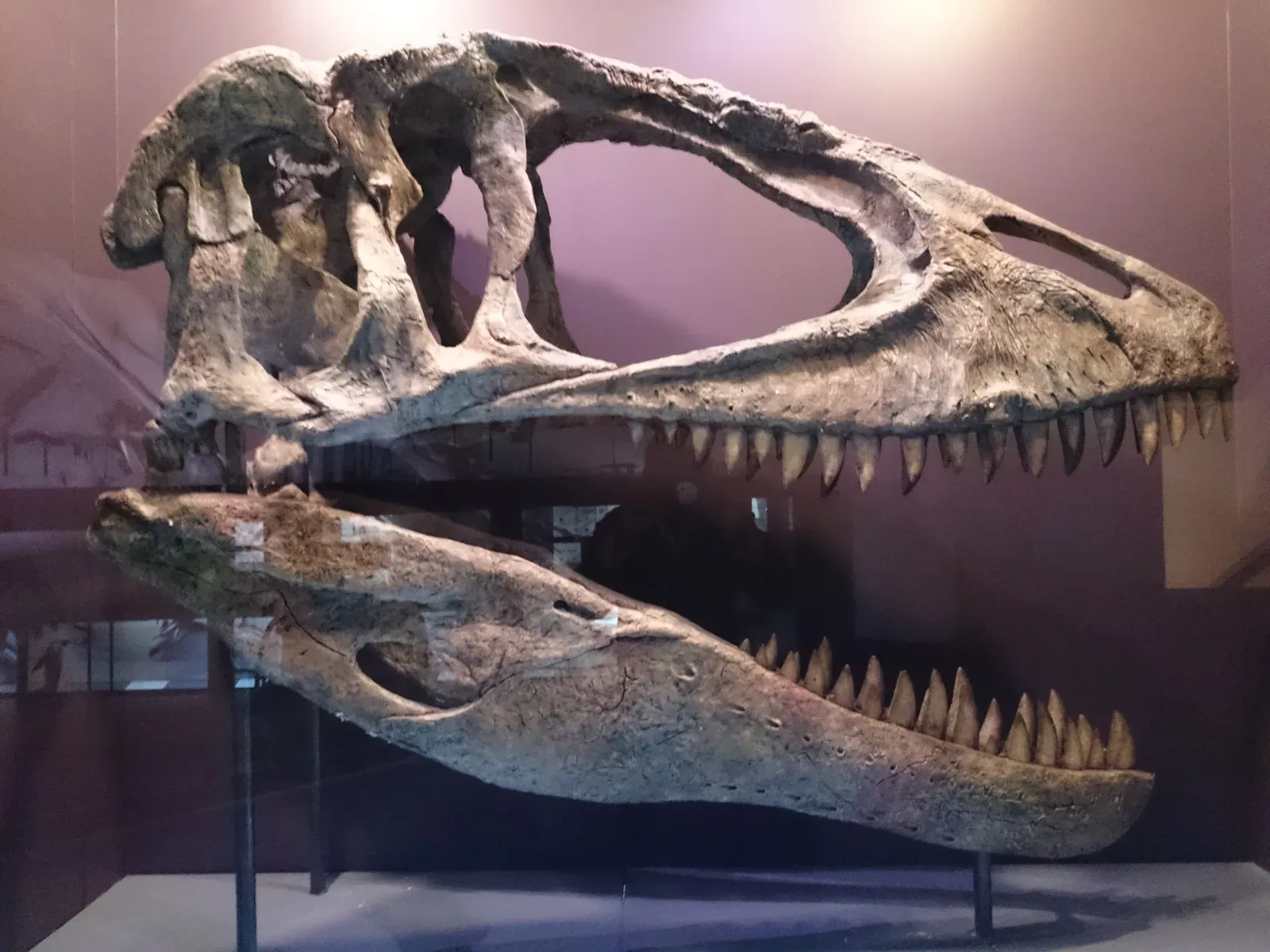
Giganotosaurus lived in what is now Argentina during the early Cenomanian age of the Late Cretaceous period, approximately 99.6 to 95 million years ago. Discoveries in recent years revealed that theropods like Giganotosaurus may have been a bit bigger than T. rex. This South American giant was a serious contender for the largest land carnivore title.
Giganotosaurus had very different teeth that worked to slice flesh rather than crush bones and armor, meaning it may have had to deliver a series of bites to its prey so that it succumbed to blood loss and collapsed. Unlike T. rex’s banana-shaped bone-crushing teeth, Giganotosaurus had blade-like choppers perfect for carving up massive herbivores. The hunting strategy was less about raw power and more about precision bleeding.
Terror Birds Dominated South America for Millions of Years
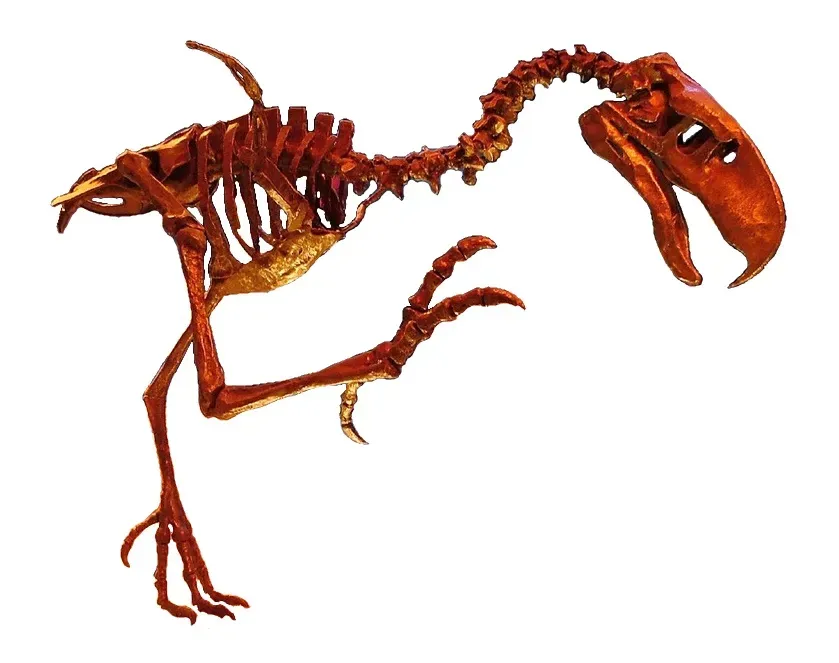
Terror birds were an extinct family of large carnivorous, mostly flightless birds that were among the largest apex predators in South America during the Cenozoic era. They ranged in height from 1 to 3 meters, with one of the largest specimens possibly weighing up to 350 kilograms. Honestly, imagine a bird taller than most humans charging at you with a massive hooked beak.
Scientists theorize that large terror birds were extremely nimble and quick runners, able to reach speeds of 48 kilometers per hour. Kelenken guillermoi from around 15 million years ago represents the largest bird skull yet found. These birds killed by grasping prey with their beaks and smashing them to the ground, or by striking downward with a sharp spike that could penetrate the braincase instantly.
Mosasaurus Ruled the Oceans During the Late Cretaceous
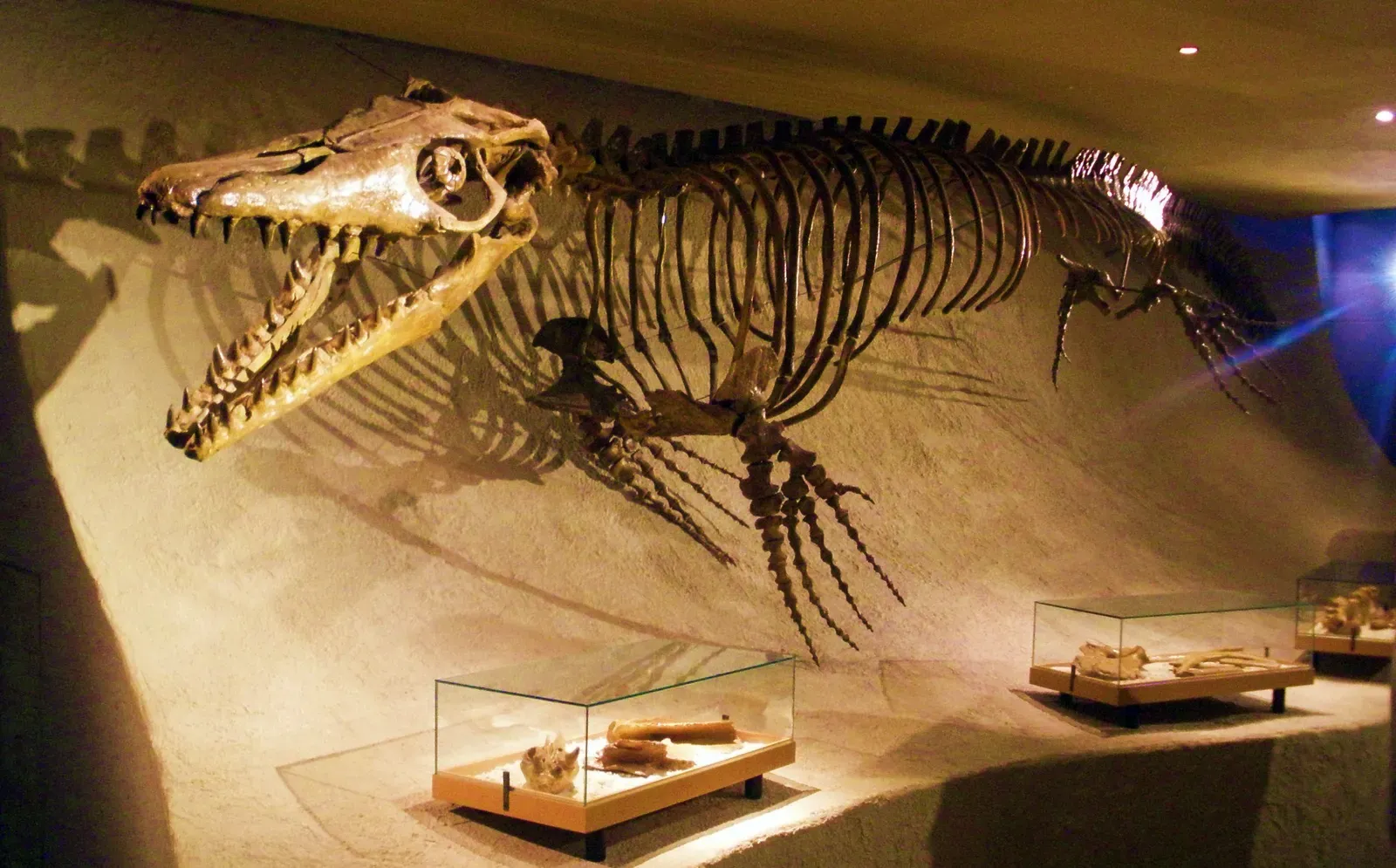
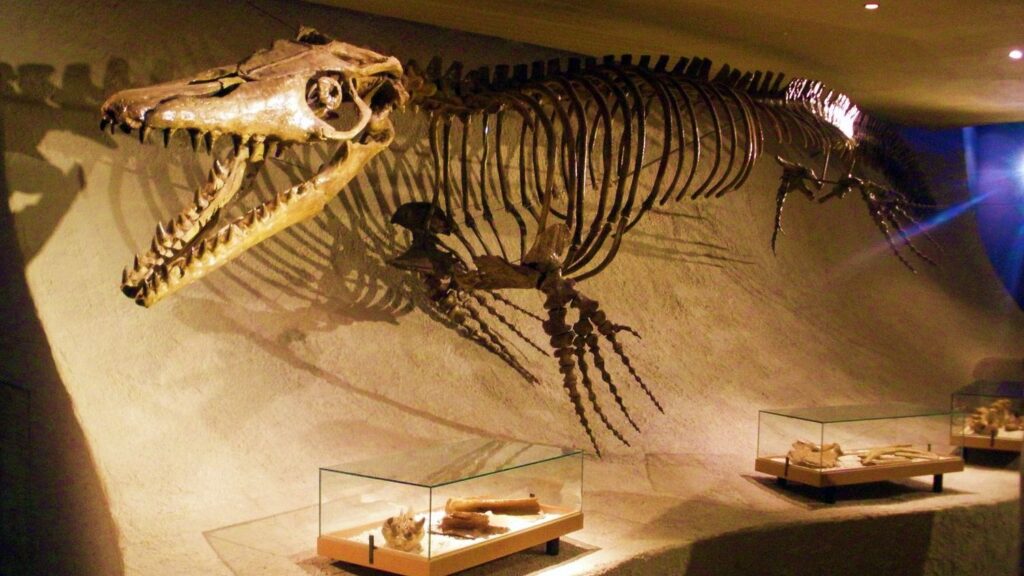
During the last 20 million years of the Cretaceous period, with the extinction of ichthyosaurs and pliosaurs, mosasaurids became the dominant marine predators before becoming extinct as a result of the asteroid impact about 66 million years ago. Mosasaurus hoffmannii reached up to 17 meters long, though it may have been overestimated, with apex predators reaching 11 meters in length and 3.8 metric tons in body mass.
With its large, robust cutting teeth, scientists believe larger members of the genus would have been able to handle virtually any animal. Low carbon isotope levels in Mosasaurus fossils reinforce its likely position as an apex predator. These marine lizards were the undisputed rulers of the seas at the end of the dinosaur age, and they didn’t discriminate when it came to food.
The Giant Short-Faced Bear Was Larger Than Modern Bears
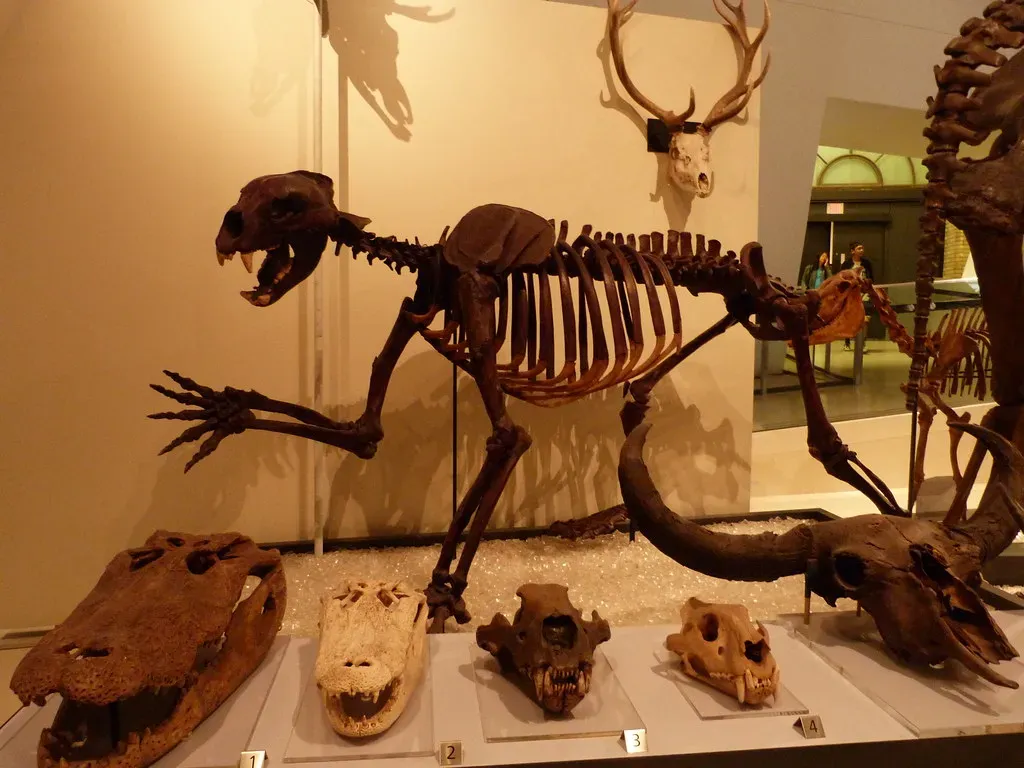
The giant short-faced bear, Arctodus simus, is widely considered the largest terrestrial carnivoran ever, larger than a polar bear and almost twice the size of a grizzly bear. Males of the South American short-faced bear species Arctotherium angustidens could have weighed between 1,588 and 1,749 kilograms and stood at least 3.4 meters tall on their hind limbs.
The giant short-faced bear had a relatively slender build compared to many modern bears, sparking debate about whether it was a pursuit predator capable of running down prey at speeds of up to 51 kilometers per hour, or a kleptoparasite that specialized in stealing kills from other predators. Either way, encountering this beast would have been terrifying. It may have even prevented humans migrating into the Americas from Eurasia during the Pleistocene.
Tyrannosaurus Rex Had the Strongest Bite of Any Land Animal
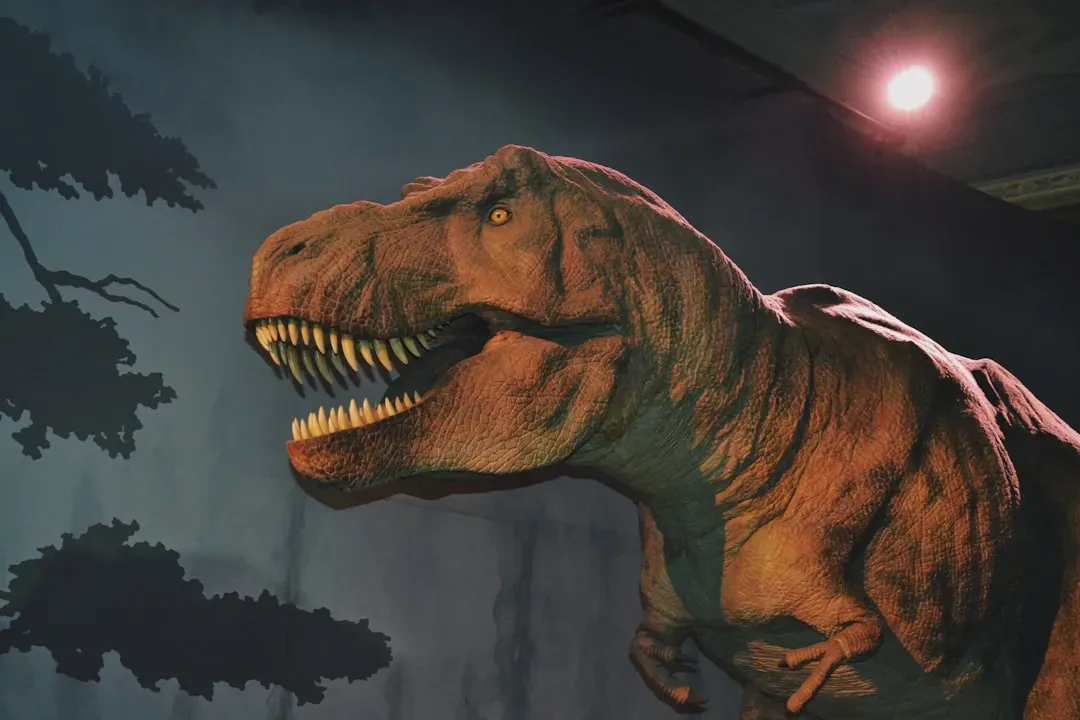
Tyrannosaurus’s bite force was almost 12,800 pounds, stronger than any other animal that ever walked on land. Whereas other dinosaurs may have had to close their mouths around prey several times to deliver a series of weakening bites, Tyrannosaurus only had to bite once. That’s the kind of power that could crush bones like pretzels.
An adult T. rex could stand 12 feet tall at the hip and measure 40 feet long, making it one of the largest carnivorous dinosaurs to ever walk the Earth. Tyrannosaurus’s teeth are shaped like bananas, and the rounded shape is very effective at breaking bones. While it might not have been the absolute largest carnivorous dinosaur, it was certainly among the most powerful and dangerous.
Quetzalcoatlus Was the Largest Flying Predator Ever
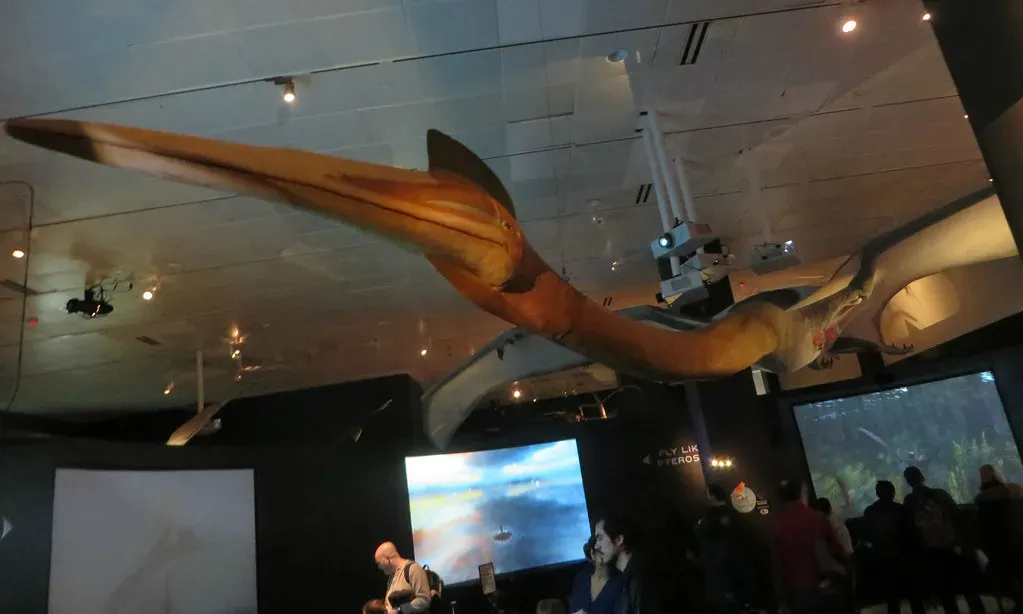
Quetzalcoatlus northropi’s wings may have been as many as 40 feet long, making the 67-million-year-old species the largest airborne predator to ever take flight. Let’s be real, a flying creature with a wingspan comparable to a small airplane sounds like something out of a nightmare. This Late Cretaceous giant soared above North America when dinosaurs still roamed below.
Though details about Quetzalcoatlus remain somewhat mysterious due to limited fossil evidence, scientists believe it was a formidable hunter. The sheer size of this pterosaur meant it could cover vast distances while searching for food, likely preying on smaller animals on the ground. It’s hard to say for sure how it hunted, but one thing is certain: nothing else in the sky came close to its size.
Smilodon’s Saber Teeth Were Both Deadly and Fragile
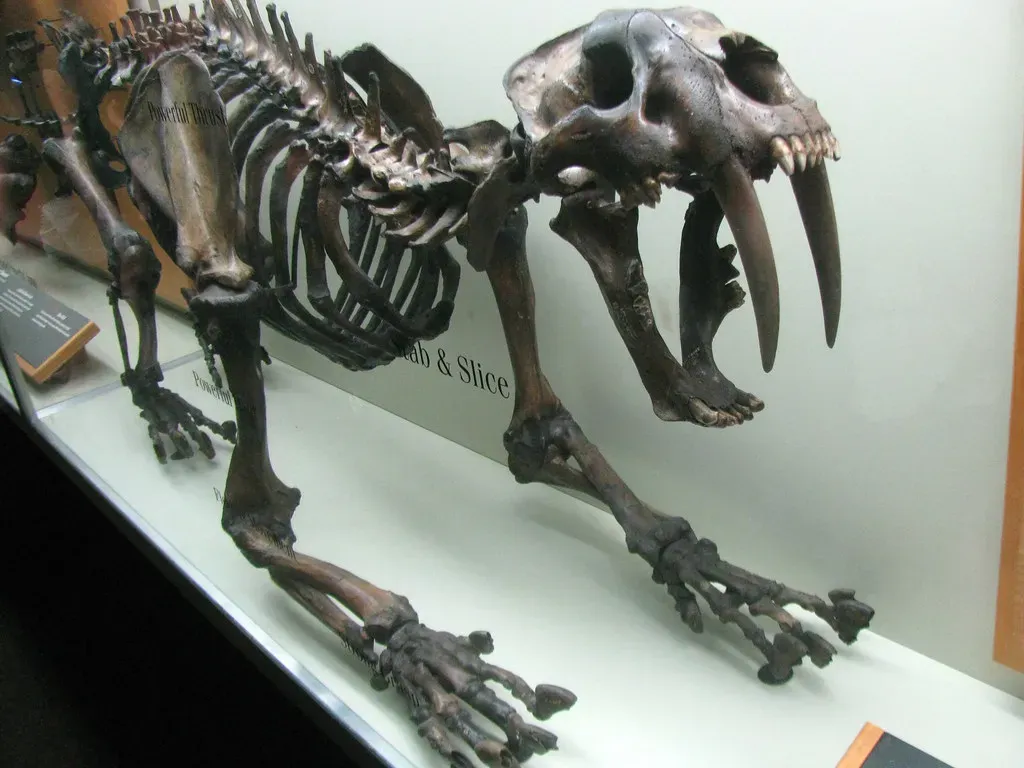
Smilodon lived in the Americas during the Pleistocene, overlapping with humans who first discovered the New World roughly 23,000 years ago, and their canines measured nearly a foot from root to tip. Like many Machairodonts, Smilodon were built more like bears than modern lions and tigers, with stout muscular hindlimbs, long grasping forelimbs, and adaptations that made them formidable ambush predators specializing in pouncing on prey.
Despite their fearsome appearance, those iconic saber teeth were surprisingly delicate. They were precision instruments designed for striking vital areas rather than crushing bones. It’s believed their large size and powerful jaws were adaptations for preying on many of the giant herbivores that shared their habitat in North America, such as ground sloths, mastodons, and bison. These cats were perfectly engineered killing machines, but only when they struck with surgical precision.
Conclusion: Giants That Time Forgot
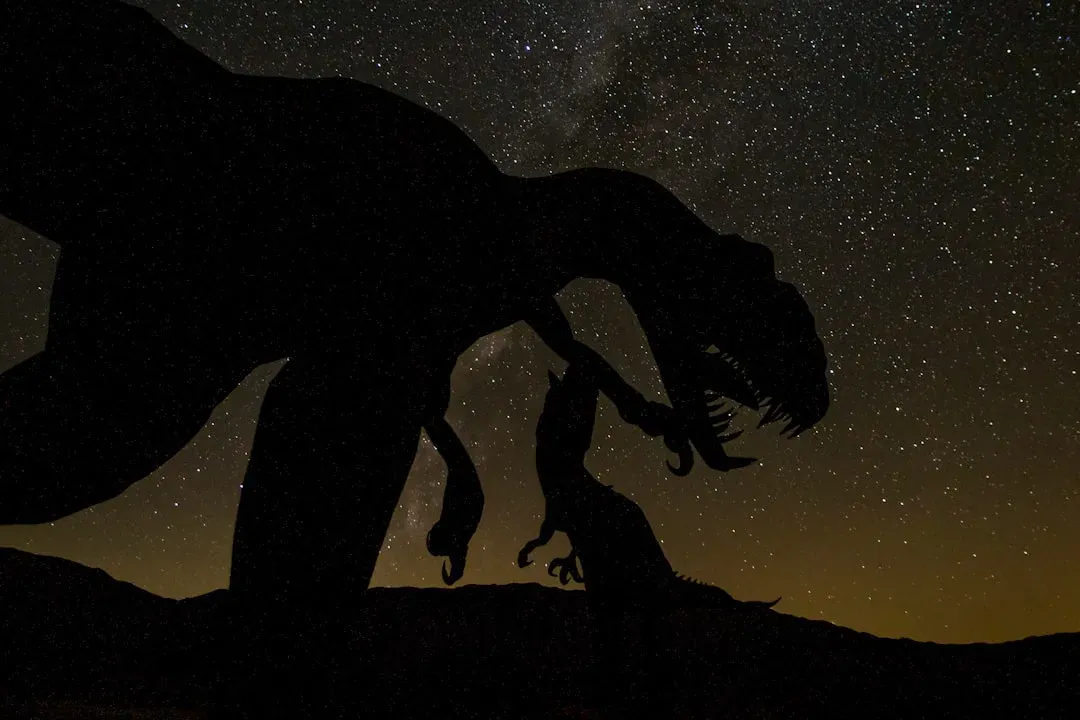
The prehistoric world was filled with predators that make modern carnivores look tame by comparison. From the aquatic Spinosaurus hunting in ancient rivers to the massive Megalodon patrolling the oceans, these creatures dominated their environments in ways we’re still trying to fully understand. Terror birds stalked across South America, pliosaurs ambushed prey from the depths, and Tyrannosaurus rex crushed bones with a single bite.
What strikes me most is how diverse these predators were. They didn’t all rely on the same hunting strategies or body plans. Some were built for speed, others for power, and a few like Spinosaurus adapted to hunt in multiple environments. It makes you wonder what other incredible creatures are still waiting to be discovered, buried in rocks somewhere, ready to rewrite what we thought we knew about prehistoric life. What do you think about these ancient giants? Which one would you least want to encounter if you could travel back in time?