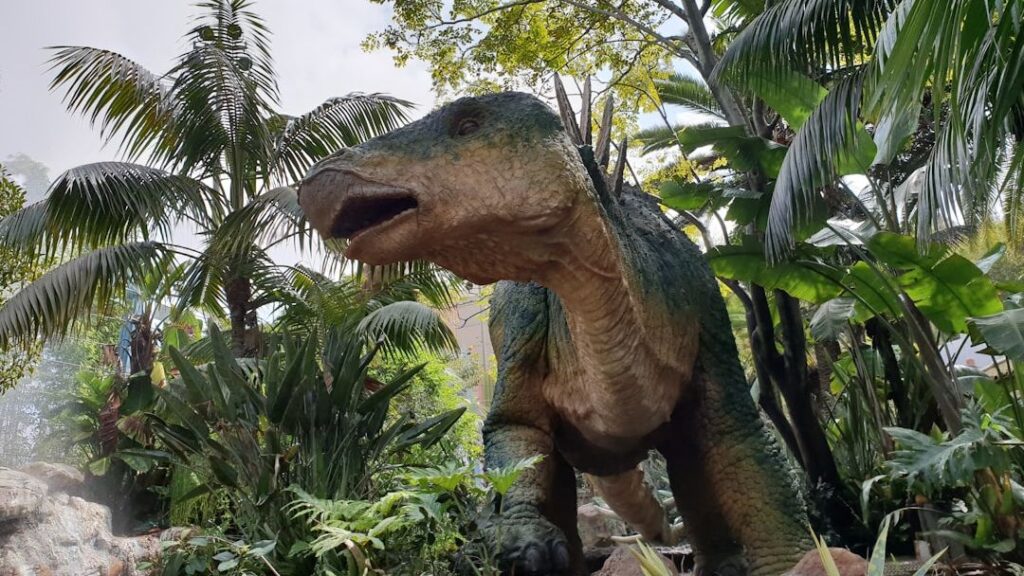
When you picture a dinosaur, you probably think teeth, claws, and sheer terrifying size. You think of the predators, the giants, the thundering herds. What you almost certainly do not think about are the plants. And honestly? That is a colossal oversight. Because the plants came first. Long before the first dinosaur set foot on land, the vegetation of the ancient world was already quietly writing the rulebook for what these creatures would eventually become.
The relationship between ancient flora and the dinosaurs that roamed the Mesozoic is one of the most fascinating, overlooked stories in all of natural history. It is a story of arms races, body transformations, dietary revolutions, and survival strategies played out over hundreds of millions of years. You are about to discover just how deeply plants shaped the dinosaurs you thought you already knew. Let’s dive in.
A World Without Flowers: The Plant Landscape That Greeted the First Dinosaurs
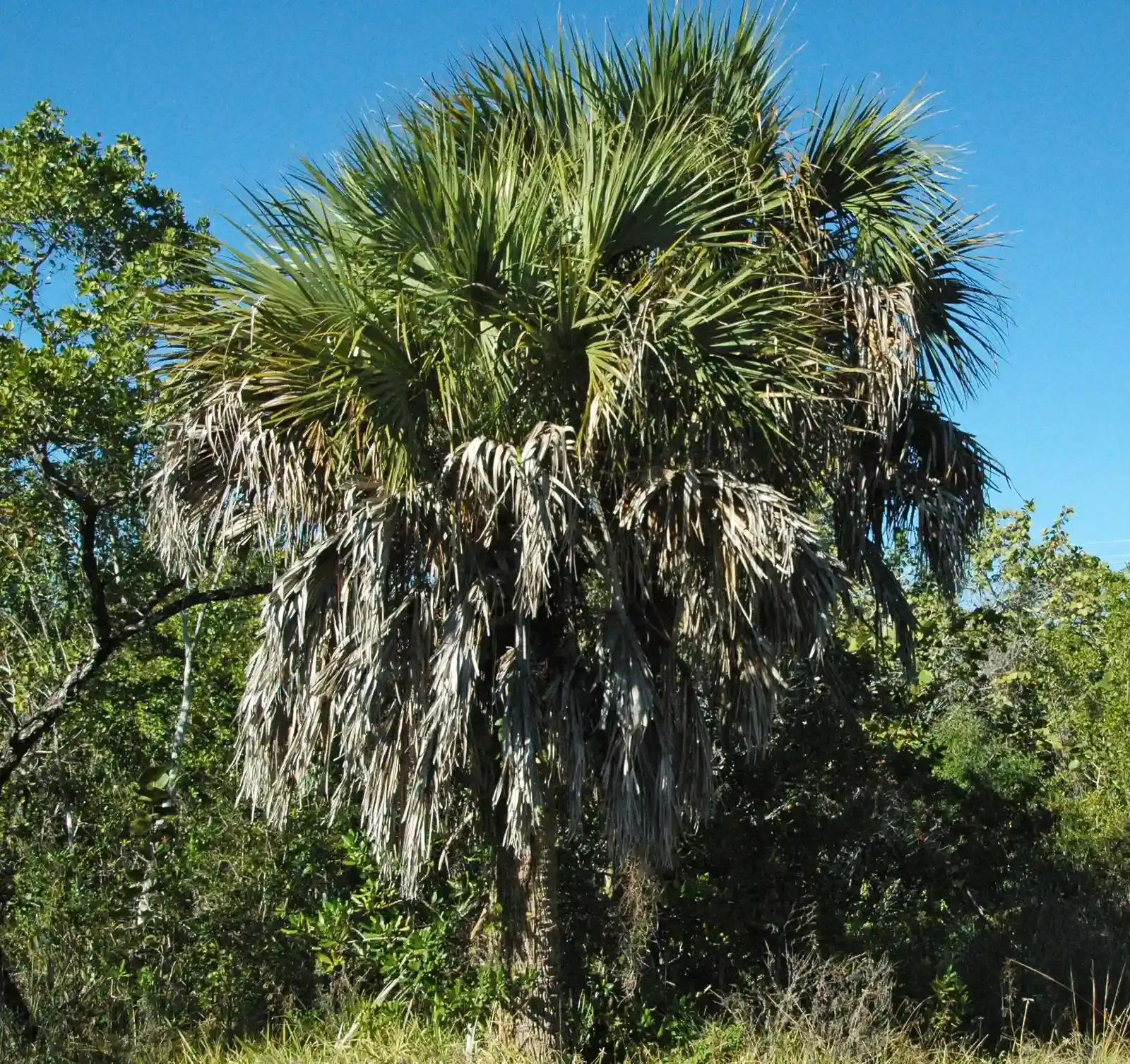
Here is something that might completely change how you visualize prehistoric life. When dinosaurs first evolved around 225 million years ago, flowers were nowhere to be found. Zip. Nothing. No roses, no daisies, no magnolias. The world these first creatures entered was dominated by an entirely different kind of green.
The first land plants did not produce seeds; instead, they reproduced using spores. Like amphibians, they needed water for reproduction, which restricted them to habitats that were moist. These spore-producing plants included mosses, liverworts, club mosses, horsetails, ferns, and several completely extinct plant groups. Imagine a landscape of endless ferns, primitive trees, and dense, damp undergrowth. That was the stage. And the dinosaurs evolved to fit it perfectly, like actors cast for a very specific, very ancient play.
The Conifer Kingdoms That Fueled Dinosaur Dominance
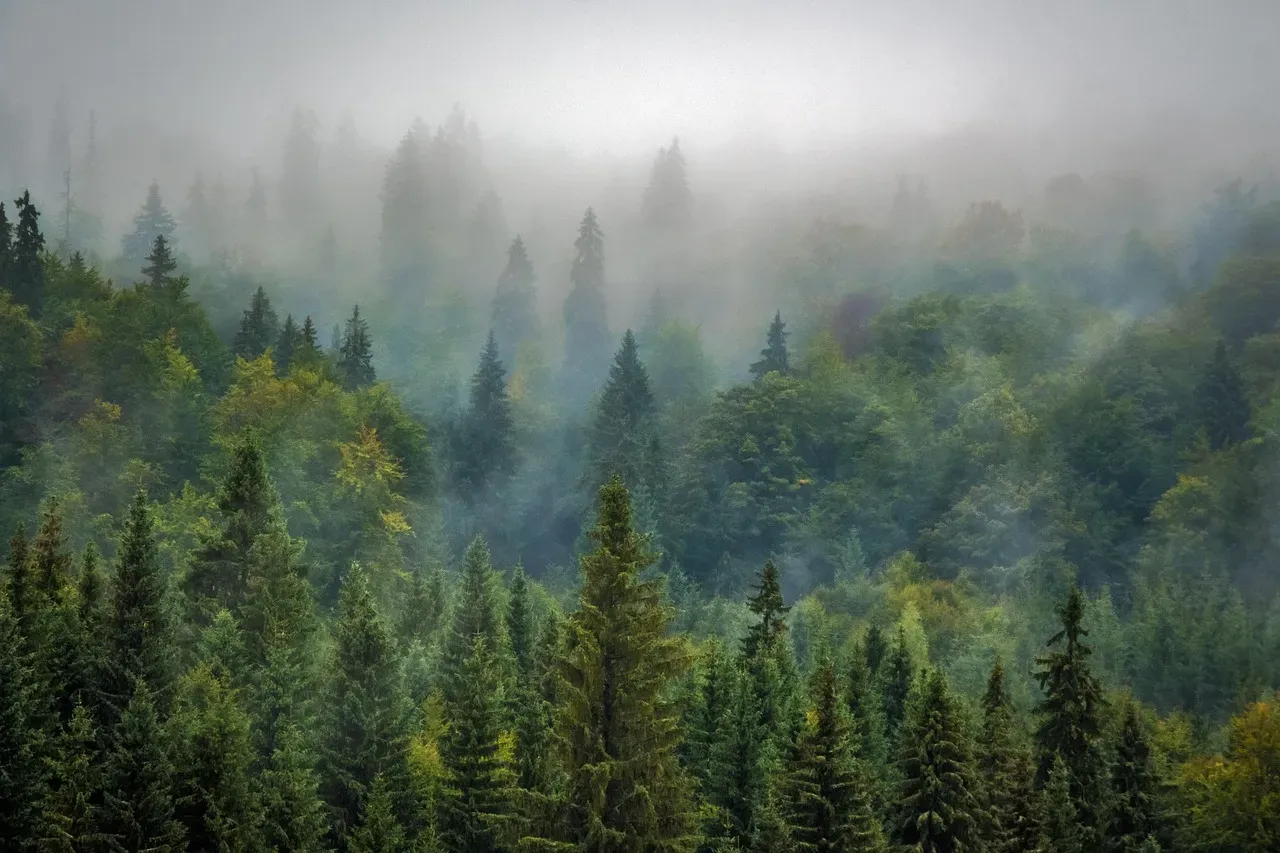
You want to understand why certain dinosaurs grew so enormous? Start with the conifers. During the Mesozoic Era, when the dinosaurs lived, conifers dominated the landscape. These slow-growing evergreen trees and shrubs probably constituted the majority of the herbivorous dinosaurs’ diets. Think of it like the ancient world’s version of a supermarket, except the supermarket stretched across entire continents.
The major plant in the early Mesozoic landscape, conifers dominated the landscape millions of years before flowering plants came on the scene. Conifers were probably important food for dinosaurs, including the large sauropods. Mesozoic Era conifers included redwoods, yews, pines, the monkey puzzle tree, cypress, and others. This massive, reliable food source is a key reason those iconic, long-necked giants could grow to almost incomprehensible sizes. The food was there. The dinosaurs simply evolved to eat it.
How Tall Trees Literally Stretched Dinosaur Necks
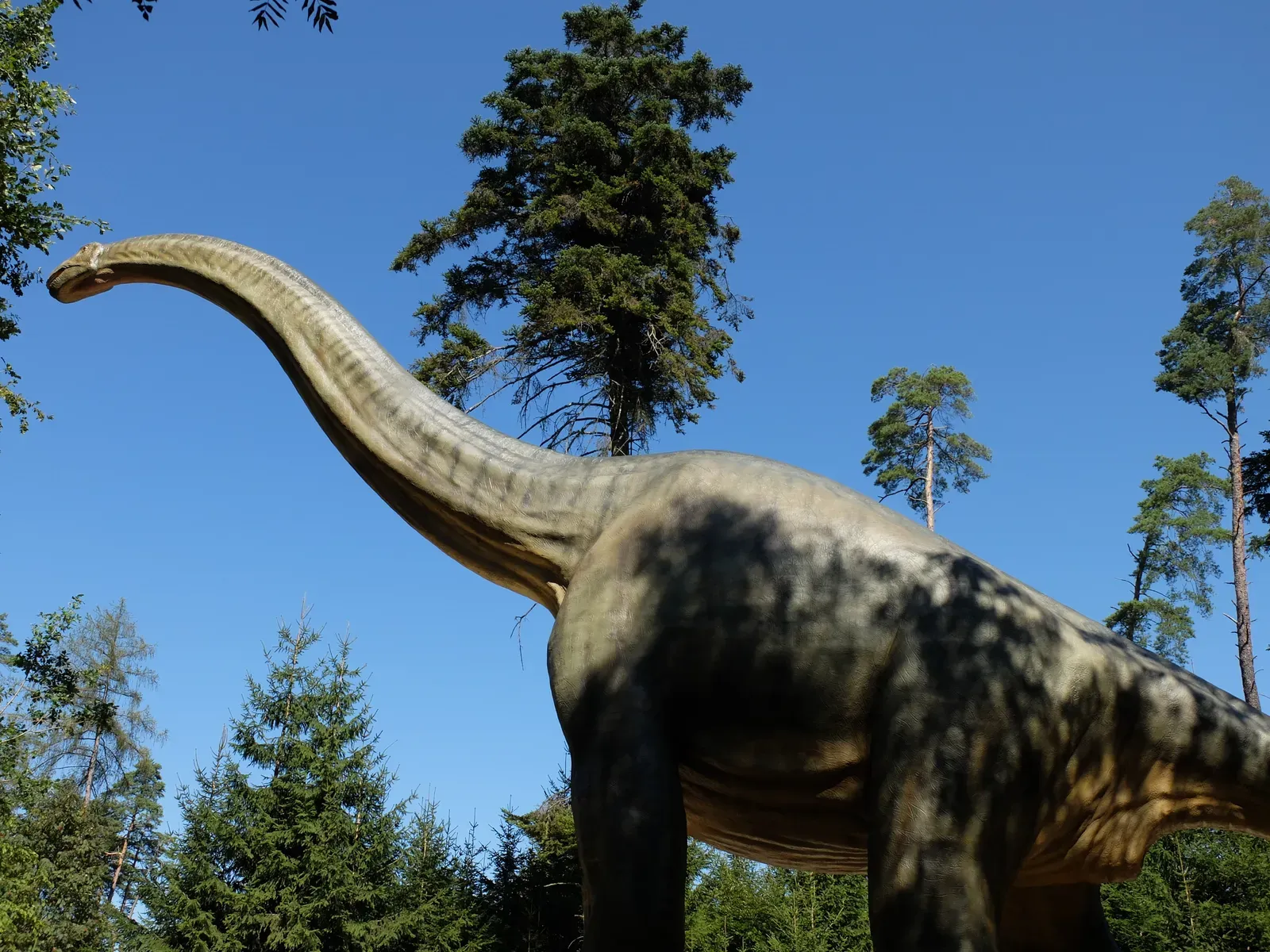
Let’s be real – the sauropod neck is one of the most astonishing things evolution has ever produced. The neck of Mamenchisaurus sinocanadorum measured approximately 15.1 meters, more than six times longer than the necks of giraffes, the longest-necked animals alive today, and about 10 feet longer than a typical school bus. That is almost surreal. So what drove this?
Compared to other herbivores, the long neck allowed more efficient food uptake by covering a much larger feeding envelope and making food accessible that was out of the reach of other herbivores. It is practically the same story as the modern giraffe, just played out at a much grander scale. For sauropods, the long neck was the anatomical key to achieving large body size. To power such a large body, sauropods had to be efficient at gathering food, and that’s what a long neck was built for. A sauropod could plant itself in one spot and hoover up surrounding vegetation, conserving energy while taking in tons of food. Plants grew tall, so dinosaurs grew taller. It is that beautifully simple.
Cycads: The Prehistoric Snack That Shaped an Era
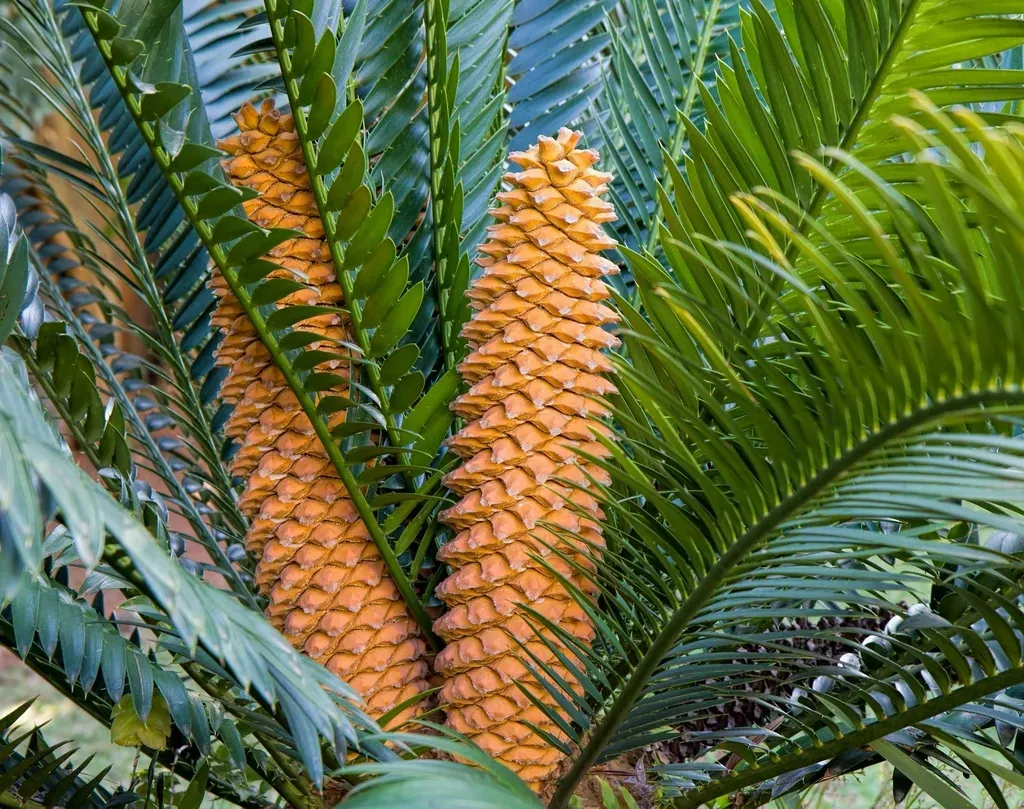
If conifers were the bread of the dinosaur world, cycads were the crunch. They were the main food source for many plant-eating dinosaurs and played a big part in the Jurassic food web. Cycads might look like palm trees, but they’re actually more closely related to pines. These fascinating plants were incredibly diverse and widespread during the Jurassic. You would have found them everywhere, from coastlines to inland forests, like the convenience stores of the Mesozoic.
Dinosaurs would have eaten cycads, plants that produce cones in the very centre of their trunk. The cycads and their look-alike ancestors have been around 280 million years and have survived several mass extinctions. Think about that for a second. Cycads outlasted the dinosaurs themselves. They are still alive today, stubbornly persisting in tropical regions, living proof of just how much ecological history one type of plant can carry.
Ferns on the Forest Floor: Driving Low-Body Dinosaur Evolution
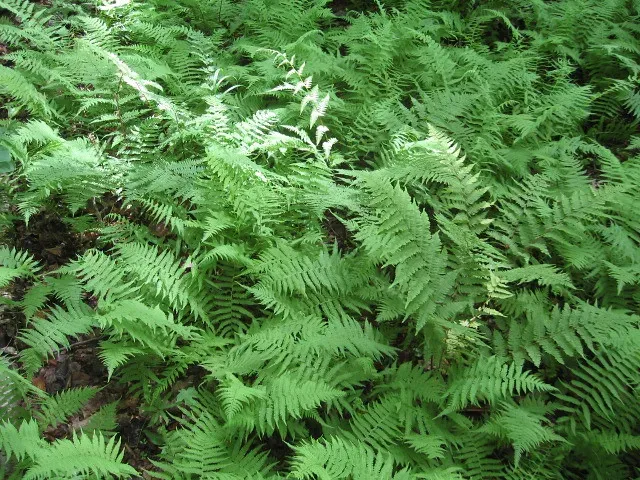
Not every dinosaur was a towering giant reaching for the sky. Many were ground-level grazers, and the plants at ground level shaped them just as powerfully. Pteridophytes evolved during the Devonian and were mostly low-growing during the Mesozoic Era. These fast-growing, resilient plants were a source of food for plant-eating dinosaurs that lived in moist areas. Low plants meant low browsers, which meant specific skull shapes, neck angles, and body postures evolved in direct response.
We actually have remarkable direct proof of this. The exceptionally well-preserved holotype of the armoured dinosaur Borealopelta markmitchelli from the Early Cretaceous of northern Alberta preserves a distinct mass within the abdominal cavity, supported by fourteen independent criteria as ingested stomach contents. Analysis of the stomach contents documents well-preserved plant material dominated by leaf tissue at around 88%, with the leaf fraction dominated at about 85% by leptosporangiate ferns. You cannot get more direct evidence than a 110-million-year-old last meal. The ferns were real. The relationship was real.
The Nutritional Arms Race: How Plant Chemistry Rewired Dinosaur Bodies
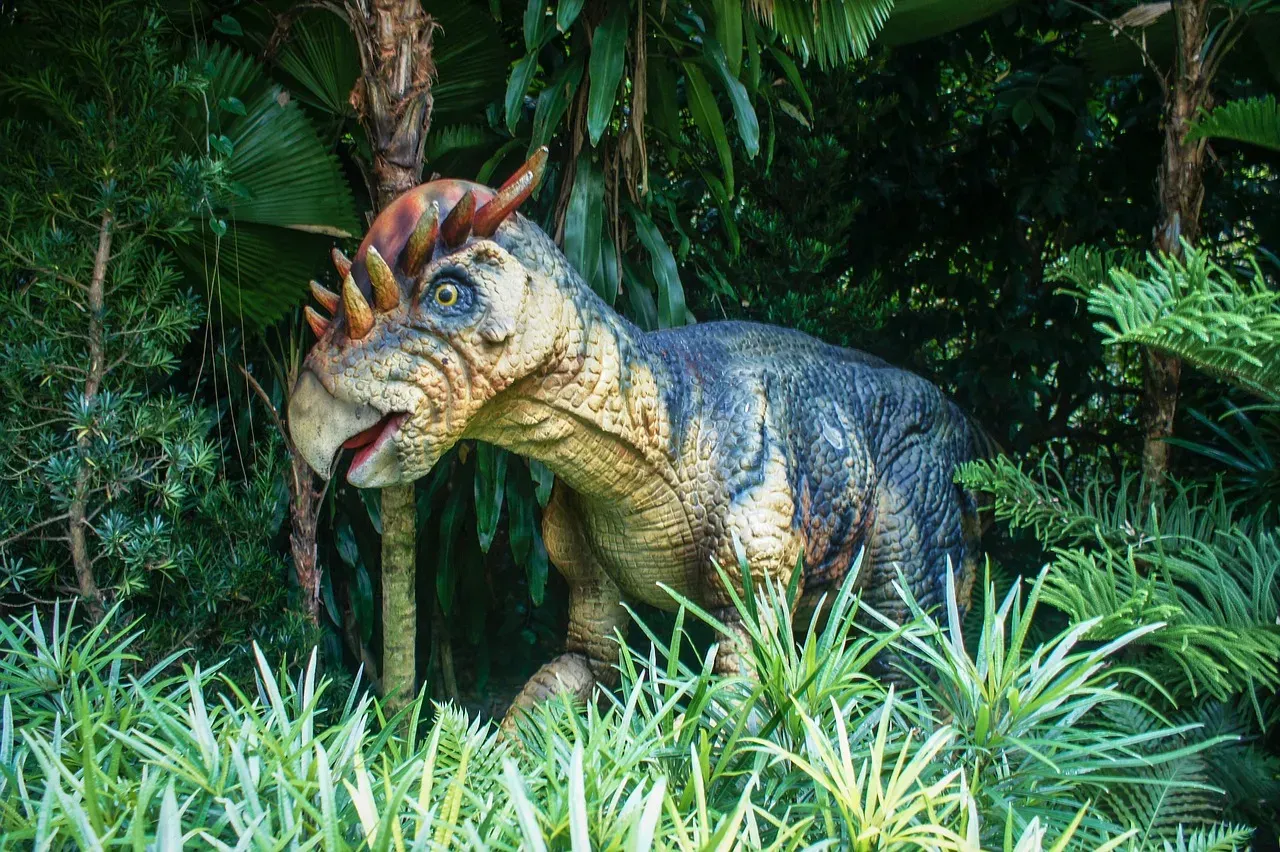
Here’s the thing – eating plants is not as simple as it sounds. Plants are not passive. They have chemical defenses, tough cell walls, and varying nutritional profiles across seasons. The diets of herbivorous dinosaurs, including sauropods, would have been comprised of gymnosperms, ferns, and horsetails for much of the Mesozoic. These were not particularly easy plants to digest. They demanded serious biological investment from any animal trying to live off them.
Although the living relatives of the Mesozoic flora were once assumed to constitute a nutritionally poor diet for dinosaur herbivores, in vitro fermentation of their foliage has shown that gymnosperms, ferns, and fern relatives can be as highly digestible as angiosperm grasses and dicots. So the old assumption that sauropods were constantly underfed and struggling? It turns out that is probably wrong. Heartier leaves would have meant more food to go around. That could have led to roughly a fifth more giant leaf-eating dinosaurs roaming the land than previously thought. Plants were better fuel than scientists once believed, and dinosaurs evolved accordingly.
Seed Plants and the Great Dietary Transformation
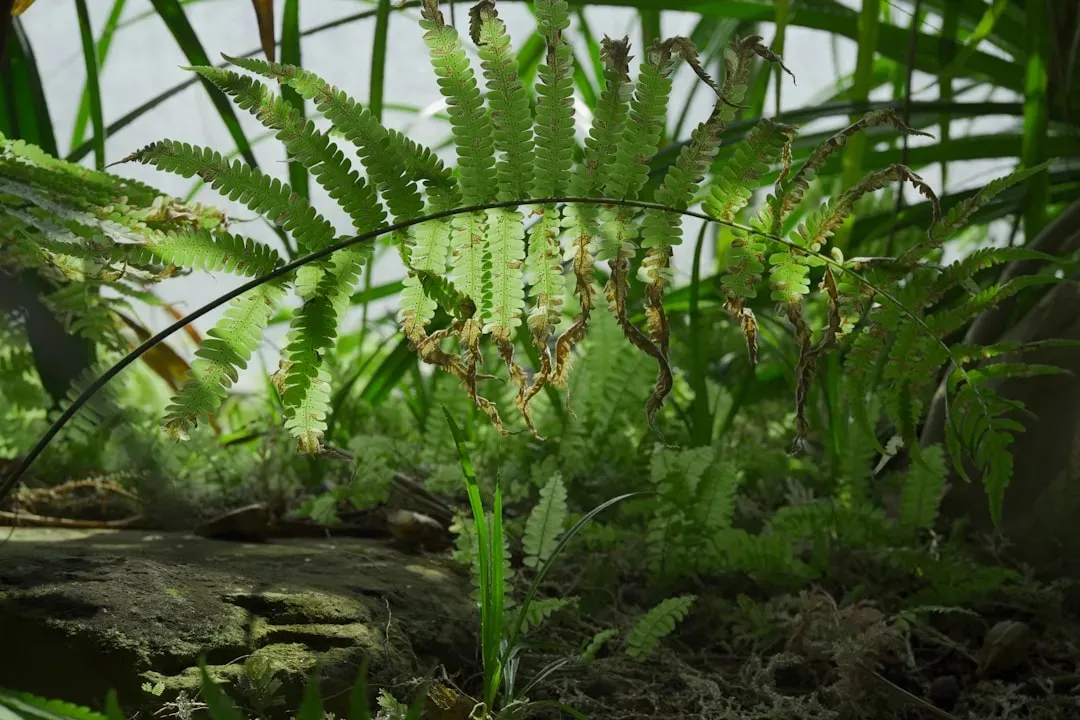
Seed plants evolved in the Late Devonian period, eventually becoming the dominant vegetation by the Early Cretaceous. A seed consists of a plant embryo, a source of food, and a protective coat. This adaptation helped seed plants, like conifers, ginkgos and cycads, out-compete the spore-producing plants, particularly in drier habitats. When the vegetation shifted, the dinosaurs had to shift too. It is like changing an entire civilization’s cuisine overnight – except “overnight” here means a few million years.
Herbivores that lived during the Triassic period likely chomped on cycads, ferns, ginkgo-like trees, and seed plants. Because the Triassic climate was so hot and dry, much like a modern-day desert, the plant life was made up of flora that best lived and grew in such conditions. The dryness of the environment selected for both tougher plants and tougher dinosaurs. Every shift in the plant world cascaded upward through the food chain in ways that are still being understood today. It is honestly a little mind-bending how connected it all was.
The Flowering Plant Revolution and Its Ripple Effect on Herbivores
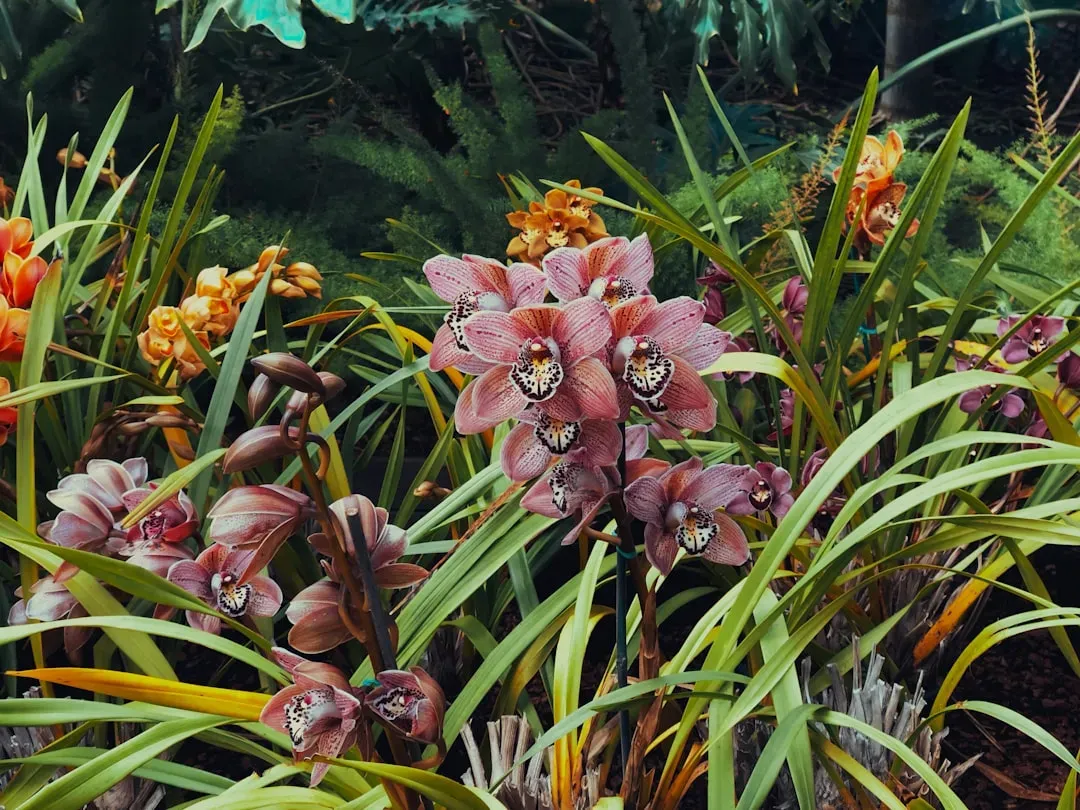
The arrival of flowering plants, angiosperms, may be the single biggest botanical event in the history of animal evolution. The first fossil evidence of flowering plants is from the early Cretaceous about 130 million years ago. By the end of the Cretaceous, flowering plants had diversified in an explosion of varieties. They ended the reign of the ancient conifers, cycads and ferns in dominating the landscape. This dramatic change in vegetation was one of the most significant moments in the history of life. It rewrote the menu for every herbivore on Earth.
The Cretaceous Period brought further dietary specialization, driven by the emergence and diversification of flowering plants. Specialized herbivores like duck-billed hadrosaurs and horned ceratopsians, such as Triceratops, evolved dental adaptations to process these new plant types. Flowering plants ruled the Cretaceous period. These angiosperms included magnolias, sycamores, figs, beech, poplar, and palms, and consequently added quite a bit of diversity to a dinosaur’s diet. More plant variety meant more ecological niches, and nature loves filling every niche it can find.
Convergent Evolution: When Plants Forced Multiple Dinosaurs to Find the Same Answer
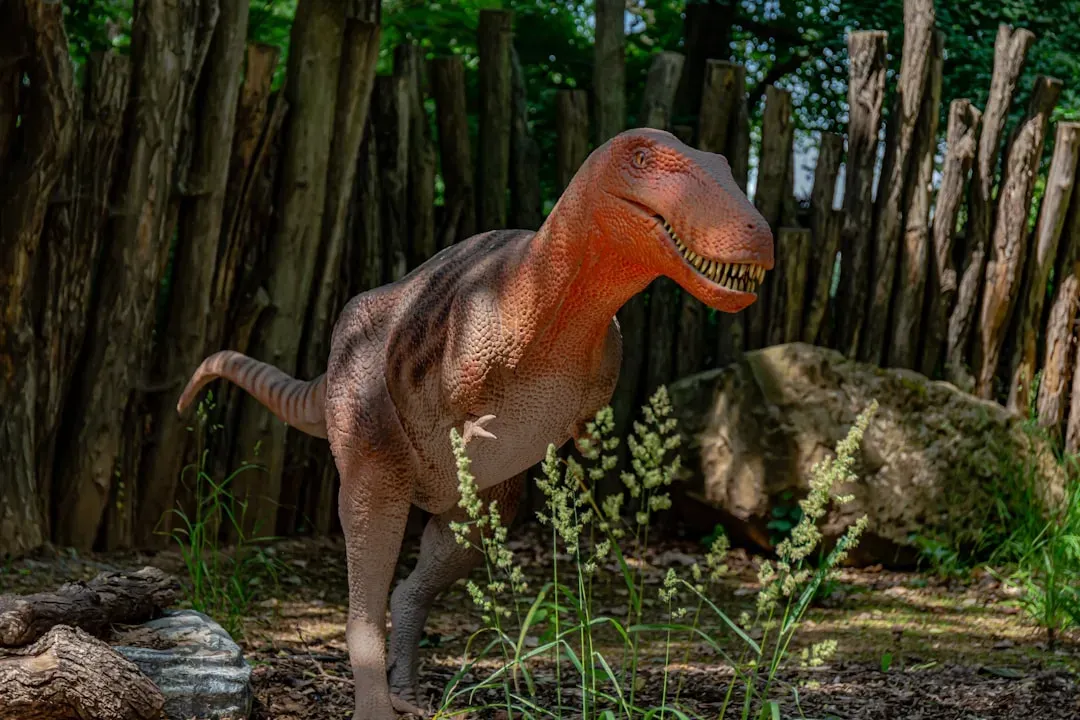
One of the most fascinating things plants ever did to dinosaurs was force different species to independently evolve the same solutions to the same problems. Herbivorous dinosaurs evolved many times during the 180-million-year Mesozoic era, and while they didn’t all evolve to chew, swallow, and digest their food in the same way, a few specific strategies appeared time and time again. It is convergent evolution in action, like parallel experiments run by nature with the same environmental pressures applied.
Some exhibited dull, flat teeth like horses, while others had beaked faces like tortoises; some developed towering necks like giraffes, while others mimicked the short and stout build of a rhino. These are results of convergent evolution, where adaptation to a diet of plants led to the evolution of common characters in different dinosaur groups. You can think of it like this: if you design several different cars to drive over the same rough terrain, they will all end up with some version of big tyres, regardless of the manufacturer. Plants were the terrain. Dinosaurs were the cars, each arriving at their own version of the same adaptive answer.
Living Fossils: The Plants That Outlived the Dinosaurs and Still Tell the Story
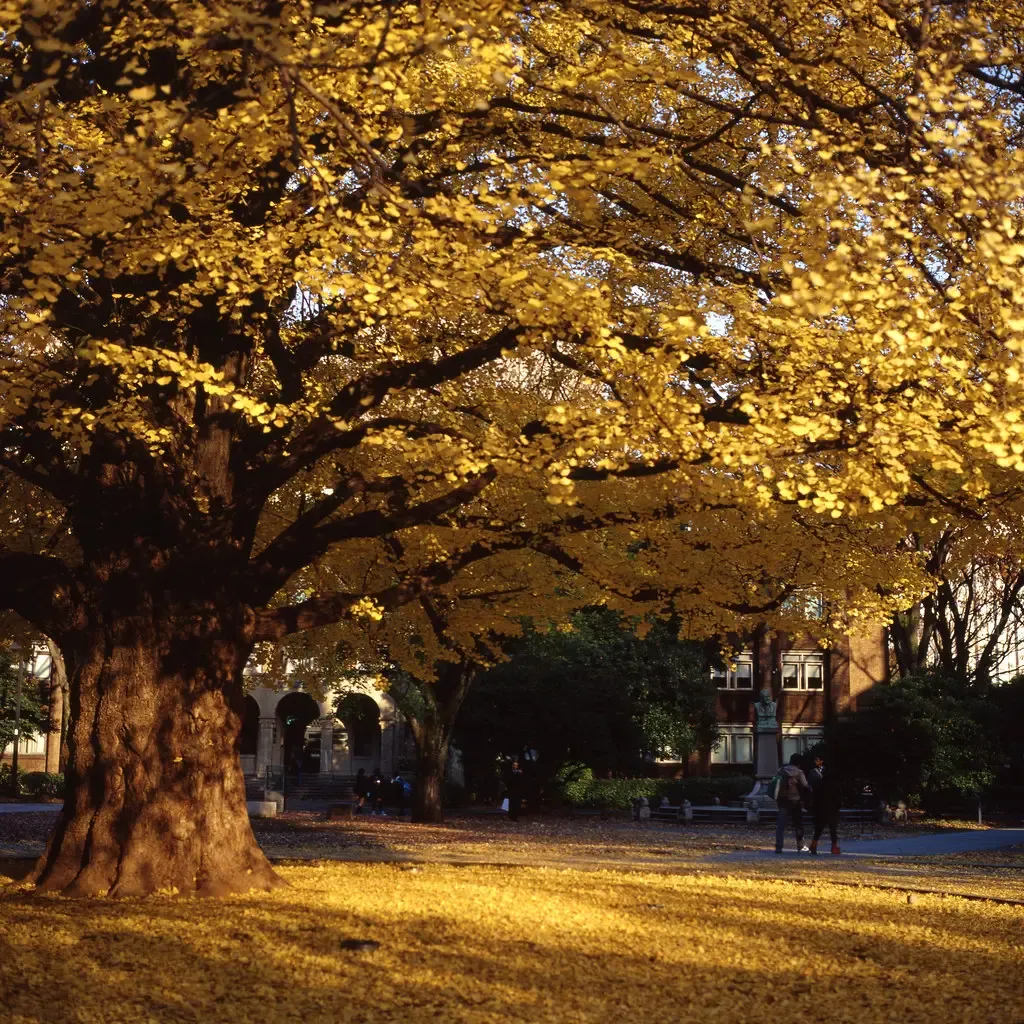
Here is perhaps the most quietly stunning fact in this entire story. Some of the plants that fed and shaped the dinosaurs are still alive today. Two gymnosperm species, including the dawn redwood and maidenhair tree (Ginkgo biloba), are commonly cultivated today and are the living survivors of an ancient flora that dates back to the days of dinosaurs. You can literally walk past a Ginkgo tree on your lunch break and look at something that a sauropod once ate. That is an extraordinary thing to sit with.
You don’t just have to look to fossils to learn about prehistoric plants; there are plants on Earth today that are very similar to those that grew millions of years ago. These ancient plants, or their close relatives, remain as living records of ancient landscapes. Ancient plants that have survived to the present day, such as mosses, ferns, and ginkgo trees, offer glimpses into the history of plant evolution. These living fossils demonstrate the diverse adaptations and resilience of plant life throughout geologic history. Every time you walk through a forest of ferns, you are stepping into a museum that never closed its doors.
Conclusion: The Green Architects of the Age of Dinosaurs
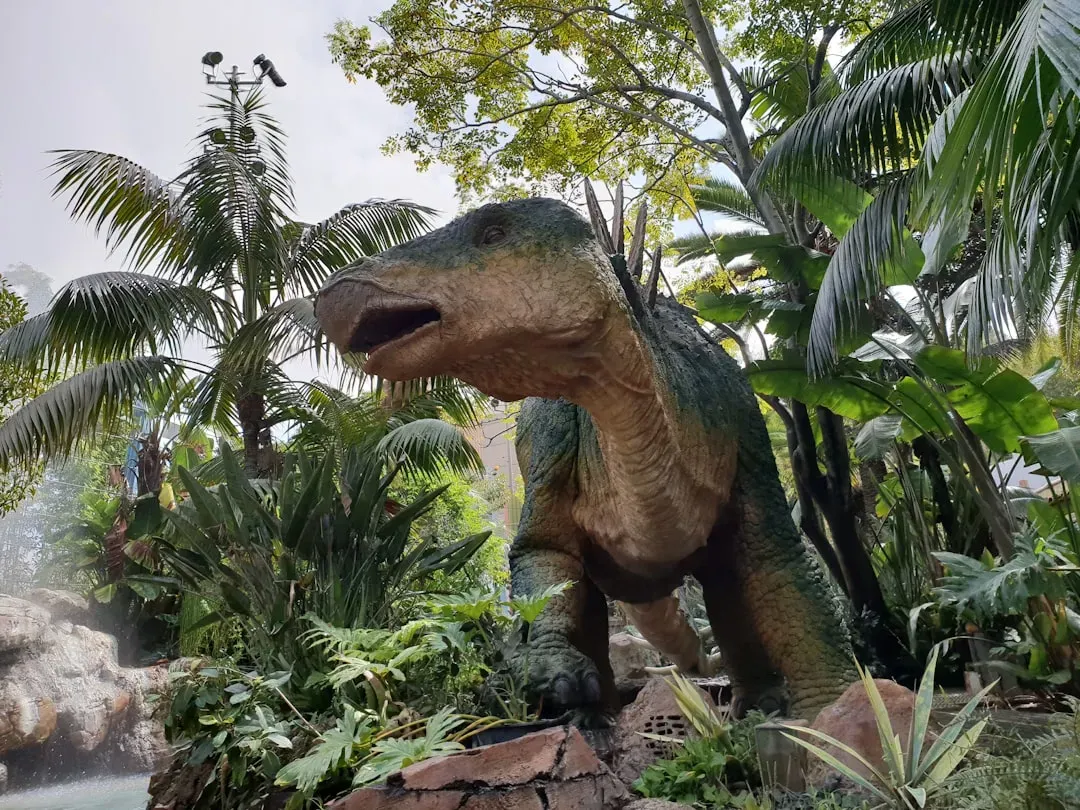
It is easy to look at the dinosaurs and see only the animals. The roaring predators. The enormous herbivores. The armored survivors. What is much harder to see, but equally true, is that every single one of those creatures was sculpted, constrained, liberated, and ultimately defined by the plants around them. Neck length, tooth shape, body size, migration patterns, gut chemistry – all of it traces back, in some way, to the green world they inhabited.
Plants are not a backdrop to the story of dinosaurs. They are co-authors of it. The next time you see a Ginkgo tree on a street corner or a fern growing in the shade, remember that you are looking at a survivor of a world that made the greatest animals ever to walk this Earth. The plants were here before the dinosaurs. In many ways, the plants made the dinosaurs. And in a strange, beautiful twist of fate, some of those same plants are still here, long after the giants are gone.
What does it make you think about when you consider that the trees in your neighborhood might be older, in lineage, than the dinosaurs themselves? Tell us in the comments.