You’ve probably looked at a horseshoe crab on the beach and thought, “What an odd-looking thing.” What you might not realize is that you were staring at a creature that was already ancient when the first dinosaurs were still figuring out how to walk upright. That’s the kind of timeline we’re dealing with here. Some of Earth’s creatures have been around for so long, they make the T-Rex look like a newcomer.
Most animal species last a few million years before going extinct, but there are always exceptions. Some of these animals have been around for hundreds of millions of years. These living fossils have survived mass extinctions, continental shifts, ice ages, and everything our restless planet has thrown at them. Honestly, that’s more impressive than any survival story you’ll ever watch on television. Get ready, because what follows might just rearrange everything you thought you knew about ancient life on Earth.
1. Sponges – The Original Survivors (Over 600 Million Years Old)
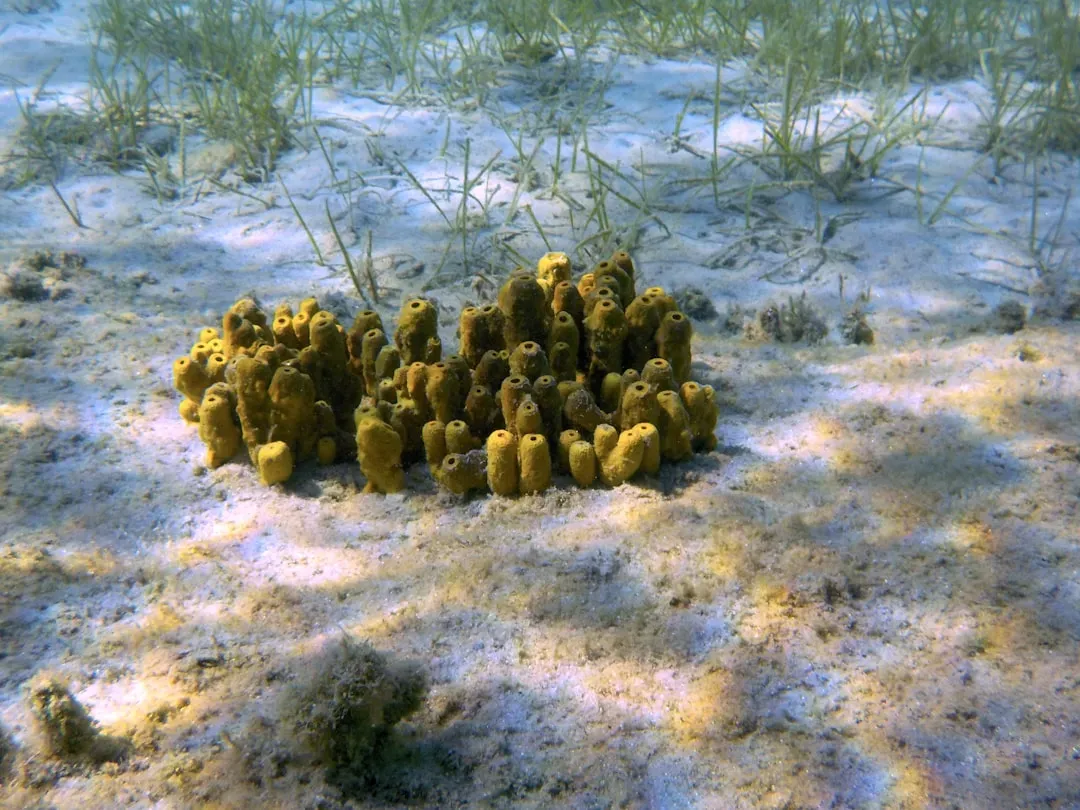
Here’s the thing: when most people think of ancient creatures, they picture something dramatic, something with claws or fangs. Nobody pictures a sponge. Yet sponges have been filtering water in the oceans for around 600 million years. The phylum of animals called Porifera, colloquially known as sponges, are the oldest living animals on Earth. Let that sink in for a moment.
Although recent research suggests that comb jellies may be older, sponges are still widely believed to be the first group to branch off the evolutionary tree from the common ancestor of all animals. Unlike most other animals, sponges lack cell walls, true tissues, and organs, and have asymmetrical bodies. There are about 5,000 to 10,000 different species of sponges.
These animals play a critical role in coral reef ecosystems, as a diverse sponge population helps maintain water quality by filtering water, collecting bacteria, and processing carbon, phosphorus, and nitrogen. Even in nutrient-deficient coral reefs, some sponge species can make carbon biologically available, thus fueling productivity throughout the ecosystem.
2. Jellyfish – Ancient Drifters With No Brain (Over 550 Million Years Old)
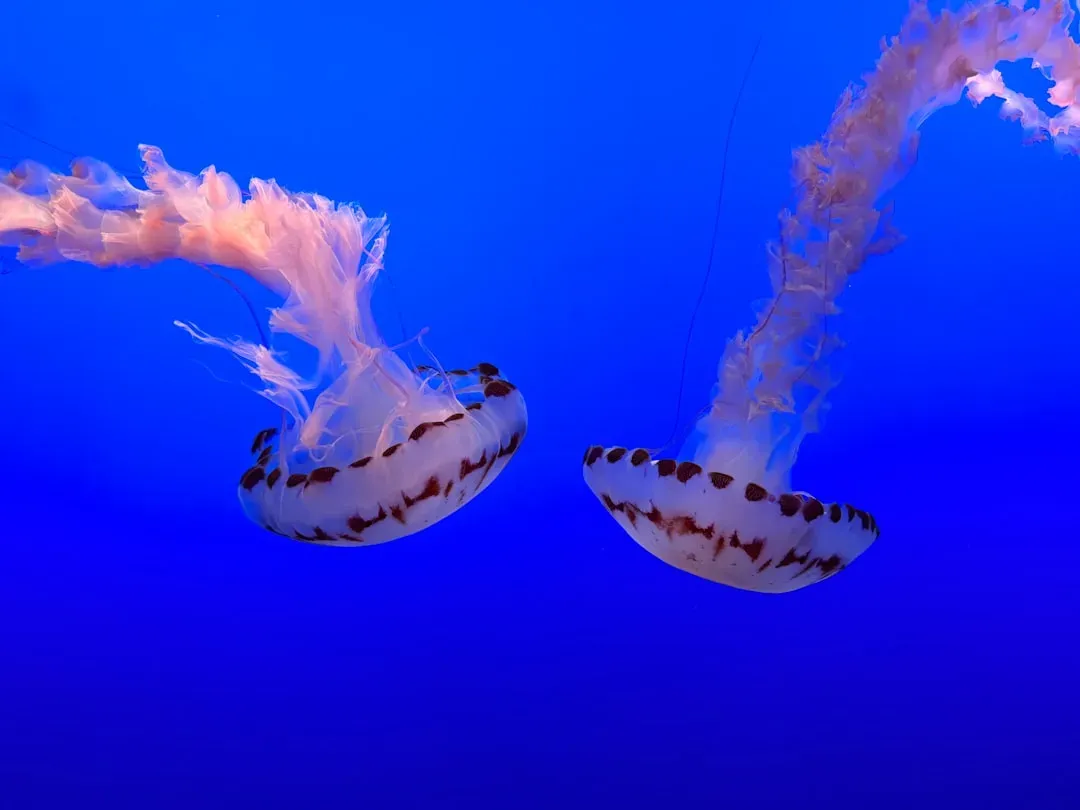
Jellyfish are living proof that you don’t need a brain to survive for half a billion years. The umbrella-headed jellyfish live in cold, warm, and deep ocean water as well as along coastlines. They are the oldest multi-organ animals, having evolved in the world’s oceans roughly 550 million years ago. Despite having no brain or nervous system, they can eat and discard waste through an opening inside their bell-shaped body.
Jellyfish are invertebrates that have existed on Earth for at least 500 million years. Today, there are more than 4,000 species of these ‘s oceans, though there may be many more still to be discovered. They’re also not actually fish, despite what their name implies. The box jellyfish is considered the most venomous species on Earth, with its tentacles containing over 5,000 stinging cells. These tiny cells can stun or paralyze their prey before the jellyfish consumes them. Although jellyfish do not usually attack humans, accidentally touching one can be deadly.
3. Horseshoe Crabs – Nature’s Living Time Capsule (Over 445 Million Years Old)
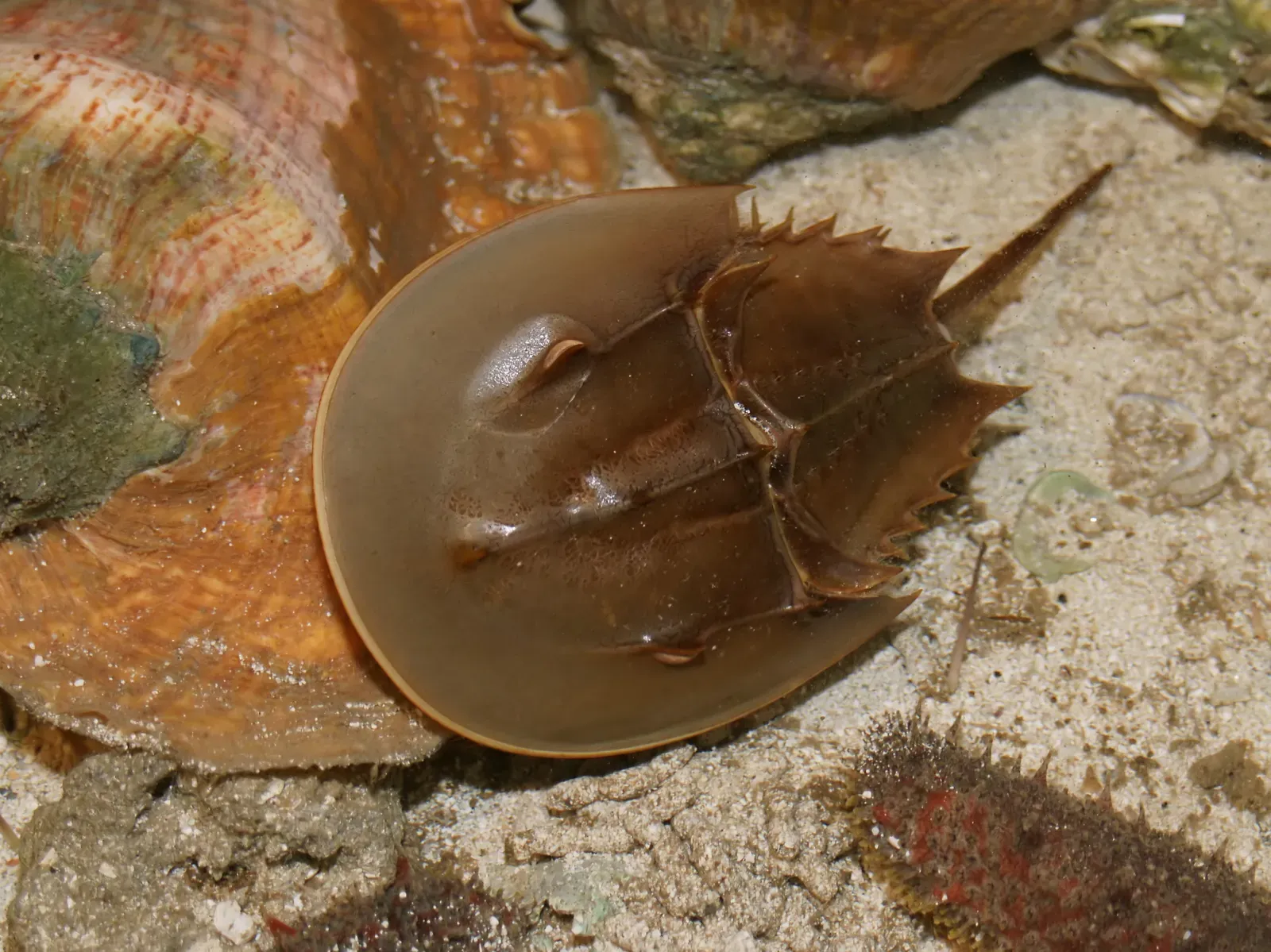
The horseshoe crab is probably the most famous living fossil. These alien-looking, ancient creatures are nearly identical to their oldest ancestors found in the fossil records. It’s almost unsettling how little they’ve changed. Think of it this way: if you could travel back to the ocean floors of 445 million years ago, you’d recognize these creatures immediately.
The horseshoe crab has been around for over 450 million years, making it one of the oldest living species in the oceans today. Found along the eastern coast of North America and in Southeast Asia, these creatures are more closely related to spiders and scorpions than to true crabs. They are known for their hard exoskeleton and long, spiky tails. They play a crucial role in the ecosystem, and their blue blood is used in the medical field to test for bacterial contamination in vaccines and medical equipment.
4. Nautilus – The Shell That Time Forgot (Over 480 Million Years Old)
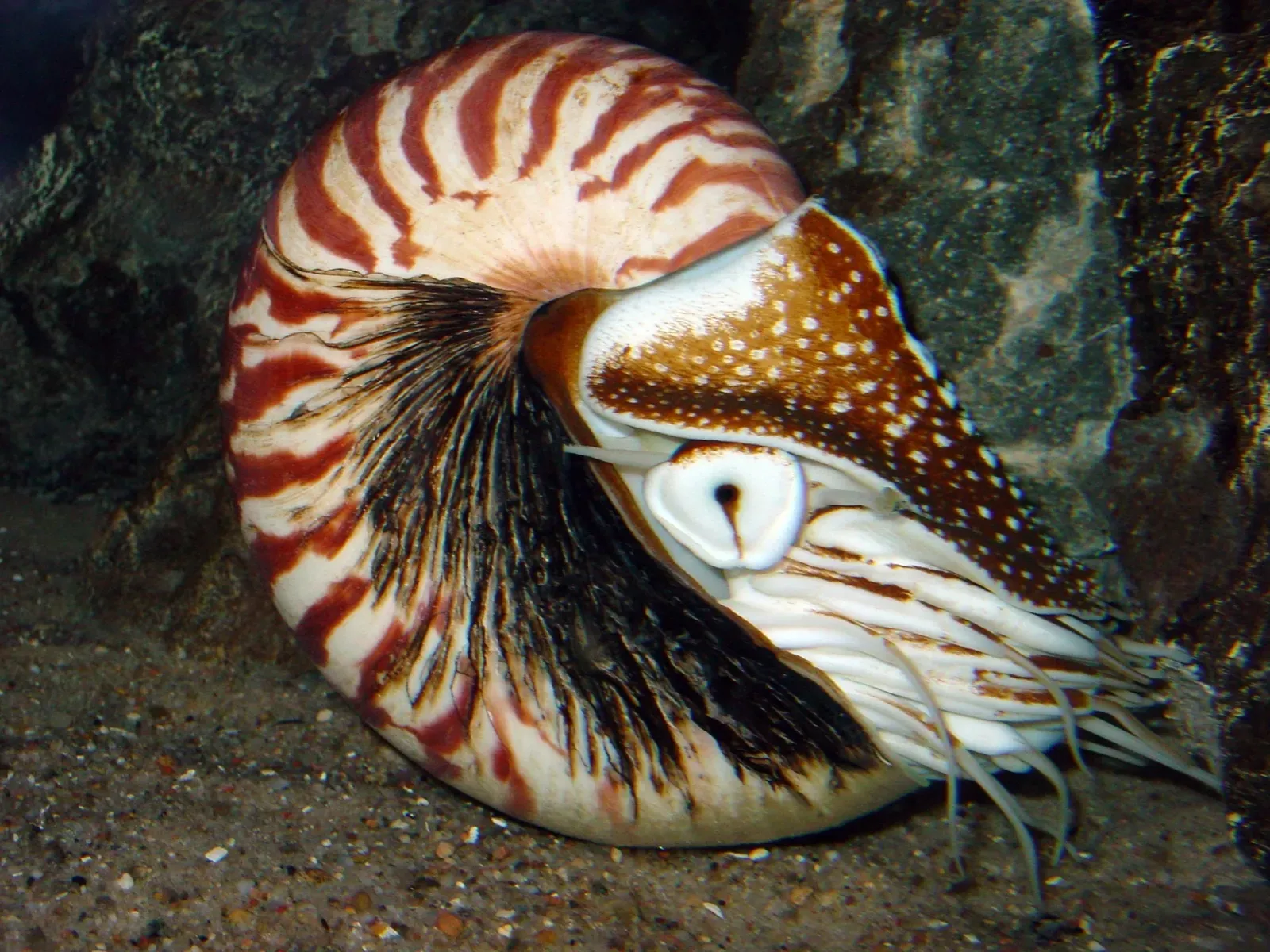
If you want a visual symbol of what it means to be ancient, look no further than the nautilus. The nautilus has maintained its logarithmic spiraled shell for 480 million years. A nautilus is an ancient mollusk that has been living on Earth for 480 million years. That spiral shell isn’t just beautiful. It’s one of the most enduring design solutions nature has ever produced, essentially unchanged across deep geological time.
Nautiluses have been gliding through the oceans for around 500 million years. These ancient cephalopods are found in the deep waters of the Indo-Pacific region. Nautiluses are known for their distinctive spiral shells, which are divided into chambers. They use jet propulsion to navigate the deep sea. Unlike their modern relatives like squids and octopuses, nautiluses have retained many primitive features, such as their simple eyes and numerous tentacles without suckers.
5. Sharks – Older Than the Trees (Over 450 Million Years Old)
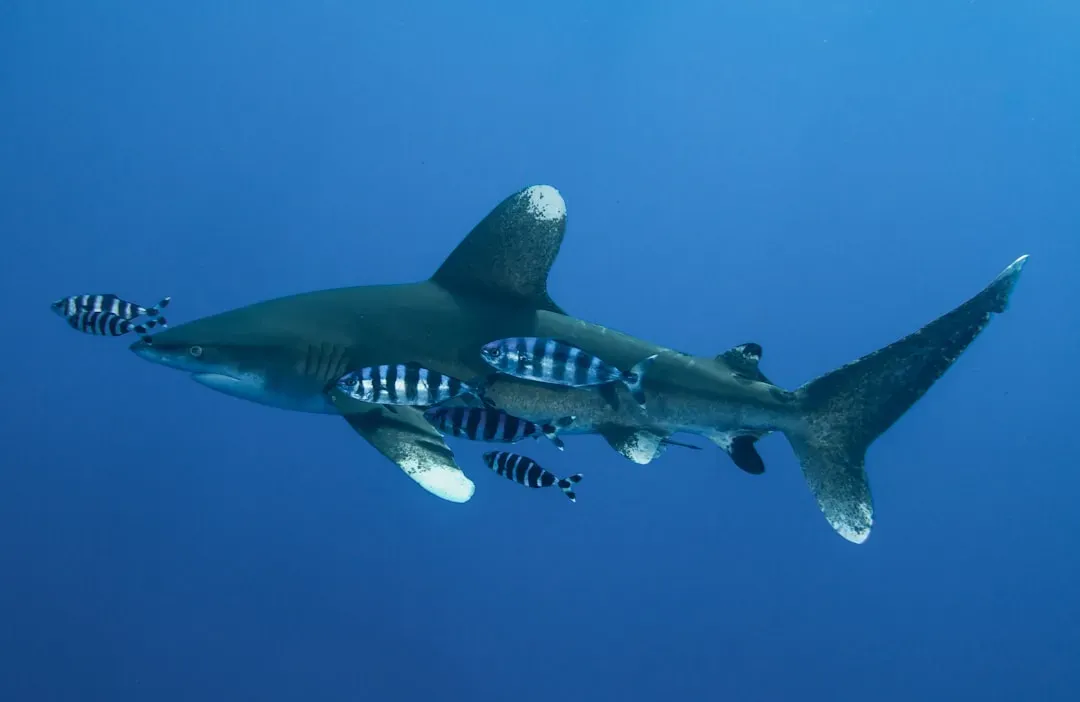
Here’s a fact that will stop you cold: sharks are older than trees. Not older than some trees. Older than trees as a category of life on Earth. Sharks have existed for about 450 million years, appearing in the fossil record before trees and before the dinosaurs. They are the most impressive of the oldest living species, having survived five mass extinctions. They are found in oceans worldwide, from shallow coastal waters to the deep sea. There are over 500 species of sharks, ranging from the tiny dwarf lantern shark to the enormous whale shark.
The Greenland shark is the world’s oldest living vertebrate, with a lifespan of up to 400 to 500 years. Sharks have evolved a range of adaptations that make them effective hunters, including keen senses, powerful jaws, and streamlined bodies. Their ancient lineage and vital role in marine ecosystems make them crucial to ocean health. I think it’s fair to say sharks have earned a little more respect than they usually get in popular culture.
6. Coelacanth – The Fish That Cheated Extinction (About 400 Million Years Old)
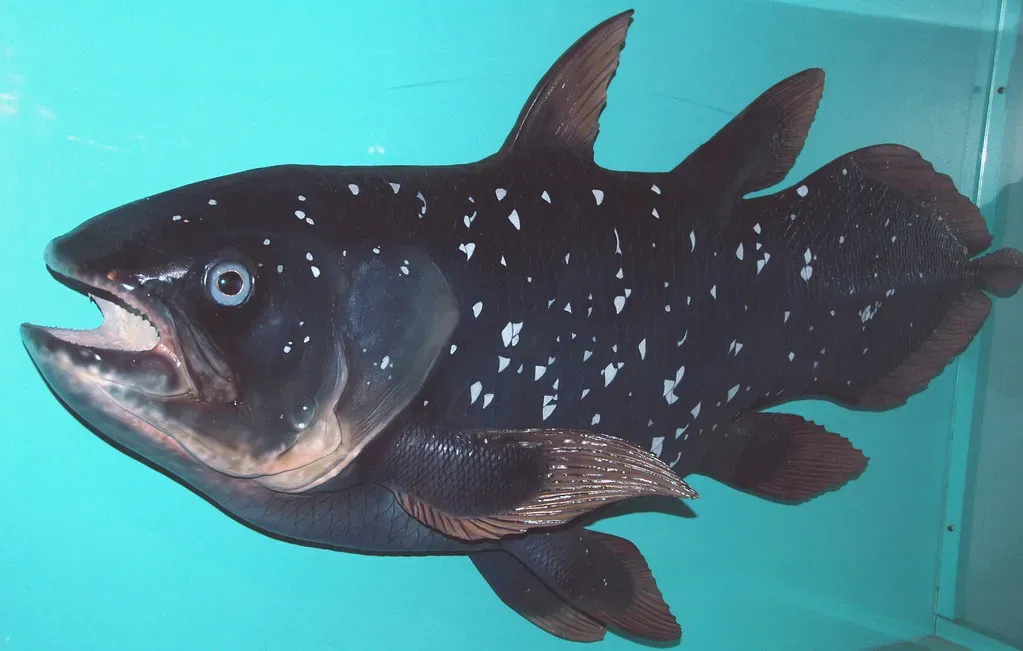
The coelacanth has one of the most dramatic comeback stories in all of natural history. Until a live specimen was discovered in 1938, the coelacanth was thought to have gone extinct about 65 million years ago, along with the dinosaurs. Scientists believe that this mysterious fish represents an early step in the evolution of fish to terrestrial four-legged animals. Scientists were essentially stunned speechless when a living one turned up in a fisherman’s net.
Coelacanths have many unique characteristics, including four fins that extend away from its body like legs. These fins also move in an alternating pattern, similar to other four-legged animals, such as a trotting horse. They also have a joint in their skulls which lets them open their mouths wide enough to fit larger prey, and thick scales that do not exist in any other known living fish. Coelacanths can be found at depths of up to 2,300 feet below the ocean’s surface and can live up to 60 years.
7. Lamprey – The Blood-Sucker That Outlasted Almost Everything (About 360 Million Years Old)
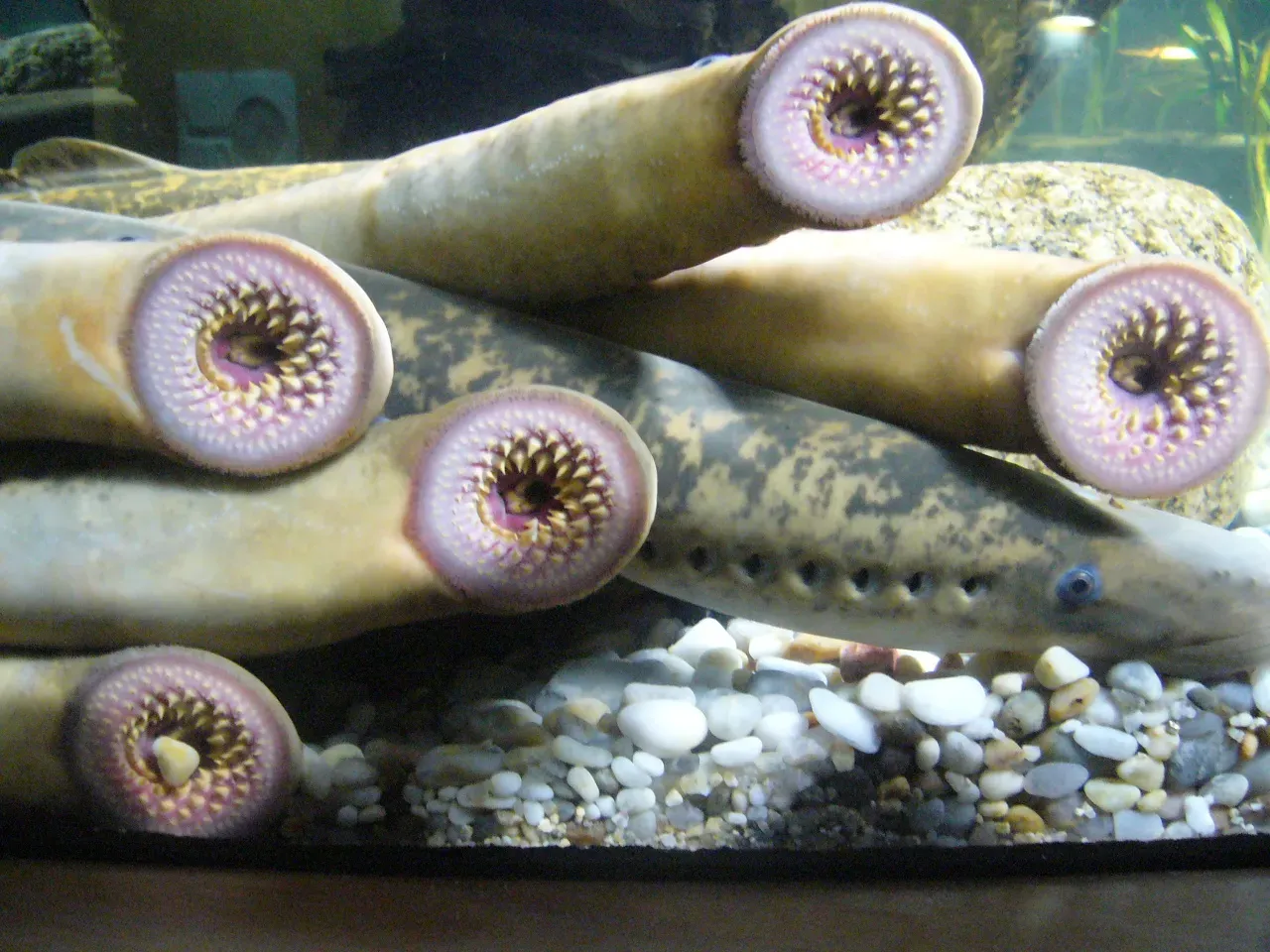
Let’s be real: the lamprey is not what anyone would call a charming creature. Lampreys are creepy, eel-like parasites with circular mouth holes filled with dozens and dozens of small, sharp teeth that they use to latch onto fish hosts and suck their blood. Disturbing? Absolutely. Ancient? Without question. In 2006, scientists studied a 360-million-year-old lamprey fossil, only to discover that it was essentially the same as the lampreys we have today.
Lampreys evolved into existence around 360 million years ago as jawless fish and jawed fish split into their groupings from a common ancestor. They look like eels but are jawless fish that instead suck blood from their prey through sharp tongues and teeth. Along with hagfish, lampreys are one of the only examples of jawless fish still living on Earth. These animals are by no means endangered, as they’re an invasive species that flourishes in temperate waters around the world. They’re a problem in some areas including the Great Lakes in the United States, where they’re causing extensive damage to local ecosystems.
8. Sturgeon – Ancient Giants of River and Sea (About 200 Million Years Old)
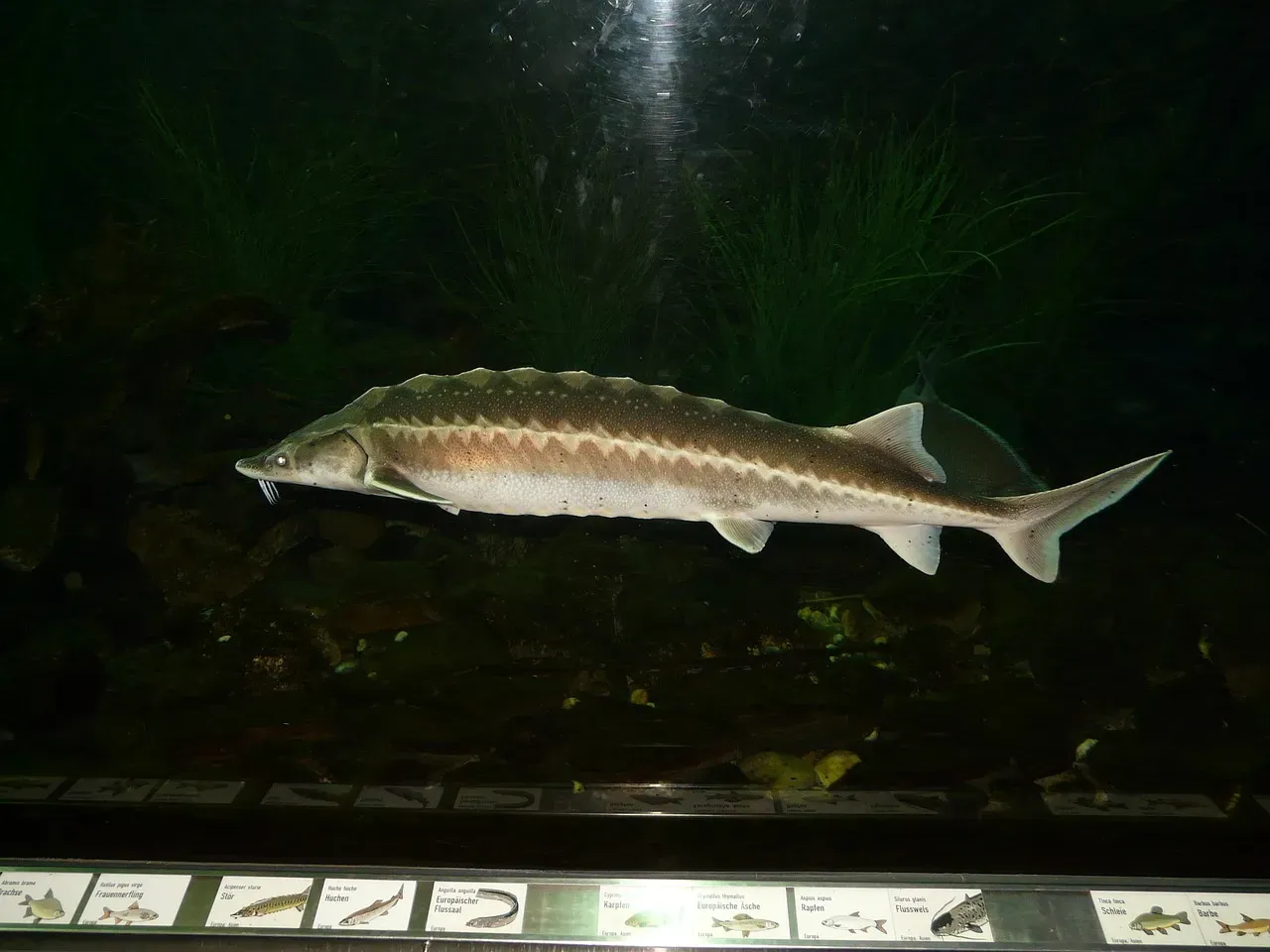
Sturgeons have been around for about 200 million years. These are some of the oldest living species found in both freshwater and coastal marine environments in the Northern Hemisphere. Sturgeons are known for their elongated bodies, bony scutes, and long lifespans, with some individuals living over 100 years. To put it plainly, a single sturgeon can outlive five or six human generations. That’s extraordinary.
They are critically endangered due to overfishing and habitat loss, primarily driven by the demand for their roe, which is processed into caviar. Conservation efforts are crucial to preserving these ancient giants. It’s one of nature’s great ironies: a creature that survived dinosaurs, ice ages, and mass extinctions is now threatened by human appetite. The largest sturgeons are well over 1,000 pounds, making them some of the most imposing freshwater creatures on the planet.
9. Tuatara – The Reptile That Evolution Left Behind (About 250 Million Years Old)
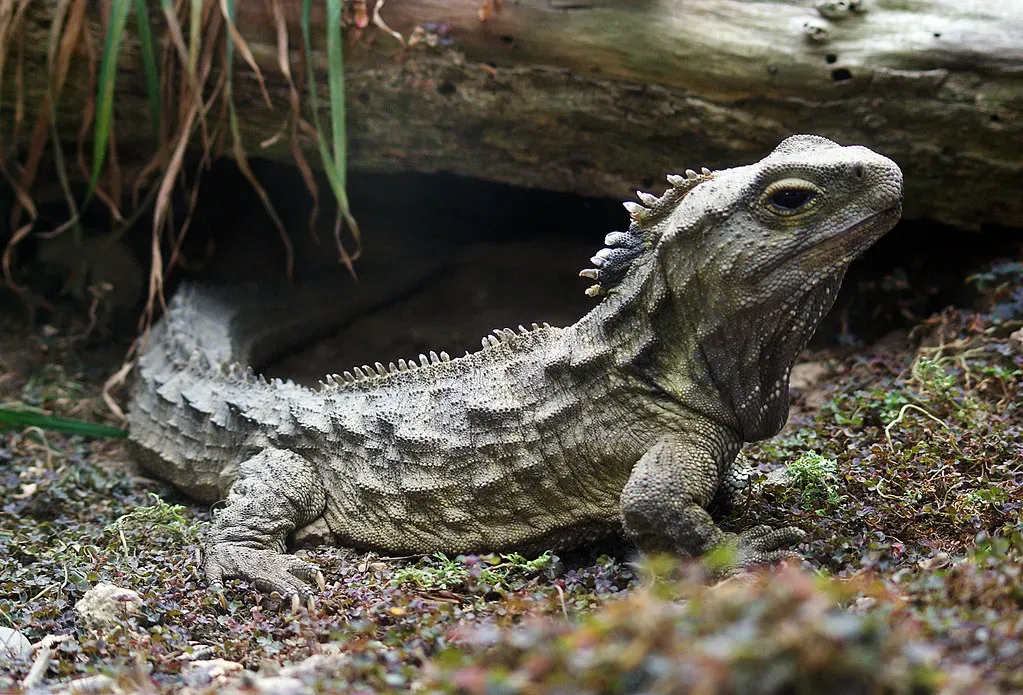
If you’ve never heard of the tuatara, you’re not alone. But once you learn about it, you won’t forget it. The tuatara is a reptile from New Zealand that came into being around 250 million years ago. It exists somewhere between what a dinosaur was and what makes a lizard today. It has a unique lineage and isn’t a lizard or a dinosaur. Scientists are fascinated by them because they provide clues to how snakes and lizards evolved. They’re the last of their kind on the planet.
The tuatara is a reptile from New Zealand. It’s one of several prehistoric animals still alive today that resembles lizards but belongs to a distinct lineage dating back to the dinosaur age. Since it has outlived many other species over centuries, the tuatara is a unique example of evolutionary persistence. Honestly, the fact that this creature is still quietly living in New Zealand feels like a miracle. They are long-lived and average around 60 years old when they die.
10. Lungfish – The Fish That Breathes Air (About 400 Million Years Old)
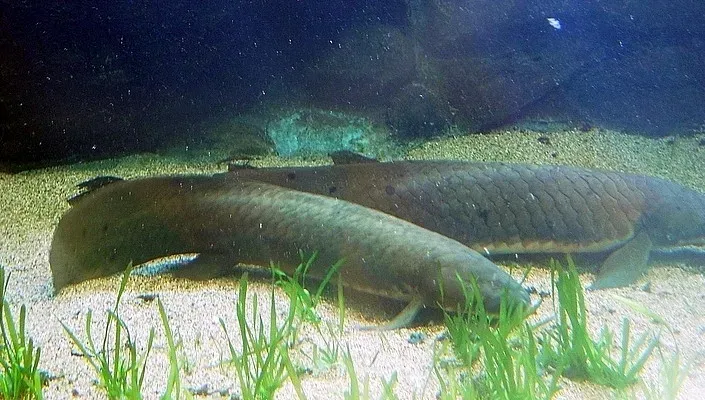
At 400 million years old, lungfish are the oldest living vertebrates. They are the oldest vertebrates still alive on Earth. What makes them truly mind-bending, though, isn’t just their age. It’s what they can do. They’re called lungfish because they have to breathe air periodically, which also allows them to survive in drier conditions than other fish. The lung they use to breathe isn’t standard at all. Instead, it is a unique swim bladder that also filters waste and gleans oxygen from the air.
Their anatomy is interesting to scientists because it’s a rare example of animals transitioning from aquatic to terrestrial environments. Think of the lungfish as nature’s rough draft for land-dwelling life. Every creature that eventually crawled out of the ocean, including the ancient ancestors of humans, shares something fundamental in common with this remarkable, air-breathing fish. It’s hard to say for sure where evolution ends and where sheer stubbornness begins, but the lungfish seems to have both in abundance.
Conclusion: Nature’s Greatest Survivors
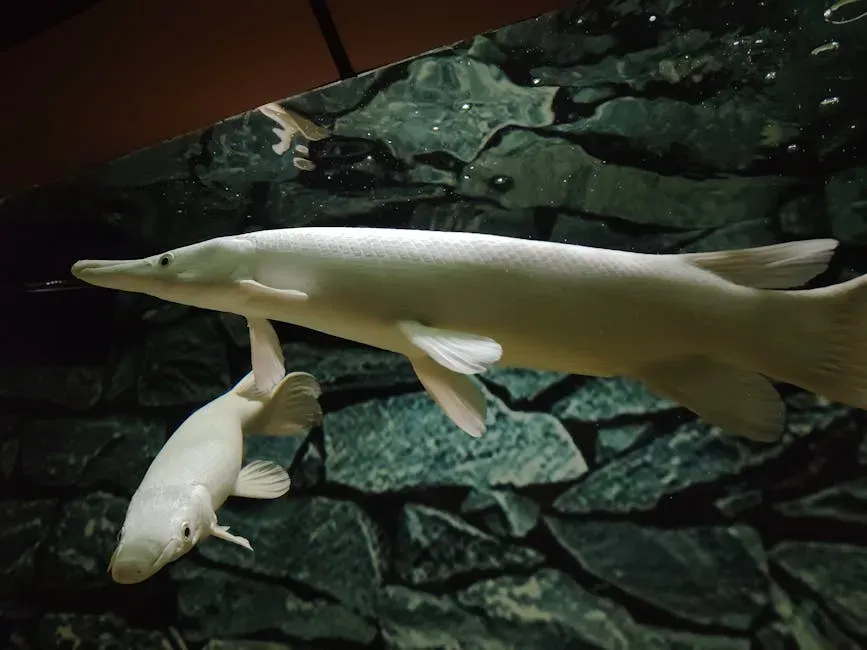
What you’ve just read is not simply a list of old creatures. It’s a reminder that survival is rarely about being the fastest, the biggest, or the most dramatic. The Earth today is home to a range of prehistoric animals, each embodying millions of years of evolutionary history. These creatures have not only survived the challenges of eons but continue to thrive as modern ecosystem engineers. Their existence offers invaluable insights into both the past and the ongoing processes of natural selection.
As we marvel at the diversity and resilience of prehistoric animals still alive today, we gain a deeper appreciation for nature’s ability to endure through the ages. These creatures are not just relics of the past, but are also active participants in our current ecosystems, showcasing incredible survival strategies.
There’s something humbling about realizing that a sponge, a jellyfish, or a lungfish has done something no human civilization has ever managed: endure for hundreds of millions of years without destroying itself. The next time you spot one of these ancient animals, even a photograph in a nature documentary, take a moment. You’re looking at deep time made flesh. Did knowing all of this change the way you see the natural world around you? Share your thoughts in the comments below.