You’ve probably heard about Tyrannosaurus Rex or Velociraptors countless times. Those creatures get all the glory when people talk about ancient Earth. Here’s the thing though: while dinosaurs ruled the land during the Mesozoic Era, they were far from the only terrifying, bizarre, and fascinating creatures roaming our planet.
Plenty of animals existed before, during, and after the dinosaurs that never get their moment in the spotlight. Some of these beasts swam through ancient oceans with jaws powerful enough to crush bone. Others soared through prehistoric skies with wingspans larger than a small airplane. A few even walked on land millions of years before the first dinosaur took its first steps.
Let’s dive into the incredible world of prehistoric creatures that deserve just as much recognition as their dinosaur cousins. These animals might surprise you with their size, their hunting strategies, or their downright strange appearances. So let’s get started.
Dimetrodon: The Sail-Backed Predator
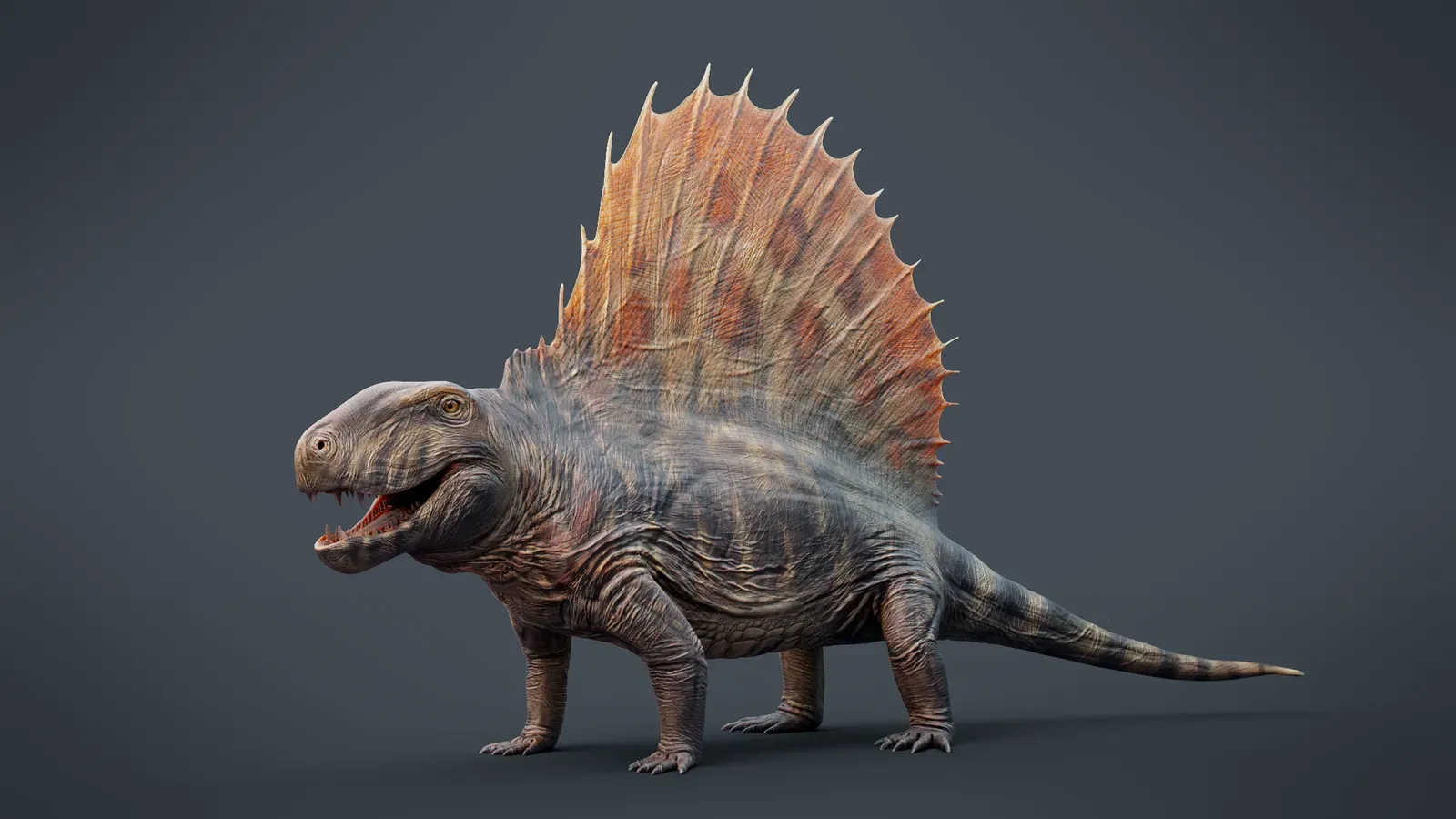
This reptile-like creature with a dramatic sail on its back went extinct roughly 40 million years before dinosaurs even appeared. Dimetrodon lived during the Permian period, around 295 to 272 million years ago, making it one of the most ancient apex predators on our list. Despite looking like something straight out of the dinosaur age with its scaly appearance and prominent back fin, this animal was actually more closely related to you and me than to any reptile.
Dimetrodon belonged to a group called synapsids, which are the ancestors of modern mammals. Most species measured between roughly 6 to 15 feet long and weighed between 60 and 550 pounds. That distinctive sail was likely used for display during mating season or possibly to help regulate body temperature, though scientists still debate its exact purpose. Dimetrodon was probably one of the apex predators of its ecosystem, feeding on fish and tetrapods, including reptiles and amphibians.
Pteranodon: Giant of the Skies
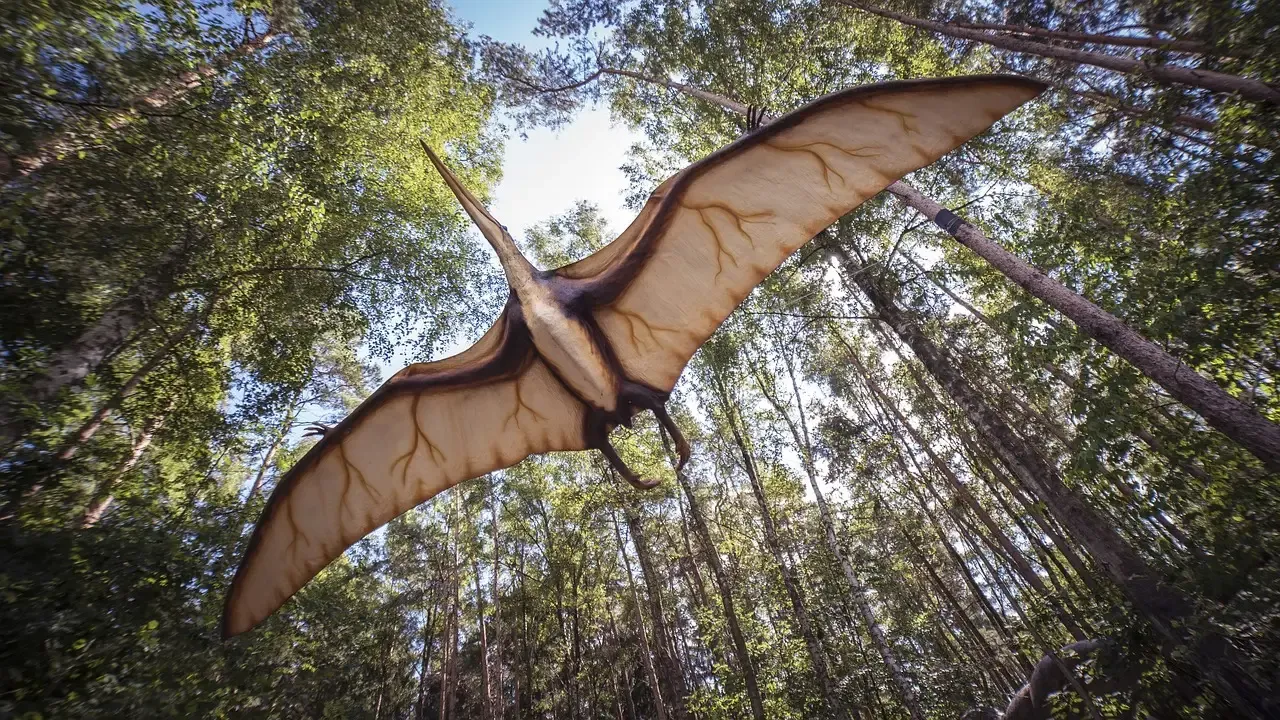
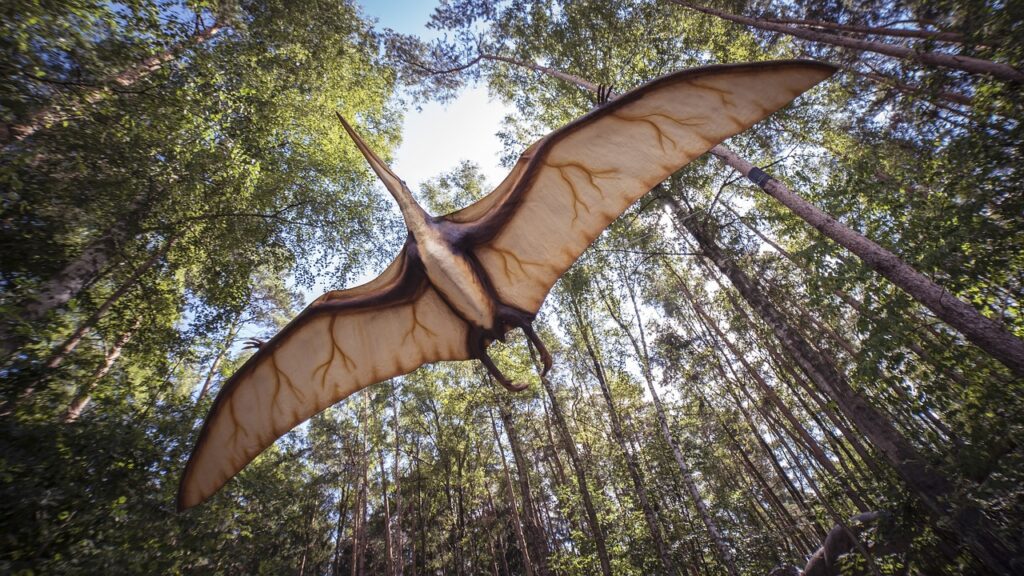
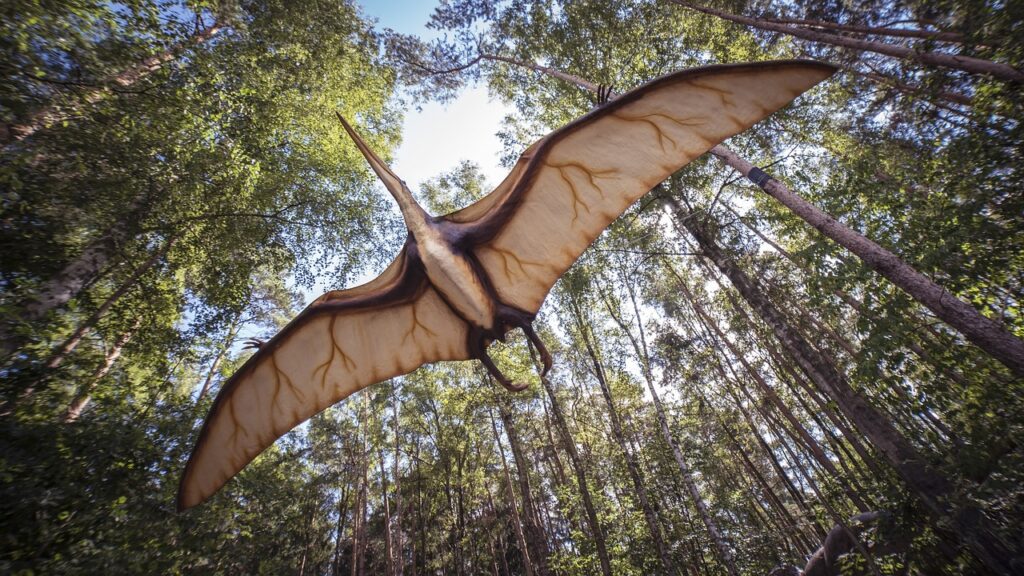
Pteranodon was a genus of pterosaur that included some of the largest known flying reptiles, with wingspans of over 6 meters, living during the late Cretaceous period of North America. Let’s be real, when most people picture flying dinosaurs, they’re probably thinking of creatures like this one. Pterosaurs are a group of flying reptiles distinct from the dinosaur clade, meaning they evolved separately and had completely different body structures.
Unlike birds, pterosaurs relied on featherless wing membranes to achieve lift. The wing shape of Pteranodon suggests that it would have flown rather like a modern-day albatross, with a high aspect ratio similar to that of the albatross. These creatures likely spent much of their time soaring over ancient seas, using air currents to stay aloft without expending too much energy. Their diet probably consisted mainly of fish, which they would snatch from the water’s surface with their long, toothless beaks.
Mosasaurus: Terror of Ancient Oceans
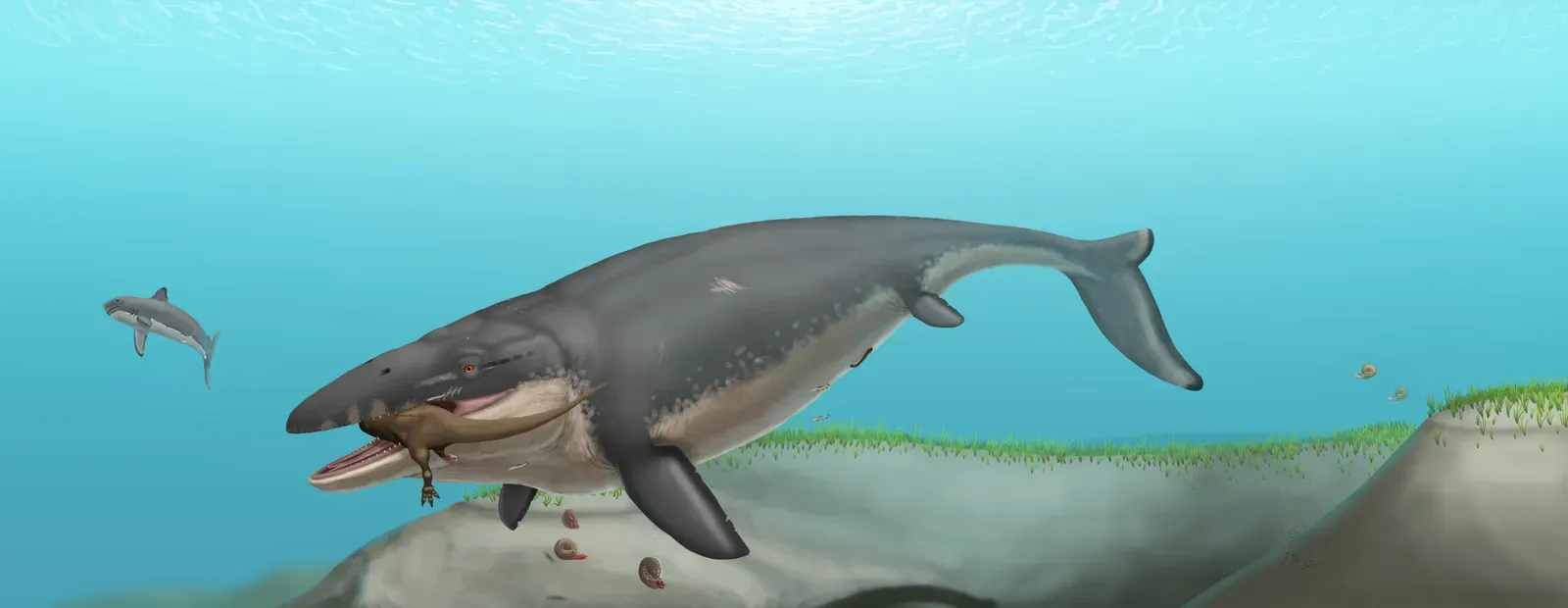
Think about the largest predator you’ve ever heard of. Now imagine it lurking beneath murky prehistoric waters, waiting to strike. Mosasaurus was a giant marine reptile that lived during the Cretaceous Period, and it was absolutely massive. Mosasaurus hoffmanni had Pliosaurus funkei beaten at 17 meters (56 feet) long, making it one of the most formidable ocean predators of all time.
Mosasaurus was not actually a dinosaur, but rather a type of prehistoric marine reptile closely related to modern-day monitor lizards. Mosasaurus hoffmannii likely employed inertial feeding and used jaw adduction to assist in biting during prey seizure, with massive magnus adductor muscles indicating it was capable of enormous bite forces. The tissue structure of Mosasaurus’ bones suggests it had a metabolic rate much higher than modern squamates and was likely endothermic, maintaining a constant body temperature independent of the external environment. This warm-blooded nature gave it a significant advantage over cold-blooded competitors.
Plesiosaur: The Long-Necked Marine Reptile
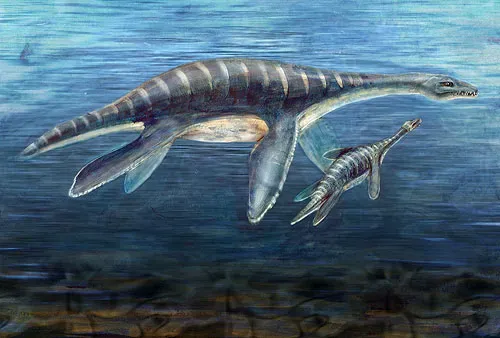
Plesiosaurs are an order of extinct Mesozoic marine reptiles that first appeared in the latest Triassic Period, possibly around 203 million years ago, becoming especially common during the Jurassic Period and thriving until their disappearance at the end of the Cretaceous Period, about 66 million years ago. If you’ve ever heard of the Loch Ness Monster, you already know what a plesiosaur supposedly looks like.
These marine reptiles had an unusual body plan with four large flippers and, in many species, incredibly long necks. The modern insight that the neck was rather rigid, with limited vertical movement, has necessitated new explanations, with one hypothesis being that the length of the neck made it possible to surprise schools of fish. Pterosauria belongs to flying reptiles, and mosasaurs, ichthyosaurs, and plesiosaurs are marine reptiles. They shared the ancient oceans with various other marine predators, creating a complex and dangerous underwater ecosystem.
Megalodon: The Ultimate Shark
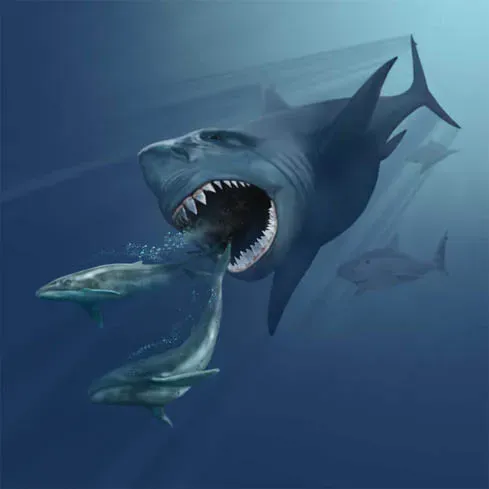
Megalodon is an extinct species of giant mackerel shark that lived approximately 23 to 3.6 million years ago, from the Early Miocene to the Early Pliocene epochs, and has been reclassified into the extinct family Otodontidae. Honestly, this is one creature I’m grateful never crossed paths with early humans. For 20 million years they sat atop the ocean’s food chain, and based on their 7-inch teeth, paleontologists imagine the leviathans growing from 43 to 82 feet long.
These massive predators could grow up to 60 feet long and had jaws powerful enough to crush a whale’s skull, with scientists estimating they needed to eat about 2,500 pounds of food daily just to sustain themselves. To put that in perspective, that’s more food in one day than most people eat in several months. Their bite force was absolutely phenomenal, capable of dismembering prey with terrifying efficiency. Like today’s sharks, they had cartilaginous bodies, so all that remains of the extinct creatures are teeth and some vertebrae.
Woolly Mammoth: Ice Age Giant
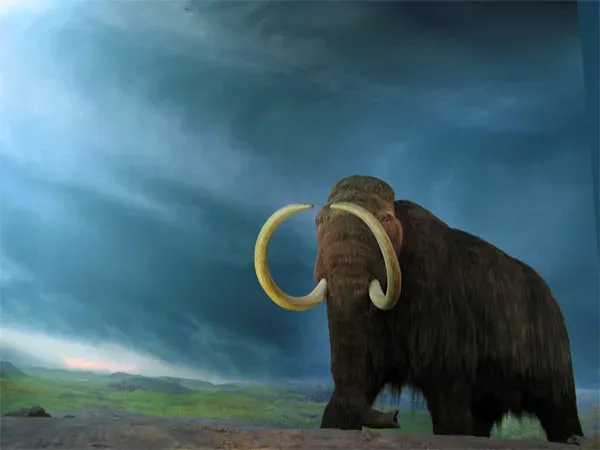
Mammoths were prehistoric members of the elephant family that lived during the Pliocene and Pleistocene epochs. One of the most iconic animals of the Great Ice Age was the woolly mammoth, who roamed the chilly tundras throughout Europe, Asia, and the Americas millions of years ago, weighing up to 13,000 pounds and standing between 10 and 12 feet tall on average.
These magnificent beasts were perfectly adapted to life in freezing conditions. Similar in size to African elephants, the woolly mammoth was covered in fur as an adaptation for living during the ice age. Early humans coexisted with these creatures and even hunted them for food, tools, and materials. Recent evidence of mammoth bones distributed in trap pits in Mexico gives us a clue into how human hunters took woolly mammoths down, possibly using these traps to separate mammoths from their herds, and large groups of human hunters utilized stone tools, branches, and even torches to capture and kill these animals, using mammoth bones for tools, jewelry, and art. Climate change at the end of the Ice Age, combined with human hunting pressure, eventually led to their extinction.
Smilodon: The Saber-Toothed Predator
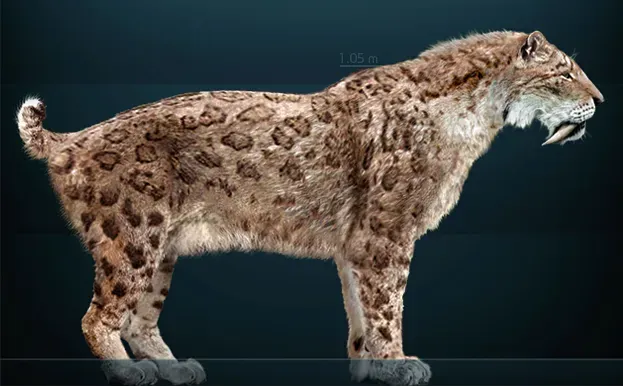
Saber-toothed cats (Smilodon fatalis) were lion-size ambush predators, best known for their long canine teeth, and went extinct at the end of the Pleistocene Epoch some 11,000 years ago. Despite the popular name, these weren’t actually tigers at all. The saber-toothed tiger was not closely related to modern tigers or any living felines.
With its long, curved teeth, this big cat was able to take down some of the largest prey of the Ice Age. Saber-toothed tigers had a muscular build and were able to take down prey much larger than themselves, with a hunting strategy that involved ambushing their prey and using their powerful jaws to deliver a killing bite. Those iconic canine teeth could grow up to 11 inches long. Rather than using brute bite force like modern big cats, they used their teeth like precision daggers to deliver devastating wounds to their prey’s throat or belly.
Titanoboa: The Colossal Snake
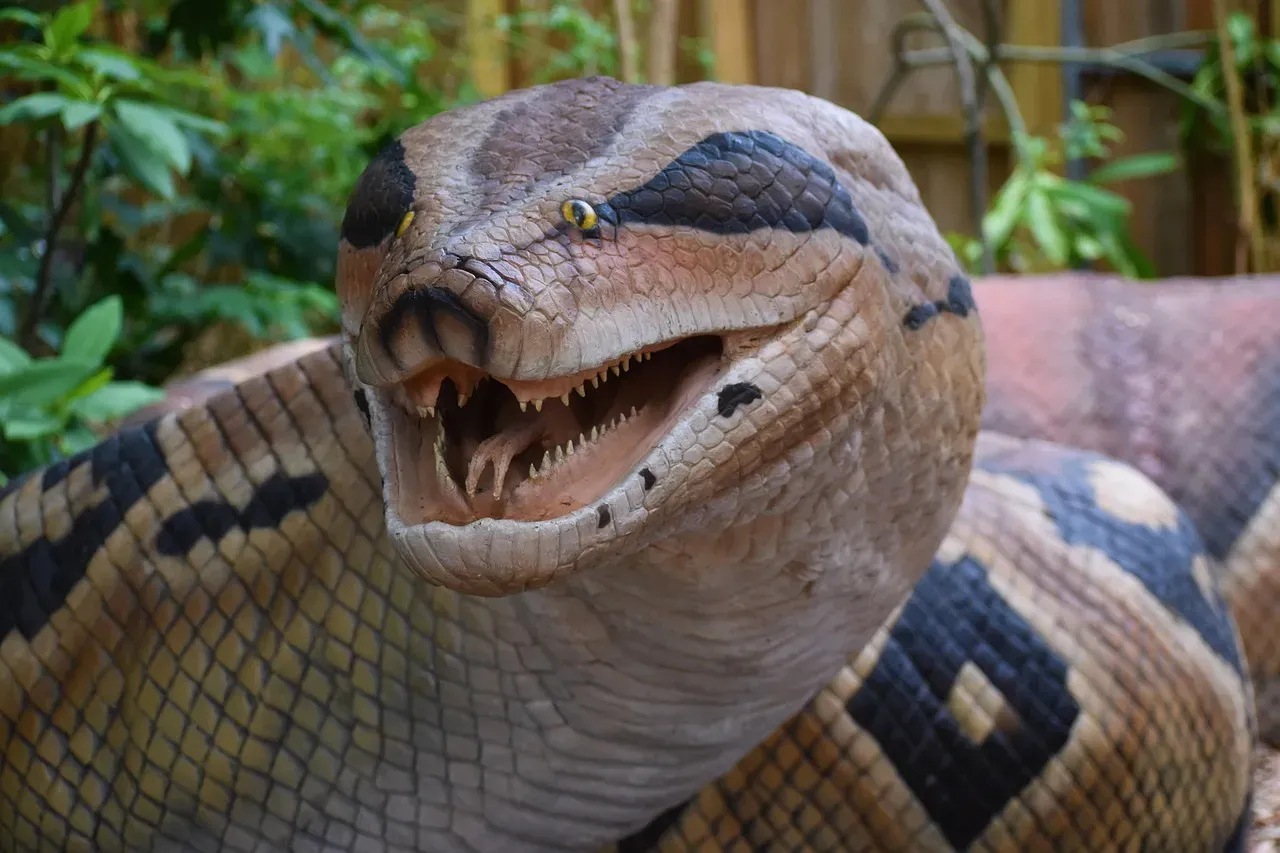
Titanoboa is a genus of extinct giant boid snake that lived during the middle and late Paleocene epoch and was first discovered in the early 2000s by members of the Smithsonian Tropical Research Institute, which recovered 186 fossils from the Cerrejón coal mines in northeastern Colombia, and was named and described in 2009 as Titanoboa cerrejonensis and lauded as the largest snake ever found. I know it sounds crazy, but this thing was essentially a school bus-sized serpent.
Titanoboa is estimated to grow up to 12.8 meters (42 feet) or perhaps even up to 14.3 meters (47 feet) long, and weigh around 730 to 1,135 kilograms (1,610 to 2,500 pounds). Titanoboa is thought to have been a semi-aquatic apex predator, with a diet consisting primarily of fish. Living around 60 million years ago in the warm, swampy regions of what is now Colombia, Titanoboa was the largest snake ever to exist, roughly ten times heavier than today’s green anaconda. Like modern boas, it killed by constriction, wrapping its massive body around prey and squeezing until the unfortunate victim could no longer breathe.
Arthropleura: The Giant Millipede
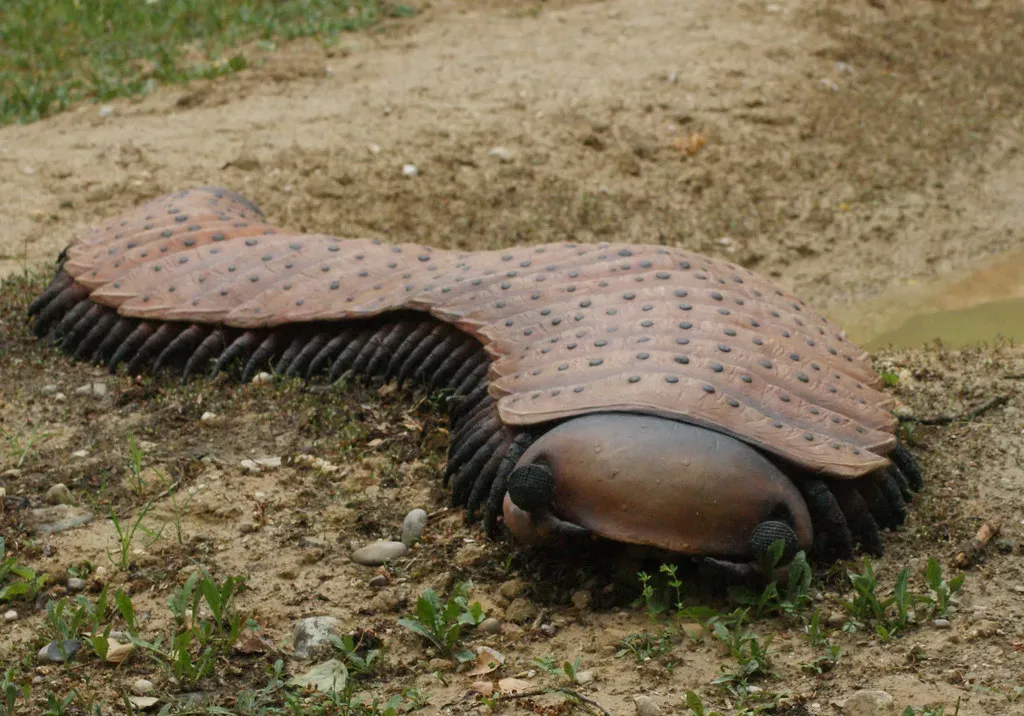
Arthropleura was a colossal arthropod resembling a millipede, which inhabited the forests of North America and Scotland around 300 million years ago, reaching lengths of up to 8.5 feet (2.6 meters). Picture a millipede the size of a large dog or even a small car crawling through prehistoric forests. Yeah, that’s the stuff of nightmares for anyone with a bug phobia.
At 2.5 meters in length, Arthropleura is widely considered the largest invertebrate to ever walk the Earth, and this giant ancestor of today’s millipedes is not an insect but a myriapod. Arthropleura was an herbivore, likely feeding on decomposing plant material on the forest floor. Its size provided safety from the few predators of its era. The massive oxygen levels in Earth’s atmosphere during the Carboniferous period allowed insects and arthropods to grow to sizes unimaginable in today’s world.
Helicoprion: The Buzz Saw Shark
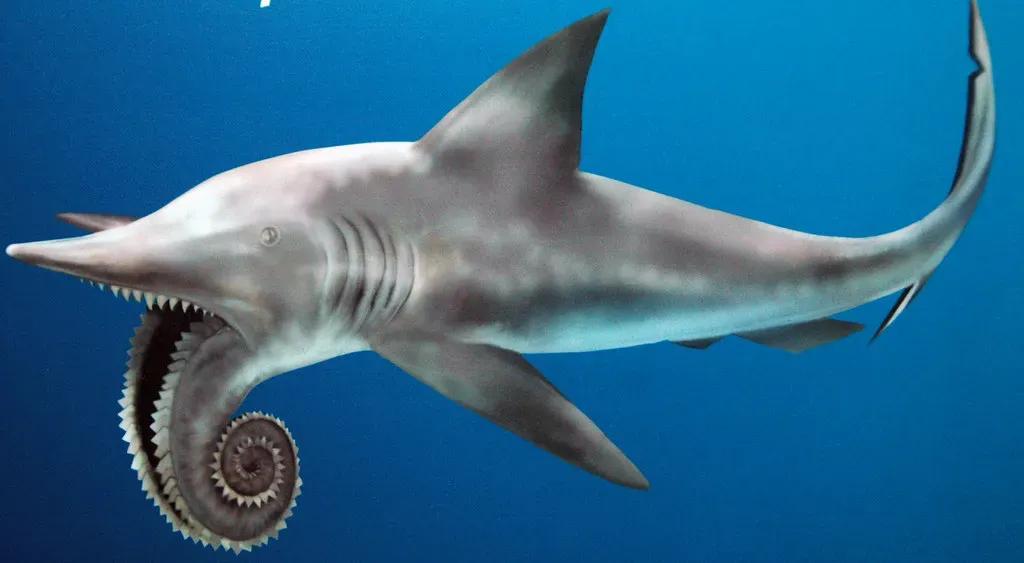
Helicoprion was an ancient shark living around 290 million years ago that had a distinct spiral arrangement of teeth resembling a buzz saw blade, and this whorl of teeth likely helped Helicoprion capture and slice through the soft bodies of its prey, such as squid. For years, scientists were baffled by fossils of this bizarre spiral structure and couldn’t figure out where it belonged on the animal’s body.
Sharks have been around the earth for at least 400 million years, and Helicoprion survived the biggest mass extinction in history (Permian-Triassic extinction event), with only their teeth arranged in a tooth-whorl strongly reminiscent of a circular saw found as fossils until 2013, when it was realized that the tooth-whorl was in the lower jaw. The teeth constantly grew and moved forward in a conveyor belt-like fashion as the shark aged, creating that distinctive spiral pattern. This strange adaptation made Helicoprion one of the most unusual predators ever to swim the ancient seas.
Conclusion
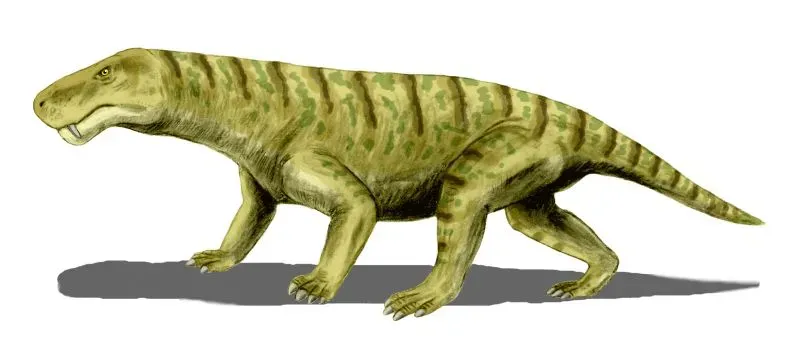
The prehistoric world was filled with creatures far stranger and more diverse than most people realize. From sail-backed synapsids that predated dinosaurs by millions of years to massive marine reptiles that ruled the oceans, these animals prove that Earth’s history is full of surprises. Some were apex predators with bone-crushing jaws, while others were gentle giants adapted perfectly to their environments.
What makes these creatures so fascinating isn’t just their size or their bizarre appearances. It’s the fact that they represent entirely different chapters in Earth’s story, each adapted to survive in worlds vastly different from our own. Climate change, shifting continents, and mass extinction events came and went, and through it all, life found ways to evolve, adapt, and thrive in forms we can barely imagine today.
Did you expect that these animals were so different from dinosaurs? What do you think about them? Tell us in the comments.