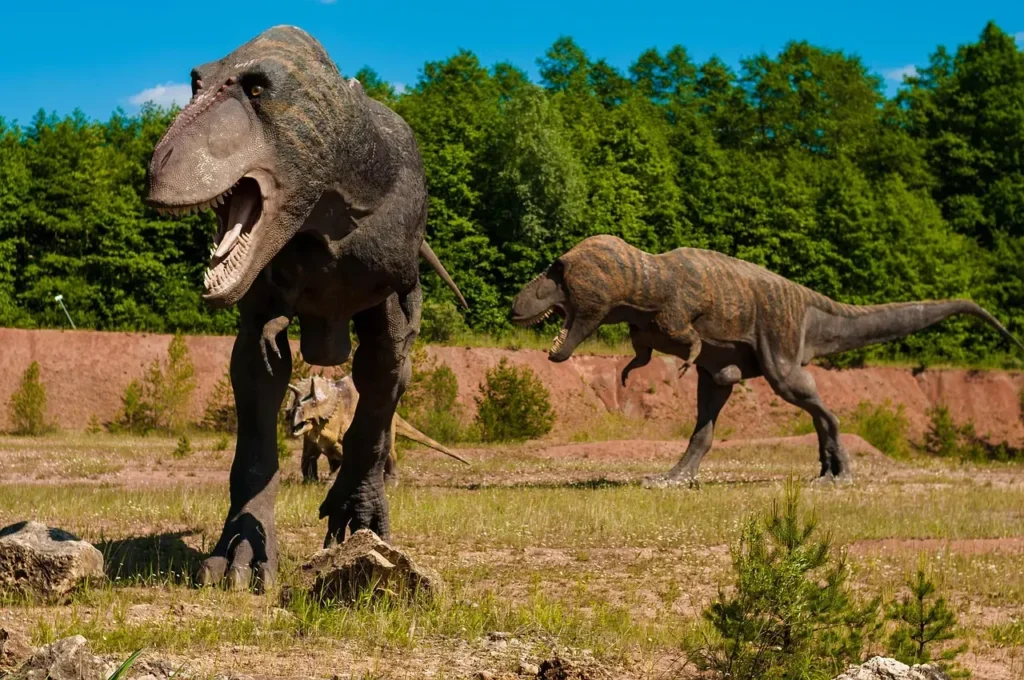
Let’s be real, when you picture a dinosaur, you probably imagine Tyrannosaurus rex with its massive jaws and tiny arms, stomping through the forest. It’s the poster child of prehistoric terror, the one that pops up in every movie and museum. The T-Rex had the strongest bite force of any land animal ever studied and weighed up to ten tons, making it one of the most powerful predators to walk the Earth.
Here’s the thing, though. While the T-Rex certainly deserves respect, it wasn’t actually the most frightening thing out there. Not by a long shot. The prehistoric world was packed with creatures that were bigger, faster, or just plain scarier than the tyrant lizard king. Some of these monsters could swim through rivers with crocodilian grace. Others could crush bones with a single snap of their jaws. Still others hunted in packs, which honestly makes them exponentially more terrifying. So let’s dive in and meet ten prehistoric beasts that would’ve made even a T-Rex think twice.
Spinosaurus: The River Monster With a Sail
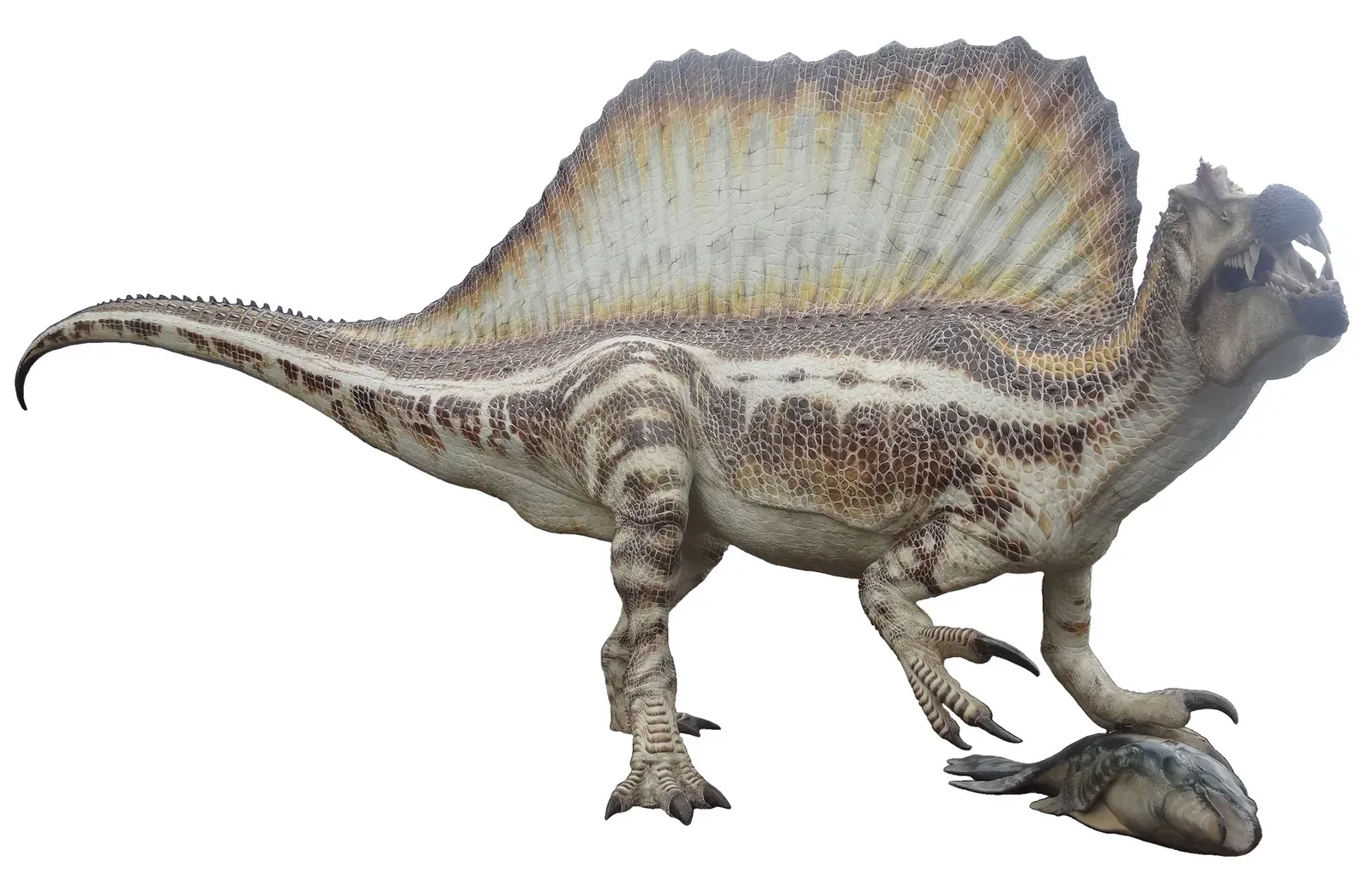
Spinosaurus is currently the largest of all known carnivorous dinosaurs, even larger than T. rex and Giganotosaurus. Researchers estimated Spinosaurus was 52 to 59 feet long and weighed 7.7 to 9.9 tons. Picture something that combines the hunting ability of a crocodile with the size of a whale, and you’re getting close.
It had an elongated skull much like a crocodile and a snout filled with approximately 64 straight, conical teeth. What makes this nightmare fuel even worse is that evidence suggests it was semi-aquatic, so there was nowhere to escape from this fish and dinosaur devouring monster. The distinctive sail on its back wasn’t just for show either. It made the creature look even more massive and intimidating, and may have helped it hunt fish by herding them into bait balls, similar to how modern sailfish operate.
Giganotosaurus: The Giant Southern Terror
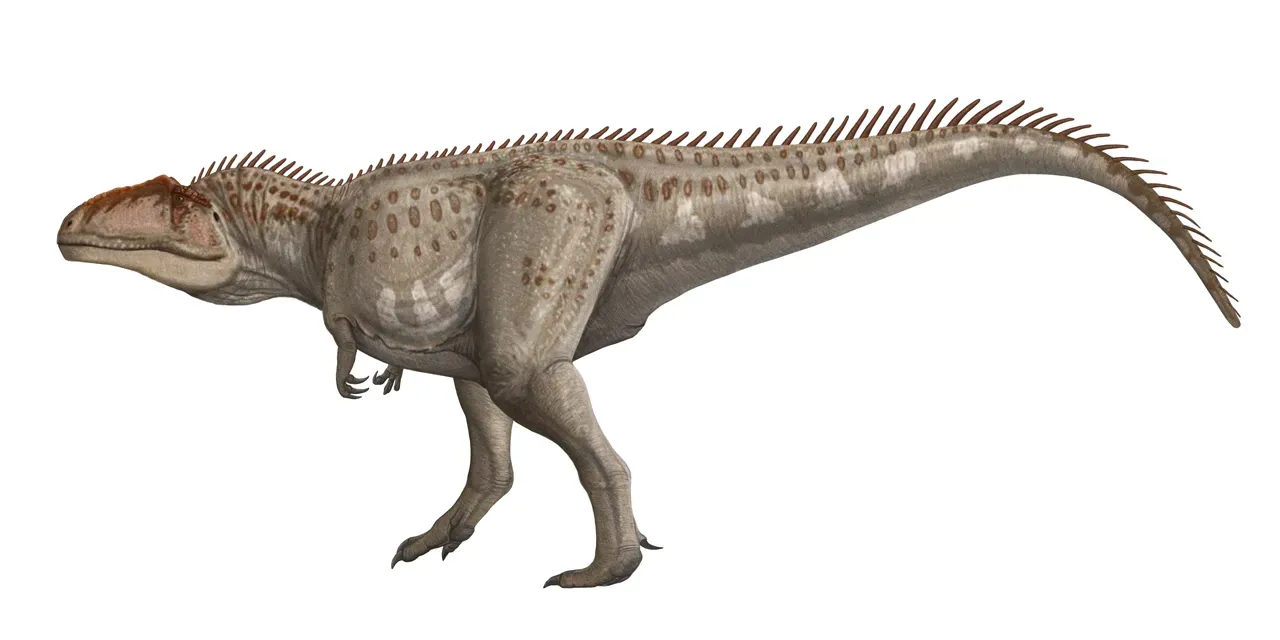
This colossal carnivorous dinosaur rivaled T. rex in size, growing up to 43 feet long, and had an elongated skull filled with sharp teeth designed for slicing through flesh. Living in South America roughly 98 million years ago, this beast was built differently than T-Rex. Its teeth were like serrated knives, perfect for cutting deep wounds that would bleed its prey out.
Living in South America around 98 million years ago, it hunted large herbivorous animals like the enormous Argentinosaurus, and its ability to take down such massive prey makes it one of the most dangerous animals to have roamed the Earth. Think about that for a second. This thing regularly took down some of the largest animals to ever walk on land. The sheer audacity required to hunt something the size of a building is mind-boggling.
Sarcosuchus: The SuperCroc That Ate Dinosaurs
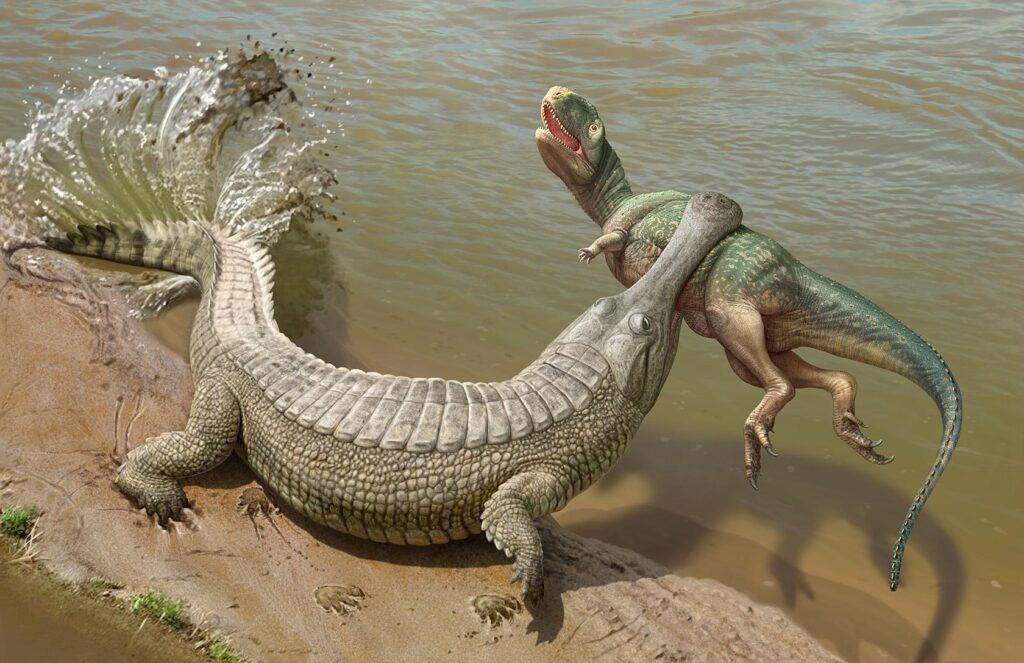
I know it sounds crazy, but there was once a crocodile that made modern crocs look like adorable little lizards. The Sarcosuchus, also known as the “SuperCroc,” was a giant crocodilian existing around 112 million years ago, and it could reach lengths of 40 feet and had an extraordinary bite force. Imagine encountering that while trying to get a drink of water.
Sarcosuchus was larger than almost all of the dinosaurs that lived in the same environment, and evidence points to a diet that included large terrestrial prey; it spent most of its time submerged in the water, but could take down something like Suchomimus. This wasn’t some lazy reptile basking in the sun. It was an active ambush predator that literally ate dinosaurs for breakfast. The fact that it could lurk beneath the water’s surface, completely hidden until it was too late, makes it absolutely terrifying.
Deinosuchus: The Terror Crocodile
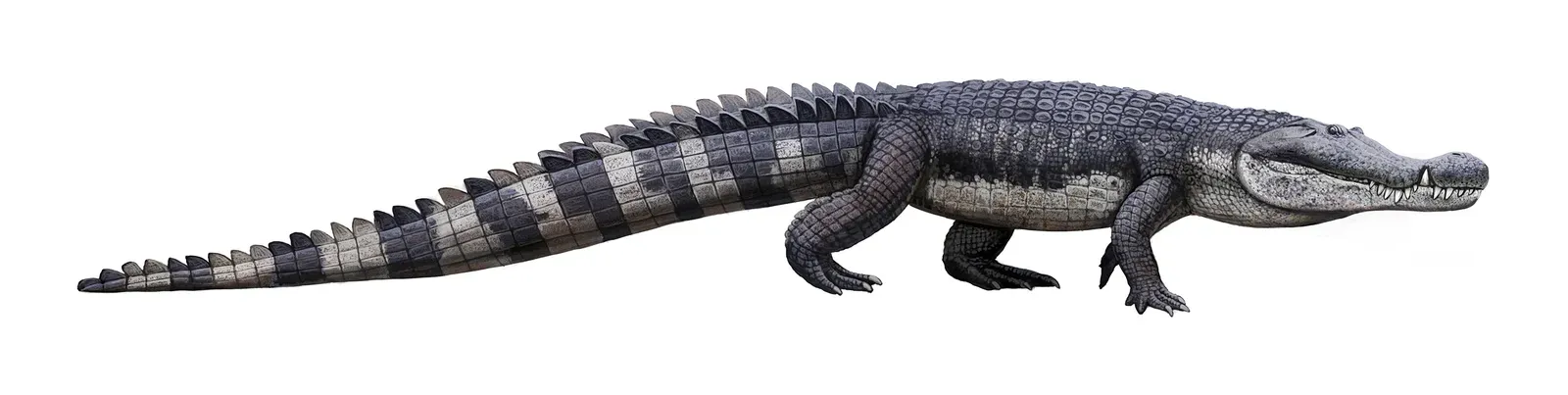
Deinosuchus rugosus, which paleontologists refer to as the “terrible crocodile” or “terror crocodile,” lived during the Cretaceous period and was once the largest predator in North America, growing up to 40 feet long and weighing roughly 6.5 to 7.5 tons, or about the same weight as a fully grown Tyrannosaurus rex. Its name literally means “terrible crocodile” in Greek, and trust me, it earned that title.
With an incredibly powerful bite force, the Deinosuchus was capable of crushing the bones of even the biggest dinosaurs, and it also likely fed on prehistoric birds, turtles, fish and other extinct animals. Bite marks in dinosaur skeletons show that this killer croc was willing and able to take on any creature in its domain. So basically, nothing was safe if it ventured too close to the water’s edge.
Megalodon: The Ocean’s Ultimate Nightmare
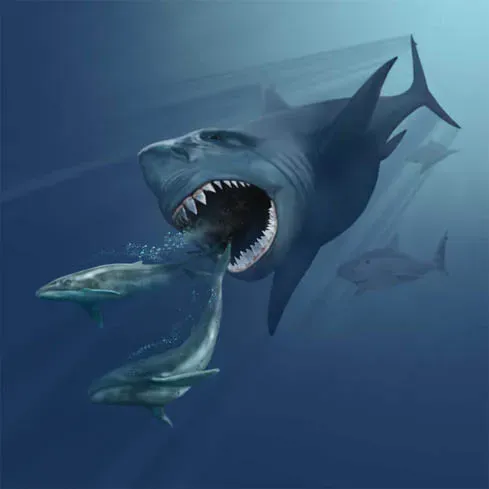
While not a dinosaur, this absolute unit deserves a spot on this list. The Megalodon was an apex predator of the oceans, ruling the seas about 23 to 3.6 million years ago, with estimated lengths of up to 60 feet, and its jaws could exert enough force to crush a car. Let that sink in for a moment. A shark the length of a bowling alley with jaws powerful enough to crush a car.
Megalodon had a bite force of over 20 tons, and in comparison, the modern-day Great white shark has a bite of 1 ton. If you thought a Great White was scary, imagine something twenty times more powerful. This giant shark fed on large marine mammals, making it a dominant marine predator that even dwarfed the T. Rex in sheer size.
Mapusaurus: The Pack-Hunting Giant
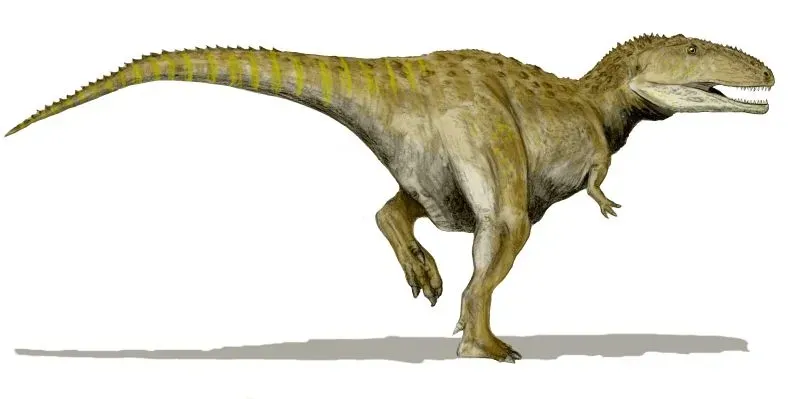
Here’s where things get truly nightmarish. Mapusaurus roseae represents one of paleontology’s most frightening discoveries: definitive evidence of pack hunting among giant theropods, discovered in Argentina in a bone bed containing multiple individuals of various ages, and while individual Mapusaurus were comparable to T. rex in size, their cooperative hunting strategy made them exponentially more dangerous.
One 40-foot predator is terrifying enough. Now imagine encountering several of them working together. Paleontologists believe Mapusaurus packs specifically evolved to hunt massive titanosaur sauropods through coordinated ambush tactics and group attacks. The prospect of multiple apex predators communicating and coordinating their movements to take you down is the stuff of genuine nightmares.
Titanoboa: The Snake That Shouldn’t Exist
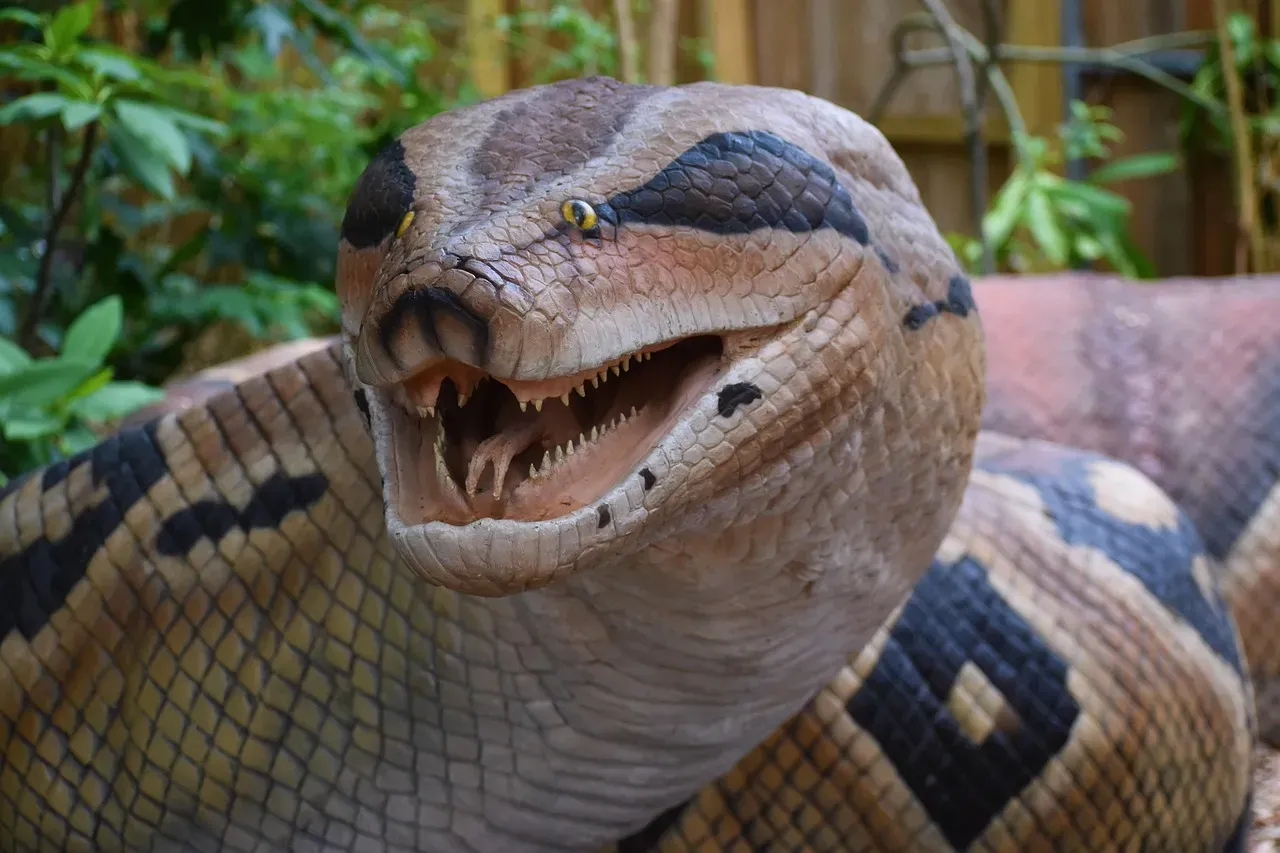
Titanoboa cerrejonensis is a prehistoric animal straight out of your darkest nightmares, and this giant snake could reach lengths of up to 42 feet and weighed over a ton. For comparison, even the longest modern anacondas have never surpassed 30 feet. This thing was in a completely different league.
Titanoboa was a 42 foot long snake that lived during the Paleocene epoch, and it likely hunted much like crocodiles do, lurking, partially submerged at the water’s edge so that it could ambush thirsty, unsuspecting animals. Like its contemporary cousins, the boa and anaconda, Titanoboa used its enormous, muscular body to constrict its unlucky prey. Picture being wrapped up by something that weighs as much as a small car. Yeah, not fun.
Mosasaurus: The Deep Water Demon
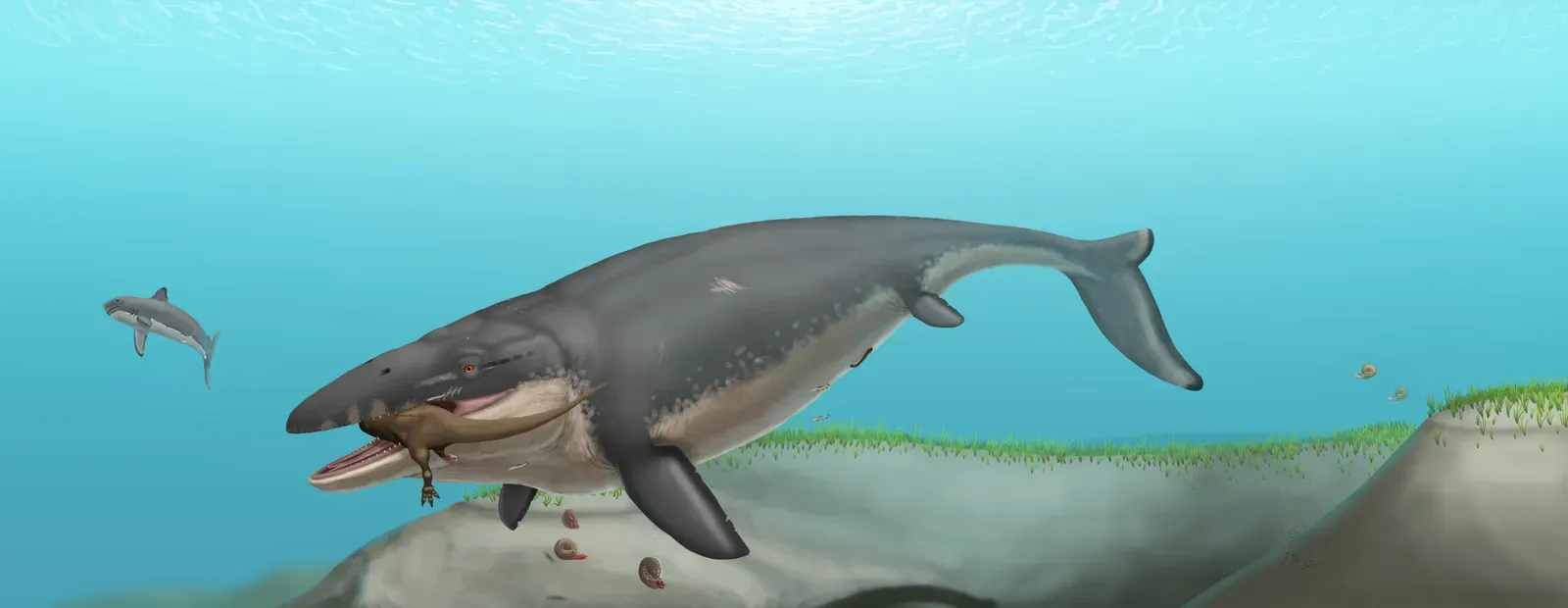
Mighty mosasaurus was a dangerous extinct predator with a six-foot skull that contained 250 teeth, and this prehistoric croc was 56 feet long and weighed a massive 30,000 pounds. This marine reptile was basically the ocean’s answer to T-Rex, except it could move in three dimensions and strike from literally any angle.
It had a double-hinged jaw to swallow prey whole, and a large and powerful tail for short bursts of speed, and it preyed on sharks, massive fish, turtles, and birds and probably took dinosaurs from the water’s edge. Honestly, the double-hinged jaw alone is enough to give me chills. Nothing was too big for this monster to swallow. Sharks, turtles, even unlucky dinosaurs that got too close to the shore, all fair game.
Arctodus: The Short-Faced Bear That Ran Like Lightning
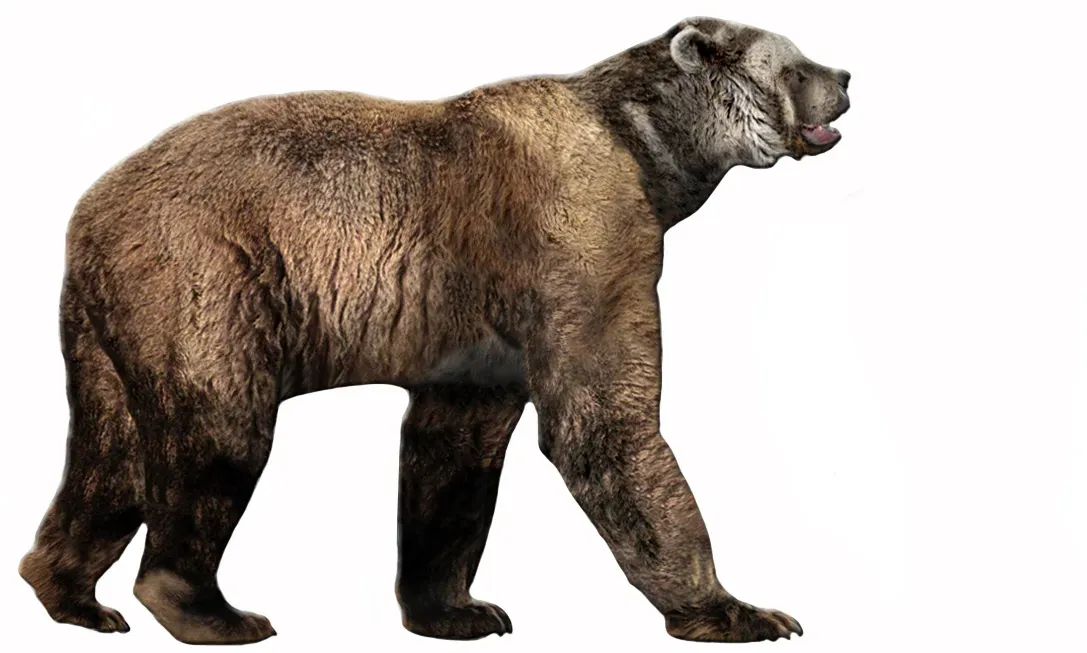
Arctodus, bigger than any bear alive today, stood 4m tall, weighed up to a tonne, and could bring down bison. Standing on its hind legs, this bear would tower over you at roughly 13 feet. It’s hard to even process something that large and powerful.
Experts say the animal could probably run faster than 40 mph to catch its meals, which is similar to the top speed of present-day racehorses, meaning human beings would have had no chance at escaping this prehistoric nightmare. Think about that. A creature the size of a small car, running as fast as a racehorse. You wouldn’t just be outmatched in strength. You’d be outmatched in speed too. There was literally no escape.
Dunkleosteus: The Armored Fish With Bone Blades
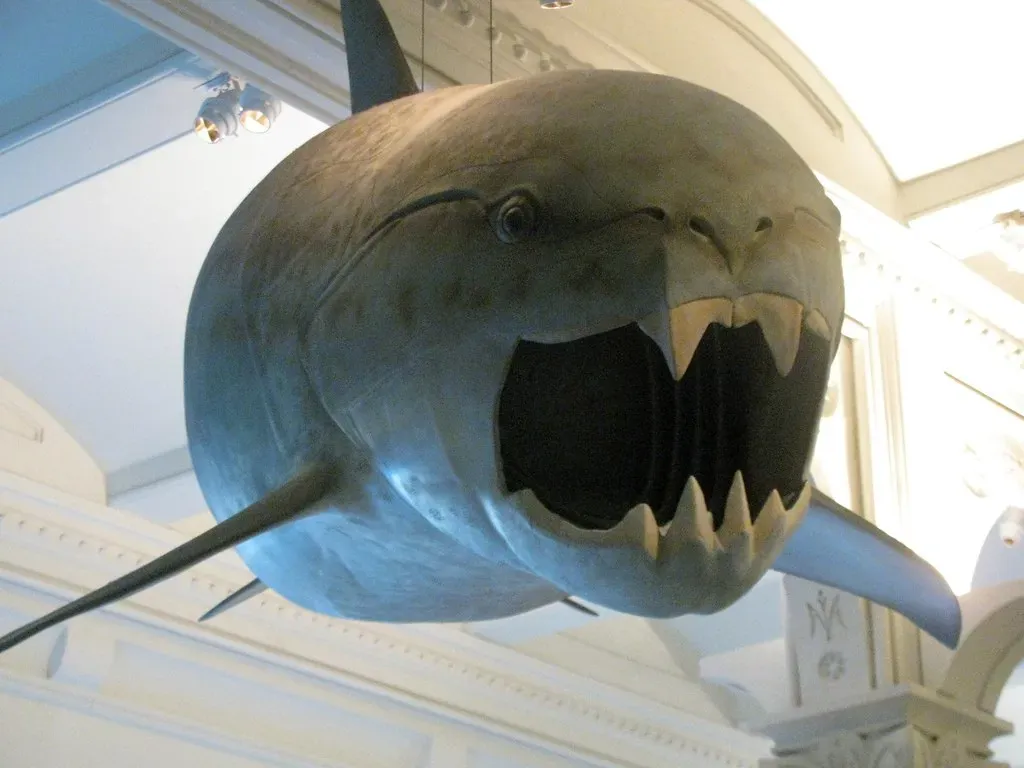
This 33 foot long armored fish from the Devonian era lacked teeth, but its jaw contained razor sharp protrusions of bone that it could use to pierce and cut through its prey, and these bones grew continuously and as they did, the edges rubbed together with those of the opposing jaw, acting like self sharpening shears. Self-sharpening bone blades. Evolution really went all out with this one.
This giant fish grew up to 33 feet in length and had an armour-plated head, but lacked true teeth, instead boasting two long bony blades that could snap and crush its prey. They ate sharks and were even cannibalistic. An armored fish that ate sharks and occasionally each other? The prehistoric oceans were not a place you wanted to be.
Conclusion
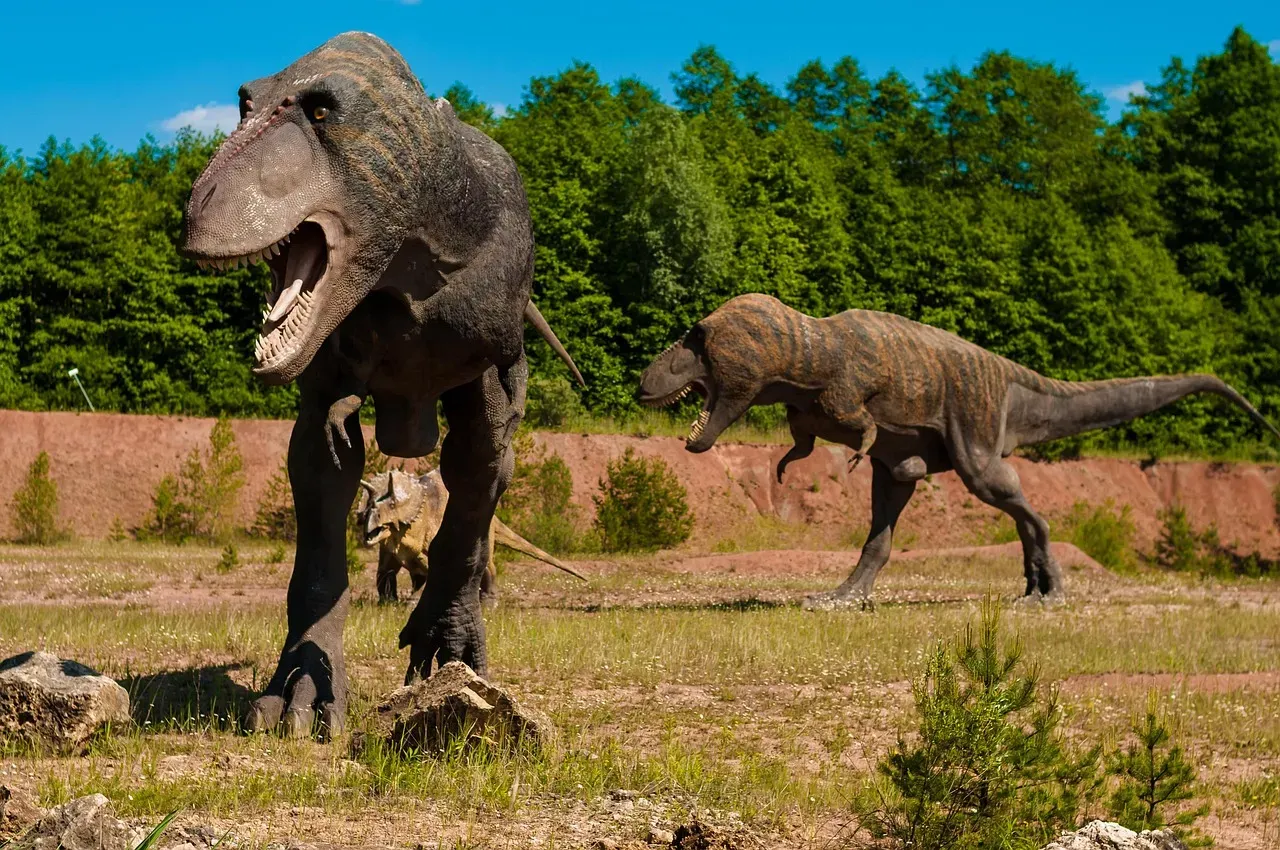
The T-Rex might be the most famous prehistoric predator, but as you can see, it had some serious competition. From pack-hunting giants to aquatic monsters with self-sharpening jaws, the ancient world was filled with creatures that redefined what it meant to be an apex predator. Each of these ten beasts brought something unique and utterly terrifying to the table, whether it was sheer size, crushing bite force, cooperative hunting strategies, or the ability to dominate multiple environments.
What’s fascinating is how specialized these predators were. Some ruled the rivers, others dominated the open ocean, and still others perfected the art of pack hunting on land. The diversity of killing strategies that evolved during these millions of years is both awe-inspiring and deeply unsettling. Which one do you think was the most terrifying? Drop your thoughts in the comments.