You know that feeling when everything seems chaotic around you, yet some people appear to glide through life with this almost magical sense of calm? It’s easy to assume they’ve got it all figured out. The truth is, they’re probably practicing habits you’ve never even noticed. These aren’t complicated rituals or expensive therapy sessions. They’re subtle psychological shifts that happen beneath the surface.
Most of us chase peace like it’s something we’ll find one day when the stars align perfectly. Wrong. Real inner peace isn’t stumbled upon during a beach vacation or after landing that dream job. It’s cultivated through small, consistent mental habits that reshape how you interact with your own thoughts and emotions. So let’s dive in and explore the psychological patterns that might just transform your inner world.
1. Accepting Your Emotions Without Judgment

One of the most important ways to manage emotions is the ability to identify and accept your feelings. Here’s the thing most people get wrong about inner peace: they think it means feeling good all the time. It doesn’t. Peace comes when you stop fighting against uncomfortable emotions.
When you practice this awareness, you become an observer of your own thoughts, emotions, and sensations, learning to simply notice them without judgment to gain a deeper understanding of yourself and your emotional experiences. Think of it like watching clouds pass across the sky. You don’t chase them or try to push them away. You acknowledge they’re there, and eventually, they move on.
Painful emotions are unavoidable. The more you resist them, the stronger they become. Learning to sit with discomfort without immediately trying to fix it creates space for genuine calm.
2. Updating Your Expectations Regularly

Let’s be real: most disappointment comes from expectations that don’t match reality. If you want more peace of mind, you must let go of unrealistic expectations for people. I know it sounds cynical, but hear me out.
The trick is to get in the habit of examining your expectations regularly and updating them, because life and other people will always disappoint you if you stop expecting the world of them. This doesn’t mean lowering your standards or accepting bad behavior. It means aligning what you expect with what’s actually probable.
Your friend who’s always late? Stop expecting punctuality and plan accordingly. Your boss who rarely gives feedback? Don’t wait for validation that may never come. When you adjust expectations to fit reality, you free yourself from constant frustration.
3. Practicing Mindful Breathing Throughout Your Day
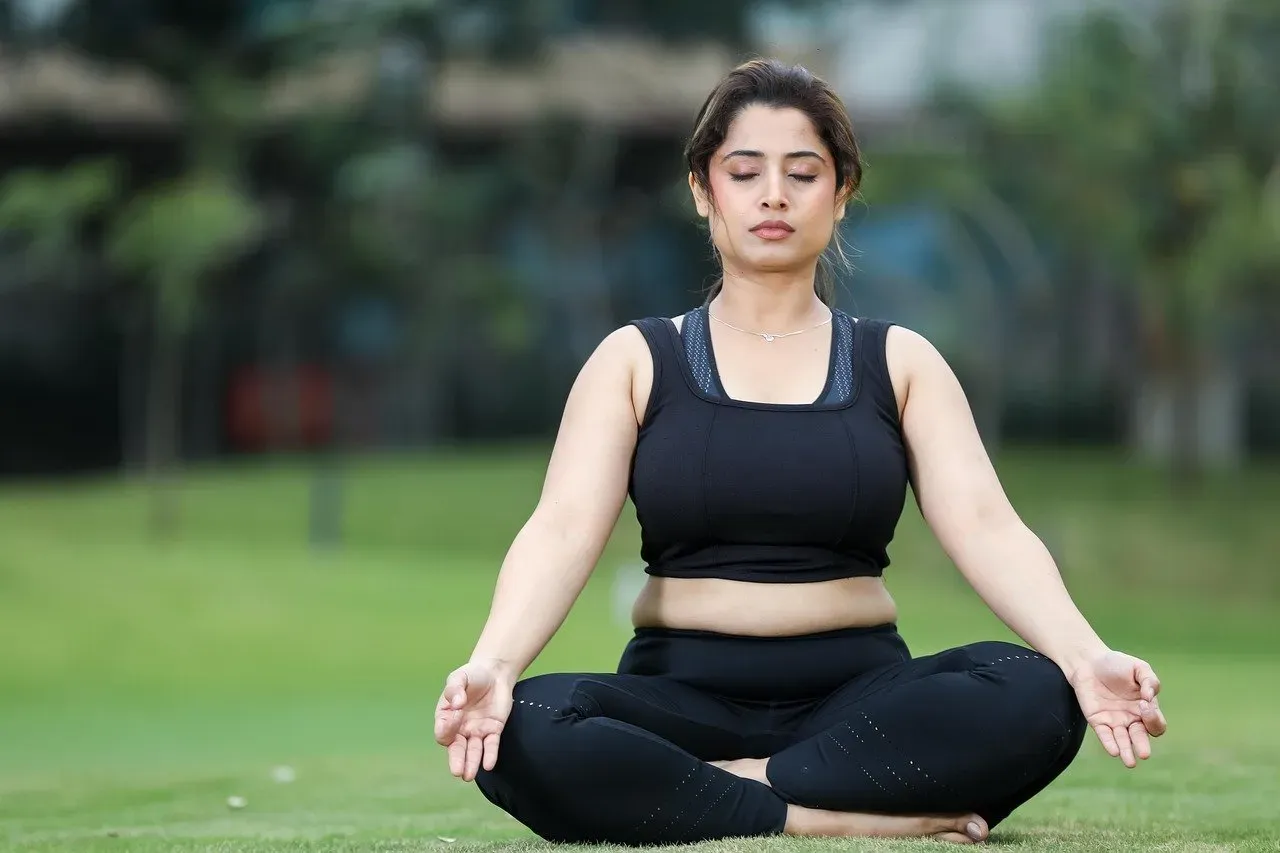
Breath awareness helps to tie the mind to the present moment, where we can truly embrace life. Sounds simple, right? Yet so many of us go entire days barely noticing we’re breathing.
Deep and slow breathing activates the vagus nerves and leads to a reduction in anxiety and stress responses. When you’re overwhelmed, your breath becomes shallow and rapid. Deliberately slowing it down sends a signal to your nervous system that you’re safe.
Regularly taking time throughout the day to stop and observe the breath can help cultivate inner peace as well as feel more present and uplifted. Try this: set random reminders on your phone to pause and take five deep breaths. It takes less than a minute, yet the cumulative effect throughout weeks and months is remarkable. Your body learns that calm is its default state, not constant activation.
4. Limiting Your Screen Time and Digital Noise

In 2025, smartphones and social media dominate daily life often exacerbating stress through constant notifications and comparison, with excessive screen time disrupting sleep and increasing anxiety while reducing exposure helps the brain unwind and improves focus.
We’re all addicted to the dopamine hits from notifications, likes, and endless scrolling. The problem isn’t just wasted time. It’s that constant digital stimulation keeps your nervous system in a heightened state. A review of literature points out that several studies have linked excessive smartphone use with increased stress levels.
Set boundaries like no screens during meals or after 9 p.m and replace screen time with offline hobbies like reading or cooking. I’ll admit this one’s hard. Sometimes I catch myself checking my phone without even realizing I picked it up. The key is creating friction between you and your device. Keep it in another room while you work. Turn off non-essential notifications. Your inner peace will thank you.
5. Moving Your Body to Release Emotional Tension

Exercise isn’t just about fitness, it’s one of the most effective natural mood boosters as physical activity increases endorphins, which reduce anxiety and depression. Movement literally metabolizes stress hormones floating around in your bloodstream.
Regular exercise changes brain chemistry, releasing endorphins which make us feel better and help with depression, anxiety, and stress, making us feel more alive and happy. You don’t need to become a gym rat. A simple walk around the block counts. Stretching on your living room floor counts.
Mindful movement is about using physical activity to help you process and reset your emotions, tuning into your body and allowing yourself to feel and release overwhelming emotions rather than pushing them aside. The magic happens when you combine movement with awareness. Notice how your body feels. Pay attention to tension releasing. This isn’t just exercise anymore; it’s active emotional regulation.
6. Cultivating a Daily Gratitude Practice

Gratitude can shift your focus from what’s missing in your life to what you already have, and it’s a fast-track to inner peace. I used to think gratitude practices were cheesy. Then I actually tried one consistently for a month.
Taking just a few moments each morning to focus on what you’re thankful for can shift your entire mindset, as gratitude helps train your brain to notice the positive instead of dwelling on stress or negativity. Your brain has a negativity bias. It’s wired to scan for threats and problems. Gratitude doesn’t erase difficulties, but it balances the equation.
Make a daily habit of noting down things you’re grateful for, as focusing on the good stuff can change how we look at our entire day. Some days you’ll struggle to find three things. That’s okay. Even “my coffee was hot this morning” counts. The practice itself rewires your attention over time.
7. Setting and Actually Enforcing Boundaries

Setting healthy boundaries includes setting clear work hours, saying no to extra tasks, and making time for relaxation to protect mental health and avoid burnout. This might be the most uncomfortable habit on this list, yet also the most transformative.
If you don’t enforce boundaries, you’re training the people in your life not to respect you and destroying your own self-respect, both of which will lead to unnecessary emotional pain and mental stress. Peace isn’t possible when you’re constantly overextended, resentful, and saying yes when you mean no.
Boundaries aren’t mean. They’re honest. They’re telling your coworker you can’t take on extra work this week. They’re letting calls go to voicemail during dinner. They’re recognizing that your time and energy are finite resources worth protecting. The guilt you feel initially? It fades. The peace you gain? It grows.
8. Practicing Self-Compassion During Difficult Moments

Loving yourself isn’t always an easy journey, but when it comes to inner peace, the aim is to learn to appreciate who you are, cherish your strengths, and embrace your flaws, as you are uniquely you.
Most people speak to themselves in ways they’d never dream of speaking to a friend. Mindfulness teaches us to treat ourselves with kindness and acceptance instead of being self-critical or judgmental, and by practicing self-compassion, we can reduce the negative impact of stress on our mental and physical well-being.
The next time you mess up or feel inadequate, notice your internal dialogue. Is it harsh? Critical? Try rephrasing it as if you’re talking to someone you care about. “I can’t believe I’m so stupid” becomes “That was a mistake, and I’ll learn from it.” Small shift, massive impact on your inner landscape.
9. Creating Space Between Stimulus and Response

When emotions run high, it’s easy to slip into reactive mode, but the STOP Technique creates a much-needed pause between a triggering event and your response, giving you the chance to act thoughtfully instead of impulsively. This is honestly what separates emotionally mature people from everyone else.
The Stop-Breathe-Reflect-Choose approach involves telling yourself to calm down and think more clearly when feeling upsetting emotions, trying to relax by taking deep slow breaths, not reacting until you have your emotions under control, and thinking about responding instead of simply reacting.
That split second of pause is where your power lives. It’s the gap where you choose wisdom over impulse. Your colleague sends a passive-aggressive email. Instead of firing back immediately, you pause. Take a breath. Reflect. Then choose your response. This single habit has probably saved me from more regrettable moments than any other.
10. Prioritizing Quality Sleep as Non-Negotiable

Sleep is important because it allows your body to rest and your mind to reset, and sleep also has the ability to affect your mood, as not allowing yourself plenty of rest at night can easily make you irritable. Everything else on this list becomes harder when you’re sleep-deprived.
Sleep is super important, especially during teen years when your body and brain are changing, and besides the physical benefits, sleep helps your brains process emotions, memories and to recharge. Yet we treat sleep like it’s optional, something to sacrifice when we’re busy.
Developing healthy sleep habits and practices, such as consistent sleep times and routines and limiting screen time before sleeping, and exercising during the day, can help improve sleep. Your brain literally processes and files away emotional experiences during sleep. Skip it, and those emotions pile up like unprocessed paperwork. Make sleep sacred. Protect it like you would anything else important in your life. Inner peace is built on a foundation of rest.
Conclusion
Inner peace isn’t some mystical state reserved for monks or people who’ve got their lives perfectly together. It’s accessible to you right now through these surprisingly simple psychological habits. Inner peace isn’t something you wish for, it’s something you make, something you do, and something you are.
The beautiful thing about these habits is that they compound. Start with just one or two. Maybe it’s the breathing practice or the gratitude journal. As you build consistency, you’ll notice something shifting. Your reactions become calmer. Your baseline mood elevates slightly. The constant mental chatter quiets down just a bit.
Peace of mind is something that’s cultivated slowly and intentionally, as it comes from good habits formed deliberately over time. Don’t expect overnight transformation. Give yourself permission to be a beginner at this. The path to inner peace is messy, inconsistent, and wonderfully human.
Which of these habits resonates most with you? Maybe start there today. What’s one small adjustment you could make right now?