
Your mental health deserves the same attention you give to your physical health, yet it’s often the first thing to get pushed aside when life gets busy. The good news is that boosting your well-being doesn’t require massive life overhauls or expensive treatments. Simple, scientifically-backed psychological strategies can make a profound difference in how you feel every single day.
These aren’t complicated techniques that require years of practice. They’re practical hacks that you can start using immediately to feel calmer, happier, and more resilient. Let’s dive into these game-changing strategies that will transform your everyday experience.
Start Your Day with Deep Breathing for Instant Calm

Your breath is one of the most powerful tools you have for managing stress, yet most people barely think about it. Mindfulness meditation is widely recognized as an effective stress management technique, and breathing exercises are the foundation of this practice. Breathwork produces greater improvement in mood and reduction in respiratory rate compared to many other wellness techniques.
This calming breathing technique for stress, anxiety and panic takes just a few minutes and can be done anywhere. You will get the most benefit if you do it regularly, as part of your daily routine. Try the simple 4-7-8 technique: breathe in for 4 counts, hold for 7, and exhale for 8. The 4-7-8 breathing technique involves inhaling for 4 seconds, holding your breath for 7 seconds, and exhaling for 8 seconds.
Breathing exercises, mindfulness meditation, and light physical activity can help lower stress levels quickly. Even just five minutes of intentional breathing in the morning sets a calmer tone for your entire day. One of the easiest ways to reduce stress is to simply focus your attention on your breath. You’ll notice an immediate sense of relaxation that could help protect your health over time.
Practice Daily Gratitude to Rewire Your Brain for Positivity
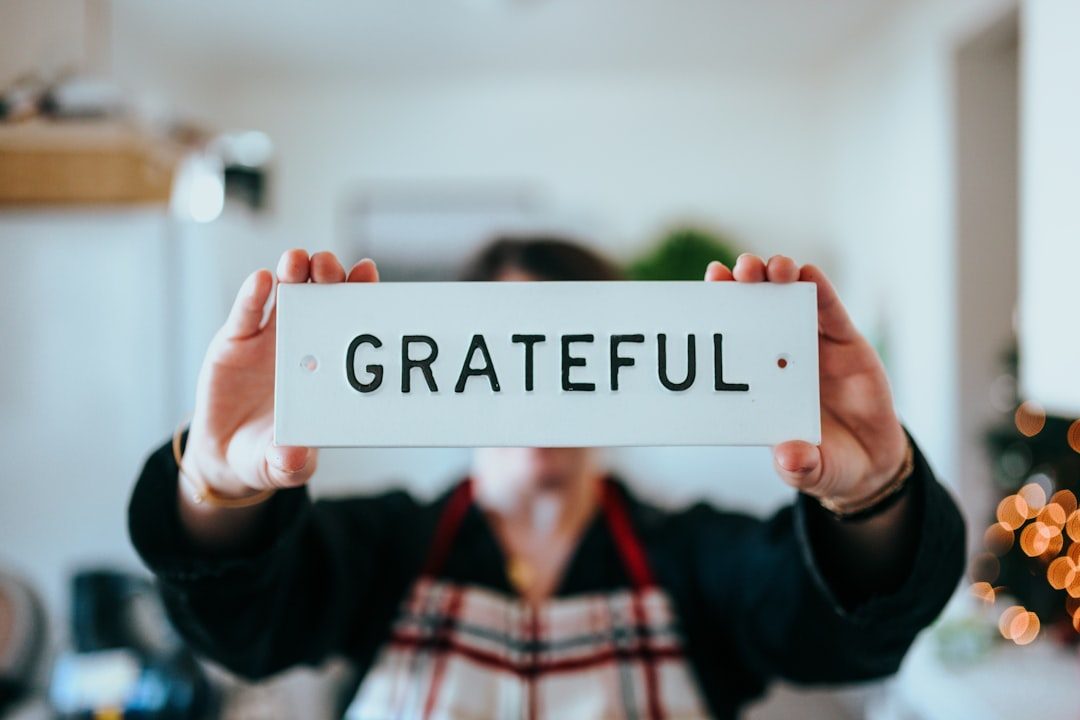
Here’s something that might surprise you: Gratitude has the power to boost well-being, improve sleep, lessen depression, and help heart health. Now new data from the long-term Nurses’ Health Study shows that it may extend lives. The science behind gratitude is impressive. Overall, gratitude practices have a positive effect on well-being, specifically in the increase of positive emotion.
The brain begins responding to gratitude almost immediately. Lasting change takes consistency. Research suggests that regular gratitude practice can lead to measurable shifts over time, with changes continuing to strengthen over months. The best part? “What’s remarkable about gratitude is that just about anyone can practice it. Anyone can recognize what’s around them and express thanks to others for what’s good in their life.”
Research shows that practicing gratitude regularly can enhance mental wellness and possibly promote a lasting change in perspective. Start simple: write down three things you’re grateful for each morning. Even just writing down three things in the morning and three things in the evening can create tremendous change.
Use the Two-Minute Rule to Clear Mental Clutter

Mental clutter creates stress, and stress kills your well-being. If you’ve been putting off small tasks because they feel overwhelming, the “Two-Minute Rule” can help. If something takes two minutes or less, like replying to a message or tidying up a spot, do it right away. Getting little things done quickly clears your mind and gives you a nice feeling of accomplishment. It also gives you control over your daily life.
This isn’t just about productivity. It’s about reducing the mental load that weighs on you throughout the day. When small tasks pile up, they create background stress that affects your mood and energy levels. Clutter in your home or unresolved emotions can weigh on your mind. Tidying up a small space or writing down things that are bothering you can help you feel more relaxed and in control. Clean out one drawer or write a quick list of what’s on your mind. Little steps make a big difference!
The psychological impact is immediate. You’ll feel lighter, more organized, and surprisingly more confident as you tackle these tiny wins throughout your day.
Schedule Phone-Free Mornings to Protect Your Mental Space

Your phone might be sabotaging your mental health before you even get out of bed. Avoiding your phone in the first hour of the day may help lower stress levels and reduce anxiety, setting a calmer tone for the day. Think about it: you’re immediately bombarding your brain with notifications, news, and social comparisons the moment you wake up.
Limit your time spent bowing in silent prayer to the iPhone. Constantly checking email, texts and social media updates contributes to distraction, frazzled nerves, social comparisons, and a lack of productivity. Technology is dominating our lives and our poor nervous systems are frazzled. Even Instagram has gone from being mainly silent, beautiful images to flashy, noisy reels. It’s sensory overload, and we need to wrench ourselves away.
Instead, use your first hour for something nourishing: stretch, read, journal, or simply sit with your coffee in peace. Spend a few extra minutes in bed each morning to focus on the day ahead and all the opportunities that await. This simple boundary creates mental space that carries throughout your entire day.
Take Daily Nature Walks to Reset Your Nervous System

Ever heard the phrase ‘go touch some grass’? It’s a nudge to get away from screens and go outside for the sake of your mental wellbeing. Block off 30 minutes to walk through a park, dig your toes into a sandy beach, or hike on a trail. Research shows that being in nature can increase energy levels, reduce depression and boost well-being.
A walk is the perfect antidote. Walking is freeing, and it encourages us to tap into greater creativity and problem-solving, and to find greater clarity. You don’t need a mountain hike to get these benefits. Even a 15-minute walk around your neighborhood can shift your mental state dramatically.
The combination of gentle movement, fresh air, and natural scenery activates your parasympathetic nervous system, which is responsible for your body’s rest and relaxation response. It’s like hitting a reset button for your stressed-out mind.
Build Micro-Habits for Self-Care That Actually Stick
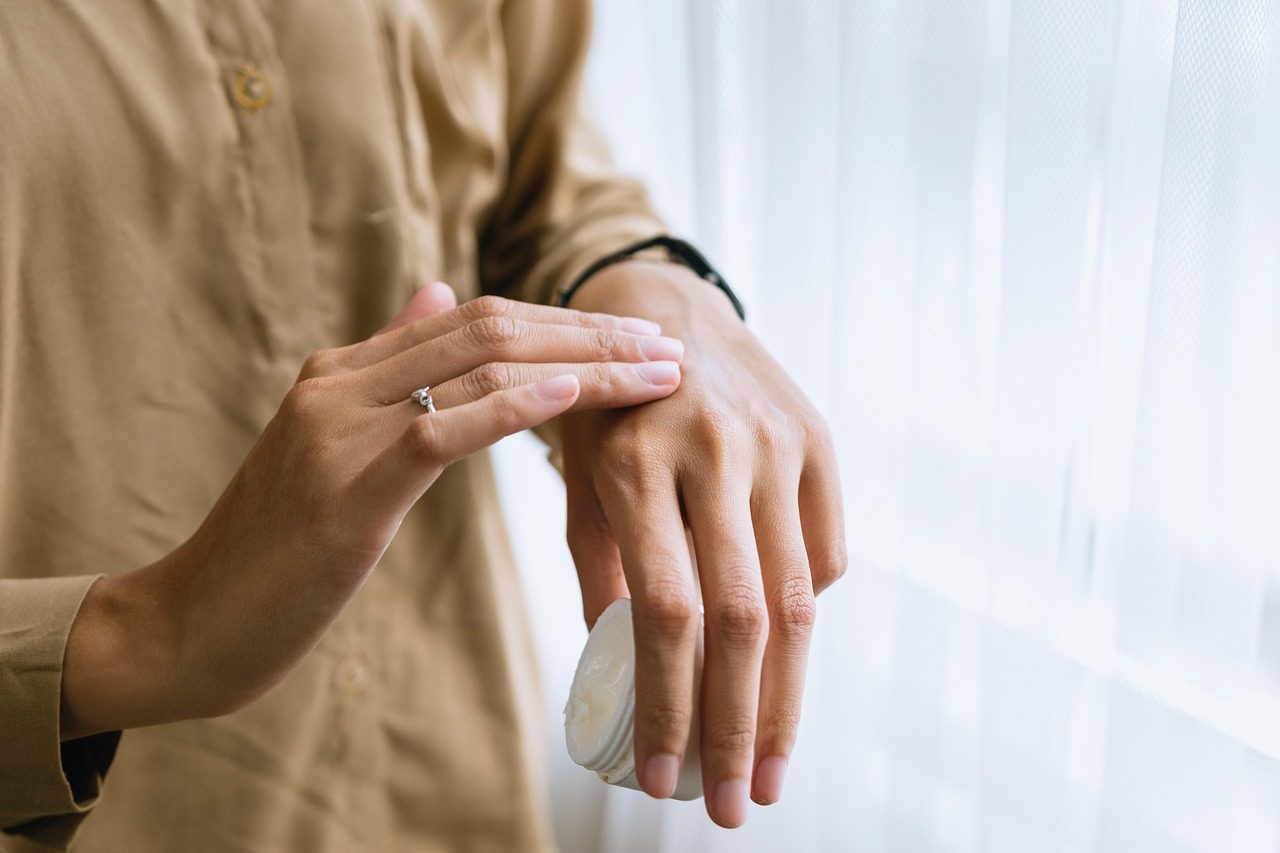
Grand self-care plans usually fail because they’re too ambitious. Building a stress relief habit doesn’t have to feel like another task on your to-do list. Start small by tying one calming activity – like stretching or deep breathing – to something you already do each day, such as brushing your teeth. Use simple reminders or alarms to stay consistent, and remember: even just two minutes can make a difference. The goal isn’t perfection – it’s progress through consistency.
Stack your habits: The idea here is to take something you already do regularly (like brushing your teeth, making your coffee, or turning off your computer at the end of the day) and attach the new habit you want to build to it. By pairing a gratitude practice with a habit you already have, you increase your chances of sustaining the practice long-term.
Small actions, like listening to music, laughing more, or creating little moments of joy, can make a big difference in how you feel every day. Start with one or two tips from this cheat sheet and see how they work for you. Over time, these small habits can help you feel happier, calmer, and more balanced.
Practice the Art of Saying No Without Guilt

Say “no”. It can be hard to feel like you’re letting someone down. But saying “no” when you need to is good for everyone: you’re prioritizing your mental health now so you can show up for others later. There’s nothing wrong with that. This might be the most underrated psychological hack for well-being.
Every yes to something you don’t want to do is a no to your mental health and energy. Give yourself frequent breaks when dealing with stressful events. Your emotional energy is scarce and finite. Learning to protect your emotional resources isn’t selfish; it’s necessary for sustainable well-being.
Start small by saying no to one unnecessary commitment this week. Notice how it feels to have that time and energy available for things that actually matter to you. The guilt will fade, but the relief and improved well-being will last.
Use Laughter as Medicine for Your Mental Health

Laughter is the best medicine, and research proves it! A study titled “Beneficial Effect of Laughter Therapy on Physiological and Psychological Function in Elders” found that laughter reduces stress, anxiety, and depression while improving heart health and blood circulation. Even fake laughter has similar benefits because the body can’t tell it’s not real.
Schedule a weekly “laughter hour” to watch comedies, read something funny, or share jokes with loved ones. This isn’t frivolous; it’s a legitimate mental health strategy. Laughter triggers the release of endorphins, your body’s natural feel-good chemicals, and reduces cortisol levels.
The beauty of this hack is its accessibility. You can find humor anywhere: funny podcasts during your commute, comedy videos during lunch breaks, or simply sharing amusing stories with friends. Your brain doesn’t care where the laughter comes from; it just needs the chemical boost.
Create Mental Health Days That Actually Restore You

Schedule monthly “mental health days”: Pick one day each month to unplug, rest, and do things that recharge you – whether it’s a spa day, a hike, or simply staying in with a good book. Sometimes your body really does need a day of rest, and you shouldn’t shame yourself for that. But there are also days your body needs to move. I don’t have a prescription except to say: pay attention. The key is learning to listen.
The key is being intentional about how you spend these days. Random laziness isn’t the same as purposeful restoration. Plan activities that genuinely recharge you, whether that’s creative projects, time in nature, gentle movement, or complete rest. Sometimes your body really does need a day of rest, and you shouldn’t shame yourself for that. But there are also days your body needs to move. I don’t have a prescription except to say: pay attention.
Think of these days as preventive medicine for your mental health. They’re not luxuries; they’re necessities for maintaining your well-being in a demanding world.
Nourish Your Gut-Brain Connection Through Mindful Eating

This is thanks to the gut-brain axis, which is like a ‘conversation’ between the two. 95% of serotonin is produced in the gut, and this so-called ‘happy hormone’ is responsible for many psychological functions, including regulating mood. Therefore, to improve low mood, it’s often a good idea to nourish your gut.
So, if you nourish yourself with the right kinds of foods, you can also influence your mood. Eating more nutritionally dense foods can lead you to feel more positive, as well as having higher energy, clearer thinking, and calmer moods. Mindful eating is a great way to practice mindfulness. It means focusing on the taste, texture, and smell of our food. This practice can lead to better digestion, healthier eating, and a more enjoyable relationship with food.
Instead of rushing through meals while scrolling your phone, try eating one meal per day with complete attention. Notice flavors, textures, and how different foods make you feel. This simple practice combines nutrition with mindfulness for double the mental health benefits.
Conclusion

These psychological hacks aren’t magic bullets, but they’re scientifically proven strategies that can genuinely transform your daily experience. The key is consistency, not perfection. Even if you pick out two or three of these hacks, you’ll be on your way to building a mentally healthier future. What’s great about even taking on two of these is that they build on each other. A holistic approach to improving your well-being now will soon follow, once you realize that (a) none of these are that hard individually and (b) you feel better.
Start with the one or two strategies that resonate most with you. Maybe it’s the morning breathing routine or the phone-free first hour. Sometimes even the best hacks take some work. Start small, and the work won’t seem like work anymore as your body, and life outlook, build toward a healthier future. Small, consistent changes compound over time, creating the foundation for lasting well-being that doesn’t depend on perfect circumstances or endless motivation.
Which of these hacks will you try first? Your future self will thank you for taking that first small step today.