
Have you ever wondered why you keep ending up with the same type of person? You know the ones who leave you feeling drained, confused, and questioning your own worth. It’s frustrating when you can see the red flags from a mile away, yet somehow you still find yourself drawn to them like a moth to a flame. The truth is, your attraction to toxic people isn’t random or a sign that something is fundamentally wrong with you. Instead, it’s often rooted in deep psychological patterns that were established long before you even met these individuals.
Understanding why this happens can be the first step toward breaking free from this painful cycle. Let’s explore the real reasons behind this attraction and what they reveal about your past, your beliefs, and your needs. Get ready to discover some uncomfortable truths that might just change how you see yourself and your relationships forever.
Your Childhood Experiences Created a Blueprint for Love

Your brain is naturally drawn to what feels familiar, and if you grew up in an environment where love was inconsistent or conditional, you might unconsciously seek out similar dynamics in your adult relationships. Think about it this way: if your caregivers were emotionally unavailable, critical, or unpredictable, that became your template for what relationships look like. Psychologists call this repetition compulsion, which is the tendency to recreate unresolved childhood dynamics in an attempt to master them.
Many survivors of childhood abuse find themselves attracted to partners who exhibit traits similar to their abusive caregivers, and this attraction is rooted in familiar patterns of relating and distorted perceptions of love. You’re not consciously choosing pain. Rather, your subconscious is trying to heal old wounds by recreating the same scenario, hoping for a different outcome this time. Sadly, this rarely works out the way you hope.
Low Self-Esteem Makes You Question Your Worth

When you don’t believe you’re worthy of good treatment, you won’t demand it from others. People with low self-esteem often perceive themselves as not deserving of their partner and likely hold the belief that their relationship is due to luck and not an actual loving connection. You might settle for crumbs of affection because you genuinely believe that’s all you deserve. This creates a dangerous pattern where you tolerate behavior that healthier individuals would walk away from immediately.
Toxic people can detect low confidence through body language like holding your head down or speaking in a low voice, and this lack of confidence gives them the edge they need to use you. It’s almost like they have a radar for vulnerability. The sad reality is that when you enter into an unhealthy relationship already lacking confidence, it becomes exponentially worse as the toxic person chips away at whatever self-esteem you had left.
Fear of Abandonment Keeps You Trapped

A fear of abandonment can drive people to stay in toxic relationships, as the fear of being alone or rejected can be so overwhelming that individuals endure toxic behaviors rather than facing loneliness. This fear isn’t just about being physically alone. It’s about the terror of feeling unwanted, unlovable, and cast aside. When this fear runs deep, you’ll accept almost anything to avoid that feeling.
You might find yourself making excuses for terrible behavior, convincing yourself that things will get better, or believing that you can’t survive on your own. Some adults with childhood trauma jump from relationship to relationship because of their strong fear of being alone. The irony is that by staying in toxic situations to avoid abandonment, you’re abandoning yourself. You’re choosing the familiar pain of mistreatment over the uncertain fear of solitude.
You Have Weak or Nonexistent Boundaries

Boundaries are essential for a healthy relationship because they protect mental and emotional wellbeing, and weak boundaries can leave you vulnerable to attracting the wrong types of partners. Without clear boundaries, you essentially leave the door wide open for toxic people to walk right in and set up camp in your life. You might say yes when you want to say no, tolerate disrespect when you should speak up, or allow someone to cross lines that should never be crossed.
You may find that you attract the types of people who try to test you and see how far they can push your limits. Toxic individuals are experts at spotting people who won’t enforce their boundaries. They know they can get away with more and more inappropriate behavior because you’ve shown them through your actions that you won’t stop them. Learning to establish and maintain firm boundaries is crucial if you want to break this pattern.
Your Empathy Is Being Exploited

Being empathetic is a beautiful trait, but toxic people see it as an opportunity. Your natural empathy might make you an easy target for those who seek to exploit kindness. You can feel their pain, understand their struggles, and see the wounded person beneath their harmful behavior. This makes you want to help them, to fix them, to be the one who finally shows them what real love looks like.
Since you are a good listener, you love to absorb what other people have to say and be supportive, and when you attract a toxic relationship, you see someone you care about who needs your support, but it takes time to realize how you’ve been used. The problem is that toxic people aren’t looking to be healed by your love. They’re looking for someone they can drain emotionally while giving very little in return. Your empathy becomes a one-way street where you’re constantly giving and they’re constantly taking.
You Might Have a Savior Complex

The savior complex is not a clinical term or diagnosable disorder but merely a mental state, a psychological construct that causes one to feel compelled to save or solve other people’s problems. Perhaps you’re attracted to broken people because fixing them makes you feel valuable. You might unconsciously believe that your worth comes from being needed, from being the hero in someone else’s story.
This pattern often develops when you learned early on that love is conditional and must be earned through service, sacrifice, or fixing others’ problems. The reality is harsh: you can’t save someone who doesn’t want to be saved. Toxic people often don’t see their behavior as problematic, which means your efforts to help them change will likely be met with resistance, manipulation, or gaslighting. You’ll exhaust yourself trying to rescue someone who keeps pulling you under with them.
You Avoid Conflict at All Costs

You may be attracting toxic relationships because of your peaceful disposition, as the narcissist knows that you will hesitate to say no or argue with them about things. You might tolerate toxic behavior to avoid confrontations or because you fear being alone. If you grew up in an environment where conflict was scary, explosive, or resulted in punishment, you probably learned to keep the peace at any cost.
The problem with this approach is that toxic people thrive in environments where they face no accountability. When you won’t speak up about how their behavior affects you, they have no reason to change. Your silence becomes permission for them to continue treating you poorly. Eventually, all that suppressed frustration and hurt has to go somewhere, and it often turns inward, further damaging your already fragile self-esteem.
You’re Too Honest and Trusting
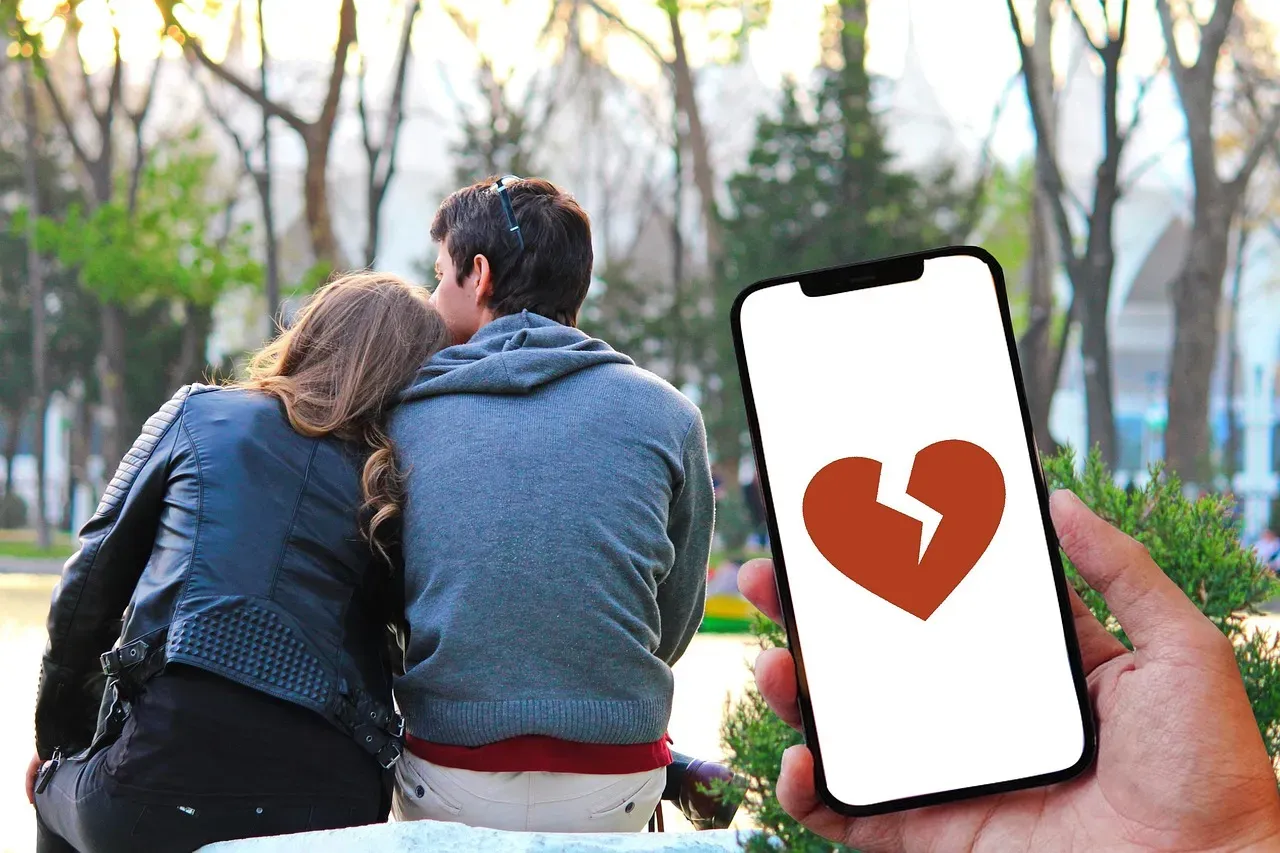
It’s always a good idea to be honest and loyal, but toxic people see this and are attracted to it because they know you’re the type to give just about anybody the benefit of the doubt. Your natural inclination to see the best in people and to trust until given a reason not to is admirable. However, toxic individuals weaponize this beautiful quality against you.
The narcissist stands a good chance of entering a relationship with the honest person and getting away with all their lies, and yes, an honest person will find out eventually, but by then, the damage is already done. You share your vulnerabilities, your fears, your dreams, thinking you’re building intimacy. Instead, you’re handing them ammunition to use against you later. They gather information about what makes you tick so they can better manipulate you.
You Have an Insecure Attachment Style

Your attachment style plays a significant role in your romantic choices, and if you have an anxious attachment style, you’re more likely to be drawn to avoidant partners who struggle with emotional intimacy. This anxious-avoidant pairing is common but deeply destabilizing, creating a push-pull dynamic that keeps you constantly guessing, craving reassurance, and blaming yourself.
People with anxious attachment tend to be insecure about themselves, have low self-esteem, and have the need to be in relationships and rely on others; these folks are often clingy and needy, they analyze and overthink everything, and they’re usually anxious about how they’re perceived. This creates a vicious cycle where your anxiety pushes people away, which then confirms your fear that you’re not lovable, which makes you even more anxious in the next relationship. Breaking this pattern requires understanding your attachment style and actively working to develop more secure ways of relating.
You’ve Normalized Toxic Behavior

If you happened to grow up in a dysfunctional family environment, you see things differently than those who did not; it may be easy to fall for someone who tends to ghost you because you’re used to the silent treatment during childhood, and your past can attract toxic relationships because things you experienced as a child now seem like normal emotions. When chaos, unpredictability, or emotional abuse was your daily reality growing up, your internal alarm system gets miscalibrated.
Survivors of childhood abuse often normalize behaviors such as manipulation, control, or emotional volatility and may dismiss or excuse these red flags in adult relationships. What would make someone else run for the hills barely registers as a problem for you. You might even feel uncomfortable in healthy relationships because they feel boring, unfamiliar, or too good to be true. Your nervous system has adapted to chaos, and calm feels unsettling. This is one of the most challenging patterns to break because you have to retrain your brain to recognize what healthy actually looks like.
Conclusion

Recognizing these patterns is the first critical step toward healing and choosing better relationships for yourself. You’re not broken, cursed, or destined to repeat these cycles forever. These patterns developed as survival mechanisms, ways your younger self learned to cope with difficult circumstances. The good news is that with awareness, support, and consistent effort, you can rewire these deeply ingrained beliefs and behaviors.
Consider working with a therapist who specializes in trauma and relationship patterns. Invest time in understanding your attachment style, building your self-esteem, and learning what healthy boundaries look like. Most importantly, remember that you deserve love that feels safe, consistent, and nurturing. What patterns have you noticed in your own relationships? It’s never too late to choose differently and create the loving connections you truly deserve.