Have you ever felt that sick feeling in the pit of your stomach right before walking into work? Maybe it’s that colleague who always seems to make you feel small, or perhaps it’s a supervisor whose behavior crosses the line between tough leadership and something darker. You’re not imagining things. The truth is, nearly half of U.S. workers have experienced workplace bullying in some form, yet most of us struggle to name what’s actually happening to us.
Understanding the isn’t just about labeling bad behavior. It’s about empowering yourself with knowledge that can transform how you respond to these situations. Highly resilient individuals don’t simply endure mistreatment; they recognize it, address it, and refuse to let it diminish their sense of worth. Let’s explore the unmistakable warning signs that what you’re experiencing goes beyond normal workplace stress.
Being Constantly Criticized Beyond Constructive Feedback

You know the difference between helpful critique and something that feels personal. Persistent criticism or micromanagement is more than feedback; it’s about control and diminishing someone’s confidence. When every task you complete gets picked apart, when nothing you do seems good enough, you’re likely experiencing one of the most common forms .
This relentless negativity isn’t designed to help you improve. It’s calculated to make you doubt your abilities and question your competence. Employees may experience anxiety, stress, low morale, decreased productivity, and over time, workplace bullying can lead to burnout, loss of confidence, and difficulty maintaining professional relationships. Highly resilient people understand this pattern and refuse to internalize criticism that serves no constructive purpose.
Experiencing Verbal Abuse And Hostile Language

Name-calling, insults, snide remarks, or using offensive language are examples of verbal abuse. Let’s be real: when someone speaks to you in a way they wouldn’t dare use in front of senior leadership, that’s a red flag you can’t ignore. The words might be delivered with a smile or disguised as humor, but you feel the sting.
Light-hearted teasing is one thing, but when it crosses over into making fun of you, that’s also a form of bullying. A workplace bully may spread rumors or gossip to other employees about the victim. Your resilience grows when you stop making excuses for other people’s inappropriate language. You deserve respect in every conversation.
Being Deliberately Isolated From Your Team
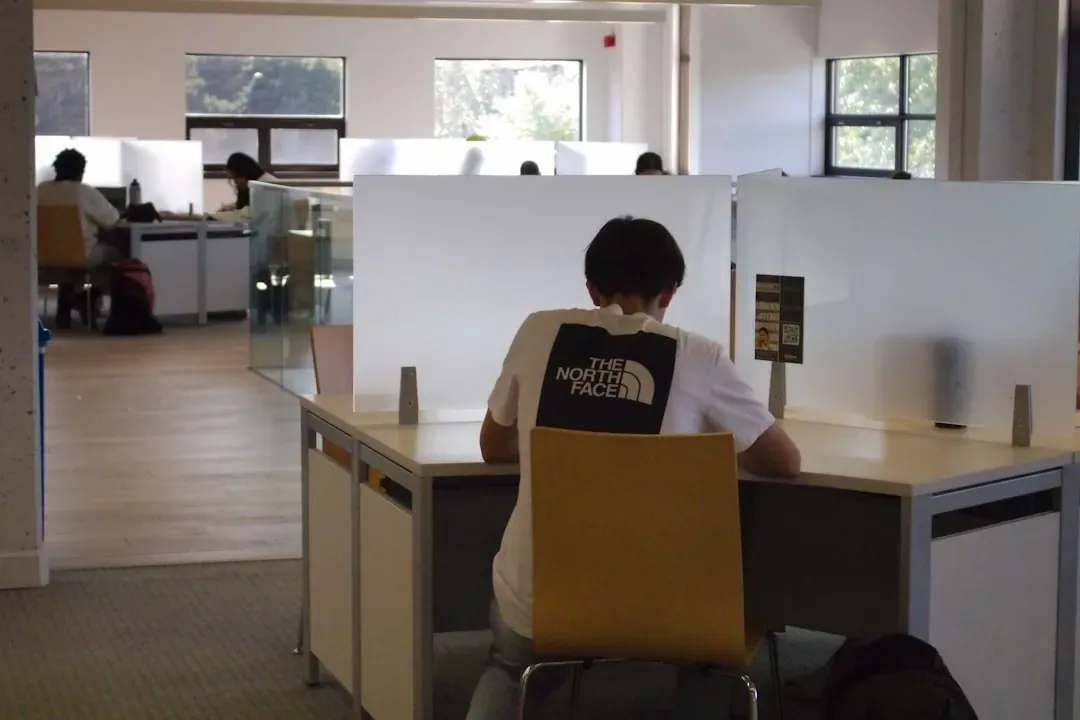
Suddenly you’re not invited to meetings where decisions about your work are made. Conversations stop when you enter the room. Your emails go unanswered while everyone else gets prompt responses. Early warning signs – like being excluded from meetings – can escalate if unchecked. This deliberate exclusion is a power play designed to make you feel insignificant and disconnected.
Social and professional isolation can be devastating because humans are inherently social creatures who need connection to thrive. When someone systematically cuts you off from information, collaboration, and collegiality, they’re undermining your ability to succeed. Resilient individuals recognize this tactic and actively seek to maintain their professional networks despite these obstacles.
Facing Sabotage Of Your Work Performance

Sabotage – whether withholding key information or setting unrealistic expectations – can undermine performance and create failure traps. Picture this: you’re given an assignment with incomplete instructions, then criticized when the results aren’t perfect. Resources you need mysteriously become unavailable. Deadlines shift without notice, setting you up for failure.
This isn’t incompetence or poor communication. It’s intentional interference with your ability to do your job well. The bully benefits from your struggles because it makes them look better by comparison or justifies their negative narrative about you. Recognizing sabotage for what it is allows you to document these incidents and protect yourself professionally.
Enduring Excessive Monitoring And Micromanagement

A manager hovers over the work of one or two staff members, catching every error they make, demanding that they complete the work without error. There’s a suffocating quality to having someone constantly looking over your shoulder, questioning every decision, and demanding explanations for routine tasks. This level of scrutiny rarely applies to your colleagues.
Honestly, this kind of micromanagement isn’t about ensuring quality work. It’s about exerting control and making you feel incompetent. A tough leader enforces high standards but supports and respects employees. A bully manager uses tactics like public humiliation, micromanagement, or favoritism to undermine employees. Strong, resilient individuals set boundaries and document when monitoring crosses into harassment.
Receiving Threats About Job Security

Few things create more fear than threats to your livelihood. When someone regularly implies that your position is at risk, that you’re replaceable, or that complaints about you are piling up, they’re wielding economic power as a weapon. Manager bully tactics can include threats of job loss, creating an atmosphere of constant insecurity.
These threats might be subtle or overt, but their purpose is always the same: to keep you compliant and afraid to speak up. Workplace harassment can create an environment of constant fear and uncertainty for victims. The persistent threat of harassment leads to heightened levels of stress and anxiety. You unlock your true potential when you refuse to be paralyzed by these intimidation tactics.
Witnessing Or Experiencing Physical Intimidation

Physical threats or aggressive gestures, though rarer, pose serious safety concerns. Cyberbullying – harassment via email, messaging apps, or social platforms – is increasingly prevalent and damaging. Physical intimidation doesn’t always mean actual violence. It can be invading your personal space, slamming objects, blocking your path, or using aggressive body language that makes you feel threatened.
Even without physical contact, these behaviors create a hostile environment where you don’t feel safe. The intimidation might extend into the digital realm through threatening messages or humiliating posts on work platforms. Highly resilient people understand that physical intimidation is never acceptable and requires immediate reporting to appropriate authorities.
Dealing With Credit Theft For Your Work

You complete a challenging project, develop an innovative solution, or exceed your targets, and somehow someone else ends up receiving the recognition. Manager bully tactics can include stealing credit, systematically appropriating your contributions while minimizing your role. Your ideas are presented as theirs in meetings. Your successes are attributed to “the team” while your mistakes are loudly yours alone.
This behavior is particularly insidious because it attacks your professional reputation and career advancement opportunities. Over time, it can make you question whether to contribute your best work at all. Resilient individuals keep detailed records of their contributions and find appropriate ways to ensure their work is properly attributed.
Being Subjected To Unreasonable Demands And Workloads

We’re not talking about busy seasons or legitimate increases in responsibilities. What is an unmanageable workload, for example? You’re given impossible deadlines, assigned tasks far outside your job description without support, or expected to be available around the clock while colleagues maintain reasonable hours. The expectations placed on you are deliberately designed to be unachievable.
Impossible work expectations and deadlines is psychological plus power harassment, creating a situation where failure is inevitable regardless of your effort or skill level. This tactic serves to justify negative performance reviews and maintain control over you. Understanding that these demands are unreasonable rather than a reflection of your capabilities is crucial for maintaining your resilience.
Facing Persistent Lies And Manipulation

Repeatedly lying, not telling the truth, concealing the truth, deceiving others to get one’s way, and creating false hopes with no plans to fulfill them is intimidation. You find yourself in a workplace where facts shift, promises evaporate, and you can never quite trust what you’re being told. The bully creates alternate realities to suit their purposes.
They alter the facts to make themselves look good. They often create alternate realities with themselves at the center. By twisting the facts, they can derail others’ logical thinking and manipulate their perspective. This makes bullies dangerous – you never know what to believe. Resilient people trust their own perceptions and document conversations to protect themselves from gaslighting.
Conclusion: Unlocking Your Resilience Against Workplace Bullying

Recognizing these ten signs is your first step toward reclaiming your power in a toxic work environment. It’s often subtle, slow, and insidious mistreatment that passes over the radar screen. Rarely can bullying be identified based on one action, but rather a pattern of actions over a long period of time. What you’re experiencing is real, it’s documented, and it’s not a reflection of your worth or abilities.
Resilience, seeking help, and changing views have preventive factors against subsequent psychological distress. Your resilience isn’t about silently enduring abuse; it’s about recognizing what’s happening, documenting the behavior, seeking support, and taking appropriate action. You deserve to feel safe, respected, and valued in your workplace. By taking action against bullying behavior and prioritizing your well-being, you can reclaim your power and thrive in your career.
Did you recognize any of these patterns in your own workplace? What steps will you take to protect yourself and unlock your true potential? Share your thoughts in the comments below.