
Have you ever had that nagging sense that you just knew something before it happened? Perhaps you’ve experienced a sudden flash of insight about someone you just met, or found yourself predicting an outcome with startling accuracy. These moments might seem random or coincidental, yet they could be signaling something far more profound about your innate abilities. In today’s professional landscape, where 71 percent of employers value emotional intelligence more than technical skills, understanding the connection between intuitive awareness and emotional intelligence has never been more crucial for leadership and career success.
Everyone has psychic abilities, meaning we all receive information daily that we have no logical reason for knowing. The question isn’t whether you possess these capabilities, but rather how attuned you are to recognizing and developing them. What follows are ten telling signs that your intuitive abilities might be stronger than you realize, and understanding them could transform both your personal and professional life.
You Experience Intense Gut Feelings That Prove Accurate

Your instincts don’t just whisper, they practically shout at you. Having a strong gut feeling could be a sure-fire sign that you are psychic, and if yours feels especially strong this is a good sign. You might meet someone new at a networking event and immediately sense whether they’re trustworthy, long before any concrete evidence emerges.
This isn’t about being judgmental or making snap decisions based on appearance. Instead, you might not know the truth, but you’ll have a strong sense that something is off, especially when you meet new people and feel uncomfortable with the mask they are presenting to you. In leadership contexts, this translates to powerful decision-making abilities. Emotional intelligence is a stronger predictor of leadership effectiveness than IQ or technical expertise, enabling leaders to stay composed under stress and motivate teams towards shared goals.
Think about the executive who can sense team dynamics shifting before problems surface, or the manager who knows exactly when an employee needs support. That’s not just experience talking. It’s intuition working in harmony with emotional intelligence, creating what successful leaders describe as their most valuable asset.
Dreams Feel Eerily Real or Predictive

Your dreams aren’t just random neural firings during sleep. They feel vivid, almost like memories of events that haven’t happened yet. Dreams that feel unusually real may contain messages from loved ones or future insights. You wake up with detailed recollections that later unfold in your waking life with unsettling accuracy.
Here’s the thing though. This isn’t about predicting lottery numbers or dramatic life events. More often, it’s subtle. You dream about a colleague mentioning a specific project, and the next day at work, that exact conversation happens. You see yourself in a particular location you’ve never visited, and weeks later, an unexpected business trip takes you there.
From a professional standpoint, these dream-based insights can inform strategic planning and creative problem-solving. Leaders who pay attention to these nocturnal messages often report breakthroughs that seem to come from nowhere, yet they’ve been percolating in the subconscious mind all along.
Sudden Insights Arrive During Quiet Moments

You’re driving in your car, going for a walk, or taking a shower, and suddenly information feels like it’s pouring into you, or you’ve felt stuck and suddenly know exactly what to do, seeing the pieces fitting neatly together. These aren’t gradual realizations developed through conscious analysis. They’re instant downloads of clarity.
Studies have shown that practices like meditation and yoga seem to change our brain-wave activity, often causing our frontal lobe to quiet down, and these activities also seem to open people who are psychic even more. The correlation between relaxed states and intuitive breakthroughs isn’t accidental. When you stop trying to force solutions through pure logic, deeper wisdom surfaces.
In boardrooms and strategy sessions, this manifests as those “aha” moments that shift entire trajectories. You’re not consciously working through a problem, yet the solution appears fully formed. Leaders who cultivate these quiet moments often outperform those who rely solely on analytical thinking.
You Sense Presences or Energy Shifts in Spaces

Walking into a room, you immediately pick up on something others miss entirely. Signs you have psychic abilities can make the hairs on your skin stand up and cause you to suddenly feel as if you are not alone because there is a presence near or around you, and these psychic signs often occur when there is a spirit of some form lurking in your surrounding environment. This sensitivity extends beyond supernatural explanations.
You can sense when tension lingers after a difficult meeting, even if everyone’s smiling and acting professional. You walk into your office and know something’s changed before anyone says a word. Clairsentience means clear feeling, an empathic ability to sense emotions and energies around you, often showing up as physical sensations like chills or goosebumps.
For leaders, this translates to exceptional situational awareness. You read the room effortlessly, adjust your communication style accordingly, and create environments where people feel genuinely seen. This isn’t manipulation; it’s highly developed emotional intelligence paired with intuitive sensitivity.
Frequent Déjà Vu Experiences Catch You Off Guard

Déjà vu is a moment that triggers a memory in your present experience, receiving memories, visions, and reminders that you have experienced this moment before. Most people experience this occasionally, but for you, it happens with remarkable frequency. You find yourself in situations that feel intensely familiar, like you’ve rehearsed them in another timeline.
You often feel like you’ve been in a moment before, which is a common sign of psychic sensitivity or past-life recall. While the metaphysical explanations vary, what matters professionally is what this suggests about your perceptive abilities. You’re processing information on multiple levels simultaneously, connecting patterns that others miss entirely.
This pattern recognition serves executives remarkably well. You anticipate market shifts, predict consumer behavior, and navigate organizational politics with unusual finesse. What others attribute to business acumen often has roots in this deeper intuitive awareness.
Animals and Children Are Drawn to You

If you love animals, then the chances are high that you are naturally psychic, because like infants, animals are naturally intuitive, and their sharp sixth sense protects them from harm. They gravitate toward you in ways that surprise even pet owners and parents. Dogs that typically avoid strangers seek you out. Babies stop crying when you hold them.
This isn’t about having a friendly demeanor, though that certainly helps. Animals may be unusually calm or drawn to you, and many psychics have strong animal bonds. Both animals and young children operate primarily through intuitive perception rather than analytical thought. They recognize something in you that resonates with their way of experiencing the world.
In professional settings, this manifests as an ability to connect with people across all hierarchies and backgrounds. You put others at ease naturally, building trust rapidly. Leaders with high emotional intelligence tend to be more adaptable, better communicators, and skilled at resolving conflicts, creating supportive work environments that foster employee engagement.
Synchronicities Happen Regularly Around You

Synchronicities are how the universe lets you know that it’s working in cooperation with you, and you might notice certain numbers that show up for you. You think about someone, and they call moments later. You need specific information, and it appears seemingly out of nowhere through an unexpected source.
Skeptics call this confirmation bias or selective attention. Perhaps they’re right to some degree, yet the frequency and specificity of these occurrences in your life go beyond statistical probability. You’ve learned to recognize these meaningful coincidences as breadcrumbs leading you toward important opportunities or away from potential problems.
These synchronicities or meaningful coincidences all reveal that you are psychically in tune with the universe, and it is important to be mindful of them because they often help us engage more fully with one another and can even warn us of possible danger ahead. Leaders who pay attention to synchronicities often find themselves in the right place at the right time, making connections that propel their careers forward in unexpected ways.
You Read People’s Moods Without Them Saying Anything

Before anyone speaks, you already know what kind of day they’re having. Social intuition involves making largely nonconscious decisions about others’ emotions, attitudes, and intentions, and nonverbal decoding or the reading of body language plays a vital role in intuitive processing. You pick up on microexpressions, subtle shifts in body language, and energy that others overlook completely.
This goes beyond simple observation skills. You feel what others are feeling, sometimes uncomfortably so. If you feel anxious in public places, need space after spending time with others, or find yourself more comfortable alone, these are all clear signs of clairsentience, making it difficult to remain calm while surrounded by many people because you are highly receptive to the energies around you.
In leadership roles, this emotional radar becomes invaluable. Emotional intelligence and leadership effectiveness are linked, and increasing your emotional intelligence quotient builds trust and engagement. You know when to push and when to back off, when someone needs encouragement versus constructive feedback, and when team dynamics require intervention before conflicts escalate.
Mental Images Flash Unexpectedly Before Your Eyes
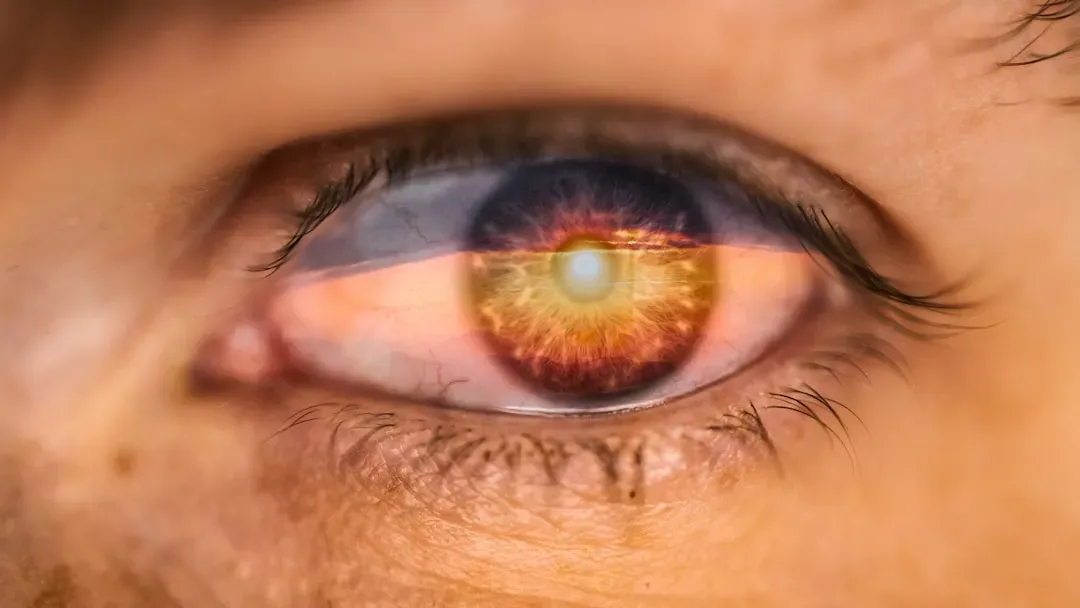
You experience psychic signs of images that flash right in front of your eyes, or your mind takes you back to a memory, or you suddenly receive a mental picture of a situation that aligns you with what you are doing. These aren’t daydreams or conscious visualizations. They appear unbidden, like snapshots from elsewhere.
Clairvoyance or clear seeing is the superstar of psychic senses, and if you’re a highly visual person with a vivid imagination and frequent lively dreams, clairvoyance can appear as anything from full-blown visions to fleeting images, colors, or symbols. You might see a flash of a person’s face before meeting them, or visualize an outcome before it manifests.
Creative professionals and strategic thinkers often exhibit strong clairvoyant tendencies, though they might describe it differently using business language like “vision” or “foresight.” The ability to visualize future scenarios with clarity allows you to plan effectively and inspire others with compelling pictures of what’s possible.
You Have a Deep Fascination With the Unknown

If you’ve always been curious about the afterlife, or find yourself wishing you could learn more about spirit communication, tarot, crystals, or energy healing, this is a sign that your soul is calling for more information. This isn’t about believing everything you read or following every spiritual trend. It’s a genuine pull toward understanding the invisible forces that shape human experience.
You’ve probably explored various frameworks for understanding consciousness, from neuroscience to philosophy to ancient wisdom traditions. This hunger for deeper knowledge often drives you toward fields where intuition and analysis merge: psychology, coaching, strategic consulting, creative industries, or transformational leadership roles.
Emotional intelligence in leadership drives success, and it not only enhances one’s decision-making abilities but also fosters collaboration and impacts team dynamics, ultimately shaping organizational culture and successes. Your curiosity about the unseen aspects of human nature makes you exceptionally effective at understanding what truly motivates people, which is the foundation of influential leadership.
Conclusion

Recognizing these signs in yourself isn’t about claiming supernatural powers or abandoning rational thinking. It’s about acknowledging a fuller spectrum of human perception that includes both analytical intelligence and intuitive wisdom. Emotional intelligence leverages intuition and emotional cues, going beyond conscious awareness and drawing from past experiences and intuitive insights.
The most effective leaders understand this integration instinctively. They don’t choose between data and intuition. They synthesize both, creating a decision-making approach that’s simultaneously grounded and visionary. The importance of emotions in the workplace has led researchers to increasingly recognize that effective leadership can have a strong emotional component, making it vital for leaders to be emotionally intelligent, and effective leadership may depend heavily on a leader’s ability to manage the emotions of those under them.
If several of these signs resonated with you, consider it an invitation to develop these abilities further rather than dismissing them as coincidence. Your intuitive capacities, when refined and combined with emotional intelligence, become your most powerful professional assets. The question isn’t whether you’re psychic in some mystical sense. The real question is whether you’re willing to trust and develop the perceptive abilities you already possess. What patterns have you been ignoring that might hold your next breakthrough?