Have you ever looked at a rock and wondered if it might be hiding something ancient? Do dusty museums and remote deserts call to you in ways that tropical beaches never could? There’s a special kind of person who feels genuinely excited about spending hours under a scorching sun, digging through layers of sediment in search of something that died millions of years ago.
Let’s be real, paleontology isn’t for everyone. It’s not all glamorous fossil discoveries and museum exhibits. It takes a particular combination of patience, curiosity, and yes, a serious dose of adventure to thrive in this field. So how do you know if you’ve got what it takes? What separates someone who casually enjoys dinosaur documentaries from someone with the true spirit of a paleontologist? Let’s dive in and find out if you’ve got that special spark.
1. You’re Endlessly Curious About the World Around You
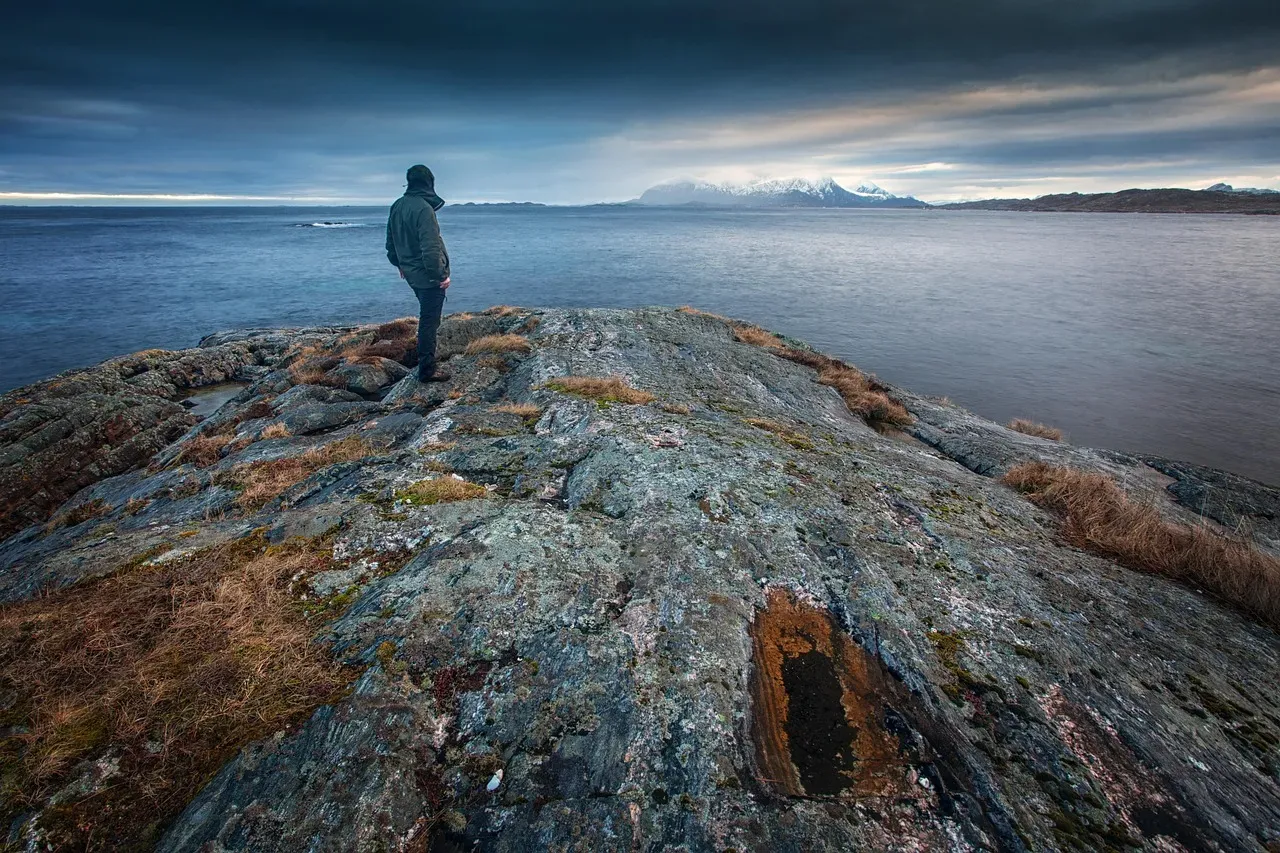
You find yourself drawn to questions that don’t have easy answers, constantly wondering about things that most people walk right past. When you see a strange rock formation or an unusual pattern in nature, your first instinct is to investigate rather than scroll past it on your phone. This deep-seated curiosity about life’s history drives you to spend time alone with your thoughts, puzzling over mysteries that span millions of years.
That curiosity isn’t just superficial interest. You actually want to understand how things work, why they exist, and what they mean in the grand scheme of our planet’s story. You’re methodical, rational, and analytical in your approach to solving problems. When everyone else sees a pile of dirt, you see layers of history waiting to be decoded.
2. You Have Patience That Borders on Supernatural

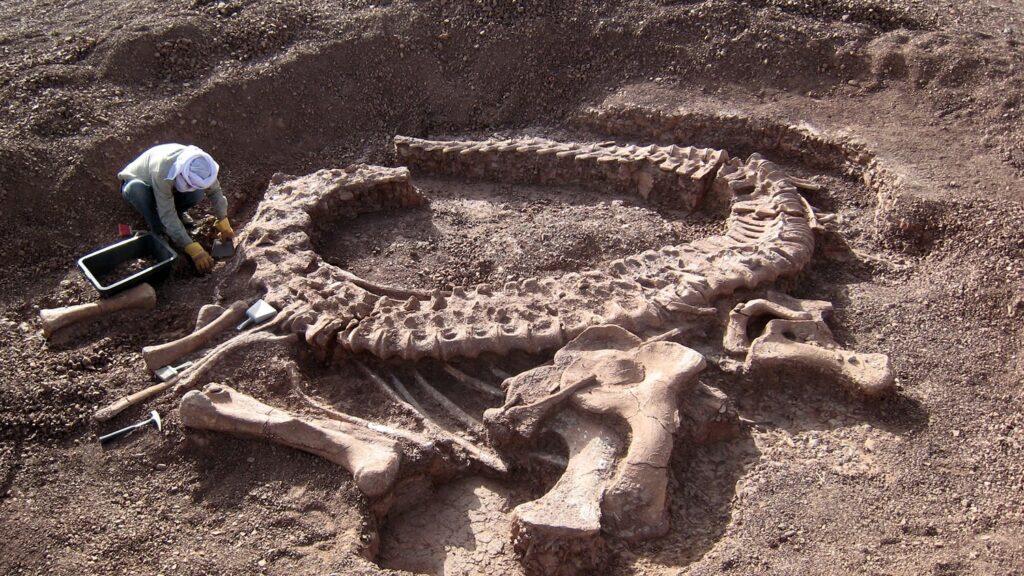
Finding new fossils can take months or even years, as remains are often destroyed or consumed soon after death, requiring enormous patience and perseverance. You understand that meaningful discoveries don’t happen overnight. While others get frustrated waiting in line at the grocery store, you’re perfectly content spending entire days carefully brushing sediment away from what might be a significant find.
Honestly, this kind of patience isn’t something you can fake. You need plenty of patience to keep hunting for fossils that don’t tend to materialize on demand. You’re the type who can work on a single puzzle for weeks without losing interest, or read an entire book just to understand one complex concept.
3. The Outdoors Energizes Rather Than Exhausts You

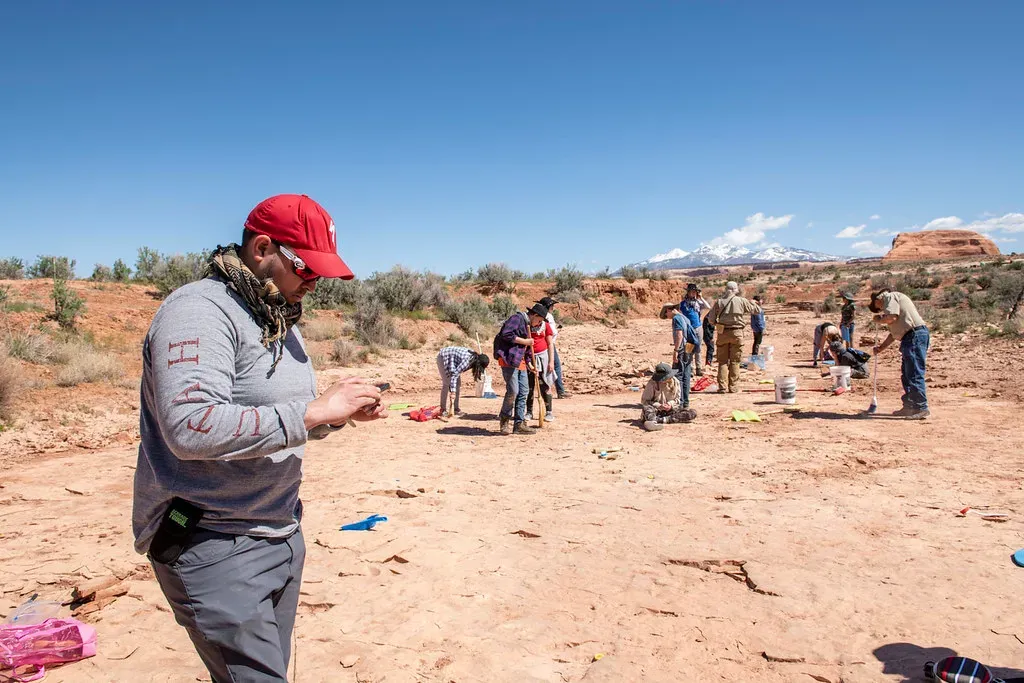
You genuinely enjoy being outdoors, which is essential for paleontological fieldwork. Extreme weather doesn’t intimidate you. Whether it’s baking heat in badlands or unexpected sandstorms in remote locations, you see these challenges as part of the adventure rather than obstacles to avoid.
Fieldwork can be physically demanding, often requiring hiking to remote locations while carrying heavy testing and sampling equipment. You don’t mind getting dirty, sweaty, or uncomfortable if it means you’re working toward something meaningful. Daily activities likely include strenuous tasks on loose, steep terrain, in high temperatures, and intense summer sun. That sounds thrilling to you rather than exhausting.
4. You See Patterns Where Others See Chaos

Paleontologists must meticulously document findings and interpret incomplete data, favoring analytical reasoning, pattern recognition, and systematic problem-solving. You have this uncanny ability to look at scattered information and start connecting dots that others don’t even notice exist. A collection of bone fragments tells you a story rather than just being random debris.
Your brain naturally organizes complex information into frameworks that make sense. You excel at puzzles, love logic games, and find satisfaction in creating order from apparent disorder. You use problem-solving and analysis skills to review excavated items and make or confirm educated hypotheses.
5. You’re Comfortable with Uncertainty and Ambiguity

The work often involves setbacks like fossil damage, ambiguous data, or funding constraints, requiring emotional stability to manage frustration and maintain focus. You don’t need everything wrapped up neatly with a bow. In fact, you find the unknown territories exciting rather than anxiety-inducing.
You understand that science is about constant revision and refinement. It’s more the unanswered questions that interest you rather than having all the answers. You’re perfectly fine saying “I don’t know yet, but let’s find out” instead of needing immediate certainty about everything. This kind of intellectual humility combined with persistent curiosity is rare.
6. Your Imagination Can Reconstruct Entire Worlds

Reconstructing ancient life forms and ecosystems requires creative thinking and the ability to think abstractly and hypothesize beyond available evidence. When you look at a single fossil tooth, you can envision the creature it came from, the environment it lived in, and the ecological relationships it maintained with other species.
You have a pretty active imagination to think like ancient creatures did. This isn’t just daydreaming though. It’s scientifically informed imagination that takes bits of evidence and builds plausible scenarios. You can hold multiple possible reconstructions in your mind simultaneously, weighing evidence for each without getting attached to any single narrative.
7. You’re Ridiculously Detail-Oriented

Every tiny observation matters to you. You’re the person who notices the small scratch on a rock that everyone else walked past, or the slight color variation that indicates a different geological layer. You use tools like brushes, picks, and microscopes to carefully uncover and examine fossils, conducting detailed measurements and documenting the characteristics of each specimen.
This attention to detail extends beyond just the fossils themselves. You possess critical thinking skills and problem-solving abilities combined with a passion for discovery and scientific inquiry. You meticulously record context, location, positioning, and every other variable that might provide important information. Nothing is too small to document.
8. You Thrive on Intellectual Challenges

Paleontologists need to know about many fields of science, from rocks to genetics, making paleontology among the broadest of sciences. You don’t just want to learn one narrow subject. You love that paleontology requires expertise in geology, biology, chemistry, anatomy, and more. The complexity excites rather than overwhelms you.
Understanding geological processes, fossil formation, and having strong foundations in biology, chemistry, and math are vitally important. You’re the type who actually enjoys challenging yourself with difficult material. When something doesn’t make sense immediately, you dig deeper rather than giving up. It’s hard to say for sure, but you might even prefer the subjects that make your brain work hardest.
9. You Feel Connected to Deep Time

You have this profound sense that the present moment is just one tiny slice of an incomprehensibly long story. By studying fossils, you can reconstruct the physical and behavioral characteristics of extinct species, the environments they lived in, and the patterns of evolution and extinction that have shaped life on Earth over millions of years.
This perspective fundamentally changes how you see the world. Modern problems feel different when you regularly contemplate timescales measured in millions of years. You find genuine meaning in understanding where we came from and how life on this planet has changed. By the end of your investigations, you’re familiar with the landscape that existed in an area millions of years ago, including its inhabitants.
10. You’re Willing to Sacrifice Comfort for Discovery
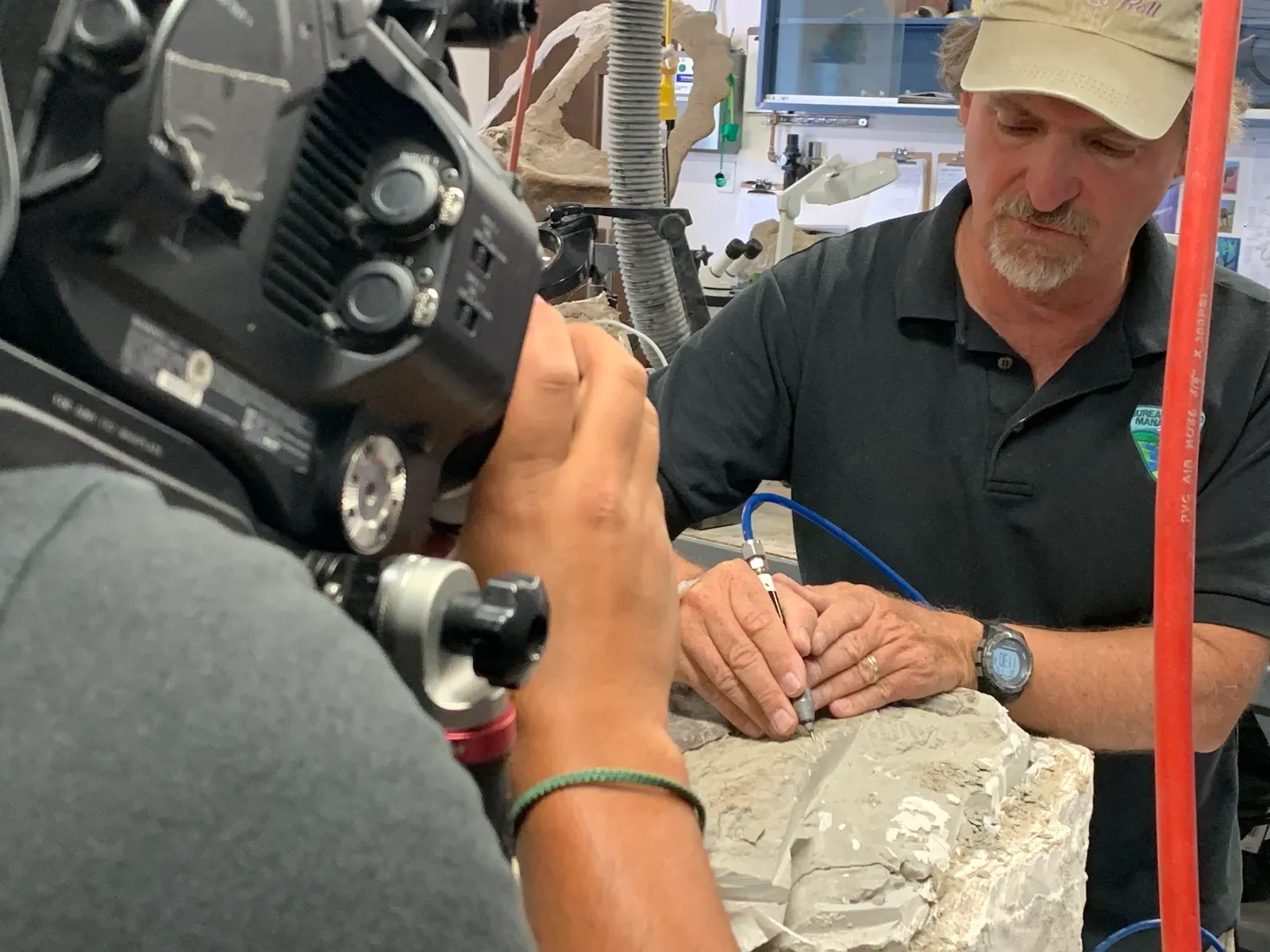
Real paleontologists only spend a few weeks a year on expeditions, with the rest of the year in labs looking at what they found. You understand that meaningful work often involves less glamorous aspects. You’re willing to spend hours at a computer analyzing data or meticulously preparing specimens in a lab.
You’re comfortable working in a variety of settings, including remote field locations, laboratories, and research institutions. The adventure isn’t always about dramatic discoveries in exotic locations. Sometimes it’s about the quiet satisfaction of finally understanding something after months of painstaking work. Even with all the hassles, the job is still exciting to you. You’re in it for the long haul, willing to dedicate years to answering questions that might not have obvious practical applications but matter deeply to understanding our planet’s history.
Conclusion
combines scientific rigor with genuine wonder. It’s about having the patience to work on problems that might take years to solve, the physical stamina to handle demanding fieldwork, and the intellectual curiosity to never stop asking questions. If you recognized yourself in most of these signs, you might have exactly what it takes.
Paleontology isn’t just a career path. It’s a way of seeing the world through the lens of deep time, finding adventure in unexpected places, and dedicating yourself to uncovering Earth’s hidden stories. Whether you pursue it professionally or simply carry that spirit with you, the world needs more people who look at rocks and wonder what secrets they might hold.
Did any of these signs surprise you? What would you add to the list?