
Have you ever wondered what separates people who bounce back from adversity from those who crumble under pressure? Here’s the thing: the same qualities that helped our ancient ancestors survive brutal ice ages, predator attacks, and unforgiving environments might be wired into you right now. Think about it. Your distant relatives didn’t have smartphones or survival manuals, yet they endured conditions most of us can’t even imagine.
Our ancestors faced astonishing challenges including disease, injury, predators, and environmental changes that created both risks and opportunities. The fascinating part is that these struggles shaped not just their bodies, but their minds. You might carry those same mental traits today without even realizing it. The signs are subtle but powerful, hidden in how you react to stress, make decisions, and adapt when life throws curveballs. Let’s explore whether you have what it takes.
You Adapt Without Even Thinking About It

The ability to adapt to changing situations may be the number one survival trait of all. When plans fall apart or unexpected obstacles emerge, do you freeze or do you pivot? Ancient survivors didn’t have the luxury of sticking to a single strategy when the weather changed or food sources disappeared. Unstable climate conditions favored the evolution of human flexibility, emphasizing adaptability to changing environments rather than adaptation to any single environment.
You show this trait when you can quickly adjust your approach without having a meltdown. Maybe your usual route to work is blocked, so you find another way without stress. Perhaps a project at work suddenly changes direction, and you’re already brainstorming solutions while others are still complaining. This kind of mental flexibility is ancient gold. It’s not about being wishy-washy; it’s about reading the environment and responding intelligently.
Your Gut Instinct Rarely Steers You Wrong

The power of intuition, knowing without knowing why, is a powerful survival trait. Our ancestors couldn’t always pause to analyze every rustling bush or unfamiliar sound. Sometimes survival meant trusting that uneasy feeling in your stomach. Threats that were likely to cause injury or death shaped the human brain’s fear response, with the amygdala playing a primordial role in detecting threats and initiating rapid fight-or-flight responses.
If you’ve ever had a strong hunch about a person or situation that turned out to be accurate, that’s your ancestral alarm system working. You might walk into a room and immediately sense tension, or meet someone new and just know they’re trustworthy. Gut instincts come not only from experience but from a unique combination of our senses. This isn’t superstition; it’s your brain processing thousands of tiny details faster than your conscious mind can keep up.
You Make Decisions Under Pressure

Getting stuck when the stakes are high is a luxury ancient humans couldn’t afford. The ability to make decisions, especially good ones, is a key survival trait, and rather than getting stuck, decisions keep things moving forward. When crisis hits, do you analyze every angle until the opportunity passes, or can you weigh your options quickly and commit?
Think about the last time you faced a genuine emergency, even a small one. Did you act or did you panic? Survivors throughout history shared the ability to assess situations rapidly and choose a path forward. It won’t always be the perfect choice, but action beats paralysis every single time. Flexible thinking, quick decision-making, and resourcefulness are key, with successful survivors being able to assess the situation and find innovative ways to address challenges.
Setbacks Don’t Define Your Story

Let’s be real: everyone messes up. We all make mistakes and bad decisions, but once it’s over you can’t go back and change it, so a good survival trait is looking beyond the mistake without wasting time or getting bogged down in the past. Ancient survivors didn’t have therapists or self-help books. When they failed at hunting or chose the wrong shelter spot, they learned quickly and moved on because dwelling meant death.
You demonstrate this quality when you can acknowledge an error, extract the lesson, and genuinely leave it behind. Not everyone can do this. Some people replay their failures like a broken record, letting past mistakes contaminate present opportunities. If you can genuinely say “that didn’t work, so I’ll try this instead” without carrying emotional baggage, you’re channeling something deeply primal and powerful.
You See Challenge as Opportunity, Not Threat

Survivors don’t allow their situation to determine their mood, and they choose to recognize positive aspects or pursue steps that would result in a positive outcome. This distinction matters enormously. Imagine two ancient humans facing a harsh winter: one sees only suffering ahead, while the other sees a chance to develop better shelter-building skills. Guess which one’s descendants survived?
People with a positive outlook are better equipped to handle stress, seeing challenges as opportunities for growth rather than insurmountable obstacles. When your boss assigns you a difficult project, do you groan about the workload or get curious about what you might learn? When a relationship requires hard conversations, do you see it as tiresome or as a chance to deepen connection? Your automatic response reveals whether you carry this ancient survivor trait.
You Work Hard Without Needing Applause

Work ethic is a major factor in the mentality of survival, and a survivor should have a strong work ethic and stick with the job until it is done, which can make up for things that luck doesn’t provide. Our ancestors didn’t get participation trophies for gathering enough berries. The work itself was the reward because it meant survival. This isn’t about being a workaholic; it’s about understanding that effort produces results.
You show this when you finish tasks thoroughly even when no one’s watching. You don’t need constant validation or praise to maintain quality work. Survivors survive because they overcome the odds, and that takes hard work, with work ethic enabling them to set their mind to something and get it done. Think about the projects you’ve completed simply because you said you would, or the times you went the extra mile with no expectation of recognition.
Your Motivation Comes From Deep Within

Only those who are motivated by something they consider worthwhile will find the motivation they need to survive a difficult circumstance. Ancient survivors had powerful reasons to keep going: children to protect, communities depending on them, or simply an unshakeable will to see another sunrise. External rewards alone rarely sustained them through genuine hardship.
What drives you when things get genuinely difficult? If your motivation evaporates the moment rewards disappear, you’re running on borrowed fuel. True survivor resilience comes from internal commitment to something meaningful, whether that’s family, purpose, values, or personal growth. A strong sense of purpose can be a driving force in survival situations, giving individuals a reason to persevere and fueling determination. When you can tap into that deeper why, external circumstances lose their power to derail you.
You Learn From Everything and Everyone
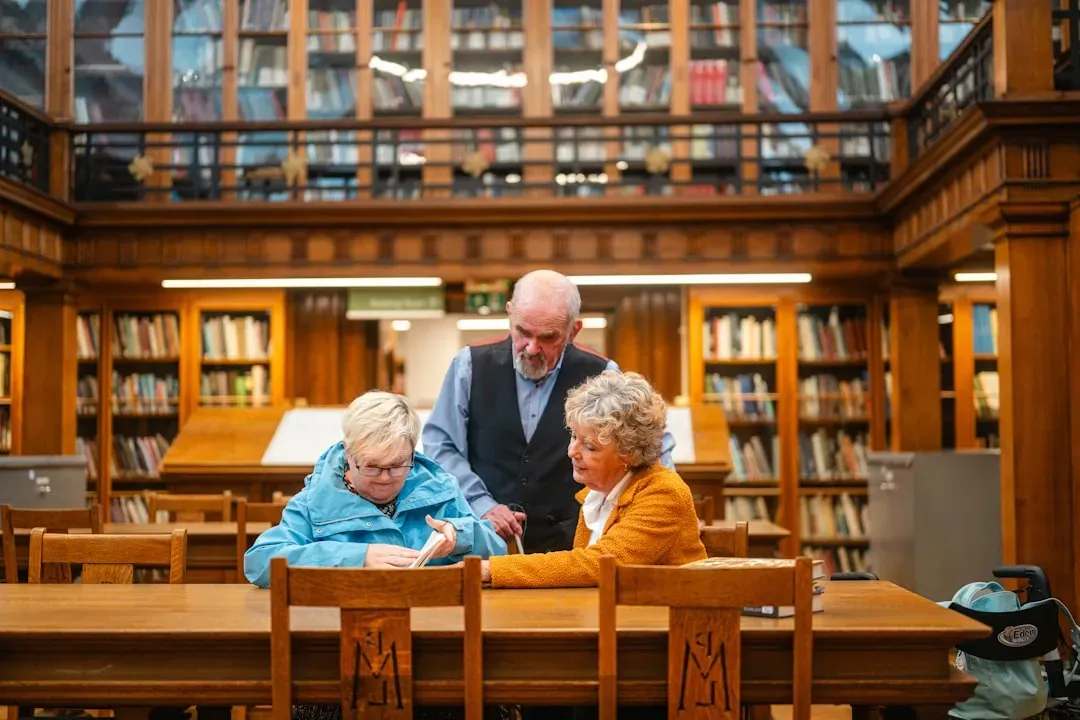
Humans are smarter than other creatures, but none of us is nearly smart enough to acquire all the information necessary to survive in any habitat, as we owe our success to our uniquely developed ability to learn from others. Ancient humans who thought they knew everything rarely lived long enough to pass on their genes. The survivors were curious, observant, and willing to adopt better methods regardless of their source.
The ability to learn involves knowing where to look and find information, ascertaining if that information is accurate, and knowing what to do with new knowledge. You embody this trait when you approach life with genuine curiosity rather than defensiveness. Can you watch someone younger than you do something well and actually learn from them? Do you notice patterns in nature, people, or situations and adjust your behavior accordingly? The willingness to remain a perpetual student, regardless of your age or experience, is deeply encoded in successful human evolution.
You Stay Positive But Aren’t Delusional

Having a positive mental attitude is not just cliché, it’s a real necessity and a critical survival priority in the face of adversity. Ancient survivors couldn’t afford toxic positivity that ignored real dangers, but they also couldn’t survive constant negativity that drained their energy. It’s hard to say for sure, but the sweet spot seems to be realistic optimism: acknowledging threats while believing in your capacity to handle them.
Resilient individuals exhibit traits such as optimism, adaptability, perseverance, and the ability to find meaning even in challenging circumstances, with maintaining a positive mental outlook playing a vital role in survival situations. You demonstrate this when you can acknowledge a situation is difficult without spiraling into despair. You face facts but don’t let them write your story. You prepare for problems but don’t live in constant fear of them.
You Find Solutions With Whatever’s Available

Survivors are able to adapt to unexpected and undesirable situations. When ancient humans needed shelter, they couldn’t order materials online. They used what their environment provided: caves, animal skins, branches, mud. Resourcefulness wasn’t a cute life hack; it was essential. Successful survivors assess the situation, identify available resources, find innovative ways to address challenges, and embrace a solution-oriented mindset.
You reveal this quality when faced with limitations or missing resources. Instead of fixating on what you don’t have, you creatively work with what’s available. Maybe you need to fix something but lack the proper tool, so you improvise. Perhaps you’re cooking and missing an ingredient, so you substitute intelligently. This practical creativity, this ability to see potential in unexpected places, connects you directly to your resourceful ancestors.
Conclusion: Ancient Wisdom Lives in Modern You

Flexibility enhanced the ability of human ancestors to successfully adapt to unstable environments, and this flexibility continues to be a hallmark of human biology today, underpinning the ability to occupy diverse habitats. These ten traits aren’t just interesting historical footnotes; they’re living capacities within you right now. The resilience that helped your ancestors survive ice ages, predators, and impossible odds didn’t disappear. It evolved, adapted, and found new expressions in modern challenges.
The beautiful truth is that these qualities can be strengthened. You’re not stuck with whatever resilience you currently possess. Each time you adapt instead of resist, trust your instincts, make tough decisions, learn from failure, or work through difficulty, you’re exercising ancient survivor muscles. These traits exist on a spectrum, and awareness is the first step toward growth. So here’s a question to sit with: which of these ten signs already shows up in your life, and which ones might you consciously develop further? Your ancestors survived impossible odds so you could be here. What will you do with their gift?