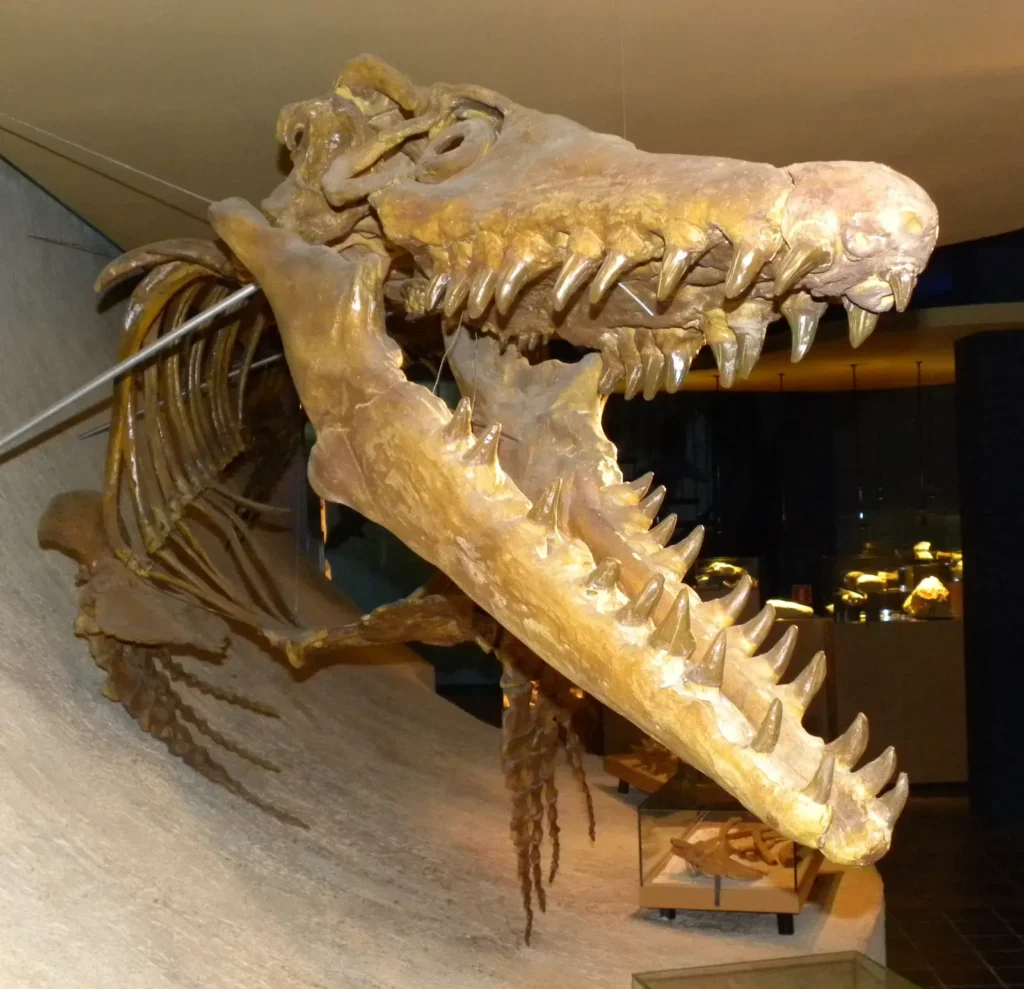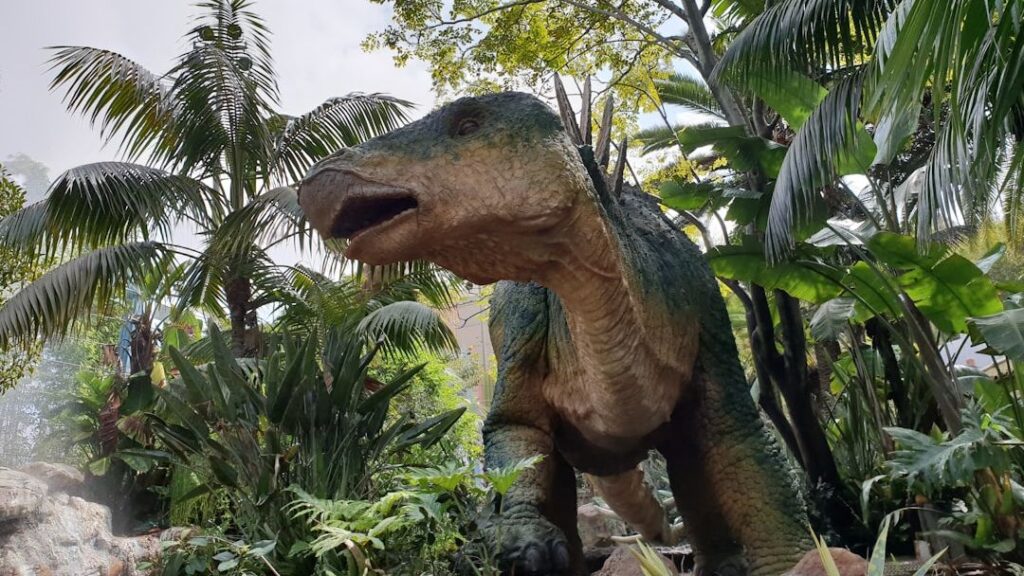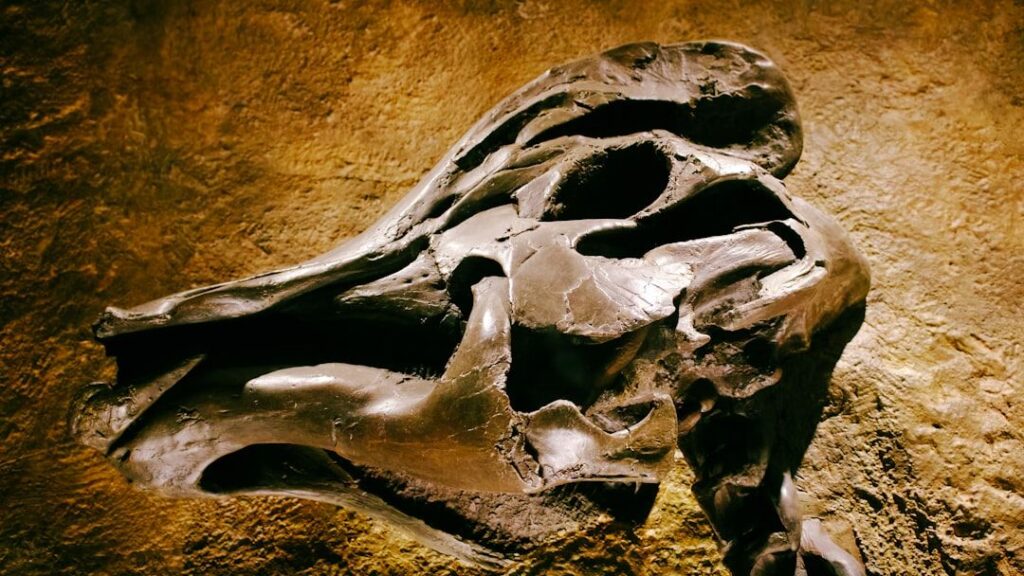
Some people glance at a dinosaur exhibit and move on. Others stop dead in their tracks, eyes wide, pulse quickening, completely unable to leave. If you have ever felt that second kind of pull, you might be more than just a casual admirer of prehistoric life. There is something quietly extraordinary about the way the ancient world of dinosaurs reaches through millions of years and grabs hold of certain people by the imagination. It is almost magnetic.
Honestly, not everyone gets it. To most people, dinosaurs are a childhood phase, something you grow out of somewhere between elementary school and your first smartphone. But for some of us? The obsession never really left. It just got deeper, richer, and more curious with age. If you have been wondering whether your fascination with these ancient giants is more than just a hobby, read on – the signs might surprise you.
You Find Dinosaur News More Exciting Than Celebrity Gossip

Let’s be real – when most people scroll through their news feed, they are looking for pop culture drama or sports scores. If you are the type of person who immediately clicks on a headline about a new fossil discovery instead, that says something powerful about your priorities. Dinosaurs may be long extinct, but 2025 made it abundantly clear that they are anything but settled science, with new fossils, reanalyses of famous specimens, and increasingly sophisticated tools continuing to upend what we thought we knew about these animals.
You probably set Google alerts for paleontology updates without even thinking twice. Around 1,400 dinosaur species are now known from more than 90 countries, with the rate of discovery accelerating dramatically in the last two decades – and the year 2025 alone saw the discovery of 44 new dinosaur species, nearly one a week. For someone born to explore this world, each one of those announcements feels like a personal gift.
Museums Feel Like Home, Not Like Field Trips
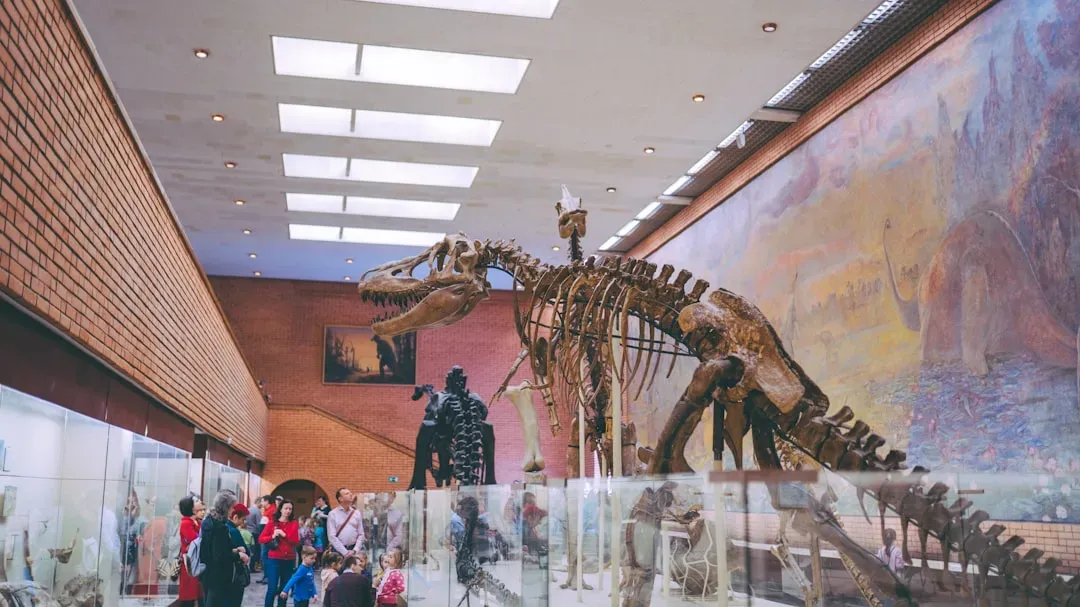
You know that feeling when you walk into a natural history museum and your entire body relaxes? Most people visit once and check it off the list. You, on the other hand, want a membership card, a staff badge, and ideally, a cot somewhere near the fossil hall. Paleontology is one of the most high-profile of the sciences, and discoveries concerning dinosaurs are commonly reported in the mass media, with only astrophysics and global health comparable in the level of press attention.
At a place like the American Museum of Natural History, it feels entirely natural to get involved with dinosaurs because they hold one of the world’s greatest collections of dinosaur fossils. If you could spend an entire weekend in just one room of a natural history museum – the one with the mounted skeletons and the fossil footprints – you are not just a visitor. You are someone who belongs there.
You Think About Deep Time Constantly
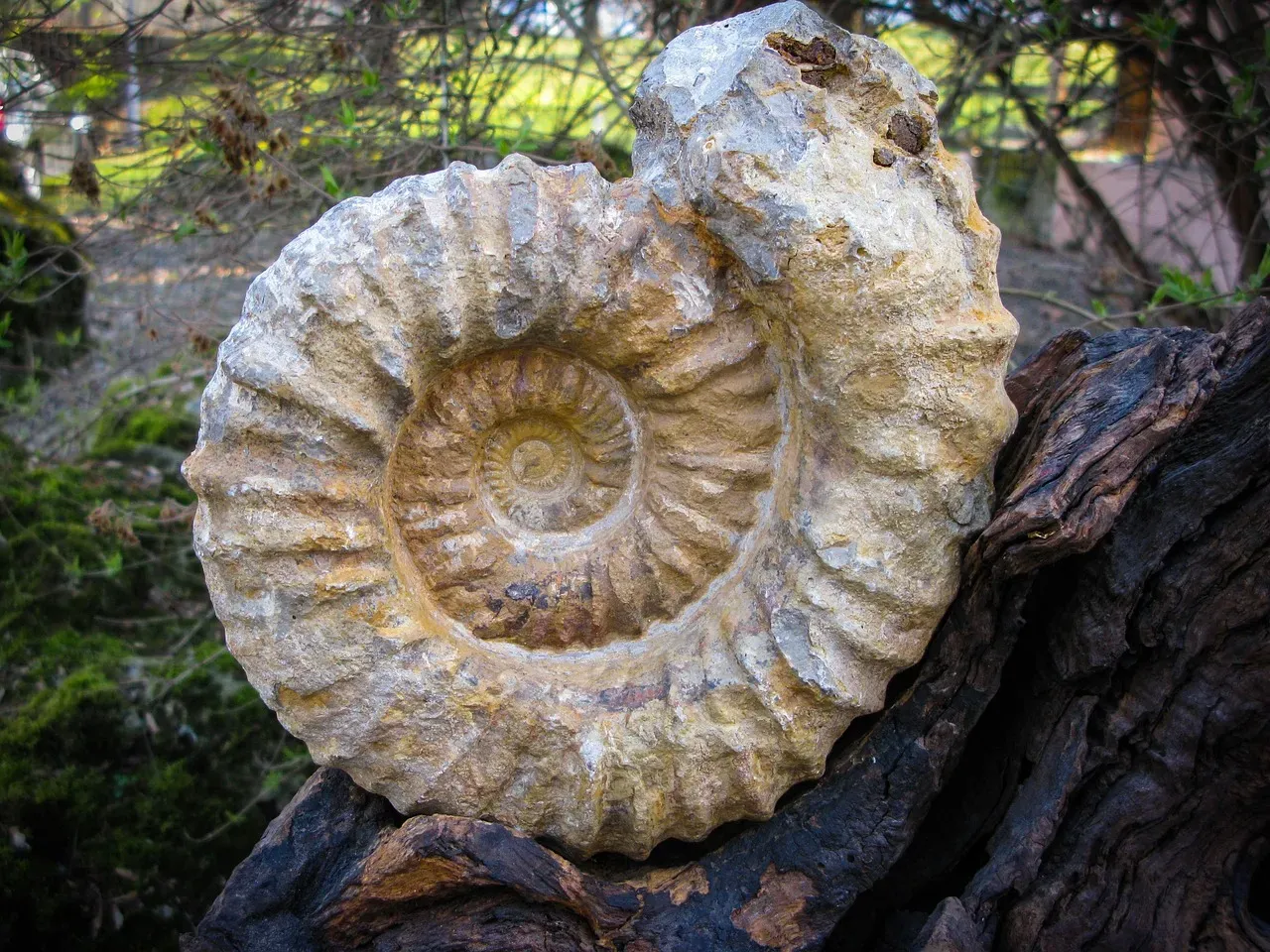
Most people struggle to imagine last Tuesday. You, though, casually think about what the landscape looked like 66 million years ago. Deep time – the mind-bending concept that Earth’s history stretches back billions of years – is not abstract to you. It feels almost personal, like a story you were always meant to be part of. Think of it like zooming out on Google Maps, except you are pulling back not on geography, but on the entire clock of life itself.
Paleontology is the scientific study of the life of the past, mainly through the study of fossils, with paleontologists using fossils as a means to classify organisms, measure geologic time, and assess the interactions between prehistoric organisms and their natural environment. When you hear the word “Cretaceous” and immediately picture vast inland seas and towering conifers, deep time is not just a concept for you – it is practically a second language.
You Are Irresistibly Drawn to Wild, Remote Landscapes

Badlands. Desert plains. Eroded cliffs with rock layers striped orange and red. While other people see inhospitable terrain, you see possibility. You see the places where time has peeled back Earth’s skin and left the past exposed, waiting to be found. Drawn by the adventure of fossil hunting, many people have become paleontologists and gone on expeditions year after year. That specific thrill – the idea of scanning rocky ground for something that has not been seen in millions of years – is not something you can fake.
The right kind of landscape to hold preserved fossils is one where stable areas of the continent have not been subjected to many major geological events that destroy them. Places like the Gobi Desert in Mongolia, the Patagonian steppe of Argentina, and the badlands of Montana are not just locations on a map for you. They are destinations. They are dreams. You have probably already looked up how to get to at least one of them.
You Are Obsessed With “Unanswered Questions”
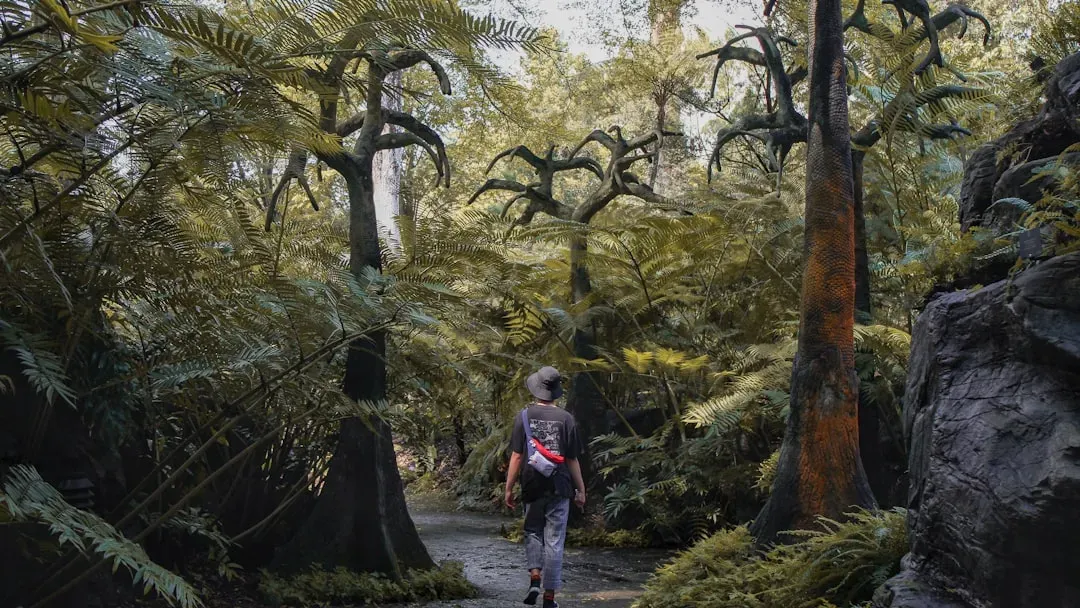
Here is the thing – most people want clean answers. You, however, are energized by the questions that do not yet have them. Why did some dinosaurs grow so impossibly large? What colors were their scales or feathers? Did they communicate, grieve, or play? These open mysteries do not frustrate you. They fuel you. It is more often the unanswered questions about dinosaurs that drive the deepest intellectual interest, rather than the dinosaurs themselves.
Microscopic clues found in fossil Diplodocus skin indicate that these dinosaurs were colorful; sauropod dinosaurs are iconic herbivores immediately recognizable by their small heads, long necks, and bulky bodies, but beyond their familiar skeletons, the external appearance of these dinosaurs is not as well-known, as sauropod skin impressions and soft tissue fossils are very rare. Every partial answer just peels back another layer, and for you, that is the most exciting thing in the world.
You Felt Something Shift When You Heard About Recent Discoveries
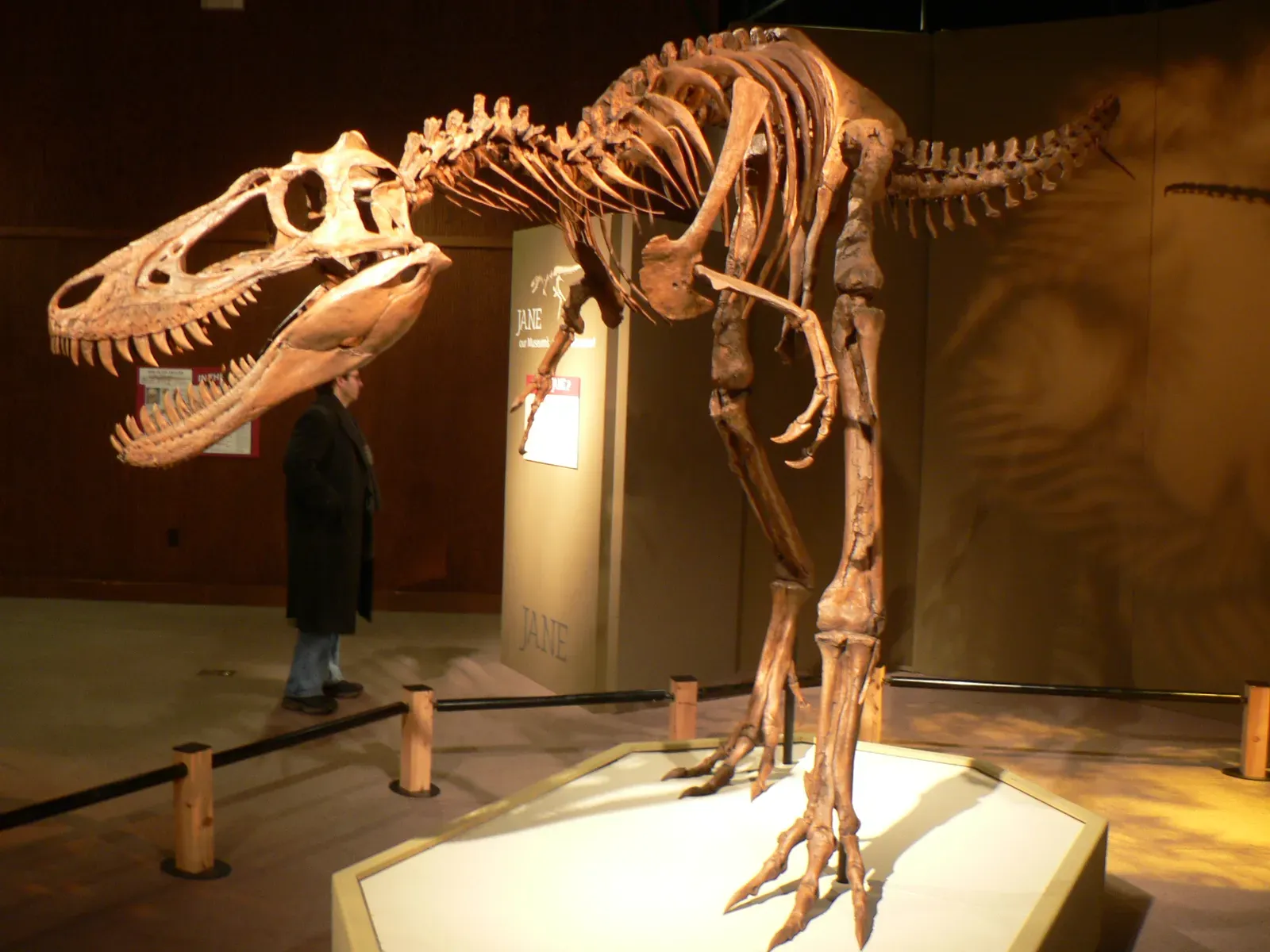
It is one thing to love dinosaurs from a safe, nostalgic distance. It is another to feel a jolt in your chest when science rewrites what you thought you knew. If the recent confirmation of Nanotyrannus as a real, distinct species made your jaw drop, you are not alone – and you are in good company. An analysis in Nature of a specimen nicknamed “Bloody Mary” found enough anatomical evidence to support the case that Nanotyrannus is different from T. rex, including fewer tail vertebrae, more teeth, and longer and stronger forearms.
In 2025, researchers also announced the discovery of the Khankhuuluu mongoliensis dinosaur, meaning “Dragon Prince of Mongolia,” with those 86-million-year-old bones appearing to be connected to a dinosaur closely linked to the direct ancestor of all tyrannosaurs. If news like this sends you sprinting to your laptop at midnight to read the full study, you were not built for casual interest. You were built for this world.
You Have Always Felt a Deep Connection to Birds

I know it sounds crazy, but stay with me here. Your love of birds – especially the strange, angular, prehistoric-looking ones – might actually be your dinosaur obsession expressing itself in the present day. Birds are, after all, living dinosaurs. Theropod lineage never truly ended; it just sprouted feathers and took flight. Researchers collect many theropod specimens, which are carnivorous dinosaurs, because any theropod fossils found are important to research on the origin of birds.
For nearly 160 years, the only Jurassic bird that paleontologists had discovered was the famous Archaeopteryx fossil – the missing link that tied modern birds’ ancient lineage to theropod dinosaurs – but in 2025, researchers in China published a study detailing the fossil discovery of a second Jurassic bird, Baminornis zhenghensis, which was nearly as old as Archaeopteryx and had a short tail more like birds today. When you watch a crow tilt its head at you, it is entirely reasonable to see 150 million years of evolutionary history staring right back.
You Are Naturally a Meticulous, Pattern-Seeking Thinker
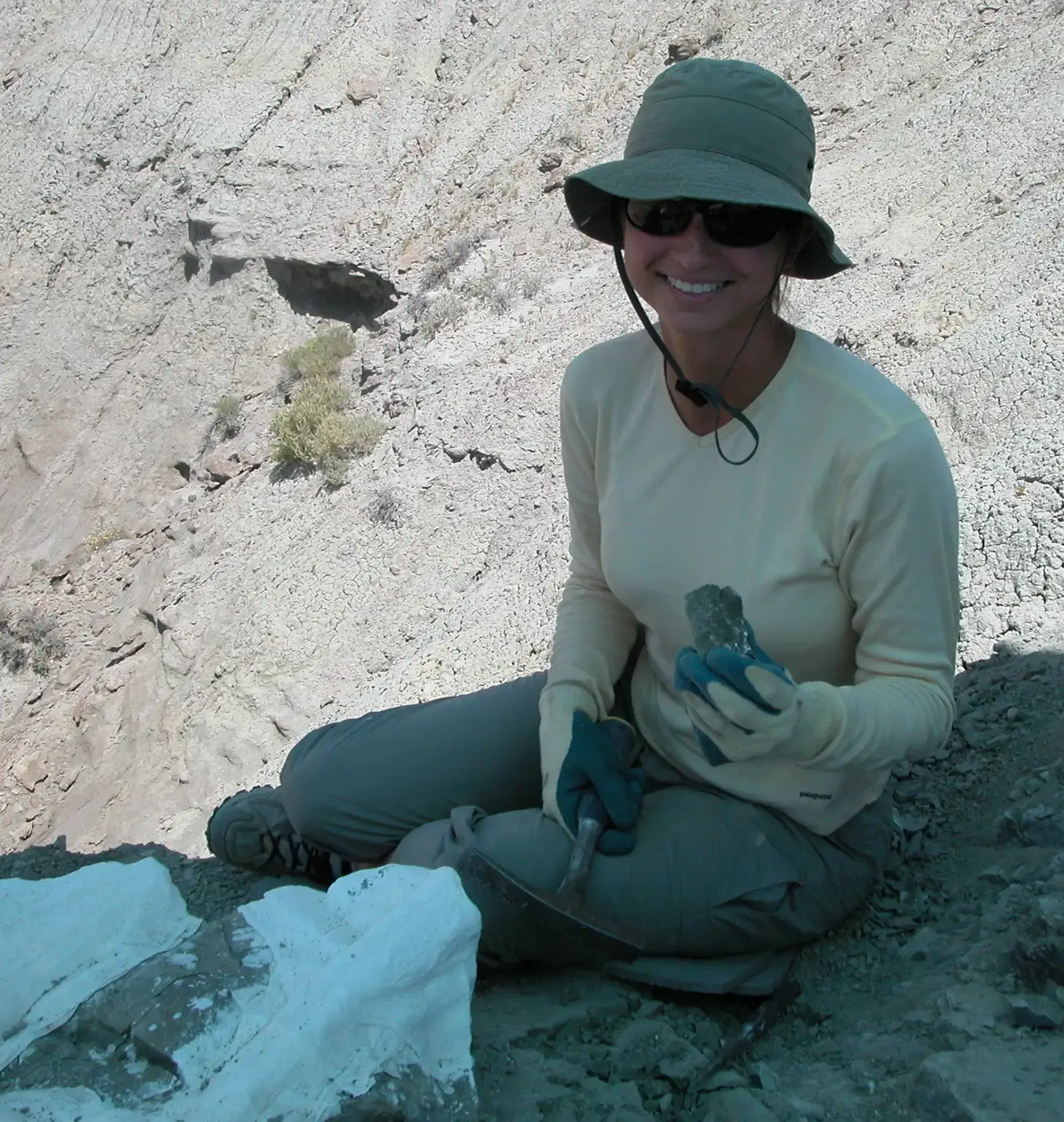
Paleontology is not just about dramatic digs in the desert. It is painstaking, detail-oriented, and deeply analytical work. Paleontologists spend a lot of time classifying specimens, looking at their characteristics and how they are related to each other, with some spending more time on the computer than they do in the field. If you are someone who naturally notices details others overlook – who sees patterns in things and cannot resist organizing and categorizing information – that is a genuine signal.
Some basic duties of a paleontologist include planning digs, directing and conducting fieldwork to search for fossils or collect samples, documenting the work, digging up the fossils or taking samples, then working to preserve those samples and prepare them to be taken to an institution where they can be studied and cleaned, and afterward analyzing the fossils and looking for information about the earth’s past. It is a beautiful blend of field adventure and quiet, focused scholarship – and if that combination sounds like your dream job description, take note.
Your Childhood Obsession Never Actually Ended
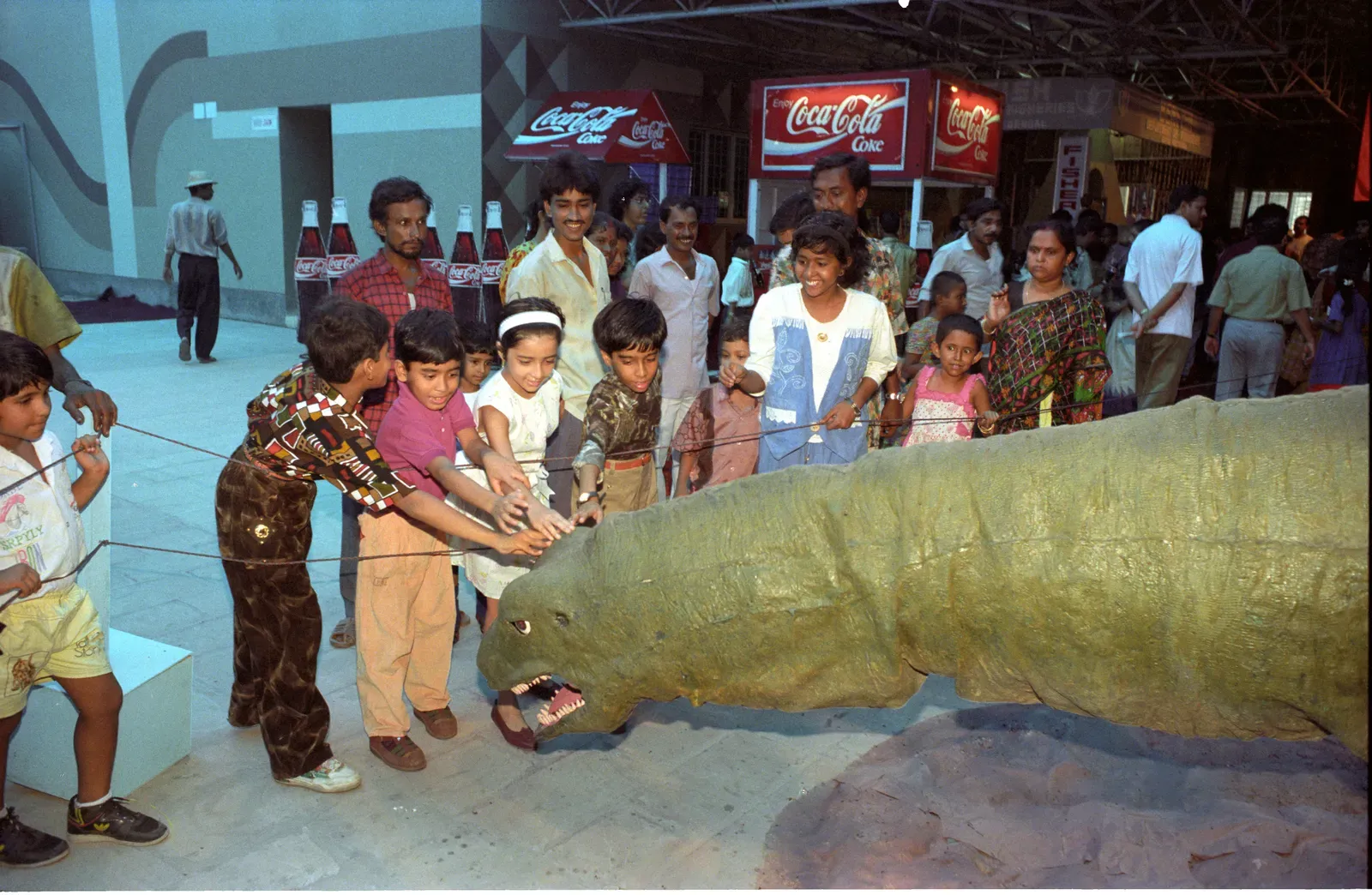
A 2008 study by Indiana University discovered that sustained intense interests, particularly in a conceptual domain like dinosaurs, can help develop increased knowledge and determination, a stronger attention span, and deeper information-processing skills. Most kids who go through a “dinosaur phase” move on. But for a select few, the phase was not a phase at all – it was a revelation about who they are.
If you can still rattle off the full name of Pachycephalosaurus wyomingensis or explain the difference between a sauropod and a prosauropod without blinking, your childhood interest was always something more. By the time most kids begin kindergarten, they have mastered the scientific names and vital statistics of the most popular dinosaurs. The ones who never stop adding to that list? Those are the people who were always meant to explore deeper. You know who you are.
You Believe There Is So Much More Still Waiting to Be Found
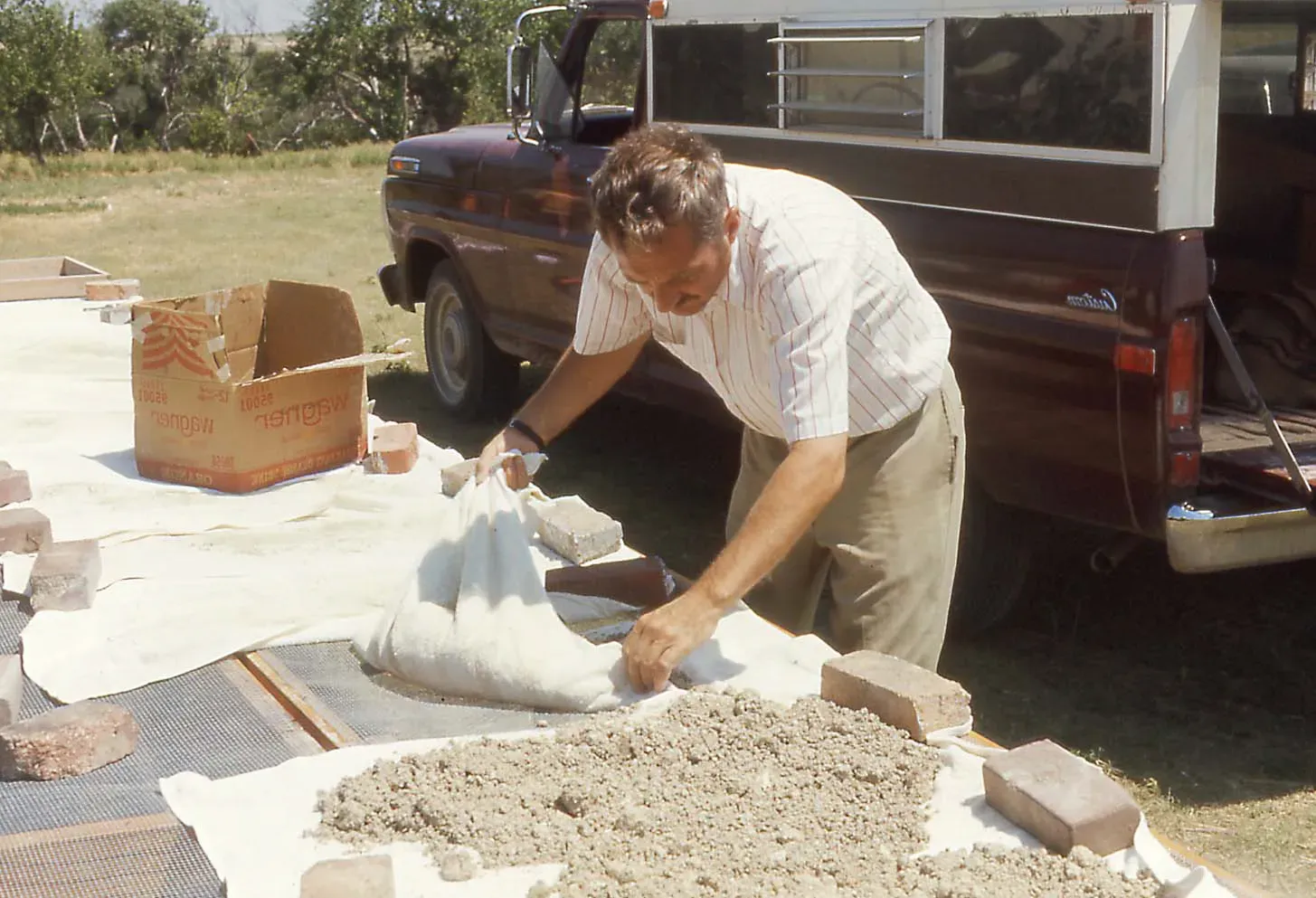
Some people look at a museum exhibit and think, “Wow, we really know a lot about dinosaurs.” You look at the same exhibit and think, “Imagine what we haven’t found yet.” That perspective – that thrilling sense of the unknown – is the heartbeat of exploration. Given the incomplete nature of the fossil record and the way dinosaurs lived, it is unlikely that paleontologists have found the largest individuals of any given species, and using Tyrannosaurus rex as a model, paleontologists have estimated that much more massive dinosaurs are still awaiting discovery.
Over the past decade, paleontology has entered a new era of rapid discovery and scientific transformation, with breakthrough fossils unearthed across Asia, South America, North America, and Europe dramatically expanding our understanding of dinosaur evolution, biology, and behavior, showcasing how much remains to be uncovered about life in the Mesozoic. The ancient world did not run out of secrets. It is just waiting for the right person – maybe you – to come and find them.
Conclusion
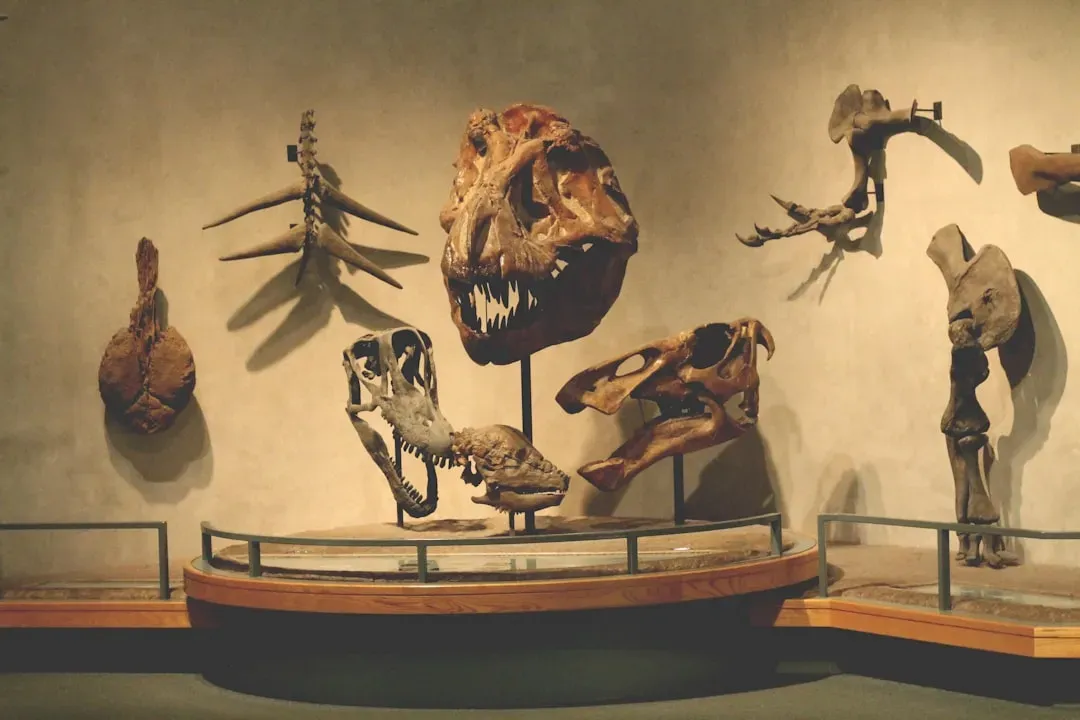
The ancient world of dinosaurs is not a closed chapter. It is an ongoing story, told in stone, bone, and the dedicated imagination of people who simply cannot let go of the wonder. Whether you are a lifelong fossil fanatic or someone who just recognized themselves in half of this list, the signs are worth paying attention to. Creativity keeps paleontology moving forward, and paleontology always needs more passionate people with fresh ideas and fresh perspectives.
There is no wrong age, background, or starting point for exploring the prehistoric world. The Mesozoic does not care about your resume. It cares about your curiosity. Maybe you have been dismissing your fascination as just a quirk. Maybe today is the day you start treating it like the calling it might actually be.
So – how many of these signs did you recognize in yourself? Could be time to pick up a rock hammer and see what’s hiding just beneath the surface.