
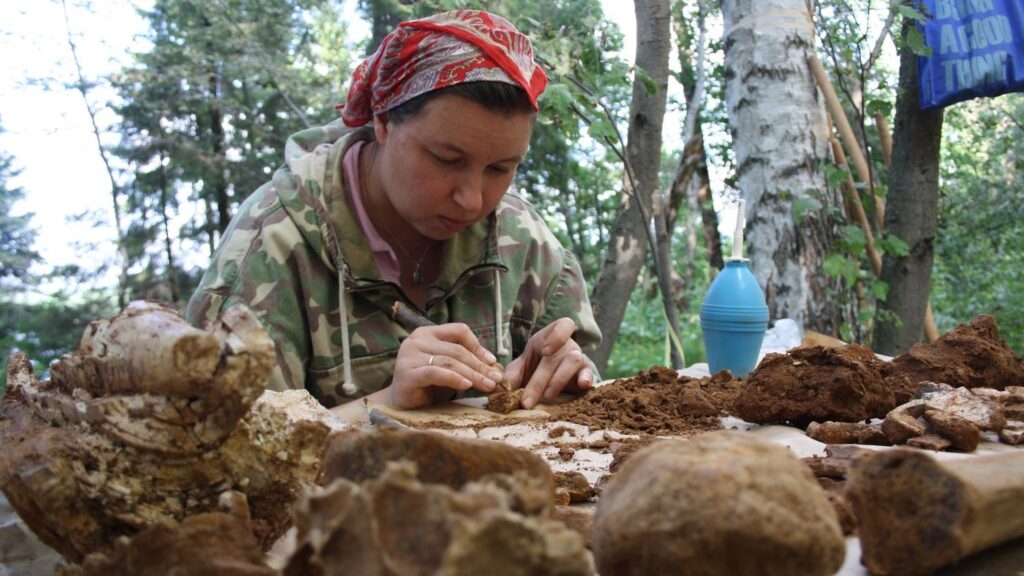
Ever find yourself staring at a rock for way too long, wondering what secrets it might hold? Or maybe you’ve spent hours lost in thought about creatures that vanished millions of years before humans even existed? You might be more of a paleontologist than you realize.
Most people think paleontology is just about digging up dinosaur bones in remote deserts. The reality is so much richer than that. It’s about curiosity, patience, and a particular way of seeing the world that some people just naturally possess. Let’s dive in and see if you’ve got that spark.
You’ve Always Been Obsessed with Time in a Weird Way
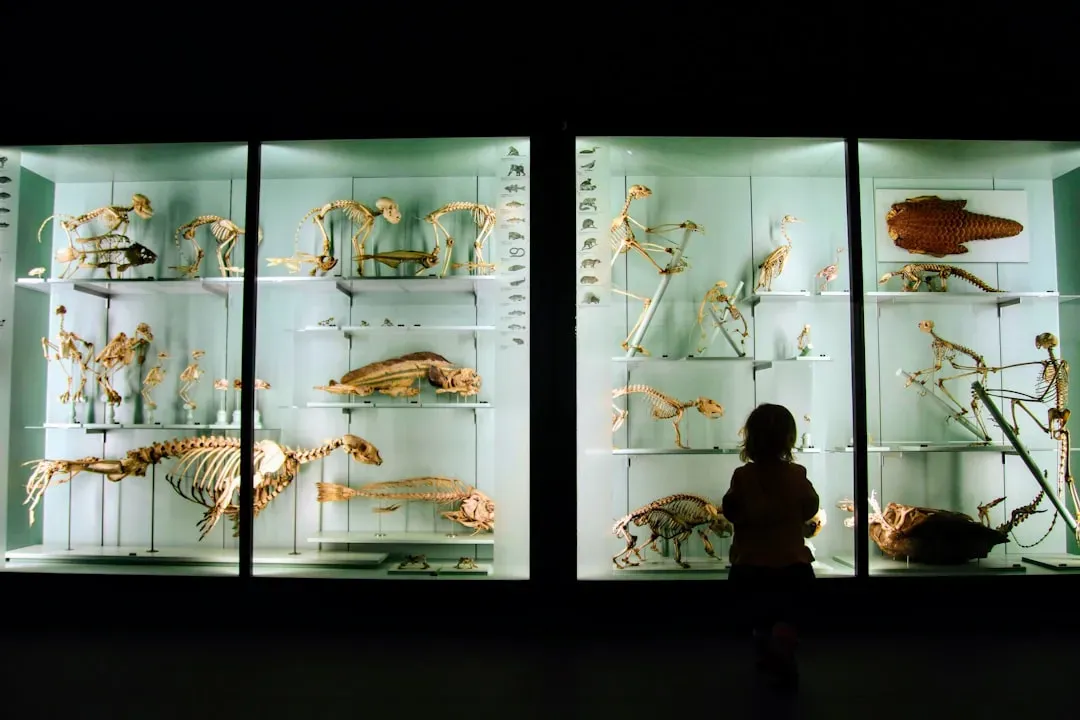
Your love of all things ancient probably started back when you were a child. While other kids were focused on the present moment, you found yourself captivated by the distant past. You didn’t just wonder about last week or last year. You thought about what happened thousands, even millions of years ago.
This isn’t your typical interest in history. You want to reconstruct the physical and behavioral characteristics of extinct species, the environments they lived in, and the patterns of evolution and extinction. Time feels different to you. A million years doesn’t seem incomprehensible. It feels like a puzzle waiting to be solved, layer by layer.
Rocks Aren’t Just Rocks to You
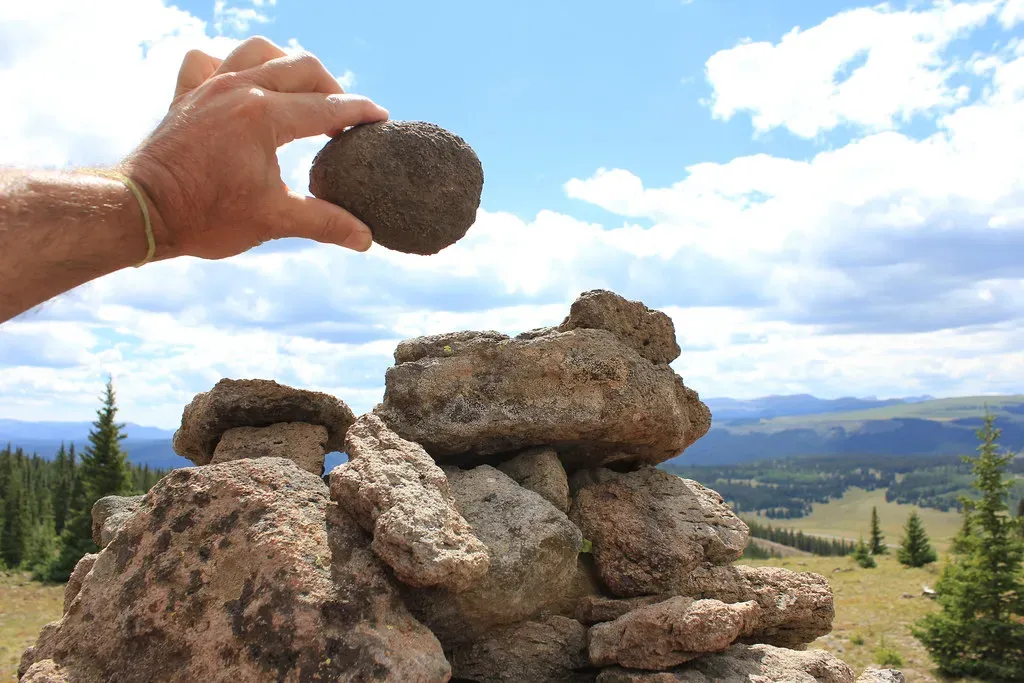
Let’s be real, most people walk right past rocks without a second thought. You stop and pick them up. You turn them over in your hands, examining textures and colors, searching for something unusual.
You showed particular interest in natural history from an early age, perhaps without even realizing it was unusual. Every stone could tell a story. Every odd shape might be a fossil fragment. Your pockets were probably always full of interesting specimens, much to your parents’ dismay when laundry day came around.
You’re Naturally Inquisitive and Love Spending Time Alone with Your Thoughts

Paleontologists tend to be investigative individuals, which means they’re intellectual, introspective, and inquisitive. They are curious, methodical, rational, analytical, and logical. Does that sound familiar? You don’t mind your own company. In fact, you prefer it sometimes.
You ask endless questions that others find exhausting. Why did that species go extinct? What caused that geological formation? How do we know what we think we know? It’s more the unanswered questions that interest you rather than just the subject itself. You don’t just want answers handed to you. You want to figure them out yourself.
Patience Is Your Superpower
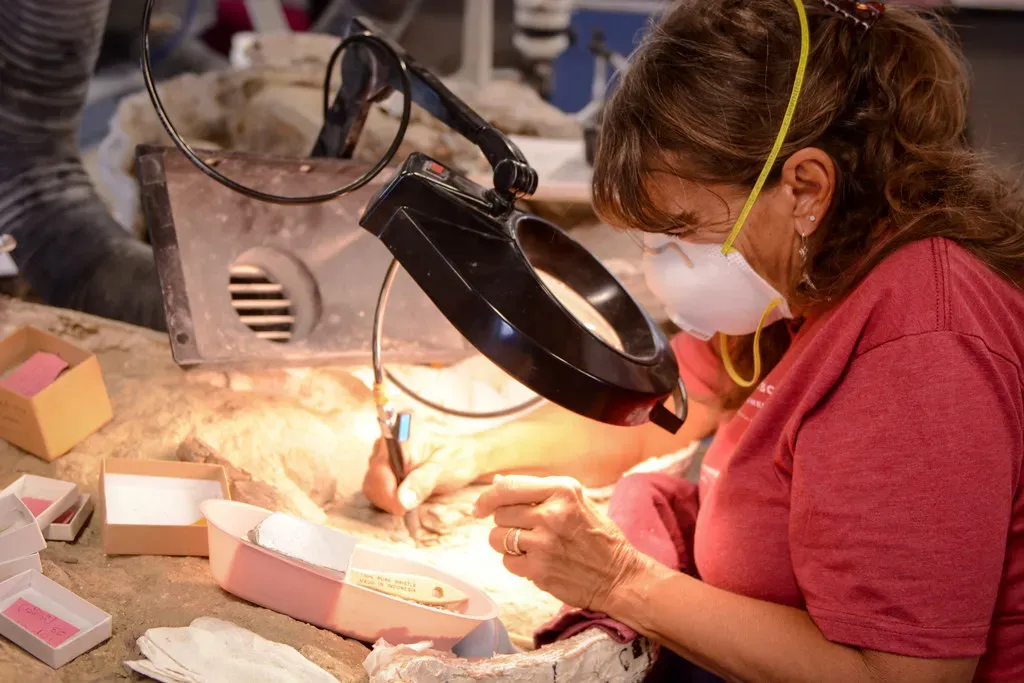
Here’s the thing about paleontology: it’s slow work. Paleontologists only spend a few weeks a year on expeditions. The rest is painstaking analysis, cataloging, and research. If you’re the type who can spend hours on a single task without getting bored, you’ve got a crucial trait.
You spend a lot of time classifying specimens, looking at their characteristics and how they are related to each other. Think about whether you’ve ever gotten so absorbed in a project that hours passed without you noticing. That’s the kind of focus this field demands. Most people can’t sustain that level of attention, yet for you, it feels natural.
You Have a Strange Comfort with Uncertainty

Science isn’t about having all the answers. It’s about living comfortably in the questions. Important discoveries can be completely chance findings, like when fossils are put under a microscope and researchers are very surprised by what they find.
You don’t panic when things are unclear. Instead, you get excited by mysteries. You understand that sometimes the best you can do is make an educated guess based on limited evidence. That doesn’t frustrate you. It energizes you to keep searching for more clues.
You’re Drawn to the Outdoors but Also Love Lab Work
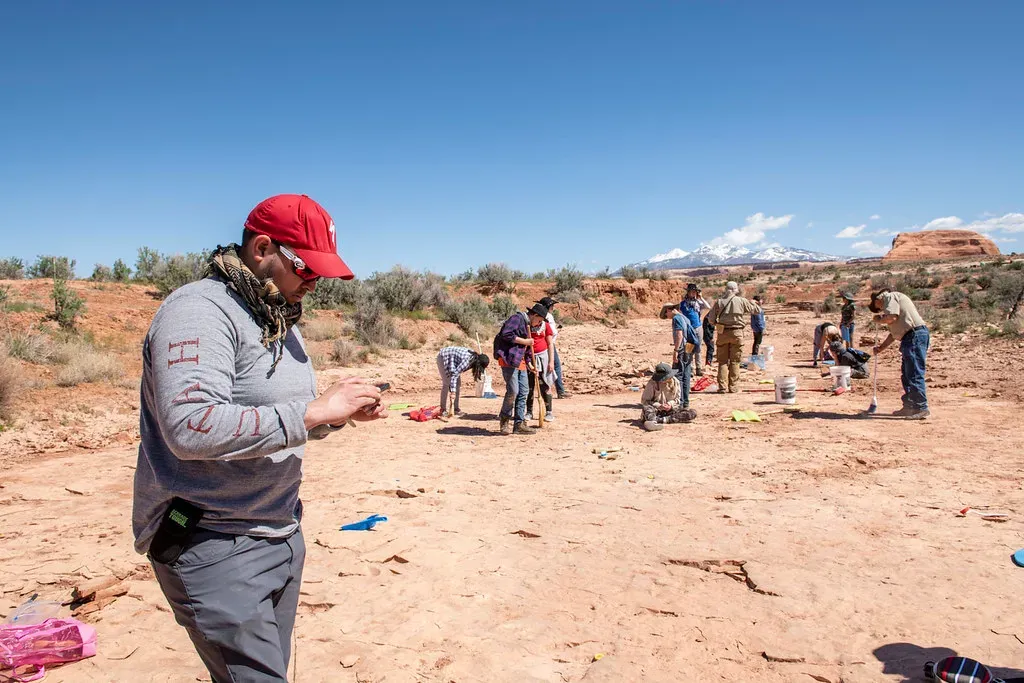
Some paleontologists are also enterprising, meaning they’re adventurous, ambitious, assertive, extroverted, energetic, enthusiastic, confident, and optimistic. You might enjoy the thrill of fieldwork, but you’re equally content spending time indoors analyzing your findings. It’s a rare combination.
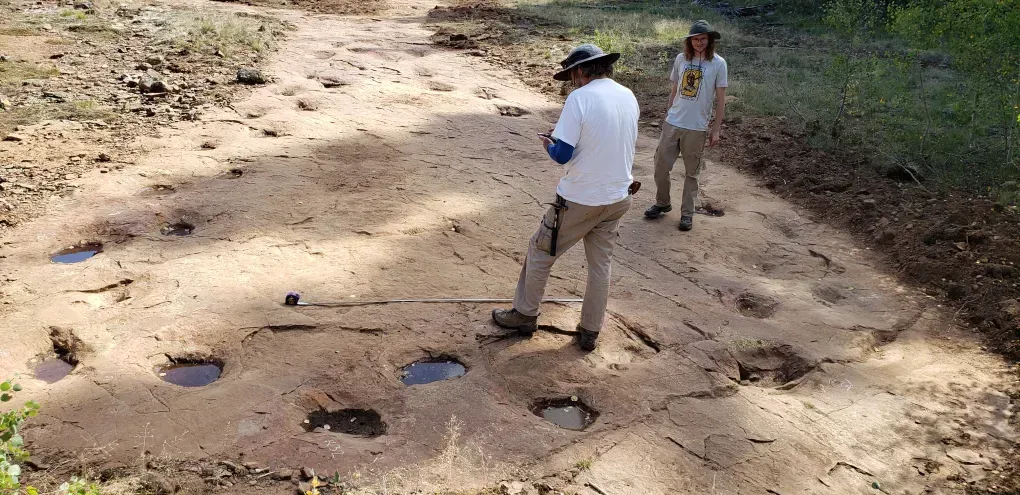
When conducting fieldwork, paleontologists work outdoors, where they do rigorous physical work in all kinds of weather. Yet they also need the discipline to return to offices and labs for detailed analysis. If you can switch between these modes easily, between adventure and meticulous detail work, you’ve got the versatility this career requires.
You See Connections Others Miss
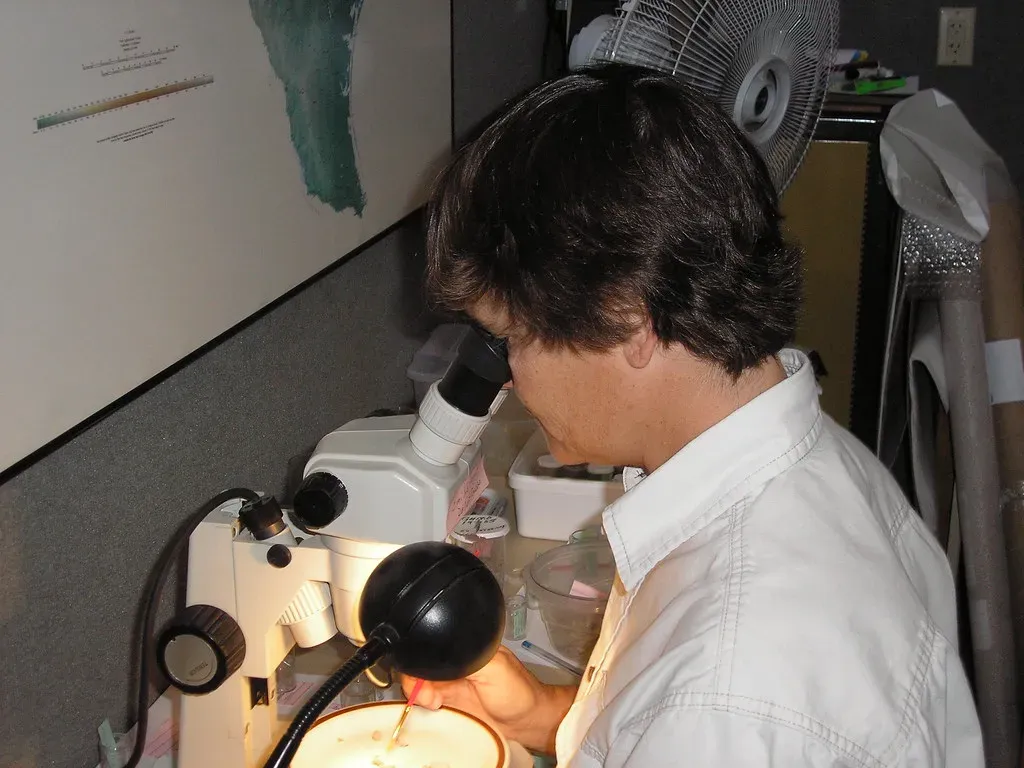
This field of study combines aspects of biology, geology, and archaeology to uncover and understand the history of life on Earth. If you naturally think across disciplines, connecting dots between seemingly unrelated subjects, you’re thinking like a paleontologist.
Maybe you see how a biology concept relates to geological processes. Or you understand how climate patterns could affect evolutionary changes. You want to dig up the details on past climates and past extinctions using data from fossilized bones, ancient pollen, and other clues. This interdisciplinary thinking isn’t common, yet it comes naturally to some people.
You’re Not Afraid of Hard, Physical Work
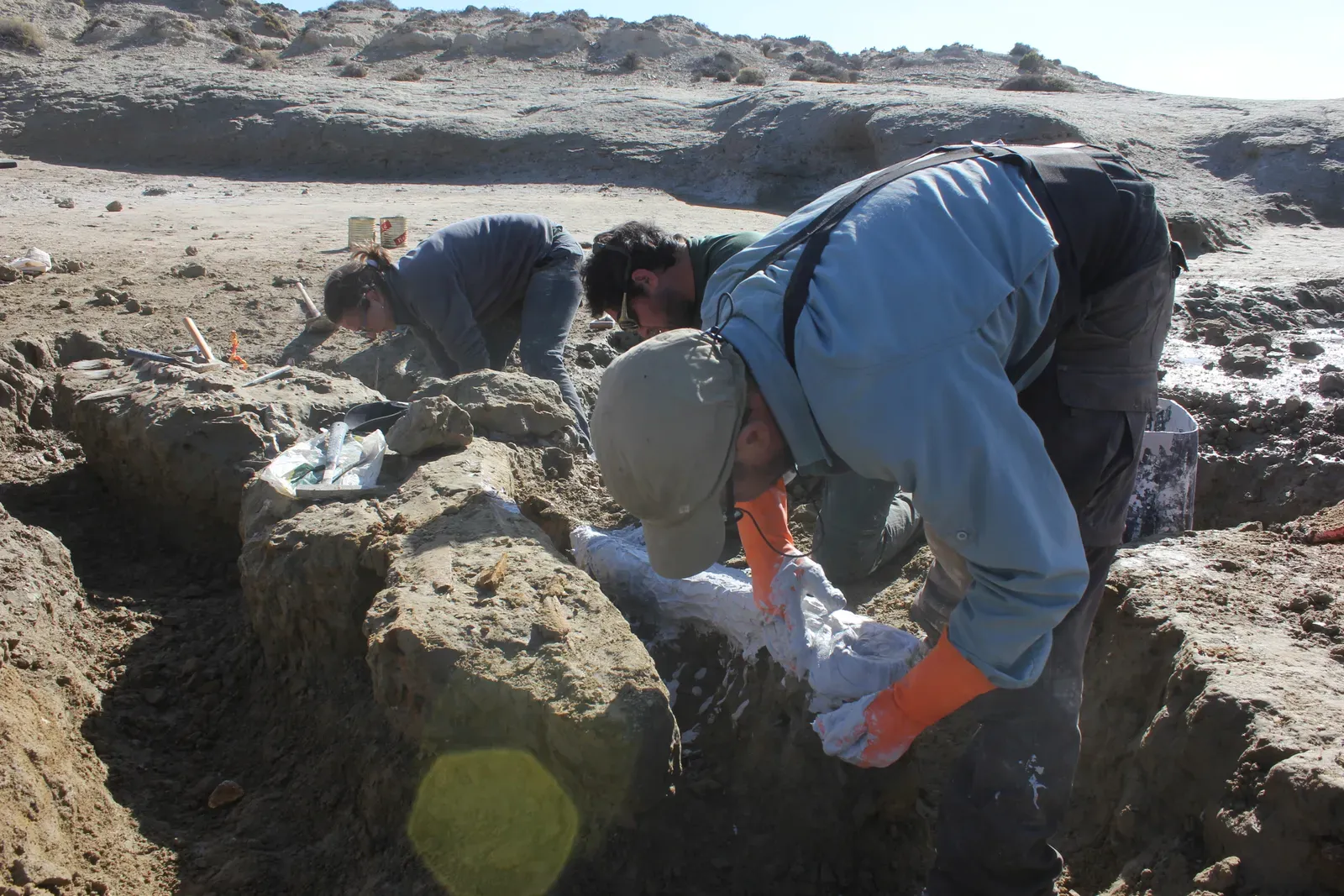
Fieldwork can be physically demanding, as it often requires hiking to remote locations while carrying heavy testing and sampling equipment. Honestly, it’s not glamorous. You might spend days in harsh weather, digging carefully through rock and dirt, your back aching and hands blistered.
Yet something about that appeals to you. The idea of working hard for a discovery, of earning your findings through sweat and persistence, doesn’t scare you off. You understand that the best things aren’t easy to obtain. You’re willing to put in the effort, even when it’s uncomfortable.
You’re Methodical and Detail-Oriented
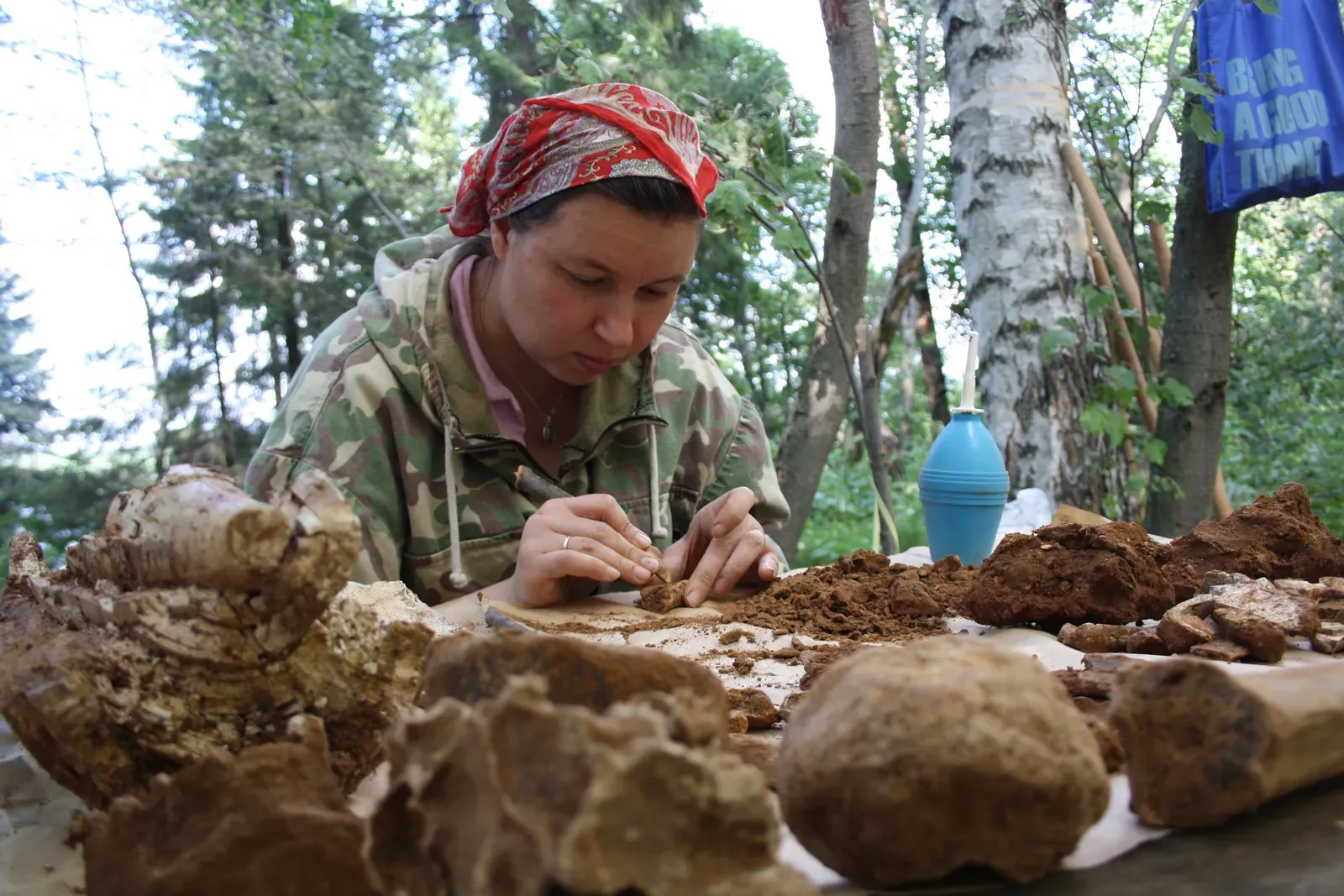
Paleontologists conduct field expeditions to discover and collect fossils, use geological maps and knowledge to identify promising fossil sites, and employ excavation techniques to carefully extract fossils without causing damage. Notice the word “carefully.” This work requires extreme attention to detail.
You probably keep organized notes. You follow procedures. You don’t rush through tasks because you know that carelessness can destroy valuable information. Your keen observational skills and determination set you apart. You notice small differences that others overlook, and those tiny details matter enormously in reconstructing the past.
You Want Your Work to Mean Something Beyond Yourself
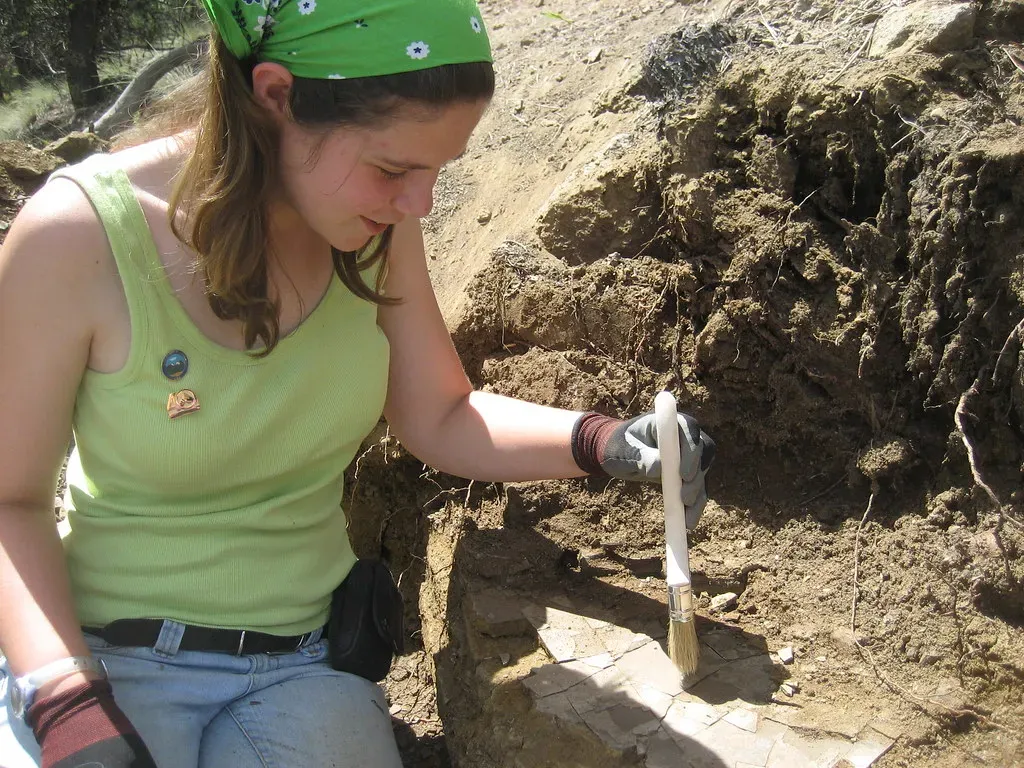
Paleontologists help us understand the history of life on Earth by studying fossils and other evidence left behind by ancient organisms to reconstruct the evolutionary processes. If you’re driven by the desire to contribute to human knowledge, to help us understand where we came from and where we might be going, you’ve got the right motivation.
The revelations paleontologists uncover can help us understand the past, so that we don’t repeat it, and provide context for comparison between the current state of our environment and those of ancient epochs. You want your life’s work to matter. You want to answer big questions. That’s the kind of purpose that sustains someone through years of education and challenging work.
Conclusion
So, did you recognize yourself in these signs? If multiple points resonated with you, there’s a good chance you’ve got that paleontologist spirit lurking inside. The path isn’t easy, requiring years of education and dedication, yet for the right person, it’s incredibly rewarding.
The world needs people who can patiently piece together the story of life on Earth. People who see beauty in ancient bones and meaning in layers of rock. Maybe that person is you. What do you think? Did any of these signs surprise you?


