There’s something oddly comforting about a rubbery dinosaur puppet rampaging through a clearly fake city while a scientist shouts nonsense about DNA from a glowing meteor. We know it looks bad, the plot makes no sense, and the science would make a six‑year‑old roll their eyes – yet we keep watching. Silly dinosaur movies are like junk food for the brain: we recognize they’re not exactly nourishing, but in the right mood, they hit just right.
What makes this even more fascinating is that these movies sit right next to genuinely smart, big‑budget dinosaur films in the same genre aisle. One moment you’re watching a carefully animated, scientifically informed predator; the next, you’re staring at a guy in a lumpy suit trying not to trip over a cardboard jeep. And somehow, both can be fun. Let’s dive into ten of the silliest dinosaur movies ever made – looking at what makes them so ridiculous, why the science is often hilariously wrong, and why, despite all that, we still have a soft spot for every wobbly tail and badly timed roar.
1. The Lost World (1925) – Stop‑Motion Chaos That Started It All
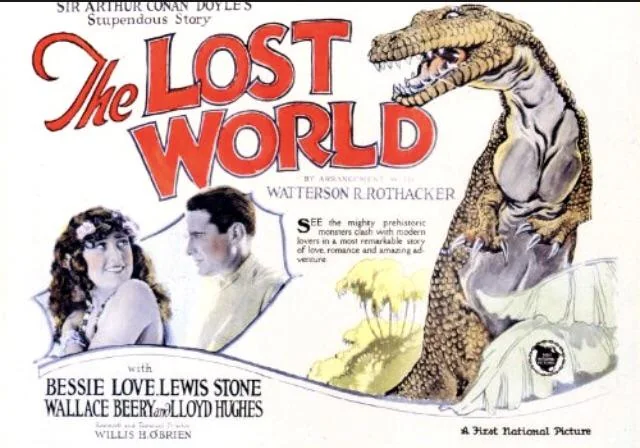
This silent film adaptation of Arthur Conan Doyle’s story is one of the earliest dinosaur movies, and it absolutely feels like it. The dinosaurs are brought to life with pioneering stop‑motion effects that now look stiff, jerky, and wildly exaggerated. Limbs move in strange arcs, eyes never really focus, and the creatures often look like they are sliding rather than walking across the frame.
From a scientific point of view, it is gloriously off the rails. Dinosaurs snarl like lions, attack anything that moves, and behave more like angry dragons than animals shaped by millions of years of evolution. Yet this movie helped define how dinosaurs were imagined on screen for decades. That early charm, the sense of experiment and enthusiasm, and the sheer audacity of bringing extinct creatures to life with bits of rubber and wire make its silliness feel almost sacred today.
2. King Dinosaur (1955) – When “Dinosaur” Means “Random Animal in a Suit”
King Dinosaur takes place on a newly discovered planet, but the real star is the incredibly cheap and unconvincing wildlife. The so‑called dinosaurs are mostly stock footage animals, costumed lizards, and creatures that look suspiciously like regular Earth reptiles with plastic bits glued on. The title monster is more “confused iguana” than prehistoric tyrant.
Scientifically, it is a total mess. The movie casually throws together animals from different eras, pretending they all happily coexist on the same alien world, and then tops it off by solving everything with a nuclear explosion. Despite that, there’s a certain cozy charm in the obvious miniatures, clumsy suits, and earnest narration. It feels like watching a group of kids play make‑believe with a camera, and that raw, homemade energy is hard not to enjoy on some level.
3. The Valley of Gwangi (1969) – Cowboys vs. Dinosaurs in a Genre Mash‑Up
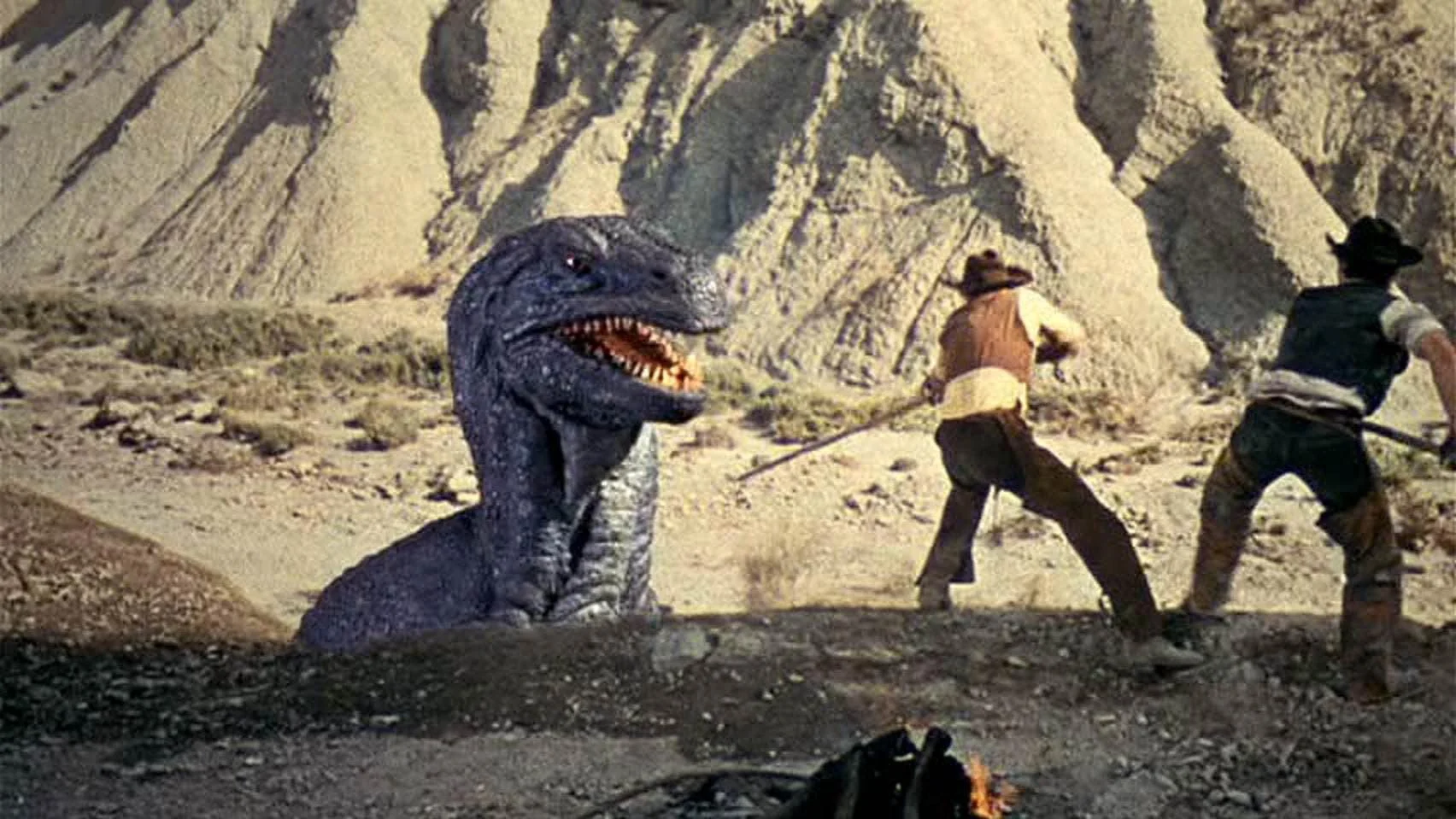
The Valley of Gwangi imagines a hidden valley full of prehistoric creatures discovered by a traveling Wild West show. The result is a bizarre blend of cowboy movie and dinosaur adventure, complete with rodeo riders lassoing a stop‑motion Allosaurus in scenes that are as absurd as they are ambitious. The tonal clash alone makes it feel silly, like two different films stitched together with dinosaur roars added on top.
From a science standpoint, it is delightfully confused. The dinosaurs are treated more like circus animals than complex organisms, trotted out for spectacle with little regard for how they would actually move, hunt, or behave. Yet the commitment is impressive: the creatures have weight and personality, even if they are portrayed as overgrown movie monsters. That blend of sincerity and nonsense is exactly what keeps people returning to it as a cult favorite.
4. The Land That Time Forgot (1974) – Pterosaurs on Wires and Rubber Monsters
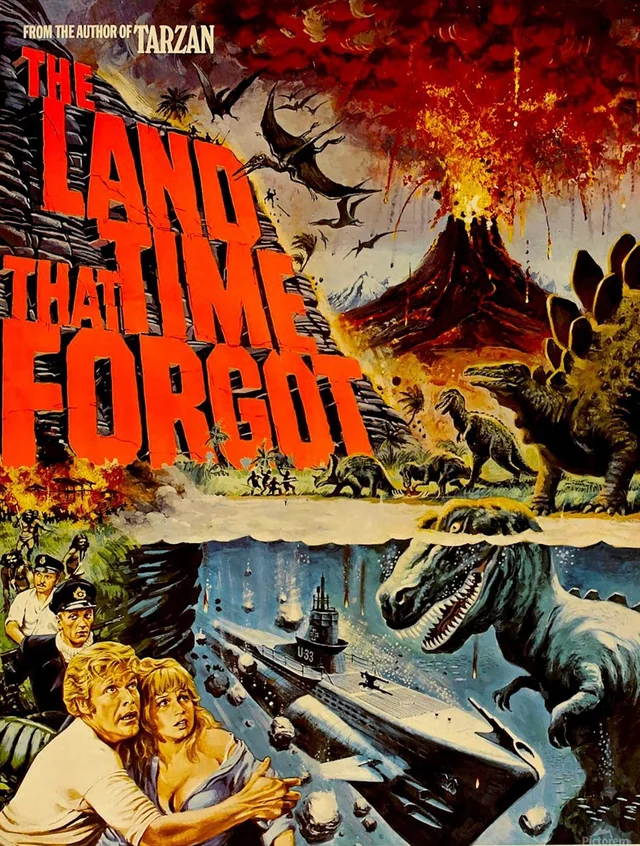
In this adaptation of an Edgar Rice Burroughs story, a World War I submarine stumbles upon a lost continent full of dinosaurs and other prehistoric life. The creatures are famously rubbery, with visible seams, sluggish movements, and expressions that seem stuck between sleepy and furious. Pterosaurs dangle on obvious wires, and the backgrounds often look like painted theater sets rather than a primeval world.
Biologically, nothing makes sense. Species from different periods wander around together as if history were a buffet. Still, there is a dreamlike quality in watching soldiers in uniforms fire rifles at snarling puppets and papier‑mâché monsters. The movie leans into the fantasy rather than even trying for realism, and that willingness to embrace its own absurdity turns the silliness into something oddly endearing and nostalgic.
5. Baby: Secret of the Lost Legend (1985) – The Sweetest, Goofiest Sauropod Puppet
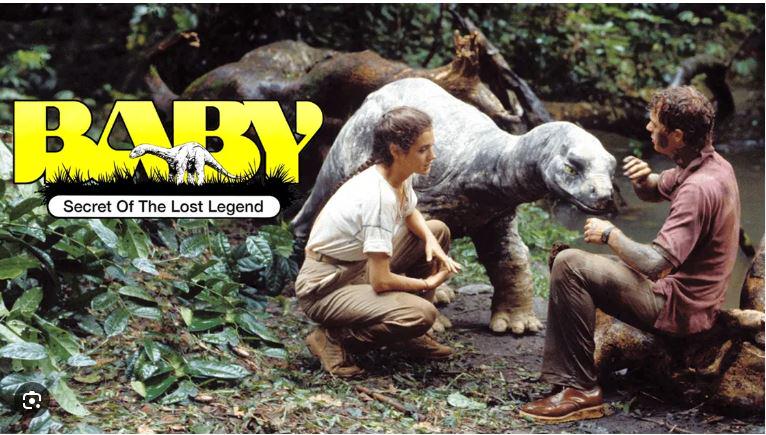
This film follows a couple who discover a family of living sauropods in the African jungle, including an adorably clumsy baby dinosaur. The creature design is earnest but unconvincing: the baby’s movements are stiff, its facial expressions cartoonish, and its interactions with humans have that unmistakable “person in a suit or large animatronic” awkwardness. You can almost picture a crew member off camera wrestling with cables to make the head tilt at the right time.
Scientifically, it treats the survival of giant dinosaurs into the modern day as something that can be hidden behind some trees and a bit of fog. The biology is simplistic, turning these animals into oversized, doe‑eyed pets that bond with humans in minutes. And yet, the emotional angle works on a very basic level. The movie taps into the fantasy of finding a real dinosaur and raising it like a dog, and that wish‑fulfillment angle is strong enough to make viewers overlook the fake skin and clunky movements.
6. Theodore Rex (1995) – Buddy Cop Chaos with a Talking Dinosaur
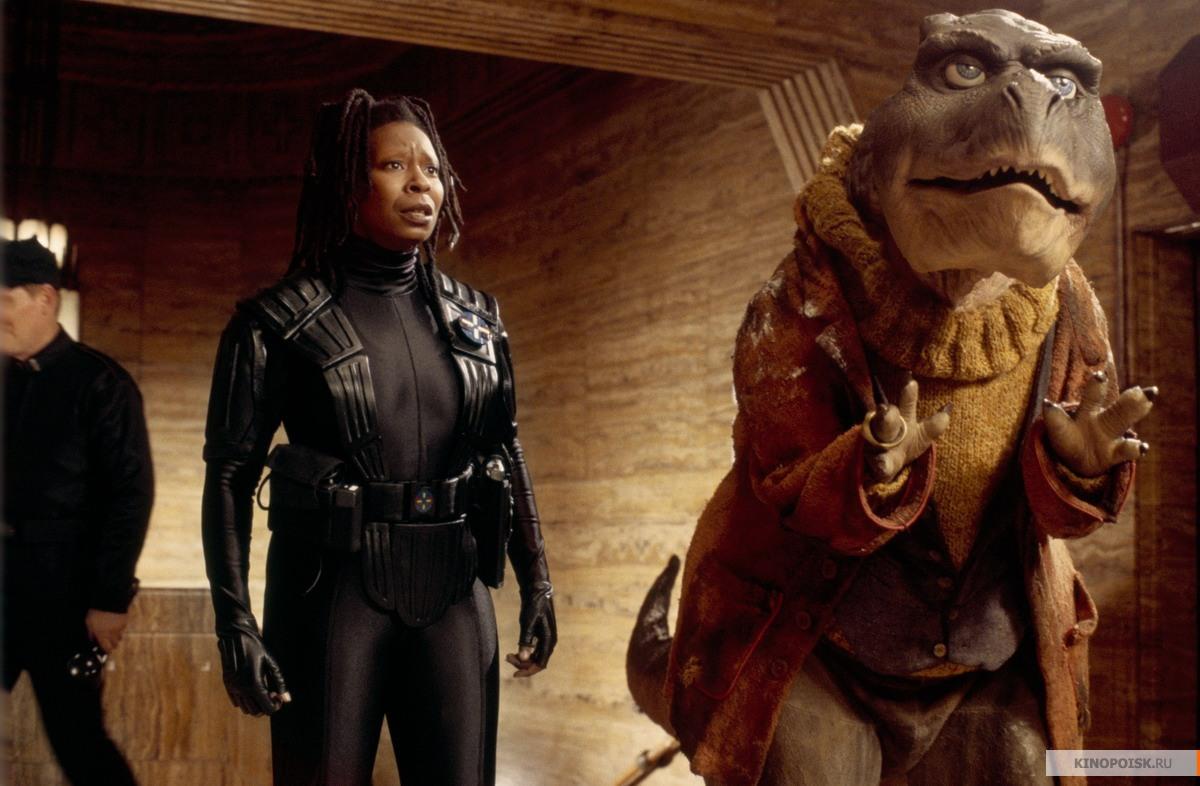
Theodore Rex throws realism out the window entirely and gives us a talking dinosaur detective in a near‑future world, teamed up with a human cop. The dinosaur walks upright in clothing, speaks fluent English, and behaves like a cartoon character dropped into a live‑action crime story. The suit is bulky, the movements are exaggerated, and the tone swings between slapstick and surprisingly dark moments.
In terms of science, this one is basically science fiction parody: the story hints at genetic engineering, but the details are vague and mostly serve as an excuse to get a wisecracking T. rex into a buddy‑cop plot. Still, there is something memorable about how unapologetically strange it is. The movie becomes so committed to its bizarre premise that it stops being just bad and turns into a kind of surreal time capsule of mid‑nineties excess and risk‑taking.
7. Carnasaur (1993) – Cheap Gore and Questionable Genetics
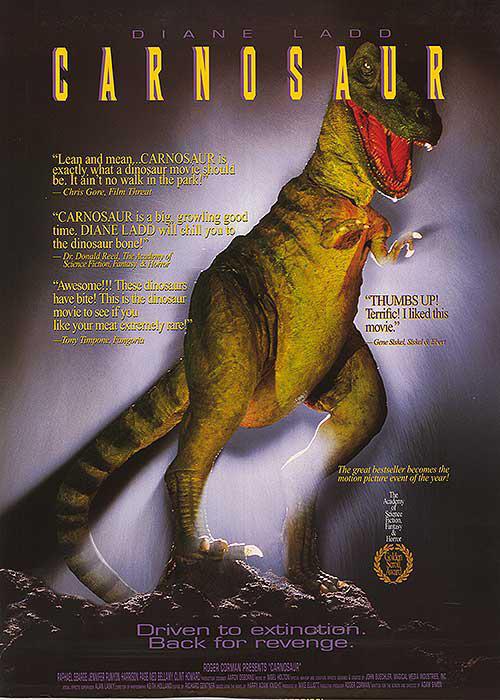
Released around the same time as a far more famous dinosaur blockbuster, Carnasaur leans hard into horror with a genetically engineered dinosaur on the loose. The creature effects are often laughable: claws that look like plastic, jerky animatronics, and cramped sets where the monster clearly cannot move the way a real animal would. It feels less like a living predator and more like a haunted house prop that escaped.
The genetic premise is wildly exaggerated, with a plot that plays with engineered dinosaurs and dangerous experiments but uses scientific jargon more as decoration than explanation. Yet for fans of low‑budget horror, that roughness is part of the fun. The film’s over‑the‑top violence, clunky monster reveals, and grim seriousness despite ridiculous visuals create a tone that is so earnest, it becomes disarmingly entertaining in its own offbeat way.
8. Tammy and the T‑Rex (1994) – Brain Transplants and Animatronic Absurdity
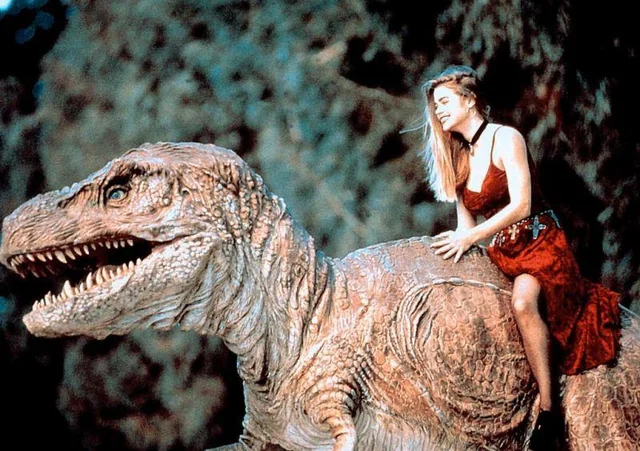
This film famously centers on a teenager whose brain is transplanted into an animatronic Tyrannosaurus, leading to a bizarre mix of romance, revenge, and slapstick. The dinosaur itself looks more like a theme park attraction than a real creature, with limited facial mobility and slightly delayed reactions that never quite sync with the emotional moments. Scenes of the dinosaur using a pay phone or trying to communicate feelings are so absurd that they loop back around into something weirdly compelling.
As far as science goes, it might be one of the most ridiculous premises in the dinosaur subgenre. Brain transplantation is treated like something that can be performed in a warehouse with some wires, and the idea that a dinosaur body could execute human gestures is never addressed beyond a shrug. But the film’s shameless embrace of its own insanity has turned it into a cult favorite. People do not watch it for plausibility; they watch it because it is one of the purest expressions of “why did they make this” energy you can find.
9. Dinosaur Island (1994) – Pulp Fantasy with Token Dinosaurs
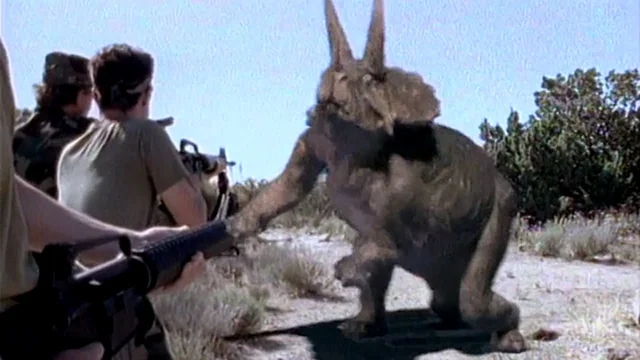
Dinosaur Island is a pulpy fantasy that uses dinosaurs more as decorative background elements than as real characters or threats. The creatures appear sporadically, usually in effects that range from mediocre to openly laughable, and often feel like they were added simply to justify the title. The real focus is on campy dialogue, exaggerated situations, and a tone that leans into exploitation rather than adventure.
Scientifically, the dinosaurs might as well be mythical beasts. Their design ignores anatomical accuracy, scale, and ecology, turning them into generic monsters that conveniently show up when the plot needs a jolt. Yet for some viewers, that very lack of seriousness is the draw. It functions almost like a parody of dinosaur movies, whether or not it meant to, and that unintentional humor is exactly what makes it linger in late‑night viewing lists.
10. Anonymous Asylum‑Style Knockoffs – When Anything Can Be a Dinosaur Movie
Over the last couple of decades, a wave of ultra‑low‑budget dinosaur and prehistoric monster films has emerged, often made quickly to ride the popularity of bigger releases. These movies tend to feature digital dinosaurs that barely match the lighting of the scenes, physics that ignore gravity, and plots stitched together from familiar disaster and creature‑feature clichés. Dinosaurs pop out of nowhere, roar at the camera, and vanish with little concern for continuity or logic.
From a scientific or cinematic perspective, they are often a jumble: creatures with the wrong number of fingers, impossible behavior, and environmental conditions that defy basic biology. Yet they serve as a kind of cinematic comfort food for fans of bad movies. Watching an obviously fake dinosaur chase obviously underrehearsed characters across obviously recycled sets creates a strange, cozy predictability. You can guess what will happen, you know it will be dumb, and that familiarity becomes part of the pleasure.
Why We Keep Loving Silly Dinosaur Movies Anyway

For all their rubber suits, shaky stop‑motion, wobbly digital effects, and broken science, silly dinosaur movies tap into something very human: the desire to see the impossible made visible, even if the illusion is full of seams. They remind us that spectacle does not always have to be perfect to be enjoyable. In a way, the flaws make them feel more personal and handmade, like a drawing from childhood that you keep not because it is accurate, but because it captures how you felt.
I still remember the first time I saw a clearly fake dinosaur stomp across a painted backdrop on late‑night television and felt that tiny jolt of wonder anyway. That mix of awe and amusement is why these films endure. They let us laugh at their mistakes, marvel at their ambition, and share a kind of affectionate eye‑roll together. Maybe that is the real secret: we do not just watch silly dinosaur movies for the dinosaurs, we watch them for the shared feeling of “this is ridiculous, but I love it.” When you think about it, isn’t that one of the best reasons to press play?