When most people picture dinosaurs, they conjure up the same old mental image: cold, dim-witted, slow-moving creatures trudging through a gray, miserable world. Jurassic Park did a lot of work to shake that up, sure, but even Hollywood underestimated just how complex and surprising these ancient animals truly were. The science has moved on, and it keeps moving, constantly flipping old assumptions on their head.
What’s genuinely astonishing is how much we now know, and how much of it sounds nothing like what you were taught in school. From vibrant feathered coats to structured social lives, dinosaurs were doing things that would feel oddly familiar if you could somehow observe them today. So buckle up, because you’re about to see these creatures in a completely different light. Let’s dive in.
1. Some Dinosaurs Were Hot-Blooded, and Others Were Not
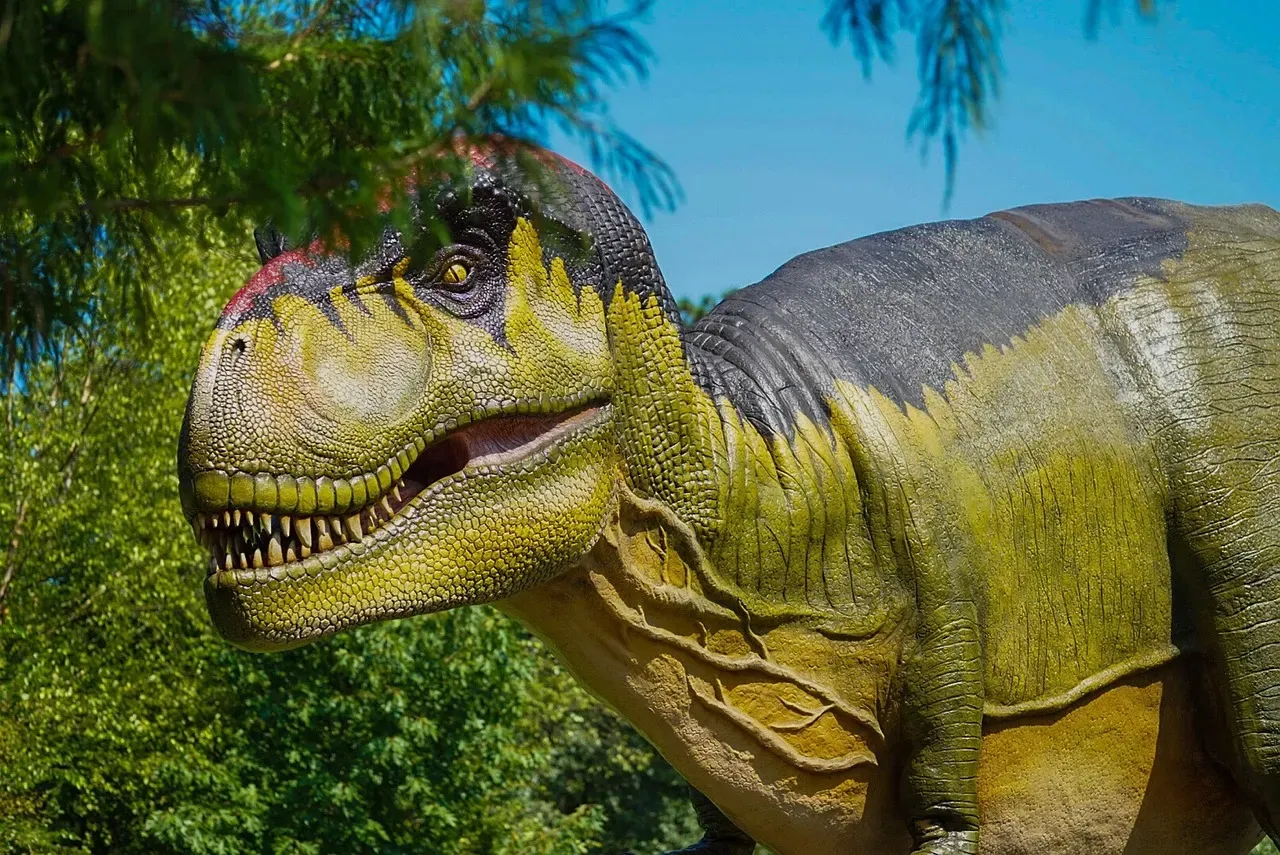
Here’s the thing most people don’t realize: the great “were dinosaurs warm-blooded or cold-blooded?” debate doesn’t actually have a single answer. Dinosaur metabolisms were diverse. Some lineages were cold-blooded like their lizard cousins, while others were warm-blooded like their avian relatives alive today. That’s a genuinely wild thought, because it means you can’t just label “dinosaurs” as one type. Think of it less like a single species and more like a continent full of wildly different countries, all sharing a name.
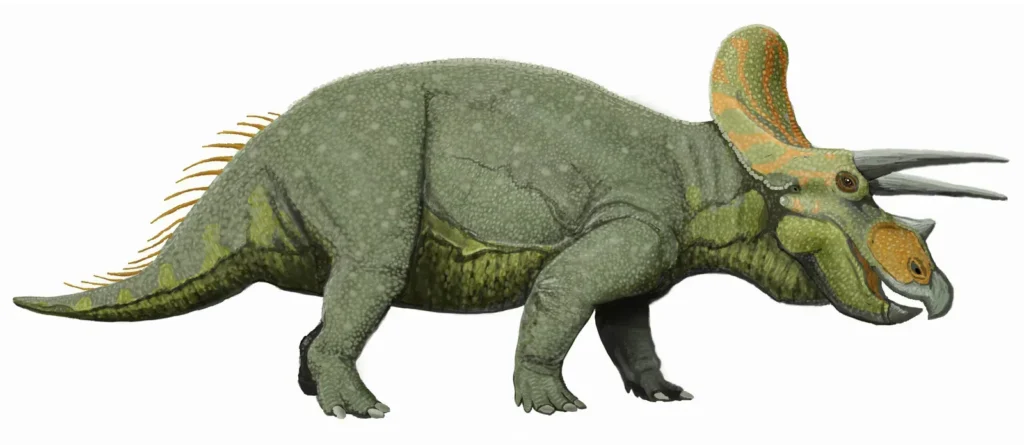
The lizard-hipped dinosaurs, including theropods and the sauropods like Velociraptor and T. rex, were warm- or even hot-blooded. Researchers were surprised to find that some of these dinosaurs weren’t just warm-blooded but had metabolic rates comparable to modern birds, much higher than mammals. Meanwhile, other dinosaurs like Triceratops, Stegosaurus, and Hadrosaurs were cold-blooded. So the next time you imagine T. rex as a sluggish lizard sitting in the sun, think again. It was burning energy at a rate that would put most modern animals to shame.
2. Dinosaurs Lived in Complex Social Herds Far Earlier Than We Thought
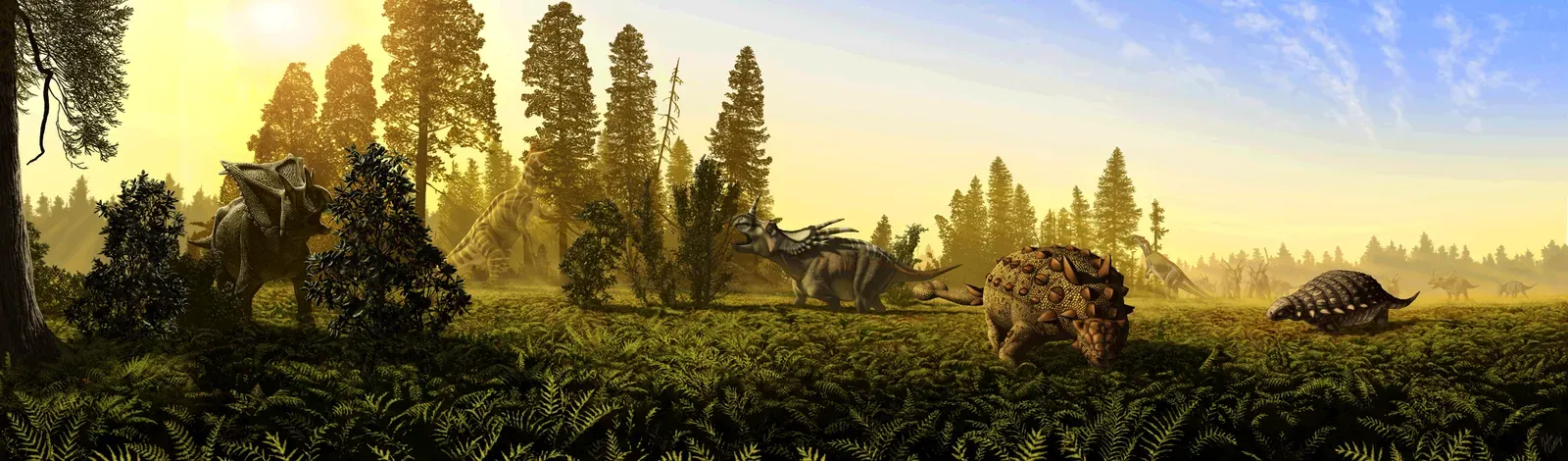
Honestly, this one genuinely surprised me when I first read about it. Researchers from MIT, Argentina, and South Africa detailed the discovery of an exceptionally preserved group of early dinosaurs showing signs of complex herd behavior as early as 193 million years ago, a full 40 million years earlier than other records of dinosaur herding. That’s not just herding in the loose sense. That’s structured, organized community living at a very early stage in dinosaur evolution.
The multiple Mussaurus aggregations in the Early Jurassic breeding ground of the Laguna Colorada Formation are interpreted as the oldest skeletal evidence of structured age-segregated gregariousness amongst dinosaurs, pre-dating by over 40 million years reports from Late Jurassic and Cretaceous neosauropods. Put simply, young dinosaurs hung out with other young dinosaurs, while the adults formed their own groups. Living in herds may have given Mussaurus and other social sauropodomorphs an evolutionary advantage. It’s almost like watching a very ancient version of a school cafeteria, with different age groups claiming their own tables.
3. Feathers Were Likely About Showing Off, Not Just Flying
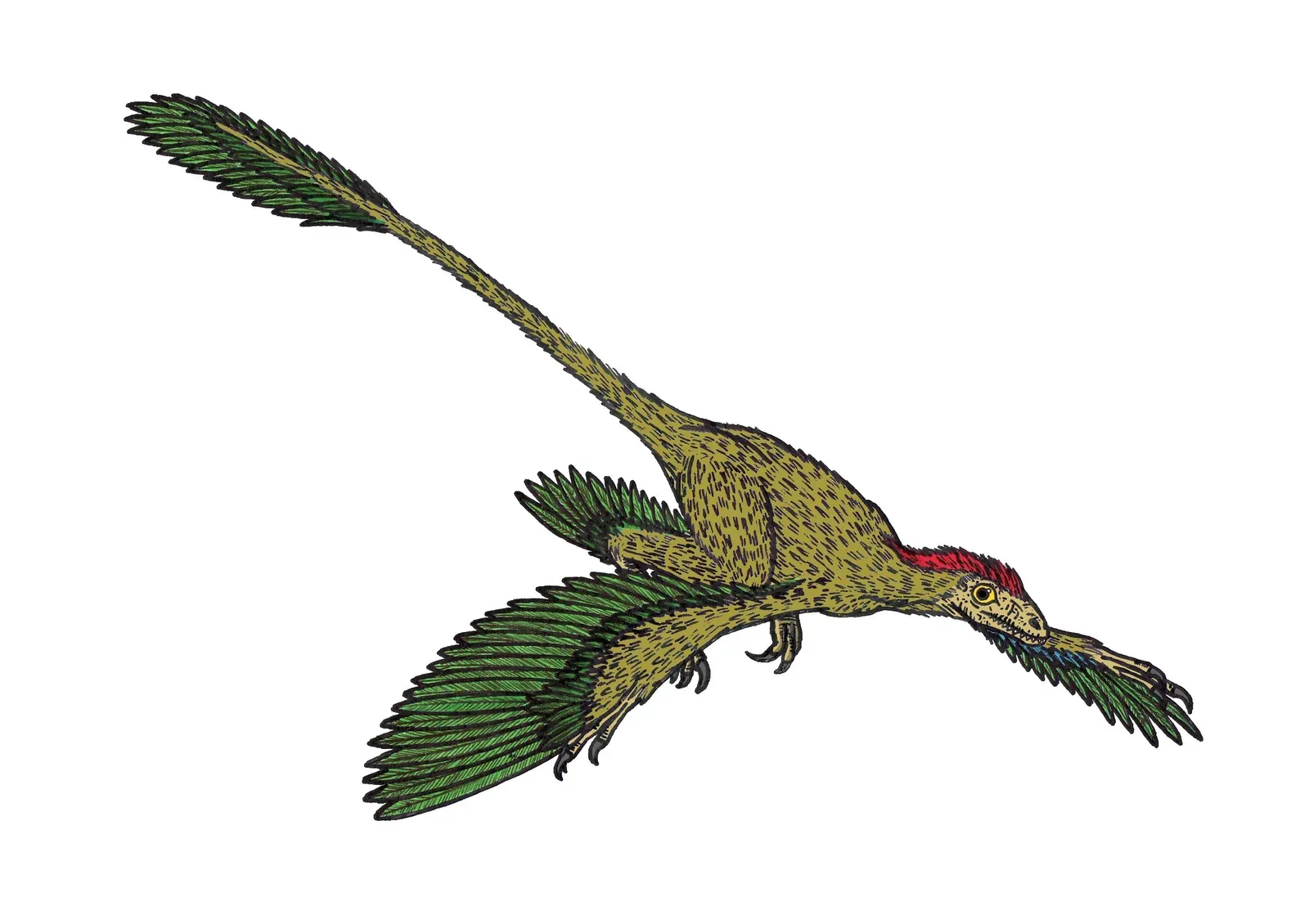
You already know that many dinosaurs had feathers. But here’s where it gets genuinely fascinating: feathers may have evolved primarily as a social and mating tool, not as a stepping stone to flight. Researchers postulate that these ancient reptiles had a highly developed ability to discern color, and their hypothesis is that the evolution of feathers made dinosaurs more colorful, which in turn had a profoundly positive impact on communication, the selection of mates, and on dinosaurs’ procreation. Think of it the way a peacock works today. The tail isn’t for flying, it’s for impressing.
A team of American and Chinese researchers revealed the detailed feather pattern and color of Microraptor, a pigeon-sized, four-winged dinosaur that lived about 120 million years ago. A new specimen shows the dinosaur had a glossy iridescent sheen and that its tail was narrow and adorned with a pair of streamer feathers, suggesting the importance of display in the early evolution of feathers. The research adds significant weight to the idea that dinosaurs first evolved feathers not for flight but for some other purposes, and that a color-patterning function, for example camouflage or display, must have had a key role in the early evolution of feathers in dinosaurs. In other words, dinosaurs were fashionable long before they were aerodynamic.
4. Dinosaurs Used Color Patterns to Communicate With Each Other
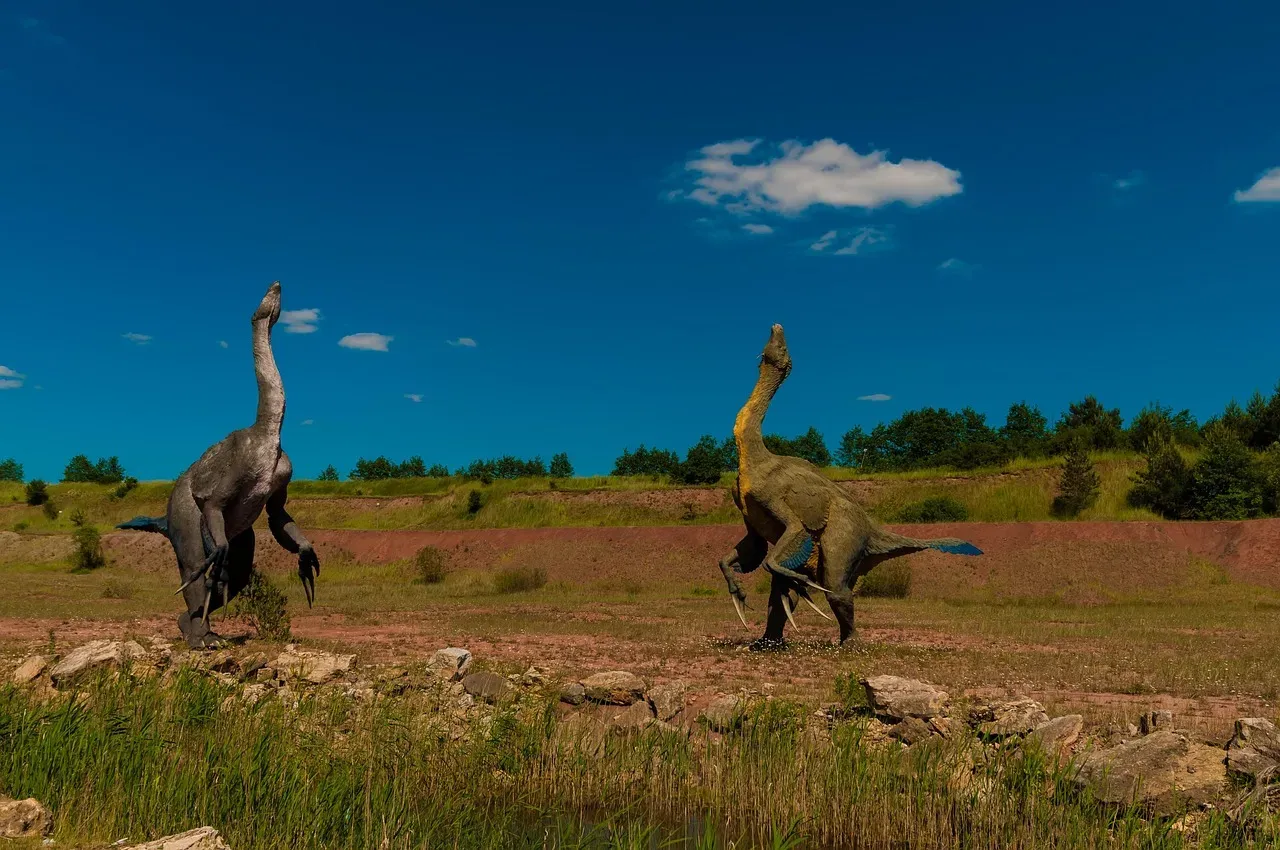
The goal of figuring out the true color of dinosaur feathers goes beyond achieving better paleo-art. Colors could offer a rare glimpse into the behavior of long-gone creatures, and body color could yield unique insights into how ancient animals communicated with each other, and how the communication strategies used by modern animals have evolved. You might not have thought of a Velociraptor as a communicative, visually expressive animal, but science is now pointing firmly in that direction.
The bold and complex plumage pigment patterns of Anchiornis were obviously used as sexual or social signals. Thus, the evolution of aesthetic plumage ornaments originated not within birds but way back in terrestrial theropod dinosaurs. Archosaurs and other diapsids are profoundly visual animals, using many types of visual displays including static ones like colors or crests, and moving ones like dances and headbobs. Almost certainly, extinct dinosaurs would have done the same. It really does reframe how you picture a dinosaur interacting with its world.
5. Some Dinosaurs Were Strutting and Scraping the Ground to Attract Mates
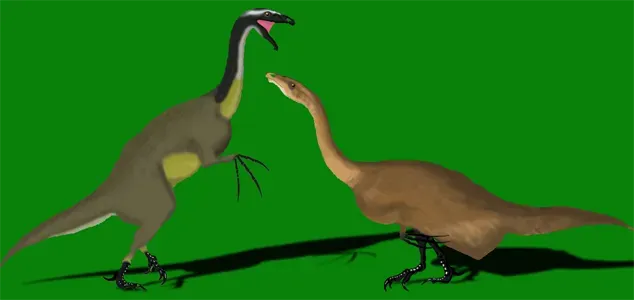
I know it sounds crazy, but there is actual fossil evidence suggesting some dinosaurs performed elaborate mating rituals on the ground, not unlike modern birds. Researchers reported the discovery of new mating display scrapes of theropods from the Cenomanian strata of the Dakota Sandstone at Dinosaur Ridge in Colorado, and interpret the site as likely to be a lek site. A lek site, for context, is a gathering place where animals congregate specifically to show off and compete for mates. Think of it as the prehistoric equivalent of a nightclub, just with more teeth.
This changes the image of large theropod dinosaurs dramatically. Instead of purely solitary hunters stalking prey, some of them were gathering in groups and performing competitive displays. Archosaurs are very expressive: both birds and crocodilians have large repertoires of calls and signals, and almost assuredly non-avian dinosaurs did the same. So add sound, movement, and color all together, and you get a picture of dinosaur courtship that is honestly quite spectacular to imagine.
6. Sauropod Dinosaurs Had Complex Color Patterns, Not Just Plain Gray Skin
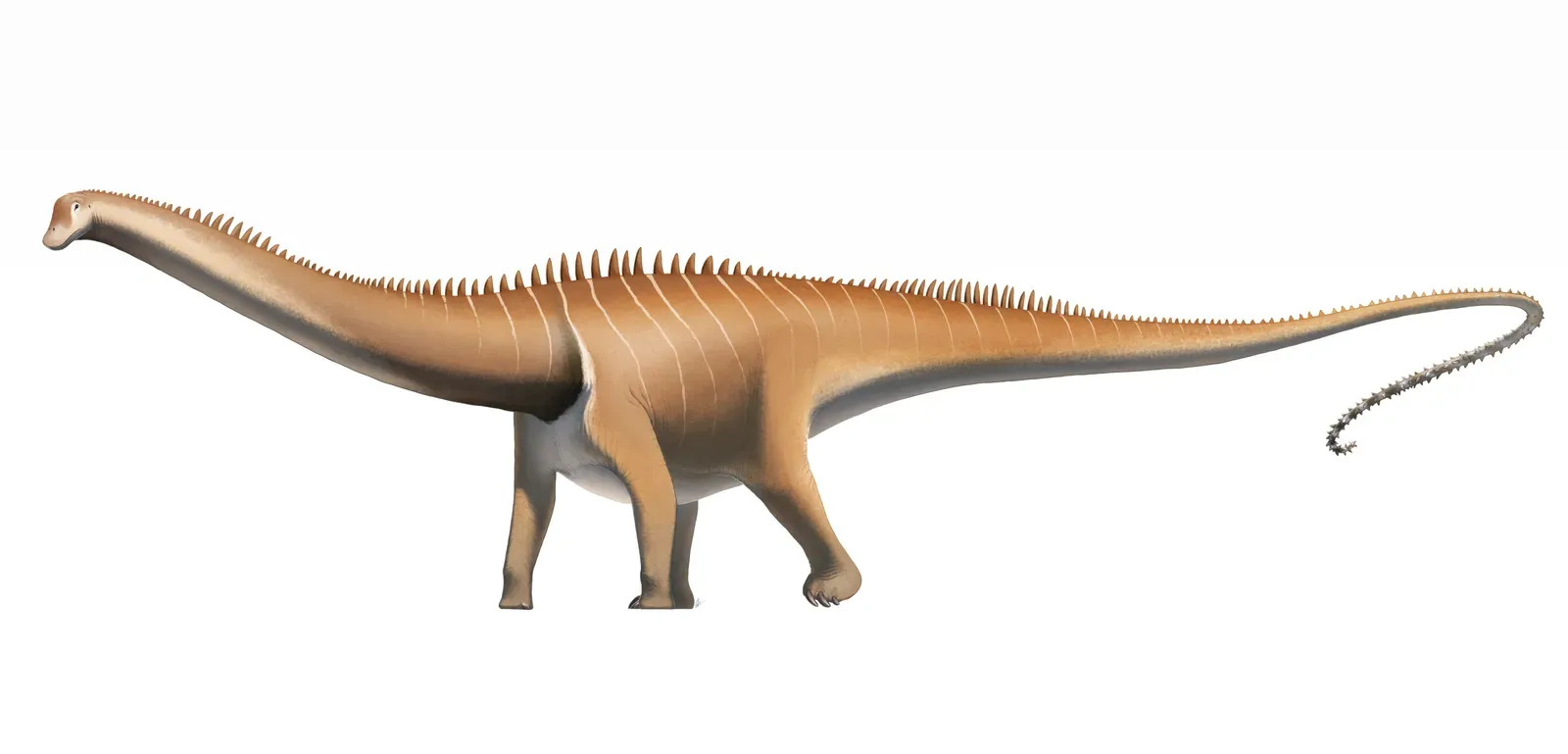
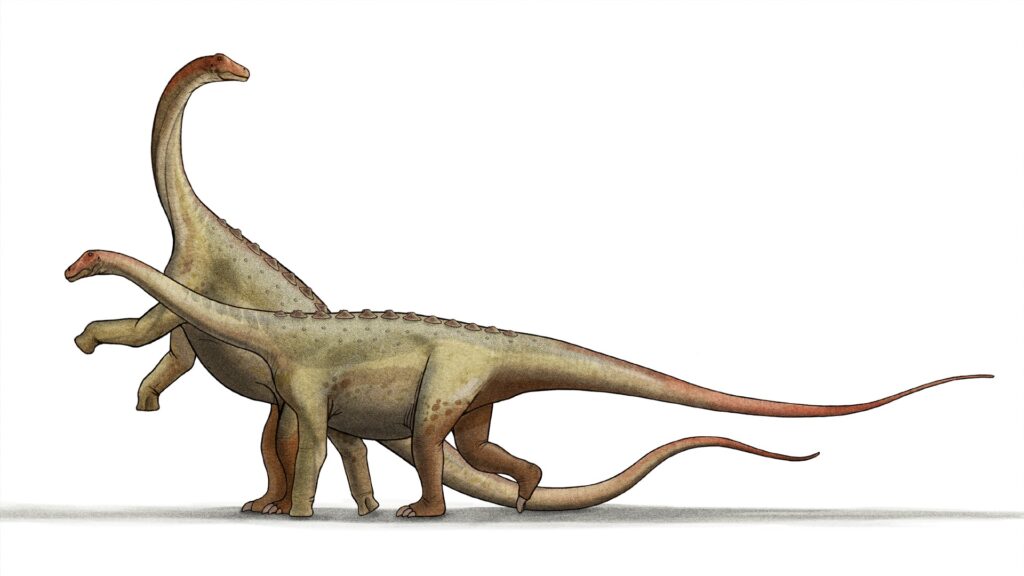
The classic mental image of a giant long-necked sauropod is a massive dull-gray creature stomping through a swamp. That picture may need a serious update. Microscopic clues found in fossil Diplodocus skin indicate these dinosaurs were colorful. Some other dinosaur fossils with melanosomes preserved in their scales or feathers have been reconstructed in color, and while researchers were reluctant to fully reconstruct the coloring of the juvenile Diplodocus the skin came from, they detected that the dinosaur would have had conspicuous patterns across its scales. The finding suggests sauropod dinosaurs were not uniformly gray or brown, but had complex color patterns like other dinosaurs, birds, and reptiles.
This is the kind of discovery that completely rewires your brain when you think about these animals. A Diplodocus walking through a Jurassic landscape potentially with patterned, expressive skin colors is a completely different beast from the gray lumbering giant of old textbook illustrations. New fossils, reanalyses of famous specimens, and the use of increasingly sophisticated tools have continued to upend what we thought we knew about how these animals lived, moved, fed, and evolved. It’s hard to say for sure just how colorful they truly were, but the evidence is adding up fast.
7. The Spinosaurus Was a Semi-Aquatic Hunter, Not Just a Land Predator
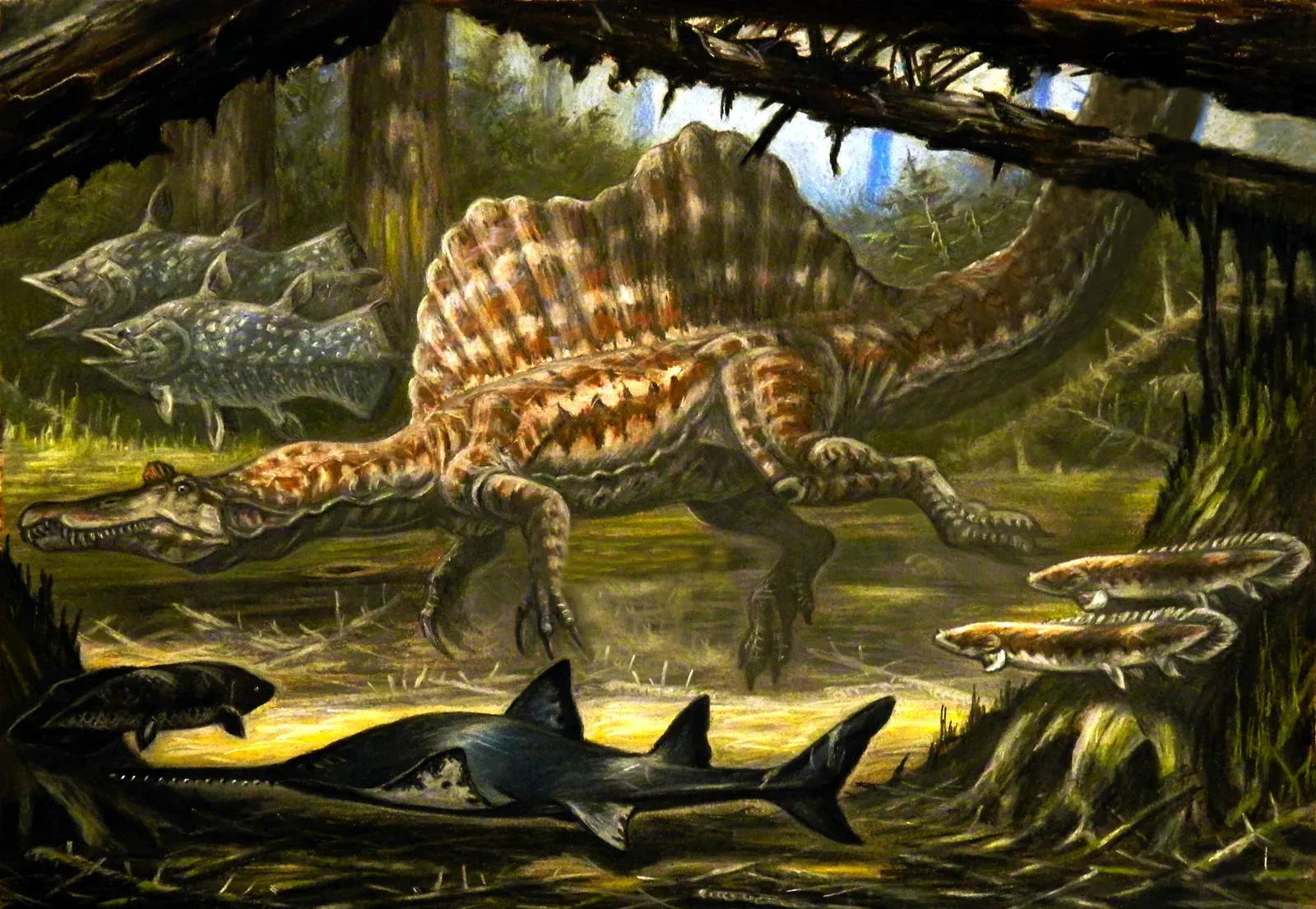
For years, controversy has swirled around how a Cretaceous-era, sail-backed dinosaur, the giant Spinosaurus aegyptiacus, hunted its prey. Spinosaurus was among the largest predators ever to prowl the Earth and one of the most adapted to water, but was it an aquatic denizen of the seas, diving deep to chase down its meals, or a semiaquatic wader that snatched prey from the shallows close to shore? This debate has produced some of the most passionate arguments in modern paleontology.
When detailed descriptions of a nearly complete specimen of Spinosaurus were first published in Science in 2014, a research team pitched it as the first truly semiaquatic dinosaur, with muscular hind legs and webbed feet used for paddling and a flexible, undulating tail. Later in 2020, an international group of researchers countered that description with a study in Nature, using its newly discovered, tall-spined tail bones to further support the theory that it propelled itself like an eel to hunt underwater. The debate still rages, but one thing is clear: Spinosaurus was doing something in the water that no other large theropod was doing. That alone is enough to make you completely rethink what “dinosaur behavior” can mean.
8. Baby Dinosaurs Were Central to the Mesozoic Ecosystem
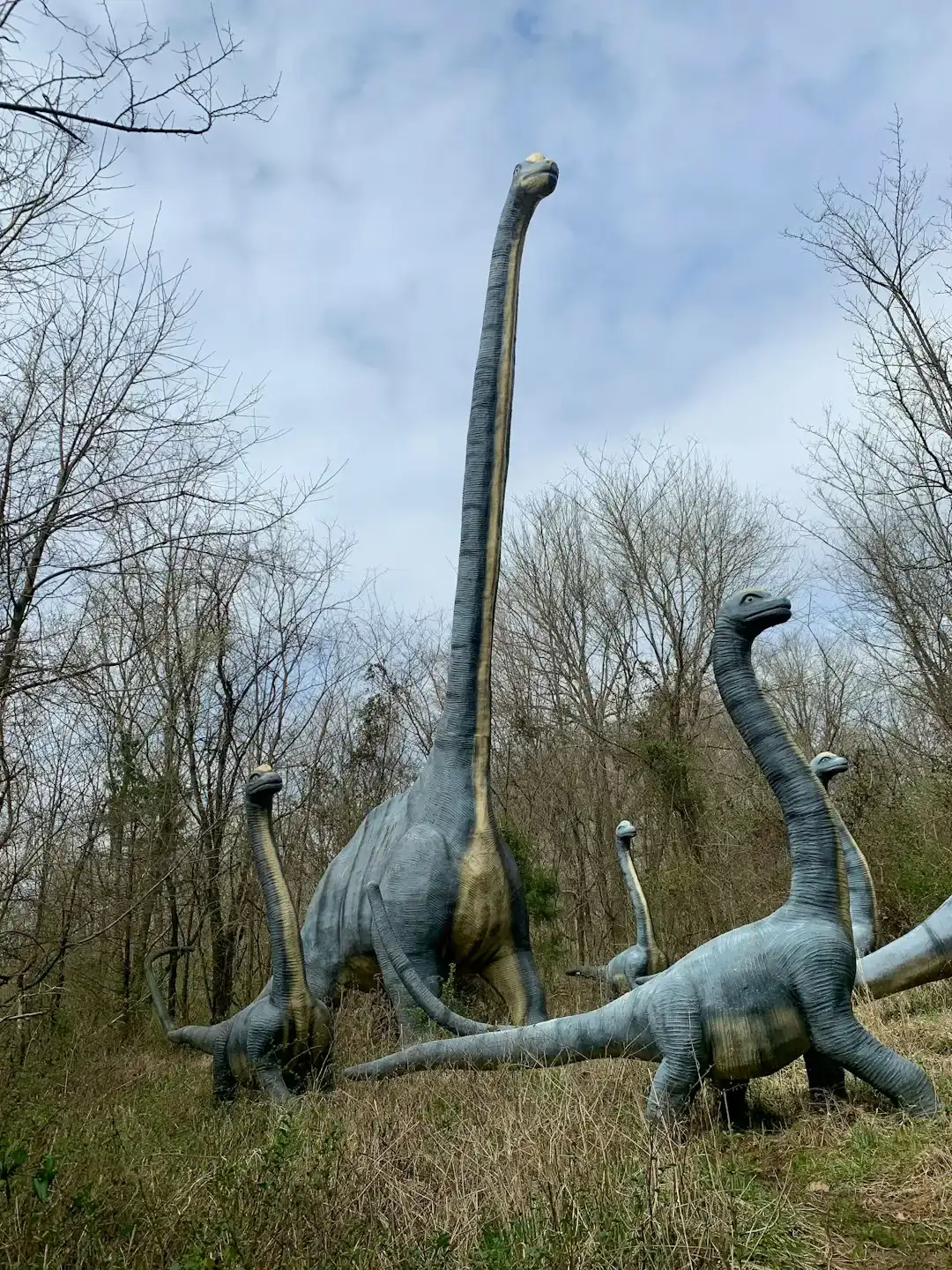
Here is a theory that might genuinely shift your perspective on how dinosaur ecosystems functioned. Young dinosaurs weren’t just miniature versions of their parents wandering around waiting to grow up. They were ecologically significant players in their own right. Researchers argue that, because of ontogenetic niche shifts during the life of non-avian dinosaurs, the functional richness of their communities might have exceeded the functional richness of Cenozoic mammalian communities. In simpler terms: young dinosaurs filled ecological roles that were completely different from adults, making the overall system far richer.
The age and the distribution of bones from Hypacrosaurus studies indicate that the dinosaurs stayed in juvenile herds until they were about 4 years old, at which time they joined multigenerational herds. Paleontologists know that dinosaurs reached sexual maturity and began reproducing before they reached their full adult size, and so the 4-year-old Hypacrosaurus might have been joining the multigenerational herds as they began breeding. It’s a layered social system, almost like the life stages of elephants or primates. The more you look, the more sophisticated it gets.
9. Dinosaurs Were Still Thriving and Diversifying Right Before the Asteroid Hit
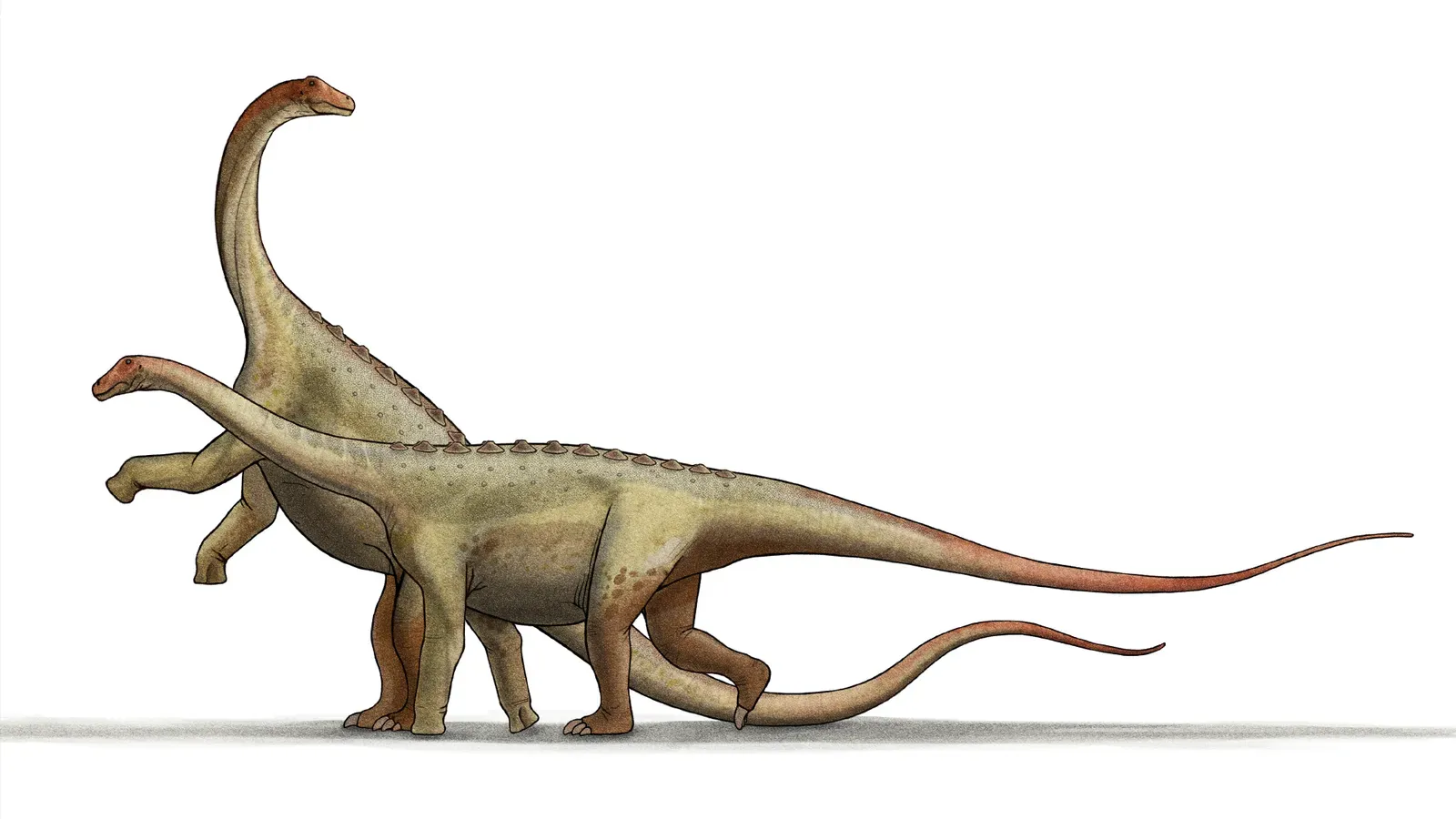
For a long time, the dominant scientific story was that dinosaurs were already in decline when the asteroid struck 66 million years ago. That story is now looking very shaky. Dinosaurs might not have been on the verge of extinction before an asteroid wiped them out. New research led by scientists at University College London challenges the idea that dinosaur species gradually declined. Instead of a real drop in biodiversity, the study suggests that gaps in the fossil record might better explain this lack of specimens. These findings question a decades-old assumption that dinosaurs were dwindling even before the catastrophic impact that ended the Cretaceous period.
A Science study reported in October found that an array of dinosaurs in New Mexico lived within 400,000 years of the asteroid impact. Paleontologists examined that dinosaur community and found it was made up of different species and even different dinosaur groups than equivalent communities found to the north in Montana, Colorado, and other locales. Not only does this suggest dinosaurs were spinning off new species right until the end, but the identification of several distinct dinosaur communities on the same continent hints that undiscovered dinosaurs may still be lying in rocks that date to just before the mass extinction. They weren’t going quietly. They were still building, still evolving, still very much in charge.
10. Raptor-Like Dinosaurs Were Flapping Their Wings While Running
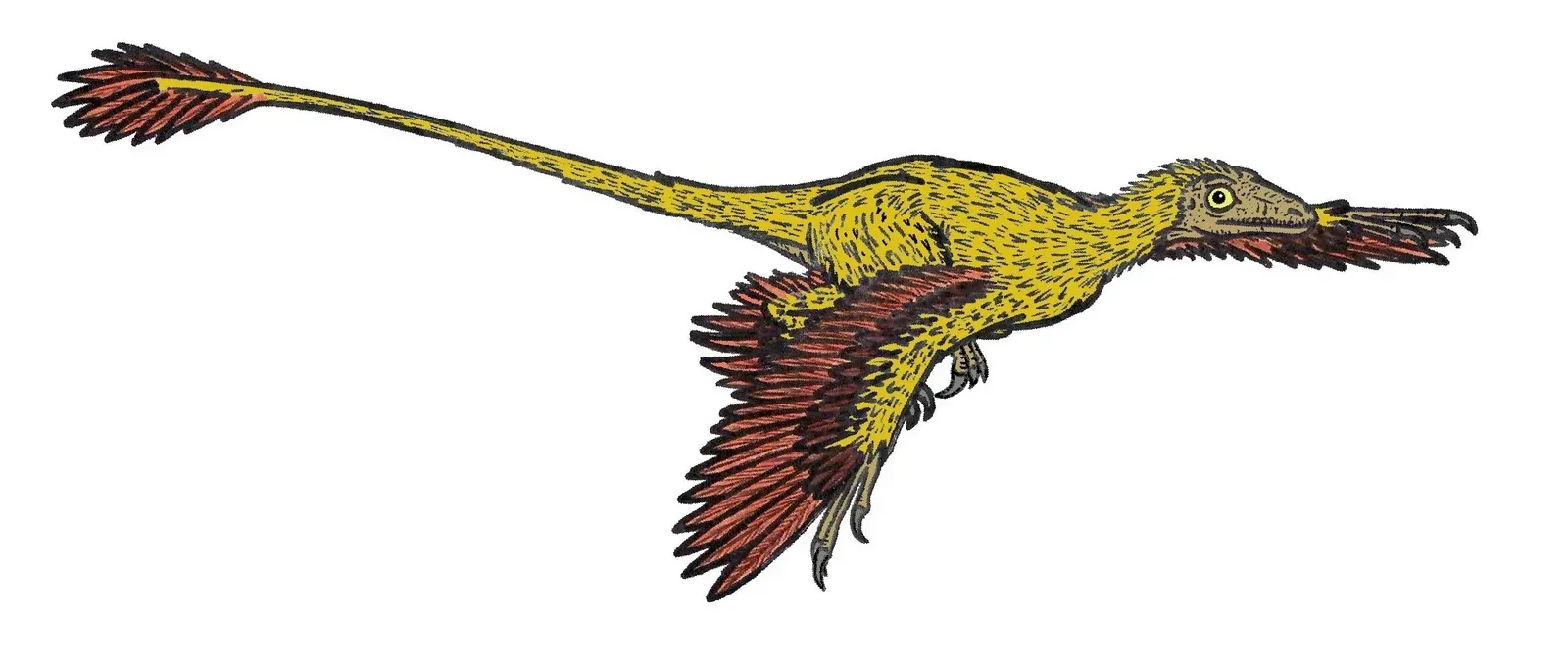
You might picture a Velociraptor-style dinosaur as a fast, ground-based predator. The latest fossil evidence, though, suggests some small feathered dinosaurs were doing something far weirder when they moved at speed. Paleontologists described a trackway made by a dinosaur that was flapping as it ran. Detailed in the Proceedings of the National Academy of Sciences, the Cretaceous trackway was made by a two-toed dinosaur like Microraptor. The spacing between the tracks indicates the dinosaur was moving at high speed, but seemed to be moving even faster than expected if propelling itself with legs alone. The little raptor was likely flapping as it kicked with its feet, even though experts aren’t sure if the dinosaur was trying to take off, land, run up an incline, or something else.
The tracks indicate that flapping wings could be as important to running as long, strong legs. Think about that for a moment. We’re not talking about flying. We’re talking about a creature using wing-like structures as a kind of turbo boost for high-speed ground movement. Dinosaur tracks are fossilized behavior. Each footstep represents an actual moment in the dinosaur’s life, affected by how it was moving. Every single footprint buried in ancient stone is a moment frozen in time, and some of those moments tell stories that are genuinely stranger than fiction.
Conclusion
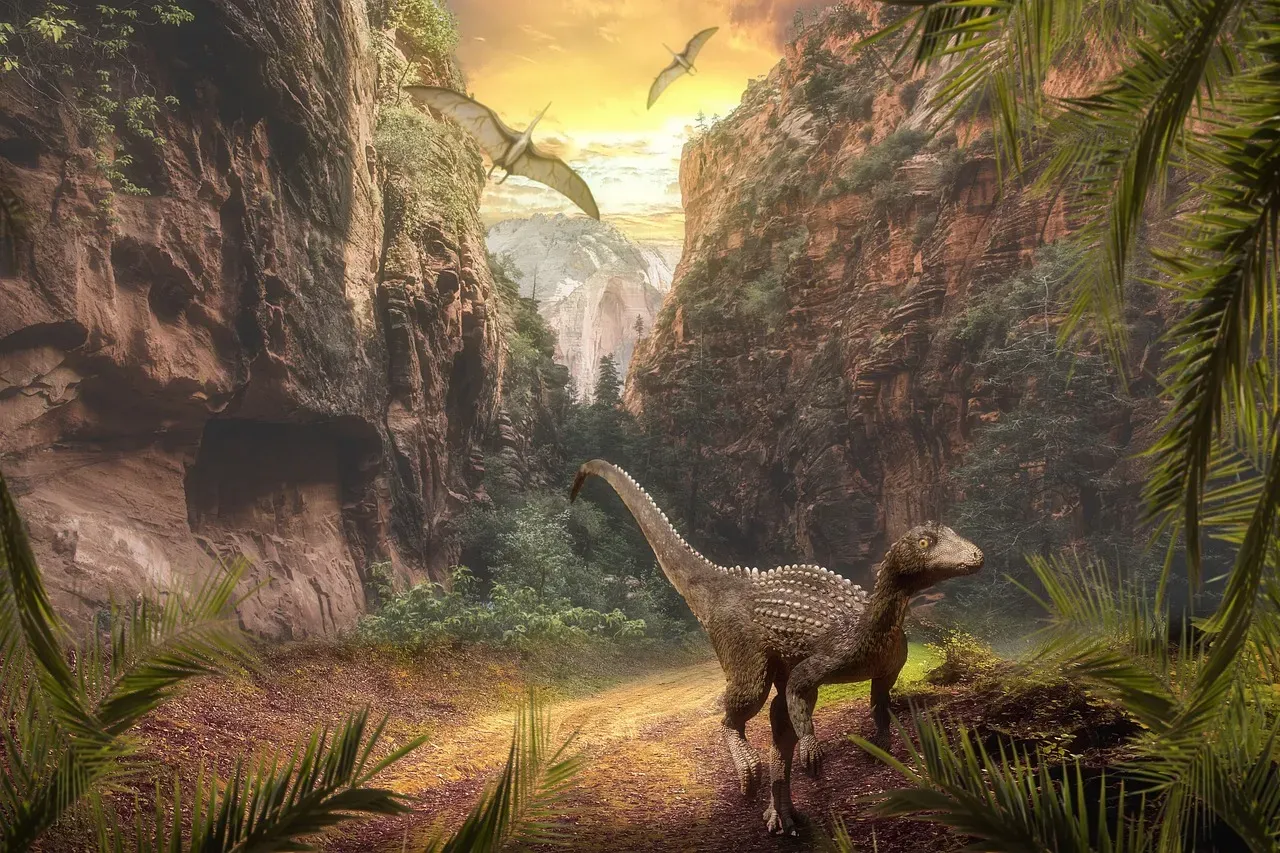
What these ten theories collectively reveal is something profound: dinosaurs were not the simple, lumbering creatures of old monster movies. They were warm or cold-blooded depending on their lineage, colorful, communicative, socially complex, and behaviorally inventive in ways that science is still uncovering. Our understanding of dinosaur behavior has long been hampered by the inevitable lack of evidence from animals that went extinct more than sixty-five million years ago. Today, with the discovery of new specimens and the development of new and cutting-edge techniques, paleontologists are making major advances in reconstructing how dinosaurs lived and acted.
Every fossil found, every trackway studied, every microscopic melanosome analyzed adds another brushstroke to a portrait that looks increasingly vivid and alive. The science keeps reminding us that paleontology is not about dusting off the past, but opening new windows for us to peer into it. The real question isn’t whether these theories will change how you see dinosaurs. It’s whether you were ever truly seeing them clearly to begin with. What theory surprised you the most? Drop your thoughts in the comments below.