Most people picture dinosaurs as scaly, cold-blooded reptiles lumbering through a grey prehistoric world. That image, it turns out, is spectacularly wrong. The story of feathered dinosaurs is one of the most jaw-dropping plot twists in the history of science, and it has reshaped everything we thought we knew about what these ancient animals looked, felt, and behaved like.
From rust-red, raccoon-masked hunters to iridescent four-winged gliders, the truth about dinosaur feathers is stranger, more beautiful, and more complex than any movie franchise ever dared to show. You might think you know the basics, but science keeps pulling back the curtain on revelations that leave even seasoned paleontologists stunned. Let’s dive in.
Feathers Likely Did NOT Evolve for Flight – At All
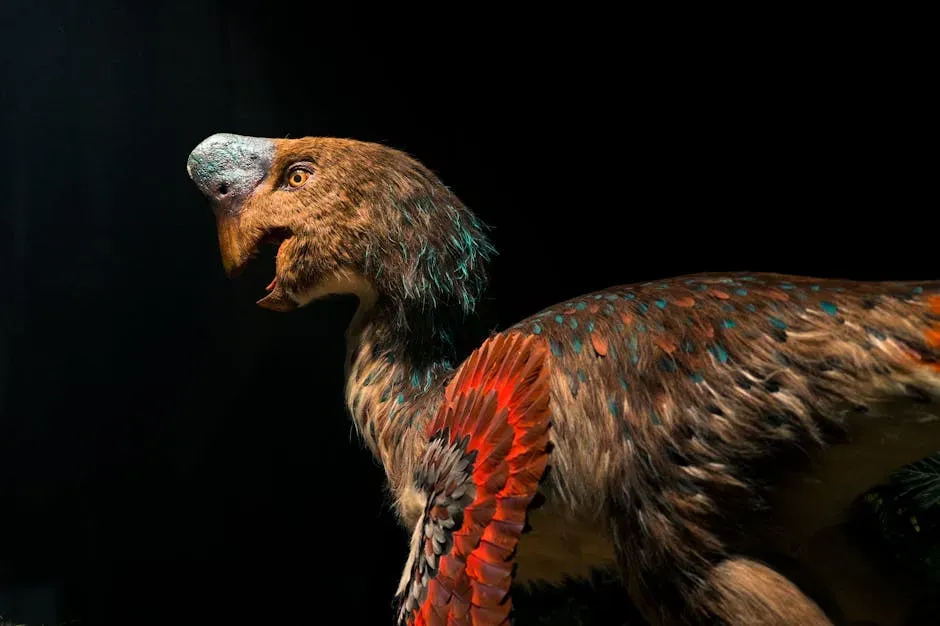
Here’s the thing that catches almost everyone off guard: feathers almost certainly did not start out as tools for flying. The leading scientific hypothesis is that the earliest feathers evolved for thermoregulation – basically to help keep animals warm – and those first feathers didn’t look anything like a modern feather. They looked more like hair.
Those first feathers had nothing to do with flight – they probably helped dinosaurs show off, hide, or stay warm. Scientists think they likely began as simple tufts, or so-called “dino fuzz,” and then gradually developed into interlocking structures capable of supporting flight. Think of it like the evolution of the smartphone – the first version was wildly basic compared to what it eventually became.
It’s only as you get closer to the dinosaurs that are closely related to birds that you see more and more complex feather shapes evolving, and it was only with the evolution of the modern-type feather that feathers started to become used for flight. The wing came last, not first.
The First Feathers Were Simple Hollow Tubes – Nothing More
Feather structures are thought to have proceeded from simple hollow filaments through several stages of increasing complexity, ending with the large, deeply rooted feathers with strong rachis, barbs, and barbules that birds display today. That journey took tens of millions of years. It’s honestly mind-bending when you think about it – a hollow strand of keratin slowly, generation by generation, transforming into a wing feather.
The precursors of bird feathers were simple, straight, dense, filamentous structures made mostly of keratin. These eventually evolved into branched, then downy, structures in several stalked forms that soon disappeared. Over time, this branched condition resolved itself into a central stalk with vanes on either side, and these vanes later evolved into barbs. Each stage built on the last, like upgrades in a long software release cycle.
Feathers May Be Even Older Than the Dinosaurs Themselves
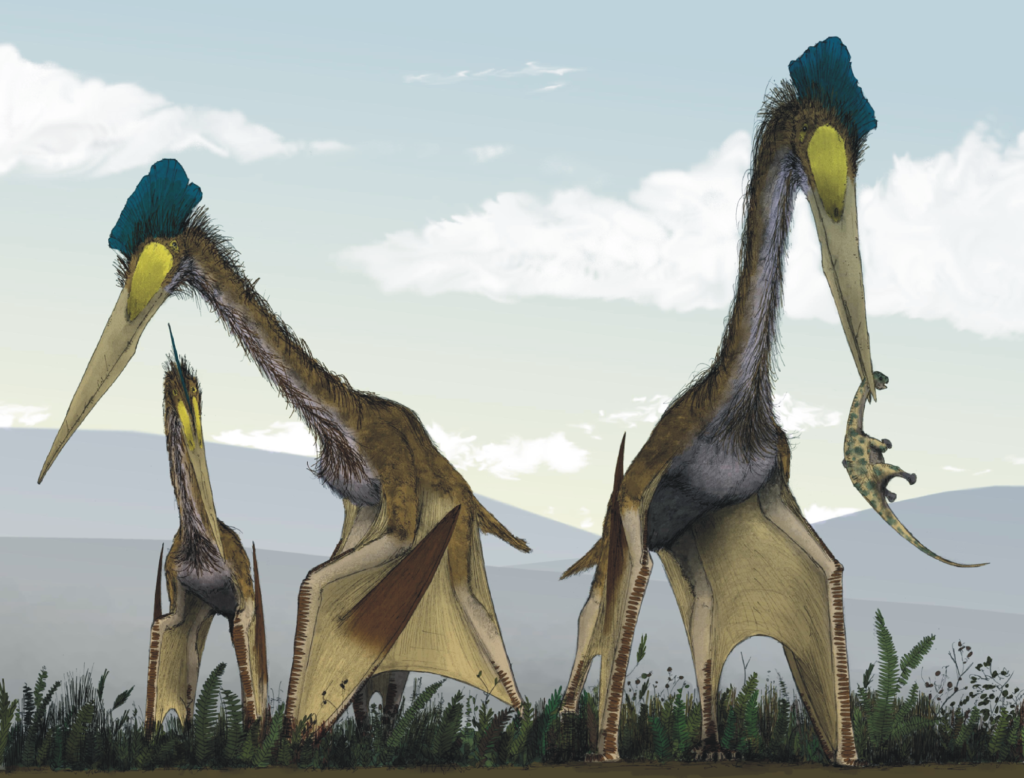
This one genuinely rattled the scientific community. The pterosaurs, a closely related but separate group of archosaurs, also had feathers. A study of pterosaur fossils published in 2019 described the presence of branching featherlike structures called pycnofibres in pterosaur fossils dating to about 160 million years ago. These feathers appeared in tufts and were not simple and straight, suggesting that the origin of feathers predated both pterosaurs and dinosaurs, occurring in a common ancestor some 250 million years old or older.
Researchers suggested that all of these structures may have been inherited from a common ancestor much earlier in the evolution of archosaurs, possibly in an ornithodire from the Middle Triassic or earlier. In other words, feathers may be an ancient inheritance, not a dinosaur innovation. That reframes the entire story of where feathers come from.
Dinosaurs Were Walking Around With Both Scales AND Feathers at the Same Time
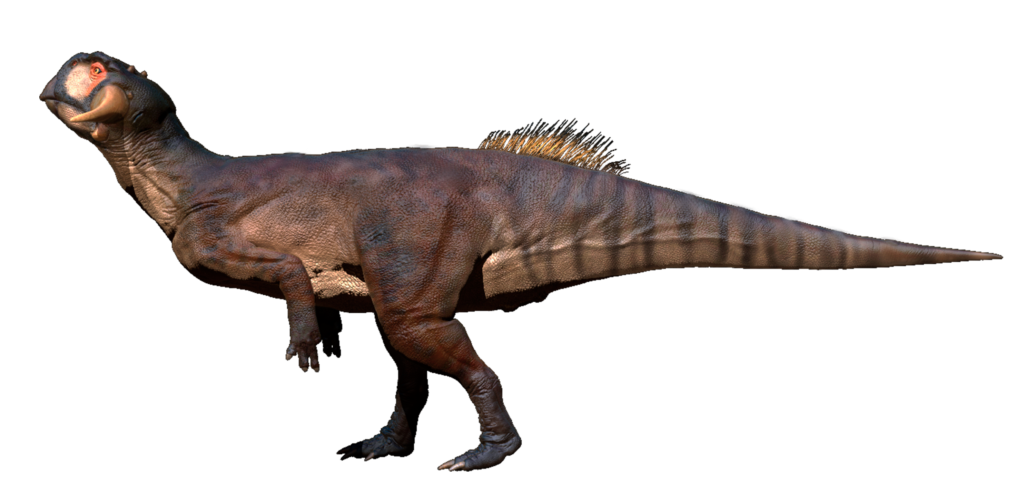
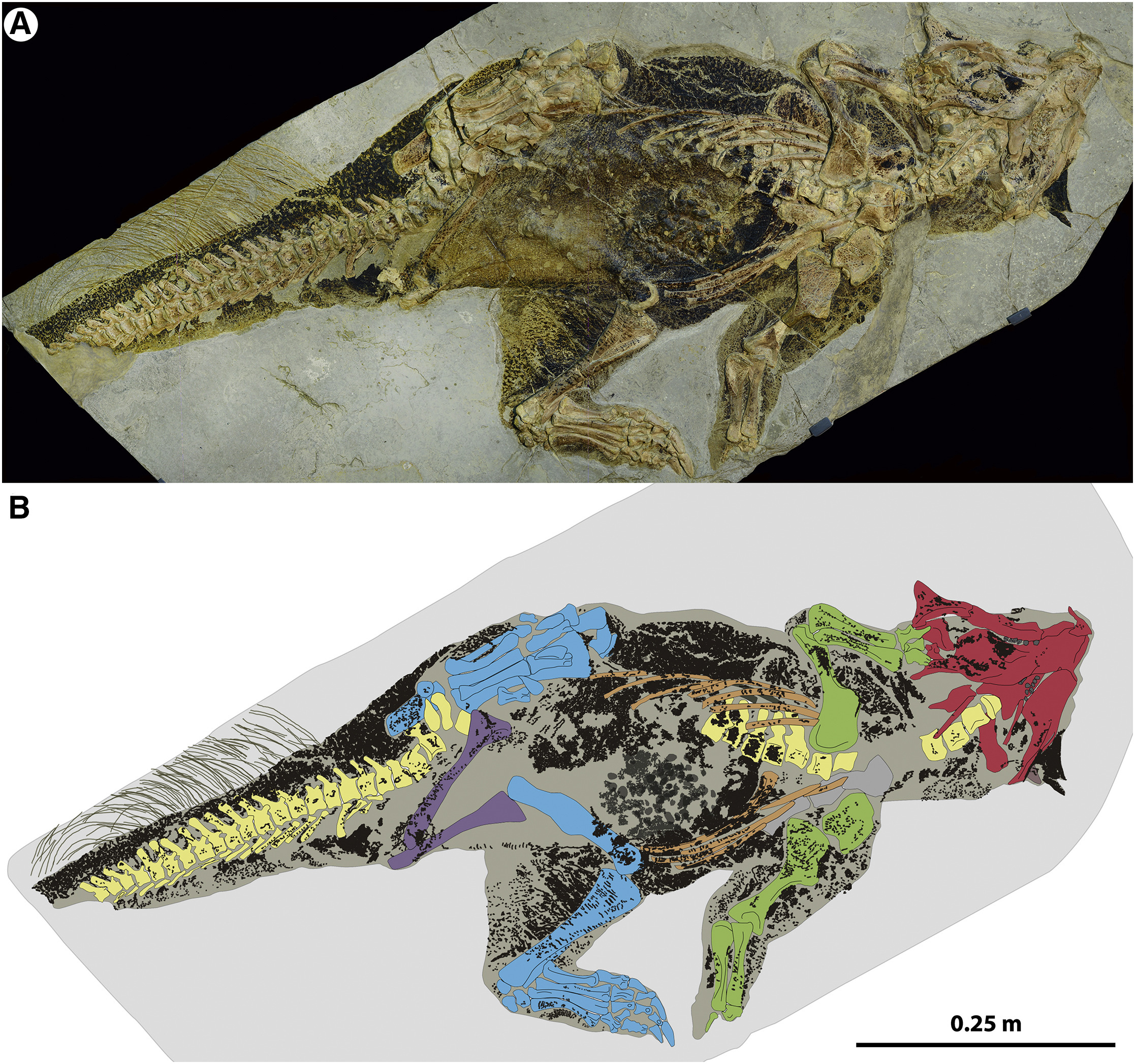
I know it sounds a little crazy, but here’s what scientists at University College Cork discovered: paleontologists discovered that some feathered dinosaurs had scaly skin like reptiles today. They studied a new specimen of the feathered dinosaur Psittacosaurus from the early Cretaceous (135–120 million years ago), and the study showed, for the first time, that Psittacosaurus had reptile-like skin in areas where it didn’t have feathers.
Their discovery suggests that soft, bird-like skin initially developed only in feathered regions of the body, while the rest of the skin was still scaly, like in modern reptiles. This zoned development would have maintained essential skin functions such as protection against abrasion, dehydration, and parasites, meaning the first dinosaur to experiment with feathers could survive and pass down the genes for feathers to their offspring. Think of it as a patchwork coat – half lizard, half bird, all fascinating.
Scientists Can Now Actually Determine the Colors of Dinosaur Feathers
This is where things get genuinely spectacular. With the imaging power of scanning electron microscopes, paleontologists recently started analyzing the shape of melanosomes in well-preserved fossilized feather imprints. By comparing these patterns to those in living birds, scientists can infer the color of dinosaurs that lived many millions of years ago, and iridescence arises when the melanosomes are organized in stacked layers.
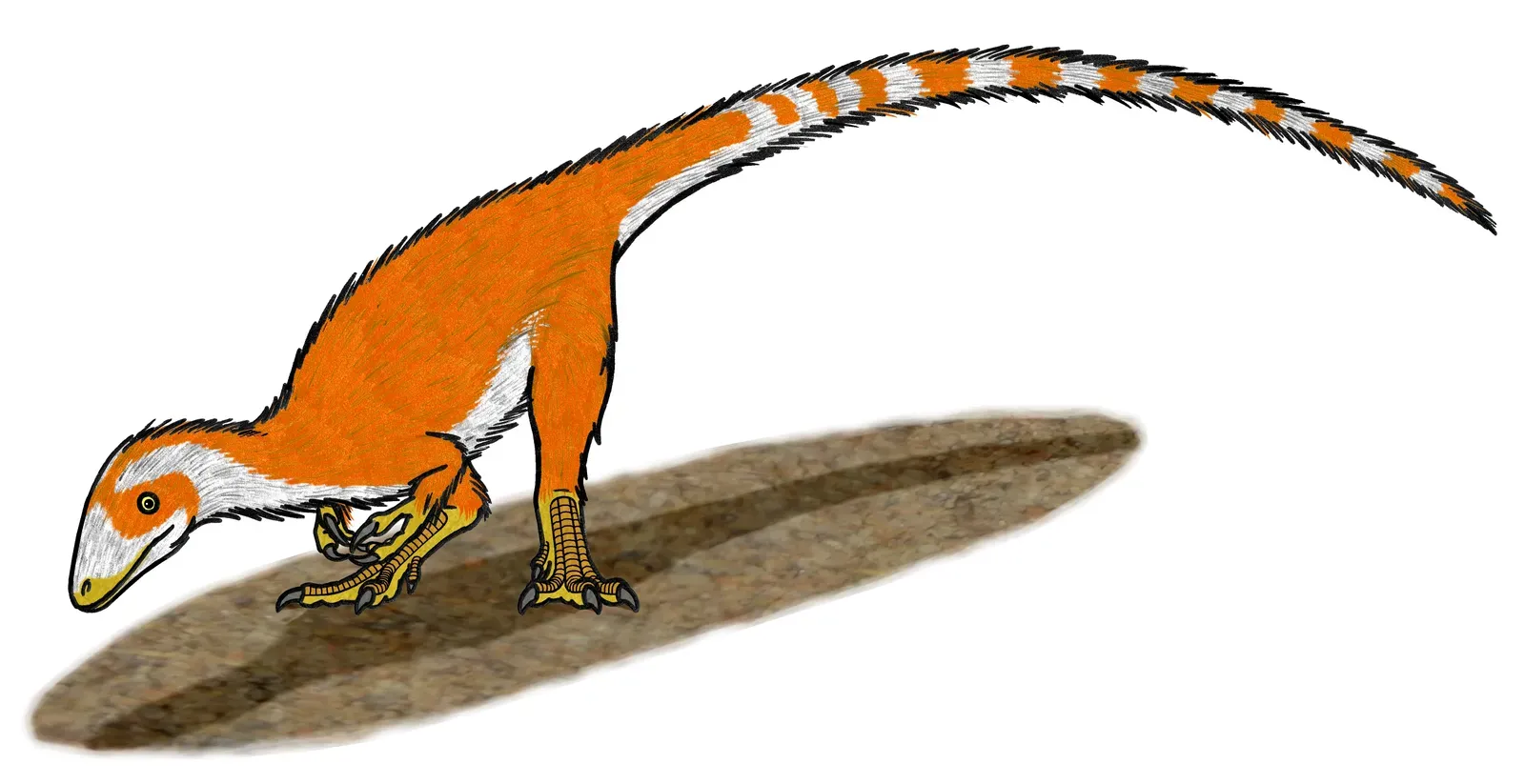
Sinosauropteryx is also famous as the first dinosaur whose body color has been scientifically reconstructed. A 2010 study suggested that its tail had a striped pattern of reddish-brown and white based on the analysis of pigment cells called melanosomes preserved in the feather impressions. It had a countershading color pattern with a dark back that gradually lightened towards the belly, plus a “bandit mask” pattern of dark feathers around its eyes – similar to raccoons. Not so dull and grey after all.
The Velociraptor You Know From Movies Was Deeply, Magnificently Wrong
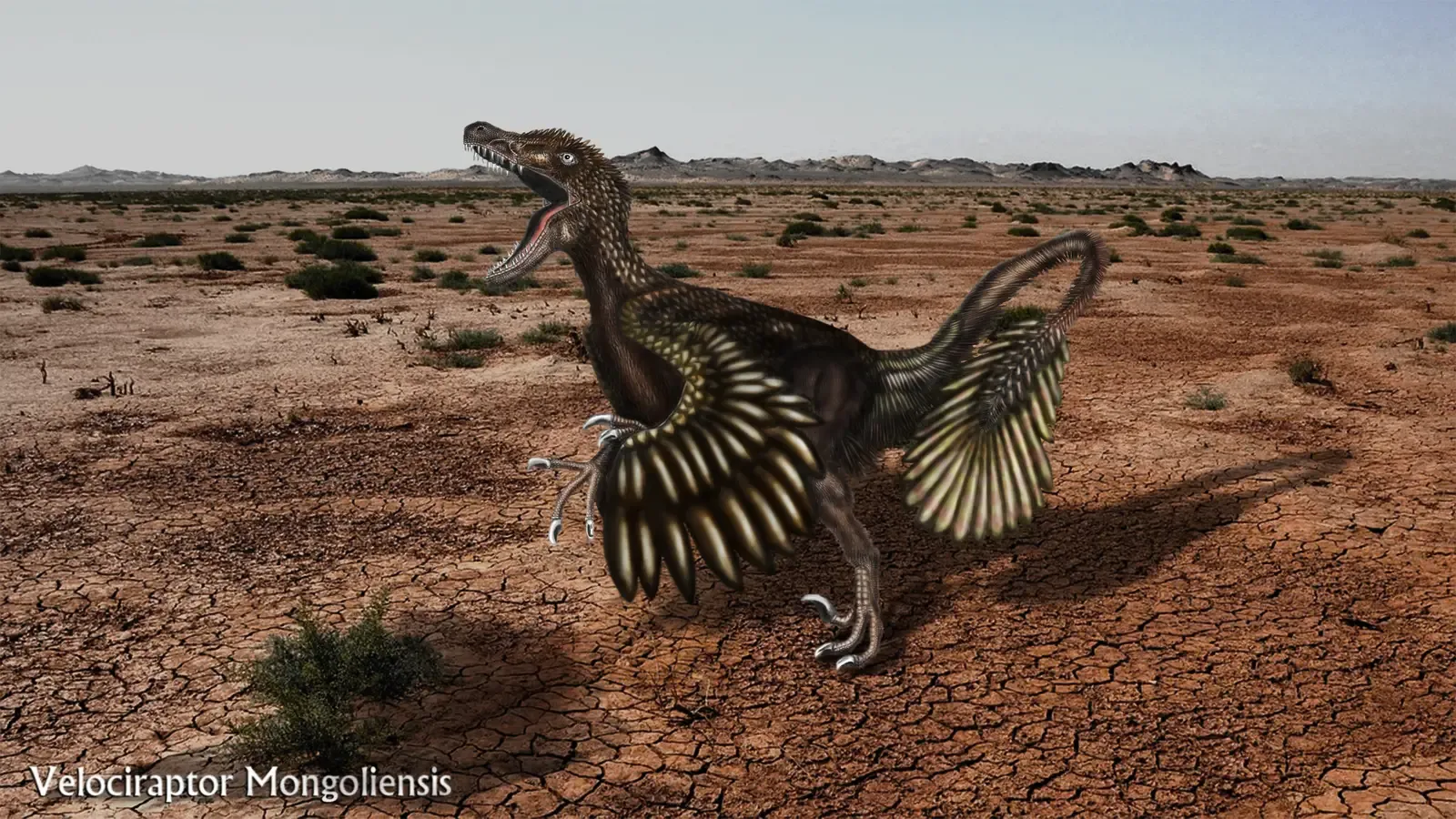
Hollywood owes paleontology a serious apology. In 2007, a study published in the journal Science found that a Velociraptor mongoliensis fossil had quill knobs – bumps along its forearm that anchor feather quills to the bone and are common in modern birds. The scaly, lizard-like raptor of cinematic fame? A complete fiction.
Scientists found evidence of six quill knobs – locations where feathers are anchored to bone – on the forearm of a Velociraptor fossil unearthed in Mongolia. They found clear indications of quill knobs, places where the quills of secondary feathers, the flight or wing feathers of modern birds, were anchored to the bone with ligaments. In Velociraptor, the feathers may have been useful for display, to shield nests, for temperature control, or to help it maneuver while running. Frankly, that sounds far more interesting than a scaly monster.
A Giant Feathered Tyrannosaur Existed – And It Was Enormous
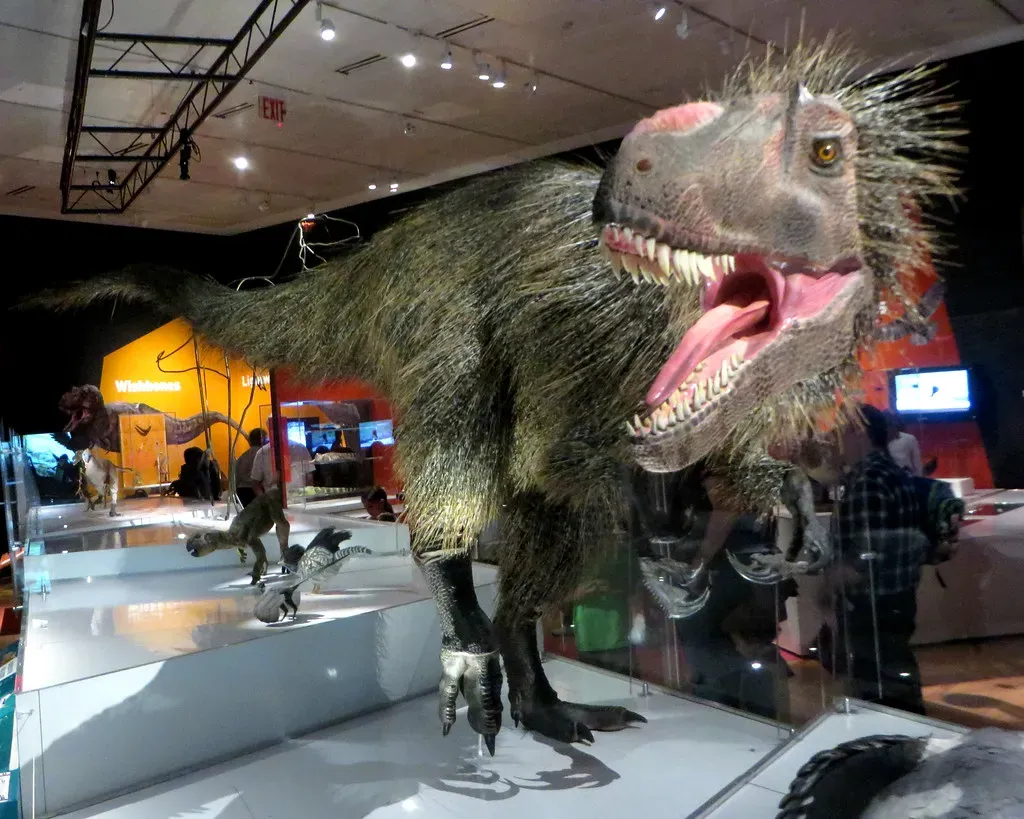
Paleontologists found feathers and related structures on many dinosaurs that never would have flapped into the air, like the 30-foot-long Yutyrannus. Among these flightless dinosaurs, plumage had a variety of other functions – from keeping warm to camouflage. Yutyrannus wasn’t just big. It was terrifyingly big – and fluffy.
Yutyrannus huali weighed 1.5 tons and was a fearsome predator like its cousin T. rex. It also sported a shaggy coat of the filaments called “proto-feathers.” Scientists believe that the feathers may have provided insulation against the colder climes of the period or may have been used as display plumage. A one-and-a-half-ton predator in a feathery coat is, honestly, more unsettling than a scaly one.
Some Dinosaurs Had Four Wings – and Science Still Debates What They Did With Them
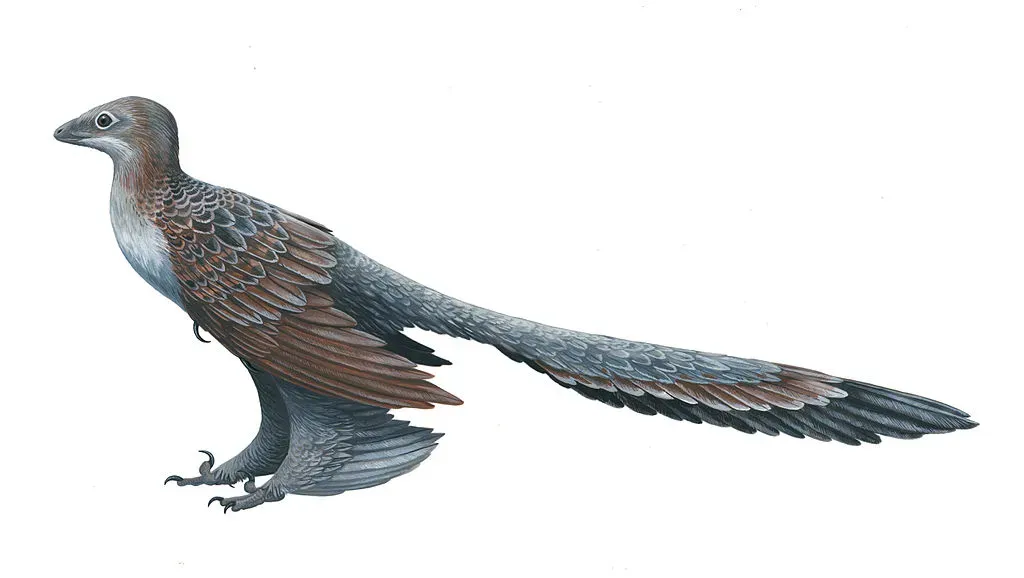
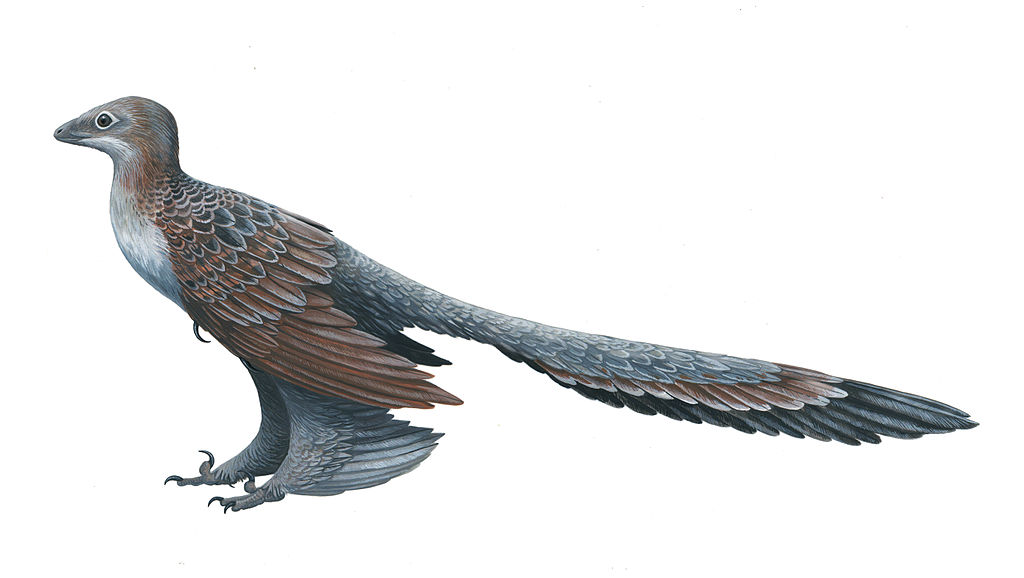
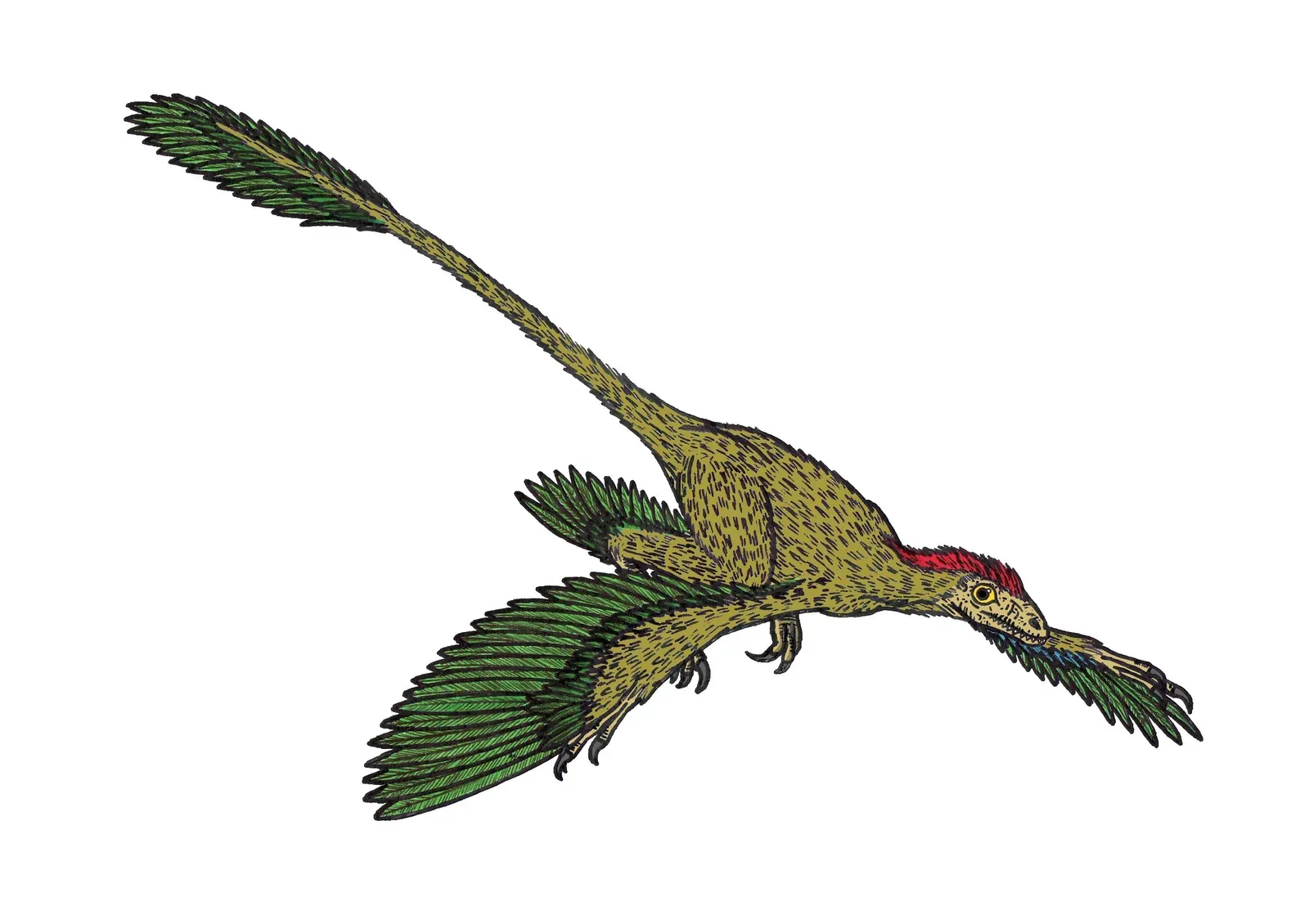
A stunning fossil of the feathery dinosaur Microraptor revealed that it had long, specialized feathers growing from its hind legs as well as its arms. The reptile quickly became known as the “four-winged dinosaur,” and experts wondered what the arrangement might mean for the evolution of flight. Microraptor lived about 125 million years ago, long after the origin of the earliest birds in the Jurassic.
Microraptor possessed long feathers on both its arms and its legs, and some paleontologists contend that such a four-winged configuration implies that flight evolved through a four-winged gliding stage. However, Microraptor’s phylogenetic position suggests that it diverged from the main evolutionary line leading to birds, so the animal’s four-winged condition may be an unusual, independently evolved state. It’s hard to say for sure whether it glided, flapped, or just looked spectacular. The debate rages on.
Some Feathered Dinosaurs Had Wings – But Later Lost the Ability to Fly
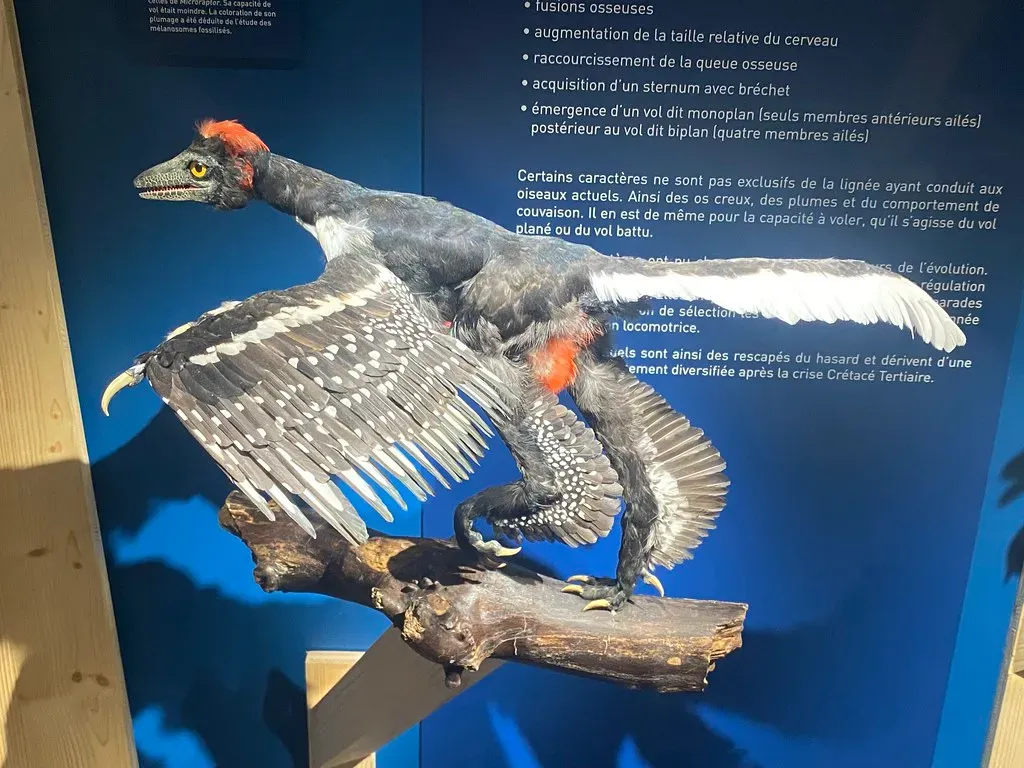
This one might be the most mind-bending truth of all. Some feathered dinosaurs may have briefly taken to the skies – only to give it up later. By studying rare fossils with preserved feathers, researchers uncovered a surprising clue hidden in molting patterns, revealing that Anchiornis likely couldn’t fly at all. Instead of the neat, symmetrical feather replacement seen in flying birds, these dinosaurs showed a messy, irregular molt – something only flightless animals exhibit.
Researchers note that this finding has broad significance, as it suggests that the development of flight throughout the evolution of dinosaurs and birds was far more complex than previously believed. In fact, certain species may have developed basic flight abilities – and then lost them later in their evolution. Evolution, it turns out, doesn’t always move in a straight line. Sometimes it takes a detour, tries flying, and then decides walking was better after all.
Feathers Were Used for Display, Communication, and Attracting Mates Long Before Flight
Research adds significant weight to the idea that dinosaurs first evolved feathers not for flight but for other purposes. A color-patterning function – such as camouflage or display – must have had a key role in the early , and was just as important as evolving flight or improved aerodynamic function. This makes total sense when you consider how elaborate bird plumage is today – think peacocks.
A team of researchers revealed the color and detailed feather pattern of Microraptor, a pigeon-sized, four-winged dinosaur that lived about 130 million years ago. The non-avian dinosaur’s fossilized plumage, which had hues of black and blue like a crow, is the earliest record of iridescent feather color. Researchers hypothesize that the evolution of feathers made dinosaurs more colorful, which in turn had a profoundly positive impact on communication, the selection of mates, and dinosaur procreation. Dinosaurs, in short, were peacocking long before peacocks existed.
Conclusion: The Feathered Truth Is Stranger Than Any Fiction
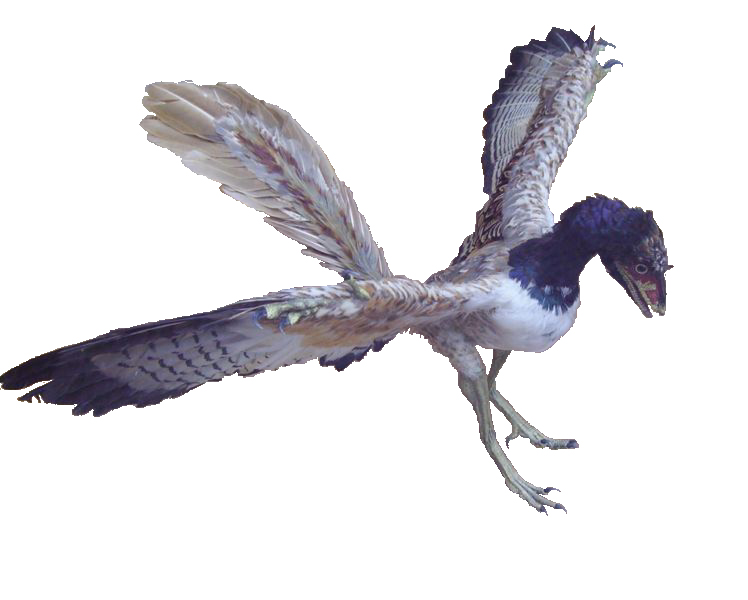
The story of feathers in dinosaurs is one of nature’s most extraordinary narratives. What began as simple hollow filaments for warmth, roughly 250 million years ago, gradually transformed into one of the most versatile and remarkable biological structures ever evolved. Feathers have a diverse range of shapes, roles, and colors in modern birds, but their evolutionary origins are still being uncovered.
Ultimately, there’s still a lot of work to do until the origin of feathers can be fully pinned down, and paleontologists will continue to search the world for the fossils that can finally settle this decades-old debate. Every new excavation, every UV-lit fossil, every microscopic melanosome analyzed brings us closer to the full picture. The dinosaur era was, by all evidence, a riot of color, texture, and biological innovation that makes the Jurassic Park version look almost embarrassingly plain.
The next time you see a bird perched on your windowsill, remember – you’re looking at a living dinosaur wearing the evolutionary legacy of hundreds of millions of years. What do you think: does knowing the real story make dinosaurs more fascinating, or do you secretly still prefer the classic scaly version? Tell us in the comments.