Ever wonder what it would really sound like if you could step back millions of years into the Mesozoic Era? Picture yourself standing in a prehistoric forest surrounded by creatures that tower over you. What noises would fill the air? Movies have convinced us that dinosaurs roared like lions, shrieked like monsters, or bellowed loud enough to shake the ground. The reality, though, might surprise you. Scientists have been piecing together clues from fossils, studying modern relatives like birds and crocodiles, and using cutting-edge technology to unlock the mystery of dinosaur vocalizations. What they’ve discovered is far more fascinating than anything Hollywood could dream up. Let’s dive in.
Closed-Mouth Vocalizations Were the Likely Reality
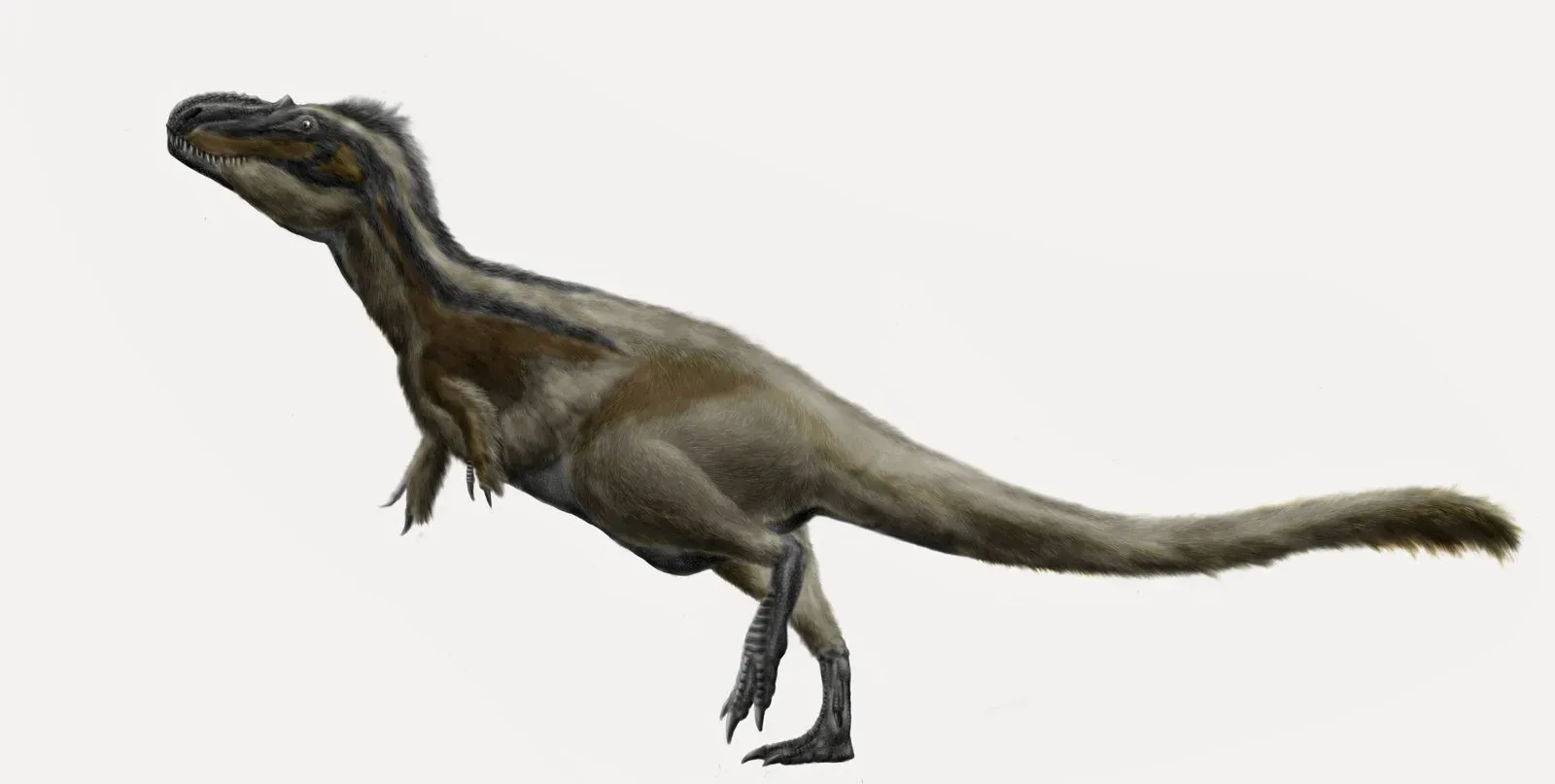
Instead of open-mouthed roars, scientists theorize that many dinosaurs may have produced closed-mouth vocalizations. Think about that for a second. Rather than screaming with jaws wide open like in the movies, dinosaurs might have kept their mouths shut while making sounds. Animals produce closed-mouth vocalizations by inflating their esophagus or tracheal pouches while keeping their mouth closed, creating low-pitched rumbles, coos, or growls. Modern crocodiles and ostriches do exactly this, producing deep, booming sounds without opening their mouths.
These closed-mouth vocalizations are lower and more percussive, as opposed to bird calls, which are more varied in pitch and almost melodic. So if you were face to face with a Tyrannosaurus rex, you likely wouldn’t hear a terrifying roar. Instead, imagine a deep, threatening rumble vibrating through its chest while those massive jaws stayed firmly shut. Honestly, that sounds even more menacing.
The Parasaurolophus Had a Built-In Trombone
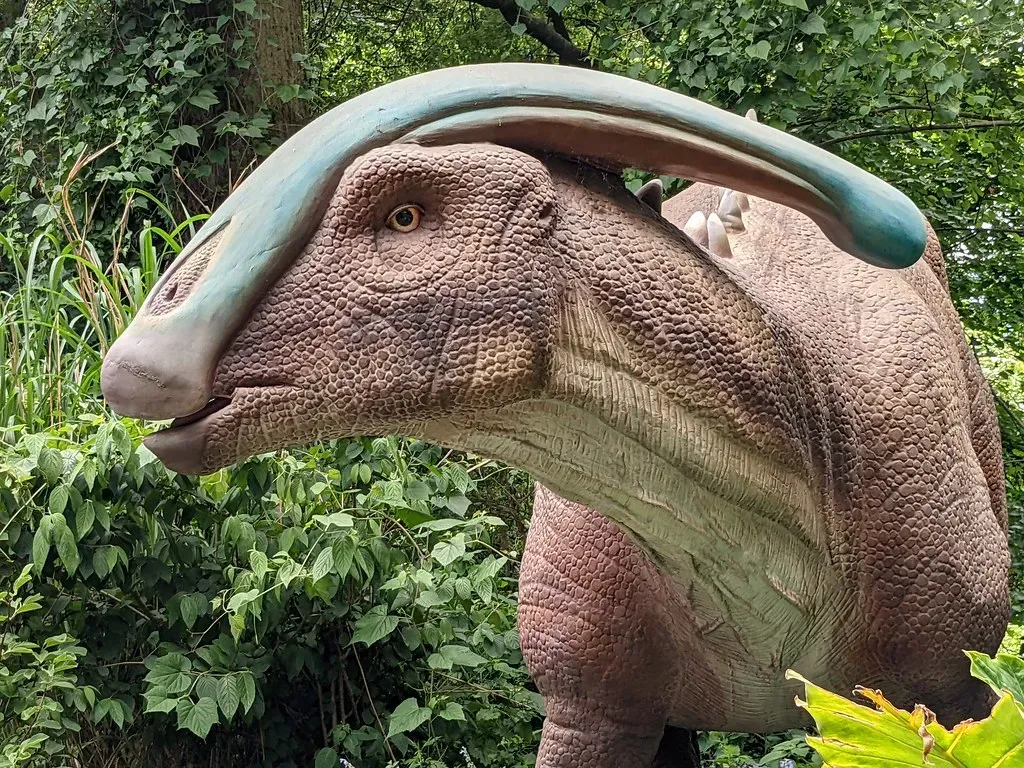
The Parasaurolophus had a bony tubular crest that extended back from the top of its head, containing a labyrinth of air cavities and shaped something like a trombone, which scientists believe was used to produce distinctive sounds. This is one of the few dinosaurs where researchers have actually been able to recreate what it might have sounded like. The dinosaur apparently emitted a resonating low-frequency rumbling sound that can change in pitch.
Scientists at Sandia National Laboratories used CT scans and powerful computers to simulate air blowing through the crest’s complex internal passages. The sound may have been somewhat birdlike, and it’s probably not unreasonable to think they did songs of some sort to call one another. Each individual Parasaurolophus likely had a unique voice, distinguishable from others of its species. Imagine herds of these creatures communicating across vast distances with their own signature calls, like an ancient dinosaur choir.
Dinosaurs Probably Lacked Vocal Cords
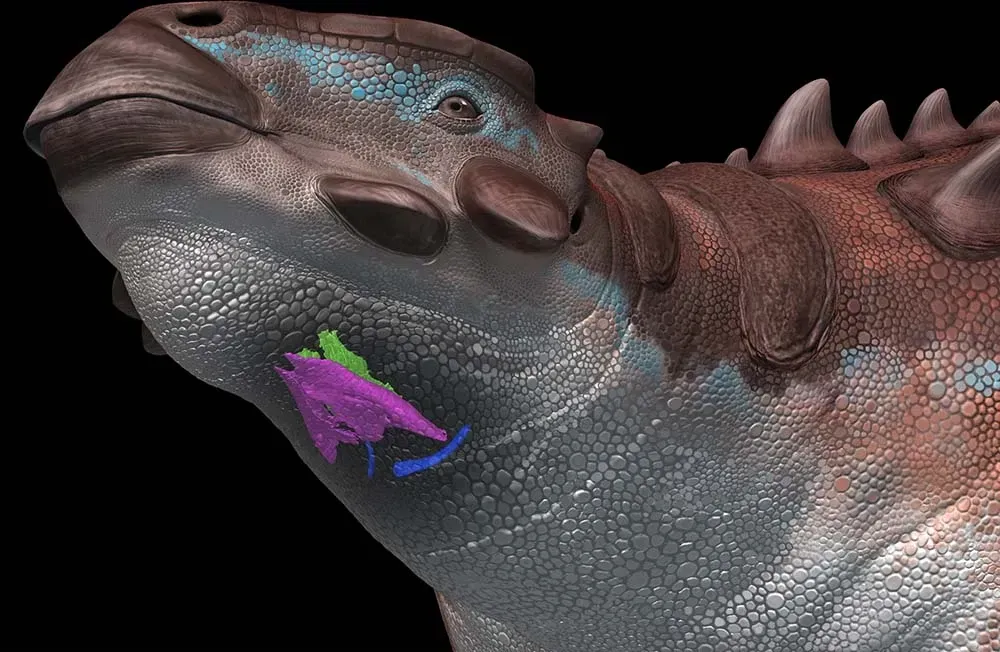
Here’s where things get interesting. Based on what scientists know about birds, dinosaurs likely did not have vocal cords, those tough membranes that vibrate when mammals like lions or humans make sounds. The respiratory system and larynx of dinosaurs was different from that of mammals, and birds make complicated noises thanks to a structure called a syrinx, which is absent in non-avian dinosaurs.
Non-avian dinosaur fossils lack the syrinx structure, which modern birds use to produce their diverse songs and calls. This means most dinosaurs simply didn’t have the biological equipment to sing like a songbird or roar like a lion. What they could do was push air through various body structures to create sounds, but the range and complexity would have been much more limited than what you hear blasting from theater speakers.
Low-Frequency Communication Was King
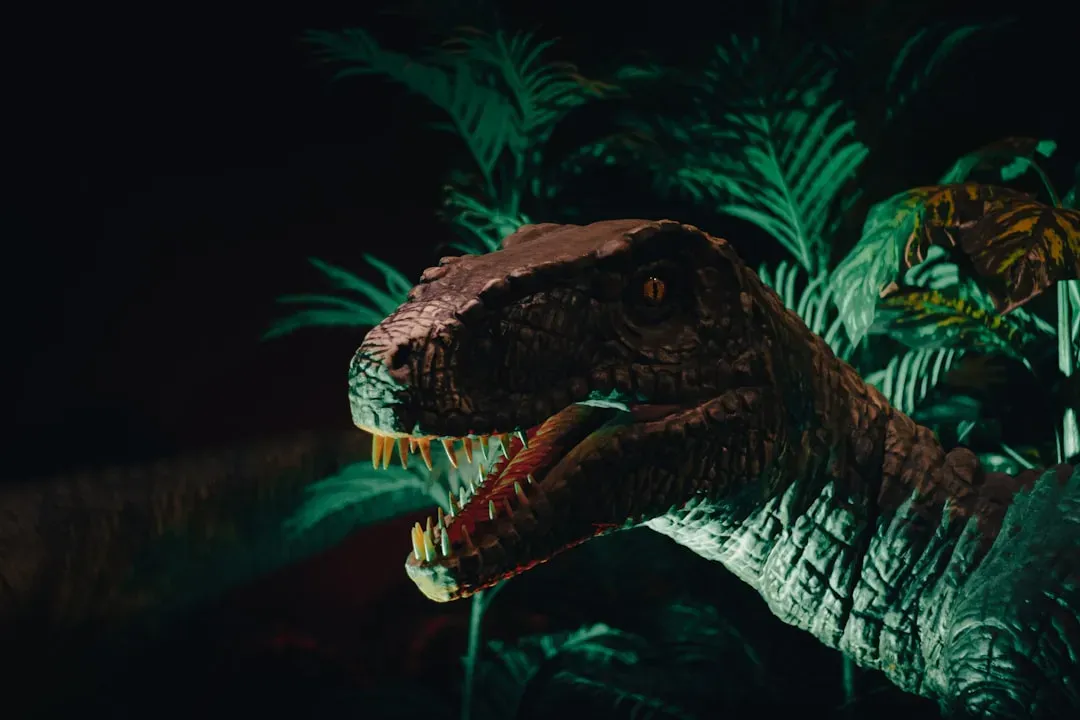
Research suggests that dinosaurs, especially larger species, were mostly limited to low-frequency, closed-mouth booms and hoots, and they seem to have been best able to hear this kind of noise as well. This makes perfect sense when you think about it. Low-frequency sounds travel farther and penetrate through dense vegetation better than high-pitched noises.
Such low-frequency sounds could penetrate through thick vegetation and over large distances, and may have allowed individual dinosaurs to be heard over vast areas. Picture massive sauropods with their incredibly long necks creating deep, resonant calls that could be heard for miles across prehistoric landscapes. These sounds wouldn’t necessarily be loud in the way we think of volume, but they’d be felt as much as heard, vibrating through the ground and air.
Some Dinosaurs Might Have Used Their Tails as Whips
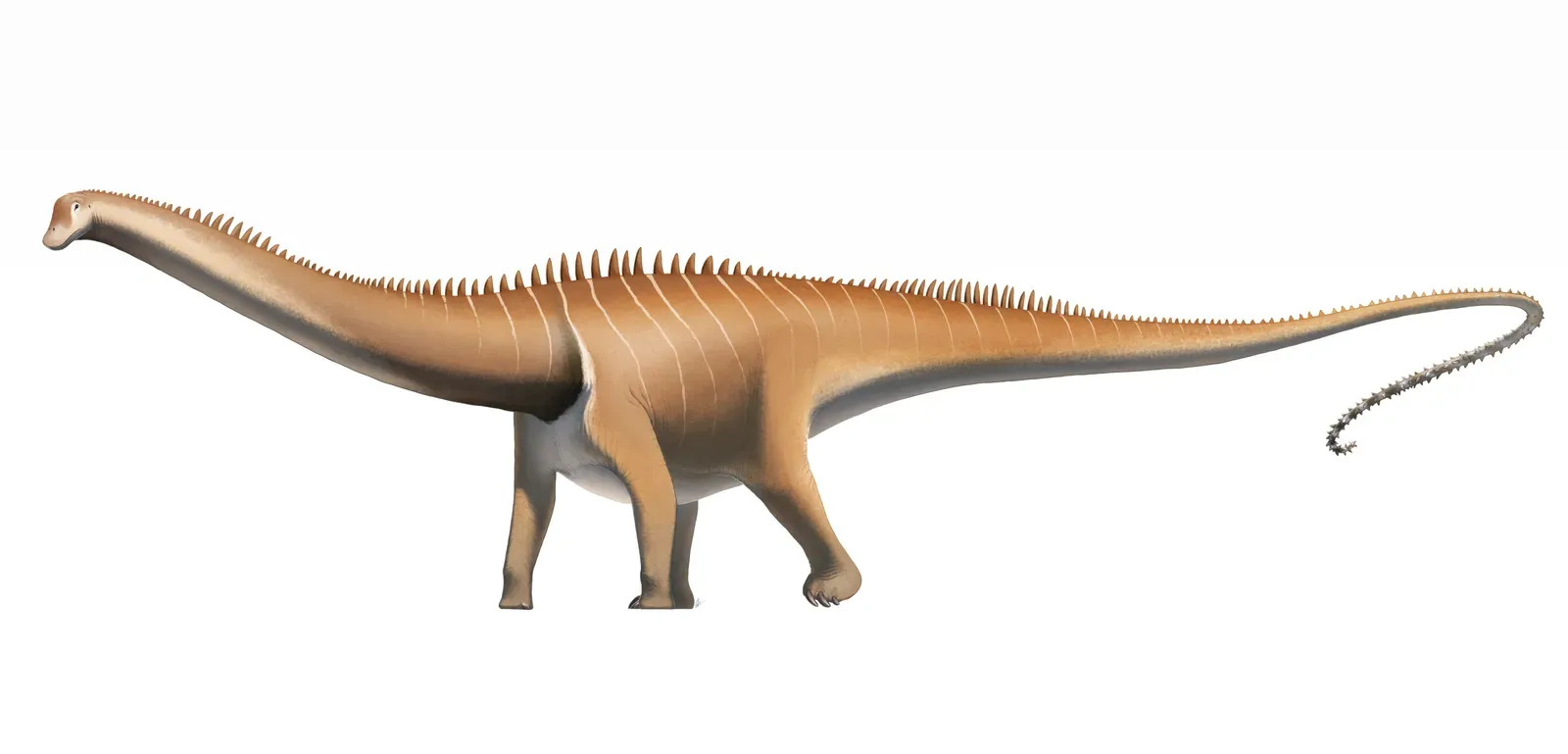
Not all dinosaur communication had to be vocal. The extremely long tails of Diplodocus and other sauropod dinosaurs could have been flicked at supersonic speeds, making bullwhip-like cracking sounds that may have traveled long distances. Think about that. A dinosaur literally cracking its tail like a whip to send a message.
This theory suggests that some dinosaurs might have combined physical sounds with vocalizations. An Ankylosaurus might have slammed its club tail against the ground as a warning, creating percussive booms. Theropods could have clapped their jaws together or stomped their feet. The soundscape of the Mesozoic might have been filled with a variety of non-vocal noises that we rarely consider when imagining these creatures.
Hadrosaurs Had Elaborate Cranial Resonating Chambers
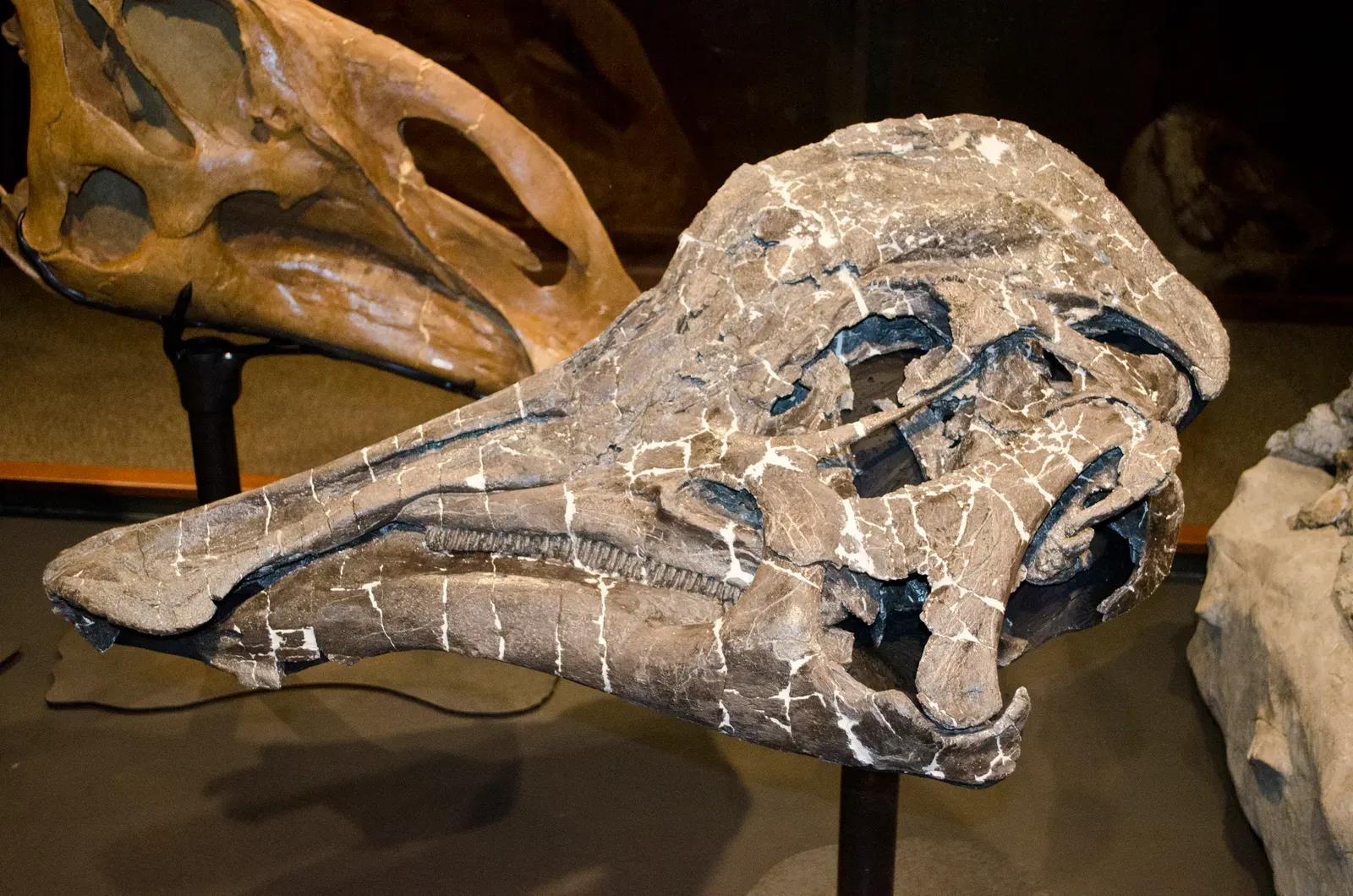
The chambered headcrests on some dinosaurs such as Corythosaurus and Parasaurolophus might have been used to amplify grunts or bellows. These weren’t just decorative features or temperature regulators. The complex internal structure of these crests suggests they evolved specifically for sound production and amplification.
Recent research has created physical models and 3D-printed replicas of these crests to study their acoustic properties. The physical model, inspired by resonance chambers, was suspended by cotton threads and excited by a small speaker, and a microphone was used to collect frequency data. These experiments help scientists understand exactly what was happening acoustically inside these bizarre structures. The results point to sophisticated sound-making abilities in at least some dinosaur species.
Birds Hold Critical Clues to Dinosaur Sounds
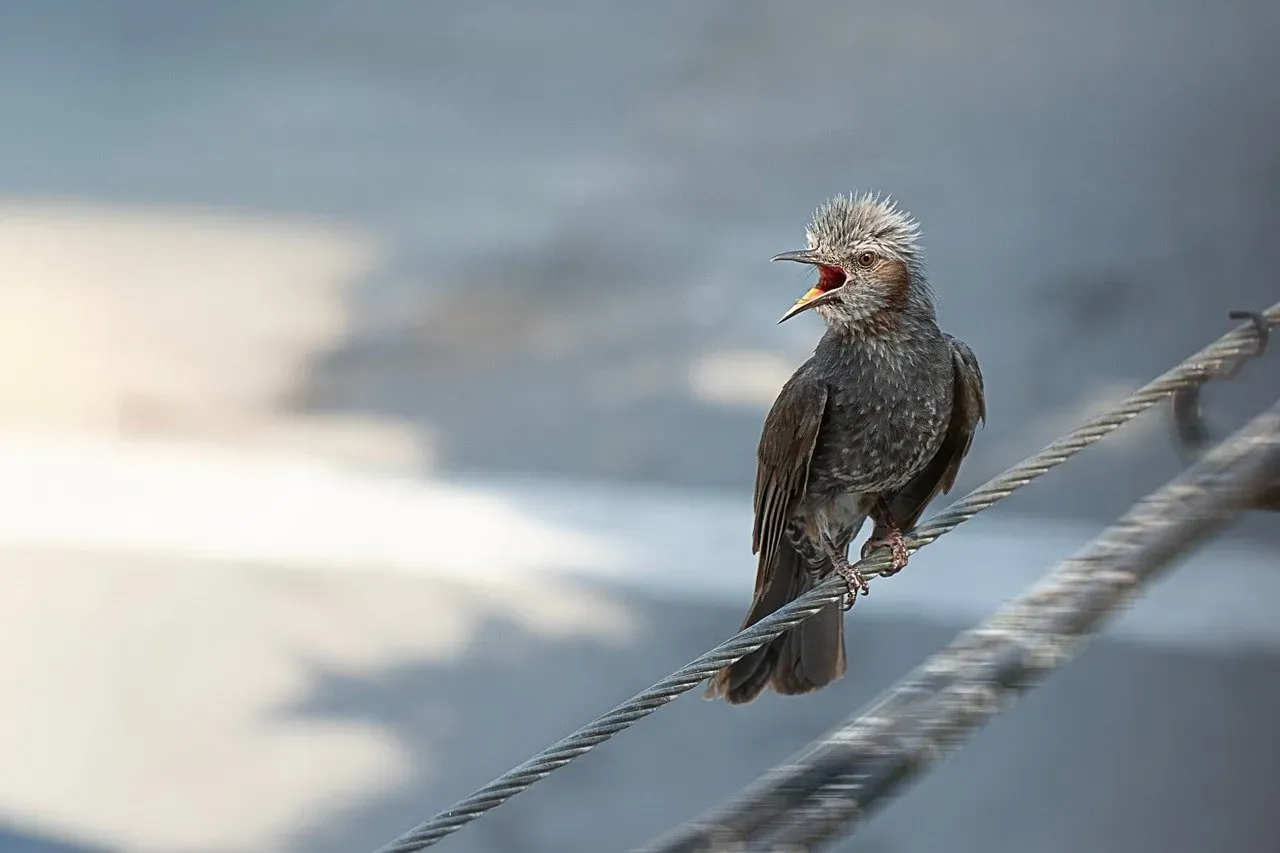
Paleontologists discovered the oldest known fossil of a bird’s voice box, known as a syrinx, in the remains of an extinct Antarctic bird named Vegavis, which died at least 66 million years ago and lived alongside the dinosaurs. This discovery tells us something crucial about the evolution of bird vocalizations. Vegavis most likely honked, not unlike a goose.
Since birds are living dinosaurs, studying their closest extinct relatives gives us valuable insight. Modern birds that make closed-mouth vocalizations, like the deep booms of cassowaries or the guttural growls of ostriches, probably sound closer to what non-avian dinosaurs sounded like than any chirping songbird. Crocodilians also provide clues, as they share a common ancestor with dinosaurs and produce low-frequency rumbles and bellows.
Movie Dinosaurs Are Complete Fabrications
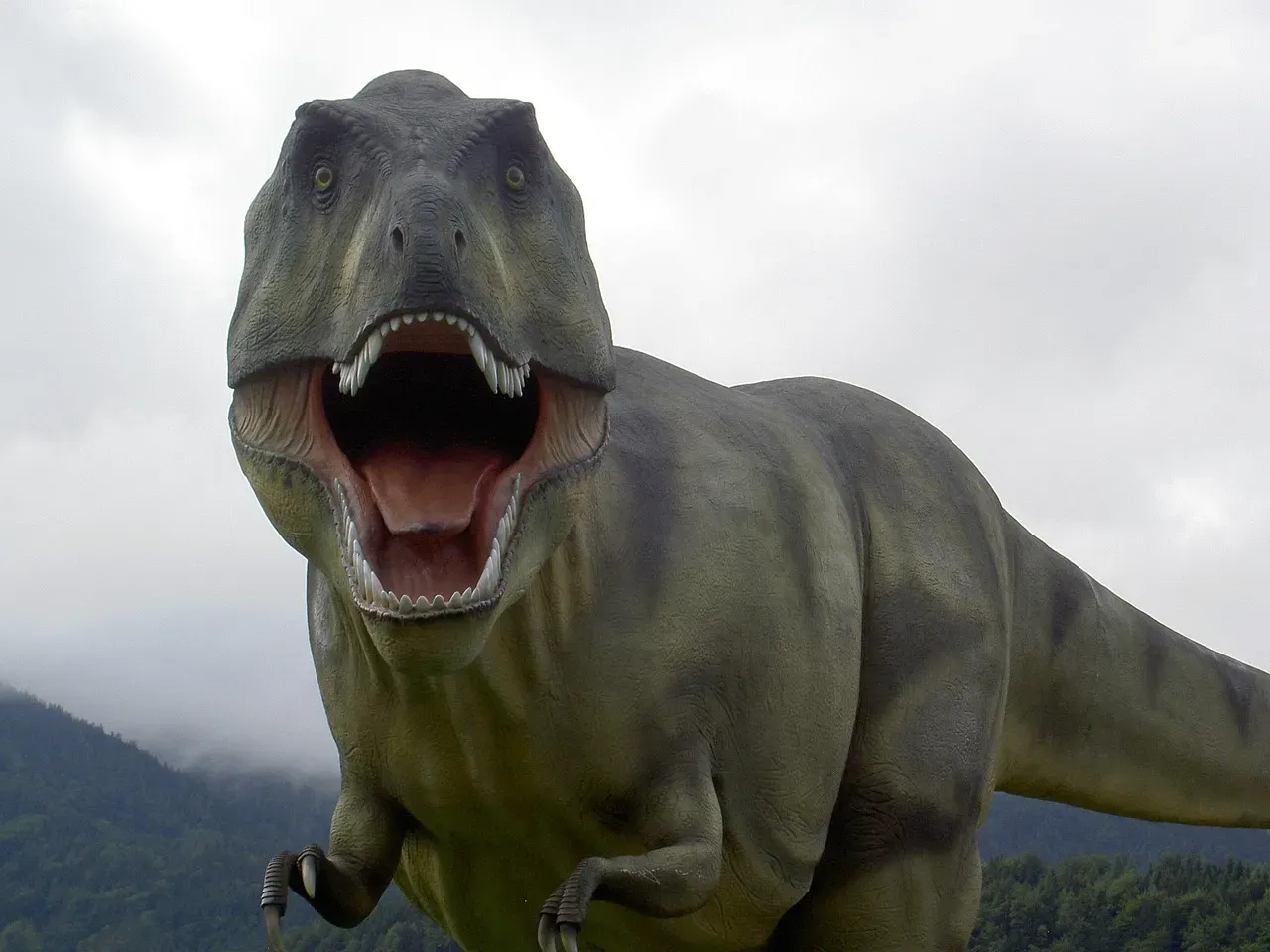
Let’s be real: everything you’ve heard in Jurassic Park is fake. The most notable dinosaur sounds from the Jurassic Park series were mainly constructed using combinations of different types of mammal sounds, including tigers, lions, koalas, donkeys, dolphins, and elephants. Some other animals’ sounds that were used include hawing donkeys, neighing horses, growling tortoises, whistling dolphins, howling howler monkeys, oinking pigs, barking fennec foxes, and chirping birds.
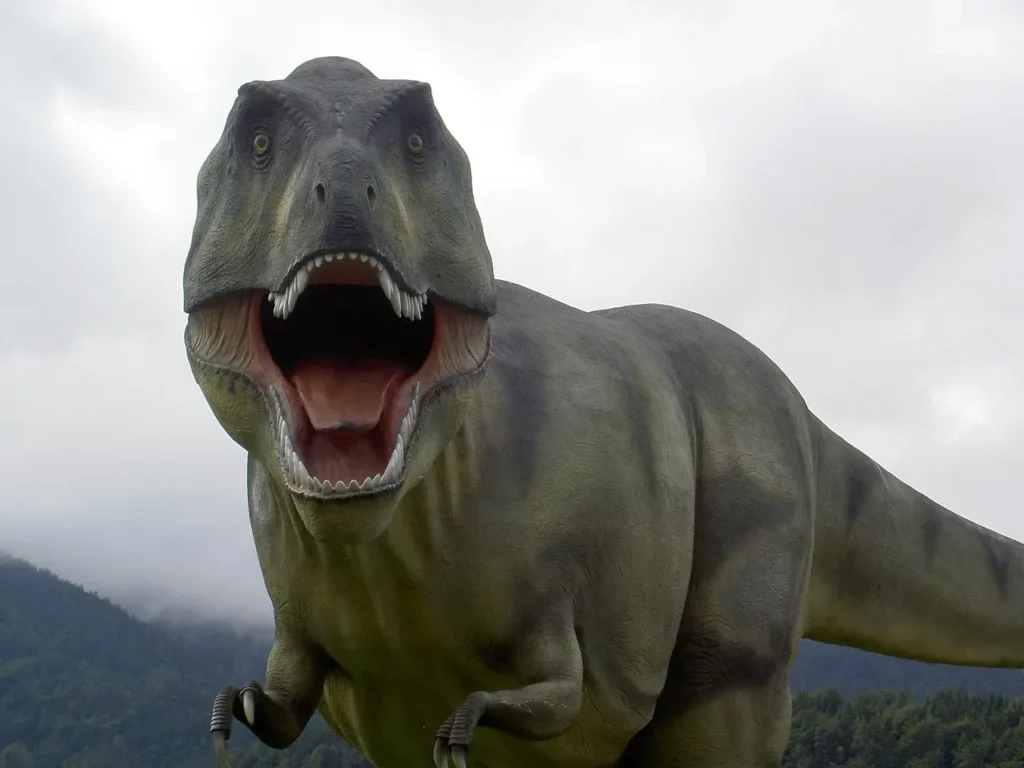
Current evidence supports that Tyrannosaurus rex made closed-mouth vocalizations, but in the films, the Tyrannosaurus opens its mouth every time it roars. The movies got it wrong because roaring predators make for better cinema than rumbling, cooing creatures. Sound designers needed to create terrifying noises that matched our expectations of what massive carnivores should sound like, even if those expectations were based on modern mammals rather than paleontological evidence.
Physical Displays May Have Replaced Vocalizations
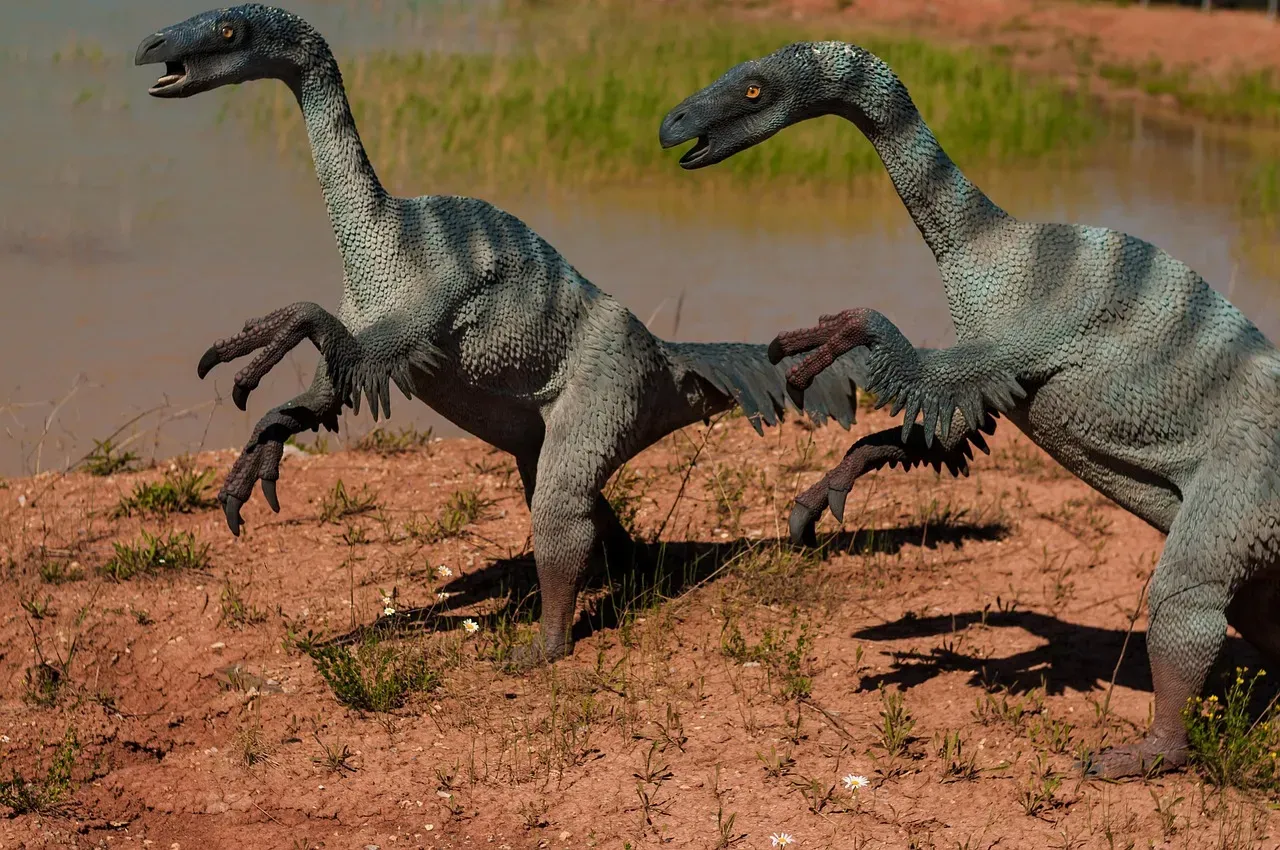
The horns, frills and crests that adorned dinosaur heads may have been used for mating rituals or to intimidate rivals, and fossils show that these decorations helped the species communicate. Visual communication might have been just as important, or even more important, than auditory signals for many dinosaur species.
Defensive posturing, courtship behavior, and territory fights probably involved both vocal and visual displays. An angry Triceratops shaking its massive head and displaying its frill would send a very clear message even without making a sound. Some species may have engaged in elaborate dances or displays, similar to modern birds, combining movement, color, and limited vocalizations to communicate complex messages to potential mates or rivals.
3D Printing Is Bringing Dinosaur Voices Back to Life
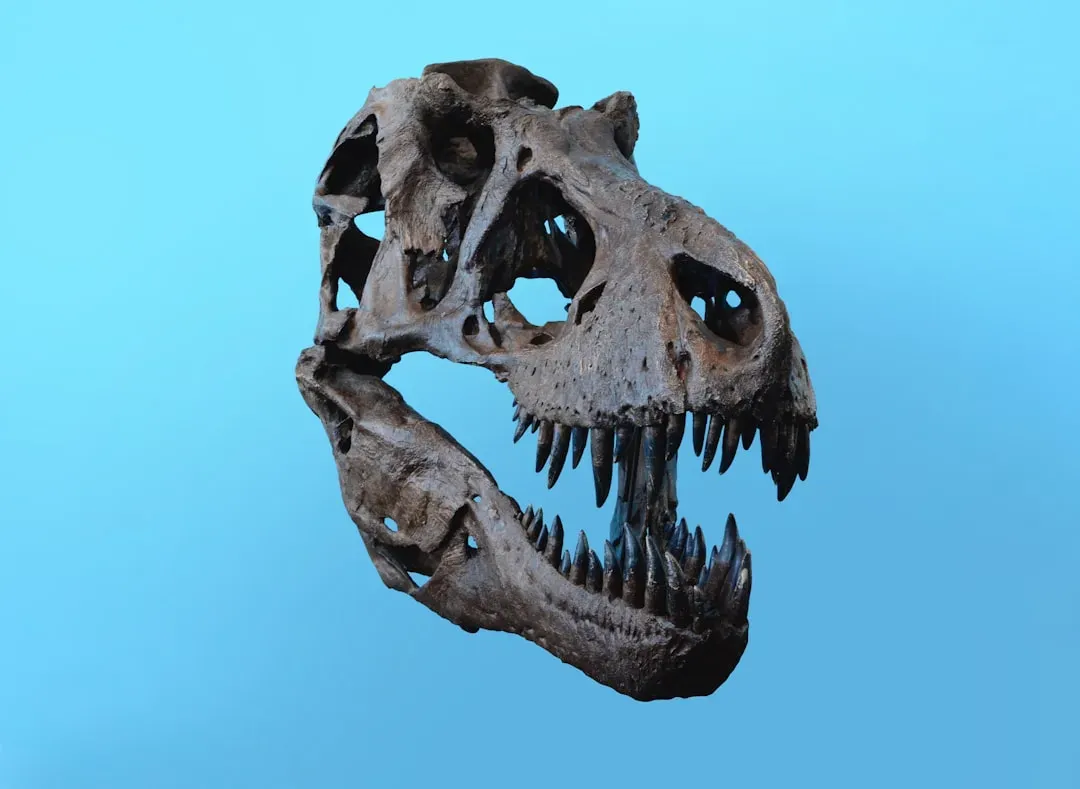
A researcher studied CT scans of a young Corythosaurus skull and 3D-printed the crest and nasal passages, effectively reconstructing the dinosaur’s built-in sound system. This represents a fascinating intersection of paleontology and modern technology. Scientists can now physically recreate the sound-producing structures of extinct animals and actually blow air through them to hear approximations of the sounds they made.
3D-printed dinosaur skulls hooked up to a sound system transform voices into dinosaur-like sounds. Projects like the Dinosaur Choir allow people to actually interact with these reconstructed vocal instruments. While we’ll never know exactly what dinosaurs sounded like, these technological advances bring us closer than ever to hearing echoes of a world that vanished millions of years ago.
The truth about dinosaur sounds turns out to be far more nuanced than the simple roars and screeches Hollywood fed us. These creatures likely communicated through a combination of low-frequency rumbles, closed-mouth booms, percussive tail slaps, and visual displays. Some had elaborate cranial structures that functioned as biological musical instruments. The prehistoric world wasn’t silent, just different from what we imagined. What do you think about it? Does the reality of rumbling, cooing dinosaurs disappoint you, or make these ancient creatures even more fascinating?