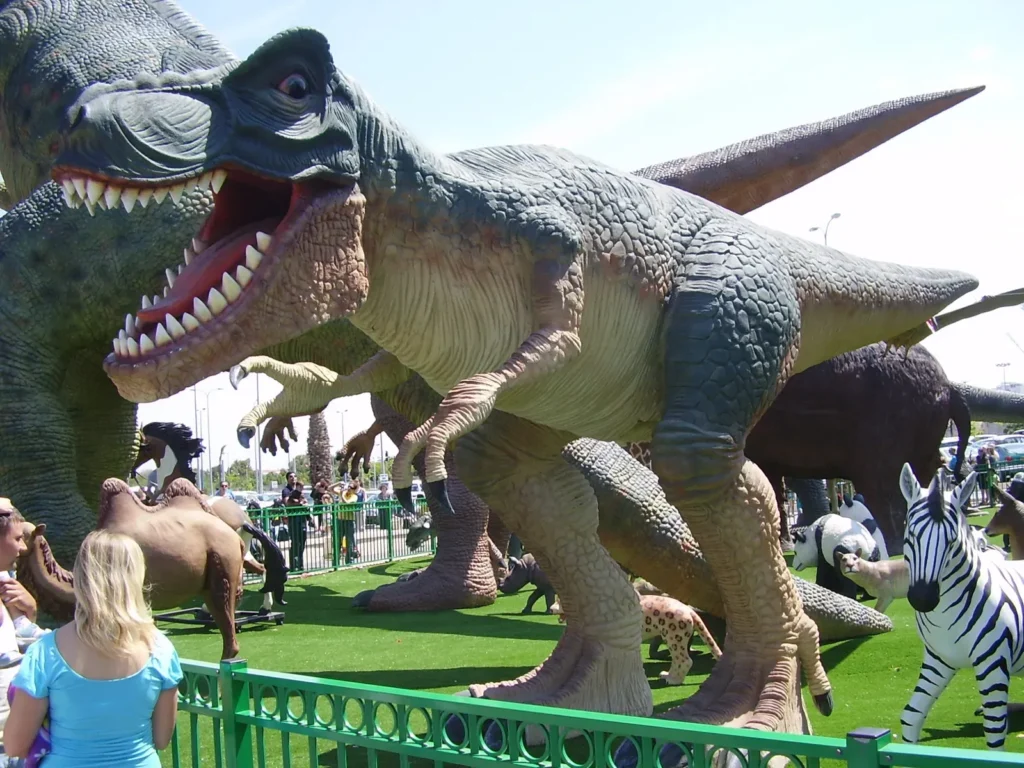
If you grew up in the 80s, your dinosaur education probably came from library books with slightly faded paintings, plastic toy sets, and maybe a dog‑eared copy of a certain very dramatic novel a little later on. Dinosaurs were huge, slow, swamp‑dwelling monsters that roared constantly and vanished overnight when a single asteroid hit them like a cosmic off switch. It felt simple, cinematic, and very sure of itself. The funny thing is, while we were memorizing those dinosaur facts for school, science was already starting to quietly overturn a lot of them.
Since then, new fossils, better technology, and a lot of very patient paleontologists have basically rebuilt the dinosaur world from the ground up. A kid from 1985 dropped into a modern museum exhibit would recognize the names, but the animals themselves would feel strangely unfamiliar – sleeker, fluffier, smarter, and more bird‑like than anything on those old bedroom posters. Let’s walk through ten of the biggest “facts” 80s kids grew up with about dinosaurs that have been gradually, almost politely, replaced by something much stranger and much cooler.
1. Dinosaurs were all giant, lumbering, swamp monsters
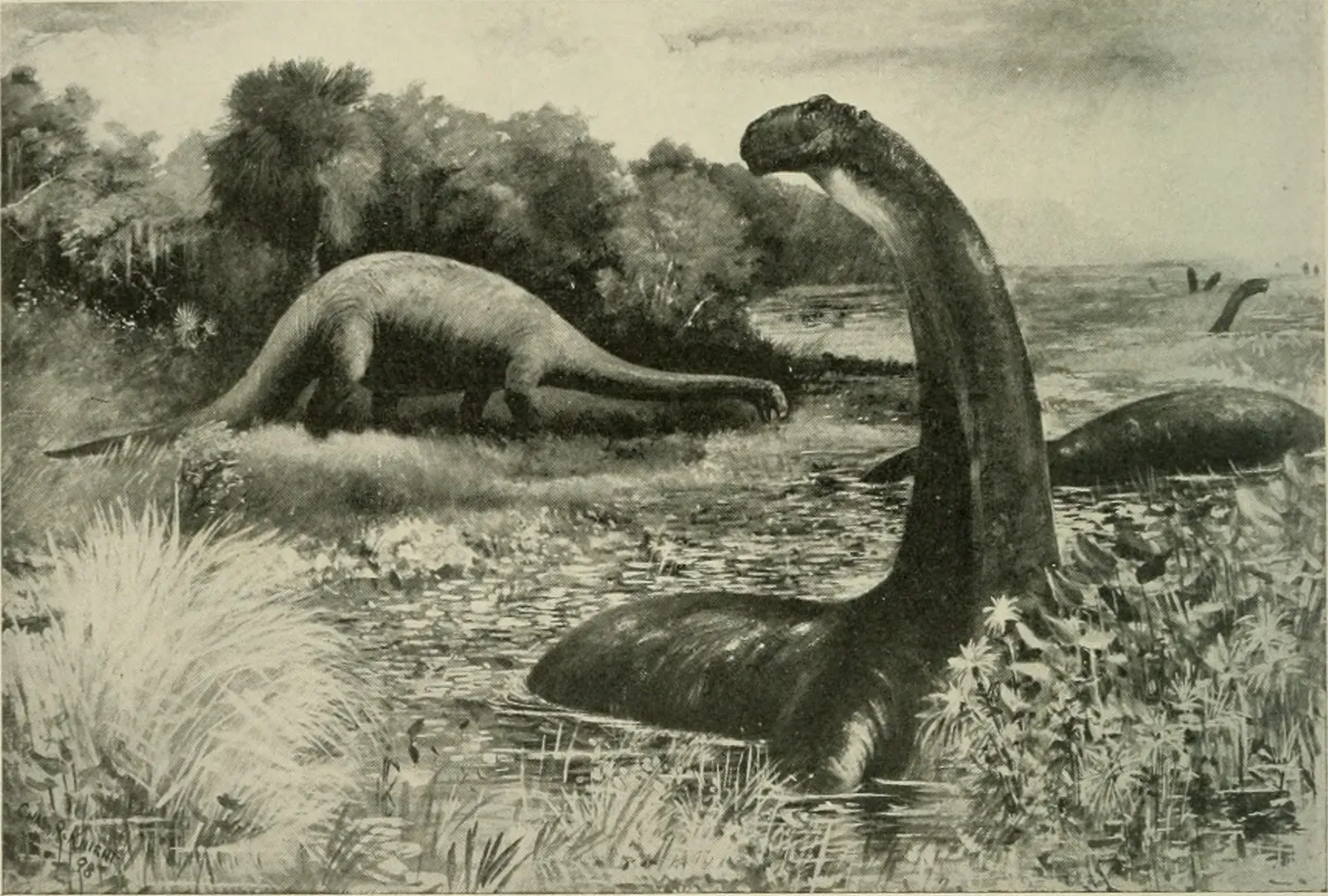
Back in the 80s, the mental image was almost universal: giant dinosaurs waist‑deep in murky water, dragging their tails, moving like oversized lizards after a heavy lunch. Many kids’ books repeated that big dinosaurs were simply too heavy to support themselves on land for long, so they must have spent lots of time in lakes and swamps. It sounded logical enough when you were ten and staring at a painting of a Brontosaurus half submerged in greenish water.
Since then, better biomechanical studies, fossil trackways, and more detailed bone analyses have shown that these animals were fully capable land walkers. Their hips, limb bones, and even their foot impressions tell a story of powerful, upright movement, not sluggish wallowing. Tail drag marks are almost always missing from trackways, and many sauropod skeletons show adaptations for supporting their huge weight on land. The “swamp monster” vibe has quietly been replaced by something more like land‑roaming, long‑distance walkers that treated entire continents like a giant hiking trail.
2. T. rex was a slow, clumsy, mostly scavenging brute
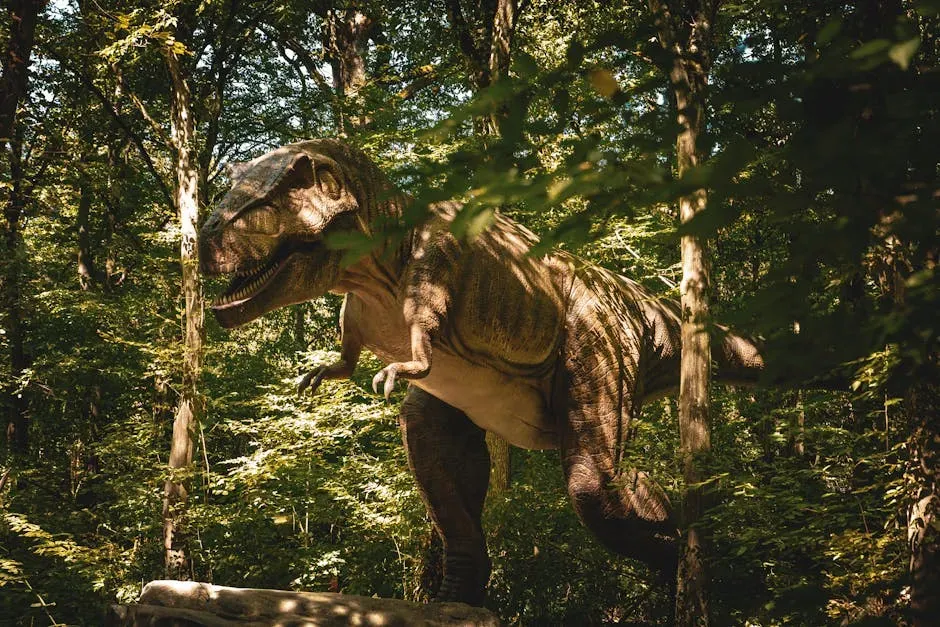
If you grew up in the 80s, you probably heard that Tyrannosaurus rex was basically a huge trash collector: too big and awkward to hunt properly, so it lumbered around stealing carcasses from other predators. Some school books leaned hard on that idea, painting T. rex as a smelly, hunched‑over bully rather than an active predator. This fit with the old picture of dinosaurs in general as sluggish, second‑rate reptiles compared to today’s mammals.
Modern research paints a much more nuanced, and frankly more terrifying, picture. Studies of T. rex’s leg bones, muscle attachment sites, and even computer simulations show it could likely move faster than many of its prey, even if it was not a sprinter in the cheetah sense. Its skull and teeth were built to deliver a bite force among the strongest known in any land animal, perfect for both hunting and scavenging. Like modern large predators, it almost certainly did both, taking advantage of any food source it could find rather than fitting neatly into a “hunter” or “scavenger only” box.
3. Dinosaurs were cold‑blooded reptiles, just scaled up
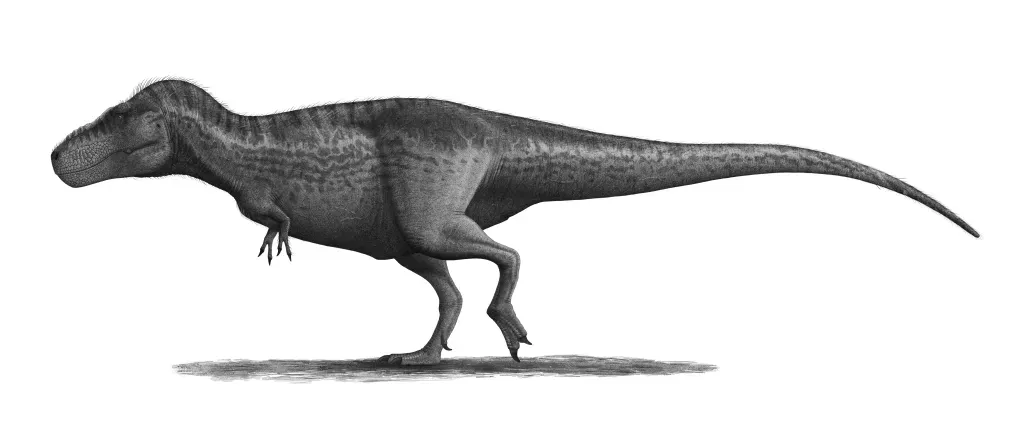
In the 80s, dinosaurs were usually thrown into the same broad category as crocodiles and lizards: cold‑blooded reptiles that needed the sun to warm up before they could really move. That idea shaped everything – from their supposed sluggish behavior to the assumption that they must have lived mainly in warm, tropical environments. It felt intuitive: they looked reptilian in the drawings, so people assumed they functioned like reptiles too.
Over the past few decades, lines of evidence from bone microstructure, growth rates, and even oxygen isotopes have piled up suggesting a much more complex story. Many dinosaurs grew at speeds closer to mammals and birds than to modern reptiles, which hints at elevated metabolisms. Some scientists argue for fully warm‑blooded in at least certain groups, while others see them as something in between, with unique metabolic strategies. Either way, the simplistic “giant cold‑blooded lizard” model has been gently retired in favor of a spectrum of metabolic styles that made dinosaurs more versatile and active than 80s kids were ever told.
4. No feathers, ever: dinosaurs were all scaly, like movie monsters
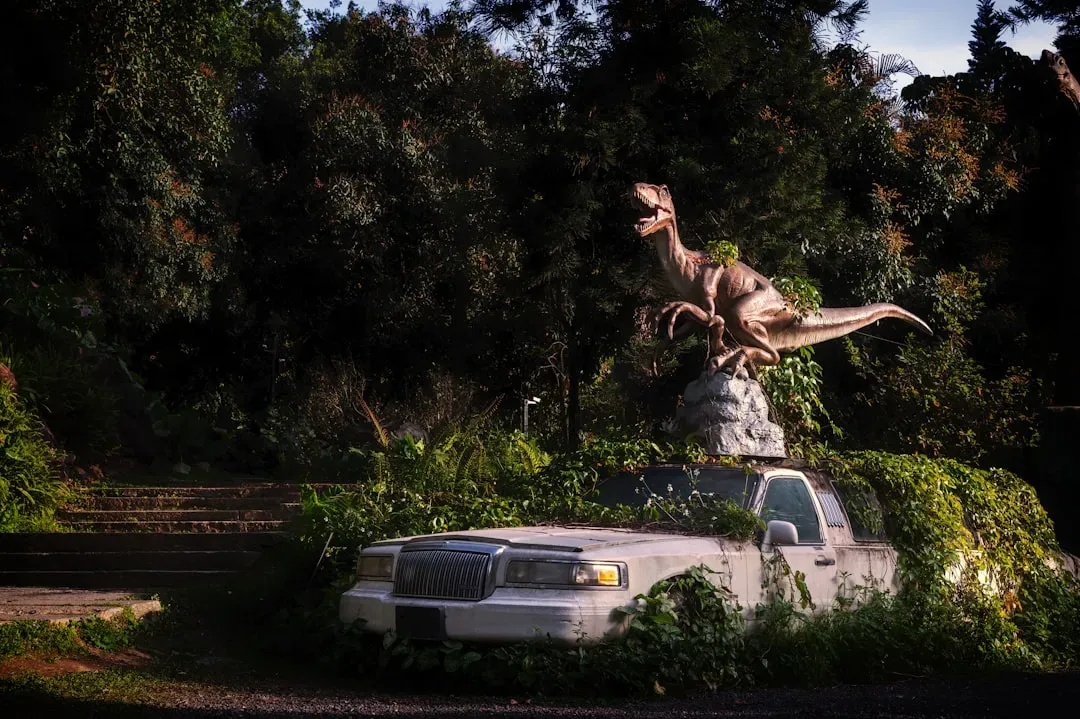
Ask a kid from the 80s to draw a dinosaur, and you’d get scales every time – maybe with some dramatic spikes, but never fluff. Feathers were for birds, and dinosaurs were definitely not birds in those old books. The idea of a Velociraptor covered in feathers would have sounded like a bad joke or a failed toy design. Scaly skin impressions from some fossils seemed to lock in that image as permanent truth.
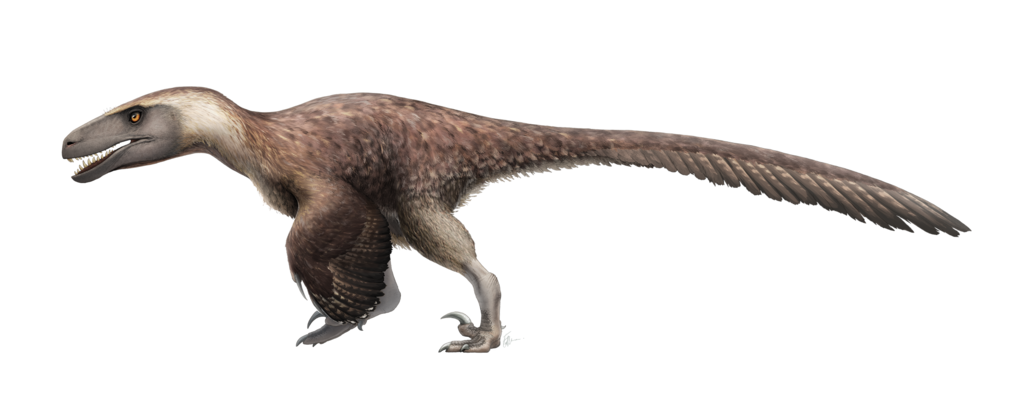
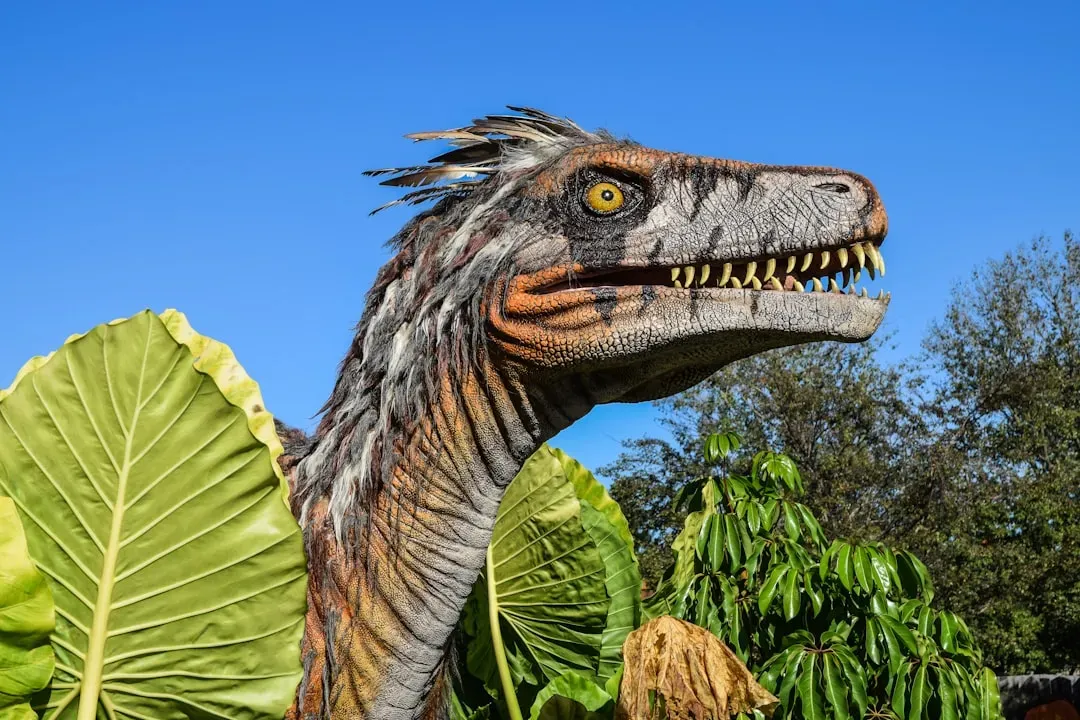
Then came a wave of discoveries, especially from sites in China, preserving fine details of soft tissues. Paleontologists started finding small predatory dinosaurs with clear feather impressions, and eventually even larger species with filamentous coverings. Today, it is widely accepted that many theropods – the group that includes T. rex and Velociraptor – had feathers or feather‑like structures. Some non‑theropod dinosaurs may have had fuzzy coverings too. The modern view is that feathers started out as insulation or display structures long before true birds took off, which transforms the dinosaur world from a scaly army into something much more varied, colorful, and surprisingly bird‑like.
5. Brontosaurus never existed (and the name was just “wrong”)
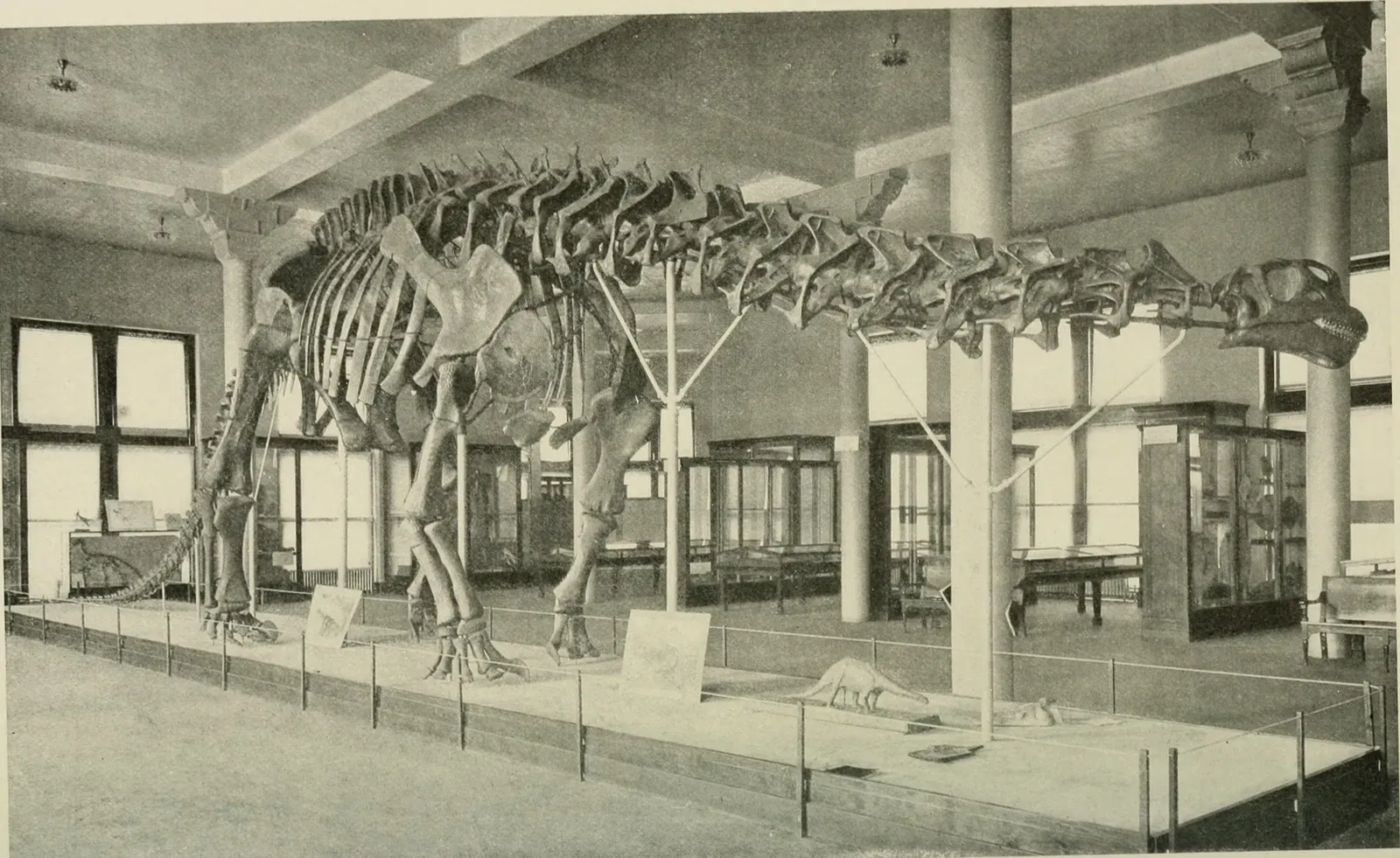
Here’s a twist: many 80s kids actually learned that their beloved Brontosaurus was a mistake. For a long time, paleontologists concluded that the dinosaur originally named Brontosaurus was really just another species of Apatosaurus, making Brontosaurus an outdated name you were not supposed to use anymore. Books and teachers often framed it as a correction, the way you might cross out a misspelled word, which felt mildly heartbreaking if you loved the sound of “Brontosaurus.”
Much later, detailed re‑analysis of the bones suggested that some of those long‑necked skeletons really are different enough to justify bringing the name Brontosaurus back. The debate is still technical in the background, but the broad picture is that the name is no longer considered flat‑out wrong the way 80s kids were told. This is one of those bittersweet cases where science first takes something away and then partly returns it, showing that naming ancient animals is less like labeling a filing cabinet and more like revisiting a complex family tree as new relatives keep turning up.
6. Dinosaurs and early humans lived side by side
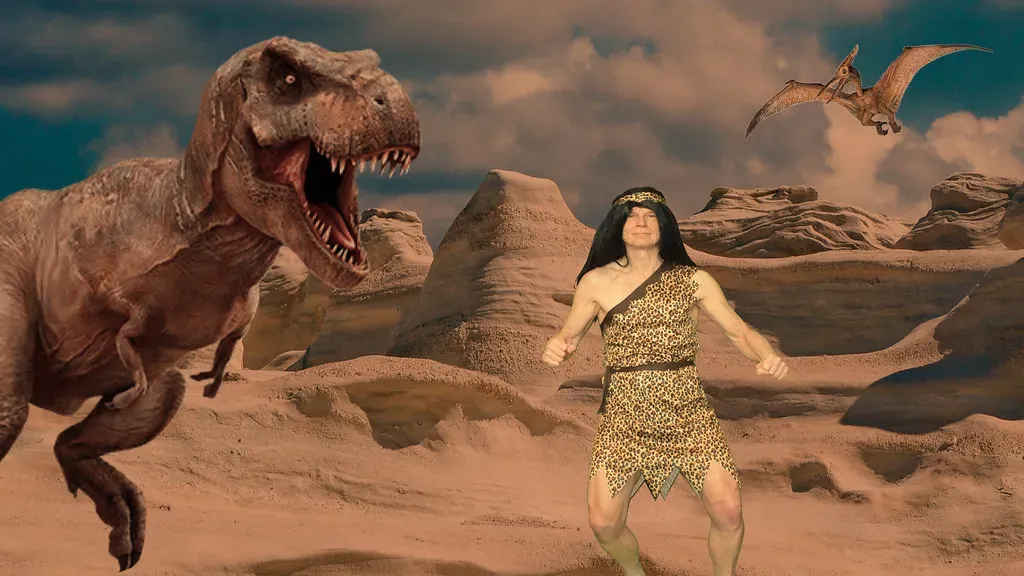
Even if your teachers did not say this, the pop culture around you quietly implied it: cartoons with kids riding dinosaurs, toy sets mixing cavemen and T. rex in the same plastic box, and illustrated books where fur‑clad humans stared up at sauropods. For an 80s kid, the sense that humans and dinosaurs overlapped in time sometimes slipped in as a vague assumption, because it was repeated in visuals so often. On a gut level, many children just filed it away as “they were around at about the same time.”
The reality is that dinosaurs (apart from birds) vanished roughly about sixty‑six million years before the first anatomically modern humans appear. Even the earliest human ancestors are separated from non‑avian dinosaurs by tens of millions of years. If you compressed Earth’s history into a single day, dinosaurs would check out well before 11 p.m., and humans would step onto the stage in the last few seconds before midnight. Once you feel that timescale in your bones, the classic “caveman and dinosaur” combo starts to look less like science and more like pure fantasy, no matter how many Saturday morning cartoons tried to sell it.
7. All dinosaurs died out completely in the asteroid impact
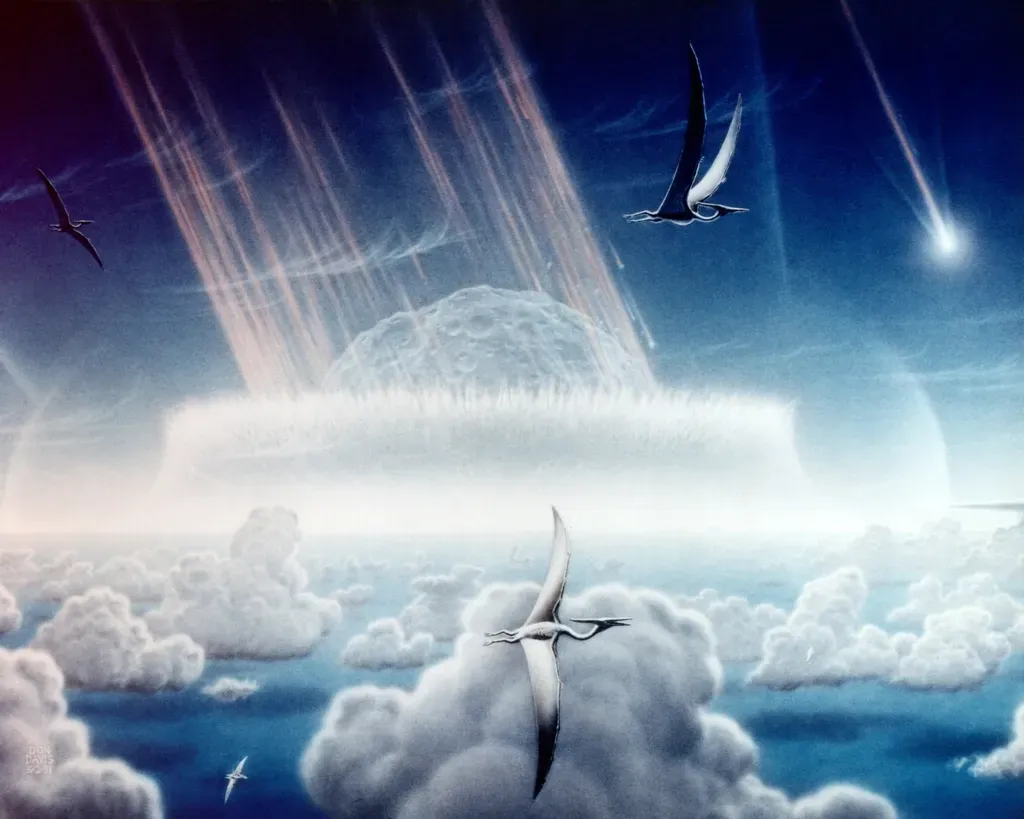
In the 80s, the story was simple: an asteroid hit, the dust blocked the sun, and all the dinosaurs died. End of chapter, flip the page to mammals. Kids loved the drama and finality of that explanation, and to be fair, it was a huge advance over earlier, fuzzier theories. But it also came packaged with the idea that dinosaurs as a whole group were completely wiped out, full stop, with no survivors except maybe crocodiles and turtles lurking around the edges.
Today, most scientists agree that the asteroid impact was devastating – but they also recognize that one entire branch of dinosaurs made it through: the avian dinosaurs, better known as birds. Genetic studies, fossil transitional forms, and detailed anatomical comparisons now strongly point to modern birds as living dinosaurs. So the asteroid did not entirely end the dinosaur story; it dramatically pruned the family tree. When a robin hops across your yard or a hawk circles overhead, you are watching the last surviving dinosaurs continuing a line that stretches back more than a hundred and fifty million years.
8. Dinosaurs were all green or grey and kind of colorless
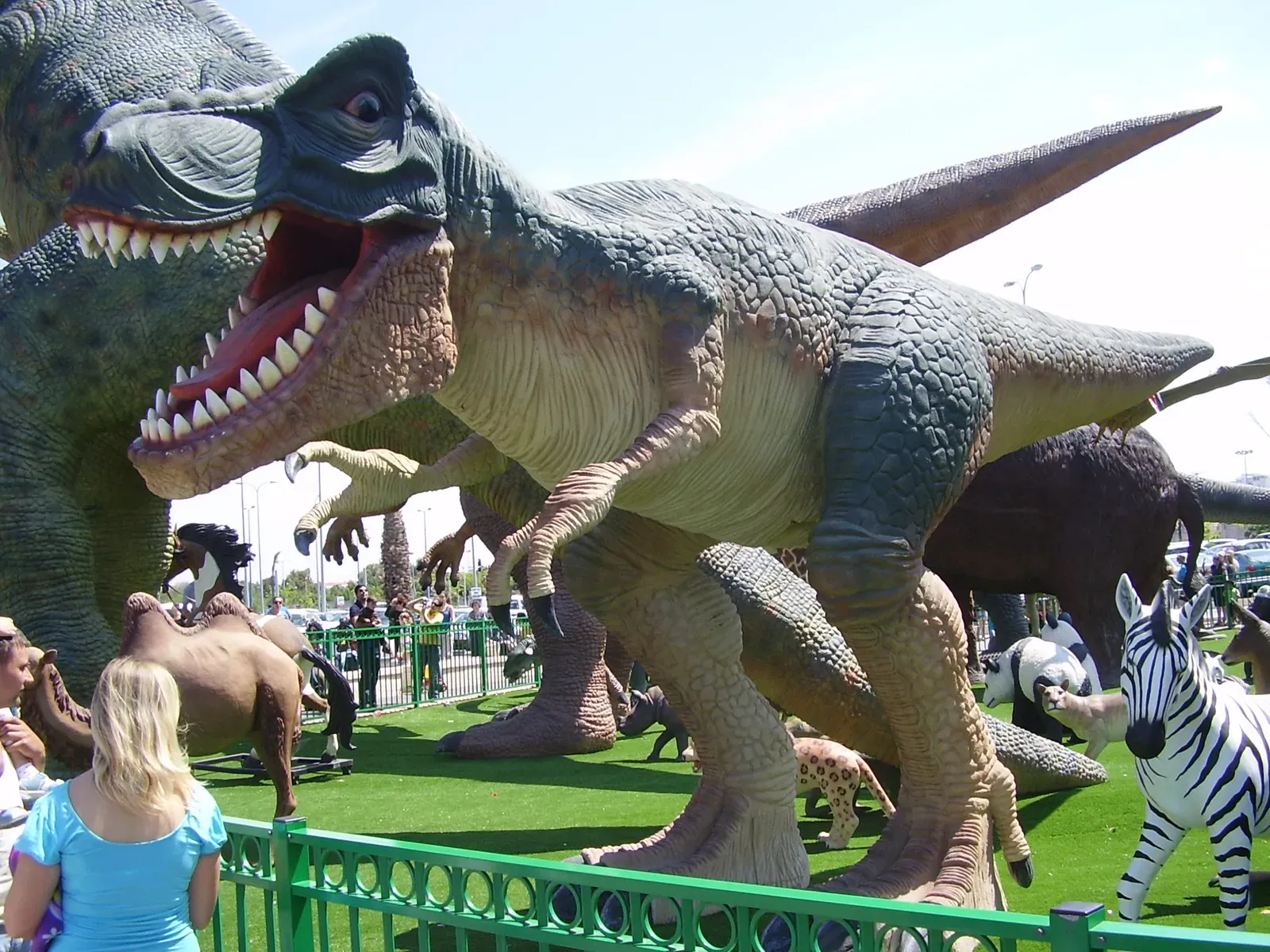
Open a typical 80s dinosaur book and you will notice a color palette dominated by murky greens, browns, and dull greys. The logic was that big animals needed camouflage, and anyway, reptiles looked drab, so dinosaurs must have followed suit. There was also an unspoken rule that making them too colorful would feel childish or unrealistic, so most illustrations stuck to safe, muddy tones. Kids absorbed the message that real dinosaurs were basically brown tanks, not show‑offs.
While we still cannot see their colors directly in most fossils, some remarkable specimens have preserved microscopic pigment structures in feathers and skin. By comparing those structures to those in modern birds, researchers have been able to infer patterns of stripes, spots, and even iridescent sheens in certain species. On top of that, the role of visual display in modern animals – from birds to lizards – suggests that at least some dinosaurs likely sported bold patterns for mating, intimidation, or recognition. We may never know the full spectrum, but the safe bet now is that the dinosaur world was visually richer than the washed‑out 80s illustrations ever suggested.
9. Dinosaurs were loners that did not care for their young

Older portrayals often treated dinosaurs as instinct‑driven, solitary reptiles that laid their eggs and walked away. Nesting might have been mentioned, but the idea of real parental care or social groups was often brushed aside. If you grew up then, your picture of dinosaur life probably involved a lot of animals quietly roaming alone, occasionally crossing paths only to fight or hunt.
Evidence has been steadily building that many dinosaurs, especially in certain groups, were far more social and attentive than that. Fossilized nesting grounds show repeated use of the same areas, sometimes with many individuals nesting together. Embryos in eggs, juvenile skeletons clustered with adults, and bonebeds containing multiple animals of different ages all hint at herd behavior or family structures. Some species appear to have grown in age‑structured groups, similar to how some modern herd animals organize. While not every dinosaur was a doting parent or social butterfly, the old assumption that they were mostly indifferent loners has been quietly replaced with a richer range of social lives.
10. We already had dinosaurs mostly figured out
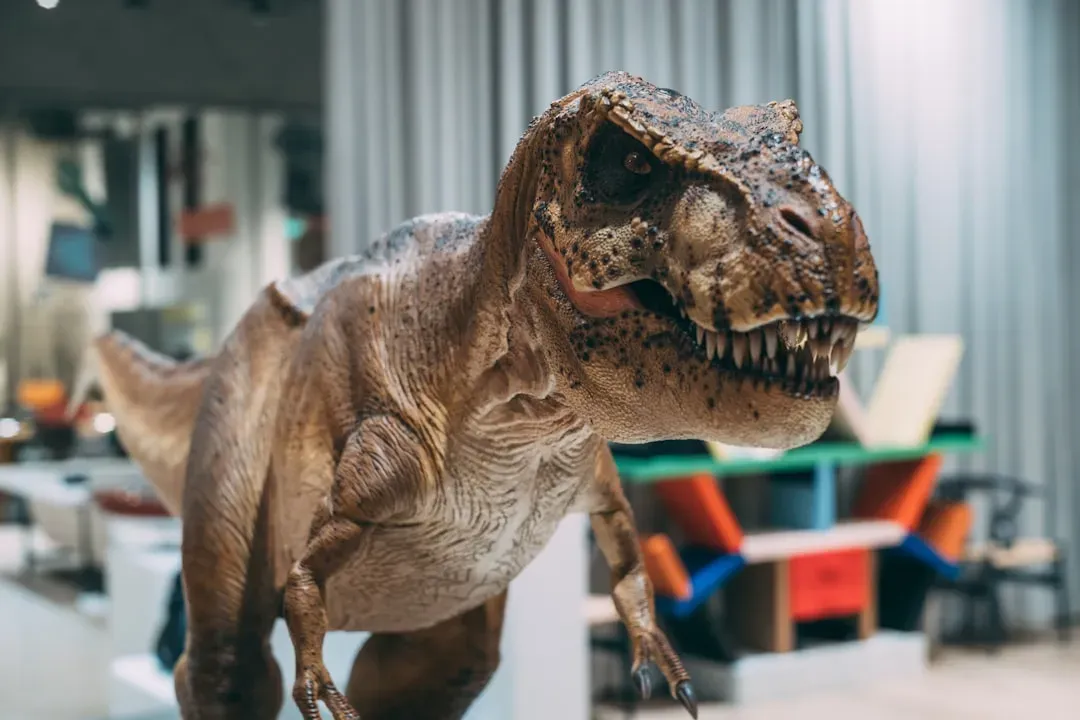
One of the most subtle beliefs many 80s kids absorbed was that the big questions about dinosaurs were basically settled. The textbooks felt confident, the museum displays seemed definitive, and the timelines looked neat and tidy. Dinosaurs lived, did their dinosaur things, then disappeared in a single famous catastrophe. The message, often unspoken, was that we were just filling in small details now, not questioning the big picture.
Now, it is obvious that dinosaurs are one of the messiest, fastest‑moving fields in science. New species are named every year, old ones are reinterpreted, and even beloved icons like T. rex keep getting revised – whether it is about feathers, growth stages, or behavior. Personally, I find it oddly comforting that the dinosaurs we learned about as kids were not the final version. It means science is doing what it is supposed to do: changing its mind when the evidence demands it. The dinosaurs on your childhood posters were not wrong so much as early drafts, and the real story is still being edited in real time.
Conclusion: The dinosaurs in our heads vs. the dinosaurs in the rocks
Looking back, the biggest correction is not just that dinosaurs were faster, featherier, or more bird‑like than 80s kids ever imagined. It is that our entire attitude toward them has shifted from certainty to curiosity. The dinosaurs many of us grew up with were finished products, wrapped in glossy illustrations and simple narratives. The dinosaurs emerging from modern research feel less like movie monsters and more like real, complicated animals we are only beginning to understand. In a way, science quietly corrected not just specific facts but the whole idea that we could ever be completely done learning about them.
My own opinion is that this is a huge upgrade, even if it means letting go of some nostalgic favorites. The truth – that birds are dinosaurs, that some had feathers, complex social lives, and strange metabolisms – is far weirder and more wonderful than the swamp beasts we met in grade school. The next time you see a sparrow on a sidewalk or a pigeon on a power line, it might be worth pausing for a second and remembering you are looking at the last branch of a dynasty that outlived cataclysms and rewrote its own story. When you picture a dinosaur now, will you still see that 80s book cover – or can you let a living, breathing, evolving mystery walk in instead?