If you grew up thinking dinosaurs were all giant, gray, scaly monsters that roared non-stop and spent their days in endless Hollywood-style battles, you’re not alone. Jurassic Park defined an entire generation’s mental picture of dinosaurs. But since that first movie hit theaters in the early 1990s, paleontology has basically flipped the table, rewritten the script, and then set the script on fire. The dinosaurs we know today are stranger, more vibrant, and way more interesting than that old-school movie version.
When I finally dug into the newer science a few years ago, it honestly felt like finding out your favorite childhood cartoon had a wild, behind-the-scenes true story. Feathers where you expected scales, tiny brains doing surprisingly clever things, colors and behaviors more like birds than lizards – it all forces you to rethink what these animals were really like. Let’s walk through ten of the biggest discoveries that completely change the Jurassic Park story and, honestly, make dinosaurs even cooler.
1. Many Dinosaurs Had Feathers (And They Weren’t Just Fluffy Chicks)
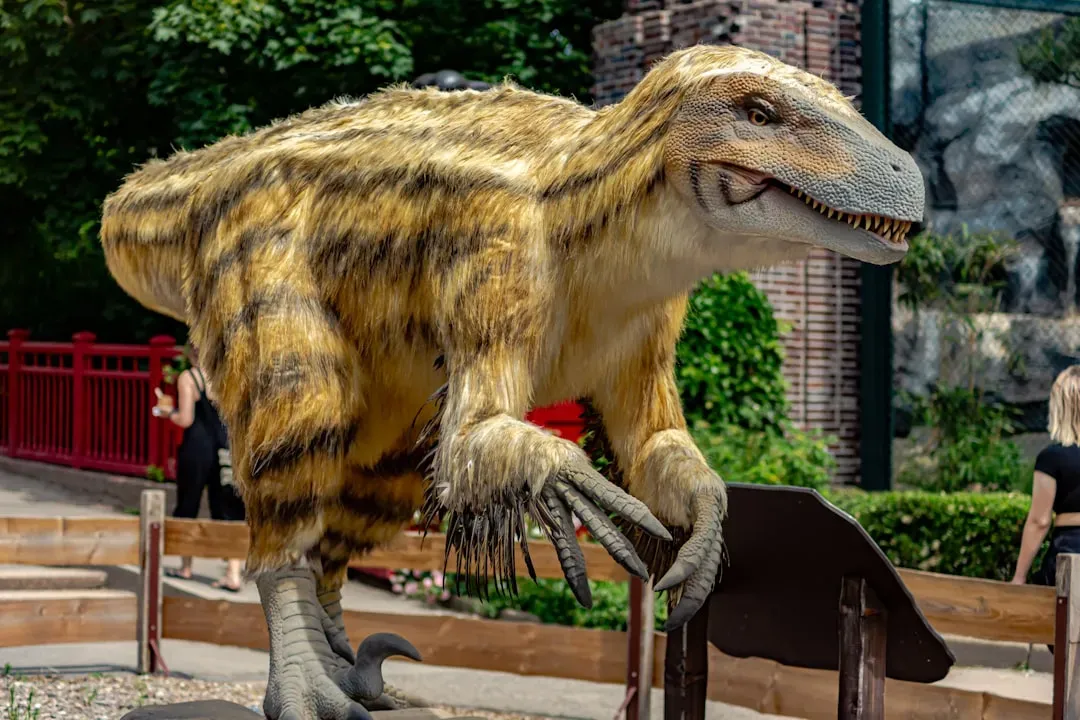
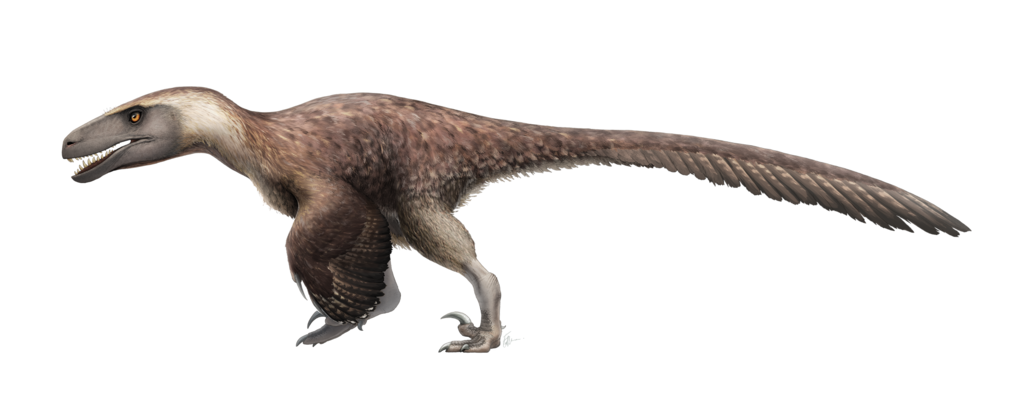
One of the most shocking updates is that a lot of dinosaurs were feathered, not naked and scaly like the classic movie look. Since the 1990s, especially from fossil sites in China, paleontologists have discovered a flood of dinosaurs with preserved feathers or feather-like filaments. These are not vague guesses; you can literally see the impressions of feather structures around the bones, sometimes so detailed that scientists can identify different feather types. Suddenly, that sleek, lizard-like velociraptor from the film looks downright outdated.
And the feathers were not limited to tiny, harmless species. Many raptor-type dinosaurs, including relatives of Velociraptor and even some larger predators, likely had full feather coats or at least feathery arms and tails. Feathers probably started as insulation or display, long before they were useful for powered flight. So if you imagine a turkey crossed with a wolf, sprinting through the undergrowth with a feathery tail flicking for balance, you’re oddly closer to reality than the film ever was. It is a little jarring to accept, but once you do, the dinosaur world suddenly looks much more alive.
2. Velociraptors Were Smaller, Smarter, and More Bird-Like Than the Movies Show
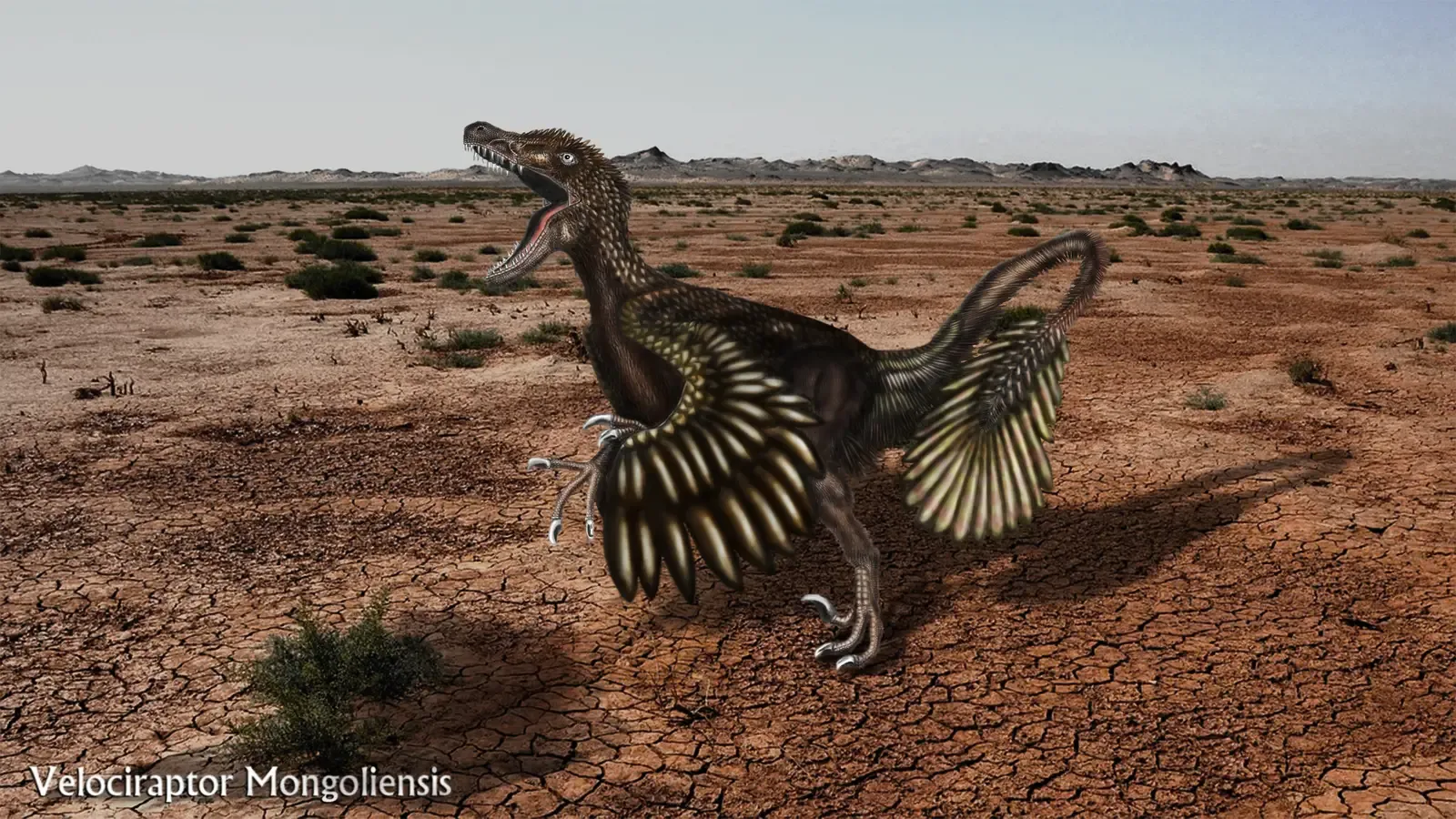
The movie’s velociraptors are iconic, but scientifically they’re a mash-up. Real Velociraptor mongoliensis was roughly the size of a big turkey or medium dog, not a human-height super predator. They had sickle-shaped toe claws and long, stiffened tails for balance, just like in the movie, but their bodies were lighter and, in all likelihood, extensively feathered. They were still dangerous predators for their environment, but they were not the man-sized door-opening monsters stalking kitchen floors.
What the film did accidentally capture is the idea that these animals were clever, agile, and quick-thinking. Studies of brain size relative to body mass and inner ear structures suggest many dromaeosaurs (the raptor group) had sharp senses and higher cognitive abilities compared with typical reptiles. Their overall body plan, from wishbones to lightly built skeletons, is startlingly bird-like. If you picture a very angry, predatory bird with a long tail and a big claw rather than a reptilian movie monster, you are much closer to the modern scientific view – and honestly, that may be even more unsettling.
3. T. rex Was a Bone-Crushing Apex Predator, Not a Near-Blind Scavenger
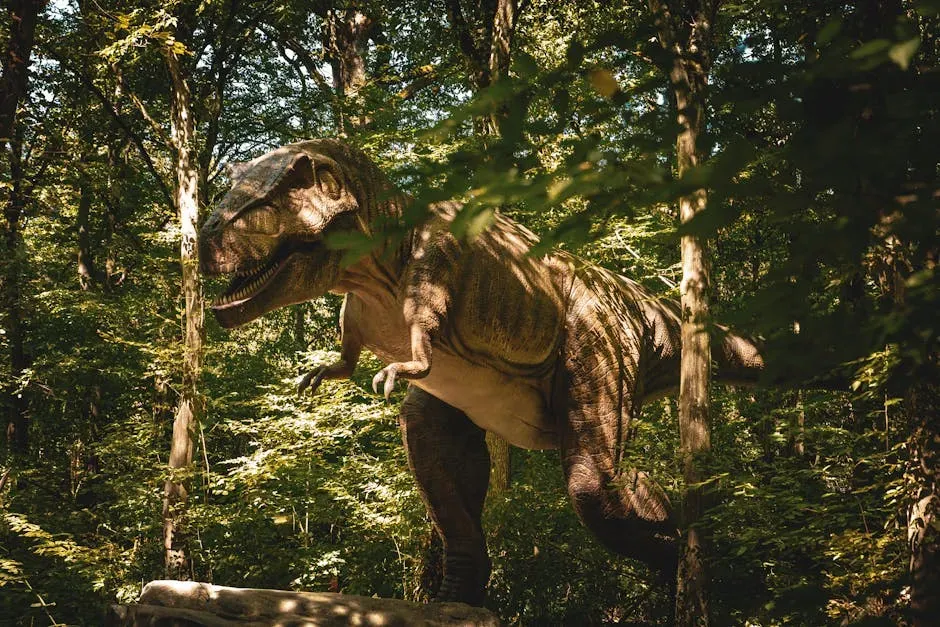
For a while, there was a trend in the scientific conversation that maybe Tyrannosaurus rex was mostly a scavenger, lumbering around and stealing kills from smaller, faster hunters. That idea has lost a lot of ground. The evidence now points strongly toward T. rex being an active, terrifyingly capable hunter as well as an opportunistic scavenger – just like big predators today. Its skull and neck muscles were built to deliver crushing bites that could pulverize bone, which you can see from the bite marks on fossilized bones of other dinosaurs that show healed damage.
On top of that, T. rex probably did not have the terrible eyesight that the movie suggested. Studies of its skull and braincase show forward-facing eyes and a visual field more like that of modern birds of prey, with strong depth perception. There is also evidence that its sense of smell was highly developed. Instead of a half-blind monster that could not see you if you stood still, the real T. rex was likely a hyper-aware, sharp-sensed predator built to track, chase, and kill large prey. That might kill a few movie myths, but it massively increases the respect you have for this animal.
4. Dinosaurs Were Not Just Cold-Blooded or Warm-Blooded – They Were Something In Between
Jurassic Park talked about dinosaurs as essentially giant, fast-moving reptiles, which implied the old-school idea that they were cold-blooded like lizards. Now, the picture is far more nuanced. Multiple lines of evidence – bone microstructure, growth rates, and comparisons with modern animals – suggest many dinosaurs had a metabolism that sat between typical reptiles and modern birds or mammals. They grew quickly, maintained relatively stable body temperatures, and were much more active than most reptiles are today.
Scientists sometimes call this a “mesothermic” state, which basically means they were neither lazy, sun-basking crocodiles nor constantly burning furnaces like hummingbirds. Different dinosaur groups probably spanned a range of metabolic styles. Fast-moving predators and some big herbivores likely had higher, more stable internal temperatures that allowed them to be active even in cooler conditions. This metabolic flexibility helps explain how dinosaurs thrived in polar regions and across varied climates. It turns out the simple hot-blooded vs cold-blooded label just does not fit their world.
5. Many Dinosaurs Were Colorful, and Some May Have Had Patterns for Display
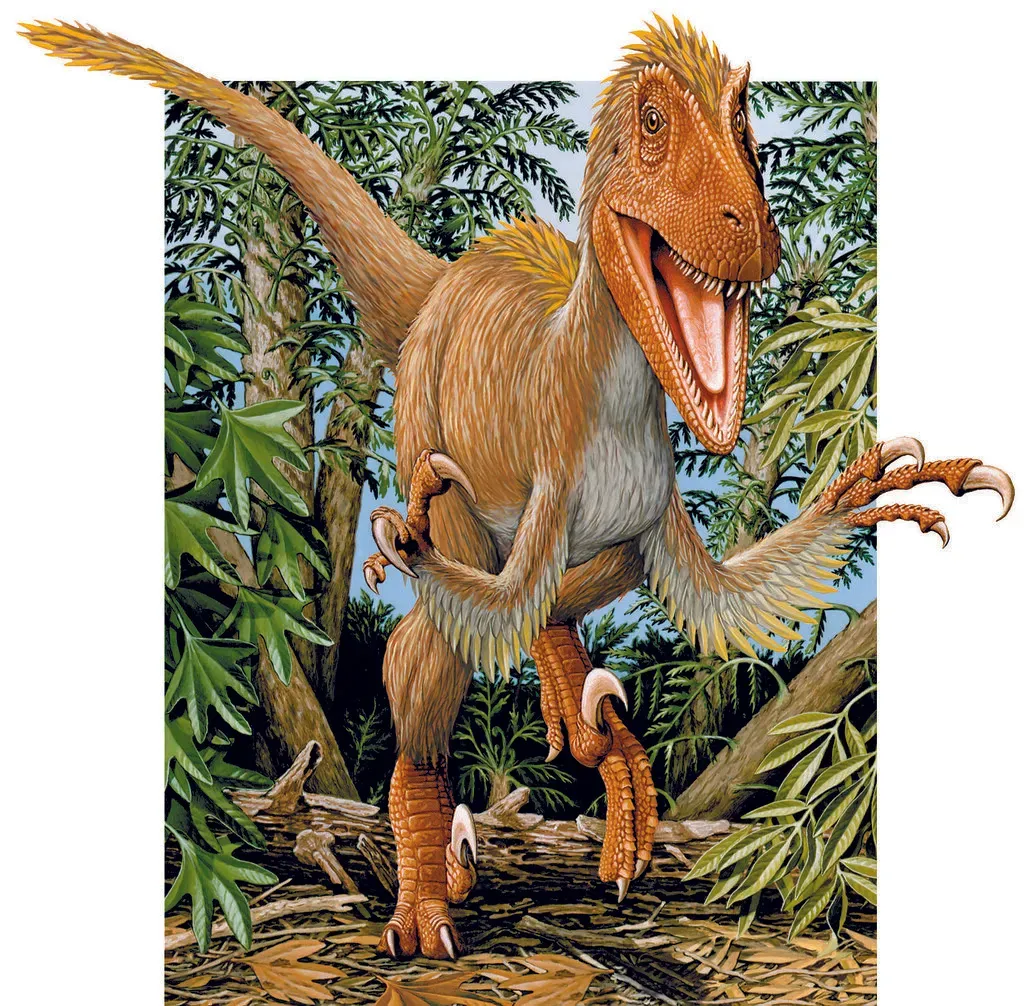
Movies usually paint dinosaurs in muted greens, browns, and grays, as if the entire Mesozoic was stuck in camouflage mode. Fossil discoveries over the past two decades have changed that in a surprisingly specific way. In some exceptionally preserved feathered dinosaurs, researchers can see microscopic structures called melanosomes, which are also found in modern bird feathers. By comparing their shapes and arrangements to those in living birds, scientists can infer likely colors and patterns in ancient feathers.
Studies suggest that some dinosaurs wore dark, iridescent, or banded plumage, maybe with contrasting patches for display, species recognition, or sexual selection. Imagine small feathered dinosaurs with dark, crow-like sheen, or banded tails and masks around the eyes rather than uniformly dull skin. Even larger species with simpler coverings may have had distinctive patterns. This points to a dinosaur world that was visually complex, full of signals, displays, and maybe even show-offs trying to impress mates. Suddenly the mental image shifts from a drab reptile park to something much closer to a wild, prehistoric bird sanctuary.
6. Dinosaurs Were Often Social, Caring, and Sometimes Lived in Complex Groups
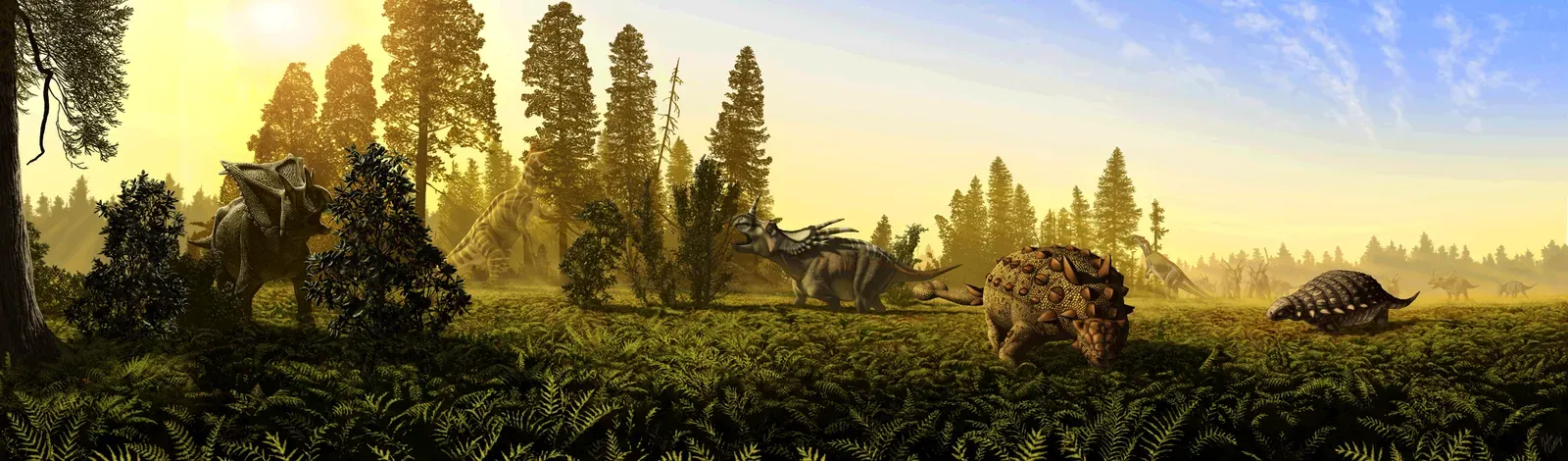
The original Jurassic Park mostly shows dinosaurs as isolated, wandering animals that occasionally cooperate for hunting. Fossil evidence tells a more social story. Paleontologists have discovered nesting grounds with multiple dinosaur nests clustered together, footprints that record herds moving in coordinated directions, and even fossils of adults found near groups of young. Some species built nests, arranged eggs carefully, and appear to have guarded or at least tended to their offspring, much like many birds do today.
This suggests that for a lot of dinosaurs, life was about more than solitary survival. Herds of plant-eaters may have migrated together, with juveniles in safer positions inside the group, while predators may have cooperated in loose packs or at least tolerated each other around food sources. Even if every species was not a doting parent, there is clear evidence that family structure and social bonds mattered for many of them. That kind of behavior makes dinosaurs feel less like anonymous monsters and more like strange, ancient animals with lives that had structure and relationships.
7. The Line Between Dinosaurs and Birds Has Basically Disappeared
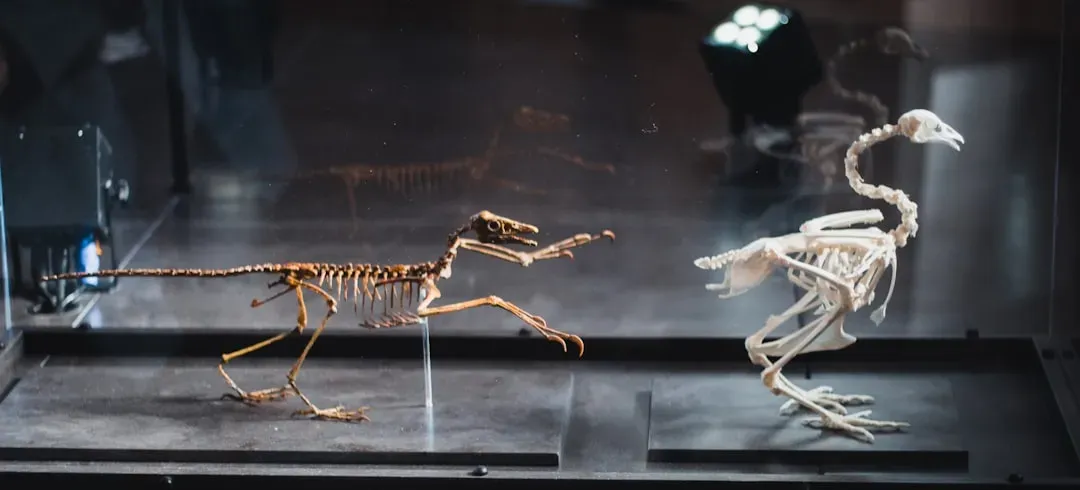
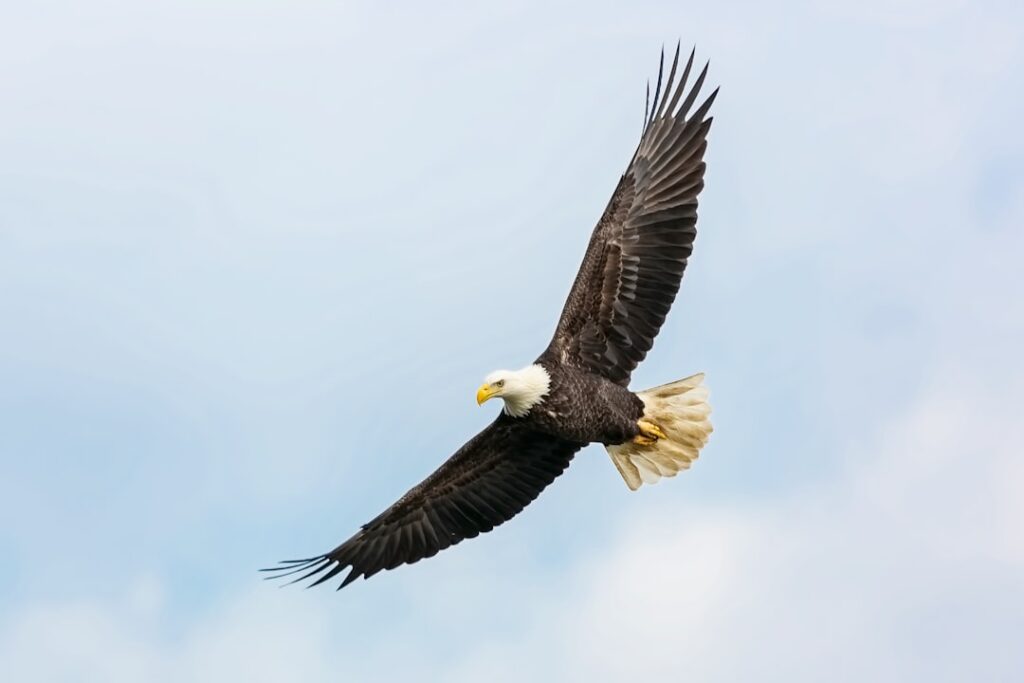
Jurassic Park famously calls birds “the closest living relatives of dinosaurs,” which was a forward-thinking line for its time, but the science has gone even further. The consensus today is that birds are not just relatives of dinosaurs – they are living dinosaurs. More specifically, they are the surviving branch of theropod dinosaurs, the same broad group that includes T. rex and Velociraptor. When you look at bird skeletons, you see all the familiar pieces: wishbones, hollow bones, three-toed feet, and similar hip and leg structures.
Over the last few decades, the fossil record has filled in more and more transitional species that blur the line between non-avian dinosaurs and early birds. These were animals with teeth and long tails, but also feathers and wings capable of gliding or short bursts of flight. Once you see that continuum, it becomes very hard to talk about a sharp divide. The real twist is that dinosaurs did not entirely vanish at the end of the Cretaceous; one branch made it through and is still chirping outside your window. It is both humbling and a little surreal to realize that pigeons are, in a very real sense, tiny urban dinosaurs.
8. Dinosaurs Lived in More Extreme Places and Weather Than We Thought
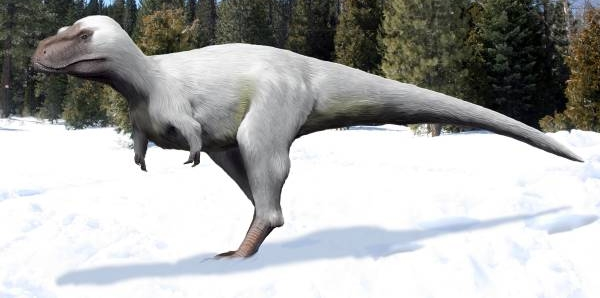
Jurassic Park’s dinosaurs mostly roam through a warm, tropical-looking island, which feels intuitive: big reptiles in hot jungles. In reality, dinosaurs lived in a much wider range of environments, including polar regions with long, dark winters. Fossil finds from ancient high-latitude sites show dinosaur bones and even trackways in areas that would have experienced months of low light or darkness, along with cooler temperatures than a tropical island. These were not just occasional visitors; they appear to have been long-term residents.
This tells us dinosaurs were tougher and more adaptable than the movie setting implies. Their physiology and behavior allowed them to cope with seasonal changes, shifting food supplies, and possibly even snow or frost in some regions. Herbivores had to handle seasonal plant availability, and predators had to track moving herds or find alternative food sources. Thinking of dinosaurs as global, climate-flexible animals, rather than just jungle giants, completely reframes how we imagine their day-to-day lives and the kinds of challenges they faced.
9. The Asteroid Impact Story Is More Complex Than a Single Explosive Moment
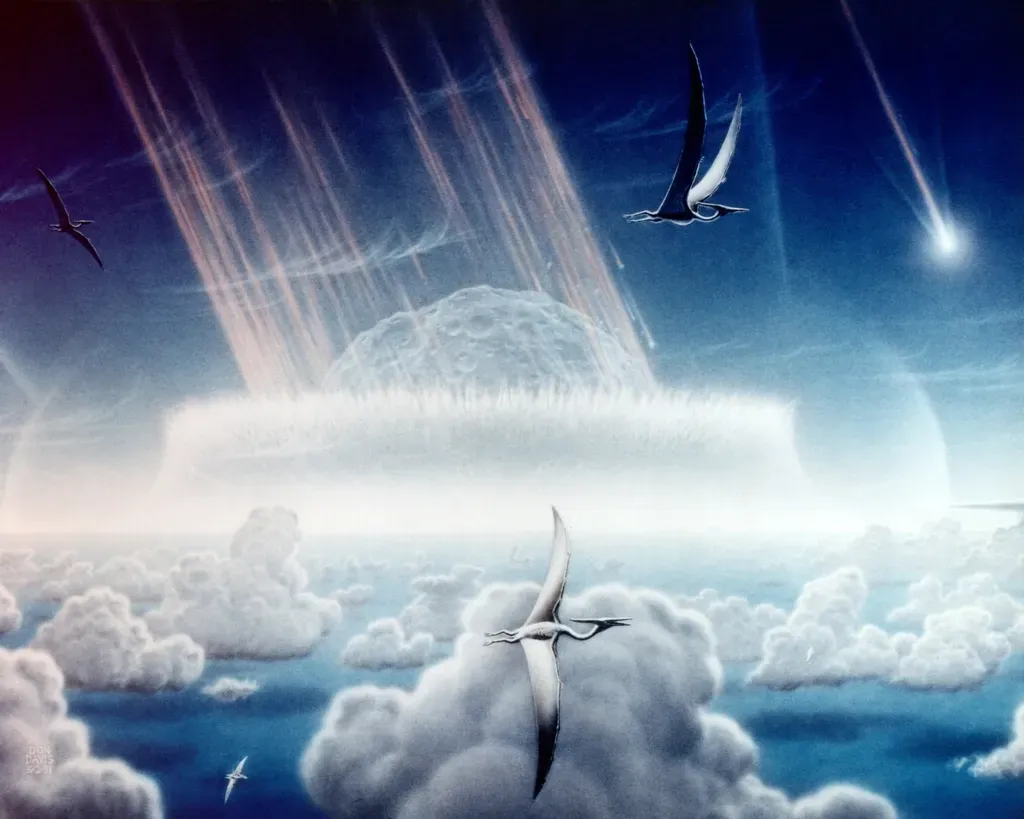
The film hints at an ancient catastrophe that wiped out the dinosaurs, but our understanding of that event has become much more detailed and, in a way, more unsettling. We now know that a massive asteroid struck what is now the Yucatán Peninsula, triggering wildfires, tsunamis, earthquakes, and a climate shock that darkened the skies and cooled the planet. But instead of a single instant of destruction, the extinction appears to have played out over years to thousands of years, as food chains collapsed and ecosystems unraveled.
There is also evidence that Earth was already under stress from intense volcanic activity and climate changes before the impact. So by the time the asteroid hit, many species might have been living close to the edge. Some dinosaur lineages were declining, while others were still doing well, and this global disaster tipped the balance. It is a more layered story than just “rock falls, dinosaurs die,” and it highlights how fragile even the mightiest creatures are when the environment changes faster than life can adapt. In that sense, the real story is less cinematic but far more relevant to us today.
10. Dinosaurs Were Not Static Monsters – Their Evolution Was Wildly Experimental
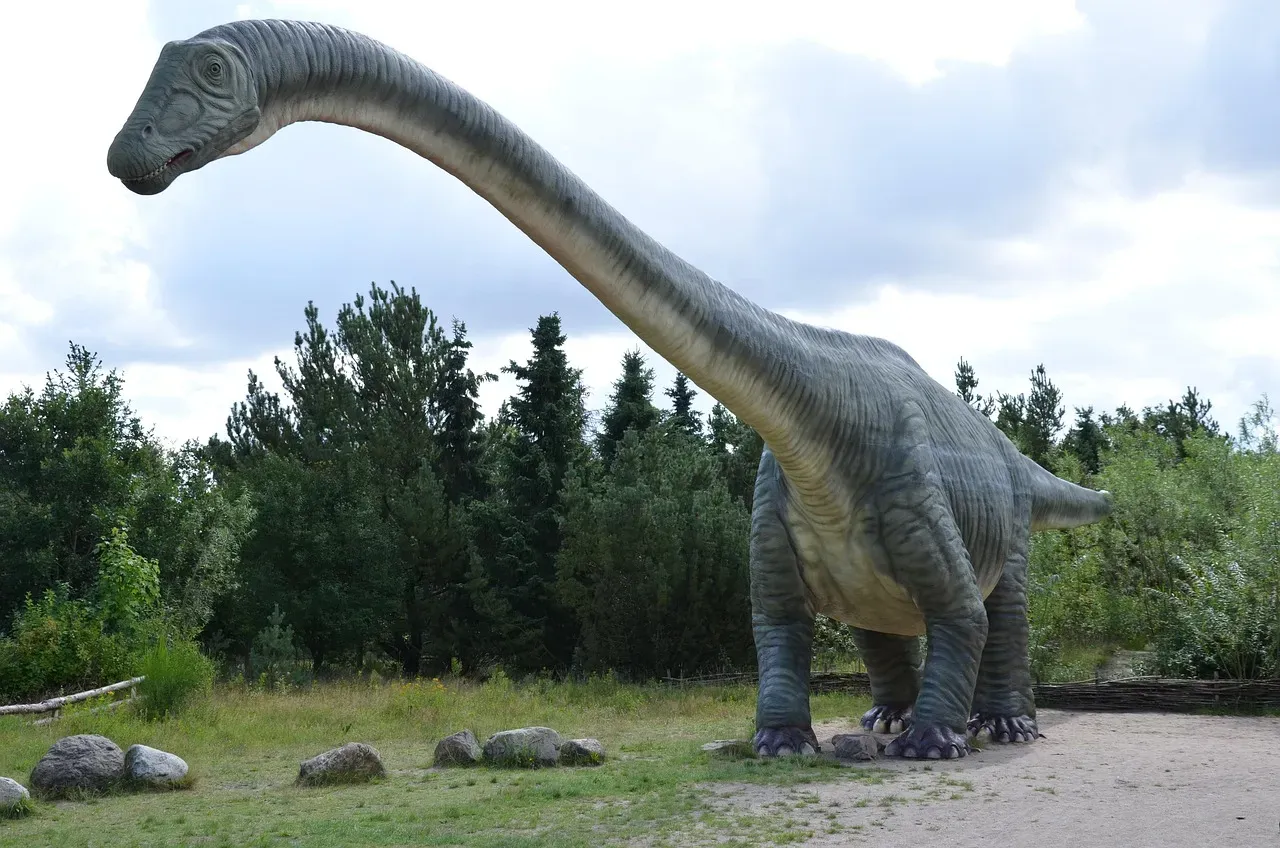
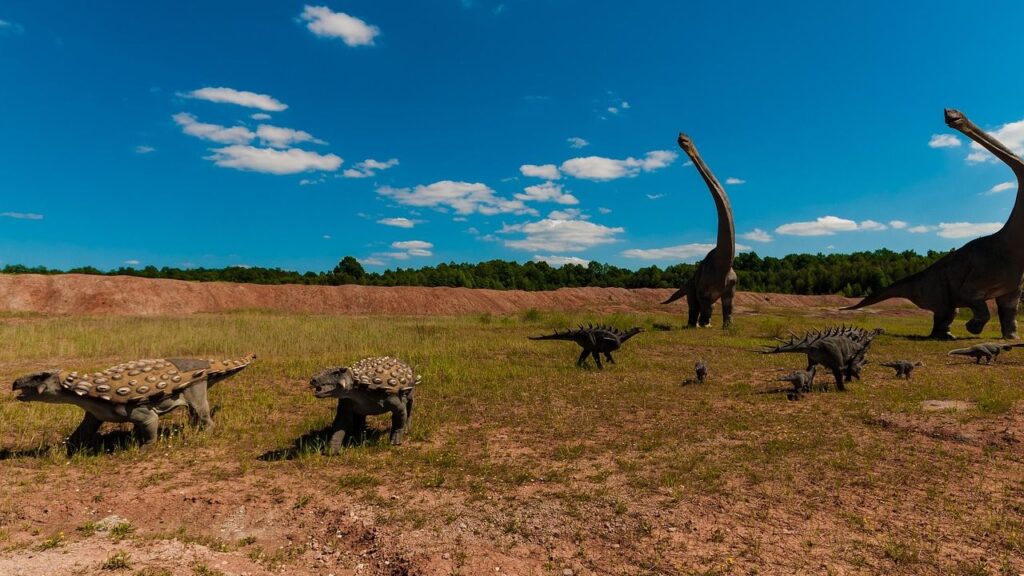
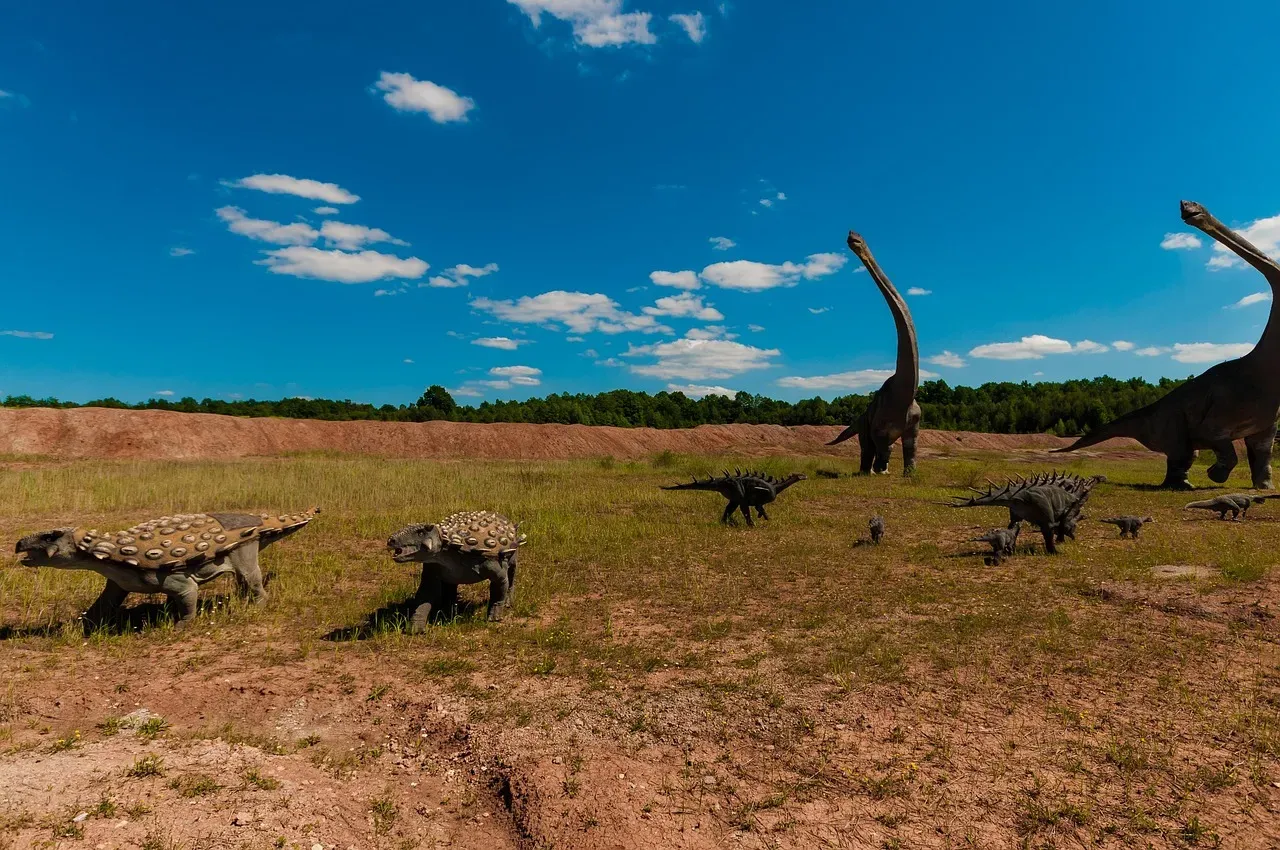
One quiet assumption in movies is that dinosaur types were stable, almost like mythological creatures frozen in time. Modern paleontology paints a totally different picture. The Mesozoic era was a long stretch of constant evolutionary experimentation, with new forms appearing, diversifying, and disappearing as environments shifted. You see tiny, fleet-footed predators, gigantic long-necked sauropods, horned and frilled herbivores, armored tanks with tail clubs, and feathered climbers experimenting with gliding and flight. It was more like a constantly changing startup culture than a static museum hall.
What really changes the story is realizing that no dinosaur totem – no T. rex, no Triceratops, no raptor – was guaranteed. They were products of specific conditions, competition, and chance. In another timeline, a different group might have risen to dominance or evolved into modern forms, and our “standard dinosaur” might look nothing like the creatures on your childhood lunchbox. For me, that makes the real Mesozoic story feel less like a closed chapter and more like a wild, unfinished experiment that only ended because the universe threw a rock at it.
Conclusion: The Real Dinosaurs Are Stranger, Smarter, and More Alive Than the Movies
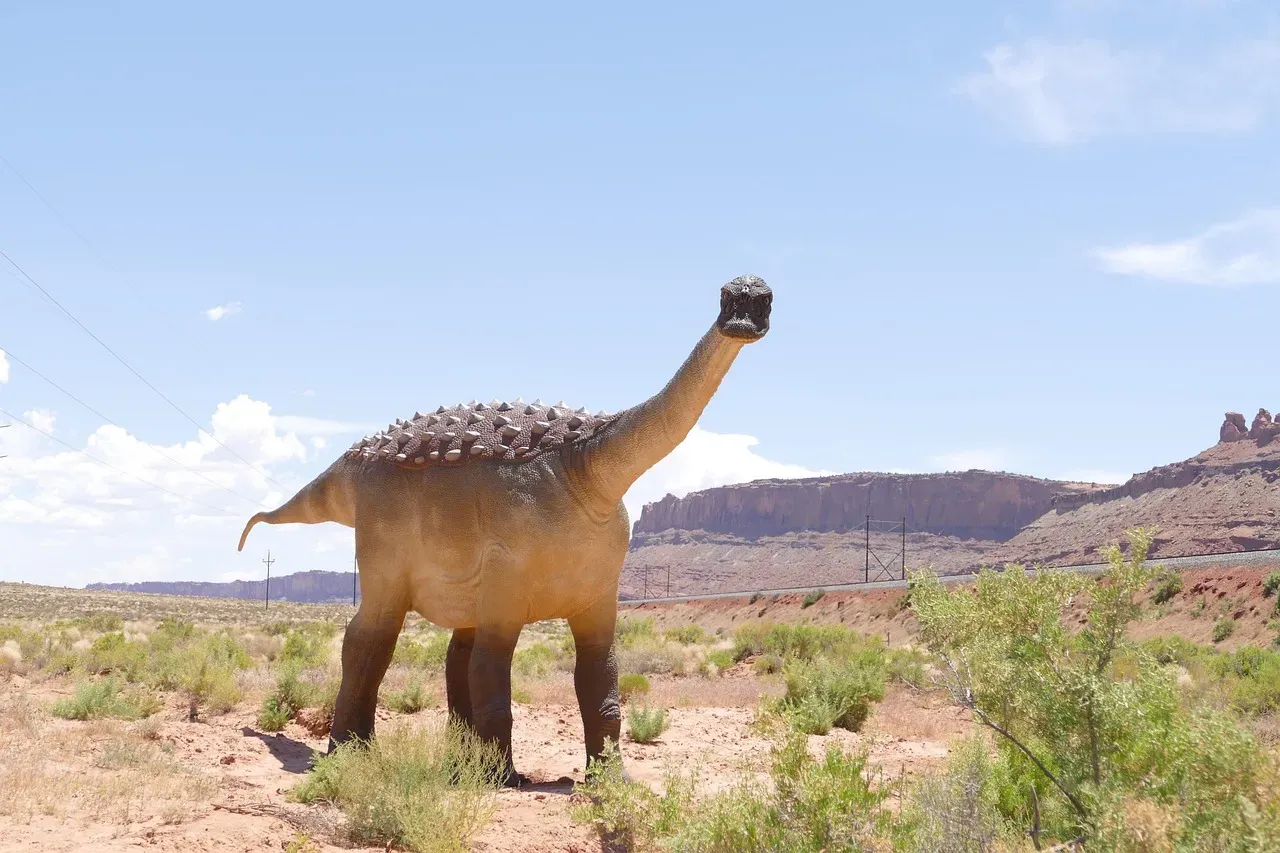
Looking back, Jurassic Park did something incredible: it made people care about dinosaurs again. But the science that has grown since then quietly demolished most of its visuals and assumptions. Feathers instead of naked scales, bird-like metabolisms instead of sluggish reptilian ones, family groups instead of lonely monsters, and a living dinosaur legacy flying above our heads – all of this turns the old narrative on its head. The truth is that the real animals were not just movie monsters; they were complex, adaptable creatures woven into rich ecosystems over tens of millions of years.
If anything, these discoveries make the Hollywood version feel a bit small. I actually prefer the messy, evidence-based story where dinosaurs are vivid, colorful, social, and still with us in the form of birds. It forces us to admit that nature does not owe us simple categories or tidy endings. The more we learn, the weirder and more wonderful the past becomes. So next time you see a pigeon strutting on the sidewalk, ask yourself: are you really looking at the “after” picture of Jurassic Park – and did you ever imagine the story would end this way?