Dinosaurs ruled this planet for roughly 165 million years. Let that sink in. For context, modern humans have been around for only a fraction of that time, and yet we still can’t fully explain how these extraordinary creatures lived, grew, communicated, or ultimately vanished. You’d think that with all the museums, fossil digs, and cutting-edge science at our disposal in 2026, we’d have it all figured out by now. We don’t. Not even close.
What’s genuinely thrilling is that every new fossil discovery seems to raise more questions than it answers. There’s something deeply humbling about that. So here are ten of the most baffling, mind-bending mysteries from the dinosaur age that continue to leave some of the world’s smartest scientists scratching their heads. Be surprised by what you find here.
1. Were Dinosaurs Actually Warm-Blooded, Cold-Blooded, or Something Else Entirely?
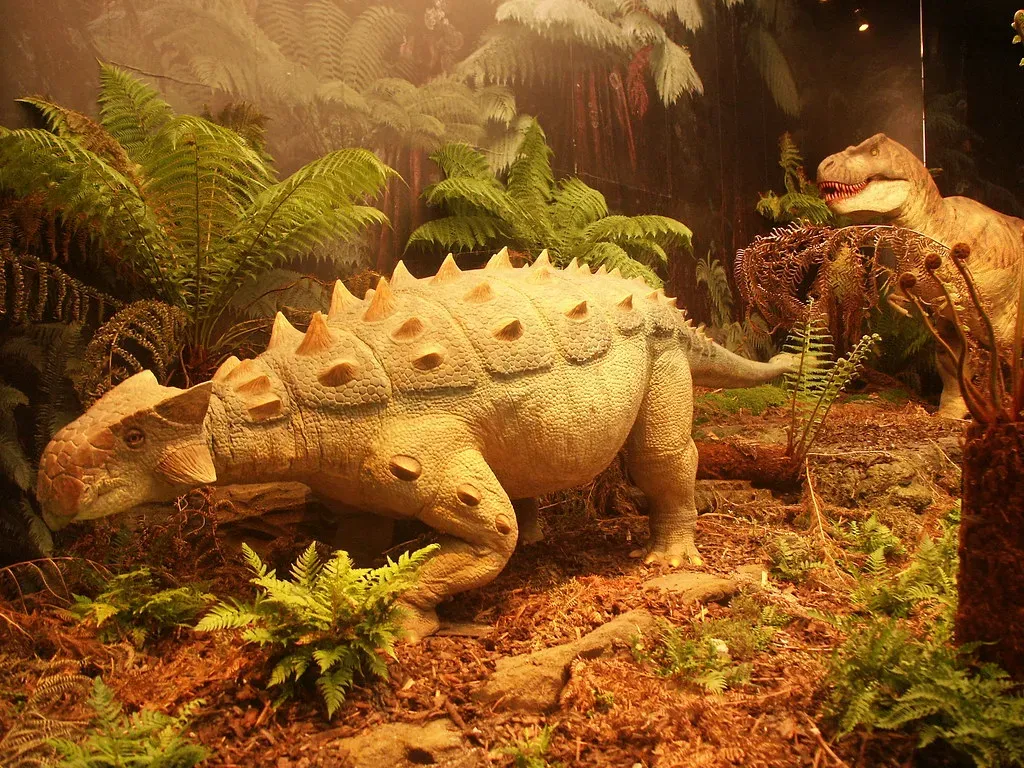
Honestly, this might be the most heated debate in all of paleontology, and it has been raging for decades. For decades, paleontologists have debated whether dinosaurs were warm-blooded, like modern mammals and birds, or cold-blooded, like modern reptiles. You might assume science has sorted this out by now, but the reality is far messier and far more fascinating than that.
Here’s the thing. They were neither cold-blooded nor warm-blooded in modern terms, but had metabolisms that were different from and in some ways intermediate between those of modern cold-blooded and warm-blooded animals. Even more surprising, many iconic dinosaurs such as Tyrannosaurus rex and the giant sauropods were warm-blooded, but cold-bloodedness later emerged in some dinosaurs such as Stegosaurus. So there wasn’t just one answer. There were potentially dozens, varying across species and across time. It’s like asking whether all cars run on the same fuel. They don’t.
2. What Triggered the Very First Dinosaur? Where Did They Come From?
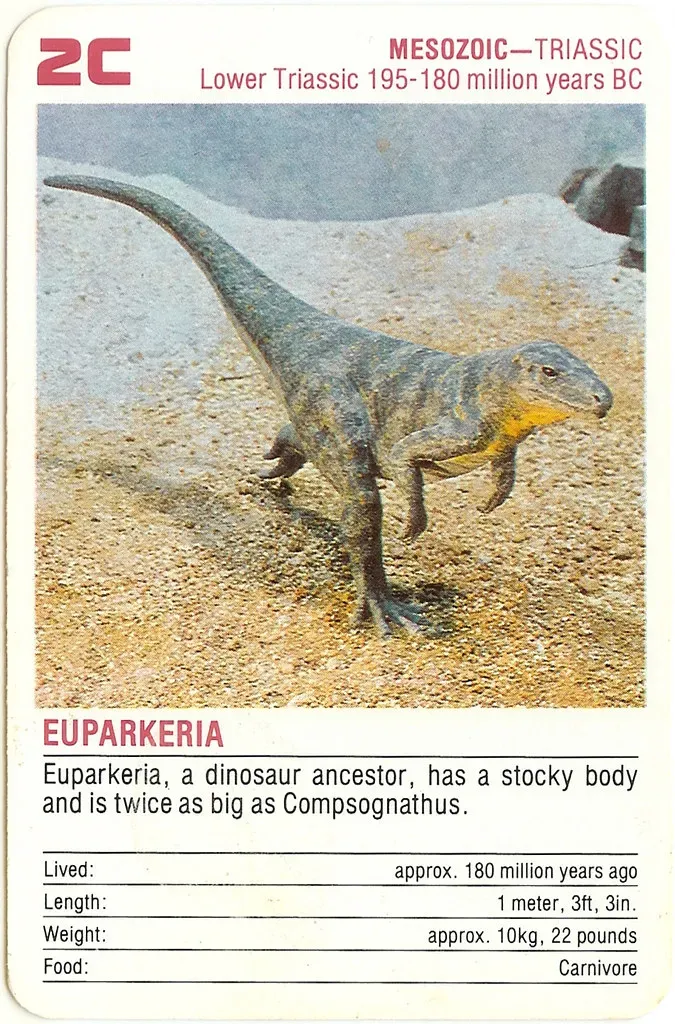
You’d think pinpointing the origin of the most famous group of animals in Earth’s history would be manageable. Think again. For paleontologists, the earliest species of any major lineage is always a sought-after critter. The trouble is that the fossil record is made up of snippets of life’s history, not the entire reel, so actually finding frames from the dawn of dinosaurs relies on luck as much as science.
Even more puzzling is the case of one major group. Ornithischians, one of the three main dinosaur groups that later included plant eaters Stegosaurus and Triceratops, are mysteriously absent from the fossil record of these early years of the dinosaur era. It’s a bit like finding every chapter of a book except the very first one. Out of the three main dinosaur groups, one group, sauropods, which includes the Brontosaurus and the Diplodocus, seemed to retain their preference for a warm climate, keeping to Earth’s lower latitudes. The origin story of dinosaurs, it turns out, is still very much unwritten.
3. How Did Sauropods Grow So Impossibly Gigantic?
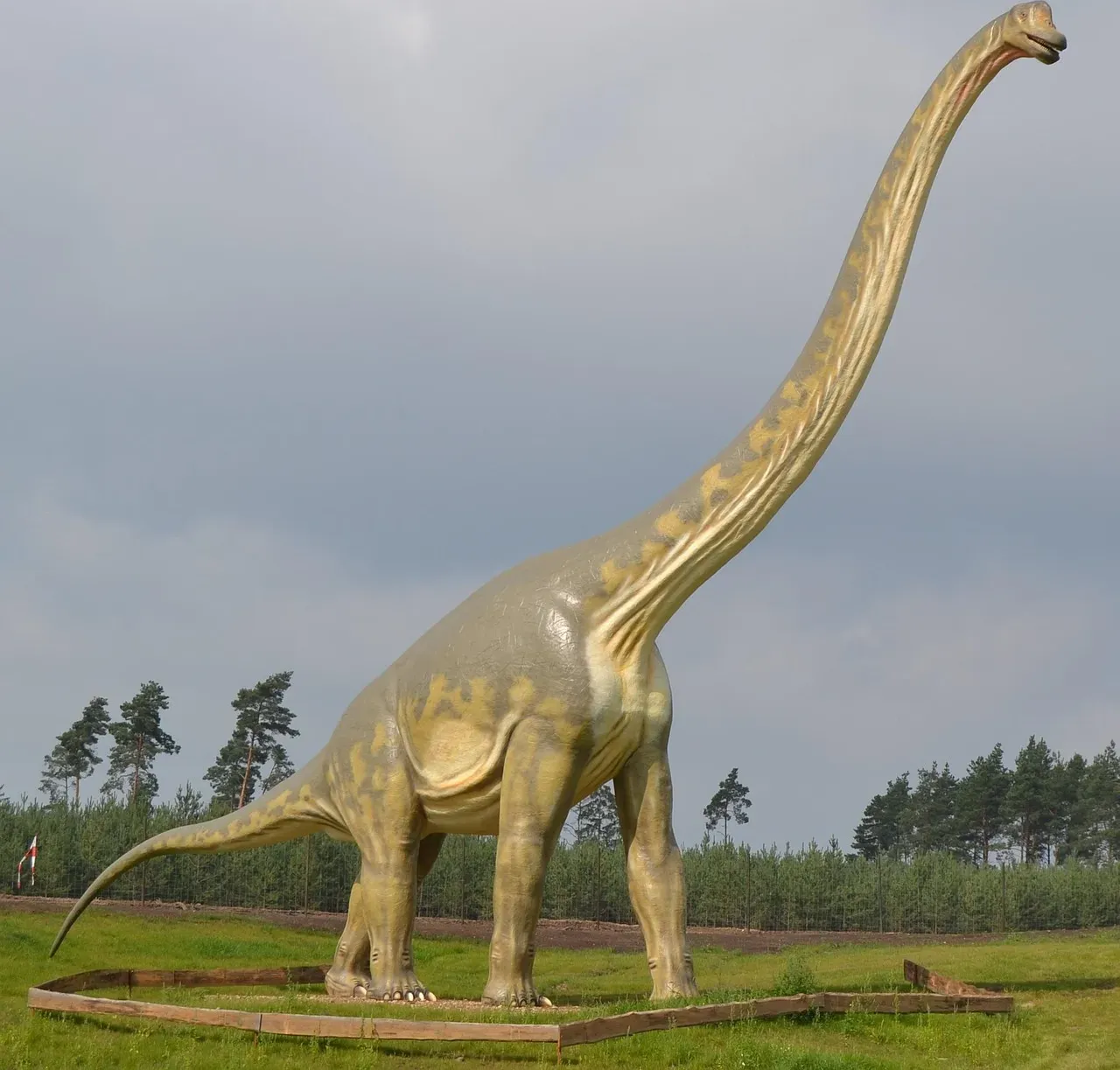
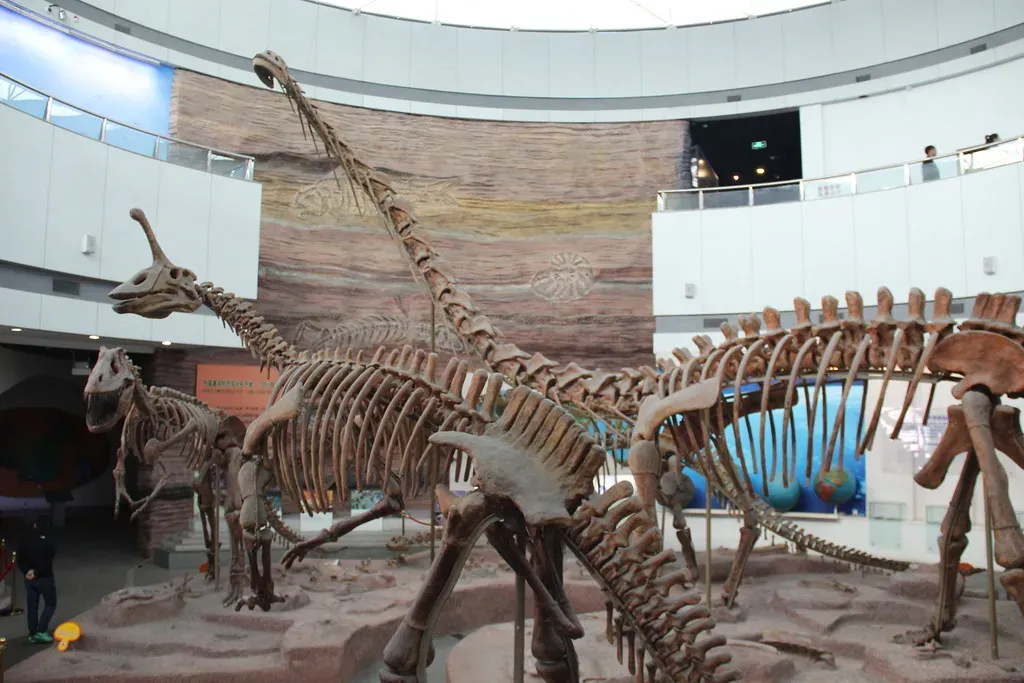
The largest sauropod dinosaurs are estimated to have reached lengths of 39.7 meters and heights of 18 meters and were the largest land animals of all time. That is almost incomprehensible. Imagine an animal longer than four city buses parked end to end, walking around and eating plants. But how? How does biology allow something to get that big?
Giant body size evolved independently in virtually all lineages of sauropods and was an attribute from early on in their evolutionary history. The 20-ton barrier, larger than any other land animal, was already broken by some of the earliest sauropods. Paleontologists don’t know for certain, but perhaps a large body size protected them from most predators, helped to regulate internal body temperature, or let them reach new sources of food. It’s hard to say for sure, but the truth is that no modern land animal comes close to this scale, and that makes understanding it all the more difficult.
4. What Did Dinosaurs Actually Look Like? The Colour Mystery
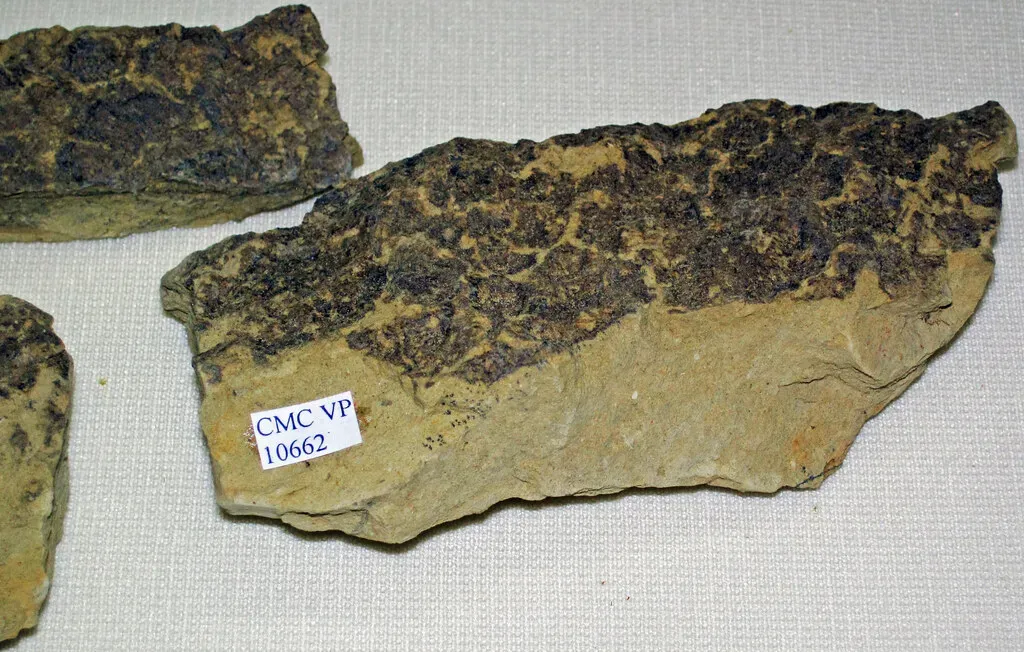
For most of history, we imagined dinosaurs as grey, brown, or green. Think of every museum model you’ve ever seen. Dinosaur coloration is generally one of the unknowns in the field of paleontology, as skin pigmentation is nearly always lost during the fossilization process. Recent discoveries, however, have begun to crack open this question in extraordinary ways.
Before a 2025 study, there had been no evidence indicating color patterning in sauropods, only that they would have likely had a textured and reptilian appearance. Tess Gallagher and her colleagues at the University of Bristol obtained the fossil skin samples from a juvenile Diplodocus found in the Mother’s Day Quarry in Montana. Both melanosome shapes appeared together in small clusters rather than spread evenly across the skin, a pattern that suggests a speckled or spotted look instead of one solid color. That image of the dull, plain dinosaur? You might want to rethink it entirely.
5. Did Dinosaurs Hunt Together, or Were They Lone Predators?
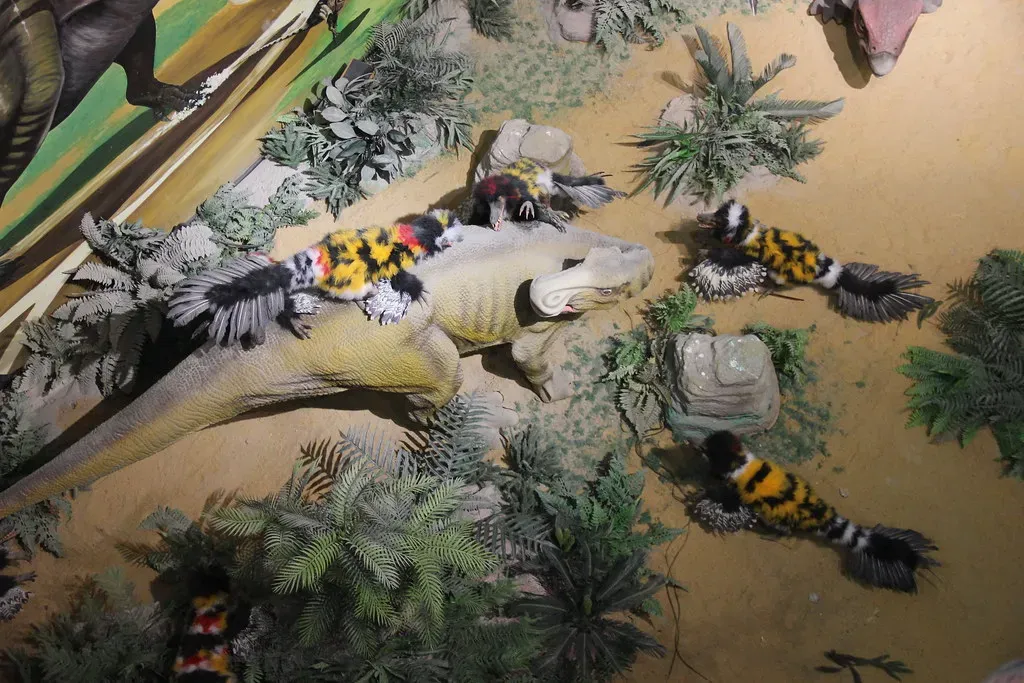
There is something cinematic about the idea of raptors hunting in coordinated packs, like a wolf pack with scales and claws. But do the fossils actually support this? Bonebeds with multiple dinosaur carnivores are even more problematic. These assemblages tell us about the deaths and burials of the dinosaurs, but are frustratingly unclear on whether those animals formed a social group or an unrelated gaggle that was fighting over a food source.
Think of it like finding several people at the scene of an accident. Were they friends traveling together, or strangers who happened to be in the same place? Bones don’t tell you that. Paleontologists would need to find something as unlikely as a set of predatory dinosaur tracks intercepting a victim’s trackway, preferably with signs of a scuffle or even a skeleton at the end. That kind of evidence is extraordinarily rare, and so the question of whether pack hunting was real or a Hollywood invention remains genuinely open.
6. Were Non-Avian Dinosaurs Really Wiped Out Instantly?
Ask almost anyone how the dinosaurs died and they’ll say: asteroid. Simple, right? Not quite. Most agree that the impact of a large asteroid or comet played a major role, while scientists continue to debate how volcanic activity or climate change caused by retreating sea levels might have contributed. The fuller story is considerably more complicated, and honestly, more disturbing.
A misconception commonly portrayed in popular books and media is that all the dinosaurs died out at the same time and apparently quite suddenly at the end of the Cretaceous Period, 66 million years ago. This is not entirely correct, and not only because birds are a living branch of dinosaurian lineage. The best records, which are almost exclusively from North America, show that dinosaurs were already in decline during the latest portion of the Cretaceous. Not to mention that most of what we know about the catastrophe comes from North America, even though dinosaurs lived around the globe. Paleontologists know the victims and the murder weapons, but they have yet to fully reconstruct how the ecological crime played out.
7. Which Dinosaurs Roamed in the Dark of Night?
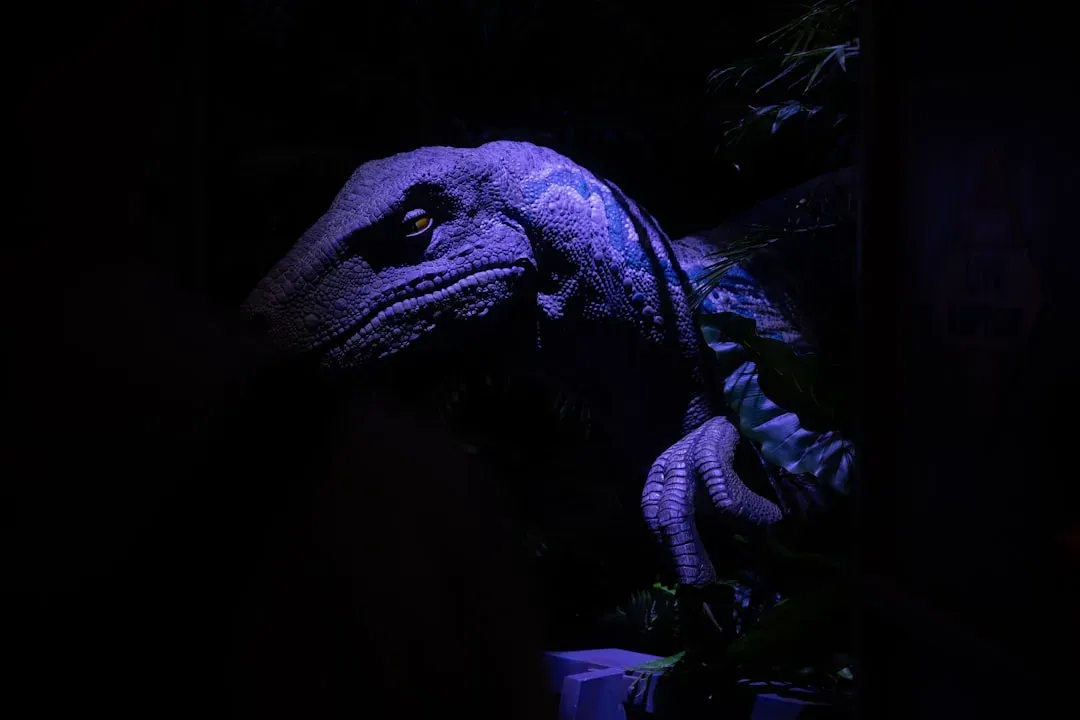
Here’s a question that almost nobody thinks to ask. Were dinosaurs nocturnal? Could some of them actually prefer the night? One of the most common tropes in descriptions of the Mesozoic world is that small, snuffling mammals eked out a living in the Age of Reptiles because the little beasts were active at night, when dinosaurs slumbered. But the assumption that all dinosaurs were strictly daytime creatures may be completely wrong.
The trouble is that it’s very difficult to tell when dinosaurs were awake. Since we can’t watch extinct dinosaurs directly, we have to rely on the evidence they left behind. Some researchers have studied the eye socket sizes of certain species to make educated guesses, much in the way you’d judge a cat’s ability to see in the dark by the size of its pupils. Sauropod eyes are unspectacular size-wise, but relative pupil size, revealed by the bony scleral ring, indicates that sauropods probably also could feed under low-light conditions at dawn and dusk. The night life of the Mesozoic remains a genuine mystery.
8. Did Dinosaurs Have Feathers Across All Species?
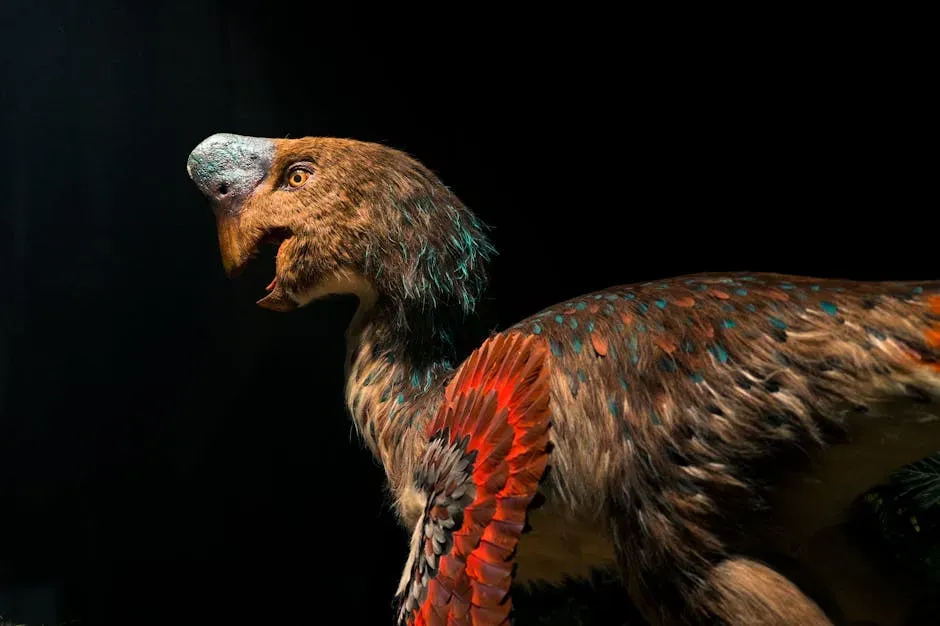
This one has completely overturned the way the world thinks about dinosaurs. We now know many of them had feathers. Dinosaurs were fuzzier than anyone ever expected. In addition to species closely related to early birds, like Anchiornis and Microraptor, a variety of dinosaurs have been found to sport feather-like coverings, from fuzzy, 30-foot tyrannosaurs to early horned dinosaurs with shocks of bristles on their tails.
So did ALL dinosaurs have feathers? That’s where it gets murky. The wide spread of these weird body coverings suggests that many other dinosaur lineages, perhaps all of them, had fuzzy members in their ranks. But which ones artists should start drawing as fluffy isn’t so clear. We don’t yet know whether dinofuzz was an ancient trait present in the last common ancestor of all dinosaurs or something that evolved later multiple times. Some scientists think all dinosaurs, including sauropods, had feathers, just as all mammals have at least some hair. Large mammals such as elephants, though, have very limited hair. Similarly, sauropods may not have had many feathers, making them unlikely to be preserved in fossils. This is one of the most tantalizing open questions in all of paleontology.
9. How Did Dinosaurs Communicate With Each Other?
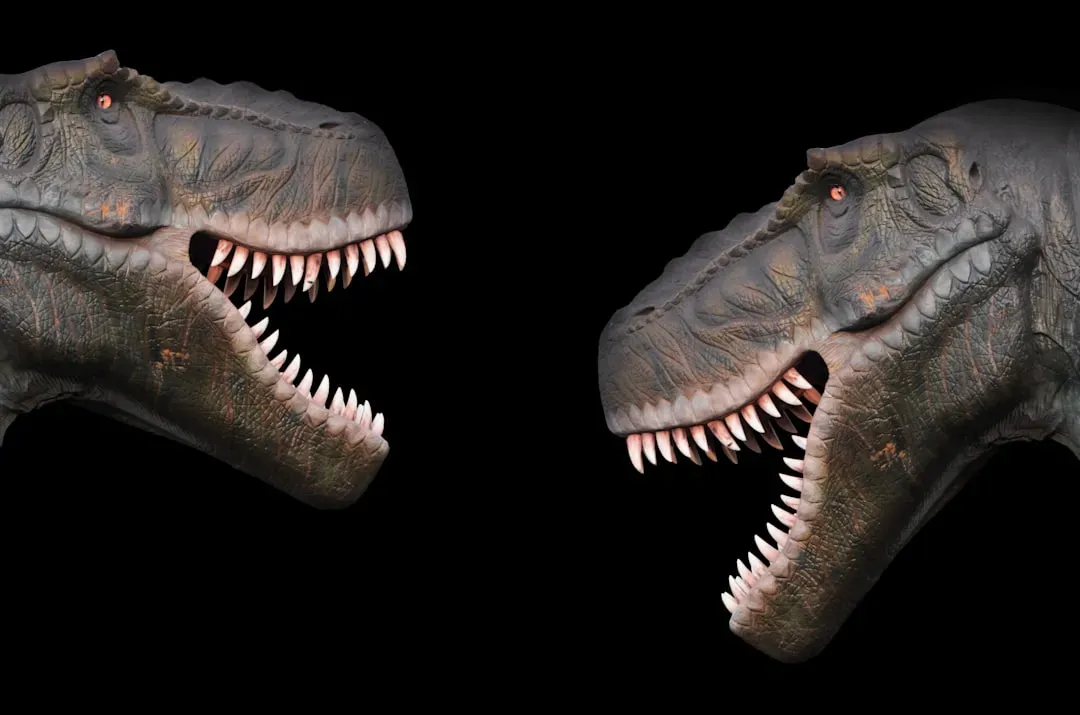
Could a T. rex roar? Did hadrosaurs sing? Did triceratops flash those frills like a peacock showing off? Modern birds communicate by visual and auditory signals, and the wide diversity of visual display structures among fossil dinosaur groups, such as horns, frills, crests, sails, and feathers, suggests that visual communication has always been important in dinosaur biology. Still, the actual mechanics of how dinosaurs spoke to one another, if they did at all, remains deeply uncertain.
We know some dinosaurs cared for their young, which implies a level of social structure. Jack Horner’s 1978 discovery of a Maiasaura nesting ground in Montana demonstrated that parental care continued long after birth among ornithopods. If you’re raising babies, you presumably need to communicate with them. But what that communication sounded or looked like is something no fossil can directly tell us. It’s the kind of mystery that makes you wish, just for a moment, that time travel were real.
10. Why Did Some Dinosaur Lineages Survive While Others Didn’t?
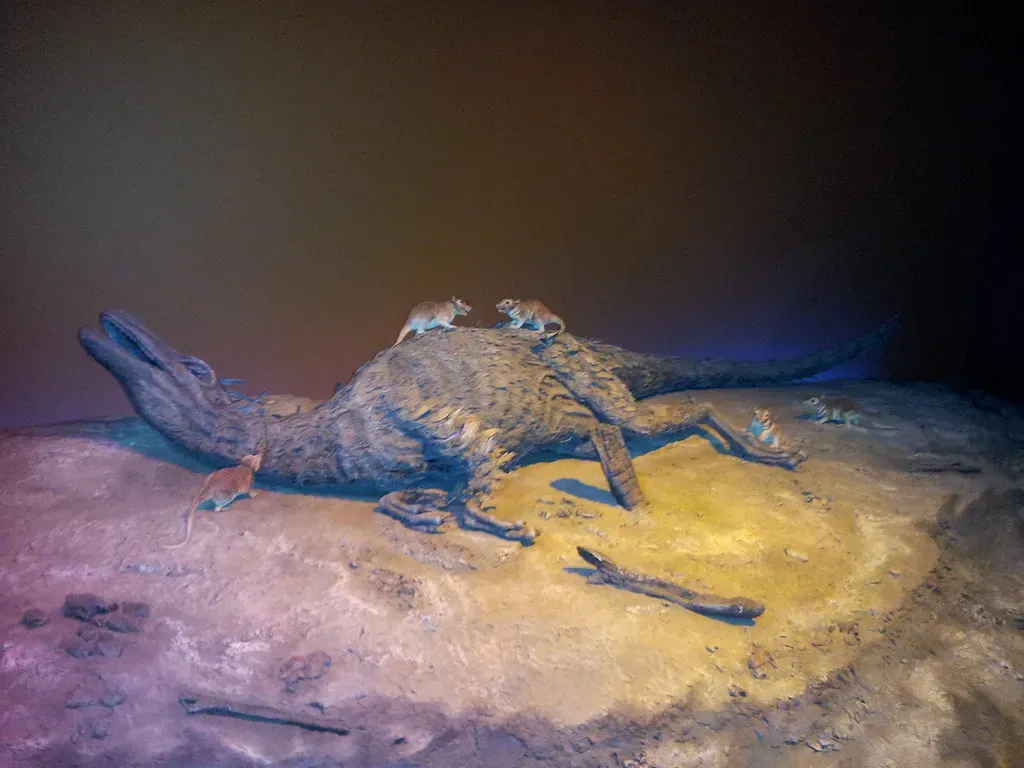
This is perhaps the most haunting question of all. The extinction 66 million years ago wiped out nearly all non-avian dinosaurs. We’ve still got avian dinosaurs, birds, but all of their awesome relatives died out in a geological instant 66 million years ago. Paleontologists still don’t know why. Why did birds survive when tyrannosaurs, sauropods, and ceratopsians did not? What made the difference?
Yes, a massive asteroid struck the planet at that time, following a protracted period of global ecological change and intense volcanic activity in a spot called the Deccan Traps. But paleontologists haven’t fully pieced together how all these triggers translated into a mass extinction that killed off all the non-avian dinosaurs. The best records show that dinosaurs were already in decline during the latest portion of the Cretaceous. The causes of this decline, as well as the fortunes of other groups at the time, are complex and difficult to attribute to a single source. Some creatures made it through. Most didn’t. And after 66 million years of research, we’re still not entirely sure why.
Conclusion: The Fossil Record Has More Secrets Than Answers
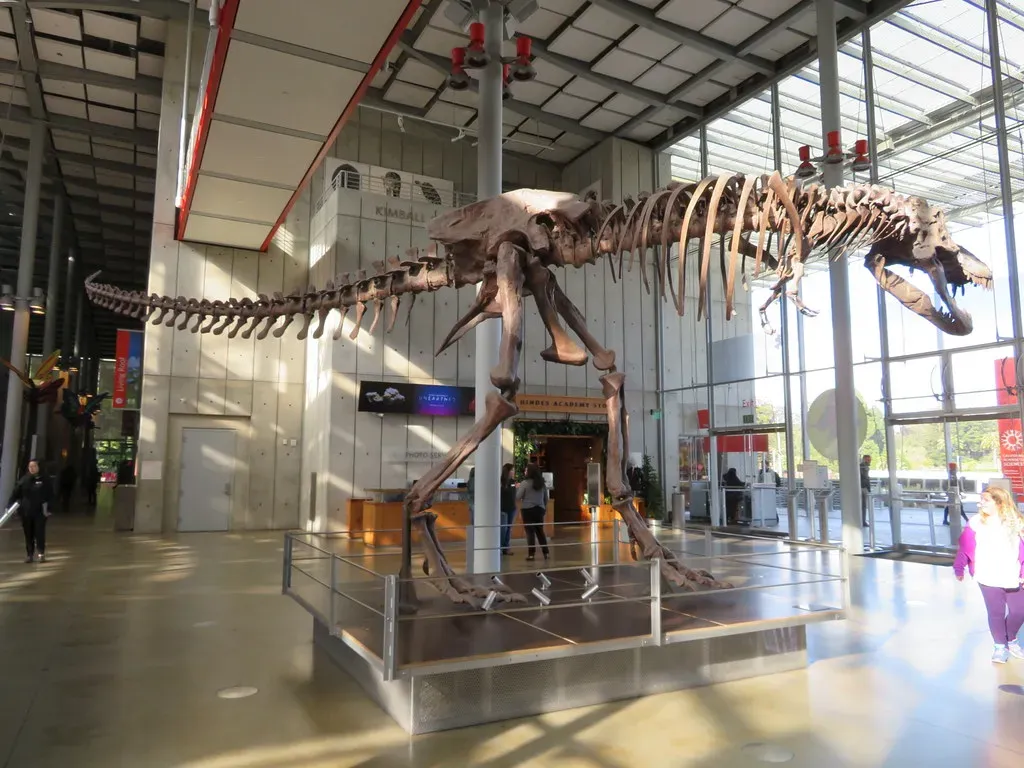
Let’s be real. The dinosaur age is not a solved chapter of Earth’s history. It is an ongoing investigation, and every year that passes, new fossils and new technologies pull the curtain back a little further on what once seemed unknowable. Dinosaurs may be long extinct, but 2025 made it abundantly clear that they’re anything but settled science. Over the past year, new fossils, reanalyses of famous specimens and the use of increasingly sophisticated tools have continued to upend what we thought we knew about how these animals lived.
The ten mysteries explored in this article are not simply academic puzzles sitting in dusty journals. They reshape how you understand life itself, how creatures evolve, survive, dominate, and disappear. There is something strangely comforting in knowing that science still has so much left to discover, that curiosity still has room to roam. The Mesozoic era lasted over 180 million years. We’ve had maybe 200 years of serious fossil study. We’re only just getting started.
Which of these mysteries surprises you the most? Tell us in the comments below.