Dinosaurs ruled this planet for an almost incomprehensible stretch of time. Think about it – roughly 160 million years of dominance across every continent, every climate, and nearly every ecological niche imaginable. That is not luck. That is evolution working at its absolute finest.
What made these creatures so incredibly resilient? The answer lies in a staggering array of physical and behavioral adaptations, some of which science has only recently uncovered. You are about to discover ten of the most remarkable survival tools that nature ever engineered. Let’s dive in.
1. Hollow Bones That Were Stronger Than They Looked
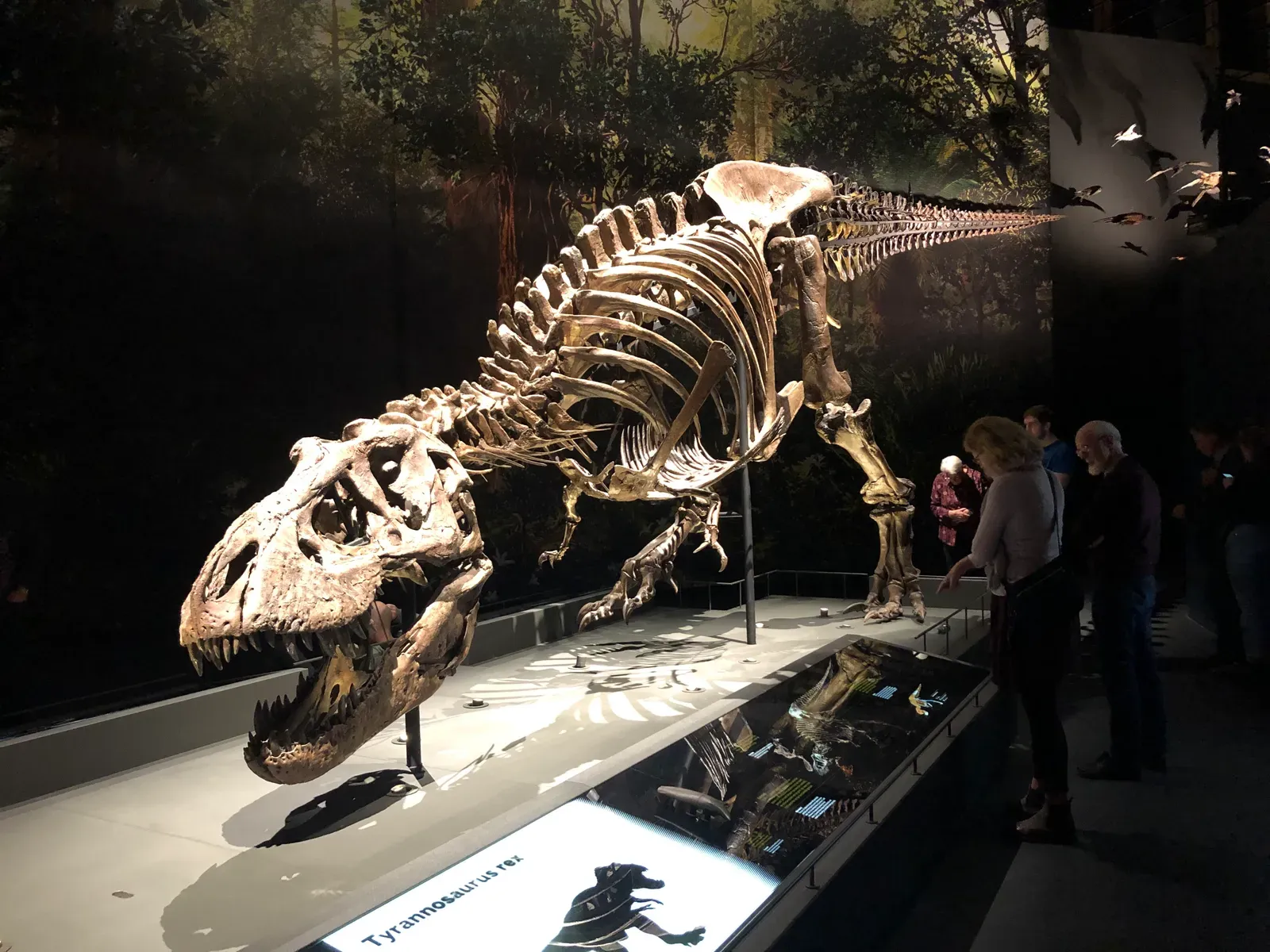
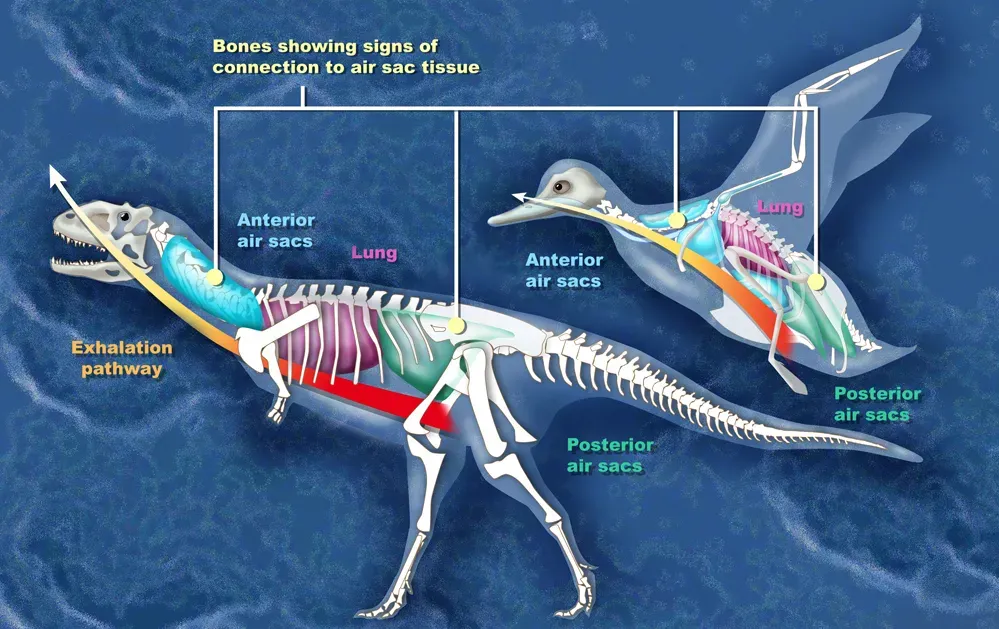
Here is something that might genuinely surprise you. The very thing that made many dinosaurs seem fragile on paper – hollow, air-filled bones – was actually one of their greatest survival weapons. Brazilian paleontologist Tito Aureliano found that hollow bones filled with little air sacs were so important to dinosaur survival, they evolved independently several times in different lineages. When evolution keeps landing on the same solution over and over, you know it is doing something extraordinarily right.
The aerated vertebrae bones enhanced the dinosaurs’ strength and reduced their body weight. Think of it like corrugated cardboard – light enough to carry with ease, yet structurally tough enough to withstand real force. The air sacs probably enhanced oxygen levels in the dinosaurs’ blood. The Triassic period had a scorching hot and dry climate, so more oxygen circulating in the blood would cool dinosaur bodies more efficiently. That is a two-for-one evolutionary deal that is honestly hard to beat.
2. A Revolutionary Hip and Ankle Structure
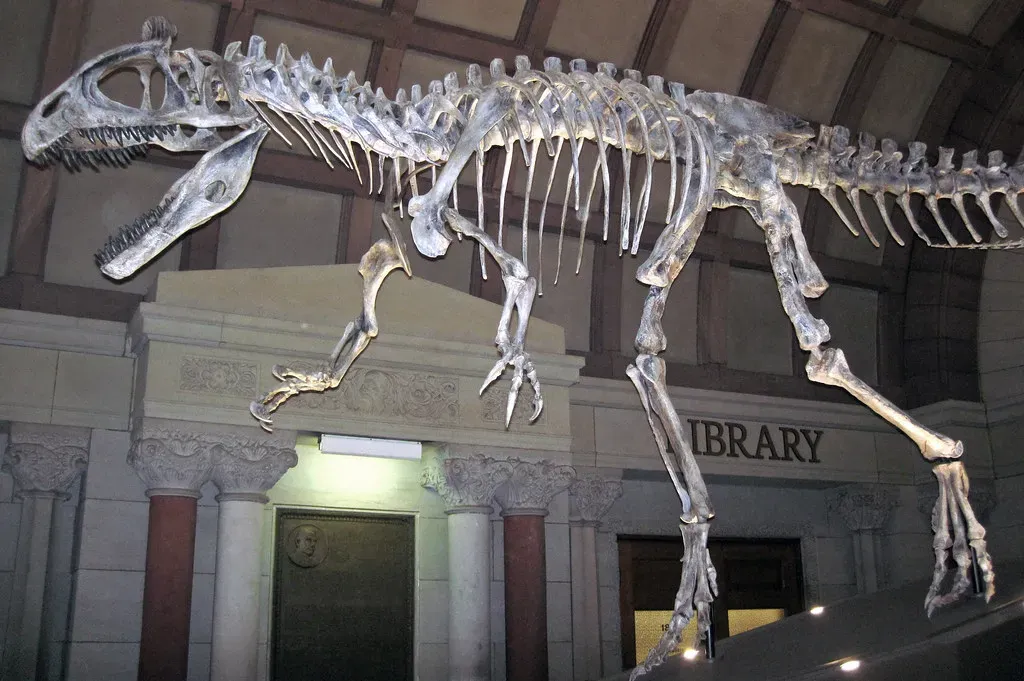
You probably never think about your hips when you walk. Dinosaurs, though, owed a massive part of their success to exactly that. The major adaptive advantage dinosaurs had was changes in the hip and ankle bones, tucking the legs under the body for improved locomotion as opposed to the semi-erect gait of crocodiles or the sprawling posture of reptiles. This one structural shift changed everything about how dinosaurs moved through the world.
Findings show that the first dinosaurs were simply faster and more dynamic than their competitors, and it is why they were able to dominate the Earth for 160 million years. Competitors like the pseudosuchians – ancestors of modern crocodiles – simply could not keep pace. Not only were the dinosaurs and their close relatives bipedal and cursorial, meaning they had limbs adapted for running, they also showed a much wider range of running styles than some of their close competitors. Diversity of movement, it turns out, was a genuine superpower.
3. Feathers That Did Far More Than Keep Them Warm
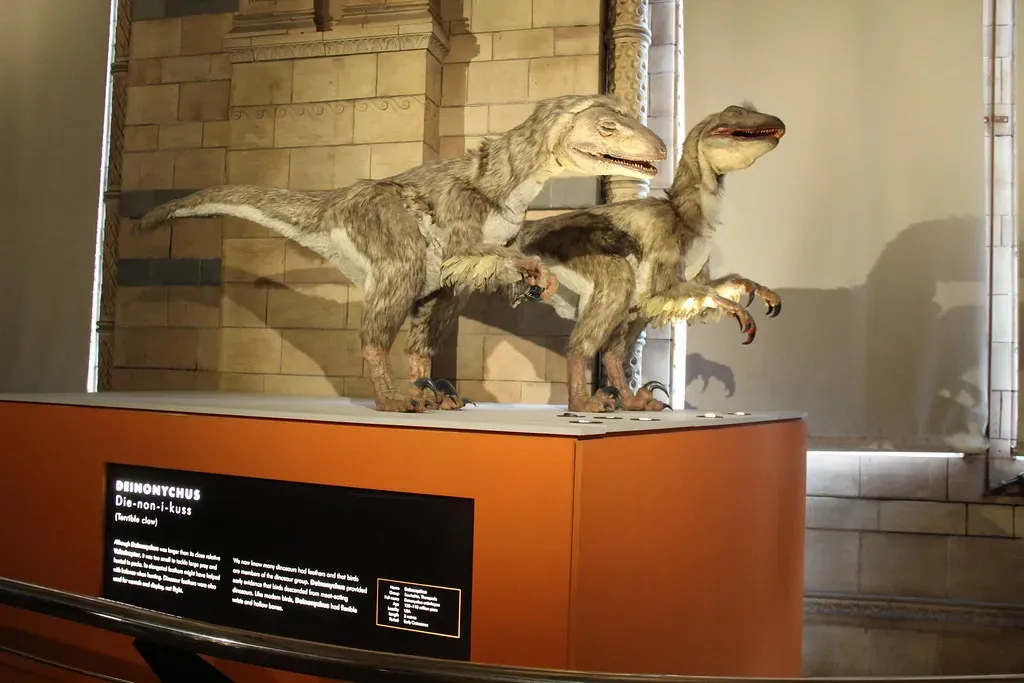
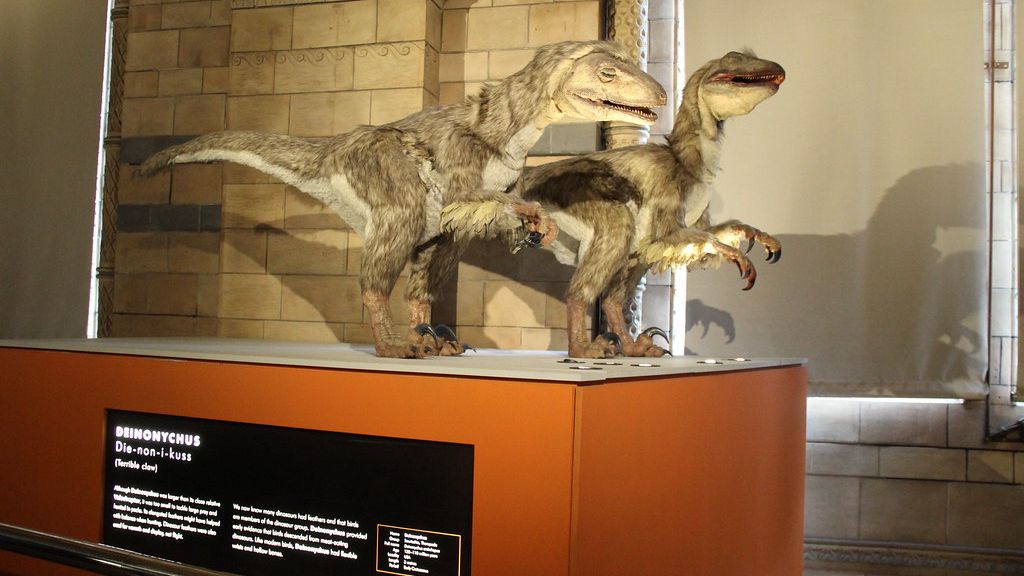
Forget everything you pictured as a child about scaly, reptilian dinosaurs. The reality is far more interesting. Until recently it was believed that feathers were unique to birds. Recent discoveries, however, have unearthed evidence for feathered non-avian dinosaurs. This revelation reshaped our entire understanding of what a dinosaur actually was.
Feathers in certain species not only helped dinosaurs stay warm but also played a role in courtship displays and communication. Honestly, that multi-purpose functionality is impressive. You get insulation, social signaling, and in some species, the early building blocks of flight – all from one adaptation. In 2016, a research team went to the Junggar basin in northwest China and discovered something remarkable: dinosaurs were not originally adapted for warm, tropical environments as had been previously thought. Rather, in the beginning they were primarily adapted for the cold, being insulated like birds with feather-like structures called protofeathers.
4. Bipedalism and an Unmatched Range of Locomotion
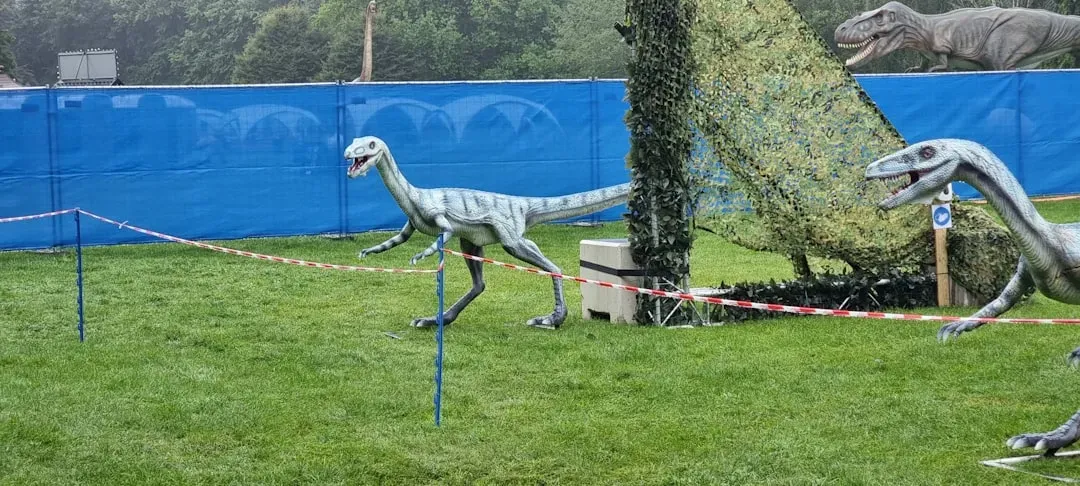
Dinosaurs exhibited a wide range of locomotive adaptations, from the bipedal stance of theropods to the quadrupedal stance of sauropods and many ornithischians. Bipedalism allowed theropods and some ornithischians to achieve high speeds, making them efficient hunters or quick to escape predators. This adaptation involved strong hind limbs, a forward-shifted center of mass, and a stiff tail for balance. It is a beautifully engineered system, almost like nature designed a built-in sports car chassis.
What made this truly remarkable was not just the speed – it was the flexibility. While dinosaurs were ancestrally bipedal, many extinct groups included quadrupedal species, and some were able to shift between these stances. Long legs provided powerful strides, lightweight skeletons reduced body mass, and long tails acted as counterbalances, helping them remain agile at high speeds. Every element worked in concert, like a well-tuned machine responding to its environment.
5. Specialized Teeth Engineered for Their Diet
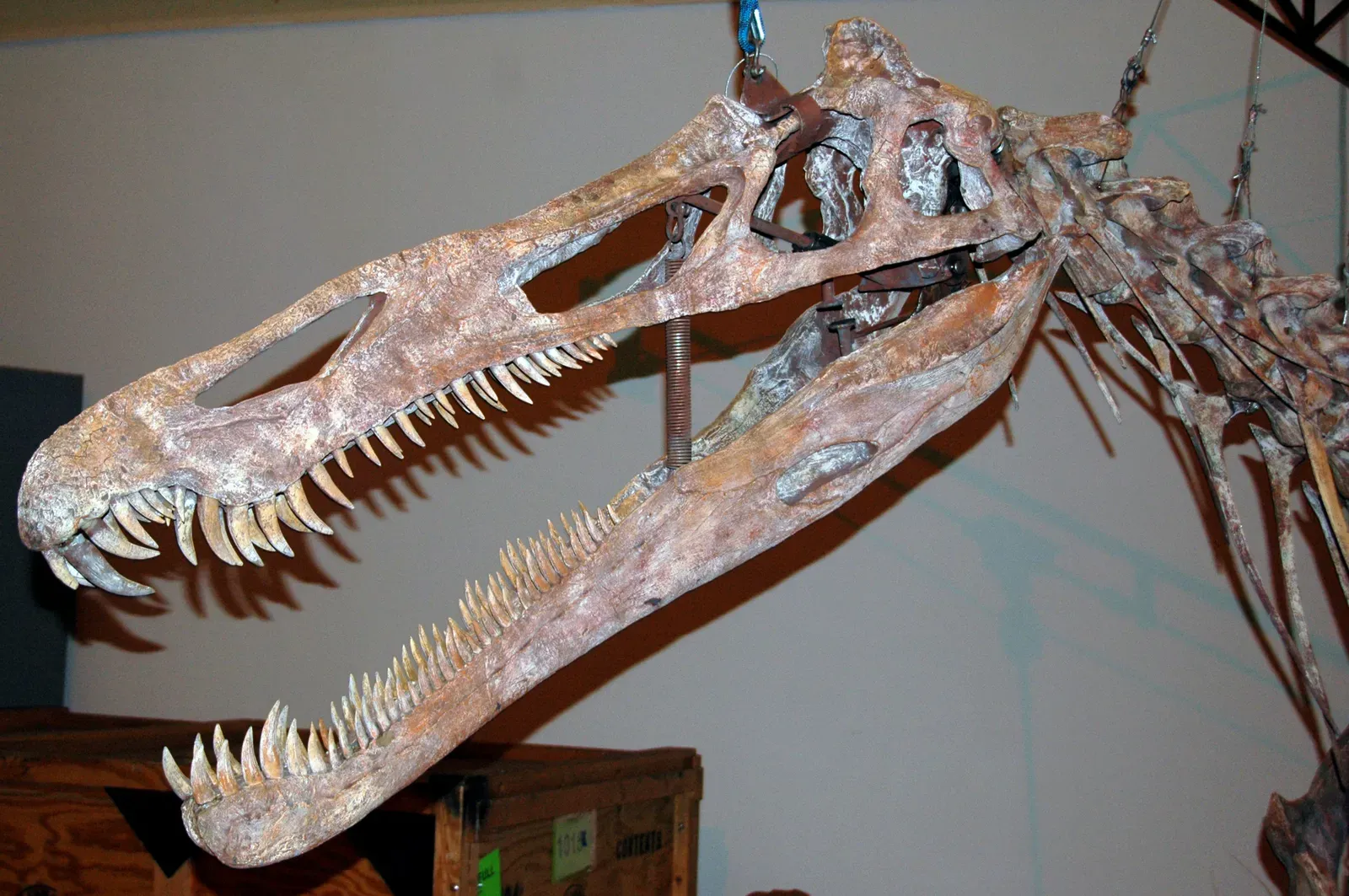
Think about how much of survival comes down to what you can eat and how efficiently you can eat it. Dinosaurs took this seriously. Most theropod dinosaurs, such as Tyrannosaurus, had teeth that were pointed, slightly curved backwards, and serrated. That specific design was not accidental – backward-curving teeth make it nearly impossible for prey to escape once clamped in a jaw. It is a chilling but brilliant design.
Herbivorous dinosaurs evolved remarkable adaptations, including specialized teeth and complex digestive systems, to thrive on the tough vegetation of the Cretaceous period. Herbivorous dinosaurs had adaptations like beaks, specialized teeth, and complex jaw mechanisms for processing plant material. Some species developed batteries of hundreds of tightly packed teeth that continuously replaced themselves. You could say their dental game was, quite literally, next level.
6. Long Necks That Unlocked Entirely New Food Sources
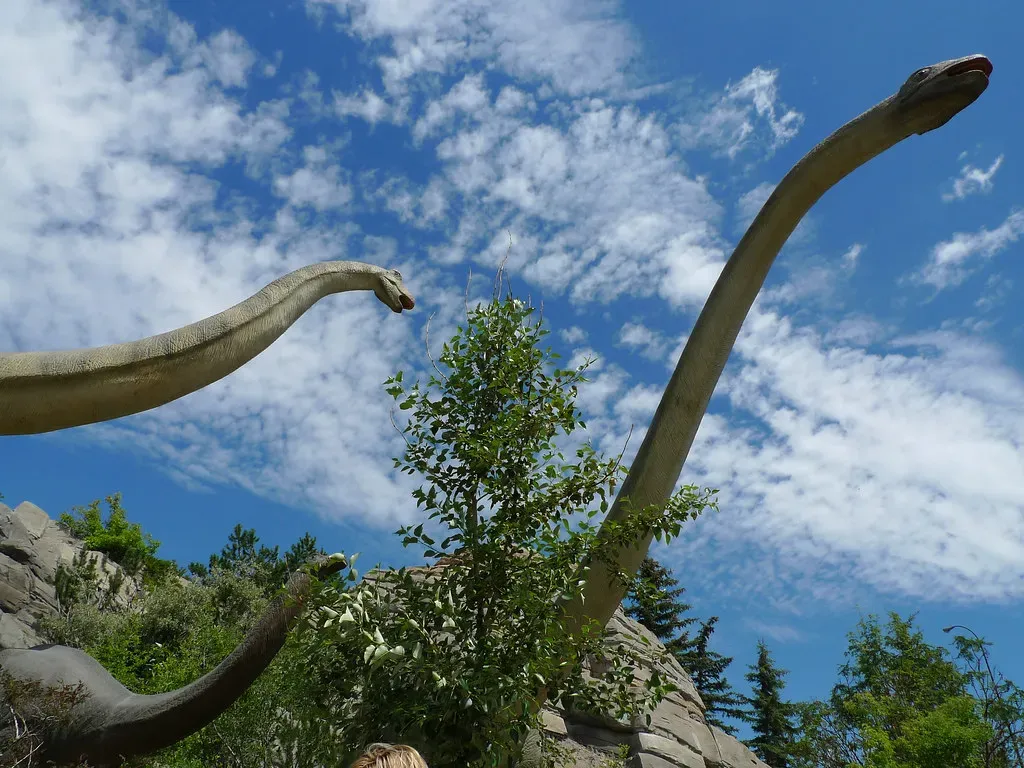
The long neck of a sauropod is one of the most iconic images in all of paleontology. It is also one of the cleverest survival tools ever evolved. Comparisons to modern-day animals suggest that some dinosaurs, such as the long-necked sauropods, likely fed on vegetation high in trees. By reaching food that no competitor could access, they essentially created their own private dining room, untouched and uncontested.
The benefits did not stop at feeding, either. Their long necks were not only an adaptation for reaching high foliage; they also provided a greater surface area, helping them to regulate their body temperature. Some dinosaur species became larger or grew longer necks to reach leaves in the highest trees rather than plants close to the ground. In a world of shifting climates and competitive ecosystems, having exclusive access to food while simultaneously managing your own thermostat is a genuinely extraordinary edge.
7. Bony Armor, Horns, and Defensive Structures
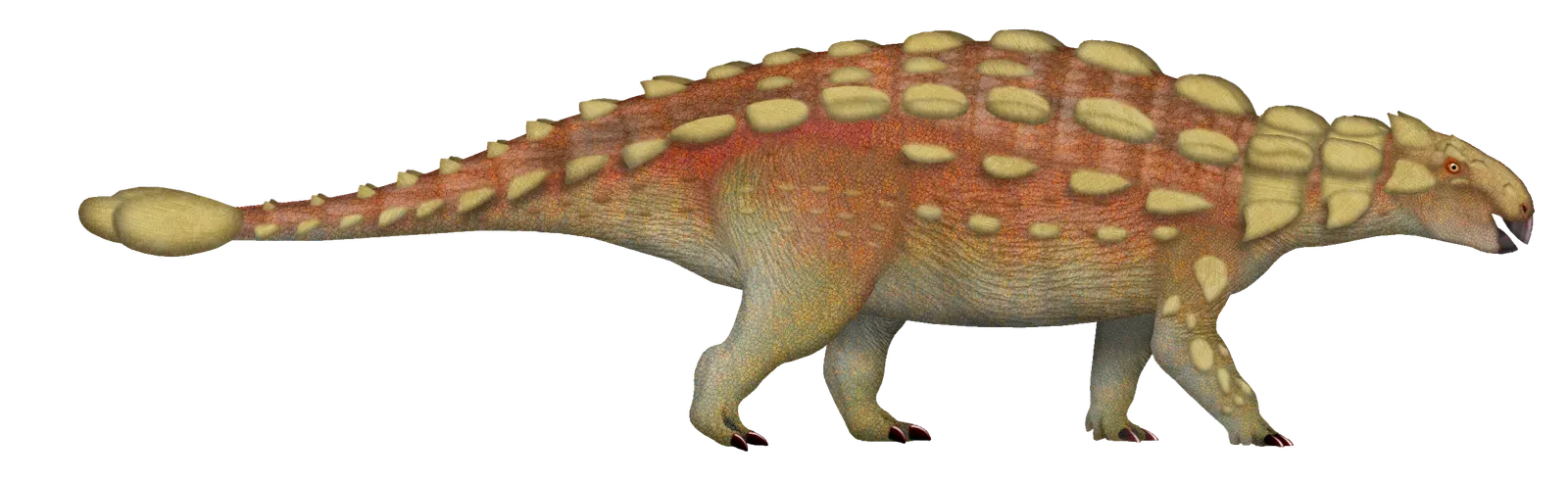
Let’s be real – when you are sharing a planet with apex predators the size of school buses, you need serious defense. Elaborate display structures such as horns or crests are common to all dinosaur groups, and some extinct groups developed skeletal modifications such as bony armor and spines. These were not decorative. They were survival gear, forged through millions of years of evolutionary pressure.
The bony plates of Stegosaurus, for example, served both defensive and thermoregulatory purposes. They provided protection against predators while also regulating the dinosaur’s body temperature. From the mighty Triceratops with its intimidating frills and horns to the armored Ankylosaurus, each dinosaur had a unique set of features tailored to its lifestyle and diet. The Ankylosaurus, in particular, carried a tail club capable of shattering bone – nature’s version of a wrecking ball, and just as effective.
8. Advanced Respiratory Systems for High Endurance
Here is where things get genuinely fascinating. Most research conducted since the 1970s has indicated that dinosaurs were active animals with elevated metabolisms and numerous adaptations for social interaction. An elevated metabolism demands an equally elevated oxygen supply, and dinosaurs appear to have solved that problem in spectacular fashion.
It is widely accepted that dinosaurs had higher metabolic rates than living reptiles. Some theropods are believed to have had bird-like air sac systems that pushed oxygen through their lungs in a near-continuous flow, rather than the back-and-forth breathing pattern seen in mammals. The evolution of the dinosaur respiratory system and locomotion played vital roles in their survival and successful adaptation to various ecological niches. These anatomical and physiological features allowed dinosaurs to become dominant terrestrial animals during the Mesozoic era. Think of it as a turbo engine compared to a standard combustion one – same basic concept, vastly superior output.
9. Nest Building, Parental Care, and Reproductive Strategy
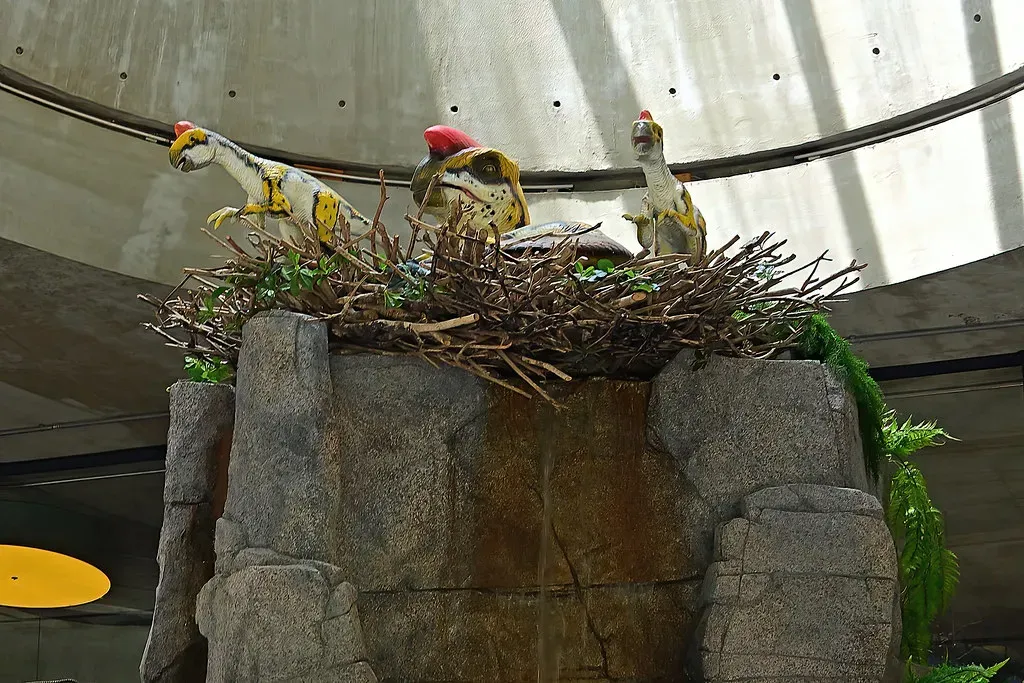
Evidence suggests that all dinosaurs were egg-laying, and that nest-building was a trait shared by many dinosaurs, both avian and non-avian. This might seem basic on the surface, but the implications for survival are enormous. Building and defending a nest is a sophisticated behavioral adaptation that dramatically increases the chances of offspring reaching adulthood.
The discovery of dinosaur eggs and nests provided evidence for the behavior of some dinosaurs. The combination of rapid growth, parental care, and reproductive strategies contributed to the success and diversity of dinosaurs during the Mesozoic Era. Dinosaurs like Maiasaura showed strong evidence of tending to their young, feeding them within the nest long after hatching. That level of parental investment, much like what you see in modern birds, was a significant factor in the long-term stability of dinosaur populations across millions of years.
10. Miniaturization and Evolutionary Flexibility Leading to Flight
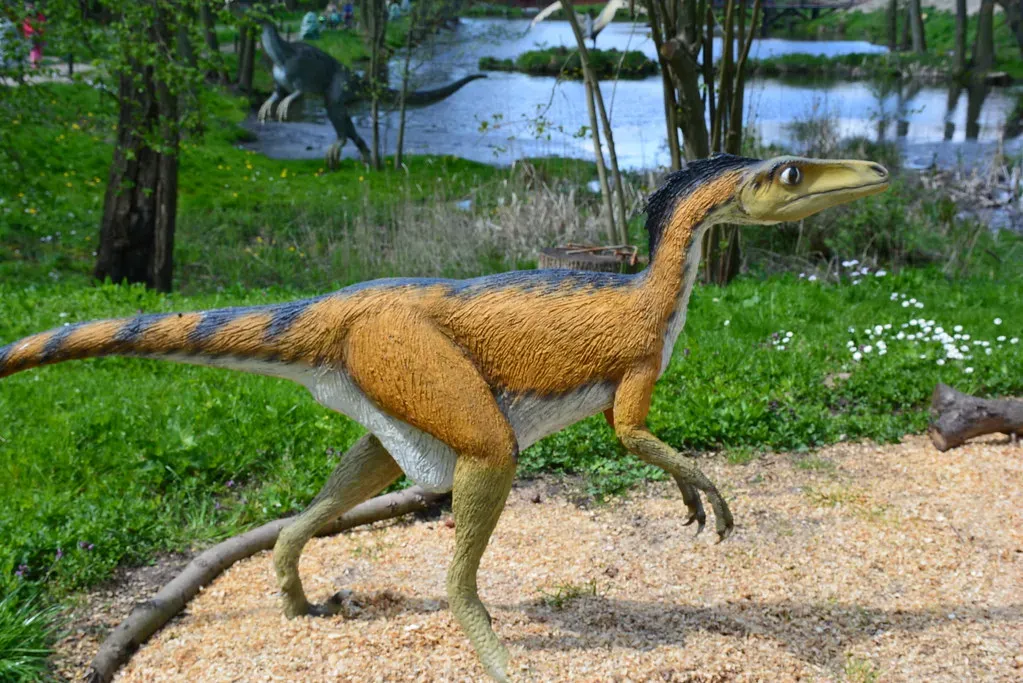
Of all the adaptations on this list, this one might be the most mind-bending. Some dinosaurs did not just adapt to their environments – they gradually shrank themselves into an entirely new evolutionary category. Birds evolved through a unique phase of sustained miniaturization in dinosaurs. Being smaller and lighter in a land of giants, with rapidly evolving anatomical adaptations, provided these bird ancestors with new ecological opportunities. It is hard to imagine something so counterintuitive – getting smaller, in a world of giants, as a survival strategy – and yet it worked magnificently.
The Theropoda, or at least parts of this meat-eating dinosaur group, kept shrinking in size for at least fifty million years before the evolution of Archaeopteryx. This particular group of dinosaurs seems to have been evolving skeletal adaptations such as feathers and wishbones up to four times faster than other types of dinosaur. The end result? The only dinosaur lineage that survived the catastrophic extinction event 66 million years ago. Birds are direct descendants of small, feathered dinosaurs, so in a way, dinosaurs are still with us today. Every time you watch a bird land on your windowsill, you are looking at 160 million years of relentless evolutionary brilliance.
Conclusion
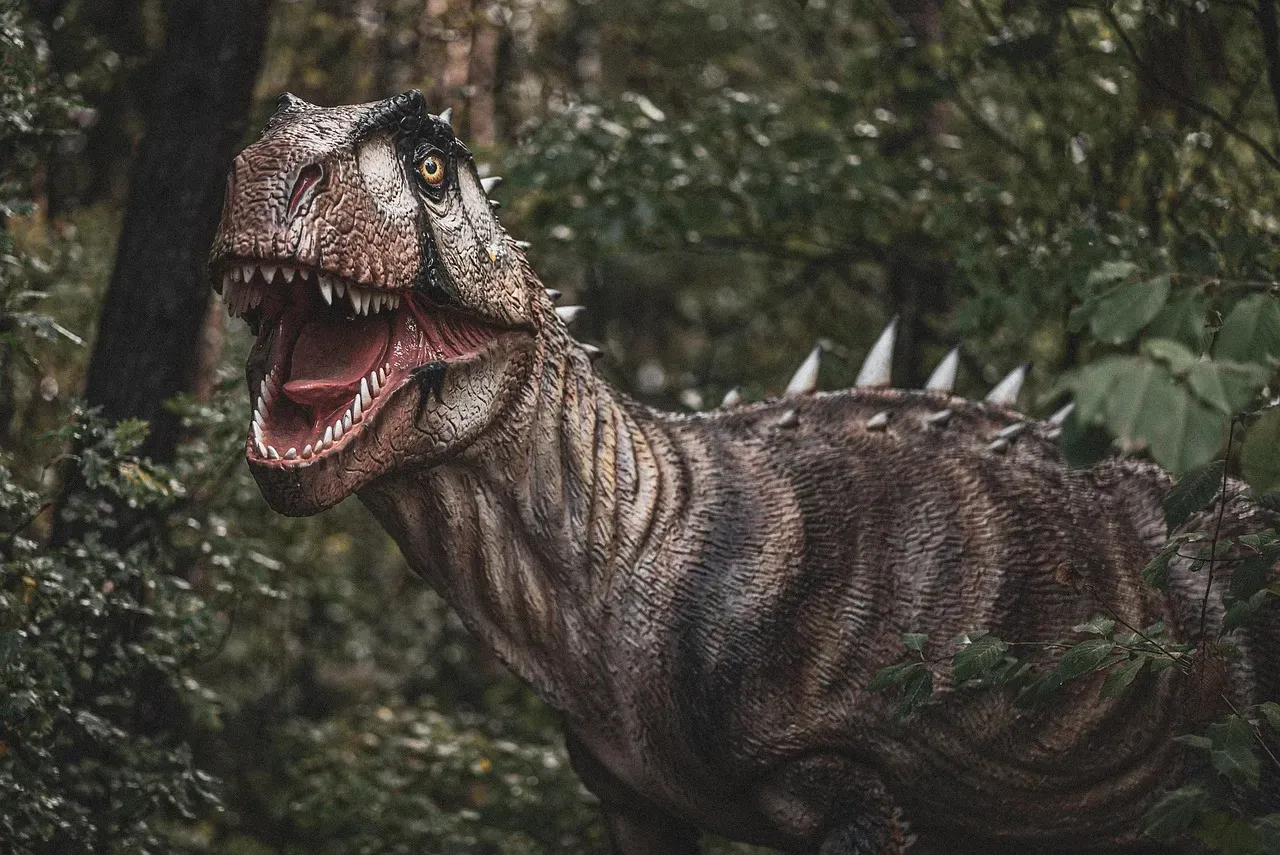
What strikes me most about dinosaurs is not their size or their ferocity – it is their sheer adaptability. Dinosaur adaptations to different environments are a testament to their incredible resilience and evolutionary prowess. Dinosaurs developed various behavioral and physical adaptations to ensure their survival. Over millions of years, natural selection favored characteristics that allowed them to thrive in changing environments. You can see this playbook reflected in every successful species alive on Earth today, including us.
Dinosaurs lived on Earth for over 160 million years, sporting an incredibly diverse range of adaptations that helped them acquire and maintain conditions within which to survive and reproduce. They thrived in lush forests, arid deserts, and cold polar lands, from tropical swamps to dry riverbeds. That is a range of environmental mastery that most species can only dream of achieving.
The real lesson here is not about prehistoric giants. It is about what happens when biology is pushed to its limits and forced to innovate. Every hollow bone, every serrated tooth, every carefully constructed nest is a reminder that survival belongs to those who adapt best. So here is a question worth sitting with: if dinosaurs managed to conquer an entire planet through sheer evolutionary ingenuity, what does that say about the untapped potential of life still evolving around us right now? What do you think? Share your thoughts in the comments below.