Ever wondered what it would be like to see a creature from millions of years ago strolling past you, completely alive and thriving? Honestly, you don’t have to imagine it. Right here in the United States, there are species that have remained virtually unchanged for millions of years. These aren’t dinosaurs reconstructed from bones or CGI magic in some blockbuster movie. These are real animals swimming in rivers, flying overhead, and living quietly in the wild, defying the passage of time.
Living fossils are species that show very few physical differences from their ancestors in the fossil record dating back millions of years. They’re survivors that discovered the perfect formula for success long before humans even existed. Let’s dive in and explore ten extraordinary animals that call the United States home, each one a genuine time traveler in its own right.
Alligator Gar: The Ultimate Living Fossil
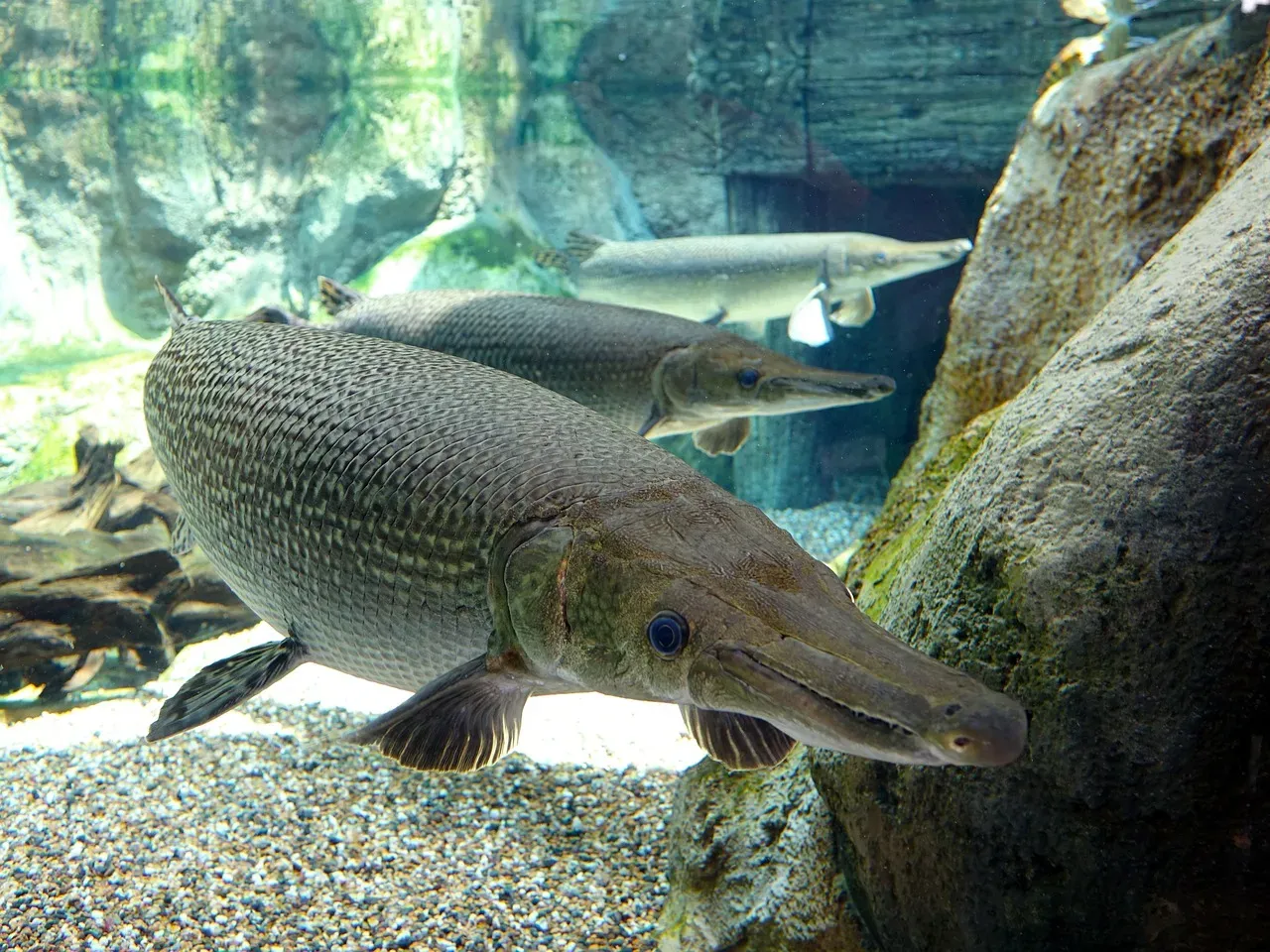
Gars have the slowest rate of molecular evolution of all jawed vertebrates, making them the ultimate living fossils. Picture a fish that looks like it swam straight out of the age of dinosaurs, covered in thick, armored scales with a snout full of needle-sharp teeth. The alligator gar is the largest species in the gar family, and fossil records trace its group’s existence back to the Early Cretaceous over 100 million years ago. These prehistoric giants can grow up to around eight feet long, though some exceptional individuals have been reported even larger.
Researchers found that gars’ DNA consistently evolves up to three times more slowly than any other major group of vertebrates, with sturgeon and paddlefish showing slower rates of change but not as relaxed as gar. Here’s the kicker: Two gar genera that last shared a common ancestor roughly 105 million years ago can still cross to produce fertile hybrid offspring. Think about that for a second. That’s like saying creatures as different as wombats and humans could somehow produce babies together, which is completely impossible. Yet these ancient fish pull it off.
Atlantic Horseshoe Crab: The Ancient Marine Armored Survivor
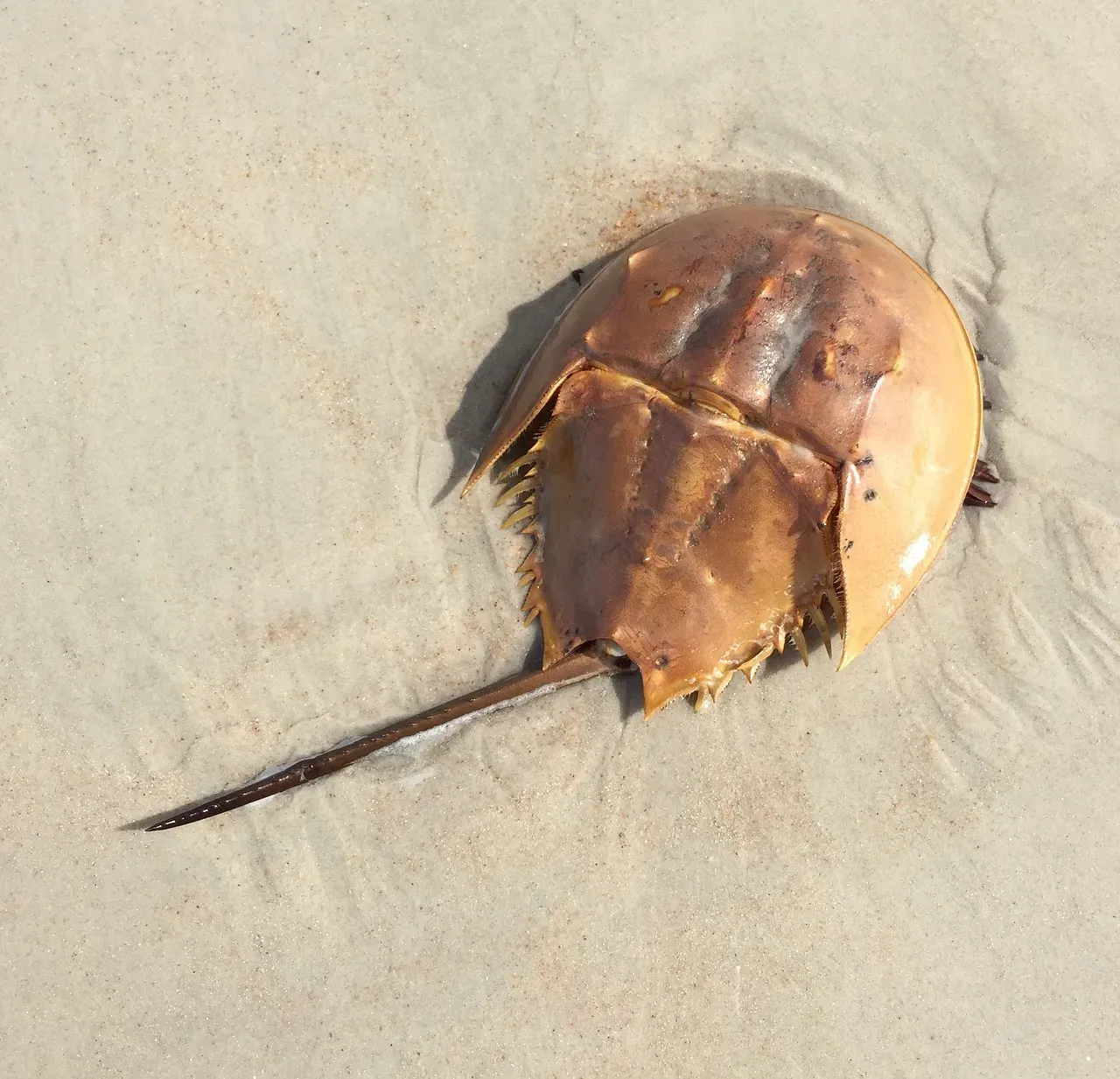
Fossils of horseshoe crabs have been dated at 445 million years old. When you look at a horseshoe crab crawling along the beach, you’re essentially witnessing something that existed before trees, before land animals, and way before anything remotely human. These bizarre creatures aren’t even actually crabs despite their name. They’re more closely related to spiders and scorpions, which makes them even stranger.
Horseshoe crabs are considered living fossils with a stable morphotype spanning roughly 445 million years. Their blue blood contains unique properties that scientists use for medical testing to detect bacterial contamination. They evolved in the shallow seas of the Paleozoic Era with other primitive arthropods called trilobites, a long extinct close relative. Trilobites vanished ages ago, yet horseshoe crabs just keep going, proving that sometimes sticking with what works is the best strategy.
American Alligator: The Swamp’s Timeless Predator
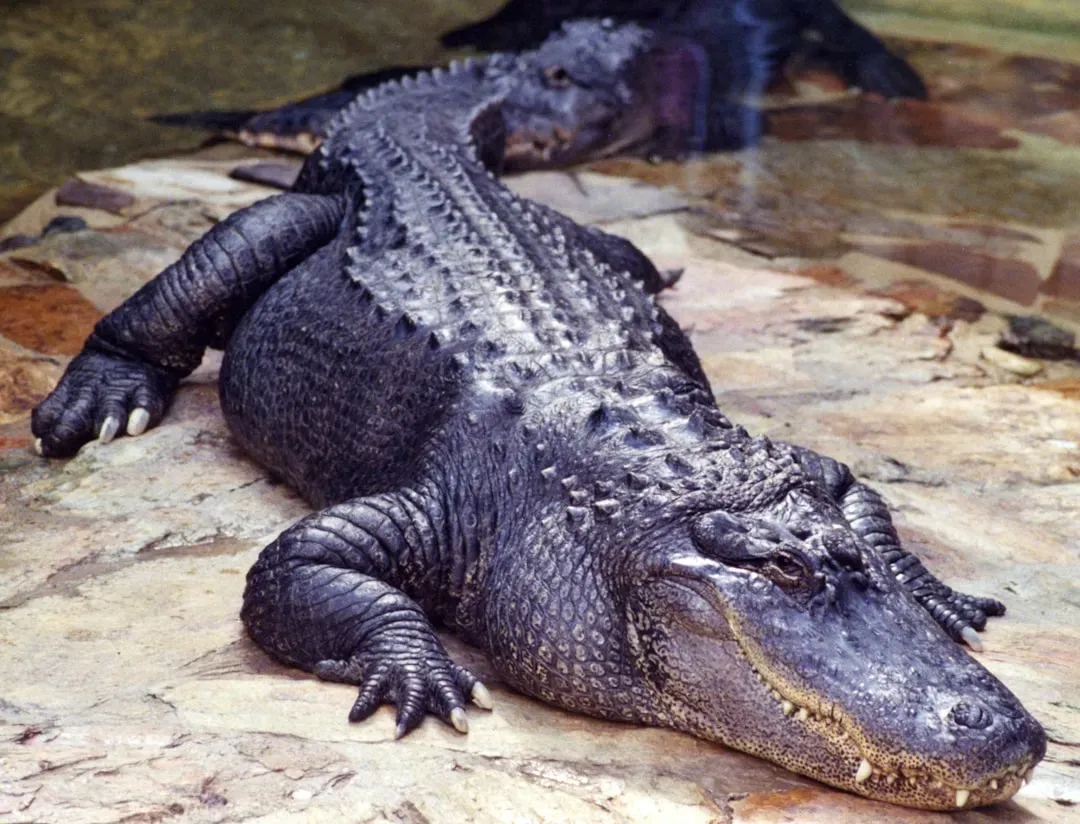
The American alligator species is more than 150 million years old, managing to avoid extinction 65 million years ago when the dinosaurs died off. These powerful reptiles survived the catastrophic event that wiped out the most dominant creatures on Earth, and they’re still here, basking on riverbanks across the Southeast. Walking through Florida or Louisiana, spotting an alligator feels ordinary, almost mundane. Yet each one represents a lineage older than mountains.
Research shows American alligators have remained virtually untouched by major evolutionary change for at least 8 million years, and may be up to 6 million years older than previously thought. Scientists note that if we could step back in time 8 million years, you’d basically see the same animal crawling around then as today in the Southeast, and even 30 million years ago they didn’t look much different. That’s staying power you have to respect.
Lake Sturgeon: The Gentle Giant of Freshwater
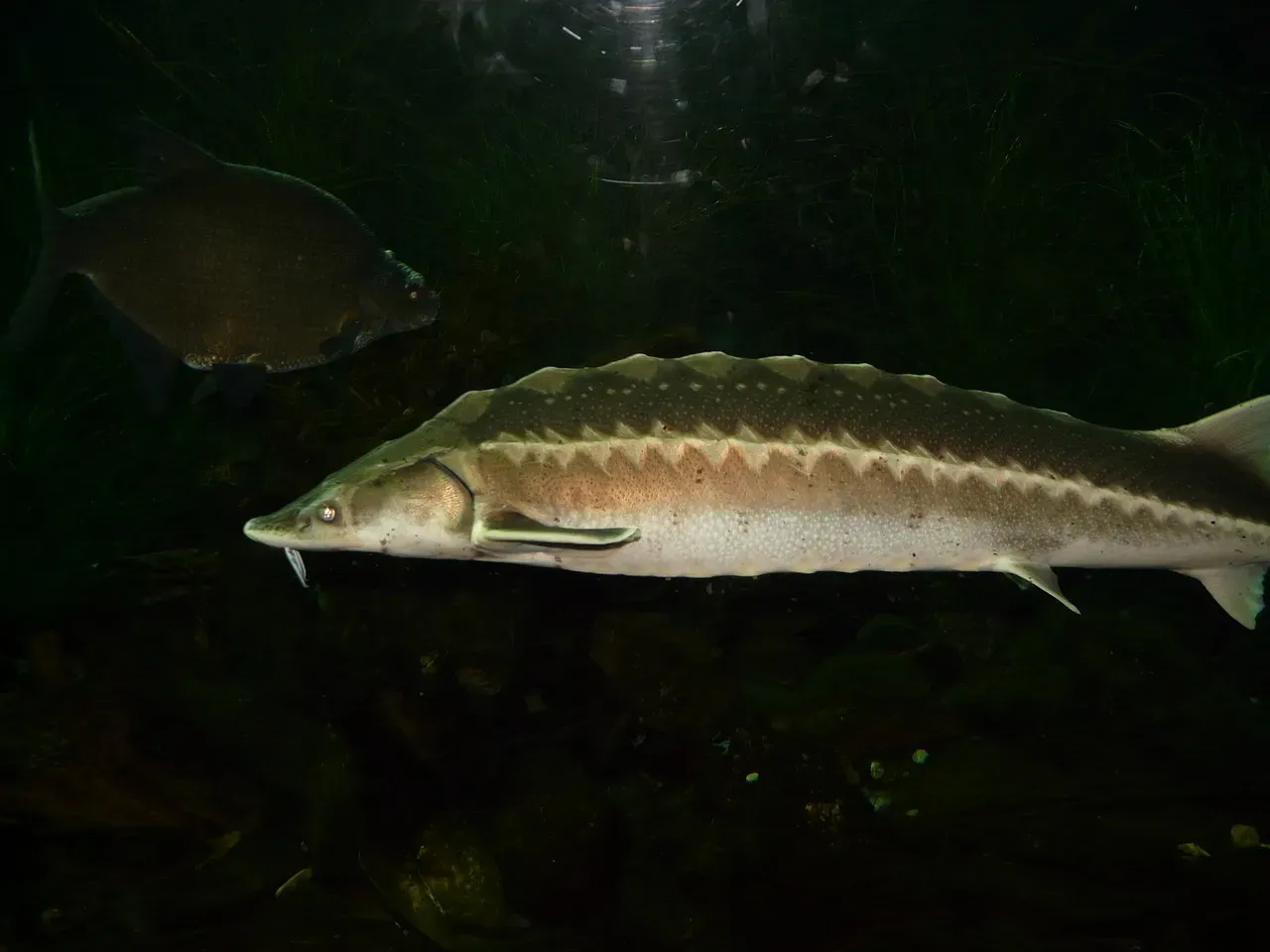
Sturgeon are strange, almost alien-looking fish covered in bony plates rather than scales. Sturgeons and their close relatives the paddlefishes are among the most ancient ray-finned fishes, with a group that dates back to the Triassic Period, about 245 to 208 million years ago. They navigate rivers and lakes across North America, their elongated bodies gliding silently through murky depths.
The lake sturgeon is the largest and longest-living freshwater fish in New York State, growing up to 5 feet long, weighing up to 80 pounds, and living up to 150 years. Imagine a fish that could theoretically outlive most humans. They were historically abundant in the Great Lakes and surrounding waters until the early twentieth century, when overharvest and habitat degradation sharply reduced their populations. Conservation efforts are working to bring them back, but their slow reproduction makes recovery challenging.
Bowfin: The Jurassic Survivor
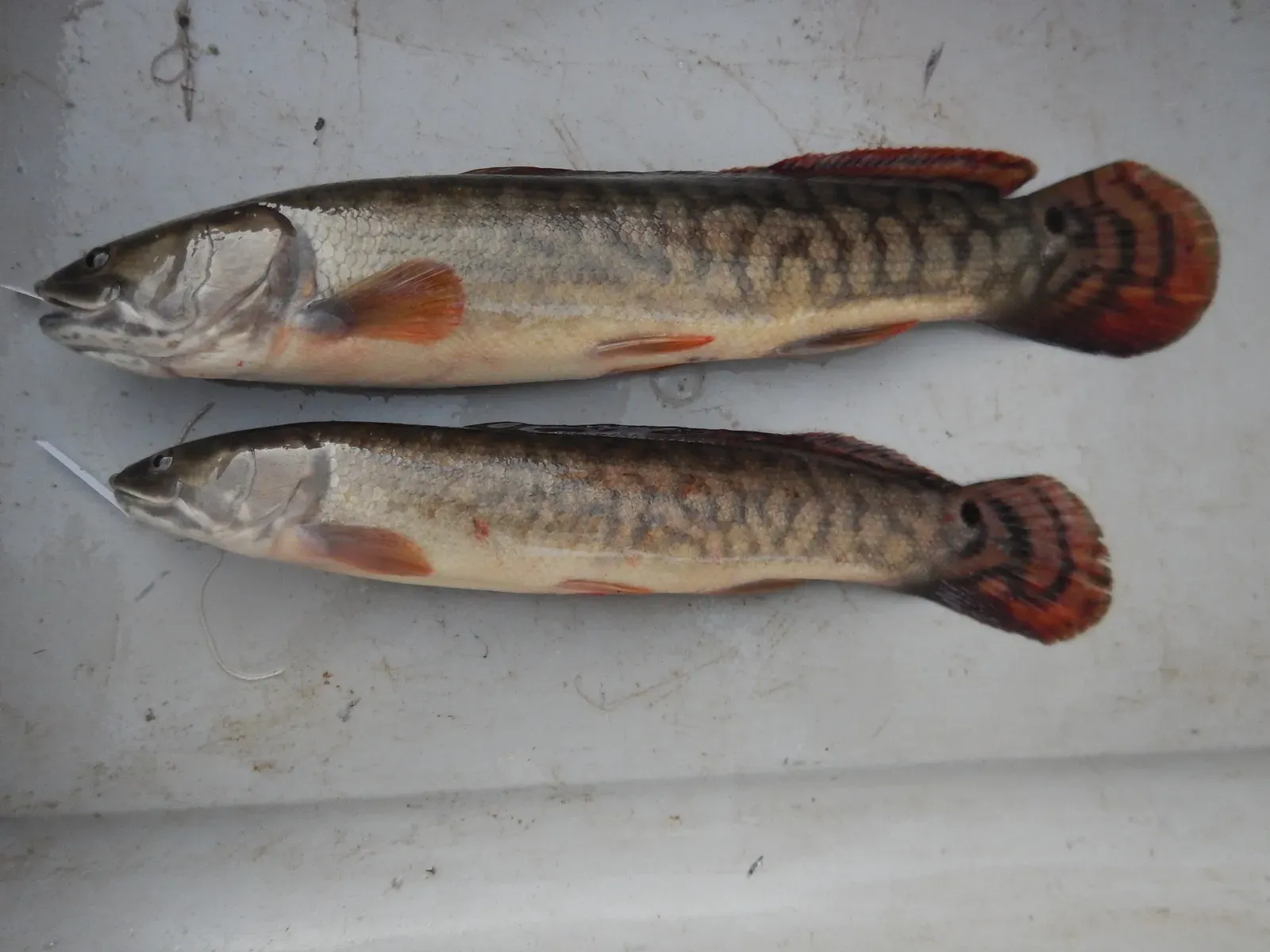
The bowfin is a taxonomic relic of the Jurassic geologic period and the sole surviving species from order Amiiformes. Most people have never heard of the bowfin, yet it’s one of the most remarkable fish swimming in American waters. With a rounded tail, long dorsal fin, and robust cylindrical body, it looks distinctly ancient, like something that forgot to evolve.
The bowfin is a bimodal breather, capable of breathing both dissolved oxygen in water and atmospheric oxygen, enabling it to thrive in adverse water conditions that would be lethal to other fish species by swimming to the surface and gulping air. This survival mechanism allowed bowfins to persist through countless environmental upheavals. Fish of the order Amiiformes were once widespread across North and South America, Europe, Asia and Africa, but today the bowfin’s geographic range is limited to much of the eastern United States and adjacent southern Canada.
Virginia Opossum: The Only Surviving North American Marsupial
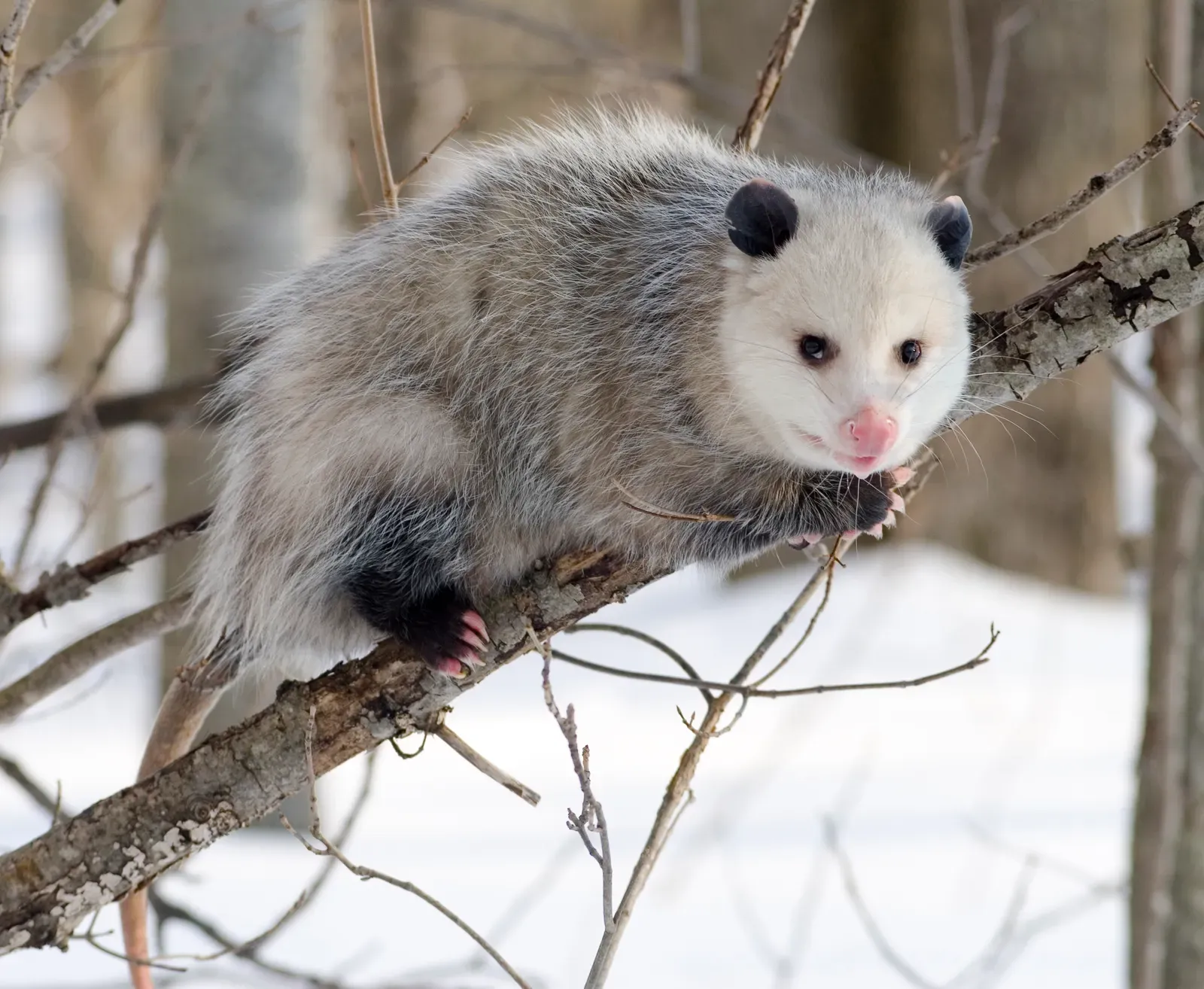
The Virginia opossum is the oldest and only living marsupial in North America. While most people think of kangaroos and koalas when they hear “marsupial,” North America has its own representative that’s been here far longer than most realize. These scruffy, rat-tailed creatures might root through your garbage, but they’re evolutionary champions.
Virginia opossums have notoriously short lifespans of only two to three years in the wild or six to eight years in captivity, and are found across North American woodlands near sources of freshwater, feeding on insects, worms, amphibians, birds, bird eggs, fruits, reptiles, and carrion. Their ancient lineage traces back tens of millions of years. Opossums play dead when threatened, a strategy that seems bizarrely simple yet has worked magnificently for eons.
Hellbender Salamander: The Cryptic Aquatic Relic
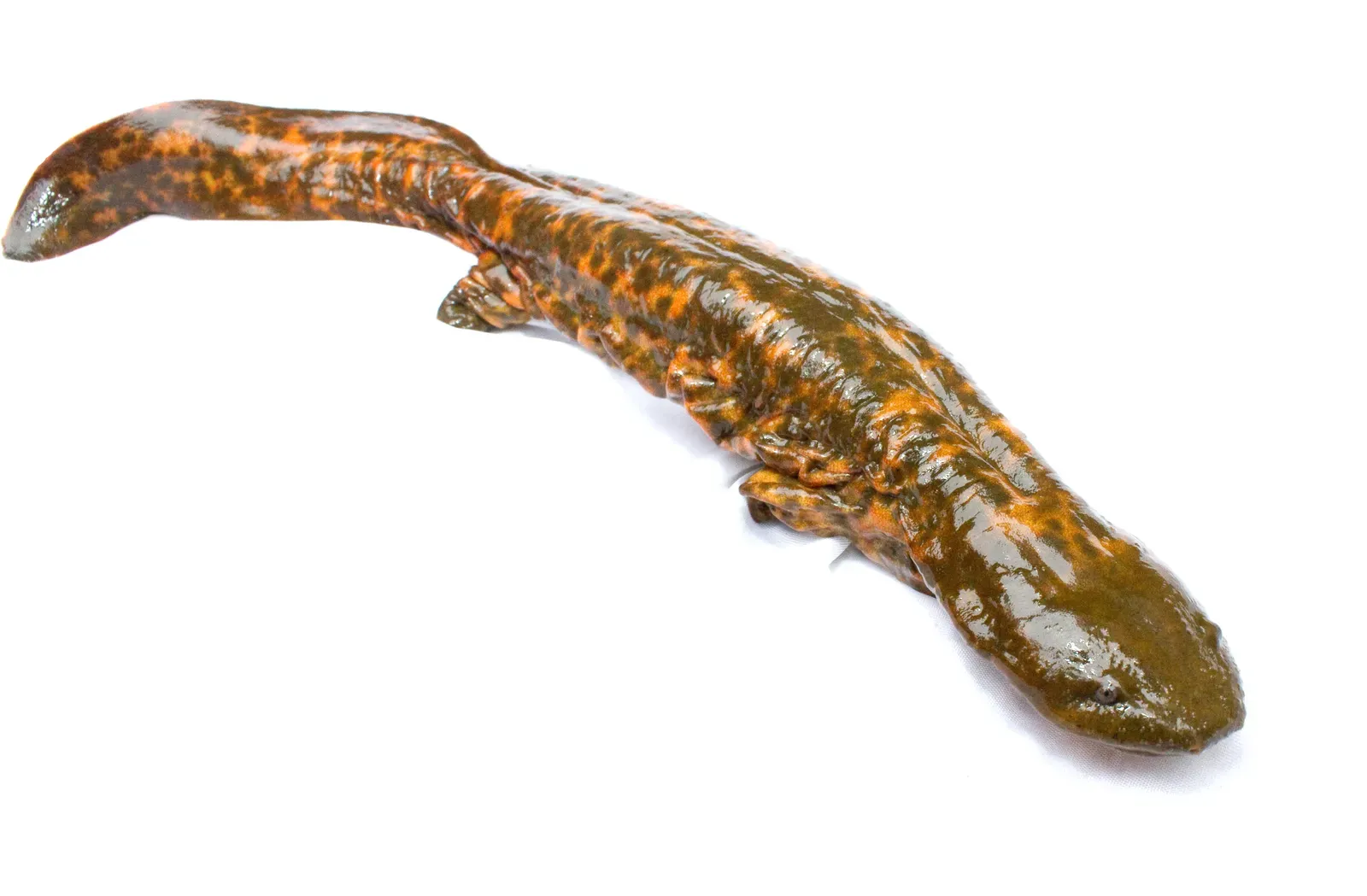
The hellbender salamander is a species of aquatic giant salamander endemic to the eastern and central United States, and is the largest salamander in North America. With its wrinkly, slimy skin and flattened body, the hellbender earns its dramatic name. It looks utterly bizarre, like something conjured from a horror story, yet it’s perfectly harmless and incredibly ancient.
The hellbender fills a particular niche as both predator and prey in its ecosystem, which either it or its ancestors have occupied for around 65 million years. The hellbender has working lungs but gill slits are often retained, and it absorbs oxygen from water through capillaries of its side frills which run from neck to tail base on each side, increasing surface area to help it breathe. These creatures are sensitive indicators of water quality, and their declining numbers signal environmental troubles.
Common Snapping Turtle: The Armored Water Dinosaur
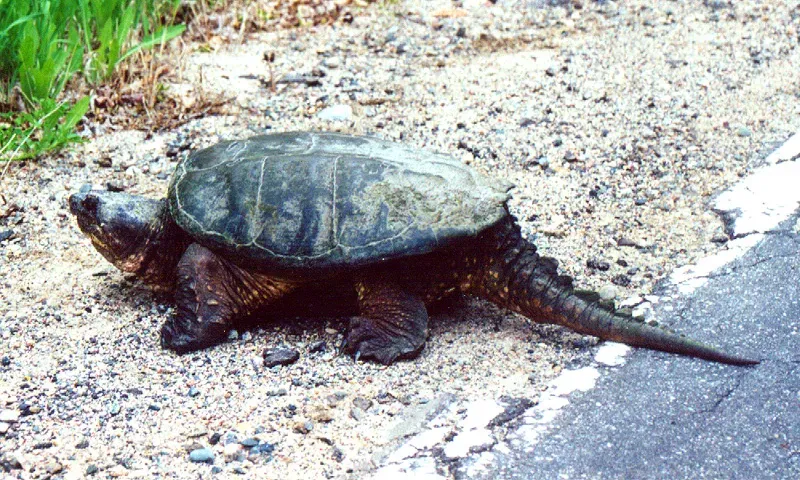
Snapping turtles have remained virtually unchanged for the last 70 million years. These aggressive, powerful turtles lurk in freshwater habitats across North America, their prehistoric appearance immediately obvious to anyone who encounters them. With thick shells, powerful jaws, and a nasty temperament when threatened, snapping turtles command respect.
The common snapping turtle, scientifically known as Chelydra serpentina, is capable of surviving nearly 40 years or longer, inhabits freshwater lakes, marshes, and nearly all sources of freshwater across North America, with some capable of living in brackish environments, using their powerful jaws to catch fish, insects, spiders, amphibians, smaller turtles, birds, and small mammal carrion. Fossil evidence shows their body plan has remained remarkably consistent through millions of years.
Sandhill Crane: The Ancient Dancing Bird
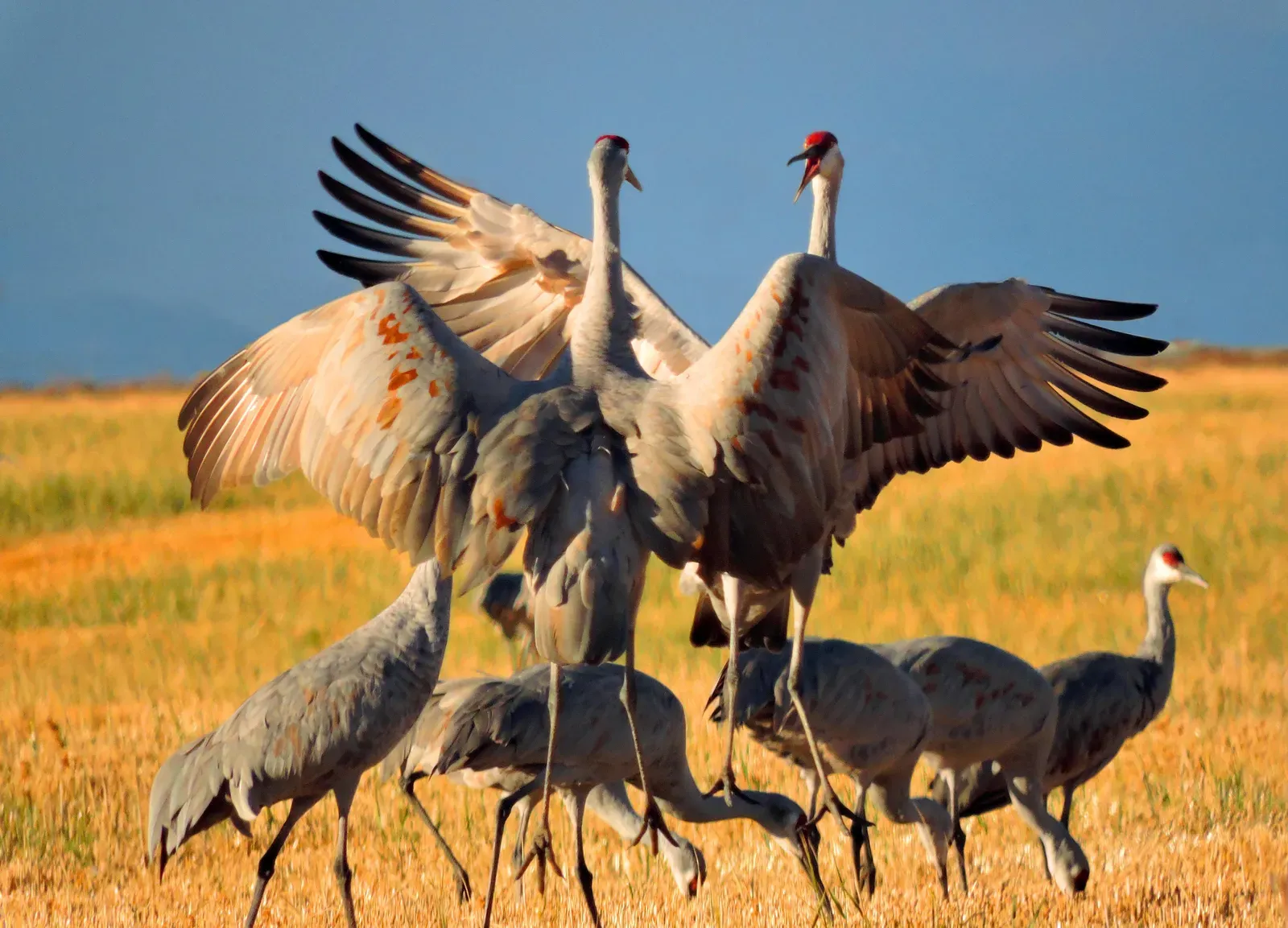
Sandhill cranes have one of the longest fossil histories of any extant bird, with the oldest unequivocal sandhill crane fossil being 2.5 million years old, older by half than the earliest remains of most living species of birds. These majestic, tall birds with their distinctive trumpeting calls migrate across North America in huge flocks, following routes their ancestors established millions of years ago.
Sandhill cranes are majestic birds well known for performing beautiful dances to attract mates and communicate, stretching their wings, bowing their heads, and leaping in the air with their long legs in a display of balance and grace, standing around three to four feet tall with wingspans of nearly six feet across. Watching them dance feels like witnessing a ritual from the dawn of time. Their survival through ice ages and climate shifts demonstrates remarkable adaptability despite their ancient origins.
American Pelican: The Sky’s Prehistoric Fisher
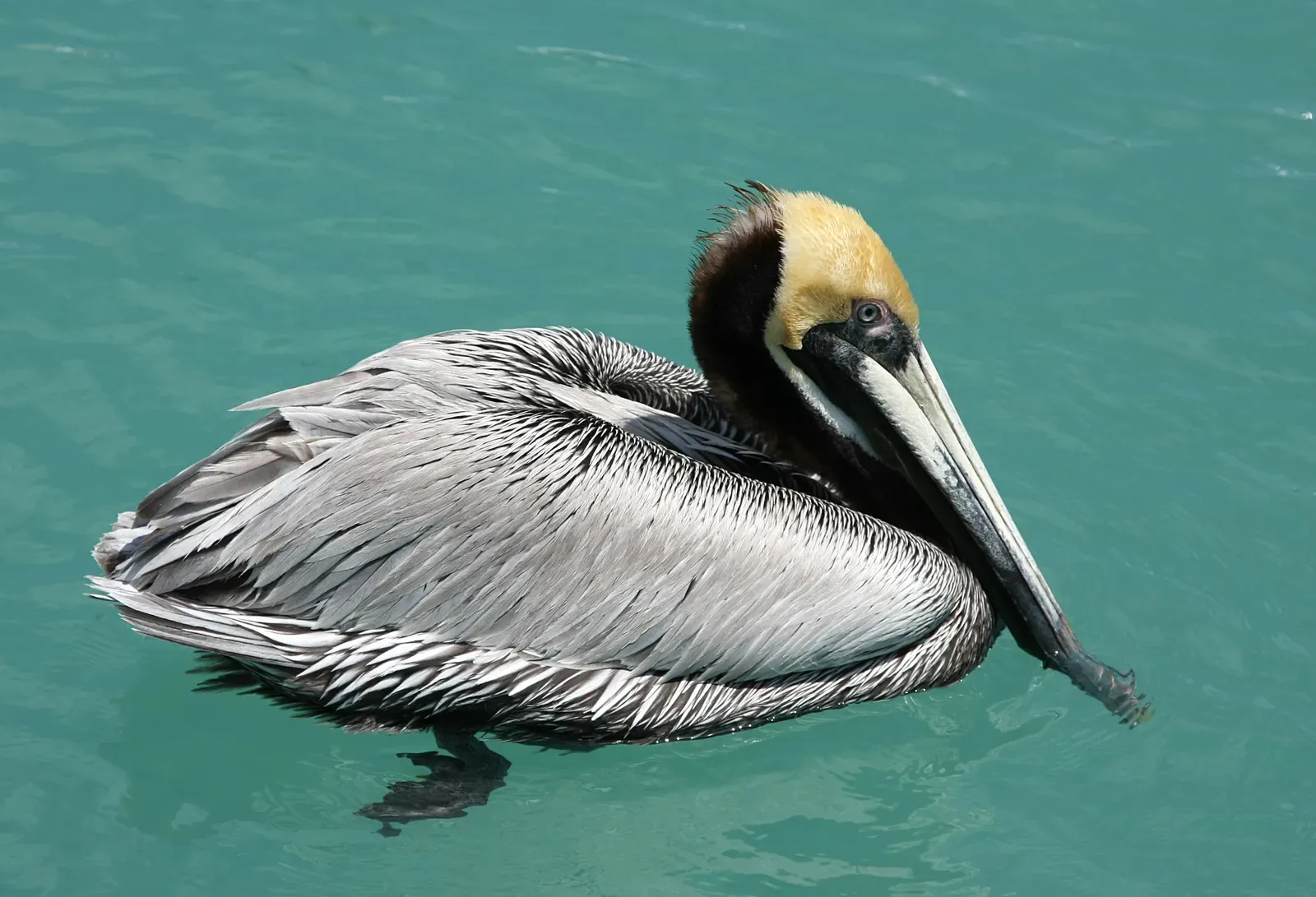
According to fossil records, pelicans have been living on Earth for nearly 30 million years. These large waterbirds with their enormous bills and expandable throat pouches are iconic sights along American coastlines and waterways. Their unique fishing technique, dive-bombing into water and scooping up fish, is instantly recognizable.
Pelican bills are long and thin with large pouches used to catch prey by dive-bombing into water and scooping it up, and this interesting adaptation is fully present in ancient pelican fossils, remaining virtually identical to modern pelicans, with almost all pelicans extinct and living sorted into the genus Pelecanus, meaning they are all quite closely related. Pelicans count as living fossils since they have no known relatives alive today. Their lineage stretches back through countless environmental changes, yet they persist with the same successful strategy.
Conclusion: Windows Into Deep Time
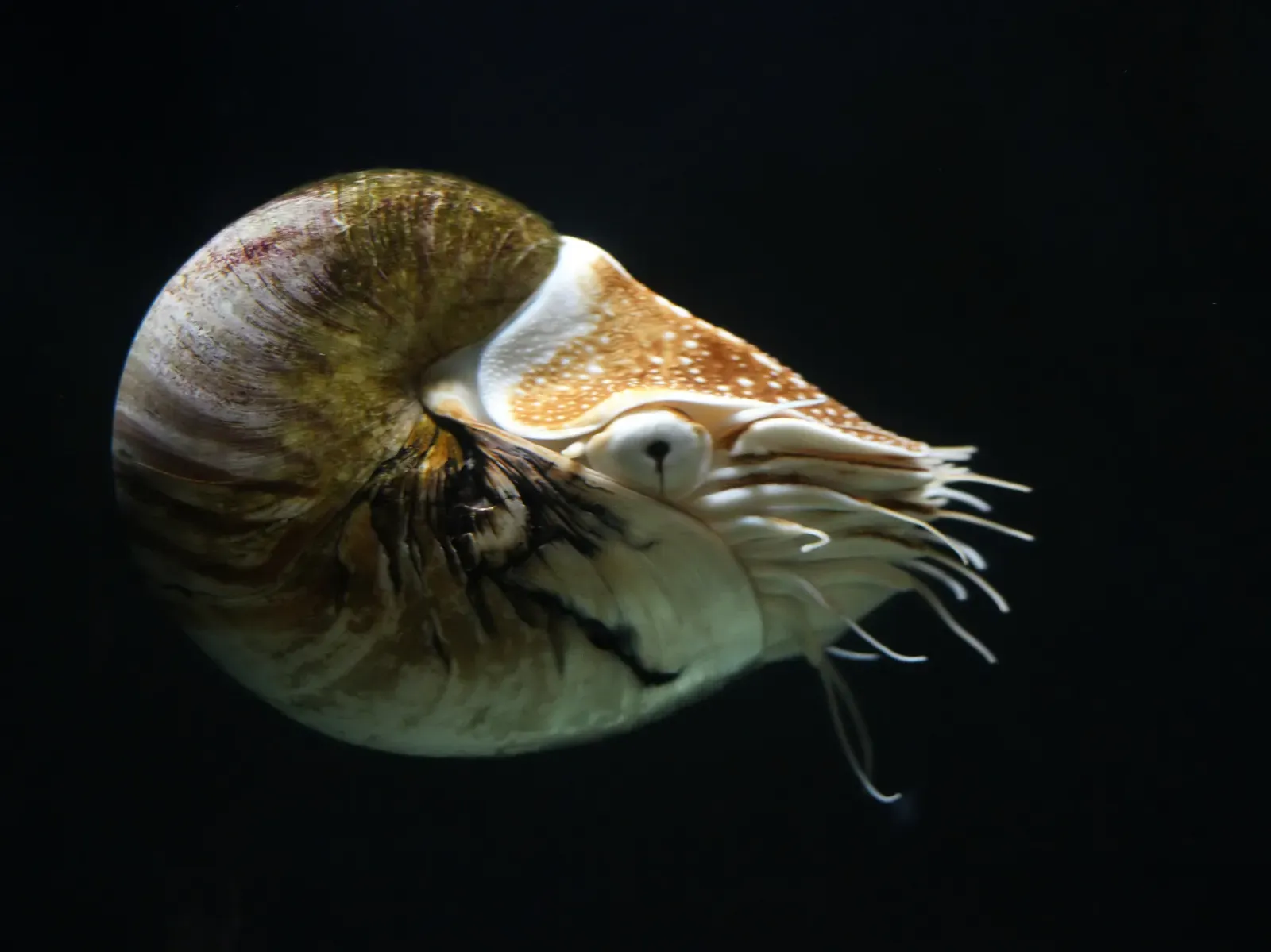
These ten remarkable creatures offer us something precious: tangible connections to Earth’s distant past. They’re not museum exhibits or fossilized bones but living, breathing animals that have survived while countless other species vanished. Their persistence raises fascinating questions about evolution, adaptation, and what it truly means to be successful as a species.
Walking through American wilderness takes on deeper meaning when you realize you might encounter a creature virtually identical to ones that lived when dinosaurs roamed. These living fossils remind us that evolution isn’t always about dramatic change. Sometimes the greatest achievement is finding a winning formula and sticking with it through millions of years of planetary upheaval. What would these ancient survivors think if they could comprehend their own extraordinary longevity? Perhaps it’s enough that they simply continue existing, silent witnesses to the passage of unimaginable time.