Dinosaurs have been extinct for roughly 66 million years, yet in 2026 we understand them better than at any point in history. Not because we’ve found more bones, but because the tools scientists use to study those bones have transformed beyond recognition. The old image of a paleontologist with a whisk brush and a magnifying glass isn’t wrong, exactly, it’s just incomplete.
New fossils, reanalyses of famous specimens, and the use of increasingly sophisticated tools have continued to upend what we thought we knew about how these animals lived, moved, fed, and evolved. The pace of discovery isn’t slowing down. If anything, technology is accelerating it. Here are ten ways that modern science is pulling secrets out of ancient stone.
1. CT Scanning: Seeing Inside Fossils Without Touching Them
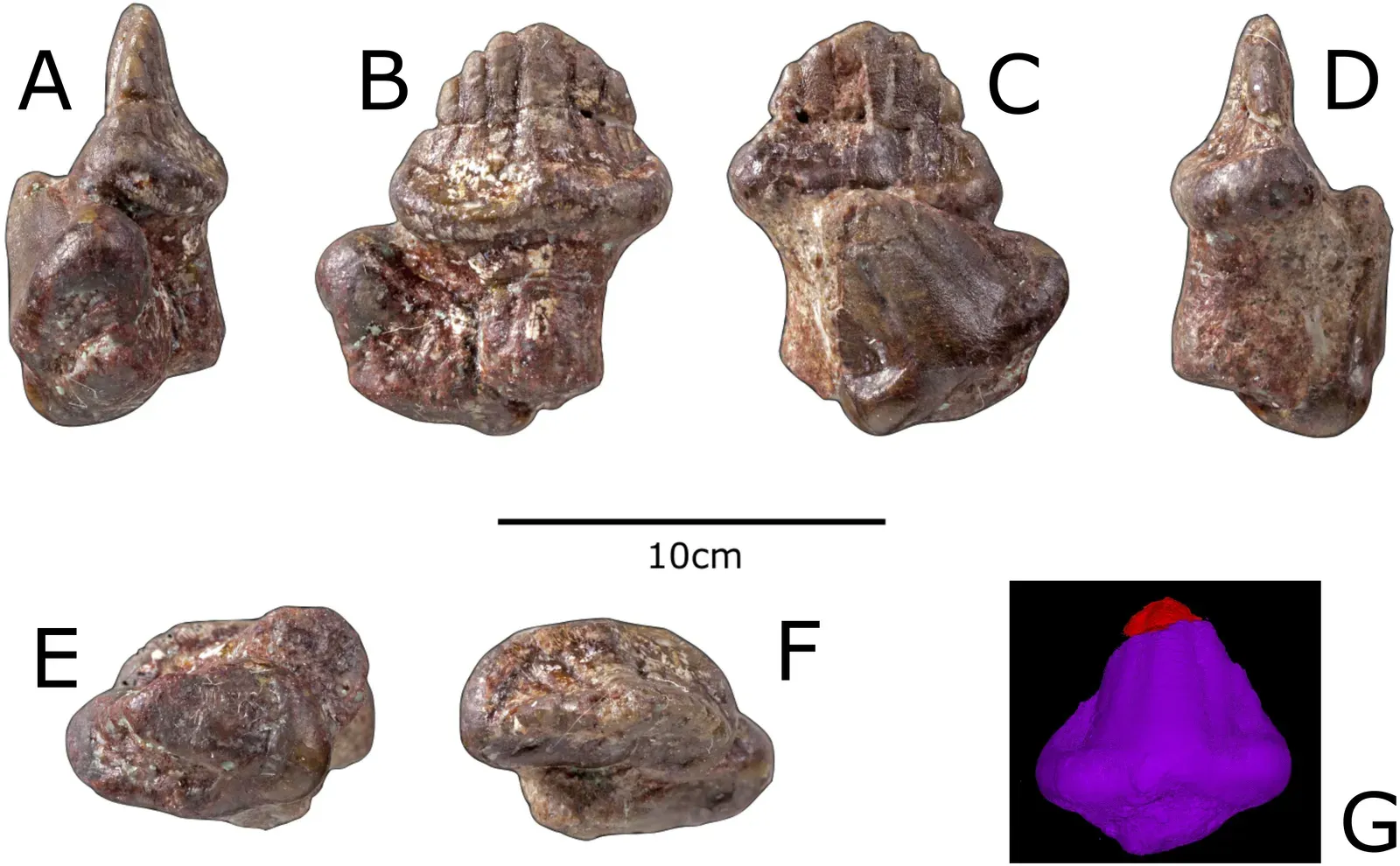
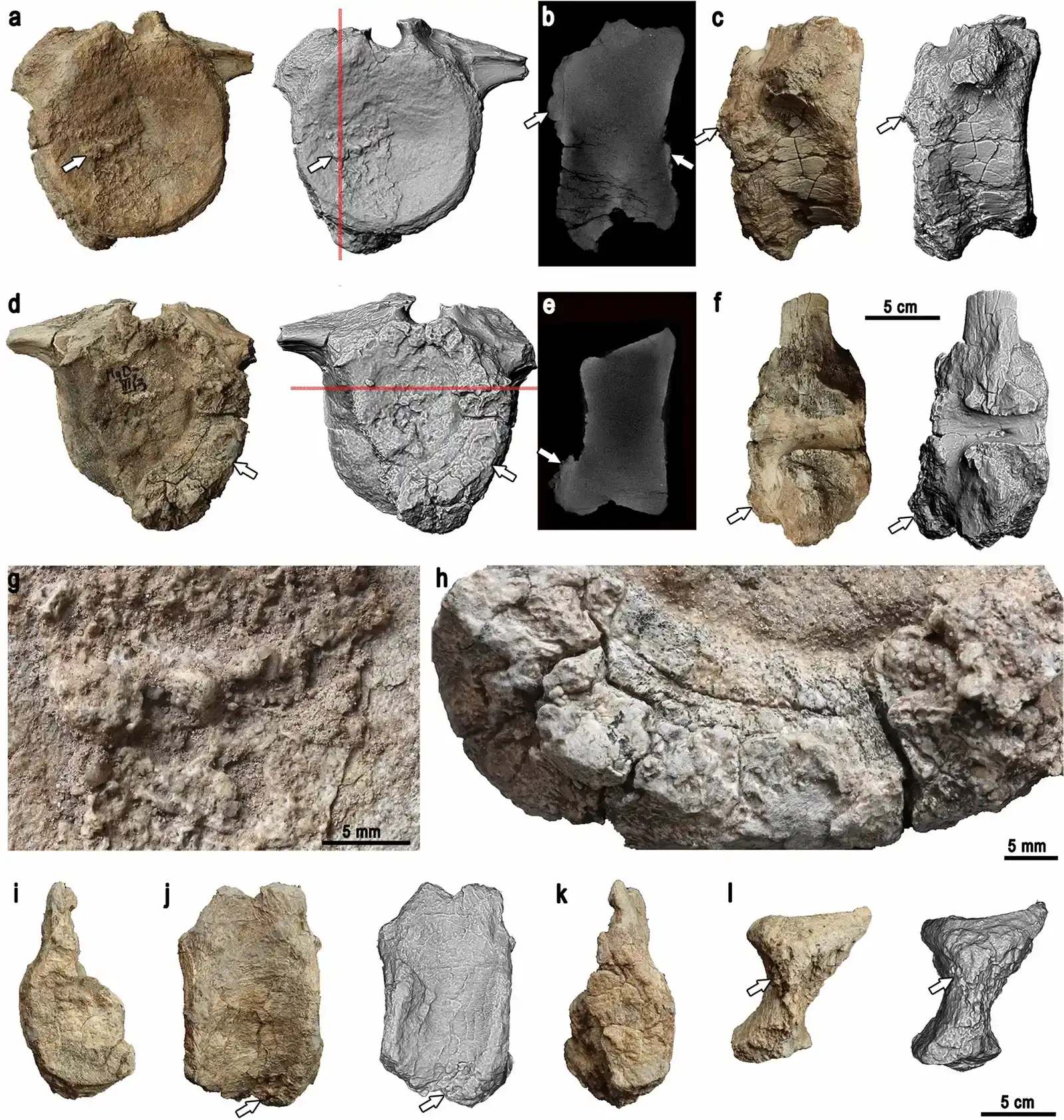
You can think of CT scanning as the paleontologist’s greatest shortcut. Traditionally, researchers used destructive thin sectioning to reveal interior structures, which totally destroys the fossils. With the application of non-destructive 3D imaging techniques like CT scanning and synchrotron radiation scanning, paleontologists can now observe previously hidden structures without causing any damage. That shift alone changed the field forever.
The technology keeps getting sharper. Compared with standard energy-integrating detector CT, photon-counting detector CT yields higher-resolution anatomical images free of image deterioration, and it also provides spectral information, allowing researchers to gain insights into fossil mineral composition and preservation state. In a recent example from South Korea, scientists uncovered a rare baby dinosaur and, using cutting-edge CT scans, discovered hidden bones including a skull inside rock much faster than traditional methods.
2. Micro-CT Imaging: Unlocking Microscopic Details
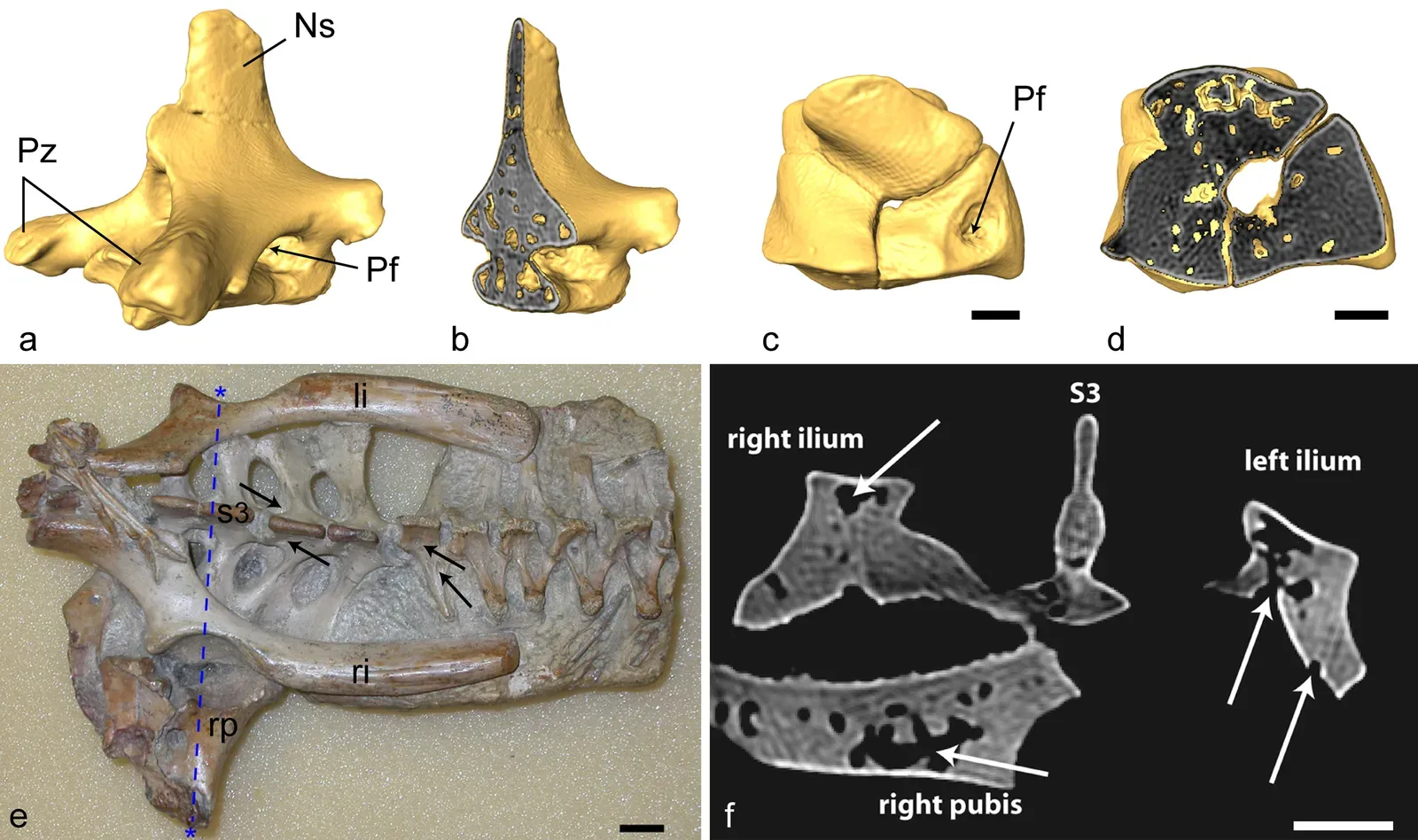
Paleontologists have always dedicated themselves to uncovering previously unseen aspects of life on Earth, and new imaging technology is taking them further toward that goal than ever before. Using high-resolution X-ray microtomography, they can look into both the exteriors and interiors of fossils at a microscopic scale, in three dimensions. That level of detail was unthinkable just a generation ago.
Best of all, the technique does not require slicing up the samples, so the same fossils can be examined again and again. In practice, this means a single specimen can be studied by teams across the world without the fossil ever leaving its museum case. Most fossil remains are encased in hard rock, and manually removing that material could take years. Instead, researchers relied on micro-CT scanning, which allowed them to visualize full skeletons in just a few months.
3. 3D Printing: Making the Impossible Tangible
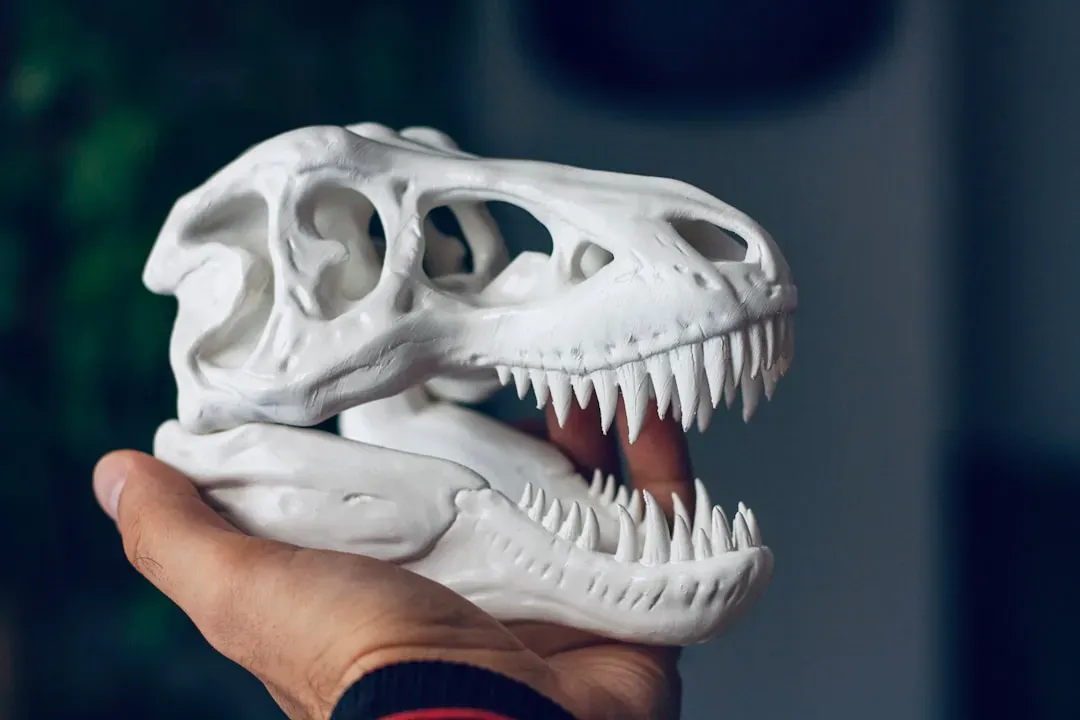
Once you have a high-resolution digital scan of a fossil, you can do something remarkable with it: print it. Scientists at Drexel University have set on a path that promises to revolutionize the way paleontology is studied. By using 3D printers, researchers can cheaply and efficiently replicate bones without going through the hassle of casting with plaster molds, building very faithful scale models of dinosaurs that can even be mechanized for motion studies.
The discovery of Taurovenator, a Cretaceous predator from Argentina, became a prime example of the integration of paleontology with emerging 3D technologies. Researchers used 3D scanning and printing techniques to digitally reconstruct and physically replicate its skeleton, advancing research, preservation, and public science communication. Scale models can also be sent to schools and museums where students can handle them without any risk to the actual fossils.
4. Computer Simulation and Biomechanical Modeling
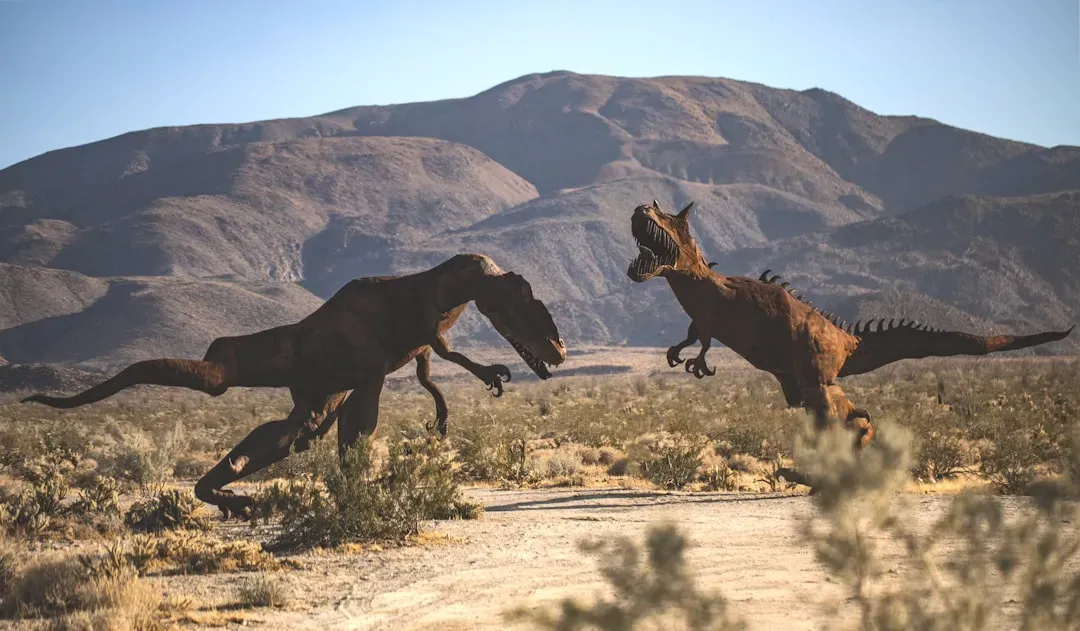
How fast did a T. rex actually run? Did a sauropod ever rear up on its hind legs? These questions used to be answered mostly by educated guesswork. For more than a century, paleontologists relied upon fossilized bones and the intuition of researchers to predict the way extinct animals moved. Those gut instincts about movement became the basis for broader theories about how ancient animals behaved. New technologies, however, help provide more clarity.
For one landmark study, researchers took X-ray videos of a present-day bird walking on a treadmill and used the videos to precisely measure ankle and toe joint poses. Simultaneously, using 3D models, they simulated motions of the same joints in cutting-edge computer animation software, testing millions of potential poses and assigning each a score describing how well the bone surfaces fit together geometrically. When compared to the reality of how birds walk, the highest-scoring potential poses produced an amazingly accurate match. The same method was then applied to raptor dinosaurs with striking results.
5. AI and Deep Learning: Speeding Up the Science
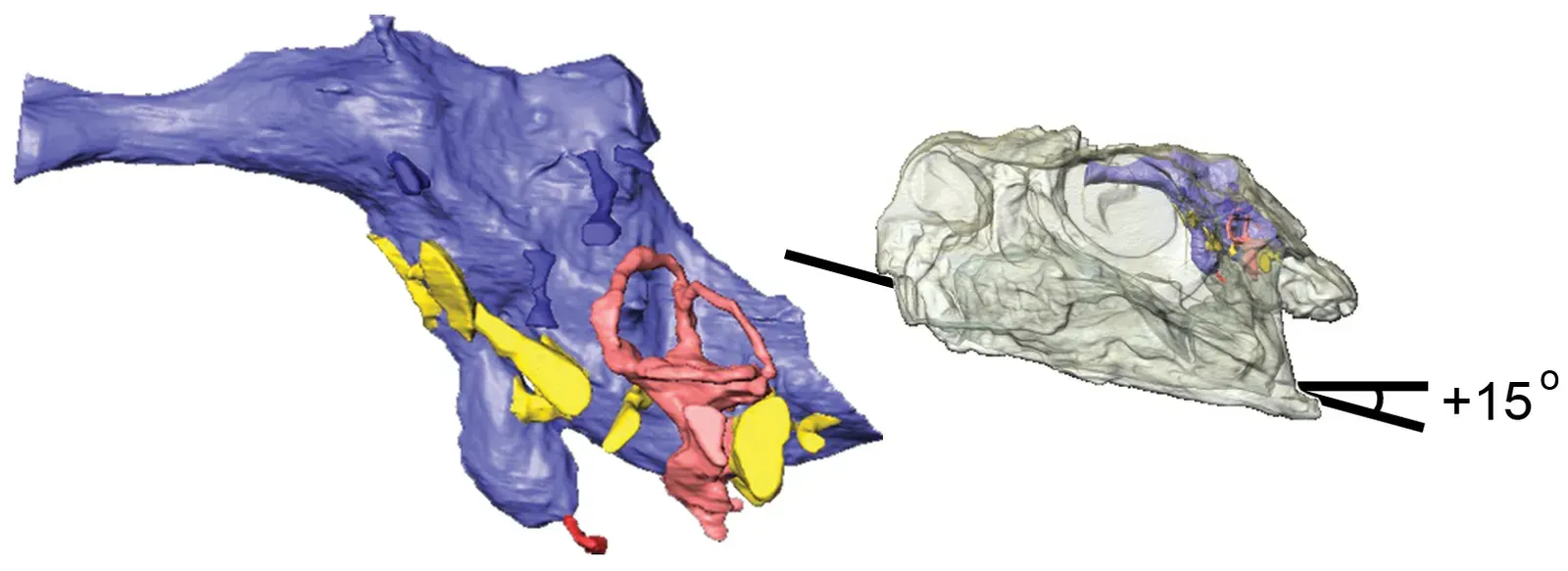
Processing CT scan data from a dinosaur skull can take a paleontologist weeks. The fast advancements in techniques not only enable unprecedented resolution in the observation of fossil material, but also increase the cost in data processing. Currently paleontologists spend days to weeks segmenting fossil scans; the introduction of deep learning can reduce that time to minutes. That’s a significant practical gain for a field where research budgets are often tight.
Recent developments in deep learning have opened the possibility for automated segmentation of large and highly detailed CT scan datasets of fossil material. Previous methodologies required large amounts of training data to reliably extract complex skeletal structures. A newer method for automated deep learning segmentation can obtain high-fidelity 3D models of fossils digitally extracted from surrounding rock, training the model with less than one to two percent of the total CT dataset. As data sharing between institutions grows, these AI models will only improve.
6. Synchrotron Scanning: The Most Powerful Fossil Eye in the World
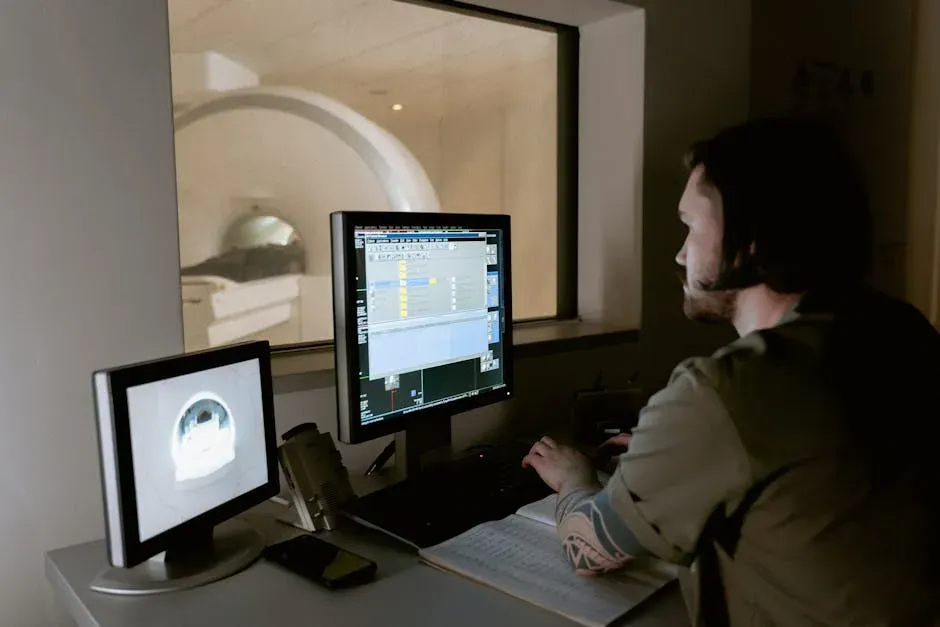
A CT scanner uses X-rays produced in a hospital or lab setting. A synchrotron is something else entirely. CT, including synchrotron scanning, is the most effective and precise method for morphological studies, enabling the examination of both external surfaces and internal structures. Synchrotron facilities fire X-rays billions of times brighter than a standard source, revealing cellular and even subcellular detail inside ancient bone.
All virtual techniques in paleontology are based on the 3D characterization of the object subject to analysis, whether skulls, mandibles, or any other skeletal part preserved as a fossil. This can be done to digitize solely the external surface using laser scanning or photogrammetry, or to digitize both external surface and internal structures with synchrotron microtomography. The resulting datasets have revealed growth rings, blood vessel networks, and structural tissue within dinosaur bones that no one suspected were still there.
7. Ancient Protein Analysis: Reading Biochemical Clues
One of the more surprising developments in recent paleontology is the recovery of actual protein material from dinosaur fossils. Researchers took new samples from an 80-million-year-old fossil of a duck-billed dinosaur called Brachylophosaurus canadensis. They reworked procedures for extracting would-be proteins from the bone, identified protein fragments with a more sensitive mass spectrometer, and compared the recovered protein sequences to those from many more living animals.
Because the chemical makeup of proteins changes through evolution, scientists can study protein sequences to learn more about how dinosaurs evolved. And because proteins do all the work in the body, studying them could someday help scientists understand dinosaur physiology, including how their muscles and blood vessels worked. It’s worth noting that this research remains actively debated. Molecular paleontology is currently controversial, and the first sticking point is that when researchers look for traces of ancient biological molecules, they use technologies invented to find intact traces that have been degraded or altered by vast amounts of time. The field is promising, but still young and contested.
8. Isotope Analysis: Decoding Diet, Migration, and Climate
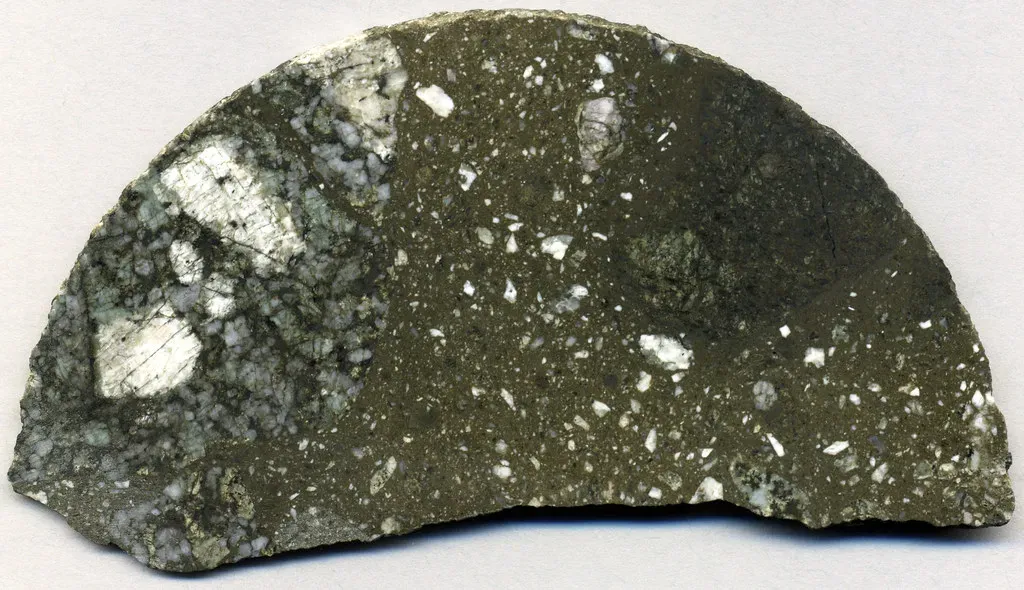
Stable isotope analysis treats fossil bones and teeth as chemical archives. Different isotopes of elements like carbon, oxygen, and strontium accumulate in animal tissue in patterns that reflect what the animal ate, where it lived, and what the climate was like during its lifetime. These ratios are preserved surprisingly well in fossils, even very old ones, and modern mass spectrometers can read them with extraordinary precision.
Minerals inside dinosaur eggs, as well as the eggshells themselves, may give experts a new way to tell the age of fossils. Scientists have also proposed that paleontologists can use dinosaur eggs to date deposits, since radioactive isotopes in the eggshell itself seem to be datable in the same way as volcanic minerals, meaning even a tiny broken fragment of fossil eggshell could allow researchers to calculate how old certain deposits are when volcanic ash isn’t present. That’s a practical breakthrough for sites where traditional dating methods simply don’t work.
9. Photogrammetry and 3D Surface Scanning: Capturing Trackways and Surface Detail
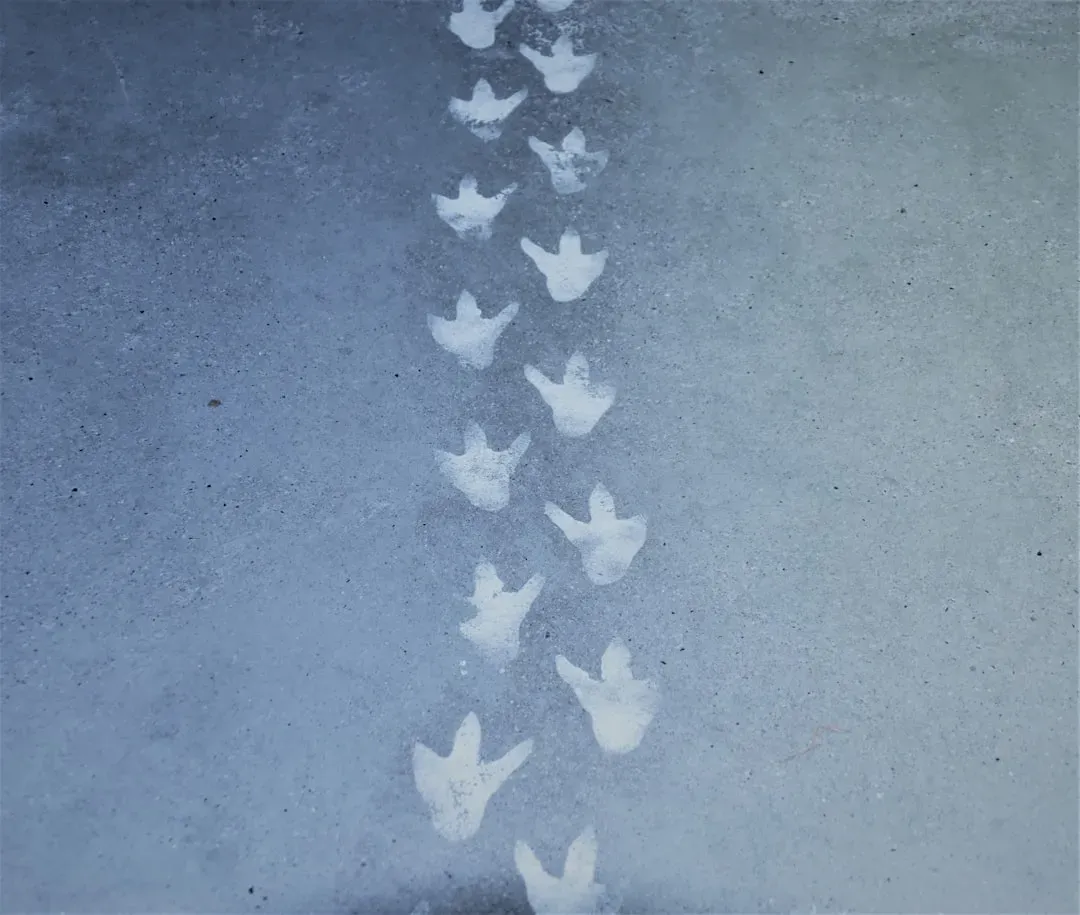
Dinosaur footprints are often as informative as bones, but they’re fragile, large, and impossible to move. Photogrammetry solves that problem by reconstructing a precise 3D surface model from hundreds of overlapping photographs taken from different angles. Among the methods tested, manual photogrammetry showed a high degree of reproducibility and was the most efficient and cost-effective option. Special emphasis was placed on ensuring adequate overlap, consistent lighting, and focus because these factors are crucial for capturing suitable photographs. Photogrammetric 3D models offer morphometric information that is not available from bone studies alone, including the surface to volume ratio.
The real-world results have been remarkable. The extent of an incredible dinosaur highway has been revealed in Bolivia, with more than 16,000 footprints along with tail impressions fully documented. The scale of theropod activity alone is unlike anything that’s been seen before. Without modern surface scanning, documenting a site that large would take decades.
10. Digital Databases and Global Data Sharing
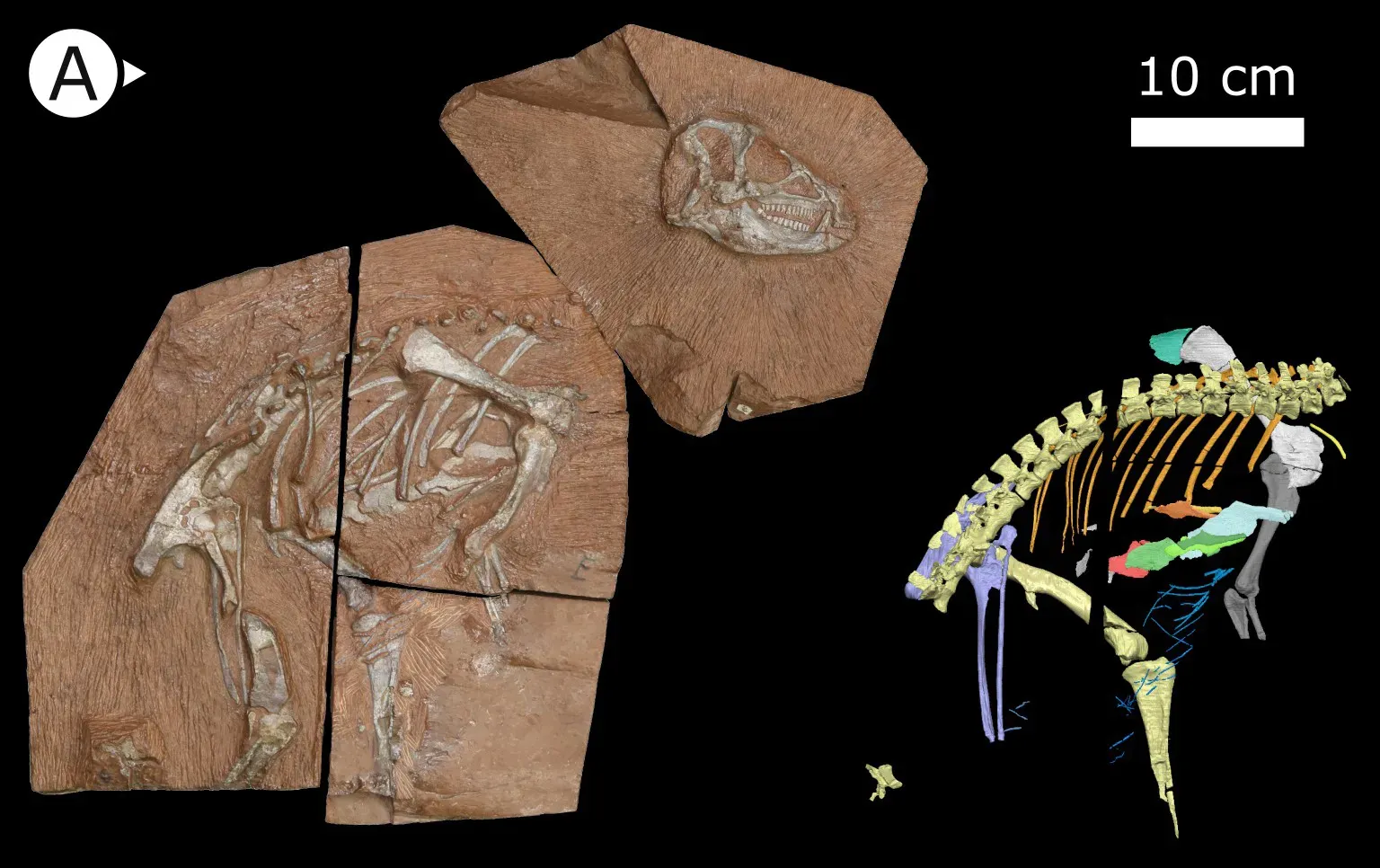
Perhaps the least visible technology on this list, and in some ways the most important, is the global sharing of digital fossil data. CT scans have become an important research tool, especially because they don’t require damaging a specimen. Digital scans can then be shared with scientists and members of the public from around the world for research and education purposes. A researcher in Berlin can now collaborate with a team in Buenos Aires using the same digital specimen, without either party needing to touch the original fossil.
Three-dimensional imaging and digitization of selected specimens, or even whole collections, has been identified as a possible solution to the problem of limited access to fossil specimens, and many museums and universities are now widely employing 3D data capture techniques. The resulting digital reconstructions of tomographic datasets can be made available via online repositories. As these shared libraries grow, so does the collective intelligence researchers can bring to bear on old and new questions alike.
A Field Transformed
Paleontology used to move at the pace of excavation. Now it moves at the pace of computation. The fossils haven’t changed, but the questions scientists can ask of them, and the precision with which they can ask them, have expanded enormously. From reinterpretations of iconic predators to ancient trackways that capture fleeting moments of Jurassic life, recent research has shown how much information is still locked inside bones, teeth, and footprints that have been studied for decades. Paleontology is not about dusting off the past, but opening new windows to peer into it.
The deeper truth is that the dinosaurs themselves haven’t revealed all their secrets yet. Every new scanning technique, every improved algorithm, and every shared database opens another corridor in a very old building. There’s still plenty left to find, and the tools to find it have never been better.