
Life doesn’t always hand you the script you were hoping for. Sometimes it feels like the universe has decided to test your patience, your resilience, and your ability to keep going. You wake up, glance at the clock, and the weight of uncertainty already sits heavy on your chest. Maybe you’re dealing with job stress, relationship struggles, health concerns, or just that persistent feeling that nothing is going right.
Here’s the thing though. Even when everything feels wrong, you have more power than you think to shift your perspective and rebuild your mental foundation. Cultivating a positive mindset isn’t about pretending everything is perfect or slapping a smile on genuine pain. It’s about learning to navigate the storm with tools that actually work, backed by psychology and real-world practice. Let’s explore how you can do exactly that.
Reframe Your Negative Thoughts Into Learning Opportunities

Your brain loves patterns, especially negative ones. When something goes wrong, it’s incredibly easy to spiral into thoughts like “I always mess up” or “Nothing ever works out for me.” These aren’t just harmless thoughts; they shape your reality and drain your emotional reserves.
You can learn to reframe this negative self-talk into more positive, realistic thoughts, and practicing these reframes can start to shift your mindset. Instead of saying “I can’t do this,” try reframing it to “I have the opportunity to learn something new.” Think about it like changing the channel in your mind. When you catch yourself catastrophizing, pause and ask what you can learn from the situation instead of what you’ve lost.
Practice Gratitude Daily Without Making It a Chore
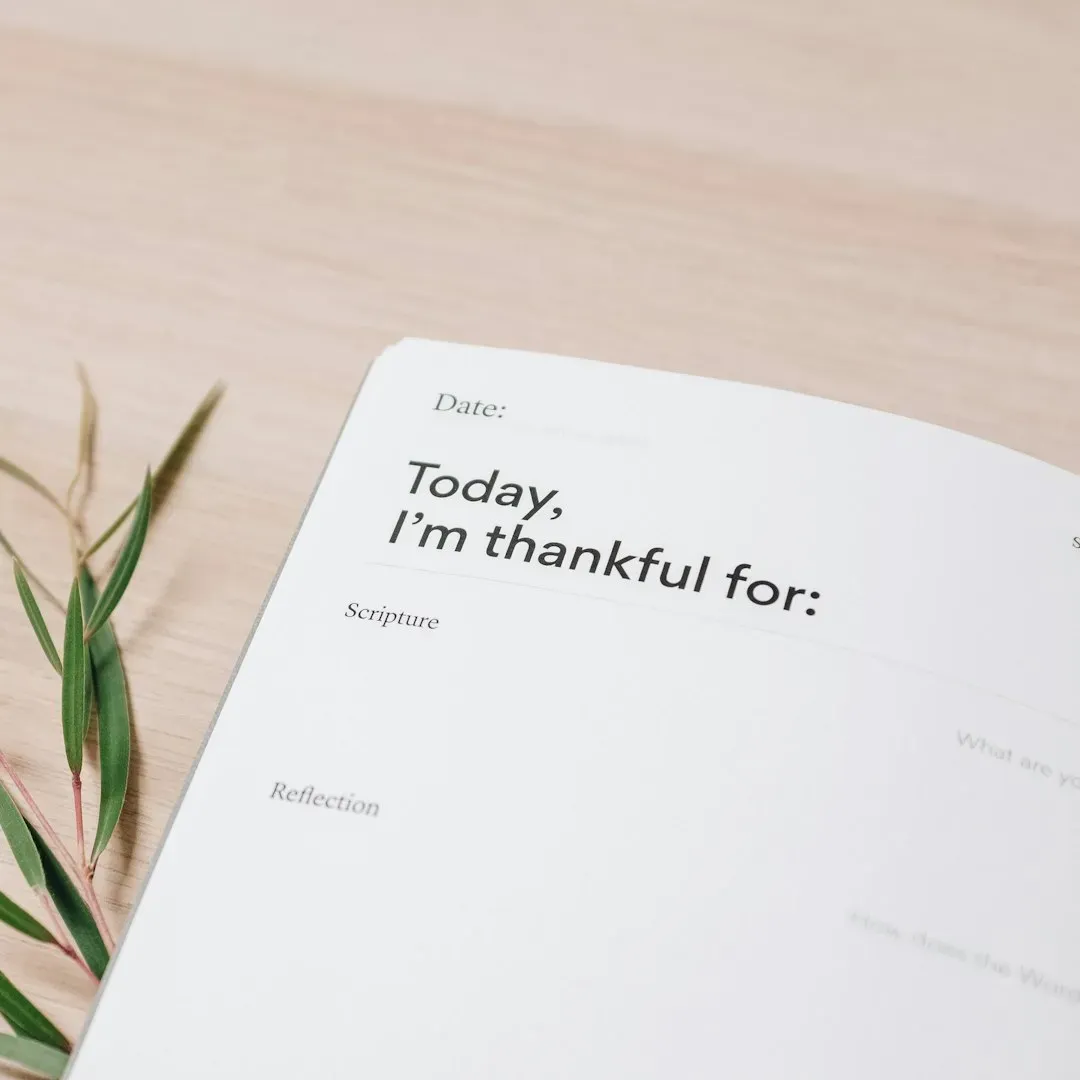
Practicing gratitude means being thankful for the good things in your life, and it’s helpful to do this every day, either by thinking about what you are grateful for or writing it down in a journal. This doesn’t need to be some elaborate ritual. You don’t need fancy journals or perfect penmanship.
Write down three things each evening that went well and why they happened. Maybe your coworker made you laugh. Perhaps you finished a task you’d been putting off. Gratitude practices reliably boost well-being when done intentionally, and specificity matters because it directs your attention toward causes you can influence. The simple act of noticing the small wins trains your brain to look for them more often.
Connect With People Who Genuinely Uplift You

Let’s be real: some people drain your energy, while others fill your cup. Small, deliberate acts to strengthen connection like a quick check-in text or brief coffee with a friend reduce loneliness and broaden perspective, and research shows social connection is one of the strongest predictors of resilience and well-being.
You don’t need a massive social circle. Two or three authentic connections matter more than dozens of surface-level relationships. If someone consistently leaves you feeling worse about yourself or the world, it might be time to create some distance. The people you interact with daily can either lift you or drain your energy, so choose wisely.
Move Your Body to Move Your Mind

When everything feels overwhelming, exercise is probably the last thing on your to-do list. Yet physical movement has a remarkable ability to shift your mental state. Being physically active reduces feelings of stress and depression and improves your mood.
You don’t need to train for a marathon or join an expensive gym. A 20-minute walk around your neighborhood counts. Dancing in your living room counts. Stretching while watching television counts. Just 30 minutes of walking every day can boost your mood and improve your health, and small amounts of exercise add up. The key is consistency, not intensity.
Challenge Your Inner Critic With Compassion

That voice in your head can be brutal sometimes. It tells you you’re not good enough, smart enough, or worthy enough. Here’s what you need to understand: you can actually engage with that inner voice and work to mature your mindset with a loving attitude.
Try strategies that target decreasing self-critical comments and increasing self-acceptance, and it all begins with self-talk. When you catch yourself being harsh, pause and ask what you’d say to a friend in the same situation. You’d probably offer kindness and perspective, right? Give yourself that same grace. Self-compassion isn’t weakness; it’s a foundation for genuine resilience.
Set Small Goals You Can Actually Achieve

When life feels chaotic, massive goals can feel paralyzing. Instead, break things down into tiny, manageable steps. Regularly setting and celebrating small goals boosts motivation and reinforces positive thinking.
Maybe today’s goal is just getting out of bed, taking a shower, and making breakfast. That’s enough. Tomorrow you might add one more thing. This approach prevents overwhelm and gives you tangible wins to celebrate. Progress doesn’t always look dramatic, but small consistent steps compound over time. Success breeds success, even when those successes feel minor in the moment.
Embrace Mindfulness Without the Mysticism

When you are living in the moment and are aware of what is going on in the present moment with a kind and open attitude, you are being mindful, and many people worry about the past or the future, which tends to lead to symptoms of stress, depression or anxiety.
Mindfulness doesn’t require incense or meditation cushions. It’s simply about paying attention to right now without judgment. When your mind wanders to worst-case scenarios, gently bring it back to what’s happening in this exact moment. Focus on your breath. Notice five things you can see. Feel your feet on the ground. These micro-practices interrupt anxiety spirals and ground you in the present.
Limit Exposure to Negativity and News Overload

Scrolling through social media and news feeds when you’re already struggling is like pouring gasoline on a fire. The constant barrage of bad news, comparison culture, and doomscrolling actively damages your mental health.
Set boundaries around your media consumption. Maybe you check the news once a day instead of constantly. Perhaps you unfollow accounts that make you feel inadequate or anxious. Create space for content that inspires, educates, or simply entertains you in a healthy way. Your mental environment matters just as much as your physical one, and you have the power to curate it.
Focus on What You Can Control

So much of life is beyond your control. The economy, other people’s choices, unexpected illness, global events – these things will happen regardless of how much you worry about them. What you can control is your response, your effort, and your attitude.
Make a list of what’s actually within your power right now. Can you control your job security? Probably not entirely. Can you update your resume, learn new skills, or reach out to your network? Absolutely. This shift from helplessness to agency changes everything. When you focus energy on controllable factors, you build genuine resilience instead of spinning your wheels in anxiety.
Seek Professional Support When You Need It

Developing a more positive mindset is a process, and it can take time to make this shift, but making changes can eventually add up to big results which you will notice in yourself and others’ responses to you. Sometimes though, you need more than self-help strategies.
There’s no shame in reaching out to a therapist, counselor, or mental health professional. They have tools and perspectives that can accelerate your growth and help you work through deep-rooted patterns. If you’re experiencing persistent symptoms of depression, anxiety, or overwhelming stress, professional support isn’t a luxury – it’s essential healthcare. You wouldn’t try to set your own broken bone; don’t expect yourself to heal complex mental health challenges alone.
Conclusion

Cultivating a positive mindset doesn’t mean ignoring life’s challenges – it means approaching them with greater awareness, flexibility, and compassion. The strategies here aren’t quick fixes or magic pills. They’re practical tools that research and real human experience have proven effective.
Remember that building a positive mindset during difficult times is like gardening, not flipping a switch. You plant seeds, water them consistently, and trust the process even when you can’t see growth yet. Some days will be harder than others, and that’s completely normal. What matters is that you keep showing up for yourself with patience and kindness. Which of these strategies resonates most with you right now?