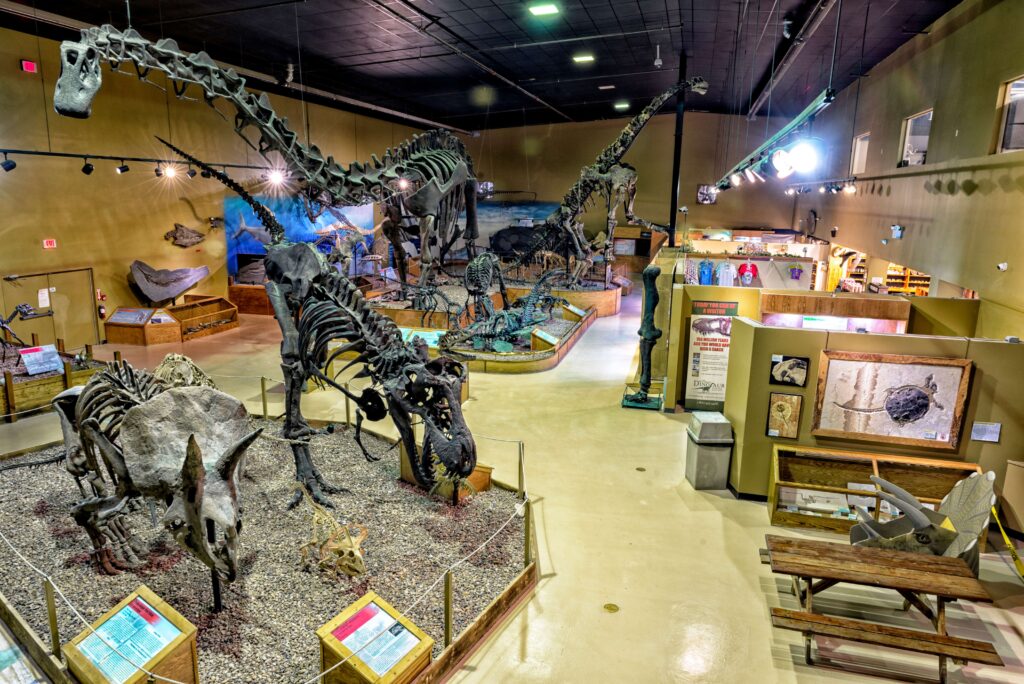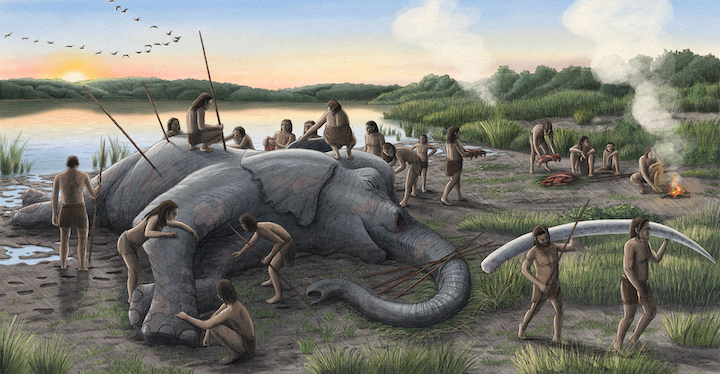
For roughly 160 million years, dinosaurs ruled the Earth with a grip so firm it still leaves scientists in awe. They survived scorching deserts, polar winters, mass extinctions, and relentless competition – and they didn’t just scrape by. They thrived. So what was their secret? Honestly, there wasn’t just one. There were many.
The story of dinosaur dominance is a masterclass in evolution doing what it does best: solving problems in clever, sometimes jaw-dropping ways. From hollow bones to herd behavior, from feathered insulation to terrifyingly specialized teeth, every adaptation told a survival story millions of years in the making. Buckle up – some of these will genuinely surprise you. Let’s dive in.
1. Hollow, Air-Filled Bones That Were Light as a Feather
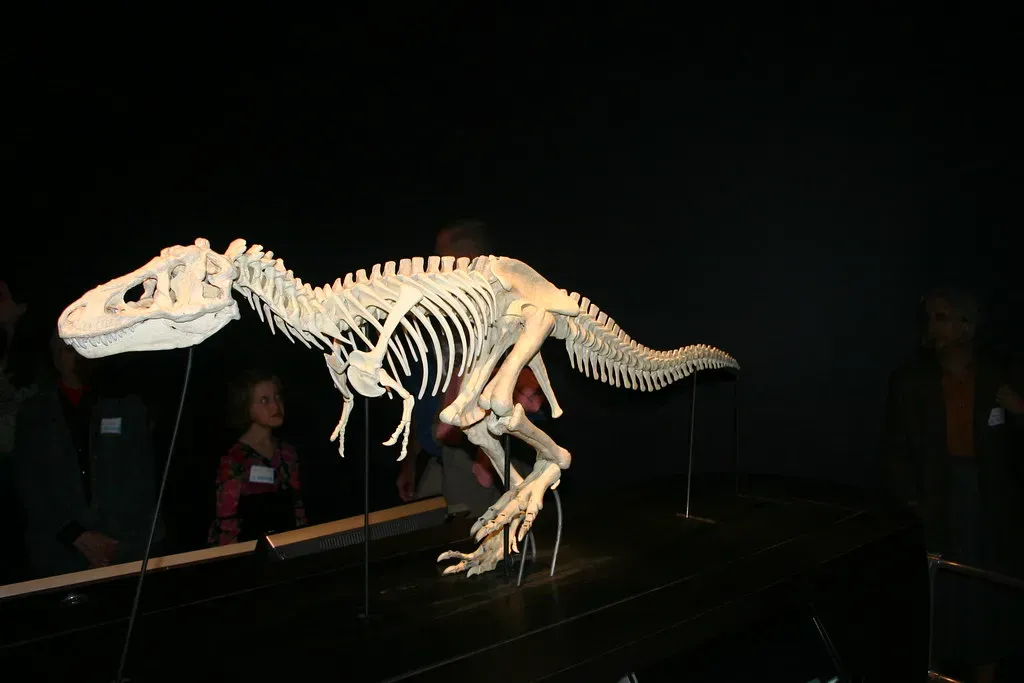
You might think that being massive requires equally massive, solid bones – but that’s where dinosaurs pulled off one of nature’s most elegant engineering tricks. Brazilian paleontologist Tito Aureliano found that hollow bones filled with little air sacs were so important to dinosaur survival, they evolved independently several times in different lineages. That’s the hallmark of a genuinely winning design: when evolution keeps reinventing the same solution over and over, you know it works.
The aerated vertebrae bones enhanced the dinosaurs’ strength and reduced their body weight. Think of it like corrugated cardboard – those air pockets don’t weaken the structure, they make it both tough and light at the same time. At a time when the climate was scorching hot and dry, more oxygen circulating in the dinosaurs’ blood helped cool their bodies more efficiently and allowed them to move faster, while the air sacs also reinforced the internal structure of the bones and created a greater surface area of attachment for large, powerful muscles. That’s a staggering amount of benefit from one adaptation.
2. Upright Posture and Superior Locomotion
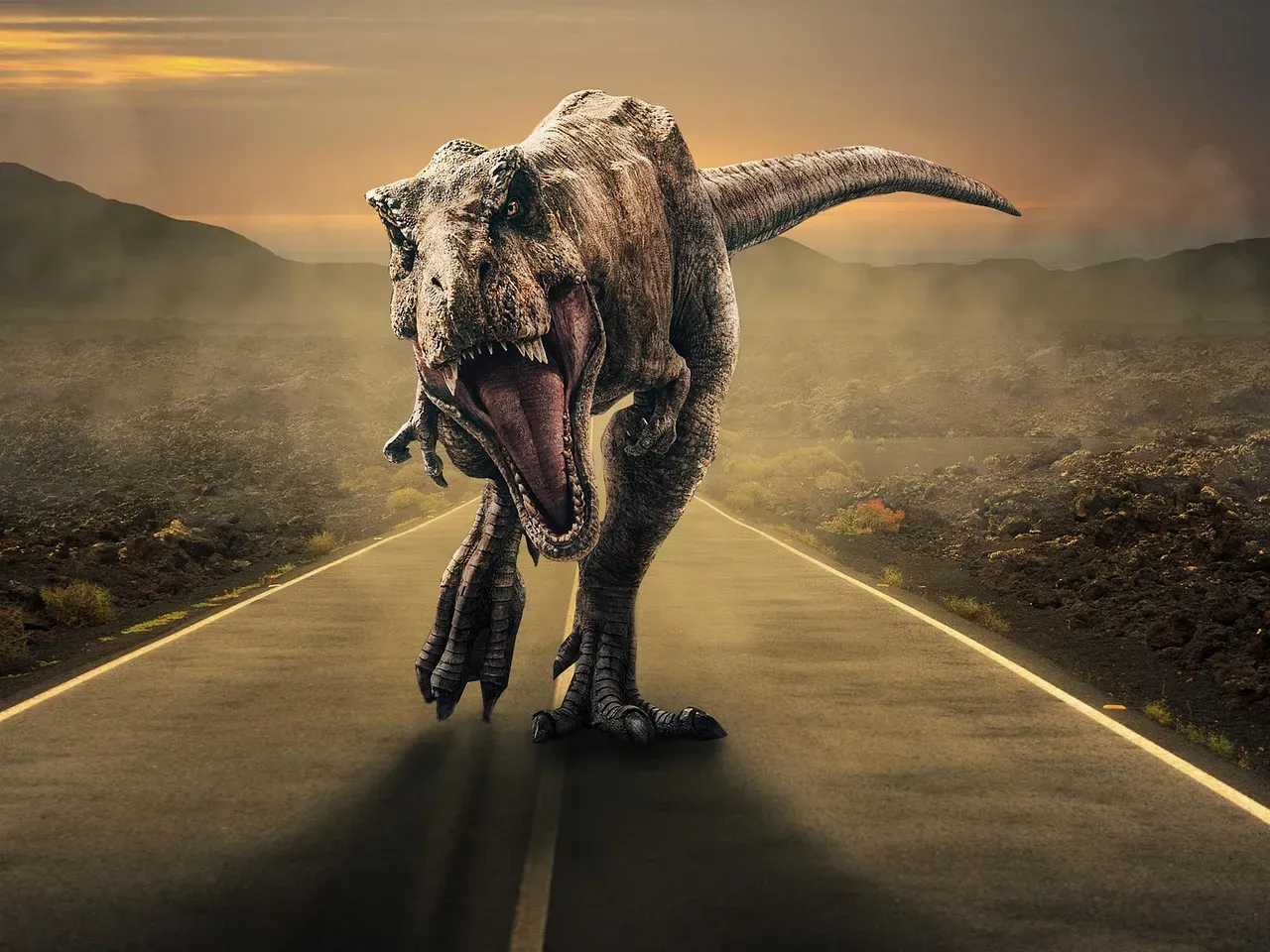
Here’s the thing – being faster and smarter about how you move is sometimes worth more than being the biggest creature in the room. Findings published in Royal Society Open Science show that the first dinosaurs were simply faster and more dynamic than their competitors, and it’s why they were able to dominate the Earth for 160 million years, with their range of locomotion making them incredibly adaptable. That’s not a small advantage. That’s a dynasty-defining one.
By adapting to walk on both two and four legs, dinosaurs diversified and outcompeted other organisms to become the dominant terrestrial vertebrates from the end of the Triassic until their extinction around 66 million years ago during the Cretaceous period. Dinosaurs were initially bipedal and could run rather than just lumber along like their ancestors, and being able to move quickly enhanced their abilities to evade predators and catch prey, giving them an advantage during the drying climate of the Triassic. That upright stride, it turns out, was a game changer.
3. Specialized Teeth Designed for Specific Diets
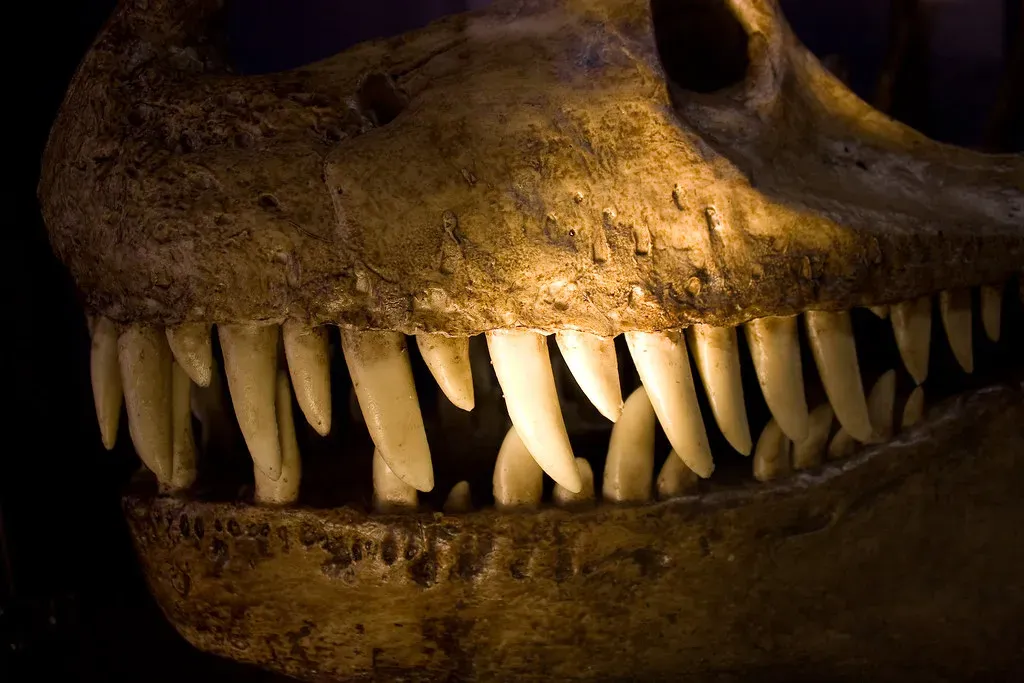
You are what you eat – and dinosaurs evolved mouths that made sure they could eat plenty of it. Herbivores and carnivores evolved specialized teeth that enabled them to process food efficiently, with herbivores having flat and broad teeth for grinding plants while carnivores sported sharp teeth for tearing flesh, and this differentiation in dental architecture allowed them to exploit various food sources, minimizing competition. That last point is critical. When you’re not competing for the same food, you’re not competing for survival.
One of the most fascinating examples of feeding adaptations can be found in the sauropods, the largest land animals to have ever existed, with massive long-necked herbivores such as the Brachiosaurus and Diplodocus developing a unique strategy for consuming large quantities of vegetation, their elongated necks allowing them to reach high into the canopy, accessing a wide range of plant matter otherwise inaccessible to smaller herbivores, while their powerful tooth-lined jaws and efficient digestive systems enabled them to process vast amounts of fibrous plant material. Their mouths were, essentially, optimized harvesting machines.
4. Feathers for Insulation, Display, and Temperature Control
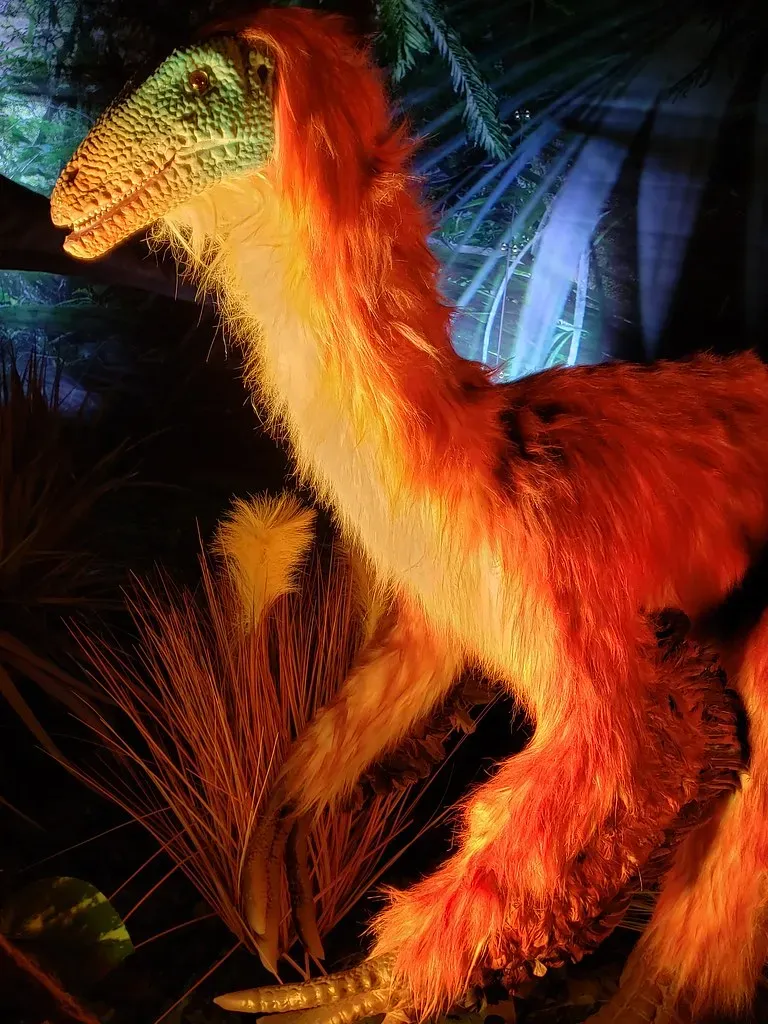
For a long time, feathers were considered strictly a bird thing. We now know that’s simply not true. There is now no doubt that many theropod dinosaur species had feathers, including Shuvuuia, Sinosauropteryx, and Dilong, an early tyrannosaur, and these have been interpreted as insulation and therefore evidence of warm-bloodedness. That single discovery rewrote how scientists picture these creatures entirely.
Feathers in certain species not only helped dinosaurs stay warm but also played a role in courtship displays and communication. In warmer climates, depending on the morphology and coloration of the feathers and proto-feathers, they could also be used to keep heat out of the body, and feathers are highly derived and complex biological structures that would have consumed a lot of energy to create – something that would have been less taxing for an endothermic organism. One adaptation, three completely different purposes. That’s efficient evolution at its finest.
5. Advanced Thermoregulation – Neither Fully Cold-Blooded Nor Warm-Blooded
I think this is genuinely one of the most surprising things you’ll learn about dinosaurs. For decades, people assumed they were cold-blooded reptiles, slow and sun-dependent. The reality is far more interesting. Today, it is generally thought that many or perhaps all dinosaurs had higher metabolic rates than living reptiles, but also that the situation is more complex and varied than originally proposed. They occupied a kind of metabolic middle ground that gave them real advantages.
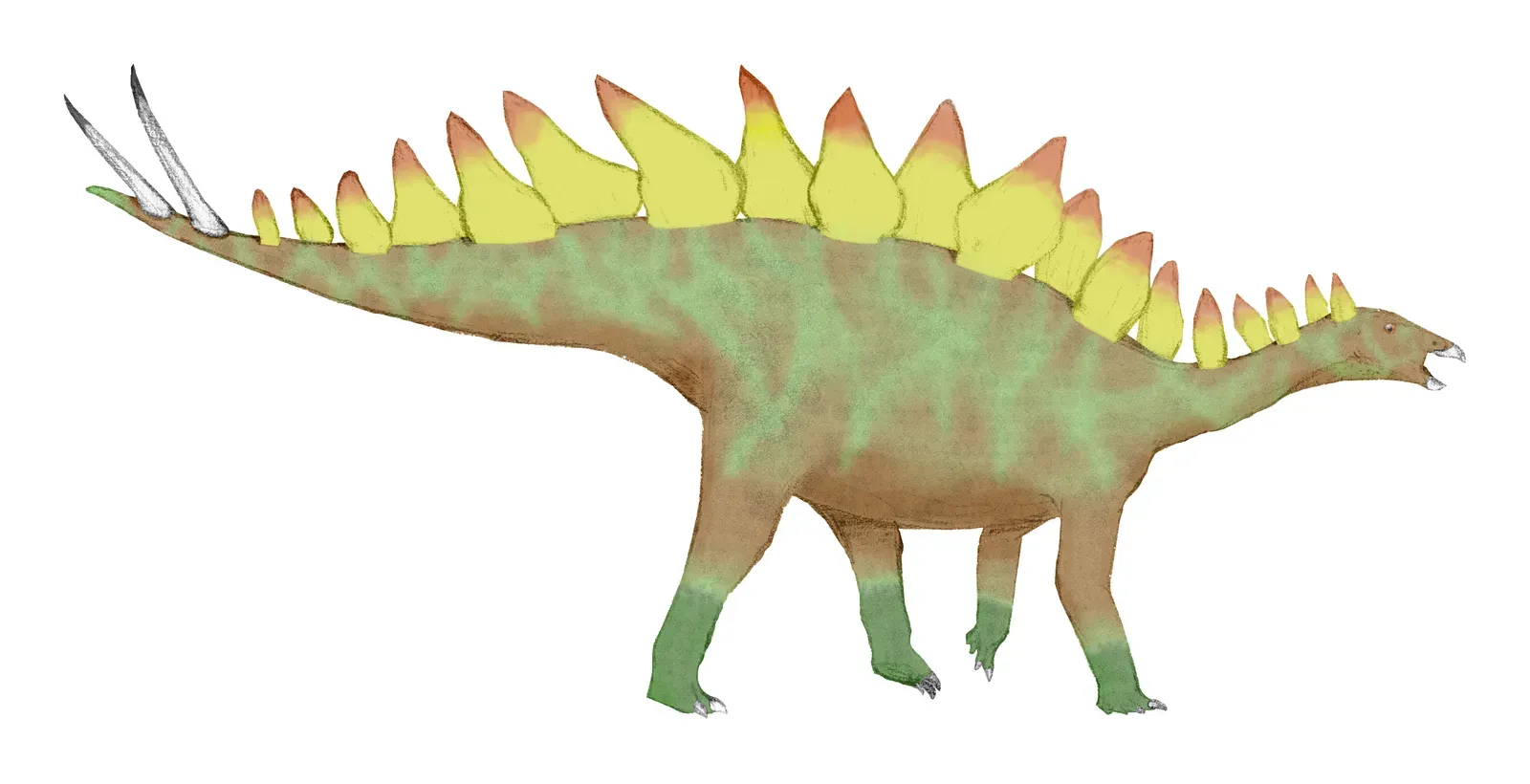
Molecular analysis of dinosaur fossils suggests an evolutionary break, with cold-blooded, slow-moving herbivores like Stegosaurus on one branch, and warm-blooded, highly mobile predators like Velociraptors on another. The model predicts that dinosaur body temperature increased with body mass, and that large dinosaurs had body temperatures similar to those of modern birds and mammals, while smaller dinosaurs’ temperatures were more like contemporary reptiles. In other words, different dinosaurs played by different thermal rules – and all of them benefited from it in their own ecosystems.
6. Long Necks That Unlocked Untapped Food Sources
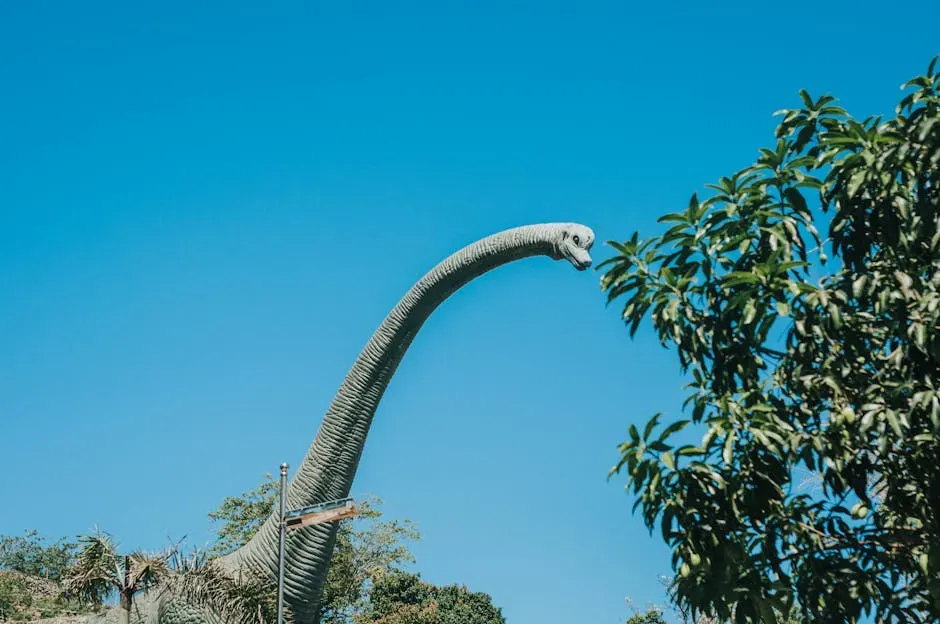
Let’s be real – the long neck of a sauropod looks almost absurdly impractical at first glance. But nature doesn’t do impractical without good reason. Their elongated necks allowed them to reach high into the canopy, accessing a wide range of plant matter that was otherwise inaccessible to smaller herbivores. It’s like having a built-in crane that eliminates the competition for food in one elegant stroke.
Their long necks were not only an adaptation for reaching high foliage; they also provided a greater surface area, helping them to regulate their body temperature. So it was a double win – better reach, better cooling. As the Earth warmed during the Jurassic period, sauropods got larger, driven by a combination of high food availability, efficient feeding strategies, and a high basal metabolic rate which supported rapid growth. The long neck wasn’t a quirk of evolution. It was a full-scale competitive advantage.
7. Armored Bodies and Natural Defensive Weapons
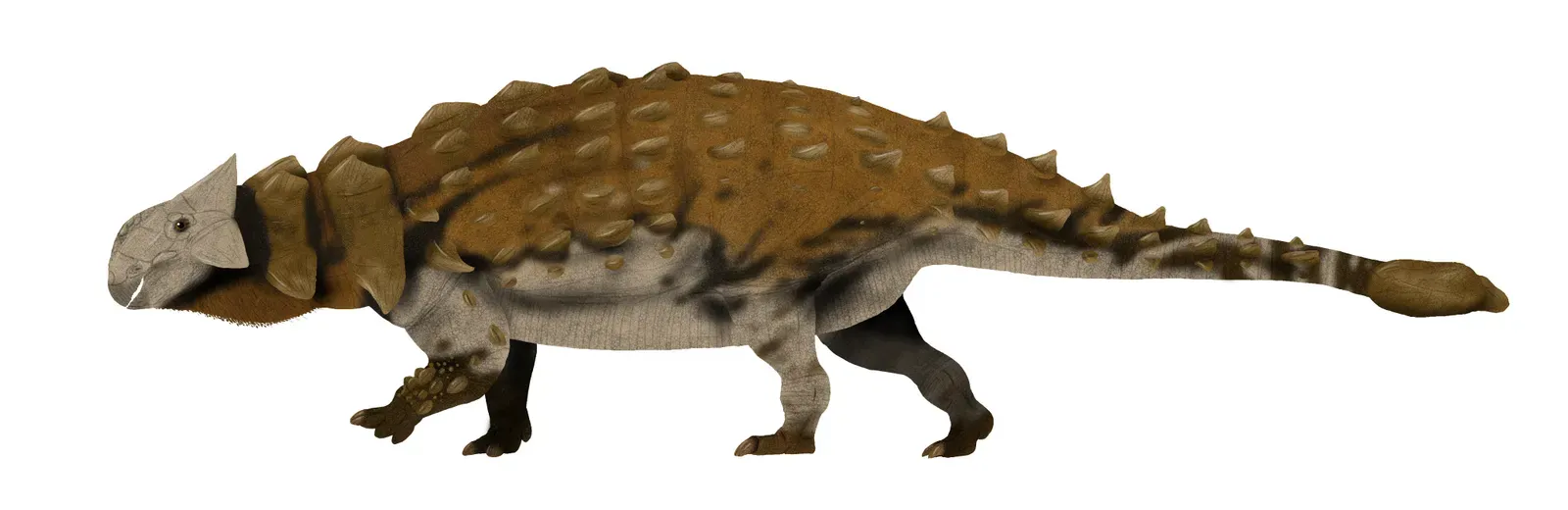
In a world full of apex predators, being armored wasn’t a luxury – it was a survival necessity. The bony plates of Stegosaurus served both defensive and thermoregulatory purposes, providing protection against predators while also regulating the dinosaur’s body temperature. That’s two birds with one evolutionary stone, quite literally.
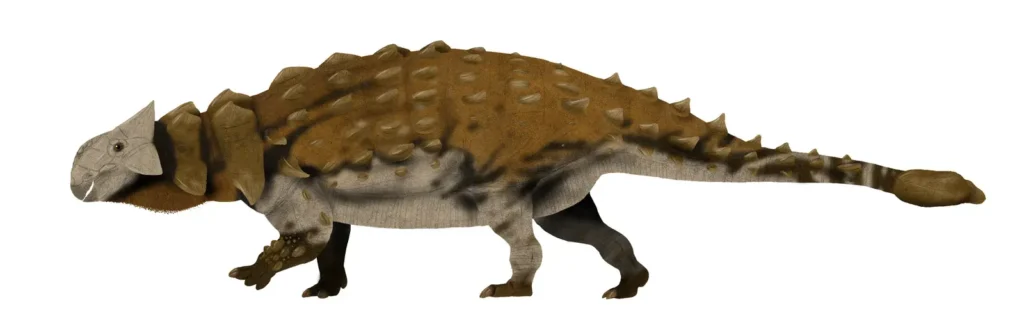
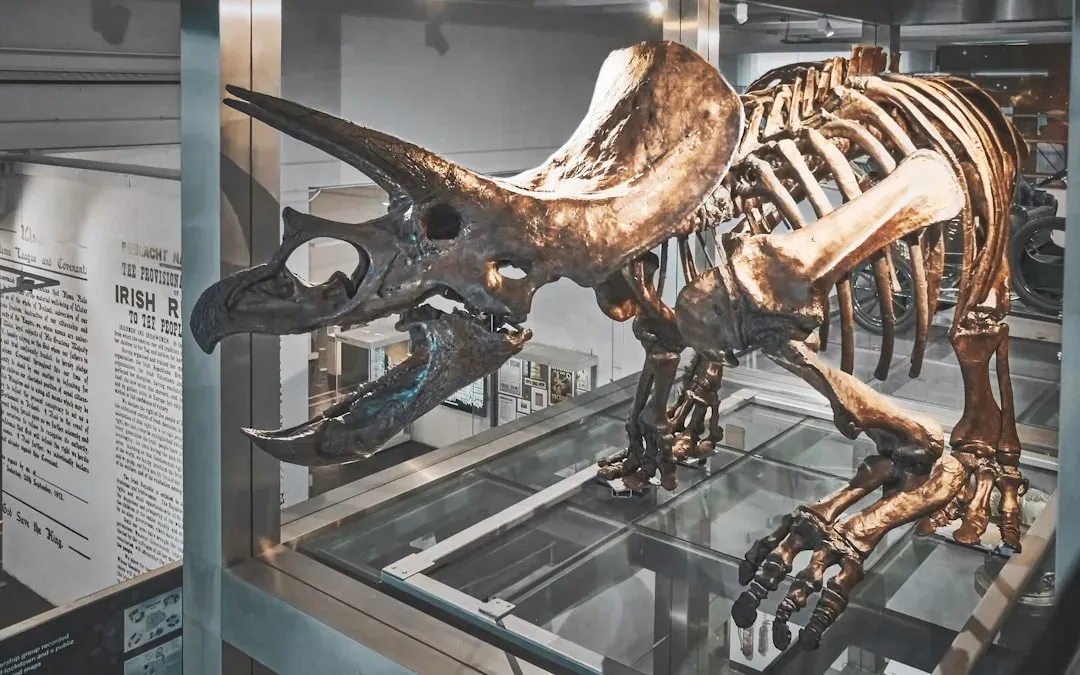
From the mighty Triceratops with its intimidating frills and horns to the armored Ankylosaurus, each dinosaur had a unique set of features tailored to its lifestyle and diet. To protect them from meat-eaters, herbivores usually had plates on their backs, which acted like armor that protected them from the sharp teeth of predators. These weren’t decorative features. They were evolutionary shields, forged over millions of years of trial, error, and survival.
8. Pack Hunting and Advanced Predatory Strategies
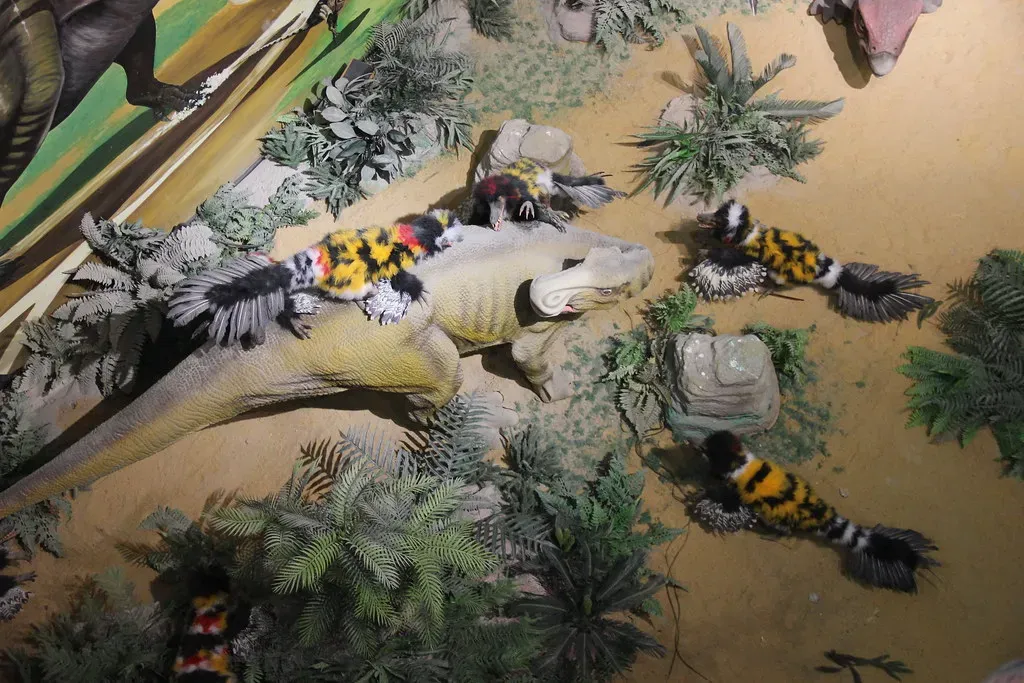
Speed and claws are terrifying enough on their own. Add cooperative intelligence to the mix, and you have one of the most effective predatory machines nature has ever produced. These predators possessed powerful jaws, serrated teeth, and keen senses that allowed them to track, pursue, and overpower their targets with deadly efficiency, and the development of advanced hunting strategies, including pack-hunting behaviors in some species, further enhanced the theropods’ success as apex predators. Think wolves, but larger, faster, and considerably more terrifying.
The Deinonychus, an agile pack hunter from the USA, showcased the intelligence and social behavior of some theropods, and measuring around 4 meters long, its presence underscores the complexity of dinosaur ecosystems, where cooperation could be as crucial as size and strength. It’s humbling to realize that the dinosaurs were working as a team roughly 110 million years before humans got around to the idea.
9. Social Herding Behavior That Multiplied Their Odds of Survival
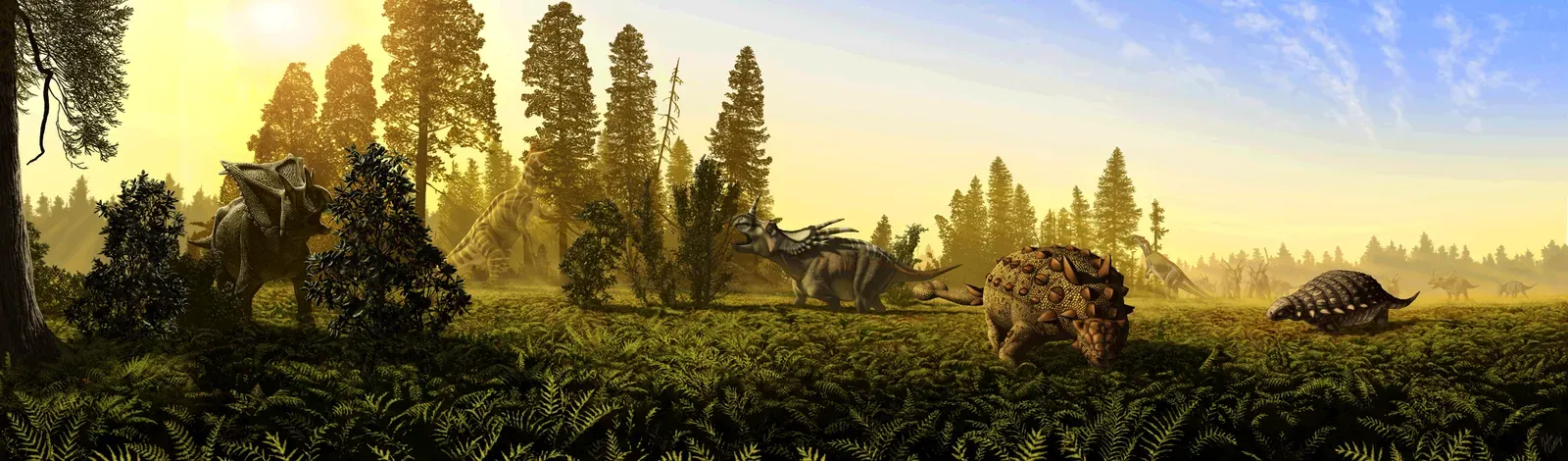
There’s real power in numbers, and dinosaurs knew it – or rather, evolved to act as if they did. Researchers from MIT, Argentina, and South Africa discovered an exceptionally preserved group of early dinosaurs that shows signs of complex herd behavior as early as 193 million years ago, some 40 million years earlier than other records of dinosaur herding. That finding turned a lot of assumptions on their heads.
The dinosaurs likely worked as a community, laying their eggs in a common nesting ground, while juveniles congregated in “schools” and adults roamed and foraged for the herd. Social living likely enhanced reproductive success through communal nesting sites where adults could share predator vigilance duties, while for juveniles, herds provided essential protection during vulnerable growth periods and opportunities for social learning of critical survival skills. The herd was not just a social structure – it was a survival mechanism.
10. Parental Care and Communal Nesting
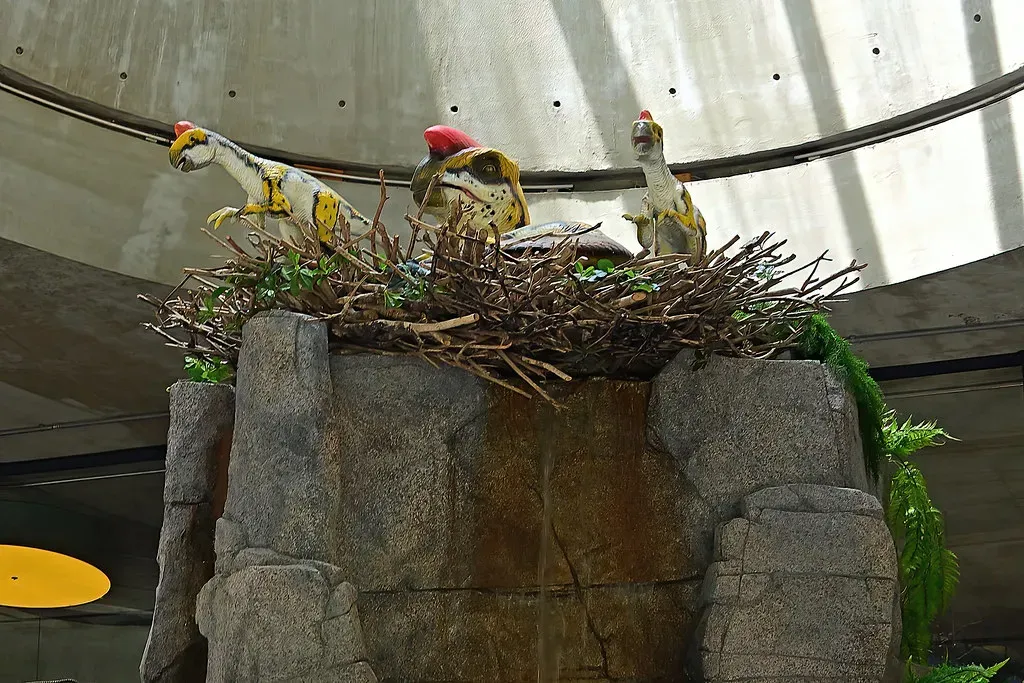
Dinosaurs as devoted parents might be the most heartwarming image in all of paleontology. And the fossil evidence is genuinely compelling. The Maiasaura nesting grounds in Montana reveal hundreds of nests in distinct “neighborhoods,” with evidence that adults provided extended care to nestlings that remained in the nest for significant periods after hatching. This wasn’t random clustering. It was organized family life, prehistoric style.
Within these nests were found not only eggs but also the remains of hatchlings at different stages of development, suggesting extended parental care, and the discovery of worn teeth in juveniles indicates parents brought food to the nestlings until they were strong enough to join the herd. Different species made annual treks to the same nesting ground, showing that site fidelity was an instinctive part of dinosaurian reproductive strategy. Year after year, generation after generation – that kind of devotion ensured their bloodlines survived.
11. Extraordinary Adaptability to Extreme Climates and Environments
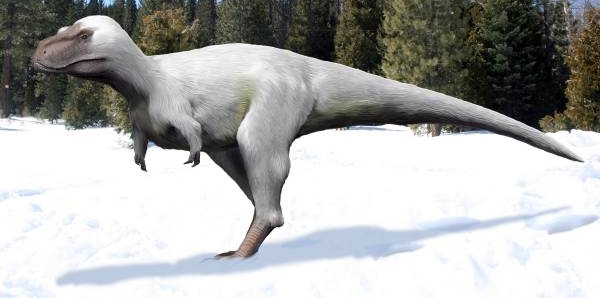
Here’s something that challenges almost every movie poster you’ve ever seen: dinosaurs didn’t just live in warm, lush jungles. They conquered frozen polar environments too. The recent discovery of their cold adaptations overturns traditional stereotypes of dinosaurs inhabiting warm, tropical jungles. The presence of ice-rafted debris indicates that dinosaurs not only lived in polar regions but also endured freezing temperatures, and these findings highlight the remarkable adaptations of dinosaurs and their ability to thrive in icy environments, outcompeting other species that could not adapt to the cold.
Another interesting adaptation was that dinosaurs could temporarily stop growing in harsh winters, enabling them to conserve energy while food was scarce, with fossilized bones found at the Junggar basin showing bone rings that indicate this growth pattern. The dominance of dinosaurs during the Jurassic era was a result of their ability to capitalize on new territories and adapt to changing environmental conditions. From scorching deserts to frozen tundras, they showed up, adapted, and flourished – every single time.
Conclusion: The Blueprint of Dominance
When you line up all eleven of these adaptations, a clear picture emerges. Dinosaur dominance wasn’t luck or brute force. It was the compounding effect of dozens of brilliant evolutionary solutions – hollow bones, flexible locomotion, social intelligence, thermal regulation, and specialized diets – each one building on the last. By combining behavioral and physical adaptations, dinosaurs were able to navigate a changing world, survive in different environments, and establish themselves as some of the most dominant creatures to have ever existed.
What’s genuinely humbling is that many of these solutions still exist today, echoing through birds, elephants, and even our own human skulls. Evolution found great ideas in the age of dinosaurs and simply kept using them. The next time you see a pigeon pecking at crumbs on a sidewalk, remember – you’re looking at a living dinosaur descendant, and it carries millions of years of extraordinary adaptation in those hollow little bones.
So here’s a question worth sitting with: if dinosaurs had such an incredible toolkit for survival, what does it say about the sheer power of the asteroid that finally ended their reign? What do you think – which of these adaptations surprised you the most? Drop your thoughts in the comments.