Imagine an ape so massive it would tower over a modern basketball player and outweigh a polar bear. It roamed dense forests, shook the ground beneath its feet, and then vanished from this Earth hundreds of thousands of years ago, leaving behind little more than a handful of teeth. The story of this creature is one of the most jaw-dropping in paleontology, equal parts awe-inspiring and bittersweet.
You’re about to discover a primate that makes today’s gorillas look almost modest by comparison. There’s mystery buried in every one of its fossils, and the more you learn about it, the more questions you realize science still hasn’t fully answered. Let’s dive in.
1. It Was, Without Question, the Largest Primate That Ever Lived
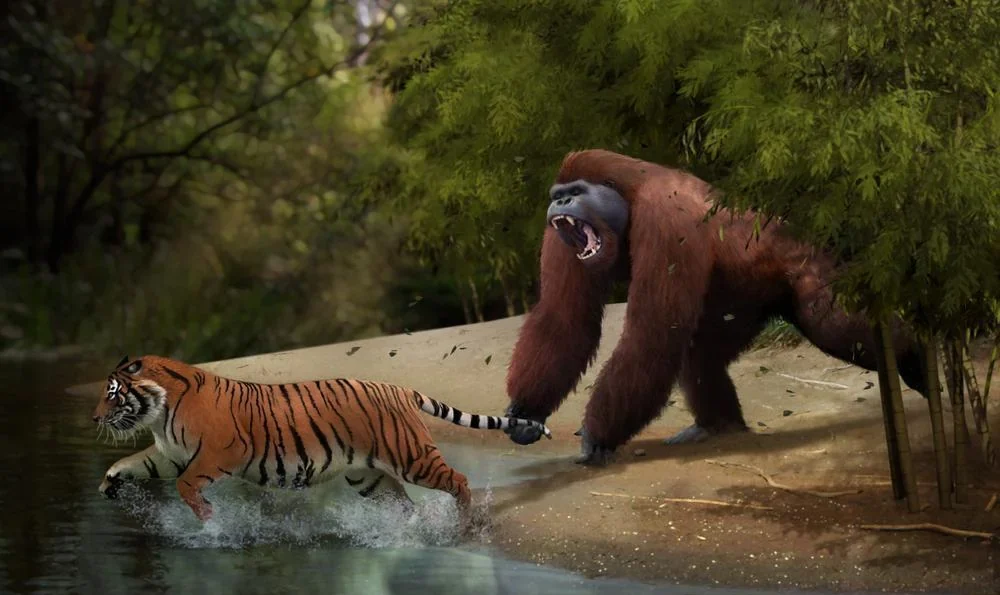
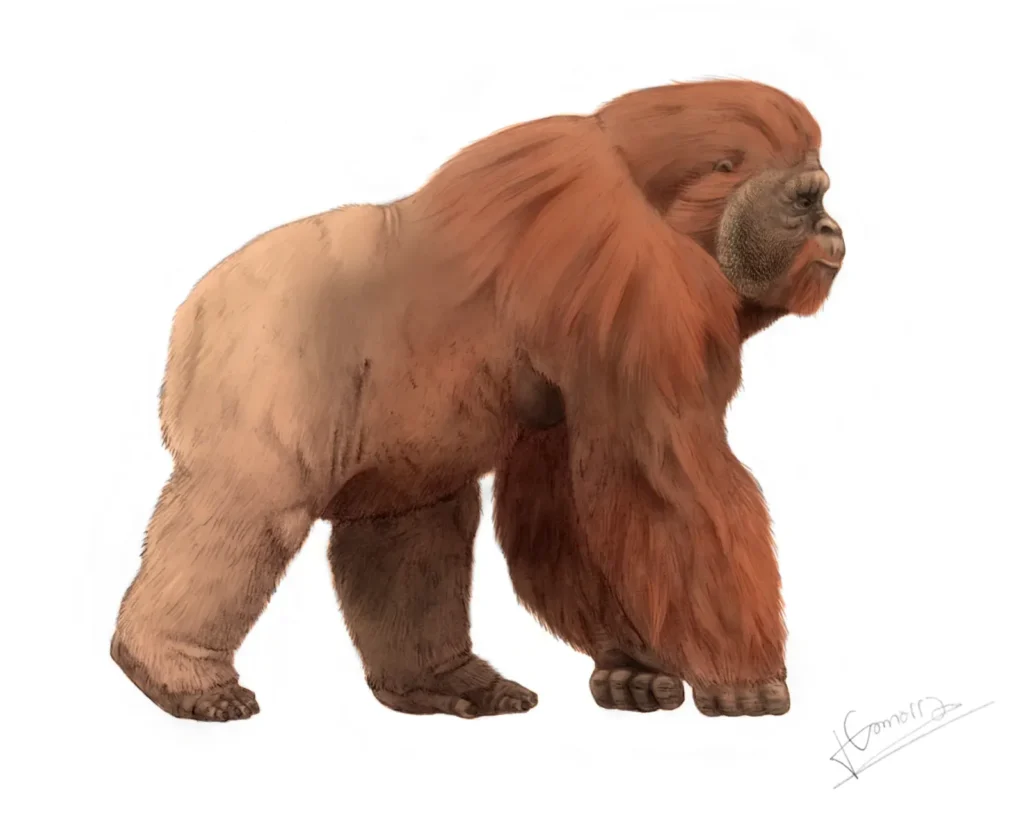
There has never been a primate as big as Gigantopithecus blacki. Adults of this ancient ape stood roughly ten feet tall and could weigh more than 500 pounds, wandering the thick forests of ancient China during the last Ice Age. That’s not a typo. Ten feet tall. Let that sink in for a moment.
Scientists such as palaeoanthropologist Yingqi Zhang and anthropologist Terry Harrison suggested a body mass of roughly 200 to 300 kilograms, though they conceded it is impossible to obtain reliable estimates without more complete fossil material. Still, even the most conservative estimates place this creature well beyond anything walking the planet today.
2. Its Discovery Happened in the Most Unlikely Place Imaginable

Western scientists first learned about extinct giant ape species Gigantopithecus blacki, the largest primate to ever exist, in 1935 when an anthropologist came across some of its massive molars in Chinese drug stores selling them as dragon teeth. Honestly, that origin story is almost too cinematic to believe.
The molar was so massive it was being sold as a “dragon’s tooth.” Searching additional pharmacies, the discoverer found three similar teeth and learned they had probably come from Guangxi in the far south of China. The dirt on the teeth, and the fact that their roots had been gnawed by porcupines, indicated they had come from cave deposits. You simply couldn’t make this up.
3. We Know It Almost Entirely from Teeth and Jaws
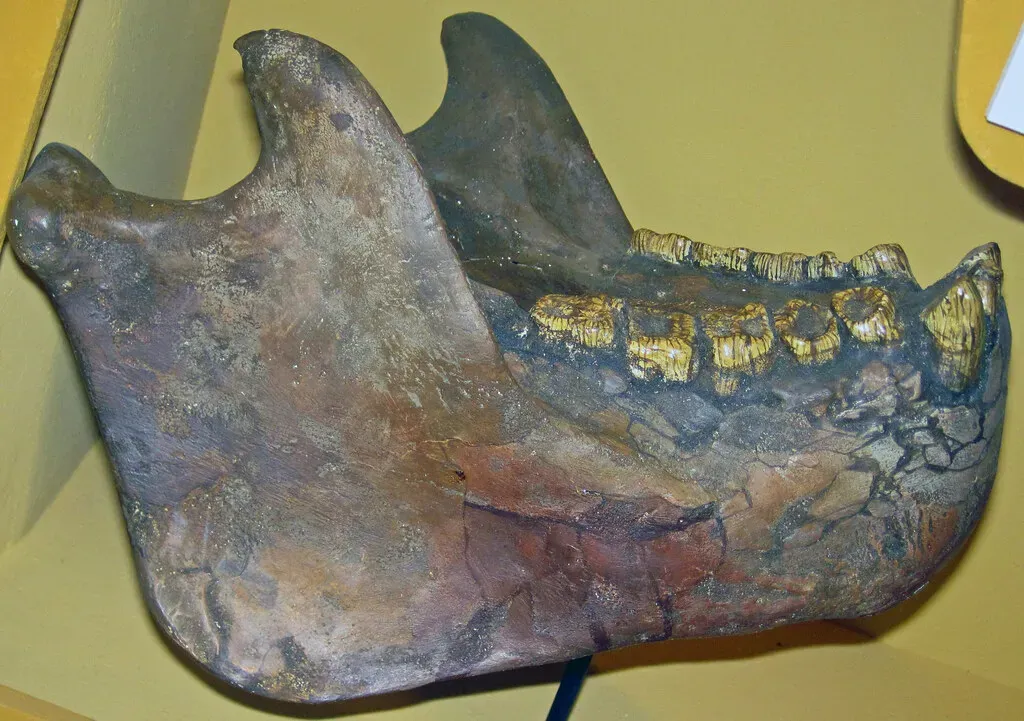
The species is known from four partial jaws and nearly 2,000 large molars, canines, and other teeth, which date to between about 2 million and 300,000 years ago, and possibly a piece of distal humerus. Think about that. A creature this enormous, and all we have to work with fits inside a single display case.
Only teeth and four mandibles are known currently. Other skeletal elements were likely consumed by porcupines before they could fossilize. It’s a strange quirk of natural history. The very animals that helped point scientists toward cave deposit sites were also the ones quietly eating the evidence. A porcupine, of all things, nearly erased Gigantopithecus from the scientific record entirely.
4. Its Size Estimates Have Varied Wildly Over the Decades
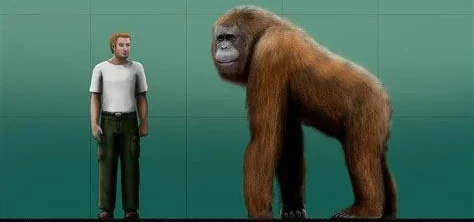
Back in 1946, researcher Weidenreich hypothesized that Gigantopithecus was twice the size of male gorillas, while in 1957 Pei estimated a total height of about 3.7 meters, or roughly 12 feet. Scientists have been debating these numbers ever since, and the debate has been surprisingly fierce.
In 1970, Simons and paleontologist Peter Ettel approximated a height of almost 2.7 meters and a weight of up to 270 kilograms, which is about 40 percent heavier than the average male gorilla. Total size estimates are highly speculative because only tooth and jaw elements are known. It’s a bit like trying to reconstruct a car using only the windshield wipers, then arguing about the engine size.
5. Its Closest Living Relative Is the Orangutan
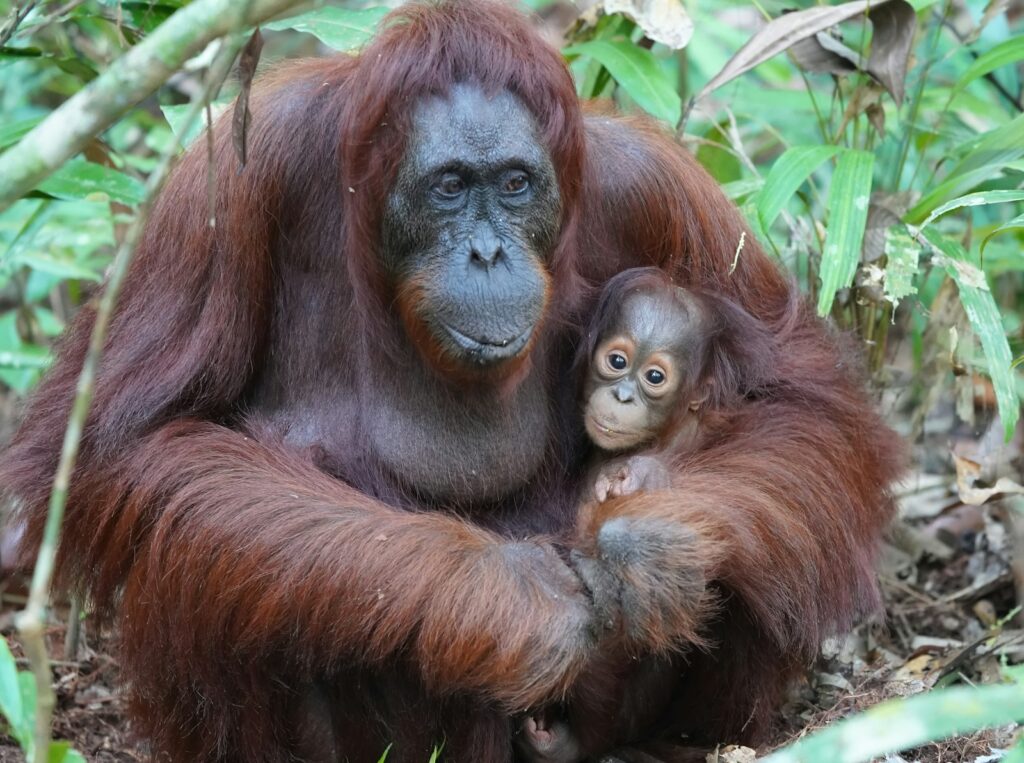
Gigantopithecus is considered to be a sister genus of Pongo, the genus that contains living orangutans, in the subfamily Ponginae of the family Hominidae. A 2019 study that analyzed the DNA of a 1.9-million-year-old fossil tooth confirmed that Gigantopithecus and Pongo once shared a common ancestor and that the genera diverged from one another between 10 million and 12 million years ago.
Researchers analyzed ancient proteins preserved in the enamel of a Gigantopithecus tooth that is 1.9 million years old, making it the oldest dental enamel proteome to be sequenced. This breakthrough in paleoproteomics, using ancient proteins instead of DNA, opened an entirely new window into this creature’s evolutionary history. I think that’s one of the most exciting recent scientific achievements in the field.
6. It Was a Devoted Herbivore with Very Particular Tastes
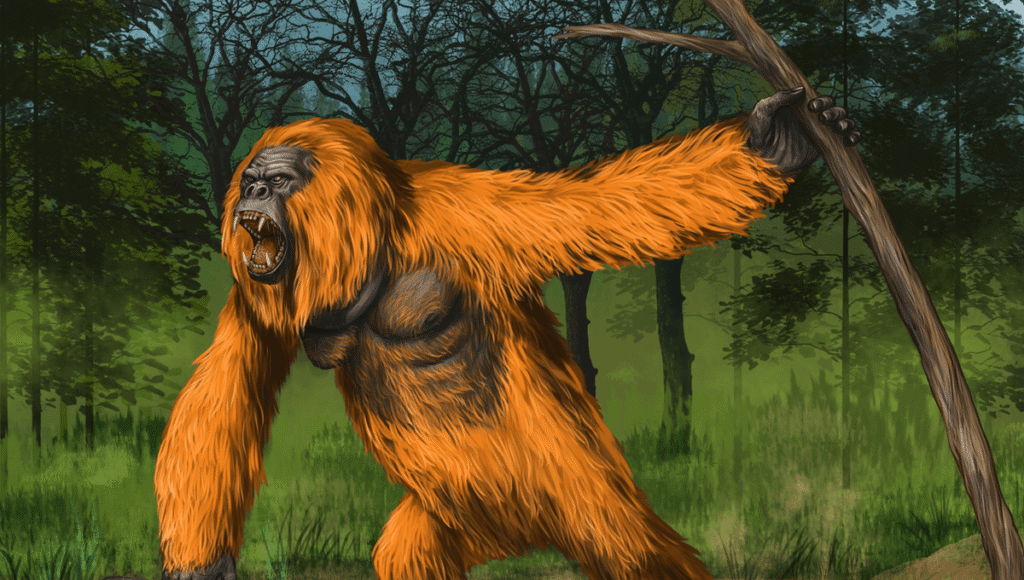
Gigantopithecus appears to have been a generalist herbivore of forest plants, with the jaw adapted to grinding, crushing, and cutting through tough, fibrous plants, and the thick enamel functioning to resist foods with abrasive particles such as stems, roots, and tubers. Essentially, it was built like an industrial food processor.
In 1990, a few opal phytoliths adhering to four teeth from Gigantopithecus Cave were identified to have originated from grasses, though the majority of phytoliths resemble the hairs of fig family fruits, which include figs, mulberry, breadfruit, and banyan. This suggests that fruit was a significant dietary component for at least this population of Gigantopithecus. So it wasn’t just munching on bamboo all day. It had a fondness for fruit, which would later become a critical part of its tragic story.
7. Its Teeth Were the Largest of Any Known Ape, Ever
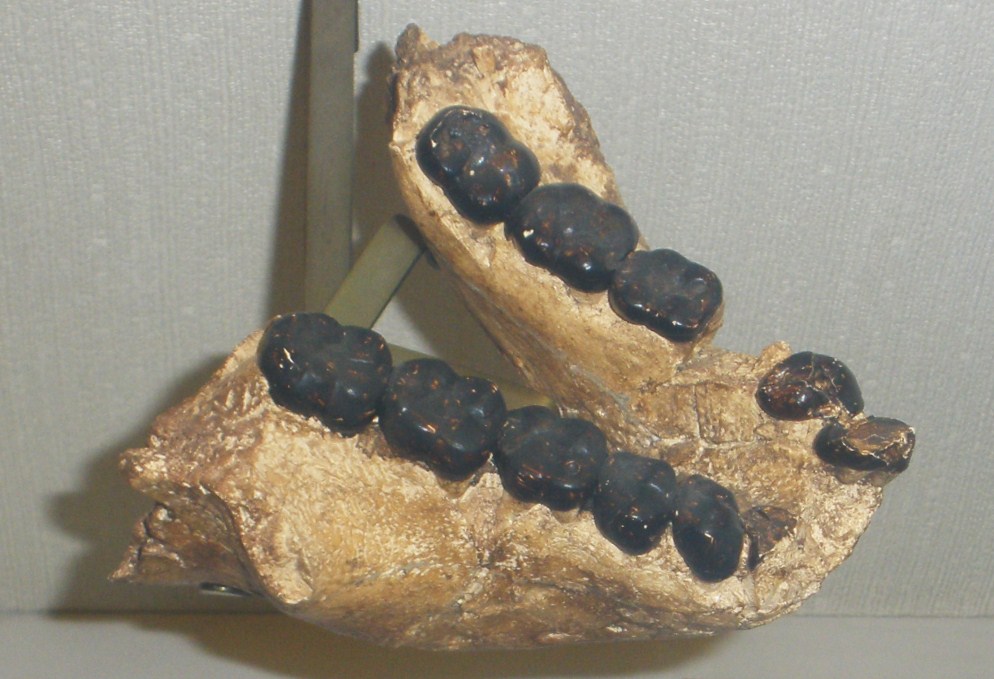
The molars are the largest of any known ape and have a relatively flat surface. Gigantopithecus had the thickest enamel by absolute measure of any ape, up to 6 millimeters in some areas, though this is only fairly thick when tooth size is taken into account. For perspective, your own molars are roughly a centimeter wide. These were nearly an inch wide and armored accordingly.
A Gigantopithecus permanent third molar, based on an approximate 600 to 800 days required for the enamel on the cusps to form, was estimated to have taken four years to form, which is within the range, albeit far upper range, of what is exhibited in humans and chimpanzees. Four years just for one tooth to fully develop. That tells you something remarkable about the slow pace of this animal’s biology.
8. The Species Showed Significant Sexual Dimorphism
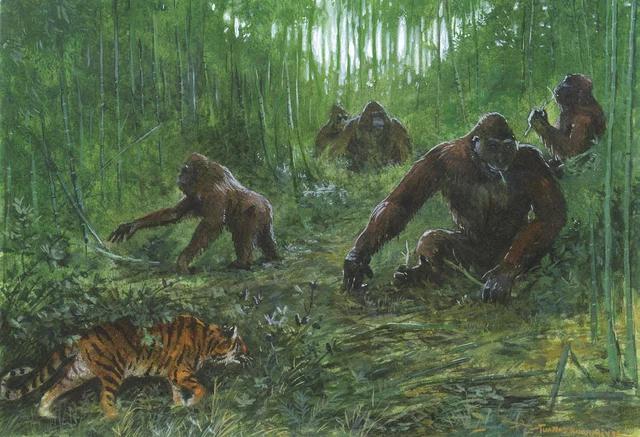
The species may have been sexually dimorphic, with males much bigger than females. These differences imply sexual dimorphism, with males being larger than females. Such a high degree of dimorphism is only surpassed by gorillas among modern apes in canine size, and is surpassed by none for mandibular disparity.
It is also supposed that Gigantopithecus displayed strong sexual dimorphism. This occurs when a species’ male and female individuals display significantly different sizes and attributes. Females might have been significantly smaller than males, which makes it tough to get accurate estimates of size based on fossil records. So when you see those dramatic size estimates, keep in mind we may be looking mostly at male individuals, while the females of the species were something else entirely.
9. It Lived for an Astonishingly Long Time Before Going Extinct
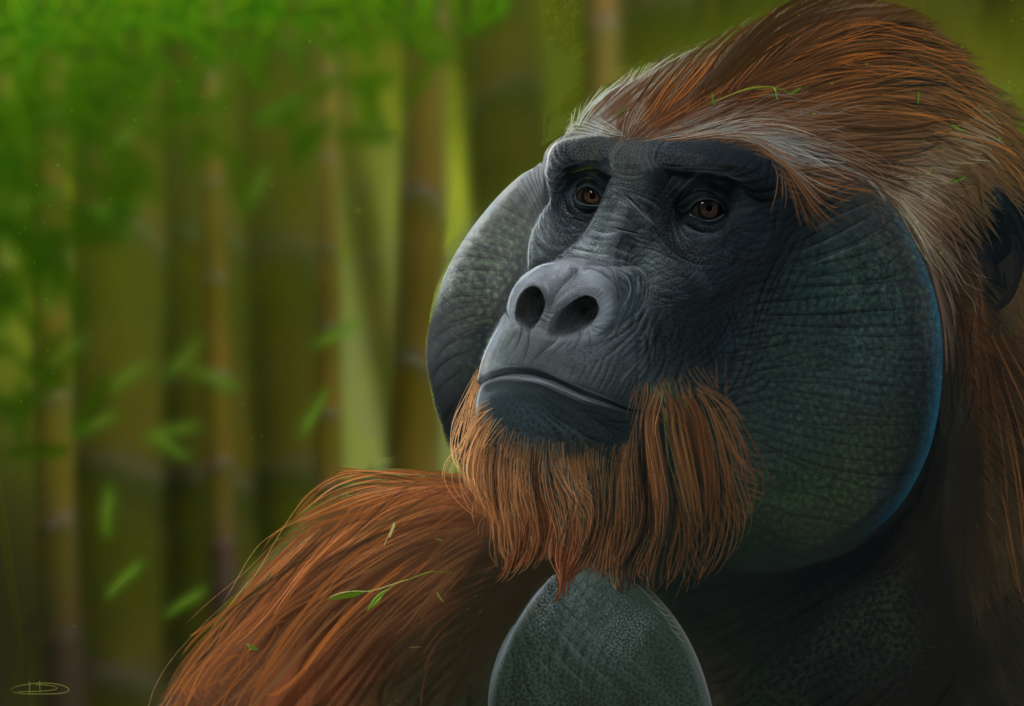
Gigantopithecus blacki persisted in China from about 2.0 million years until the late middle Pleistocene when it became extinct. Surprisingly, it went extinct between 295,000 and 215,000 years ago, much more recently than previously assumed. Before this time, it flourished in a rich and diverse forest. But between 600,000 and 300,000 years ago the environment became more variable. An increase in the strength of the seasons caused a change in the structure of the forest plant communities.
Its demise is enigmatic considering that it was one of the few Asian great apes to go extinct in the last 2.6 million years, whereas others, including the orangutan, survived until the present. It thrived for nearly two million years across the dense forests of southern China. In evolutionary terms, that is an extraordinary run. The fact that it eventually collapsed so completely makes the story all the more haunting.
10. Climate Change and Inflexibility Led to Its Extinction
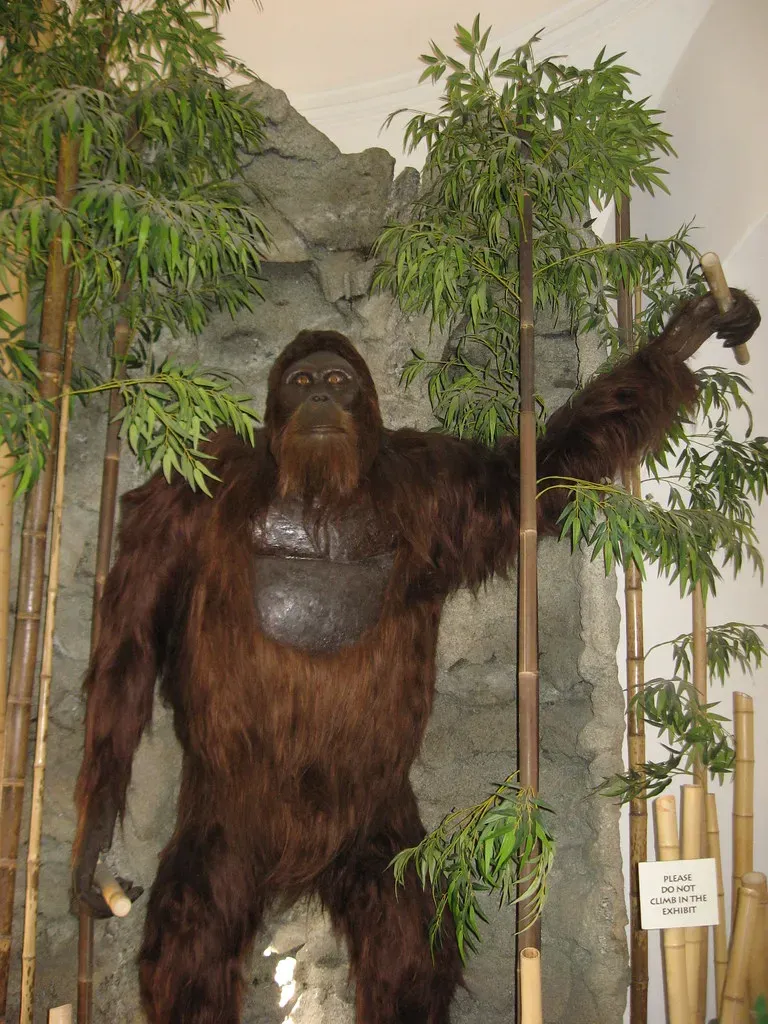
Gigantopithecus made the fatal mistake of relying on less nutritious back-up food like twigs and bark when its favourite food sources such as fruit-bearing plants were unavailable. This meant the diversity of the giant apes’ food decreased and their less mobile body size compared to the more agile orangutans restricted their geographic range for foraging.
Surprisingly, Gigantopithecus also increased in body size over this period, which further contributed to food source problems and caused immense chronic stress to the species. This stress can be seen in the trace element mapping of their teeth, providing an insight into a species on the brink of extinction. Here’s the thing: it got bigger just as its food supply was shrinking. That is, honestly, one of the saddest ironies in all of natural history.
11. It Has Been Linked to Bigfoot and the Yeti Legend
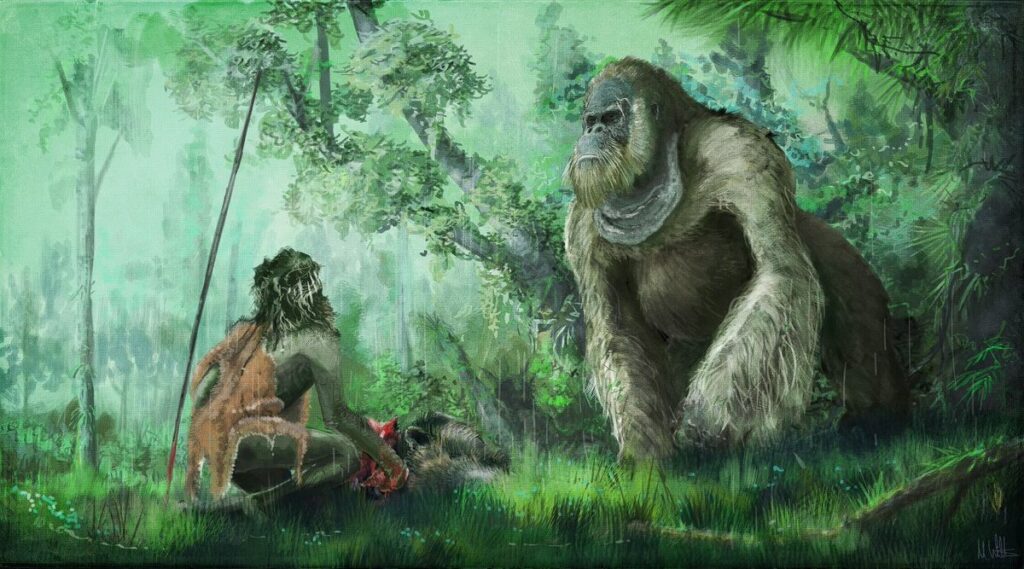
Gigantopithecus has been used in cryptozoology circles as the identity of the Tibetan yeti or American Bigfoot, apelike monsters in local folklore. This began in 1960 with zoologist Wladimir Tschernezky, briefly describing in the journal Nature a 1951 photograph of alleged yeti tracks taken by Himalayan mountaineers Michael Ward and Eric Shipton. Tschernezky concluded that the yeti walked like a human and was similar to Gigantopithecus.
The idea of Gigantopithecus being related to Bigfoot is largely pseudoscientific. There is no credible evidence to support this claim. The connection is often made due to the shared element of immense size, but scientific evidence is lacking. Still, it’s hard not to feel a twinge of wonder at the thought. A ten-foot ape wandering ancient forests is almost mythological enough on its own, no legend required.
Conclusion: A Giant We Are Still Getting to Know
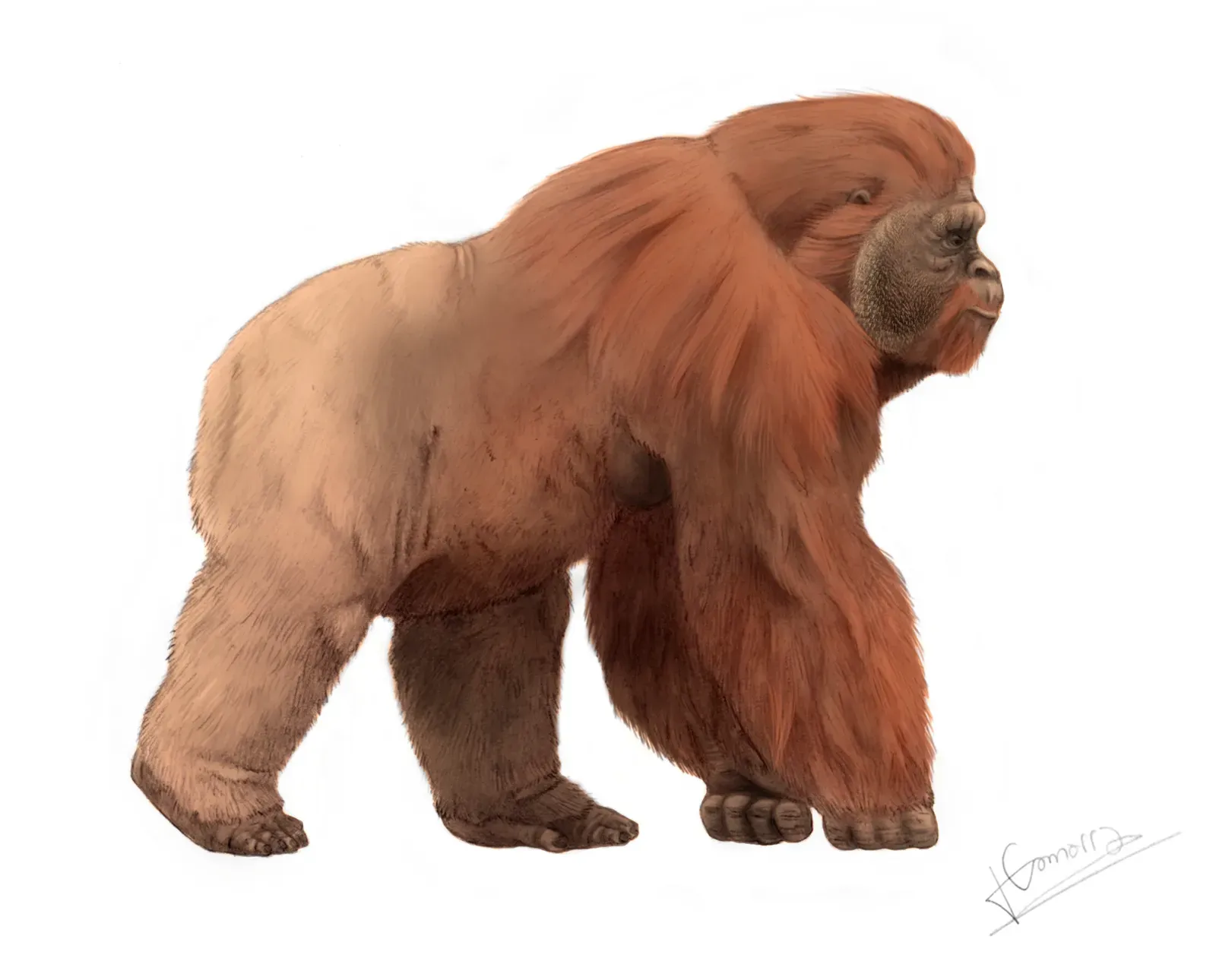
Gigantopithecus blacki is, in every sense of the word, extraordinary. It was the heavyweight champion of all primates, shaped by millions of years of forest life, and ultimately brought down not by a predator or a catastrophe, but by a slow inability to adapt. The story of this species is a lesson in extinction, showing how some species are more equipped to survive change and others are more vulnerable.
What makes this creature so endlessly fascinating is how much we still don’t know. No complete skeleton has ever been found. We can’t say with certainty what it looked like from the neck down. Paleontologists continue to search for Gigantopithecus fossils in southern China and Vietnam, and new discoveries could potentially shed more light on its size, diet, and behavior. Every cave excavation carries the possibility of rewriting what we know.
In a world where we talk endlessly about giants of fiction and legend, the most astonishing giant of all was real, walked this Earth, and left behind just enough clues to drive scientists wonderfully mad. What do you think? Could a creature this enormous still have secrets left to reveal? Tell us in the comments below.