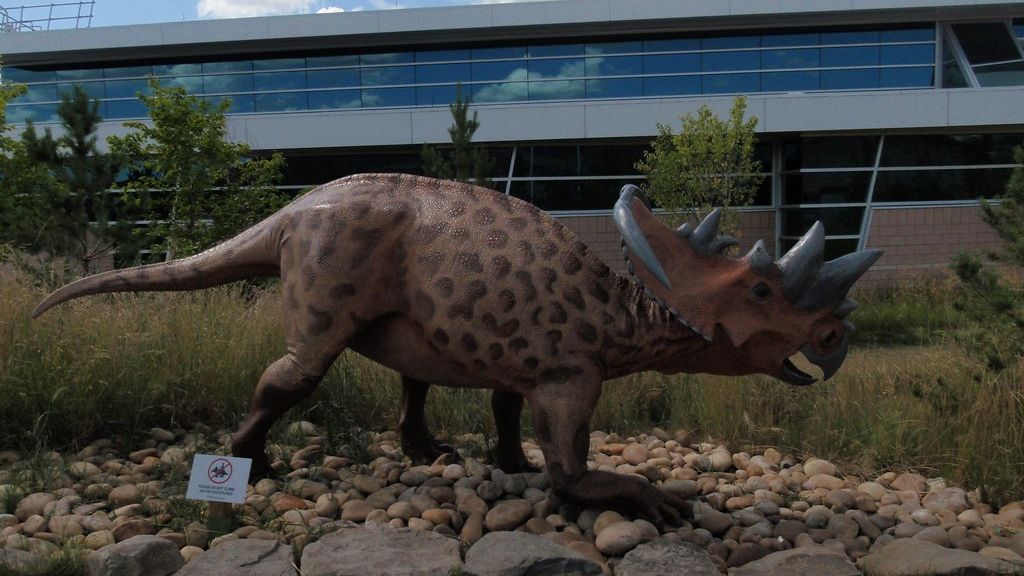
You’ve seen the posters. You know the names. T. rex, Triceratops, Velociraptor. They’ve been on lunchboxes, movie screens, and museum walls for decades. Honestly, they’re the celebrities of the prehistoric world, hogging the spotlight while a whole gallery of equally fascinating creatures waits in the shadows.
Here’s the thing though: the dinosaur family tree is enormous. While almost everyone has heard of the Triceratops and its arch-enemy the Tyrannosaurus rex, there have been at least 700 confirmed species spanning some 150 million years of evolution. That’s a staggering number. Think of it like a music festival with thousands of incredible acts, but everyone only talks about the headline band. The real gems are playing on the side stages. Let’s dive in.
Deinocheirus: The Dinosaur That Baffled Science for Decades
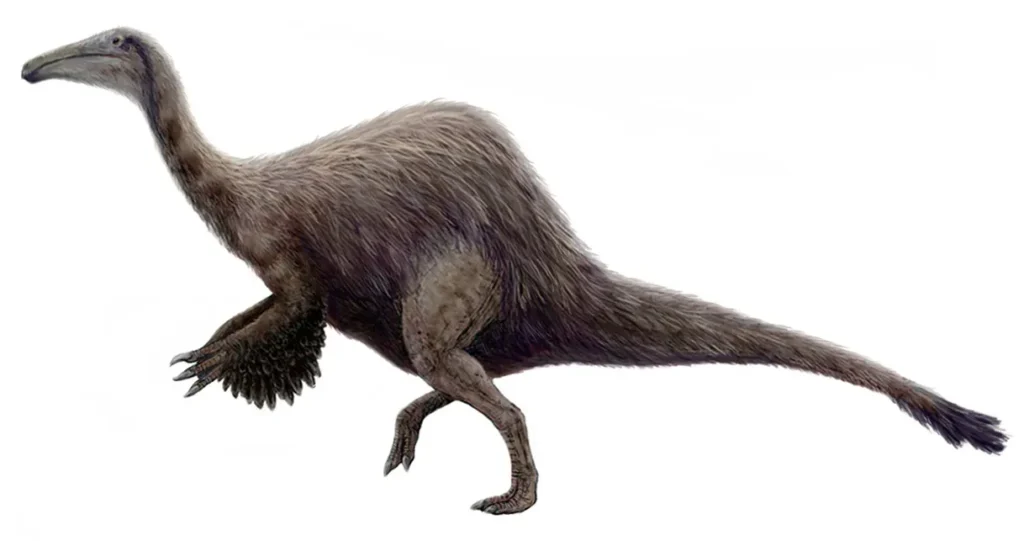
If you want a single dinosaur that captures just how strange prehistoric life could be, look no further than Deinocheirus. It is among the most distinctive dinosaurs ever discovered, notable for its massive size and unusual appearance. Known as the “terrible hand” due to its large, clawed forelimbs, Deinocheirus was an ornithomimosaur that roamed Mongolia during the Late Cretaceous period, around 70 million years ago.
This dinosaur grew approximately 11 meters in length and exhibited a mix of features that genuinely puzzled paleontologists. With a humped back similar to a camel’s and a duck-like beak, Deinocheirus was built for a completely specialized lifestyle. Initially thought to be a carnivore, further findings suggested it was omnivorous, feeding on plants and possibly fish. I know it sounds crazy, but this creature is essentially the prehistoric equivalent of a creature designed by committee. Every feature seems borrowed from a different animal. Somehow, it worked.
Amargasaurus: The Punk Rocker of the Jurassic World
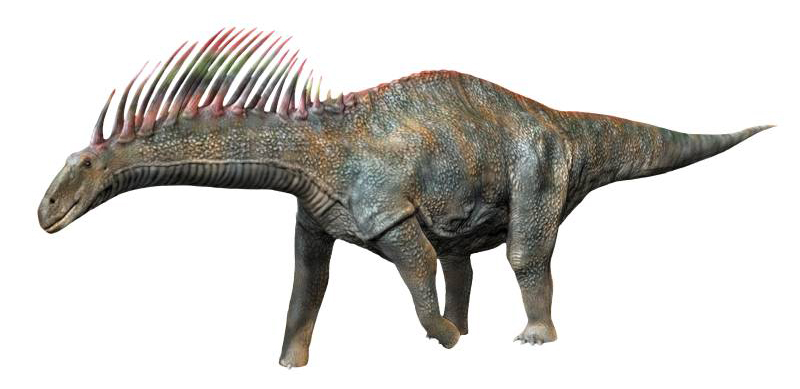
Amargasaurus, discovered in Argentina, roamed the ancient forests of South America approximately 129 million years ago. This long-necked dinosaur with distinctive spines highlights the adaptability of dinosaurs to different environments, enriching our understanding of their ecological roles. Let’s be real, when you first see a reconstruction of this animal, you do a double take.
Amargasaurus had epic rows of parallel, punk-rock spikes running down its back, and their function remains mysterious. Were they for defense, like the horns of antelope, or did they support a skin sail? Or, as some researchers speculate, did they clack together, making a sort of dinosaur drumbeat, possibly to attract a mate? The mystery is part of its charm. No other sauropod looked anything like this, and that alone earns it a place in your mental museum.
Nigersaurus: The Vacuum Cleaner of the Cretaceous
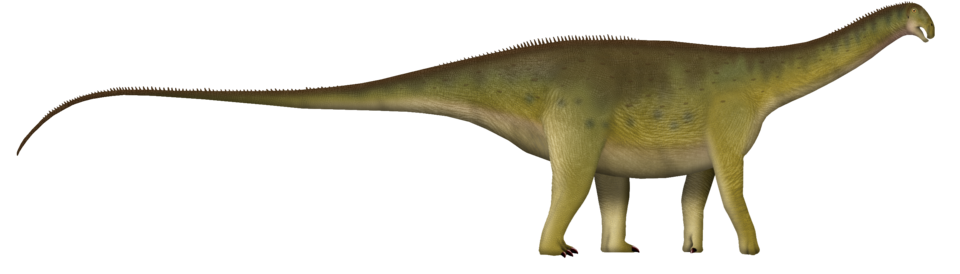
Nigersaurus, known as the “Mesozoic cow,” was a peculiar sauropod from the Middle Cretaceous Niger. Nothing about this animal looks like it should work. Its head is so unusual that it almost defies description. It had a unique head and jaw shape not seen in any other animal. All its 500 teeth were at the end of its jaw at the front of the mouth, making its head look like the attachment to a vacuum cleaner. Each mature tooth had nine replacement teeth stacked up behind it, ready to take over when it wore down.
Think about that for a moment: nearly 500 teeth, all lined up at the front of the mouth like a living lawn mower. Scientists believe Nigersaurus spent its days sweeping low-growing vegetation from the ground, moving its head back and forth in a steady grazing motion. You’d walk past this creature in a prehistoric field and genuinely mistake its head for some bizarre piece of equipment. It’s equal parts wonderful and slightly unsettling.
Carnotaurus: The Horned Speedster Nobody Talks About
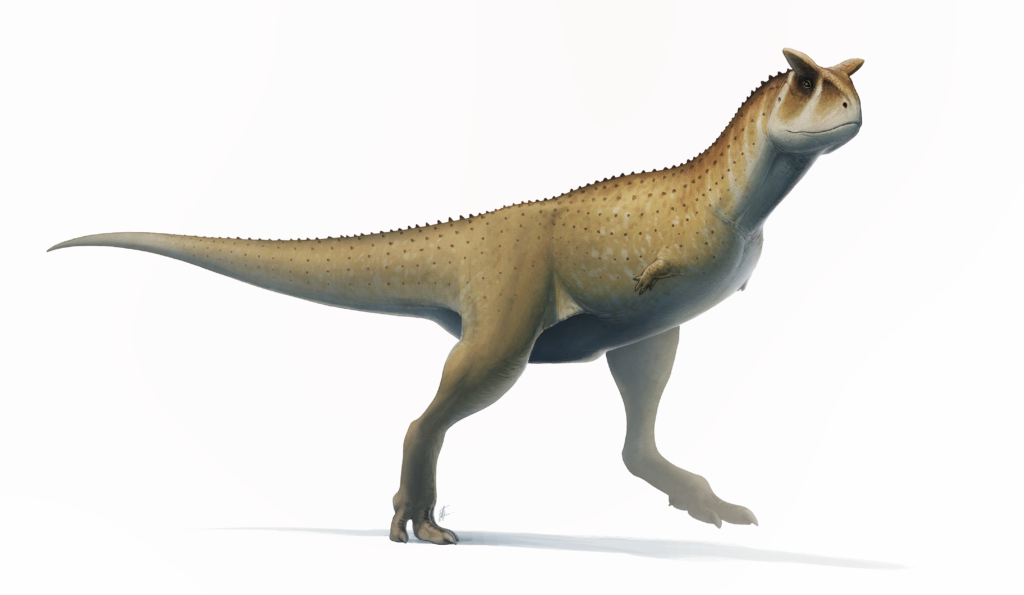
Carnotaurus is a genus of theropod dinosaur that lived in South America during the Late Cretaceous period, between 69 and 66 million years ago. It had two thick, horizontal horns projecting from above its eyes. Its horns were so prominent that its name means “meat-eating bull” in Latin, and it also had tiny arms that would have made Tyrannosaurus rex look well-equipped. In fact, they were so small that some paleontologists have argued the arms served no purpose at all.
Here’s where it gets genuinely exciting. Despite its almost comical proportions, Carnotaurus was far from slow or weak. This Late Cretaceous beast was a meat-eating dinosaur that hunted large sauropods and could run as fast as 48 kilometers per hour, which is faster than most people realize. It paired demon horns with blistering speed and a body built like a streamlined missile. Yet somehow, it barely gets a mention outside of paleontology circles. That’s a genuine injustice.
Troodon: Possibly the Smartest Dinosaur That Ever Lived
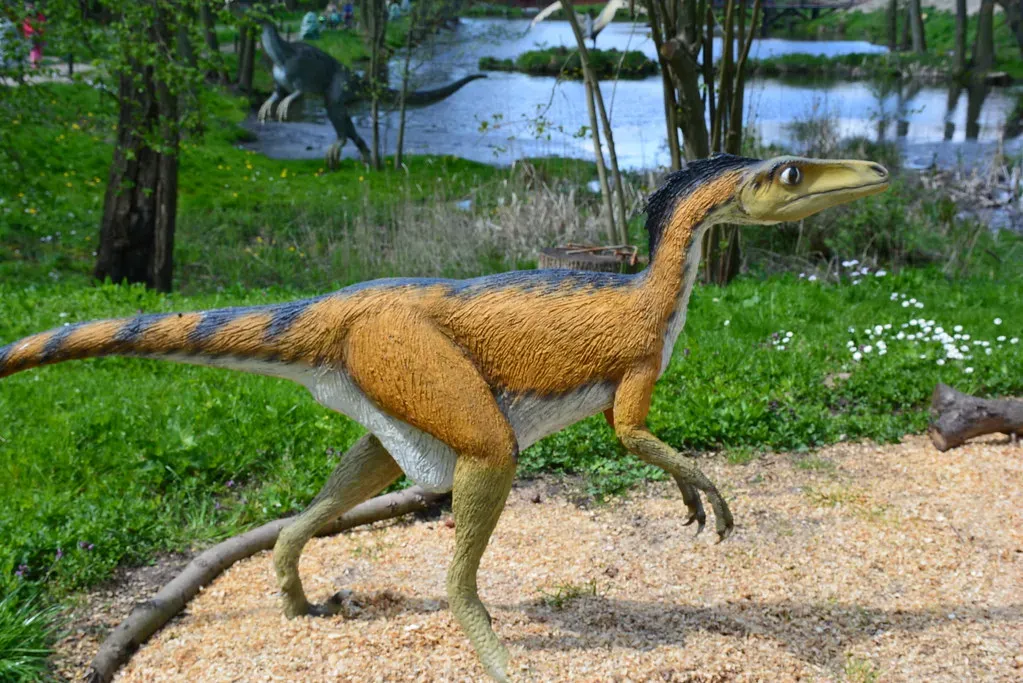
Troodon was a bipedal theropod from the Cretaceous Period with an estimated length of around 3 meters from snout to tail tip. The creature had a thin, torpedo-like appearance with sharp teeth and enormous eyes for its size. It had more teeth than any other recorded theropod. Those huge eyes suggest it may have hunted at dawn or dusk, when most prey animals couldn’t see it coming.
The most incredible aspect of Troodon was its unusually high intelligence. It’s theorized that Troodon was the smartest dinosaur by far. Troodon was also fast, with a maximum estimated running speed of 64 kilometers per hour, roughly matching the pace of a racehorse. Combine intelligence, speed, large eyes, and more teeth than any other theropod, and you have an animal that honestly sounds like the protagonist of a very unsettling science fiction story.
Gigantoraptor: The Giant Bird That Shouldn’t Exist
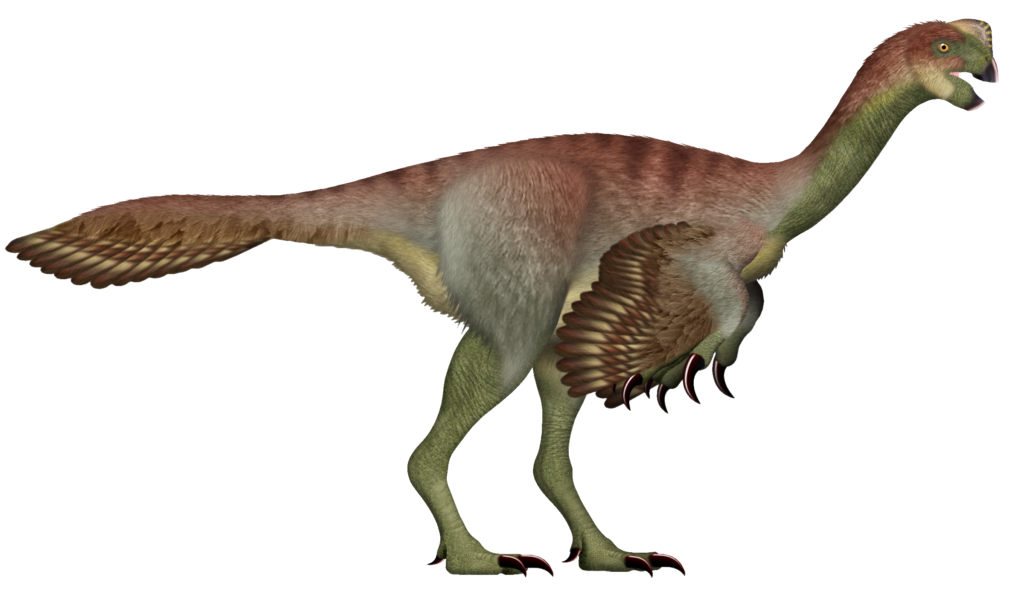
Only discovered in 2005, the Gigantoraptor was a large herbivore, or perhaps an omnivore, that once roamed what is now Mongolia some 85 million years ago. So far, only one specimen has ever been found, but enough was recovered to draw up a fairly accurate representation of this enormous, bird-like dinosaur. When paleontologists first saw the bones, many thought there had been a mistake.
Standing twice as high as an adult human, the dinosaur was likely feathered, had a long tail and vestigial wings. Its enormously long and agile legs indicated that it was able to outrun almost any predator with ease. At 16 feet tall and weighing 3,000 pounds, Gigantoraptor was like the world’s biggest technicolor chicken. I mean that as the highest possible compliment. It’s bizarre, it’s enormous, and it fills a gap in the fossil record that nobody expected to find.
Sinornithosaurus: The Dinosaur That May Have Been Venomous
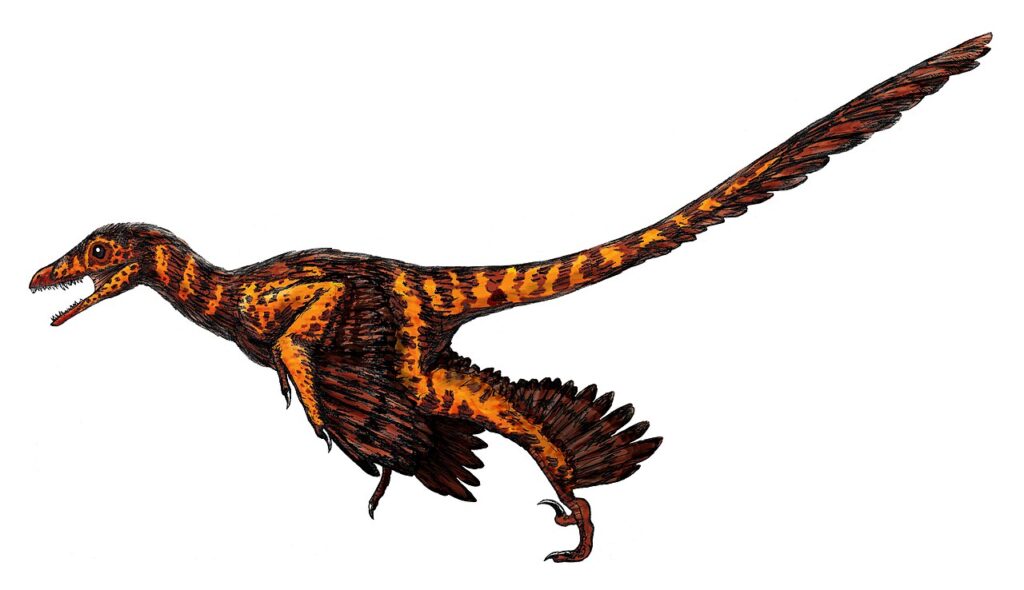
Sinornithosaurus was a small, feathered dromaeosaur closely related to Velociraptor. It had a long, slender appearance with a crocodilian-like snout and a large, toothy grin. It looked like a small bird-like lizard with large, colorful feathers. On looks alone, it sounds almost charming. Don’t let that fool you.
What sets Sinornithosaurus apart is the fact that scientists now believe it is the first recorded dinosaur to have had a venomous bite. The type of venom it produced is currently unknown. It is also rather possible that these creatures hunted in packs, although there is not a lot of evidence to support that theory just yet. Honestly, a small feathered predator with a venomous bite, hunting in packs through the ancient undergrowth, sounds like something from a nightmare. Or a very good nature documentary.
Tsintaosaurus: The Dinosaur That Could Actually Communicate
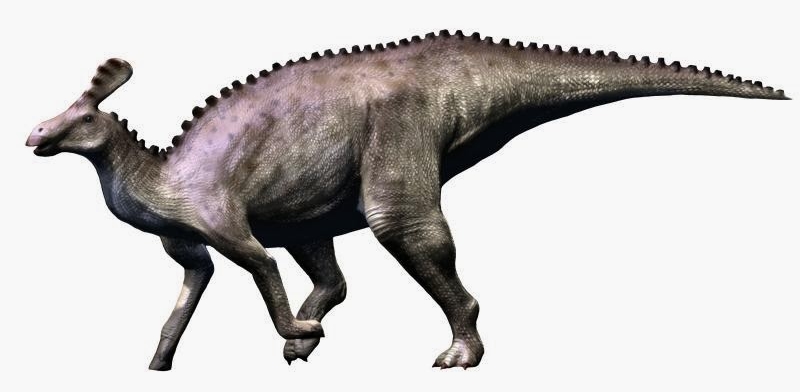
Tsintaosaurus stands out from the pack with its long, protruding head crest. A hadrosaur that roamed the vast expanses of prehistoric China, the Tsintaosaurus was a duck-billed dinosaur that loved chewing on plants and travelling in packs. Think of it as the social butterfly of the late Cretaceous.
What makes this creature genuinely fascinating is that its appearance wasn’t just for show. The crest contained nasal passages that gave the Tsintaosaurus the ability to make low-frequency noises and communicate with other members of the herd. That’s not just an unusual feature. That’s a built-in communication system, shaped like a unicorn’s horn and sitting right on top of its head. Scientists now believe social communication among dinosaurs was far more sophisticated than anyone previously imagined, and Tsintaosaurus is a key piece of that evidence.
Oryctodromeus: The Dinosaur That Dug Its Own Home
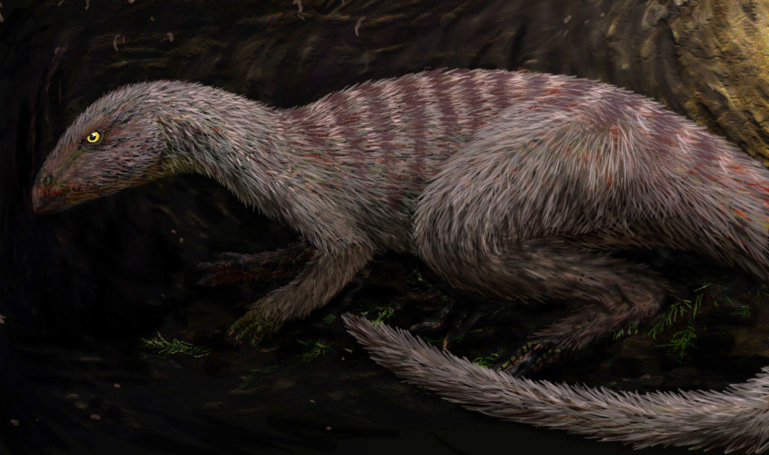
Oryctodromeus, meaning “digger runner,” is an extinct genus of small herbivorous dinosaur. Fossils are known from the Late Cretaceous Blackleaf Formation of southwestern Montana, roughly 95 to 96 million years ago. It is the first non-avian dinosaur published that shows direct evidence of burrowing behavior. Before this discovery, the idea of a burrowing dinosaur simply didn’t exist in the scientific conversation.
The presence of juveniles with the adult suggests parental care, and that at least one motivation for burrowing was to rear the young. The size of the juveniles suggests an extended period of parental care. The three individuals were found buried within the remains of an underground den or burrow that measured about 2 meters long and 70 centimeters wide. The skeletons were densely packed and disarticulated, indicating that the animals died and decayed within the burrow. It’s one of the most unexpectedly touching scenes in all of paleontology.
Pachyrhinosaurus: The Rhino That Predated Rhinoceroses
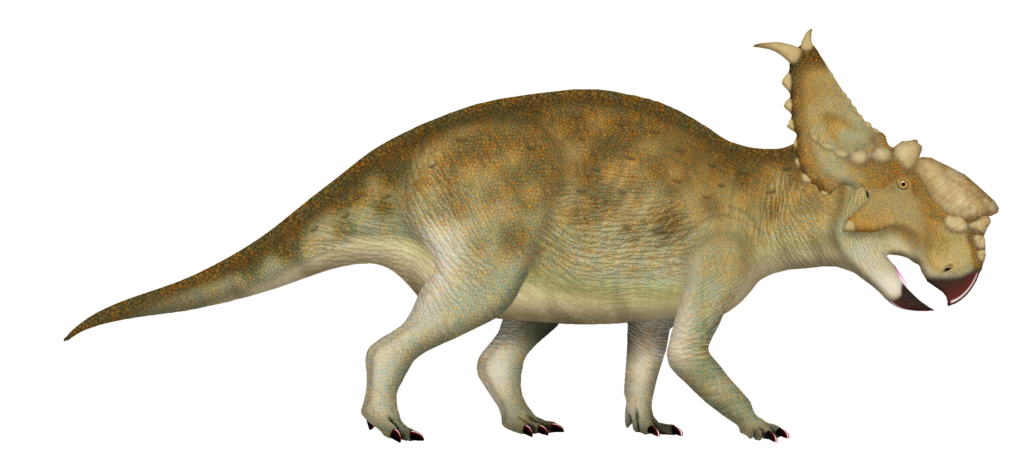
Pachyrhinosaurus was a centrosaurine dinosaur distinguished by its unique cranial features. This genus lacked traditional horns but possessed a large, flattened bony mass on its nose and smaller bosses above its eyes. Roaming North America during the Late Cretaceous, this ceratopsid measured about 8 meters long and weighed around 2 to 4 tons. It’s the prehistoric world’s answer to the modern rhinoceros, except it predates them by tens of millions of years.
The structure of its skull, with a frilled neck shield and upward-extending horns from its frill, suggests it might have used its head for combat or display, similar to the modern-day rhinoceros. Primarily a herbivore, Pachyrhinosaurus migrated through forested areas and river floodplains of regions like Alberta, Canada, and Alaska. Social behaviors inferred from fossil evidence indicate that it likely lived in herds, which provided protection against predators and enabled complex social interactions. A hulking, herd-living, nose-bossed giant with a frill and a complex social life. It deserves far more recognition.
Linhenykus: The Dinosaur With One Functional Finger
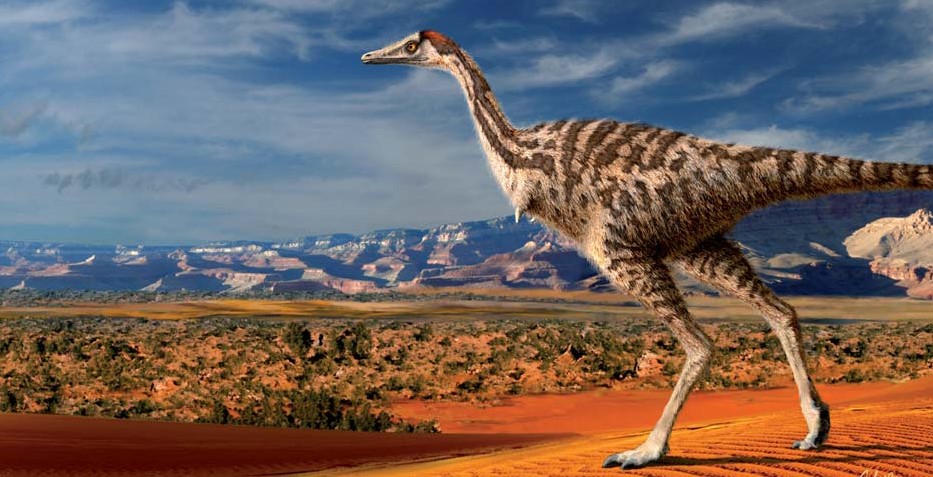
Remains of Linhenykus were found in 2011 in China. This bizarre-looking creature was one of the smaller dinosaurs, standing only about 60 centimeters in height. What made it particularly odd was its tiny forelimbs, which had only one claw on each hand. Linhenykus also had long and agile limbs and a long tail, giving it a similar appearance to other feathered, bird-like dinosaurs of the Late Cretaceous period.
Linhenykus is also known as “monodactylus,” or single-claw, since it is the only known non-avian dinosaur to have a single claw on each forelimb. Scientists believe it used that one powerful finger to dig into termite and ant mounds for food, essentially functioning as a prehistoric aardvark. The scientists who studied Linhenykus believe this unusual dinosaur used its only moving finger to dig up dirt and feed on ants. It’s small, peculiar, and surprisingly specialized. A tiny dinosaur surviving on insects with a single-clawed hand. Sometimes the most remarkable creatures are the ones you never see coming.
Conclusion
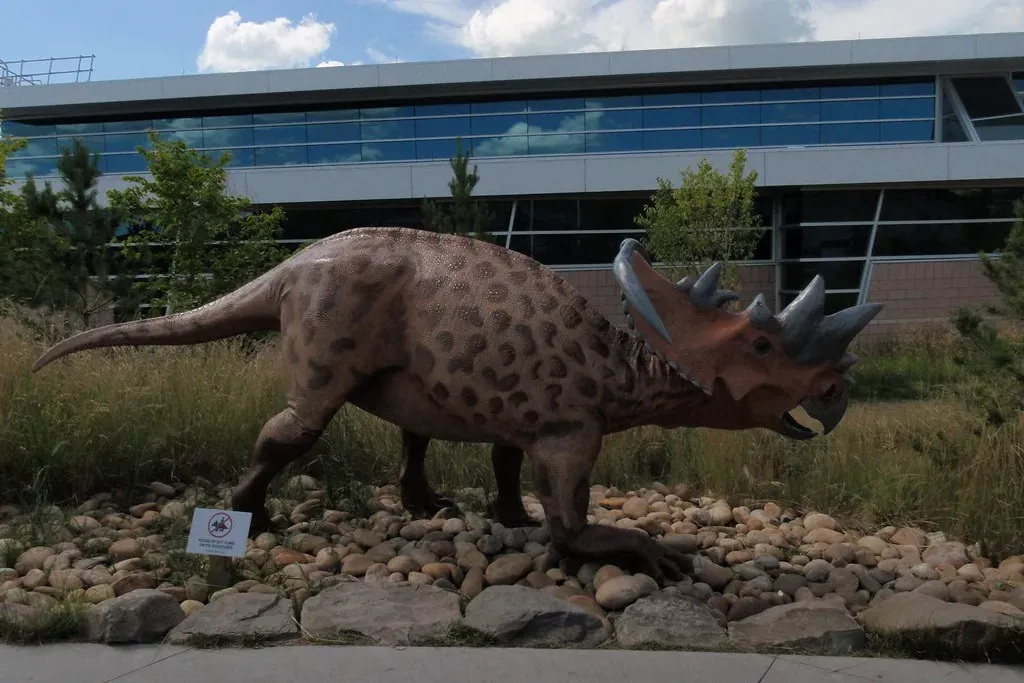
The dinosaurs that dominate our popular imagination represent a tiny fraction of the real story. The 11 creatures you’ve just read about lived in burrows, communicated with crests, hunted with possible venom, and grazed the earth with heads shaped like vacuum cleaners. They were strange, specialized, and spectacularly diverse in ways that Hollywood rarely captures.
The more you dig into the world of lesser-known dinosaurs, the more you realize how much of the prehistoric world remains beautifully obscure. Each new fossil discovery reshapes the picture a little more. It’s hard to say for sure what surprises still lie buried underground, waiting to be found. Paleontology is still very much an active frontier, and the next mind-blowing discovery could be just beneath the surface.
Which of these 11 dinosaurs surprised you the most? Drop your thoughts in the comments and let the debate begin.