Most of us grew up with the same mental image of dinosaurs: massive, grey, scaly beasts lumbering through foggy prehistoric jungles. We picture them as slow, dumb, and totally removed from our modern world. Here’s the thing though – almost everything about that image is wrong.
Science has fundamentally reshaped how we understand these ancient creatures, and it keeps doing so at a pace that honestly feels breathless. Paleontology today is less about dusting off bones in a museum and more about rewriting the rulebook of life itself. Buckle up, because what you’re about to read will change how you see dinosaurs forever. Let’s dive in.
1. Dinosaurs Were Already Evolving When Earth Was Still a Scorching Hothouse
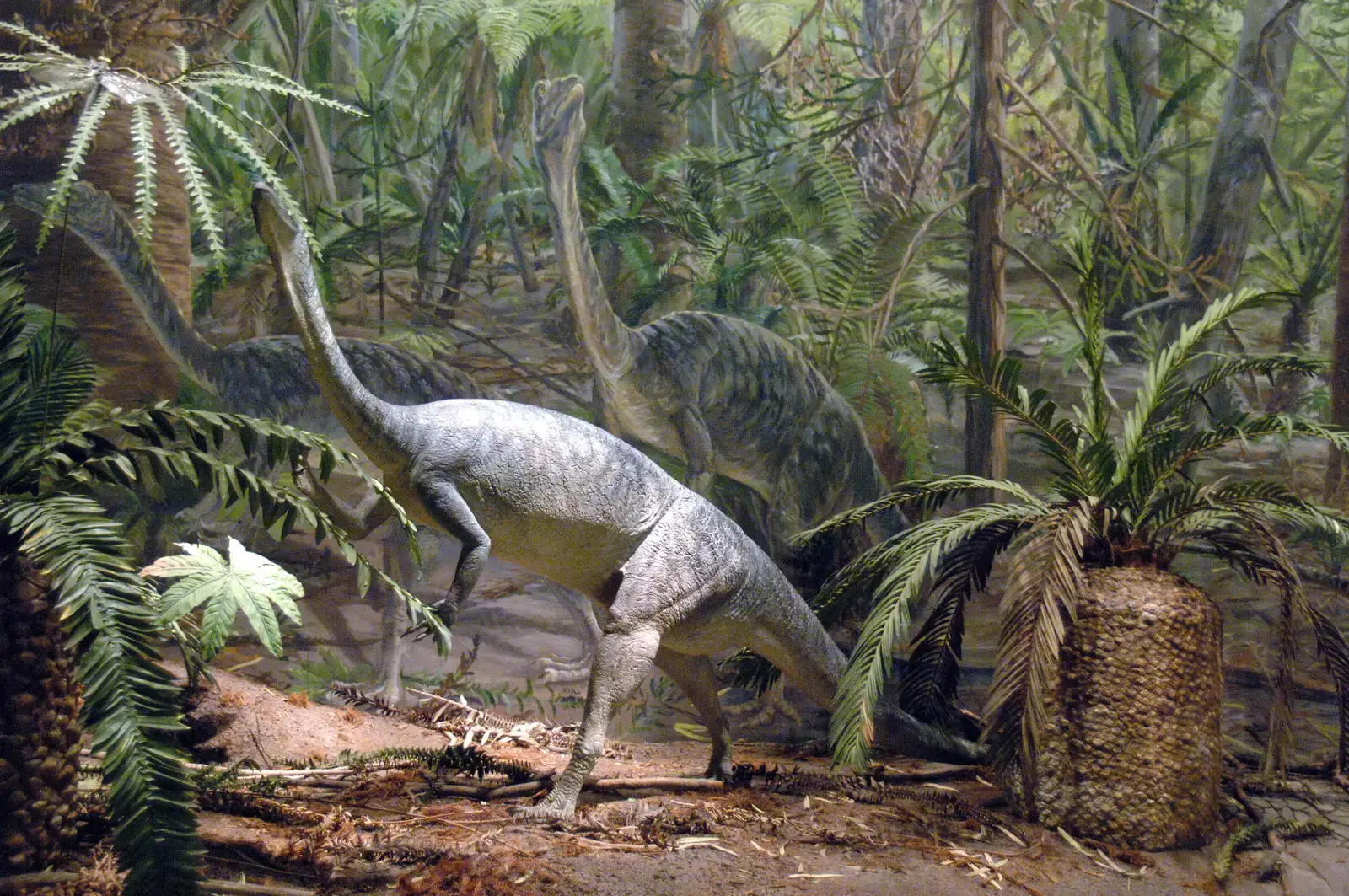
Here is a genuinely staggering thought – the earliest dinosaurs may not have come from where scientists assumed for decades. A study led by UCL researchers suggests the remains of the earliest dinosaurs may lie undiscovered in the Amazon and other equatorial regions of South America and Africa. Currently, the oldest known dinosaur fossils date back about 230 million years and were unearthed further south in places including Brazil, Argentina, and Zimbabwe.
The differences between these fossils suggest dinosaurs had already been evolving for some time before that, pointing to an origin millions of years earlier. The study concluded that the earliest dinosaurs likely emerged in a hot equatorial region in what was then the supercontinent Gondwana, an area of land that encompasses the Amazon, Congo basin, and Sahara Desert today. Think about that for a second. The cradle of all dinosaur life might be sitting beneath the Amazon rainforest right now, waiting to be found.
2. Not All Dinosaurs Lived in the Same Era – Not Even Close
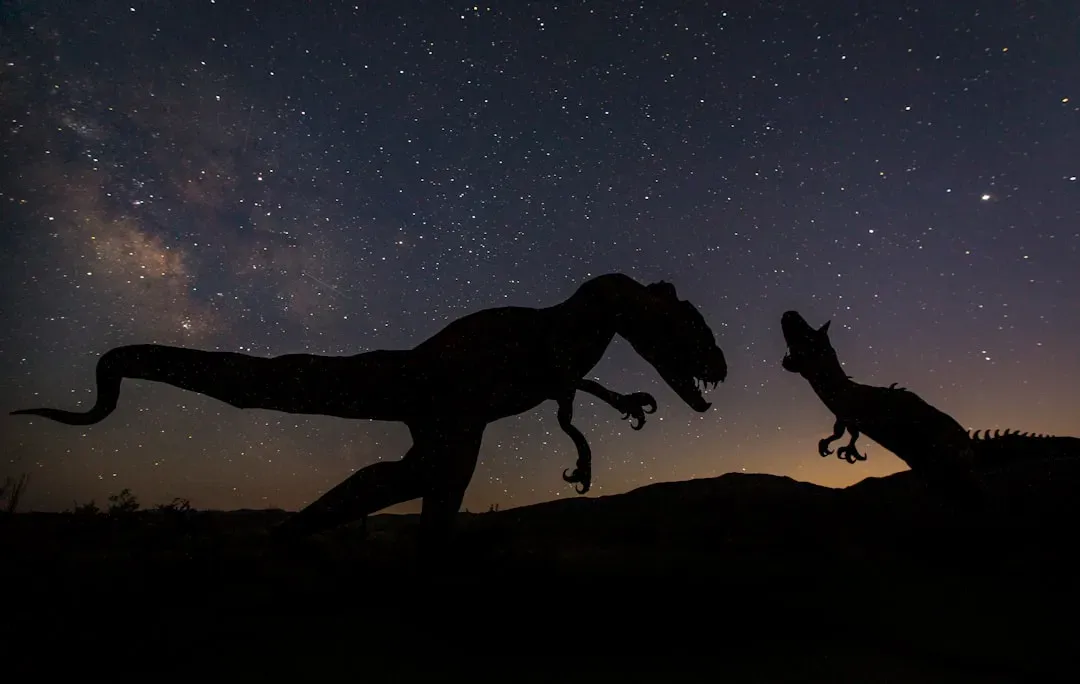
You might assume that T. rex and Stegosaurus were running around at the same time, maybe even chasing each other through the same forests. Honestly, it’s a very reasonable assumption – but it’s spectacularly wrong. Contrary to what many people think, not all dinosaurs lived during the same geological period. Stegosaurus, for example, lived during the Late Jurassic Period, about 150 million years ago, while Tyrannosaurus rex lived during the Late Cretaceous Period, about 72 million years ago. Stegosaurus was extinct for 66 million years before Tyrannosaurus walked on Earth.
Let that sink in. The time gap between Stegosaurus and T. rex is actually greater than the time gap between T. rex and you. The Mesozoic era roughly ran from 245 to 66 million years ago and is generally divided into three time periods: the Triassic, Jurassic, and Cretaceous periods. Dinosaurs first evolved during the Triassic period, increased in number and variety in the Jurassic period, and evolved even further during the Cretaceous period. Dinosaur evolution was not a single chapter – it was an entire library.
3. Many Dinosaurs Were Actually Feathered – and Some Were Colorful
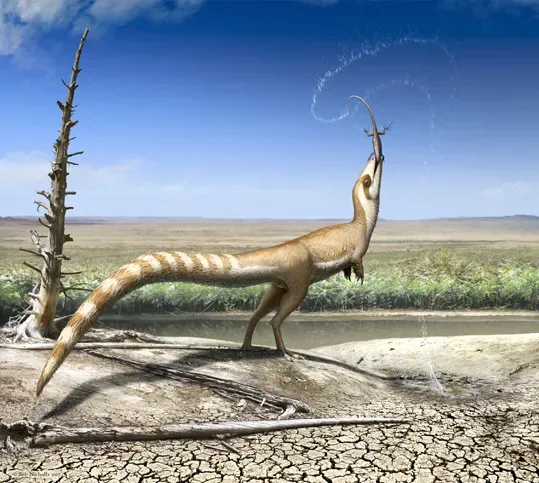
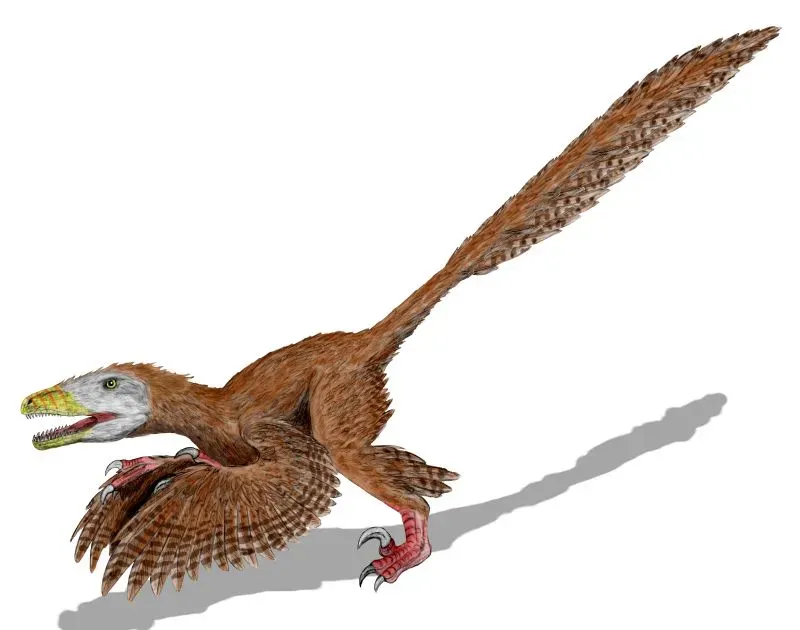
Until recently it was believed that feathers were unique to birds. Recent discoveries, however, have unearthed evidence for feathered non-avian dinosaurs. This was not a minor update to the science. It completely flipped the pop-culture image of dinosaurs on its head. Toss away those scaly Hollywood depictions – they might be as inaccurate as drawing a tiger without its fur.
A turkey-size dinosaur called Sinosauropteryx likely had an orange-and-white striped tail. Experts think a dinosaur named Caihong juji might have had rainbow-colored, iridescent, shiny feathers on its neck and chest. To figure this out, scientists examined the remains of a part of a cell that once contained melanin, the same pigment that gives humans their hair, eye, and skin color. Imagine the prehistoric world now – not grey and drab, but vivid, colorful, and almost bird-like in its visual drama.
4. Some Dinosaurs Were Warm-Blooded – and It Changed Everything
For generations, paleontologists assumed dinosaurs were cold-blooded, sluggish creatures dependent on the sun to warm up. During the early years of dinosaur paleontology, it was widely considered that they were sluggish, cumbersome, and sprawling cold-blooded lizards. However, with the discovery of much more complete skeletons in the western United States, starting in the 1870s, scientists made more informed interpretations of dinosaur biology and physiology.
Two major groups of dinosaurs may have been warm-blooded, having evolved the ability to regulate their body temperatures, around 180 million years ago, according to a study. The adoption of endothermy, perhaps a result of an environmental crisis, may have enabled theropods and ornithischians to thrive in colder environments, allowing them to be highly active and sustain activity over longer periods, develop and grow faster, and produce more offspring. Warm blood, it turns out, may have been the evolutionary superpower that let dinosaurs dominate the planet for so long.
5. Birds Are Living Dinosaurs – Every Single One of Them
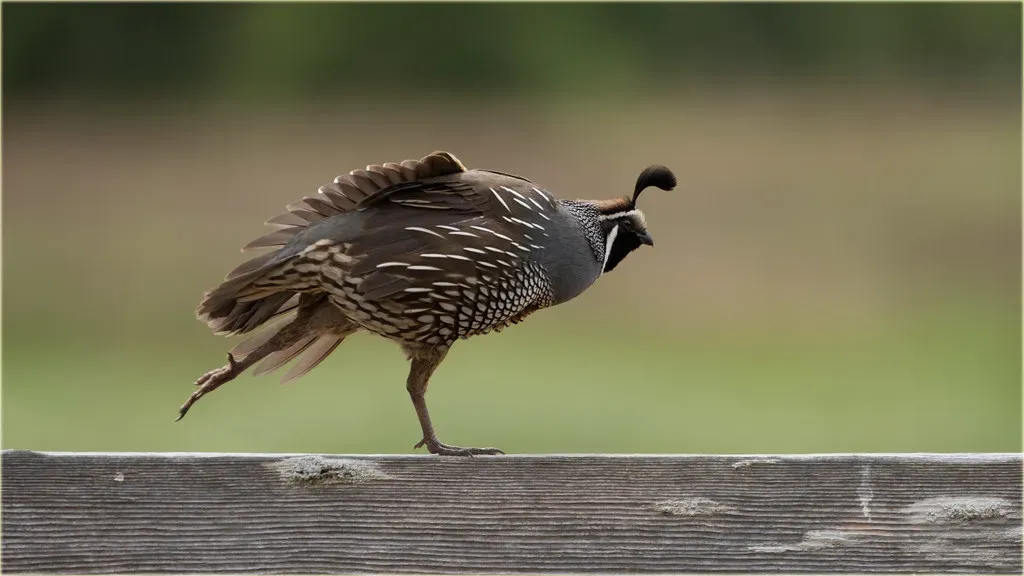
I think this is the single most mind-bending fact in all of paleontology. The birds in your backyard are not descended from dinosaurs in some vague, distant sense. They literally are dinosaurs. Modern birds are a kind of dinosaur because they share a common ancestor with non-avian dinosaurs. Every sparrow, every eagle, every humble pigeon – all of them carry the evolutionary heritage of the Mesozoic era in their bones.
Birds evolved from a group of meat-eating dinosaurs known as theropods. The oldest bird fossils are about 150 million years old, meaning our feathered friends have been around much longer than we have. Features like feathers and hollow bones found in some dinosaurs support this link. Research shows that traits related to keeping body temperature steady appeared before birds evolved. These traits helped dinosaurs survive in various climates, a key step in bird evolution. Next time a pigeon steals your lunch, remember – you just got mugged by a dinosaur.
6. Spinosaurus Was the World’s Largest Carnivore – and It Could Swim
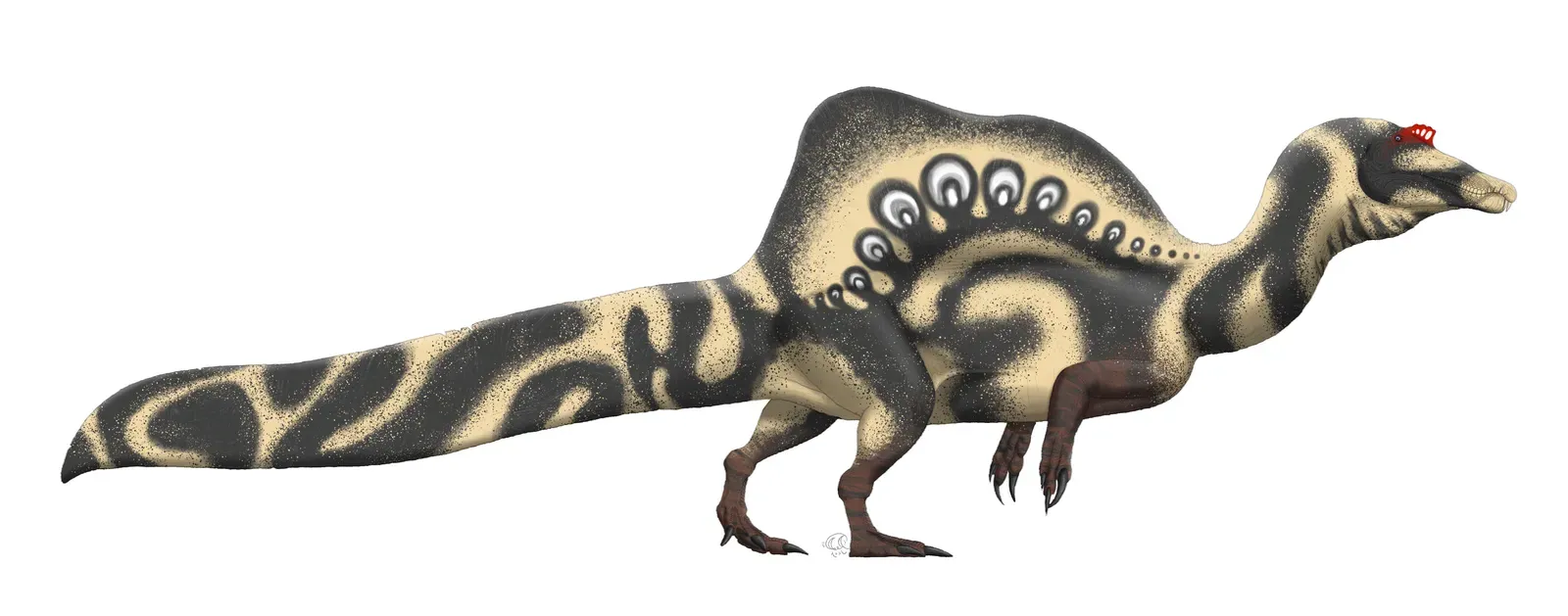
Most people assume the T. rex was the undisputed heavyweight champion of dinosaur carnivores. It wasn’t. Spinosaurus is known to have eaten both aquatic and terrestrial prey. Evidence suggests that it was semiaquatic, although the extent of its swimming capability has been strongly contested. Spinosaurus’s leg bones had a high bone density, allowing for better buoyancy control. This is a genuinely staggering evolutionary leap – a giant predator that could stalk prey both on land and in deep rivers.
Spinosaurus was a theropod that was not bipedal, as it had the wrong center of gravity and short stubby hind legs. It had a crocodile-like skull and teeth for grasping onto fish, with crocodile-like water pressure sensors. It had nasal openings set away from the front of the snout with dense bones, just like early cetaceans. It had a long flexible, Mosasaur-like tail and wide flat feet like shorebirds. Evolution, in this case, essentially designed a river-going monster the size of a school bus.
7. T. Rex’s Tiny Arms Are Still a Scientific Mystery
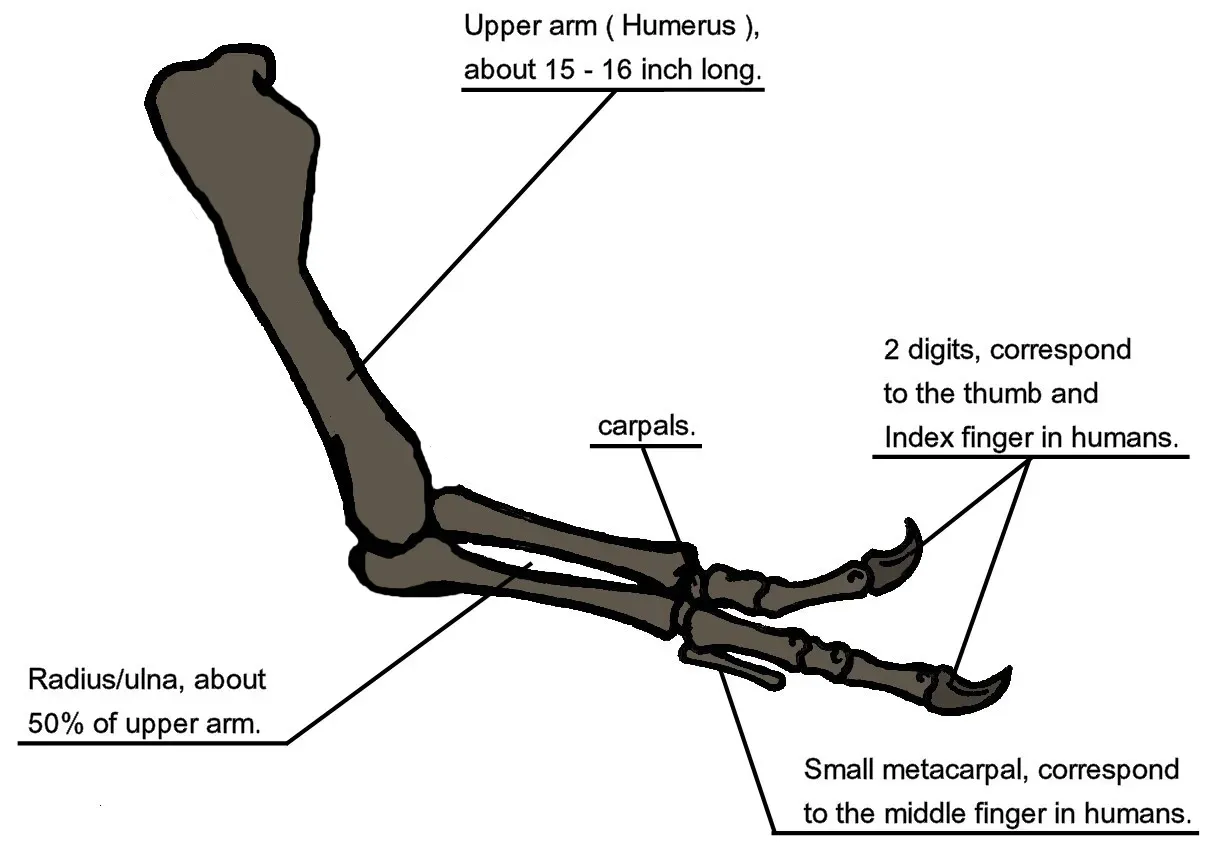
Honestly, nothing about T. rex makes you laugh quite like those comically short arms. But here is the thing – science still doesn’t have a fully agreed-upon answer for why they ended up so small. Over two decades, paleontologist Kevin Padian was frequently asked by undergraduates why the arms of Tyrannosaurus rex are so ridiculously short. He would list a range of proposed hypotheses – for mating, for holding or stabbing prey, for tipping over a Triceratops – but his students remained dubious. Padian’s usual answer was, “No one knows.”
Rather than asking what the T. rex’s short arms evolved to do, the question may better be framed as what benefit those arms were for the whole animal. It’s hard to say for sure, but some researchers suggest that as the jaws of T. rex became more and more powerful, the arms simply became less necessary and gradually reduced over generations. Think of it like evolution quietly retiring an old tool that no longer earns its keep – except in this case, the tool was an arm.
8. A New Tyrannosaur Discovery Just Rewrote the Family Tree
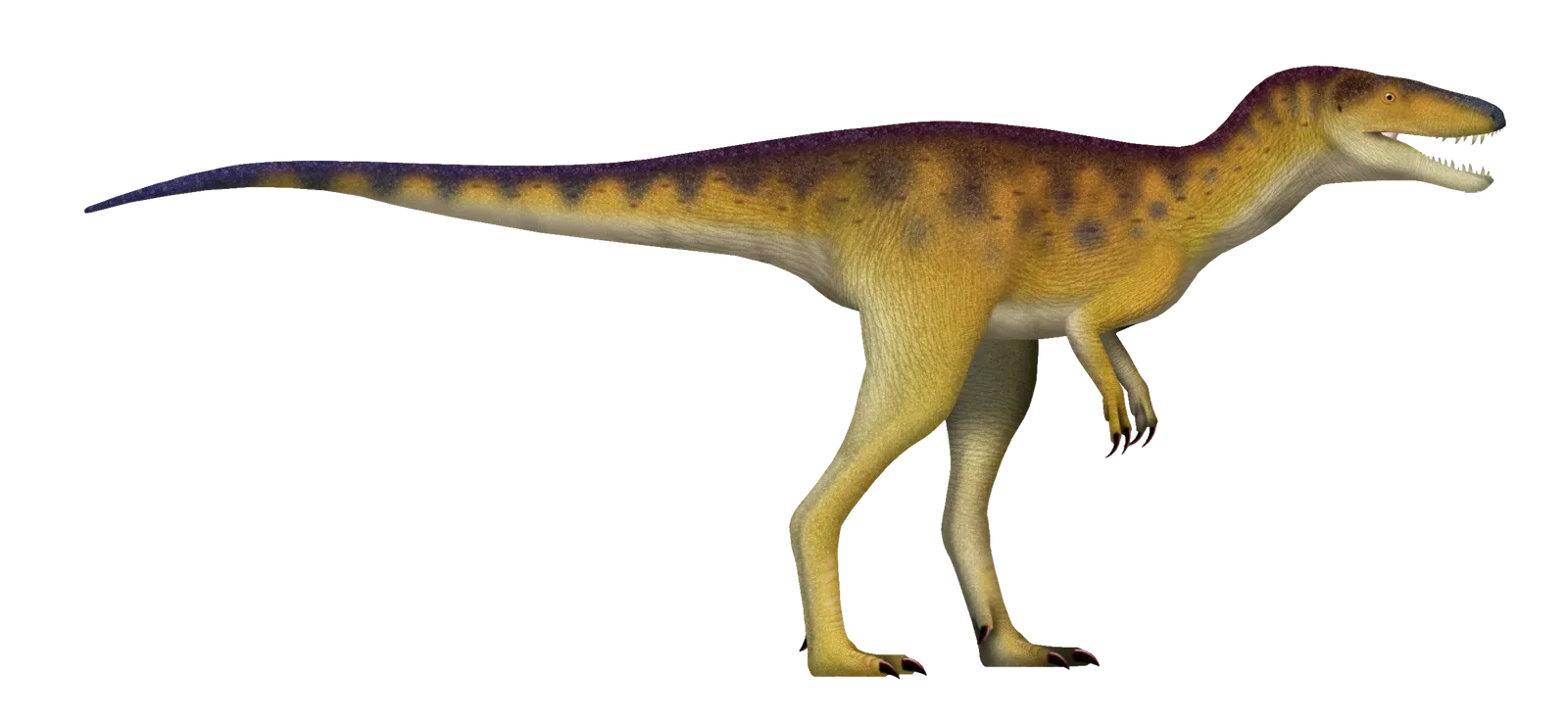
If you thought the T. rex story was complete, think again. In June 2025, researchers announced the discovery of the Khankhuuluu mongoliensis dinosaur, meaning “Dragon Prince of Mongolia.” Those 86-million-year-old bones appear to be connected to a dinosaur closely linked to the direct ancestor of all tyrannosaurs, according to research published in the journal Nature.
Khankhuuluu was part of a burst of tyrannosaur evolution that led to slender, agile creatures crossing into prehistoric North America around 85 million years ago and proliferating there. Some of those tyrannosaurs then crossed back into Asia, evolving into new forms, and eventually leading one large, bone-crushing lineage to enter North America once more and give rise to the iconic T. rex. It’s like learning that your family tree has an entirely unexpected branch that loops back around before landing at your great-grandparents. Extraordinary.
9. A Tiny New Dinosaur Is Upending Everything We Thought About Plant-Eater Evolution
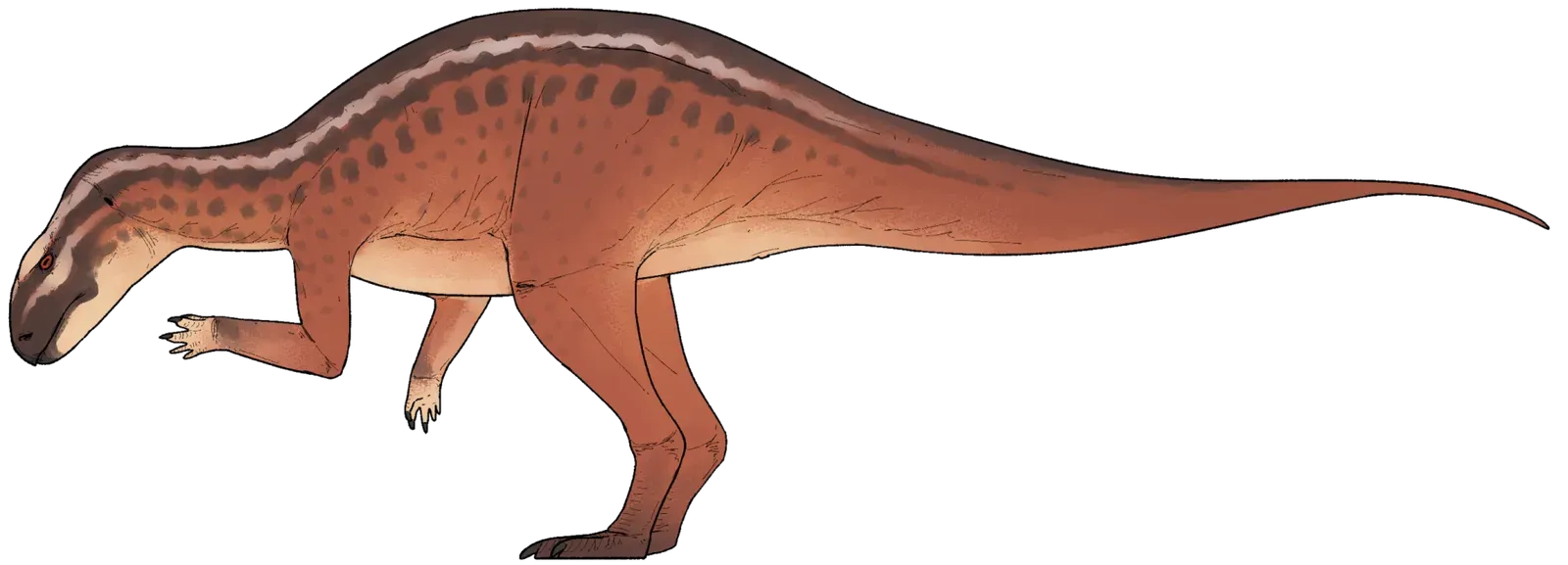
Let’s be real – when most people picture herbivorous dinosaurs, they picture enormous sauropods stomping through fern-covered plains. So imagine the scientific community’s surprise when a creature barely half a meter long started rewriting evolutionary theory. A newly identified tiny dinosaur, Foskeia pelendonum, is shaking up long-held ideas about how plant-eating dinosaurs evolved. Though fully grown adults were remarkably small and lightweight, their anatomy was anything but simple – featuring a bizarre, highly specialized skull and unexpected evolutionary traits.
Detailed bone studies show these dinosaurs matured quickly with bird- or mammal-like metabolism, while their teeth and posture hint at fast, agile lives in dense forests. Even with its tiny build, Foskeia was well adapted to its environment. The dinosaur had specialized teeth and appears to have changed posture as it grew, relying on short bursts of speed to move through dense forest habitats. Evolution, it seems, experimented just as boldly with tiny bodies as with massive ones.
10. The “Punk Rock Dinosaur” Just Changed Our Understanding of Armored Dinosaurs
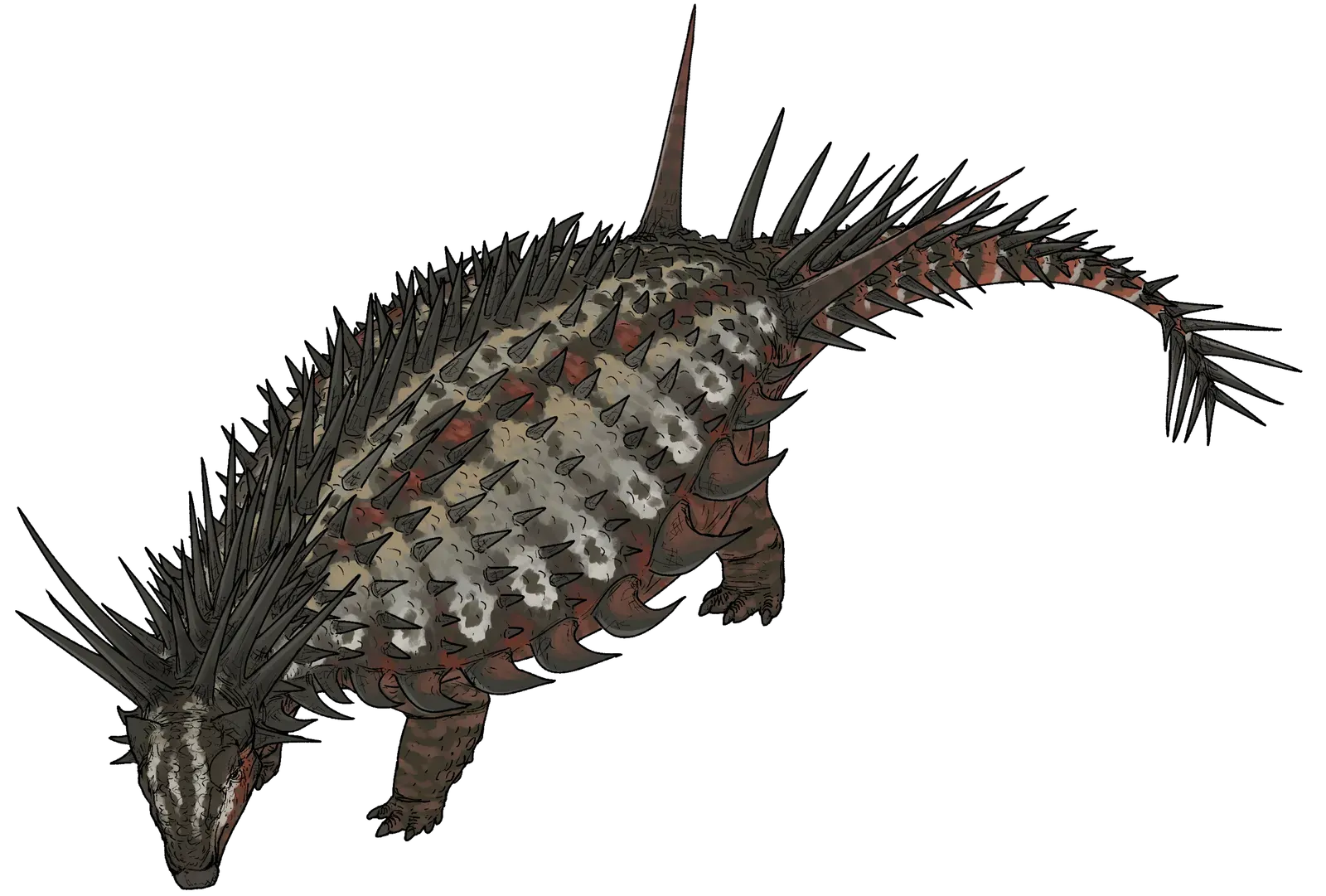
Picture the most outrageously armored animal you can imagine – now add a bony collar covered in spikes the length of golf clubs, and you’re getting close to Spicomellus. Spicomellus was named in 2021 based on an incomplete rib from 165-million-year-old rocks in Morocco. It is a rib unlike that in any other animal, alive or extinct, with a series of long spines fused to its surface.
New fossils show that Spicomellus is the oldest known member of the ankylosaurs, heavily armored, low and squat plant-eaters. Spicomellus is characterized by its bizarre armor, bristling with long spines all over the body, including a bony collar around the neck with spines the length of golf clubs sticking out of it. Dubbed the “punk rock dinosaur” by the BBC, Spicomellus is changing our understanding of ankylosaur evolution, while also highlighting the importance of the Moroccan fossil record. Evolution apparently had a rockstar phase around 165 million years ago, and honestly, respect.
11. We Are Living in a Golden Age of Dinosaur Discovery – Right Now
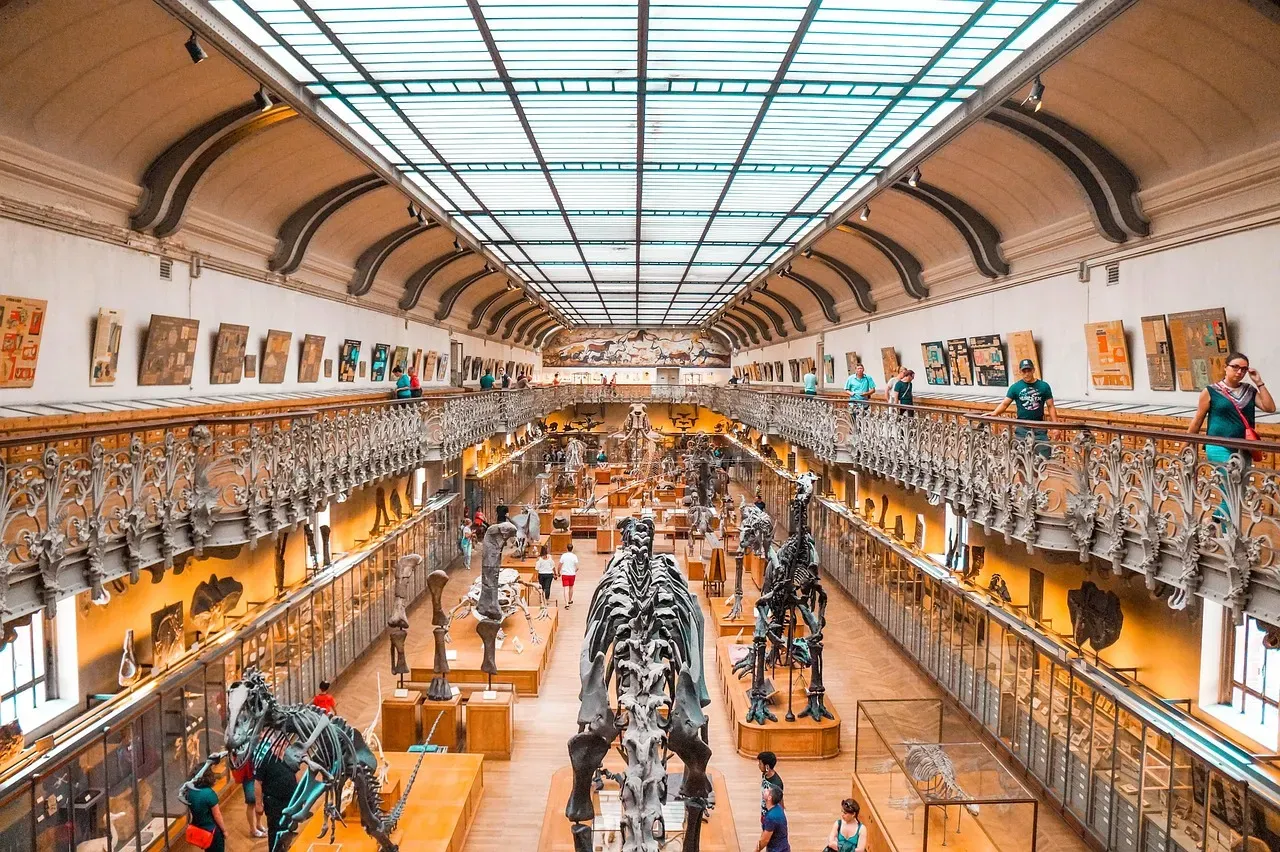
Here is something that rarely gets said loudly enough: we are not at the end of dinosaur science. We are right in the middle of it, maybe even at its most exciting chapter yet. Around 1,400 dinosaur species are now known from more than 90 countries, with the rate of discovery accelerating in the last two decades. The year 2025 alone saw the discovery of 44 new dinosaur species, nearly one a week.
Dinosaurs may be long extinct, but 2025 made it abundantly clear that they’re anything but settled science. Over the past year, new fossils, reanalyses of famous specimens and the use of increasingly sophisticated tools have continued to upend what we thought we knew about how these animals lived, moved, fed and evolved. Some discoveries filled in long-missing gaps in the fossil record, while others forced researchers to confront the uncomfortable reality that a few long-held assumptions were simply wrong. Advanced imaging technology, such as CT scans, allows paleontologists to see the three-dimensional structure of fossils, often without having to remove the matrix – meaning even old discoveries are yielding brand-new secrets today.
Conclusion
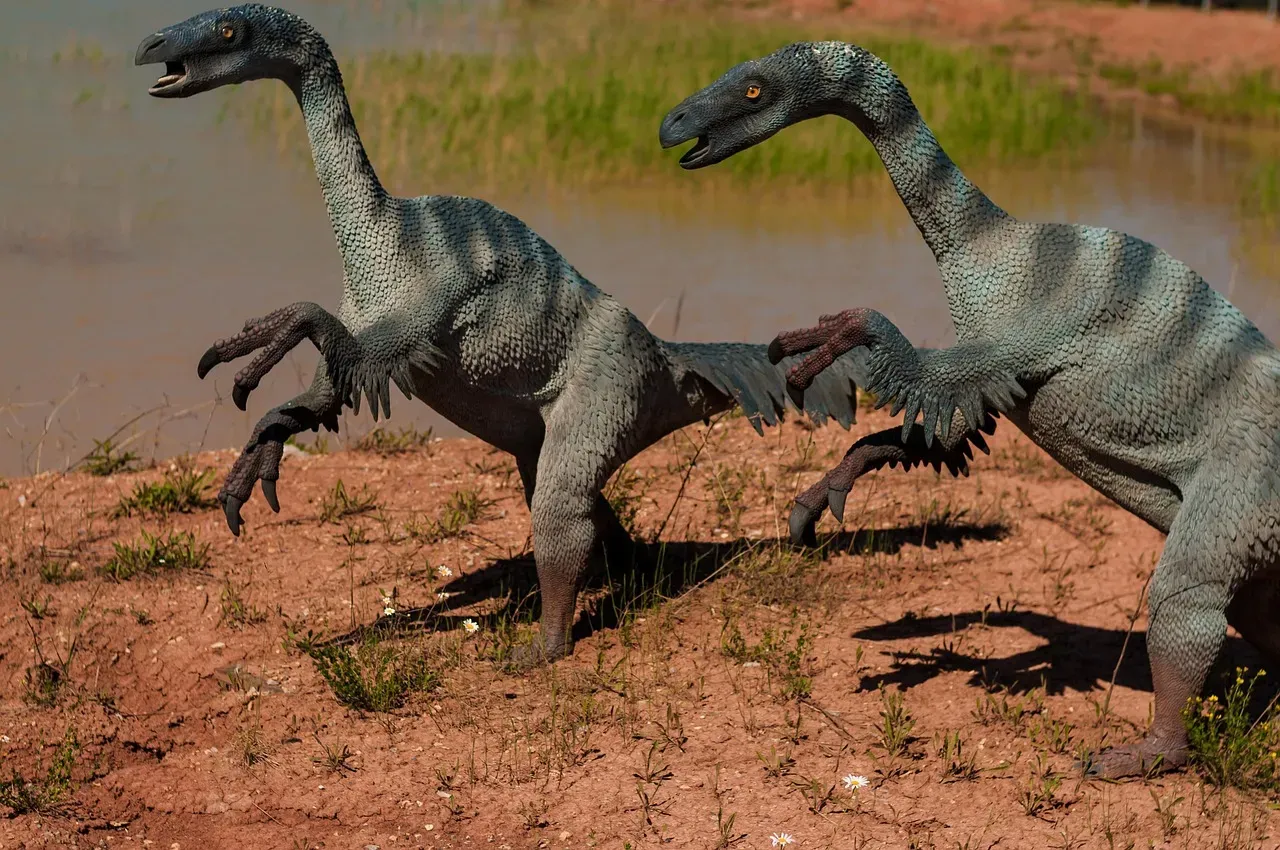
Dinosaur evolution is not a closed book – it is a story that keeps surprising us, humbling us, and forcing us to reconsider what we think we know. From warm-blooded tyrannosaurs migrating across continents, to swimming giants hunting in prehistoric rivers, to tiny plant-eaters with metabolisms like mammals, the prehistoric world was staggeringly complex and diverse. The most exciting part? We have barely scratched the surface.
Every year, nearly one new species is named. Every year, another long-held assumption crumbles. And every year, the past gets a little more vivid and a little more astonishing. The next great dinosaur discovery could be sitting in a cliff face somewhere right now, just waiting for someone to look in the right direction. What fact surprised you the most? Tell us in the comments – we’d genuinely love to know.