If you think scientists have dinosaurs all figured out, think again. You might picture a museum full of towering skeletons and assume the big questions were settled decades ago. But here’s the thing – the more we uncover, the more the mystery deepens. Paleontology is one of those thrilling fields where every answered question seems to crack open two new ones.
We know dinosaurs better than ever before. Paleontologists continue to find new species, naming a new one roughly every two weeks, and more accurately reconstruct familiar creatures like Tyrannosaurus and Triceratops. Yet even with all that progress, giant puzzles remain. From how they sounded to whether we have even found the biggest ones, the Age of Reptiles still holds secrets that would genuinely blow your mind. Let’s dive in.
1. What Was the Very First Dinosaur?
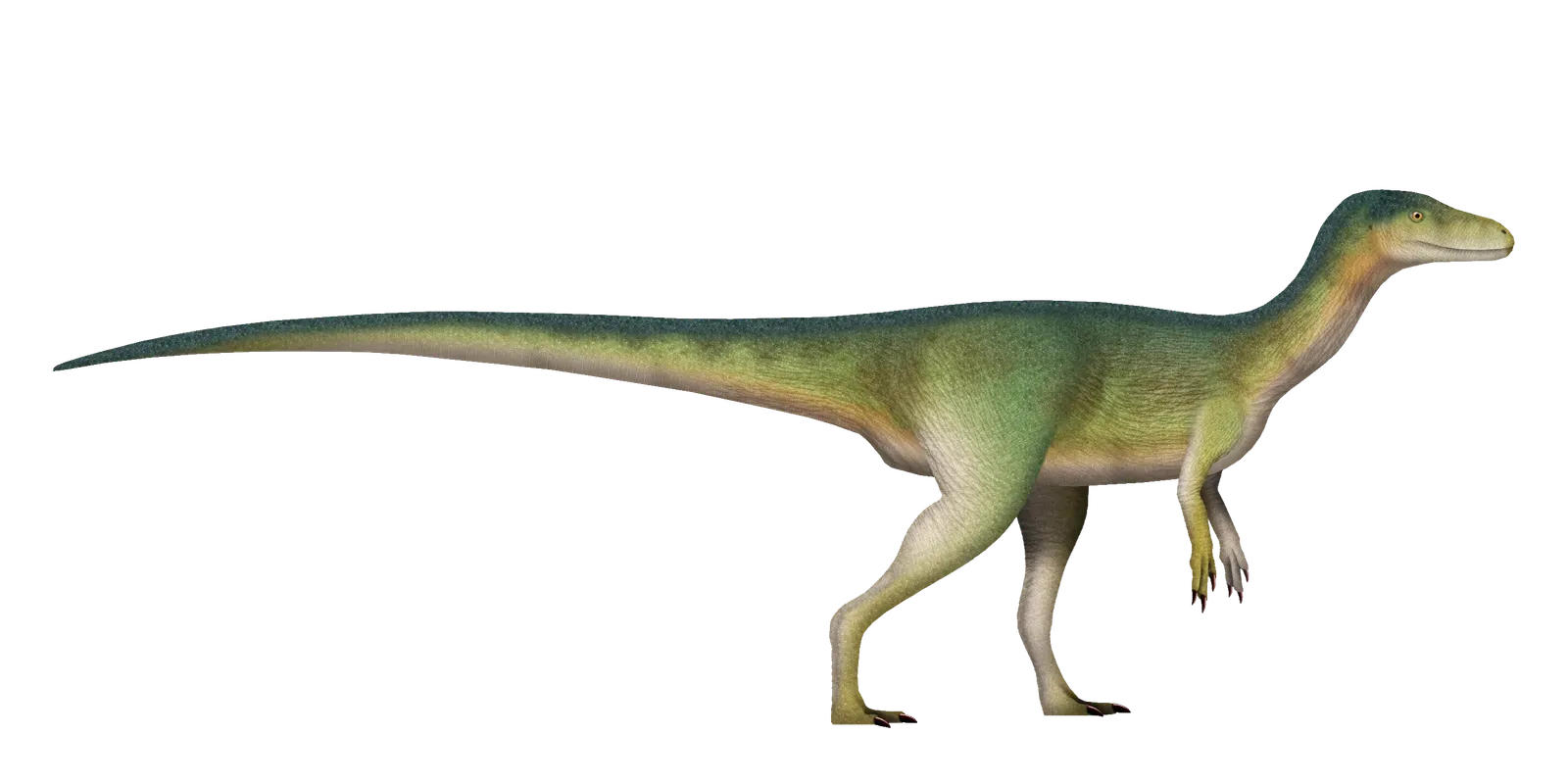
You would think that after almost two centuries of digging, we would know exactly which animal started the whole dinosaur lineage. Not quite. The trouble is that the fossil record is made up of snippets of life’s history, not the entire reel, so actually finding frames from the dawn of dinosaurs relies on luck as much as science. It is a bit like trying to identify the first person to ever whistle a melody – the starting point keeps slipping out of reach.
Paleontologists generally agree that an open hip socket, with a hole in the middle like a turkey’s, is a feature common to all dinosaurs. A host of other skeletal features, such as the number of vertebrae connecting to the hip and large muscle scars on the limbs, are also used to distinguish dinosaurs. By the early Jurassic, some 200 million years ago, dinosaurs with these traits dominated the planet. The very first indisputable dinosaurs turned up in the prior geological period, during the early stages of the Late Triassic, though there aren’t many known species from that time. So the “first” dinosaur is still very much up for debate, and new fossil finds keep reshuffling the family tree.
2. Were Dinosaurs Warm-Blooded or Cold-Blooded?
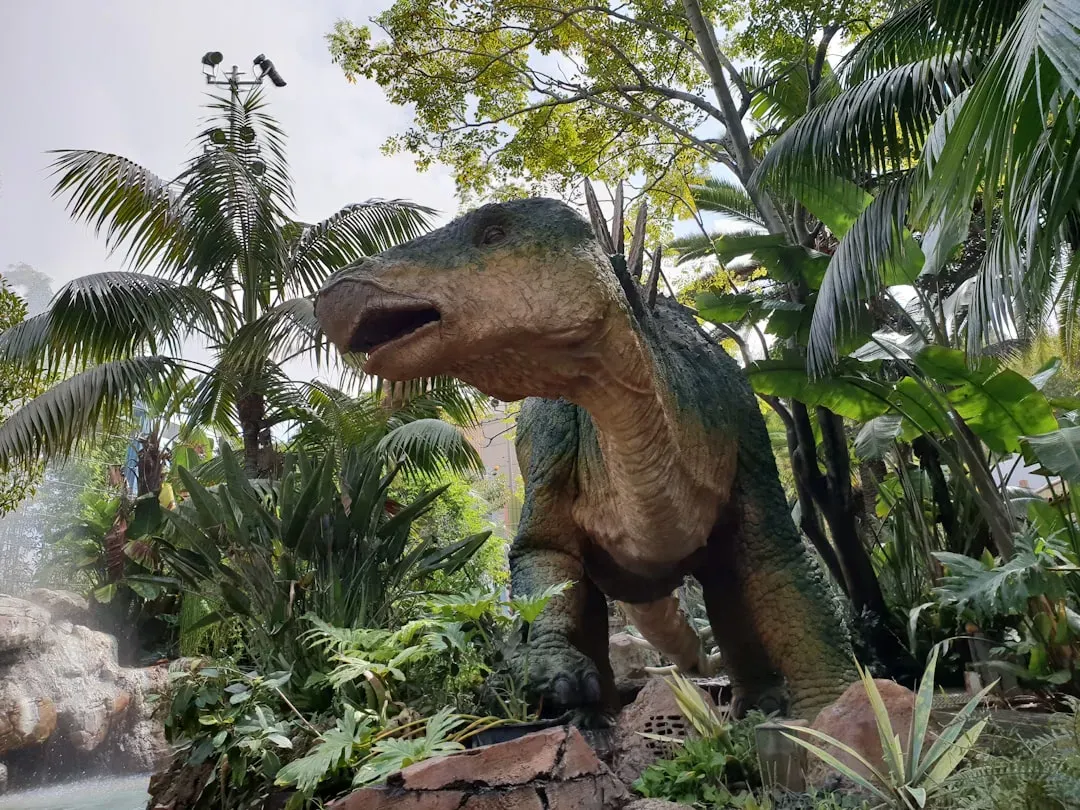
This might be the most argued-over question in all of paleontology. During the height of the “Dinosaur Renaissance” in the 1970s, the most contentious question of all was whether these celebrated animals were supercharged, hot-blooded creatures or the equivalent of cold-blooded giant lizards. Almost 40 years later, dinosaur physiology is still largely a mystery. Multiple lines of evidence, including bone microstructure and growth patterns, suggest that dinosaurs were highly active animals that ran hot. How they achieved this feat, however, is a lingering question.
Paleontologists have suggested an array of arrangements, from a physiology that maintained a high, constant body temperature to big herbivorous dinosaurs warmed by fermenting vegetation in their guts. The latest hypothesis is that dinosaurs were mesotherms, meaning they relied on the activity of their muscles to warm their bodies but had body temperatures that could fluctuate. Dinosaur experts will undoubtedly continue to investigate and debate the point, especially given that dinosaurs took forms ranging from pigeon-sized, feathery raptors to 110-foot, long-necked titans. Honestly, the answer may not be a clean either-or. It might be something far more interesting.
3. What Did Dinosaurs Actually Sound Like?
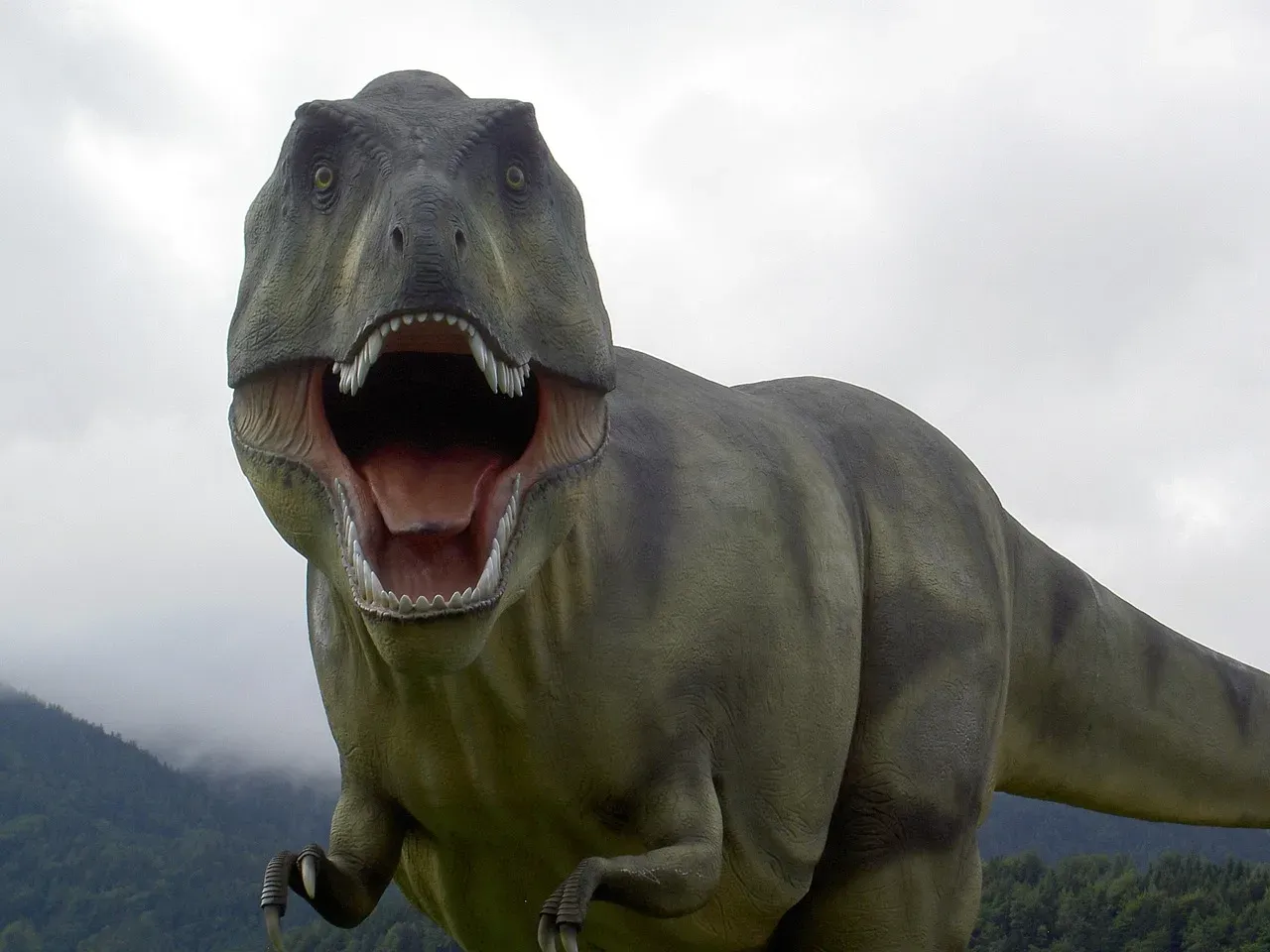
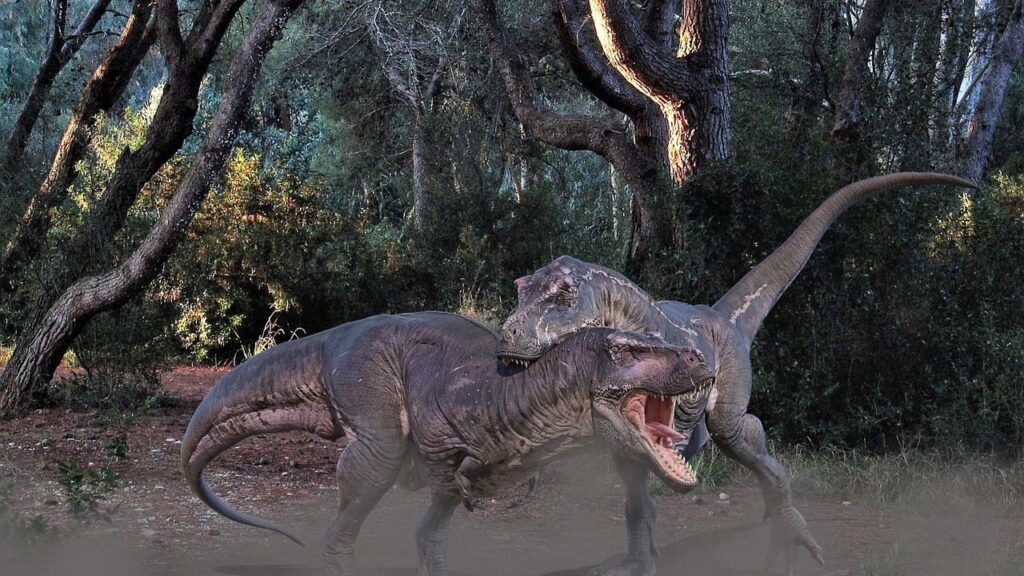
Close your eyes and picture a T. rex roaring. That gut-rattling sound from the movies? Completely invented. The movies tell us that the dinosaur shrieked and roared, befitting its status as one of the largest carnivores of all time, but the truth is that we don’t really know. The soft tissues needed to reconstruct the dinosaur’s sounds have never been found, rendering the ancient bones mute. It’s almost poetic – these colossal animals that dominated an entire era of Earth’s history may have been far quieter, and stranger, than Hollywood ever dared to imagine.
As one research review pointed out, non-avian dinosaurs may have communicated with each other by hissing, clapping jaws together, grinding mandibles against upper jaws, rubbing scales together, or making use of environmental materials such as splashing against water. Even without dinosaurian roars, the Mesozoic wouldn’t have been entirely quiet. The only exceptions are the crested hadrosaurs, whose circuitous nasal passages have allowed paleontologists to reconstruct their tuba-like calls. Everything else? Still a mystery wrapped in 66-million-year-old silence.
4. What Colors Were Dinosaurs?
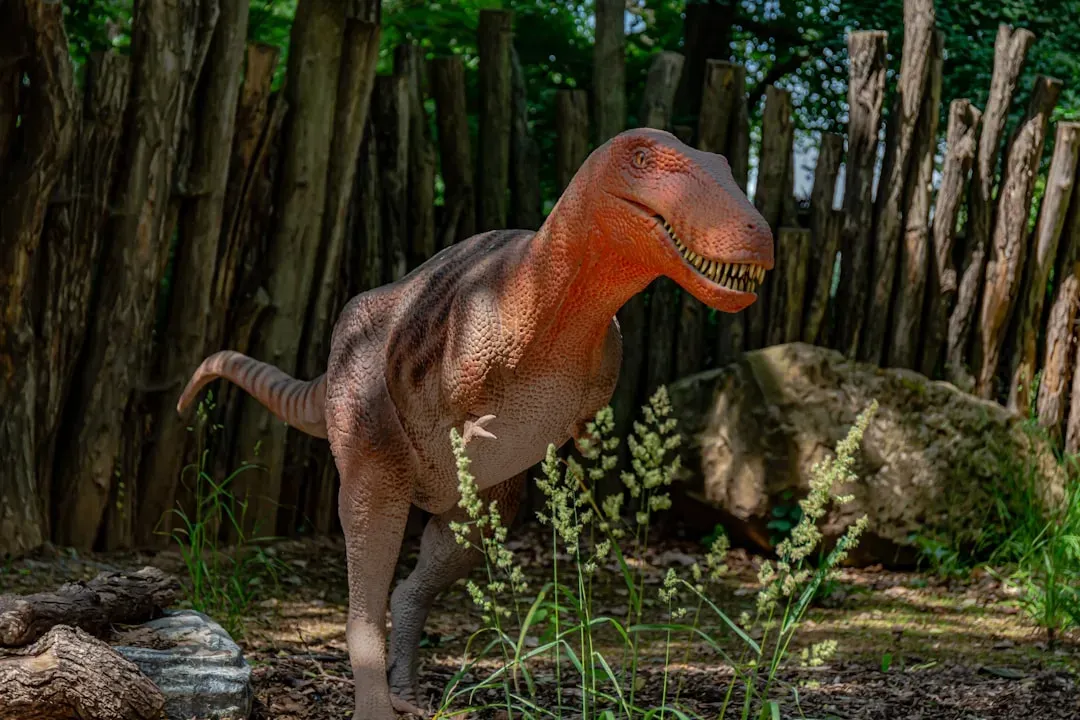
Forget those grey and green lizard-like images from your childhood books. The reality was almost certainly far more vivid. Dinosaur coloration is generally one of the unknowns in the field of paleontology, as skin pigmentation is nearly always lost during the fossilization process. However, studies of feathered dinosaurs and skin impressions have shown that the color of some species can be inferred through the analysis of color-determining organelles known as melanosomes that are preserved in fossilized skin and feathers.
This technique didn’t work for some colors, like yellows created by biochemicals rather than melanosomes, but soon paleontologists were figuring out the shades of dinosaurs ranging from the magpie-like Anchiornis to enormous penguins. Some feathered dinosaurs wore dark, iridescent sheens like ravens, others had red-and-white striped tails, and some wore rainbow shades, not all that different from some birds. Fossils that preserve melanosomes in skin or feathers are relatively rare and take a long time to study in detail. While melanosomes can help detect some colors such as black, gray, reddish brown, and iridescent, there are still parts of the dinosaur color range that can’t quite be detected. The full palette of the Mesozoic world remains partially painted.
5. What Was the Biggest Dinosaur That Ever Lived?
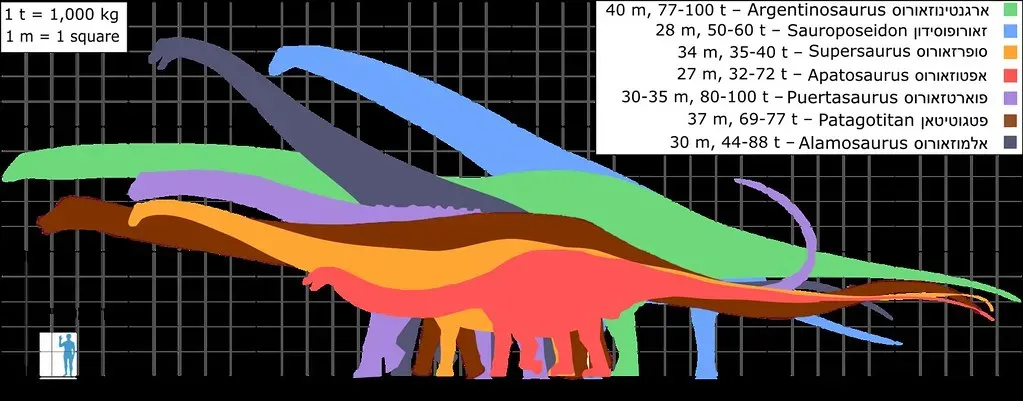
You would think size would be easy to measure. It is not. Picking out a clear winner is confounded by quirks of evolution and the fossil record. Instead of just getting bigger on a straight trajectory through the entire Age of Dinosaurs, titanic sauropods evolved multiple times. This has given paleontologists a slew of contenders from different sauropod groups that lived in different places and in different time periods. Think of it like trying to crown the world’s tallest building when you only have blueprints for parts of each structure.
There is so much leeway in the numbers because the biggest dinosaurs are only known from partial skeletons, typically less than half the skeleton down to maybe one part of a single bone. That means paleontologists have to rely on smaller, more complete cousins of the giants to come up with size estimates, and these figures are often revised as researchers unearth new fossils. With so many huge dinosaurs topping out at around the same size, we need more complete fossils for a definitive size check. By modeling a virtual T. rex population, a study in Ecology and Evolution anticipates that some T. rex were likely up to 70 percent more massive than any found so far. These giants were very rare and may take hundreds if not thousands of years to uncover based on the current rate of fossil searches.
6. How Did Dinosaurs Reproduce and Mate?
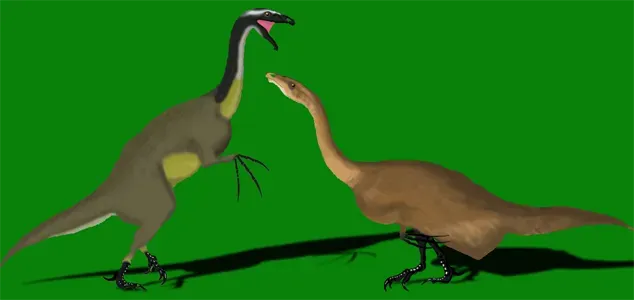
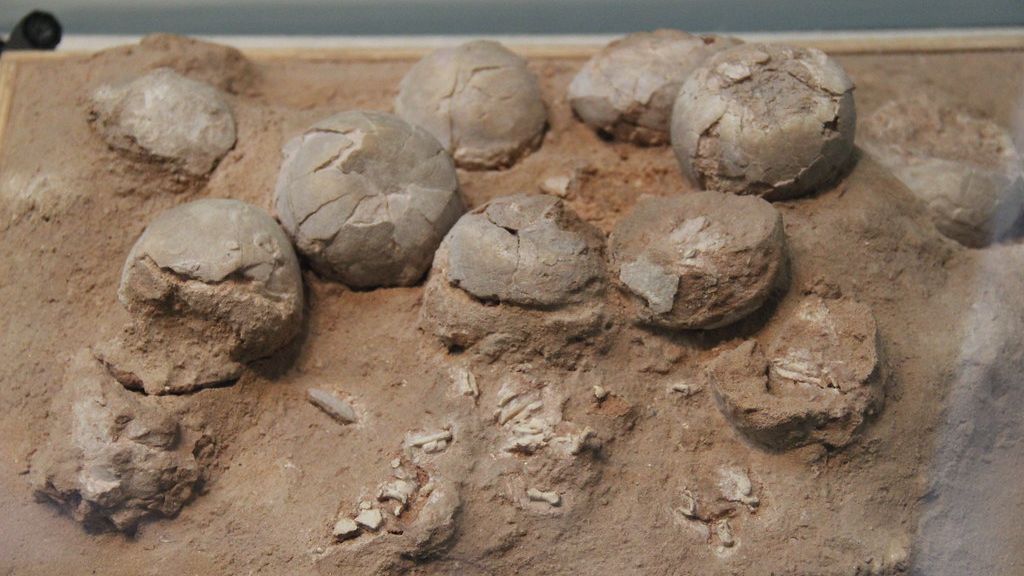
Every dinosaur started life by hatching from an egg. That much we know for sure. How parent dinosaurs came together to start the next generation, however, isn’t as clear. This is one of those topics where the fossil record goes frustratingly quiet. You can imagine how tricky it is to preserve the act of courtship in stone for 100 million years.
Non-avian dinosaur reproductive and parenting behaviors were mostly similar to those of extant archosaurs. Non-avian dinosaurs were probably sexually dimorphic and some may have engaged in hierarchical rituals. Even among only the hard eggs of dinosaurs, there are considerable differences in the architecture of the eggshell, indicating vastly different nest styles, incubation methods, and times between egg-laying and hatching. The variety is staggering, but exactly how all these differences played out in mating behavior is still something scientists are piecing together, one fragment at a time.
7. Did Dinosaurs Care for Their Young?
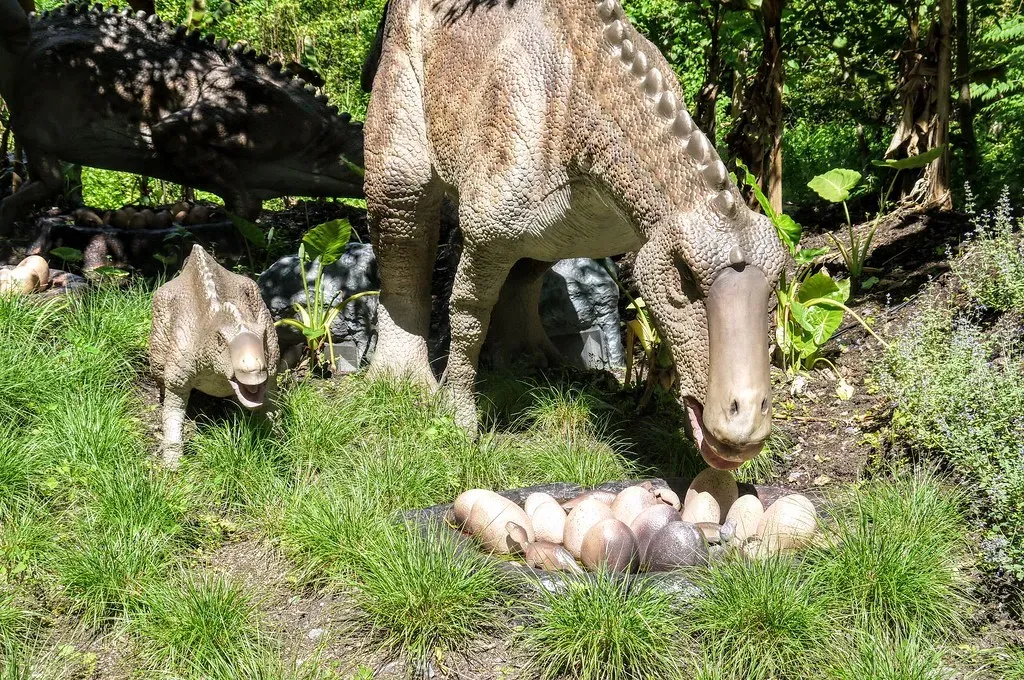
Here is something that might surprise you: some dinosaurs were surprisingly devoted parents – or at least, some of them were. The duck-billed Maiasaura, a name that means “good mother lizard,” is one of the best-known examples of parental behavior. These Late Cretaceous dinosaurs, which lived around 80 to 75 million years ago, are thought to have nested in large colonies. The parents may have extensively provided food and protection for their hatchlings, although this idea is still debated.
Dinosaurs exhibited limited parental care, with juveniles quickly becoming independent and occupying different ecological niches from adults. This life history strategy, combined with large broods and rapid growth, resulted in greater functional species diversity within dinosaur communities compared to mammals. Ancient ecosystems likely supported this diversity through higher plant productivity and possibly lower dinosaur metabolic rates. So the picture isn’t simple. Some dinosaurs were attentive caregivers; others essentially sent their kids out to fend for themselves from day one. I think that makes them more relatable than we ever expected.
8. Why Did Non-Avian Dinosaurs Go Extinct?
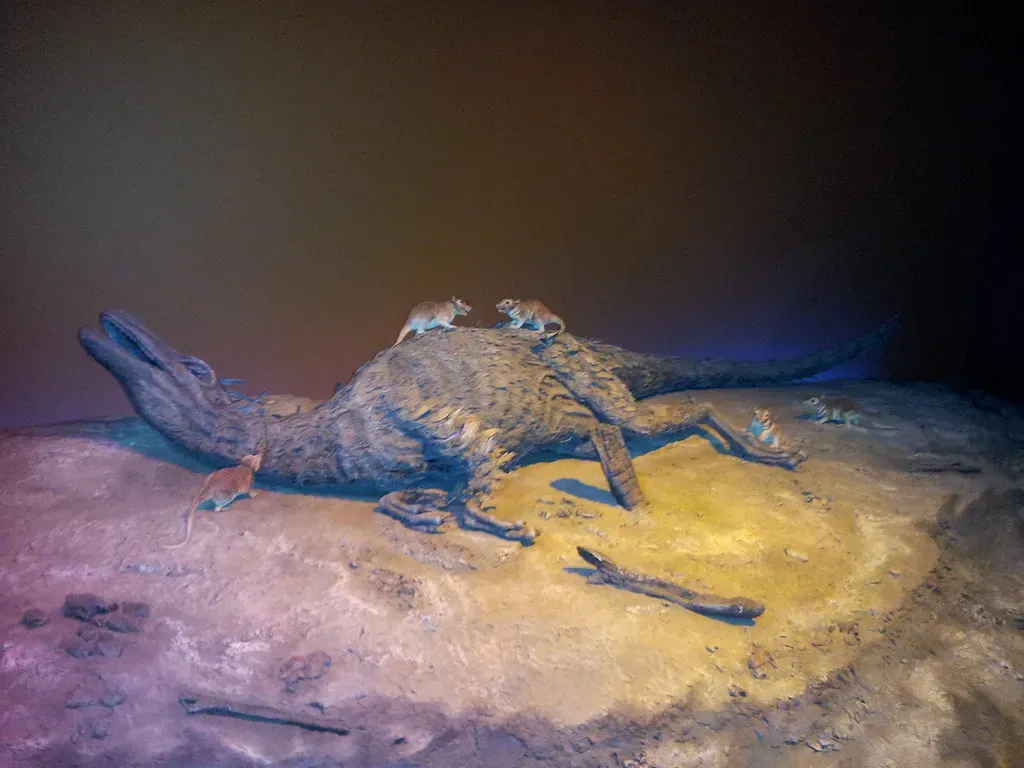
Let’s be real – this is the question almost everyone wants answered. Yes, a massive asteroid struck the planet at that time, following a protracted period of global ecological change and intense volcanic activity in a spot called the Deccan Traps. Paleontologists haven’t fully pieced together, however, how all these triggers translated into a mass extinction that killed off all the non-avian dinosaurs. It’s like knowing a building caught fire and collapsed, but still not being sure exactly what caused the blaze to spread so catastrophically.
Most of what we know about the catastrophe comes from North America, even though dinosaurs lived around the globe. Paleontologists know the victims and the murder weapons, but they have yet to fully reconstruct how the ecological crime played out. There has been a long debate over whether or not the dinosaurs were slowly going extinct prior to the asteroid, or if this main event singularly did them in. New finds in New Mexico reveal a species-rich and diverse dinosaur ecosystem thriving literally just before the impact. Coupled with other sites in North America, this research reveals that the dinosaurs might have kept going if space hadn’t intervened.
9. Where Did Dinosaurs Originally Come From?

The geographic origin of dinosaurs is a surprisingly open question, and scientists are actively fighting over it right now. Research using historical biogeographic estimation methods estimates the distribution of early dinosaurs and their relatives, with low-latitude Gondwana considered the most likely area of origin of dinosaurs, and possibly of archosaurs in general. South America, particularly what is now Argentina and Brazil, holds a strong claim as the birthplace of the dinosaur lineage.
A study on the biogeography of Late Triassic dinosaurs interprets the fossil record as consistent with a South American origin followed by simultaneous dispersals into Laurasia and east Gondwana. This was reassessed by follow-up researchers who recognized that methodological issues in the original analysis, particularly inadequate search parameters, matrix design, and outgroup sampling, render its conclusions about dinosaur origins unreliable. I know it sounds crazy, but even among specialists, the birthplace of the group that dominated Earth for roughly 165 million years is still being debated. There is no single smoking-gun answer yet.
10. How Did Dinosaurs Develop Feathers?
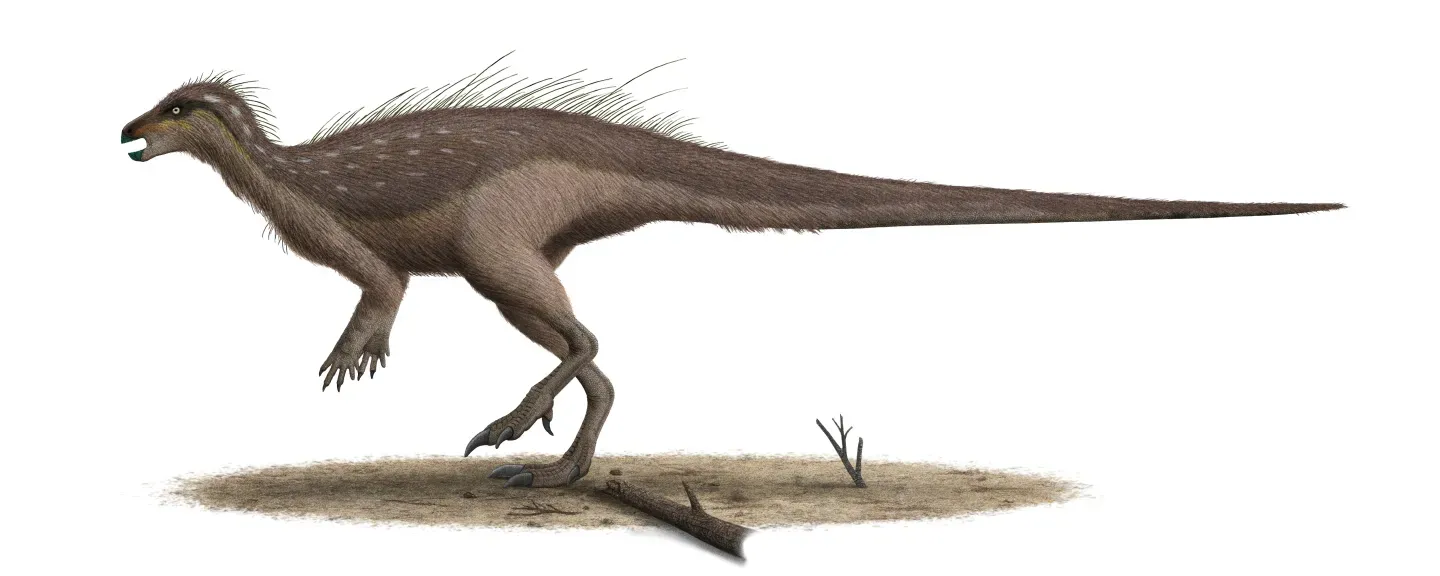
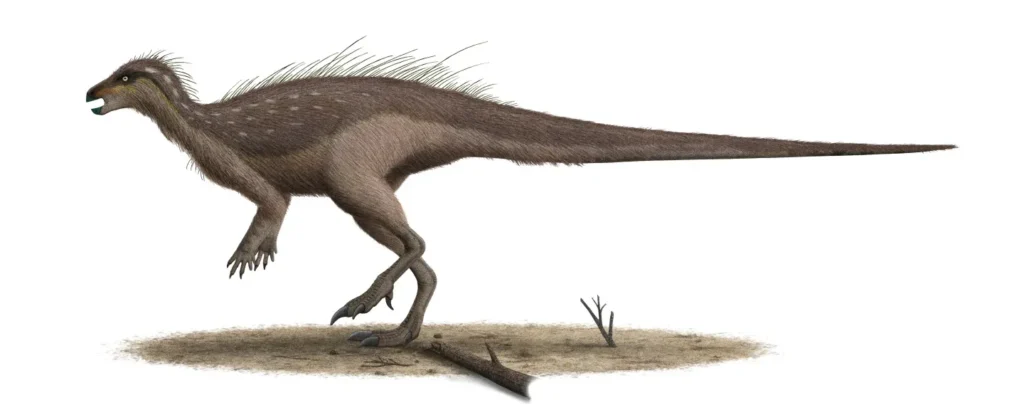
Feathers on dinosaurs were once a shocking idea. Now the evidence is overwhelming – but how exactly feathers evolved, and why, is still a rich area of research. Each year dinosaurs keep getting fuzzier. Feathers, protofeathers, and strange bristles are turning up on an increasing number of non-avian dinosaurs, indicating that such secondary body coverings either evolved multiple times in the dinosaur family tree or were inherited from the last common ancestor of all dinosaurs.
If both pterosaurs and dinosaurs had feathers, and if those feathers had variable shades for visual communication, then either those traits evolved independently in each branch or they go back to the common ancestors of both groups – reptiles that lived early in the Triassic Period more than 243 million years ago. Researchers feel that the common structure in dinosaurs and pterosaurs reflects shared ancestry. The findings also add support to the hypothesis that some kind of feather or feather precursor was present among these Triassic reptiles, hinting that many more pterosaurs and dinosaurs wore feathery body coverings than paleontologists expected. The story of feathers, it turns out, is far older and far stranger than flight.
11. How Intelligent Were Dinosaurs?
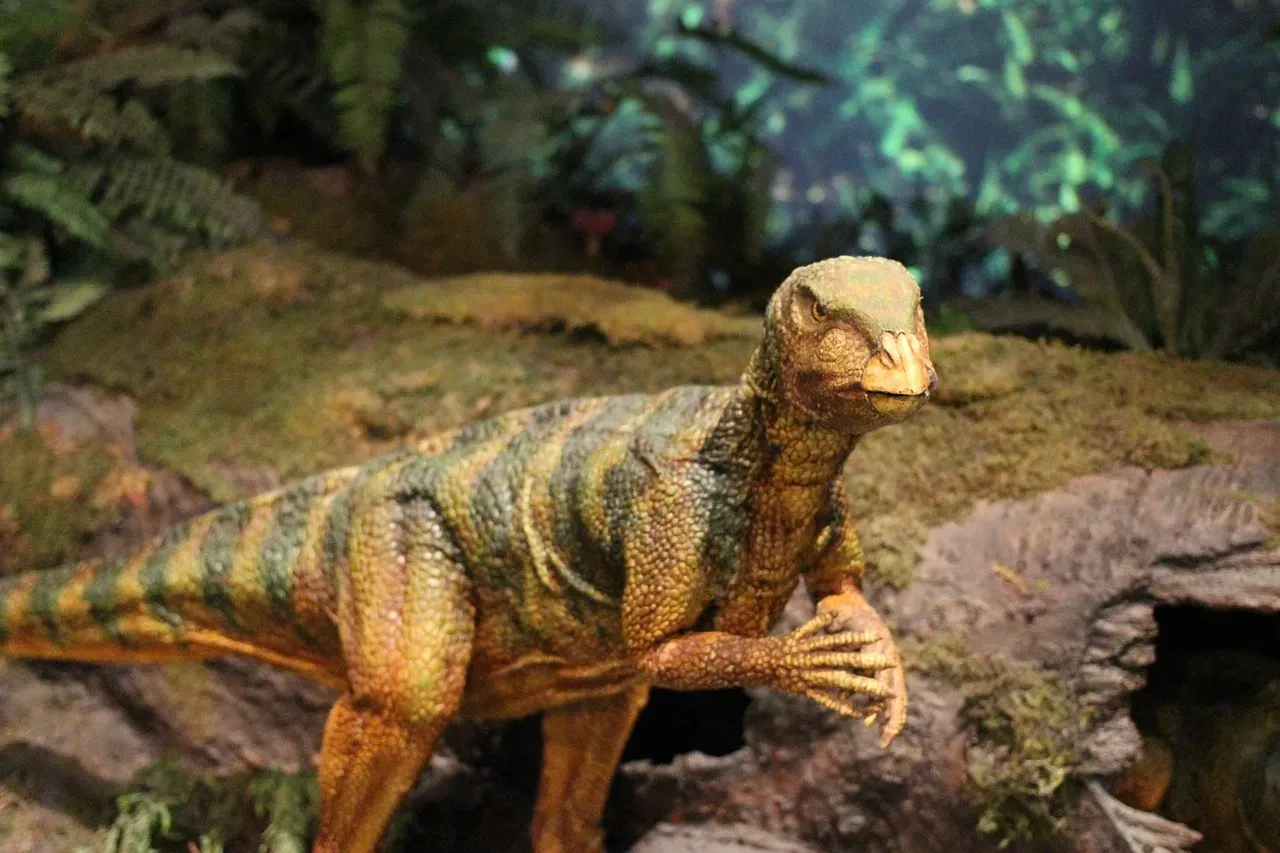
This is a question that has gained serious attention in recent years, partly fueled by films like Jurassic Park but grounded in some genuinely fascinating science. Studies on brain neuron counts of dinosaurs and their possible cognition explore links between telencephalic neuron counts and cognitive performance, with the argument that a shift towards endothermy in dinosaurs and a related increase of their energetic needs might have been linked to cognitive evolution. In other words, running hotter may have come with thinking smarter – at least to some degree.
Follow-up researchers reaffirm that the fossil record does not confirm coevolution of endothermy with enlarged brains or elevated neuron densities, and argue that high neuron number estimates for Mesozoic dinosaurs might have explanations that are unrelated to their cognitive abilities. Today, in addition to patience and sharp observation skills, paleontologists employ new technologies to solve unanswered questions about dinosaurs and other fossils. Advanced imaging technology such as CT scans allow paleontologists to see the three-dimensional structure of fossils. It’s hard to say for sure just how clever the average non-avian dinosaur truly was – but the fact that we’re even asking the question seriously says a lot about how far the science has come.
Conclusion
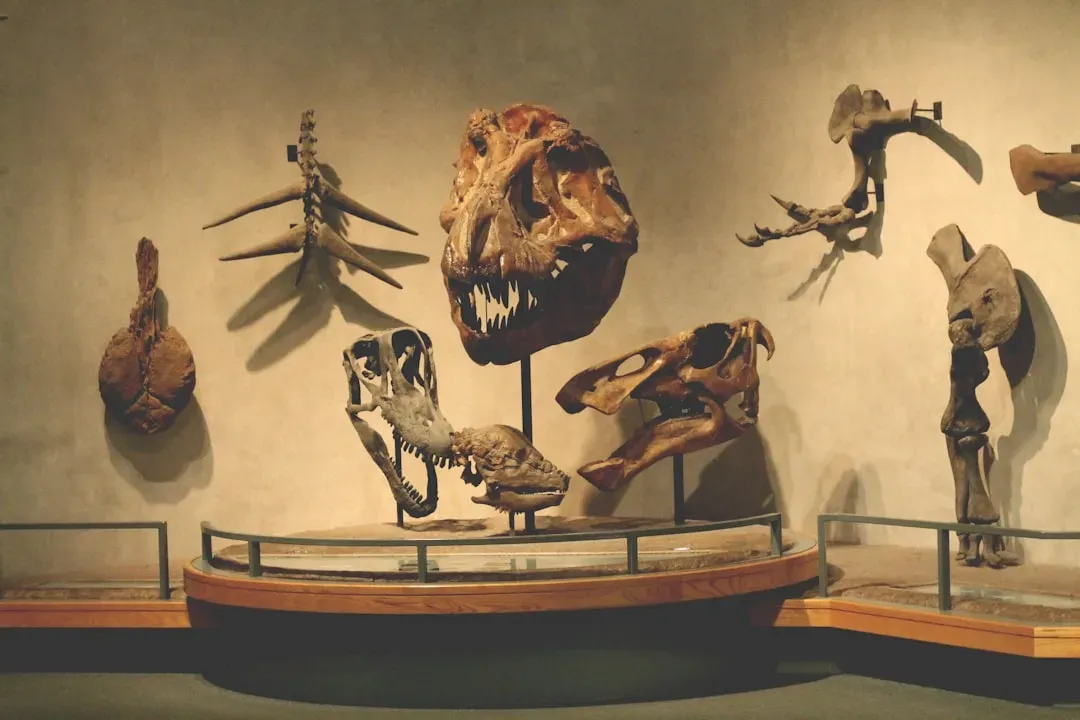
Dinosaurs have captured human imagination for nearly two centuries, and yet – even in 2026 – they continue to surprise us. Every new excavation, every CT scan, every microscopic analysis of a fossilized feather chips away at the mystery just enough to reveal how much we still don’t know. Paleontologists are like detectives who examine the evidence that extinct animals left behind. Those clues to what dinosaurs were like are found in fossils – the ancient remains of an organism, such as teeth, bones, or shell – or evidence of animal activity, such as footprints and trackways.
What makes these 11 questions so compelling is that they are not cold, academic footnotes. They touch on life, survival, parenting, color, sound, and the nature of extinction itself. They remind you that the story of life on Earth is enormous, ongoing, and far from complete. The next fossil pulled from a remote hillside in Mongolia or Patagonia might answer one of these questions entirely – or open up ten more.
What do you think is the most important dinosaur mystery still left to solve? Drop your thoughts in the comments below.