
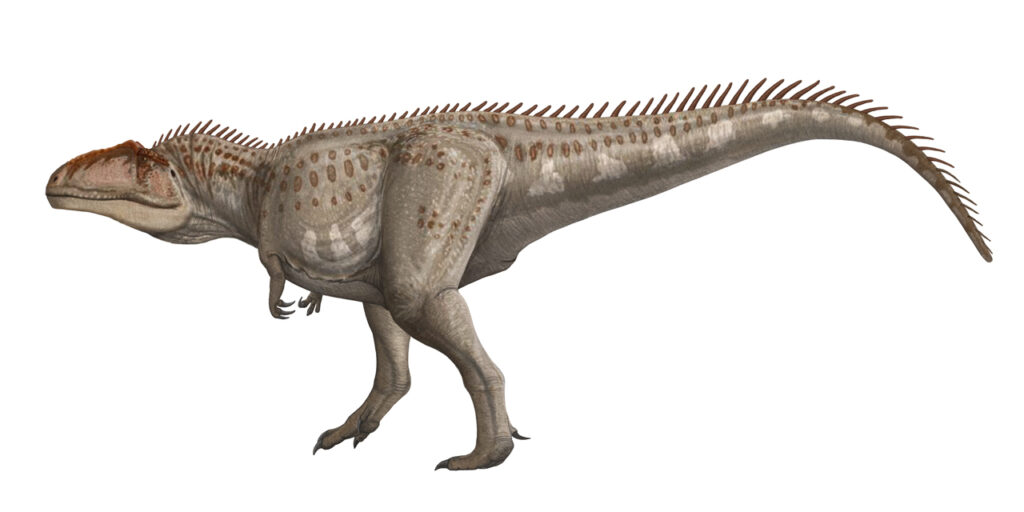
Most people picture Giganotosaurus the way Hollywood drew it: a snarling, oversized T. rex knockoff that shows up just to lose a fight in the final act. That image is almost an insult to what actually stalked Patagonia roughly 98 million years ago.
Paleontologists who’ve spent decades cracking open rock in Argentina say the real animal was stranger, older, and in some ways far scarier than any CGI version ever managed. It didn’t need to out-muscle a Tyrannosaurus, because it was built for a completely different kind of killing – one built on speed, slashing, and possibly numbers. Here’s what the fossil record actually says, and why the truth beats the movie by a mile.
#11 – It Was Longer Than T. Rex, Full Stop
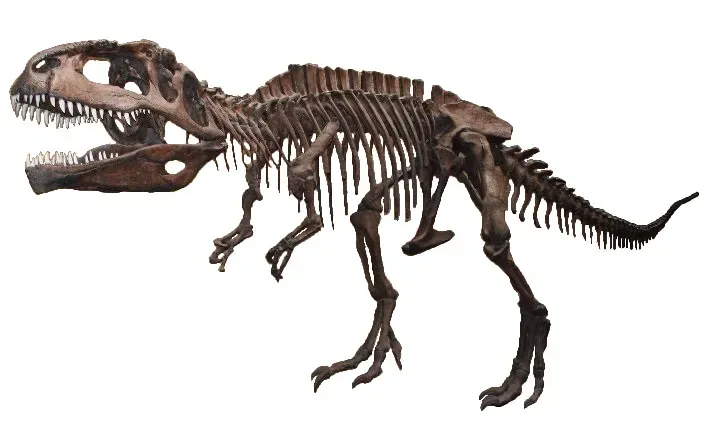
Giganotosaurus wasn’t just “big for its time.” Depending on which specimen you compare, it may have out-measured the most famous predator in history in raw length. Some estimates stretch it to 43 feet, while T. rex maxed out closer to 40.
That’s not a rounding error. That’s the difference between a city bus and a smaller delivery truck parked nose to tail. Weight is where the movies oversell things, though – modern estimates put both animals in the same 6 to 9 tonne range, not the lopsided mismatch blockbusters love to suggest. Older sources once claimed 14 or 15 tons, numbers most current researchers have quietly walked back. Two similarly massive killers, built on very different blueprints – not one dwarfing the other.
Quick Compare
- Length: The largest known Giganotosaurus specimen was estimated to represent an individual roughly 43 feet long, edging past T. rex’s typical ceiling of about 40 feet.
- Weight: Most current estimates keep both predators in a similar 6.5 to 9 ton range.
- Skull length: Giganotosaurus skulls have been estimated between roughly 1.5 and 1.6 meters long – among the longest known for any theropod.
- Era: Giganotosaurus hunted during the Cenomanian stage of the Late Cretaceous, roughly 100 to 97 million years ago – tens of millions of years before T. rex existed.
#10 – Its Skull Alone Was the Size of a Grown Man
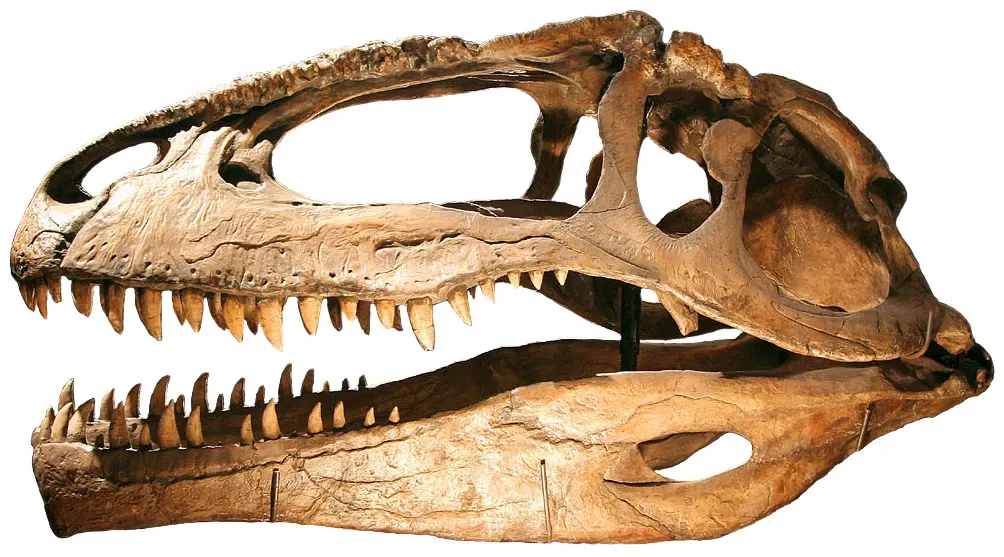
Forget the whole body for a second. Just the head was a nightmare. Bone for bone, it was larger than the largest T. rex skull ever found, measuring roughly 5 feet long – a piece of bone taller than most adult humans, mounted on a neck built to swing it with force.
And it gets stranger. Researchers later found a second, separate jawbone hinting at an even bigger individual, with a skull perhaps 1.5 meters long. That means the “typical” Giganotosaurus skeleton standing in museum halls right now might not even represent the largest members of the species. The real ceiling for this animal’s size is still, technically, unknown.
#9 – Its Bite Wasn’t Crushing – It Was Designed to Bleed You Out
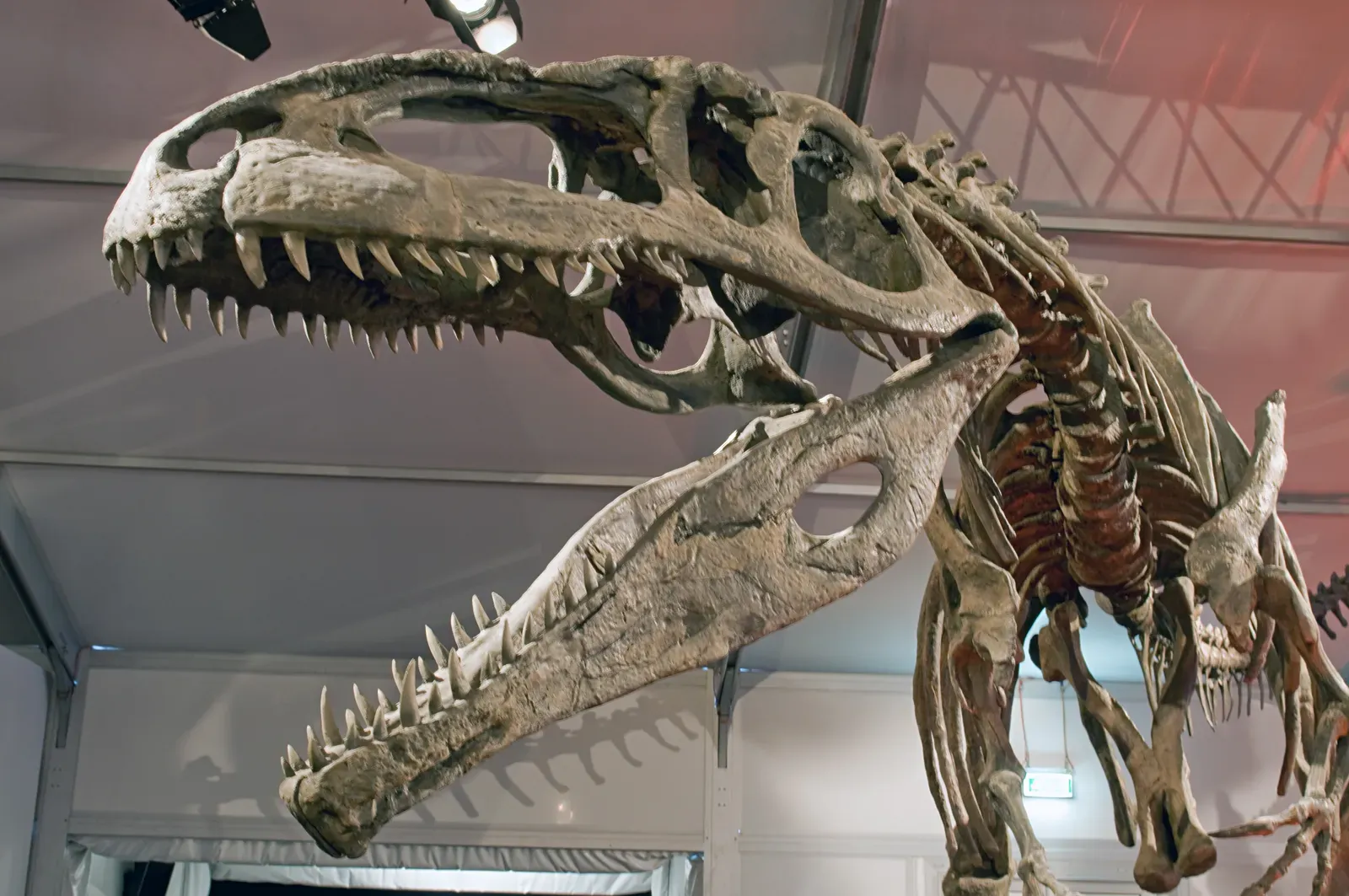
This is the detail the movies get most wrong. Giganotosaurus didn’t have a bone-pulverizing chomp like T. rex. It relied on slashing and ripping flesh instead of raw crushing power, with a bite force estimated somewhere between 4,000 and 9,000 PSI – respectable, but noticeably below T. rex’s peak numbers.
The trick wasn’t force. It was technique. Giganotosaurus had a long, slender skull built for slicing meat, with sharp teeth better suited for slashing than crunching. Picture a predator that didn’t need to snap your spine in one bite – it just needed to open a wound wide enough that you’d bleed out while trying to run. Scientists who studied feeding mechanics across more than a dozen meat-eating dinosaur species found this exact split in strategy: Giganotosaurus was massive, but its skull simply wasn’t engineered for the same brute-force feeding style as T. rex. Different weapon, same terrifying result.
#8 – Its Teeth Were Basically Steak Knives, Not Ice Picks
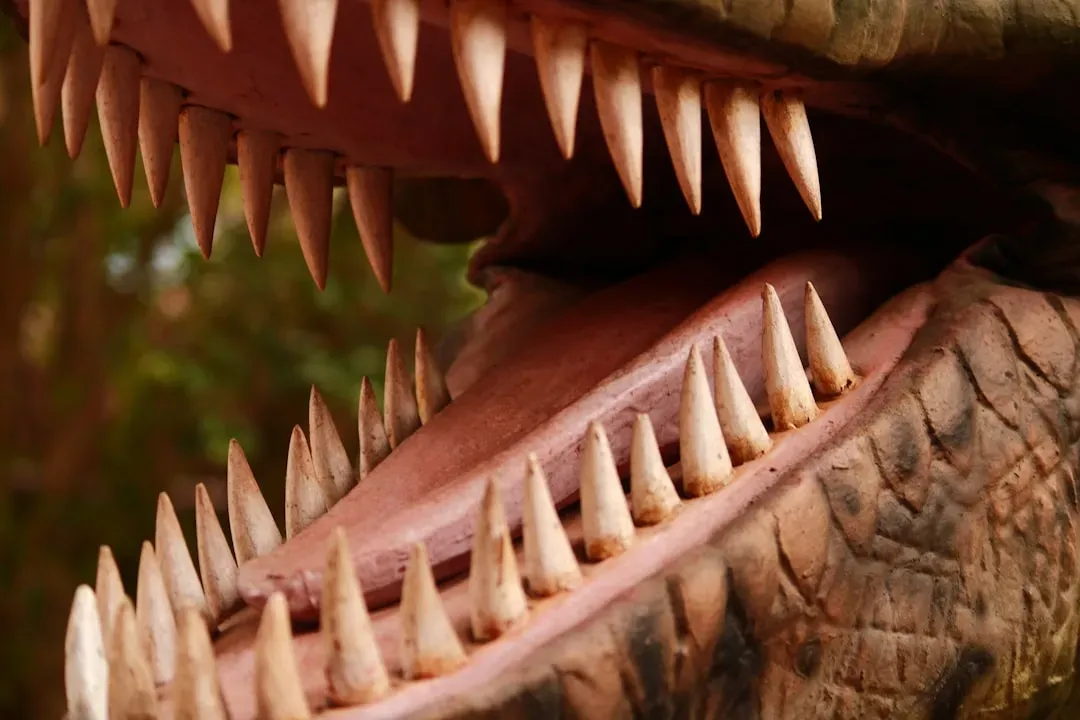
Most people assume every giant theropod had the same cone-shaped, bone-crunching teeth as T. rex. Giganotosaurus didn’t. It had huge jaws packed with long, flat, serrated teeth – blade-shaped, not peg-shaped. That single design choice changes the entire attack.
Flat, serrated, knife-like teeth are built for one job: open a large, fast-bleeding wound across a big target, then back off. Carcharodontosaurids like Giganotosaurus were built for slashing bites that bled prey out slowly, not for crushing through bone the way T. rex could. Some researchers compare the hunting style to a land shark – take a bite, retreat, let blood loss do the rest. Against a multi-ton sauropod too big to kill instantly, that patient, repeated-slashing approach may have been the more efficient, and far more horrifying, way to hunt.
#7 – It Had a Built-In “Chin” for Gripping Struggling Prey
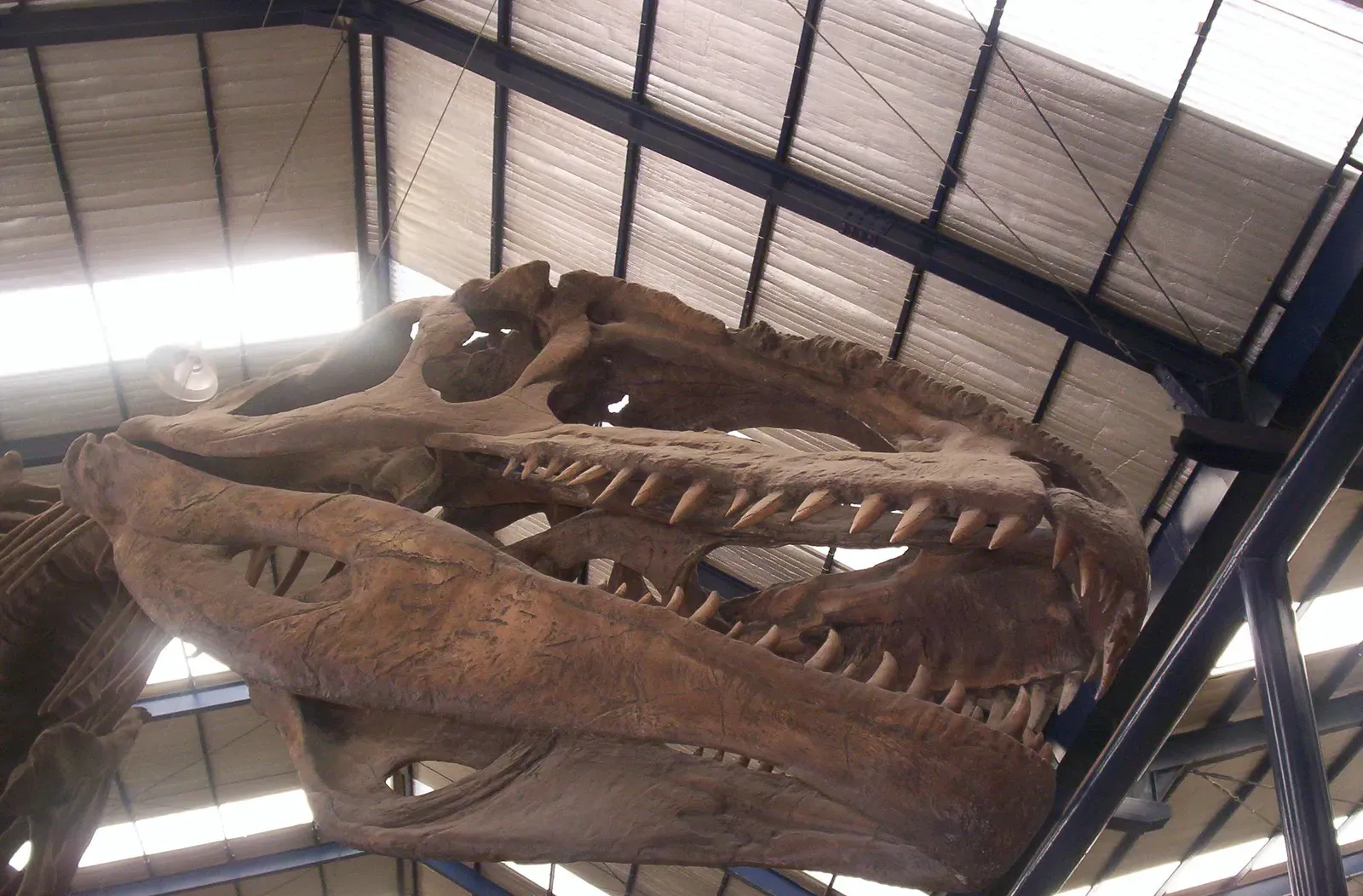
Here’s a detail almost nobody outside paleontology circles knows about. The lower jaw of Giganotosaurus had a downward-pointing bony projection at the tip – essentially a built-in chin. That chin helped the jaw resist the tensile stress created by its own bite.
Translated out of science-speak: this feature let the jaw hold firm even while a struggling, multi-ton animal thrashed against it. Without that reinforcement, a jaw built for slashing rather than crushing risked snapping under the stress of a fighting sauropod. It’s a small anatomical tweak, but it’s the kind of detail that separates a predator that could occasionally tackle giants from one that could do it as a regular hunting strategy.
#6 – It Almost Certainly Hunted Titanosaurs – the Biggest Animals to Ever Walk Earth
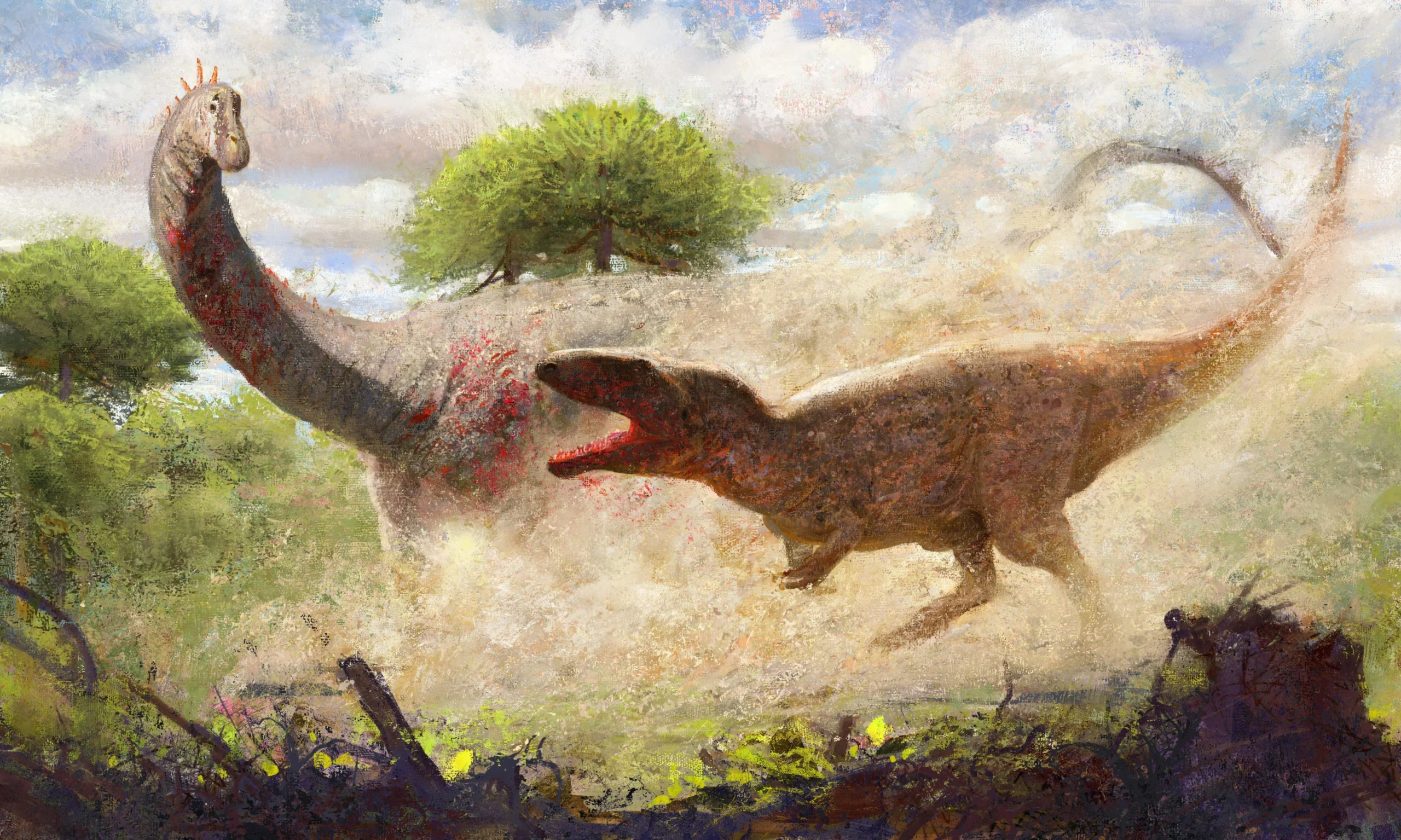
This is where things get genuinely wild. Giganotosaurus didn’t just hunt normal-sized prey. Evidence suggests it went after some of the largest land animals in Earth’s history, including Andesaurus and Limaysaurus – and quite possibly Argentinosaurus itself.
Argentinosaurus is one of the largest sauropods ever discovered, potentially exceeding 30 meters long. A single Giganotosaurus almost certainly couldn’t have taken down a healthy adult alone. But juveniles, sick individuals, or animals cut off from the herd were fair game. Slashing teeth, a reinforced jaw, and a target that couldn’t easily outrun an endurance predator – combine those and you get one of the most audacious predator-prey relationships in dinosaur history.
Fast Facts
- Argentinosaurus was 40 metres long and, at 100 tonnes, more than 10 times the weight of a fully grown carcharodontosaurid hunting the same landscape.
- Even a coordinated group would likely have struggled against a healthy adult – the realistic targets were young, sick, or isolated animals.
- Both predator and prey shared the same Patagonian ecosystem roughly 100 million years ago, making this one of the most extreme size mismatches in predator-prey history.
#5 – It May Have Hunted in Coordinated Groups, Not Alone
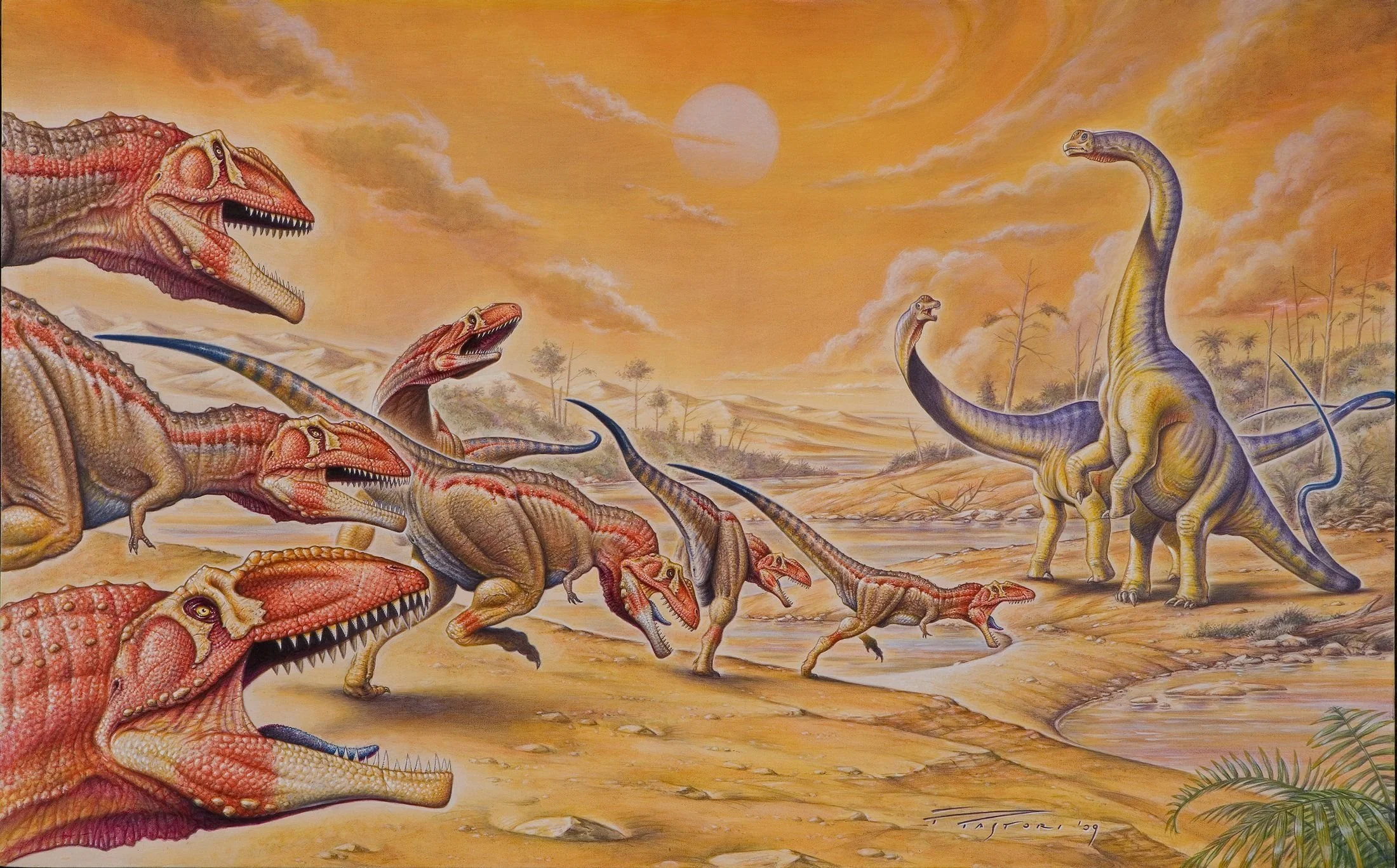
Movies almost always show Giganotosaurus as a lone monster. The fossil record tells a very different, and arguably scarier, story. In 2006, seven fossils of its close relative Mapusaurus were found grouped tightly together in a single bonebed, hinting at group living and possible pack hunting.
This wasn’t a random pile of bones. Researchers who examined the site were confident it reflected real social behavior – the animals appeared to have died together because they lived together as a group. Some sites even show individuals at clearly different life stages, from juveniles to full adults, suggesting extended family groups rather than chance encounters. A single Giganotosaurus was frightening enough alone. Several working together against a young titanosaur is a different level of terrifying entirely, and it’s a detail almost no film has bothered to show.
They all died together, so you can reason that they all lived together.
Philip Currie, paleontologist, University of Alberta
#4 – Its Discovery Was Basically an Accident
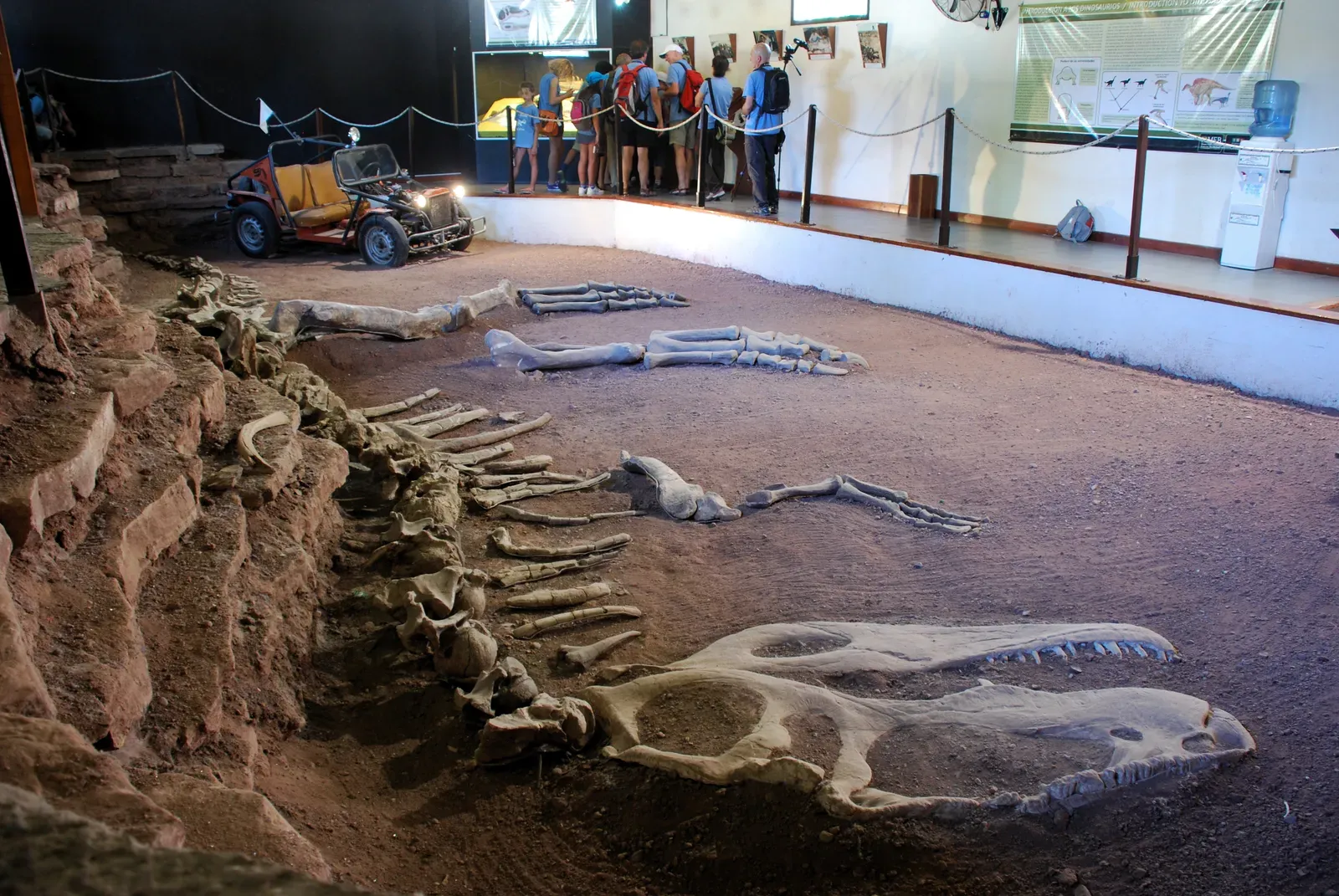
Here’s the part that sounds like fiction but isn’t. Giganotosaurus wasn’t found by a well-funded dig team. It was stumbled onto by a hobbyist. In 1993, amateur fossil hunter Rubén Carolini walked across a massive tibia while passing through the rugged badlands of Neuquén, Argentina.
What followed became one of the great paleontological finds of the modern era. Experts from the National University of Comahue excavated a skeleton nearly 70 percent complete – exceedingly rare for a predator this size. Most giant theropods are known from scraps: a few teeth, a partial jaw, maybe a leg bone. Giganotosaurus handed scientists an unusually full picture almost overnight, all because one person happened to notice a bone poking out of the rock. Without that walk, this dinosaur likely wouldn’t be headlining a single Jurassic World movie today.
#3 – It Lived 30 Million Years Before T. Rex Even Existed
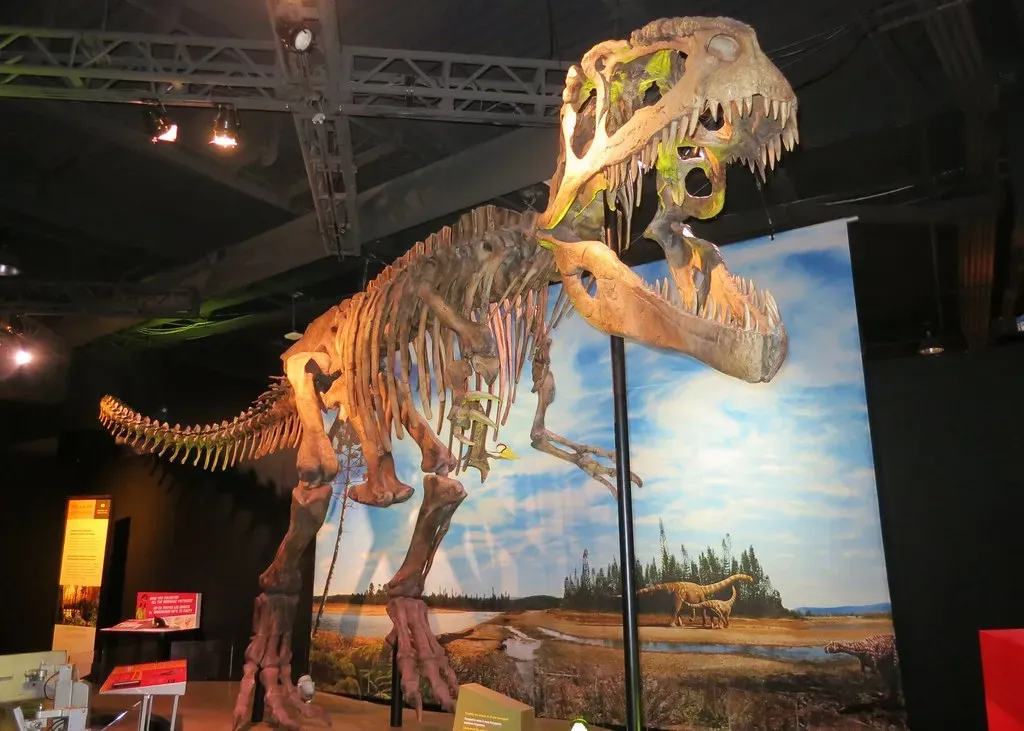
If there’s one myth the movies have permanently cemented, it’s this one – and it’s flatly wrong. Giganotosaurus and T. rex never crossed paths, on any continent, at any point in Earth’s history. Giganotosaurus lived roughly 98 million years ago in South America, while T. rex showed up 68 to 66 million years ago in North America.
That’s a gap longer than the entire span separating T. rex from modern humans. Critics were quick to point this out when a certain franchise staged a head-to-head battle between the two: it would have been impossible for either to meet the other, since they lived on different continents and in different geological eras entirely. The real Giganotosaurus never had to prove itself against a Tyrannosaurus. It was already the apex terror of its own separate world, tens of millions of years earlier.
#2 – The Movie Version Is Noticeably Bigger and Spinier Than the Real Animal
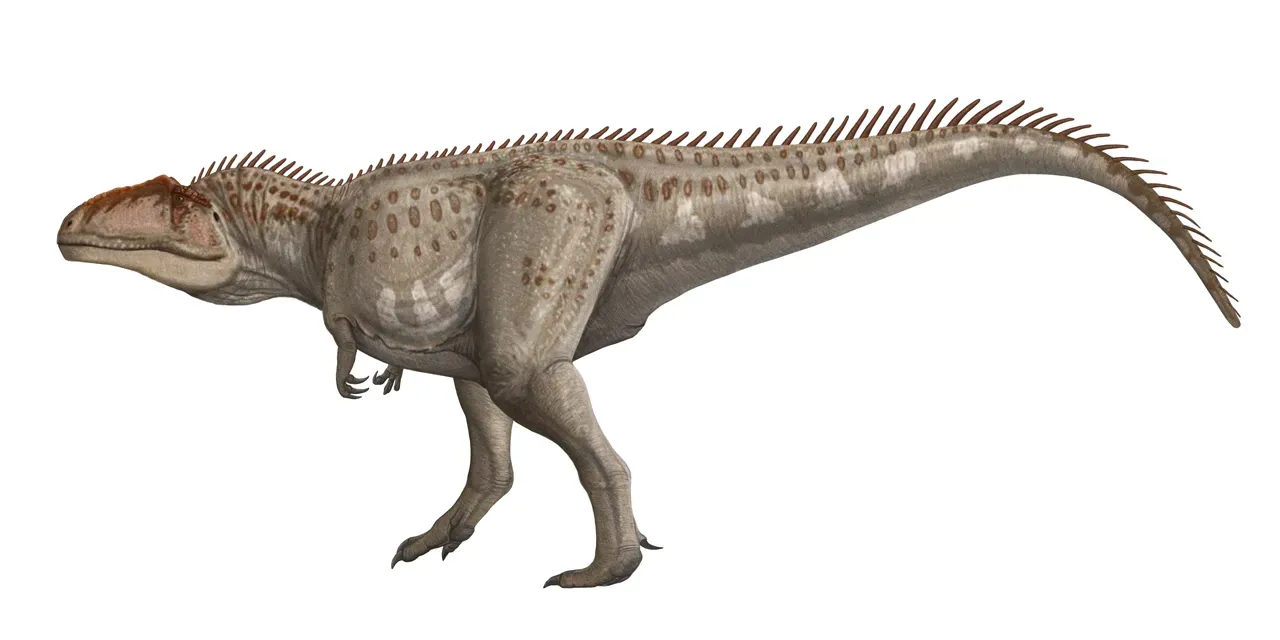
Jurassic World: Dominion leaned hard into spectacle, and paleontologists noticed immediately. The film’s Giganotosaurus doesn’t just look bigger than T. rex – it looks bigger than the actual fossil record supports. In real life, the two animals were similarly sized and would have been evenly matched, not a mismatch decided in one scene.
The spines are fictional, too. The movie gives this predator a row of spines along the neck and another set down the back, but there’s no fossil evidence of anything like that. The film also leans on the claim that this was the single “biggest” carnivore ever – a title that’s still genuinely contested among scientists, with Tyrannosaurus, Spinosaurus, and Giganotosaurus all holding legitimate claims. The truth is messier, and honestly more interesting, than the confident marketing.
#1 – Nobody Actually Knows the True Upper Size Limit
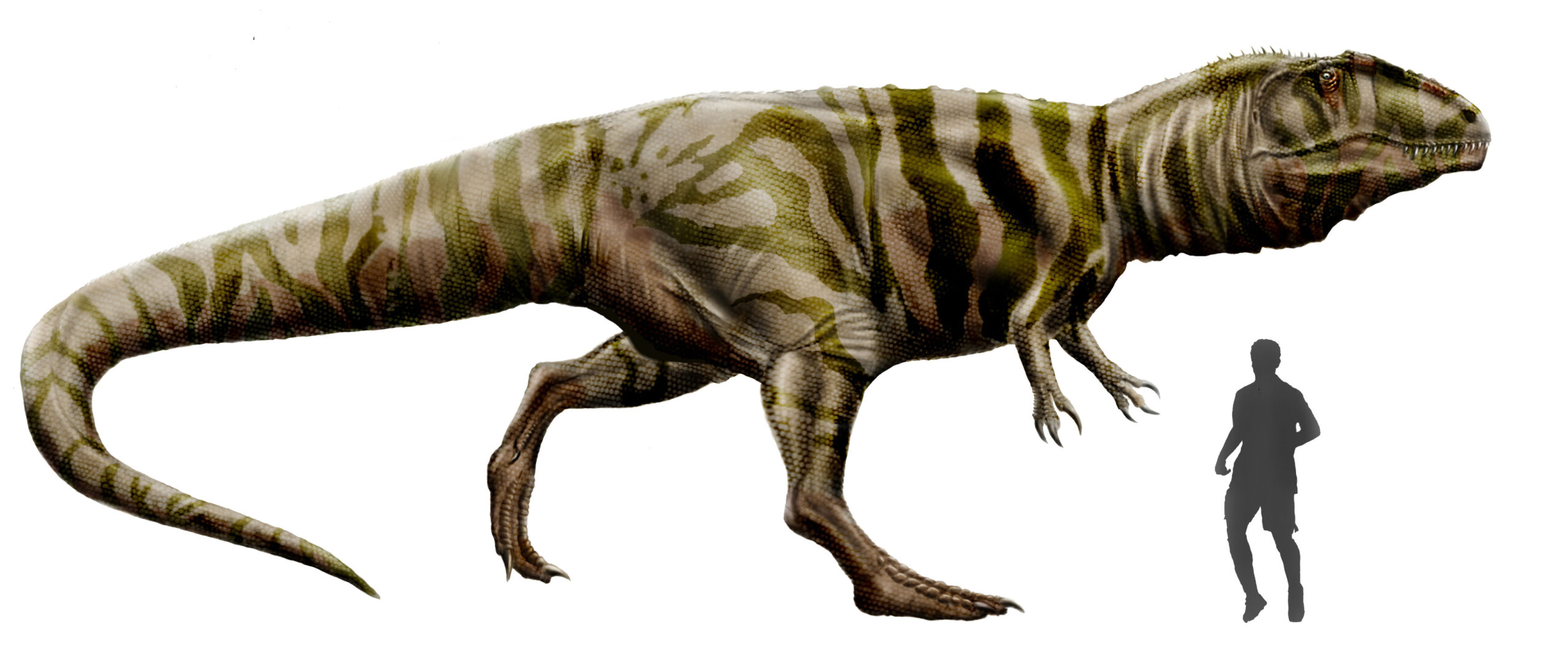
This is the reason Giganotosaurus should scare you more than any movie version ever could: paleontologists genuinely don’t know how big this animal could get. The original specimen was already staggering, but a second jaw fragment complicated everything – a partial jawbone roughly 8 percent larger than the original, suggesting a dinosaur that may have stretched up to 43 feet.
That means the “record” skeleton sitting in museums right now may not be this animal’s true maximum size – just the biggest individual anyone has happened to dig up so far. Unlike T. rex, which has dozens of specimens across multiple growth stages giving researchers a fairly complete size curve, Giganotosaurus is still known from a comparatively small sample. Every new fragment pulled out of Patagonia has, so far, only pushed the estimated ceiling higher. The scariest version of this predator might not be in a museum yet. It might still be buried in the ground, waiting.
At a Glance
- Holotype skeleton: about 70 percent complete, roughly 40 to 41 feet long.
- Second specimen: a partial dentary about 8 percent larger, hinting at an individual up to 43 feet long.
- T. rex, by contrast, is known from dozens of specimens spanning multiple growth stages.
- Every new Patagonian fragment recovered so far has only pushed the estimated size ceiling higher.
The Bottom Line
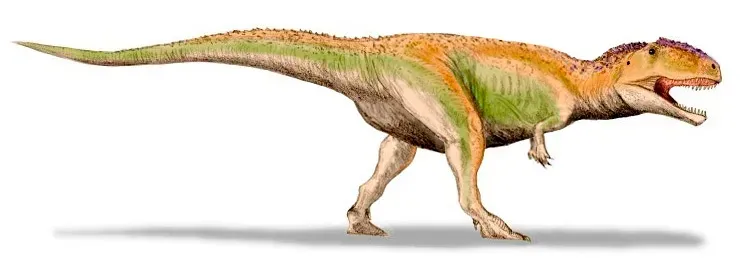
The real Giganotosaurus didn’t need a T. rex to fight in order to be terrifying – it was already one of the most dangerous animals to ever walk the planet on its own terms. It was longer than T. rex, hunted with slashing, blood-letting bites instead of bone-crushing force, possibly worked in coordinated groups, and regularly targeted prey the size of small buildings.
The movies made it bigger, spinier, and pitted it against an animal it never even met, and honestly, the truth never needed the embellishment. My take: Hollywood actually undersold this predator’s real weapon, which was strategy, not size. Which detail surprised you most – the pack hunting, the 30-million-year timeline gap, or the land-shark bite style? Drop your take in the comments.