
You’ve probably met someone who seems to have a knack for reading the room. They know when to speak up and when to stay quiet. They handle conflict like it’s a Tuesday afternoon conversation over coffee. Maybe they never raise their voice, even when things get tense. It’s not luck or some magic personality trait they were born with. It’s emotional intelligence, and honestly, it’s one of the most underrated skills you can develop.
Here’s the thing. Emotional intelligence isn’t about suppressing your feelings or always being the nicest person in the room. It’s about understanding what you’re feeling, why you’re feeling it, and how those emotions impact the people around you. It’s the difference between reacting and responding. So let’s get into the real signs that separate emotionally smart people from everyone else.
You Pause Before Reacting
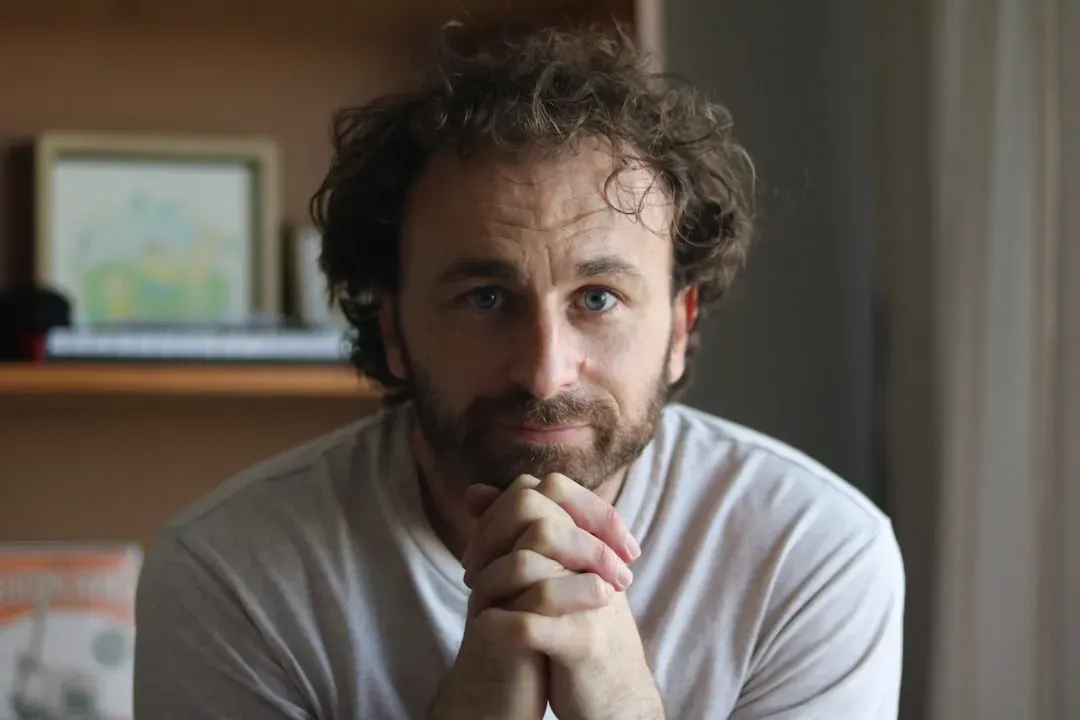
You create space between stimulus and response, which is where emotional intelligence truly lives instead of letting your emotions hijack the conversation. Think about the last time someone said something that irritated you. Did you fire back immediately, or did you take a breath?
You have self-control when it comes to your feelings, especially anger or frustration, and you’re able to observe your emotions in a detached manner while pinpointing the reason why you’re upset. This isn’t about being slow to respond. It’s about being intentional. You’re not bottling things up, you’re just giving yourself a moment to think clearly.
You Notice What Others Don’t Say

Some people listen to words. You listen to everything else. You pick up on energy shifts like you have internal radar, noticing when someone’s shoulders tense up during a conversation and tuning into micro-expressions, body language, and vocal changes that most people miss.
You have a heightened sense of awareness and are a master of reading facial expressions and body language, often telling when someone is having a bad day and responding accordingly. It’s not mind reading, let’s be real. It’s just that you’re paying attention while others are busy planning what they’ll say next. This ability makes you incredibly effective in relationships, at work, and even with strangers.
You’re Comfortable Saying No Without Guilt

You don’t over-explain, make excuses, or apologize profusely when you decline something, and you simply decline with respect and clarity. Maybe you say something like, “That doesn’t work for me, but thanks for asking.” Short, honest, direct.
You understand that boundaries aren’t walls but guidelines that help maintain healthy relationships, and when you know your limits and communicate them clearly, you prevent resentment from building up. Most people struggle with this because they’re afraid of disappointing others. You’ve figured out that disappointing yourself is far worse.
You Know Your Triggers and Patterns

Self-awareness is your superpower. You know yourself well and move through life with clarity and confidence, aware of your emotions and how they influence your actions and the people around you, which allows you to make thoughtful decisions rather than letting emotions dictate your actions.
You have mastered emotional awareness and are highly aware of your own emotions, behaviors, responses, triggers, and patterns, staying aware of your emotional state in the moment and keeping a check on yourself. For example, if you know that lack of sleep makes you cranky, you don’t schedule important meetings on four hours of rest. Simple, but most people don’t connect the dots like that.
You Admit When You’re Wrong
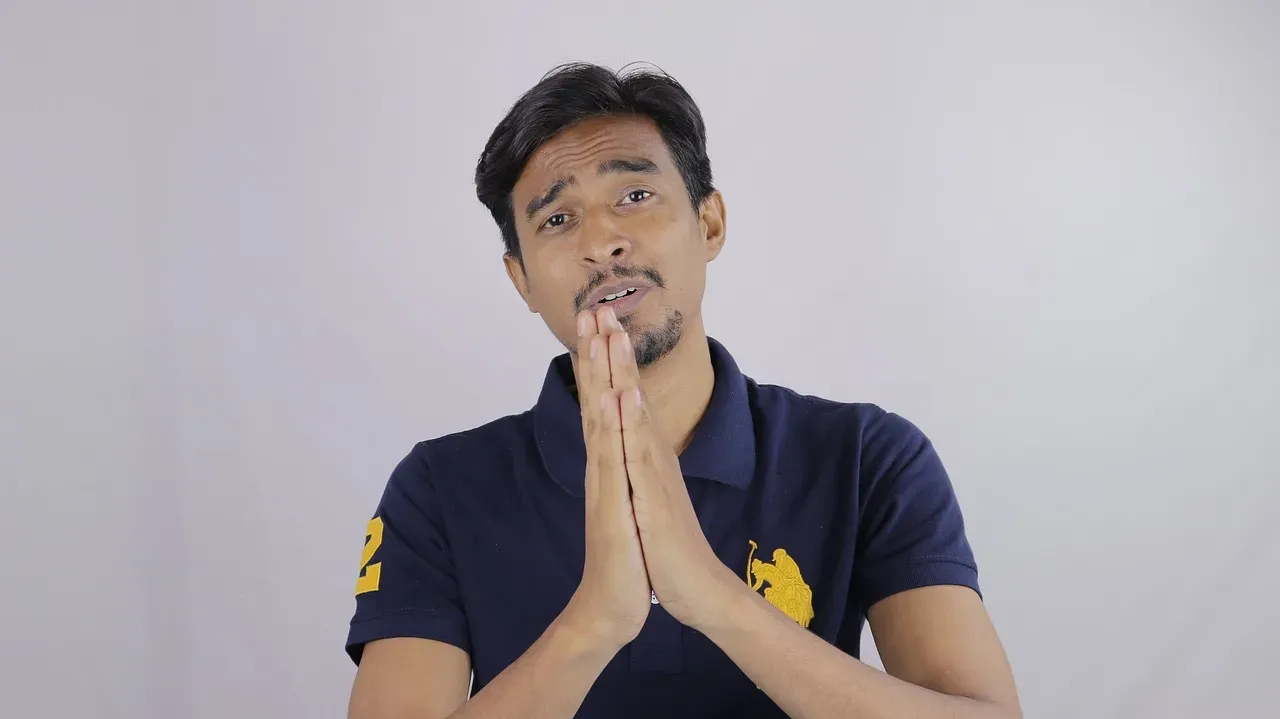
You’re comfortable saying “I don’t know” or “I was wrong.” It sounds counterintuitive, right? We’re taught that confidence means always having the answer. Yet the most emotionally intelligent people understand that admitting mistakes doesn’t make them weak.
You understand that issues aren’t always black and white and have the ability to admit when you’re wrong and apologize. Think of it this way. When you own your mistakes, you free yourself from the exhausting work of defending a position you don’t even believe in anymore. You show others that growth matters more than ego.
You Don’t Hold Grudges

You don’t hold onto grudges because holding onto a grudge means holding onto stress, and you know to avoid this at all costs. Forgiveness isn’t about letting someone off the hook. It’s about releasing yourself from the weight of resentment.
You understand that negative emotions will not serve you, and therefore you embrace the positive, not holding onto resentment, grudges, or feelings of envy. Honestly, carrying a grudge is like drinking poison and expecting the other person to suffer. You’ve realized it’s not worth it. You process what happened, learn from it, and move forward.
You’re Genuinely Curious About Others

You’re curious about everyone around you, and this curiosity is the product of empathy, one of the most significant gateways to a high EQ, because the more you care about other people and what they’re going through, the more curiosity you have about them.
You have the ability to be an active listener and truly curious about others, often as comfortable talking with strangers as you are with friends, adept at reading people and taking cues from body language and facial expressions. You ask follow-up questions. You remember small details from past conversations. People feel seen when they’re with you, and that’s a rare gift in a distracted world.
You Balance Assertiveness With Respect

There’s a huge difference between being assertive and being aggressive. You balance good manners, empathy, and kindness with the ability to assert yourself and establish boundaries, creating a tactful combination that’s ideal for handling conflict.
You advocate for yourself but do so in a respectful way, enforcing your boundaries and expressing your wishes directly without infringing on the rights of others. You don’t steamroll over people, and you don’t let people steamroll over you either. It’s a balancing act, and you’ve mastered it.
You Seek Out Feedback Instead of Avoiding It

You have strong self-confidence, yet you aren’t afraid of negative evaluation, and since you’re in a continuous process of self-improvement, you actually seek out feedback regarding your blind spots and weaknesses.
Most people treat constructive criticism like an attack. You treat it like data. You’re able to listen as objectively as possible and reflect on other people’s perspectives when you receive constructive criticism. Sure, it stings sometimes. Growth usually does. The difference is you don’t take it personally, you use it as fuel to improve.
You Don’t Chase Perfection

You might think that possessing high emotional intelligence means you’ve achieved perfection, but in reality, it means you’ve stopped striving for this unattainable state and you accept yourself for who you are.
This doesn’t mean you’ve stopped growing, it simply means you see yourself on an endless journey of improvement, knowing you’ll never reach the elusive destination of perfection and being comfortable with that. You understand that perfection is a moving target that only leads to burnout and frustration. Progress beats perfection every single time.
You Adapt to Change Without Falling Apart

You don’t fear change because you have a fixed sense of self that stays constant in all circumstances, and instead, you actively pursue new opportunities to grow. Change is uncomfortable for everyone. It’s normal to resist it.
Emotional awareness, resilience, and self-regulation lead to your adaptability, which comes into play in relational situations and when handling environmental changes, helping you adjust to changes better and understand how to respond to new environments. The difference is you don’t let discomfort paralyze you. You lean into it because you know that’s where growth happens.
Conclusion

Emotional intelligence isn’t some exclusive club you’re either born into or locked out of forever. It’s a set of skills you can practice, refine, and grow over time. It is not a pre-determined trait but something that can be learned and developed at any point in life.
The signs we’ve talked about here aren’t about being perfect or always having your emotions in check. They’re about awareness, intention, and the willingness to grow even when it’s uncomfortable. They’re about choosing how you respond instead of just reacting. The beautiful part is that every single one of these traits can become stronger with practice.
So what do you think? Do you recognize yourself in any of these signs, or maybe someone you admire?