
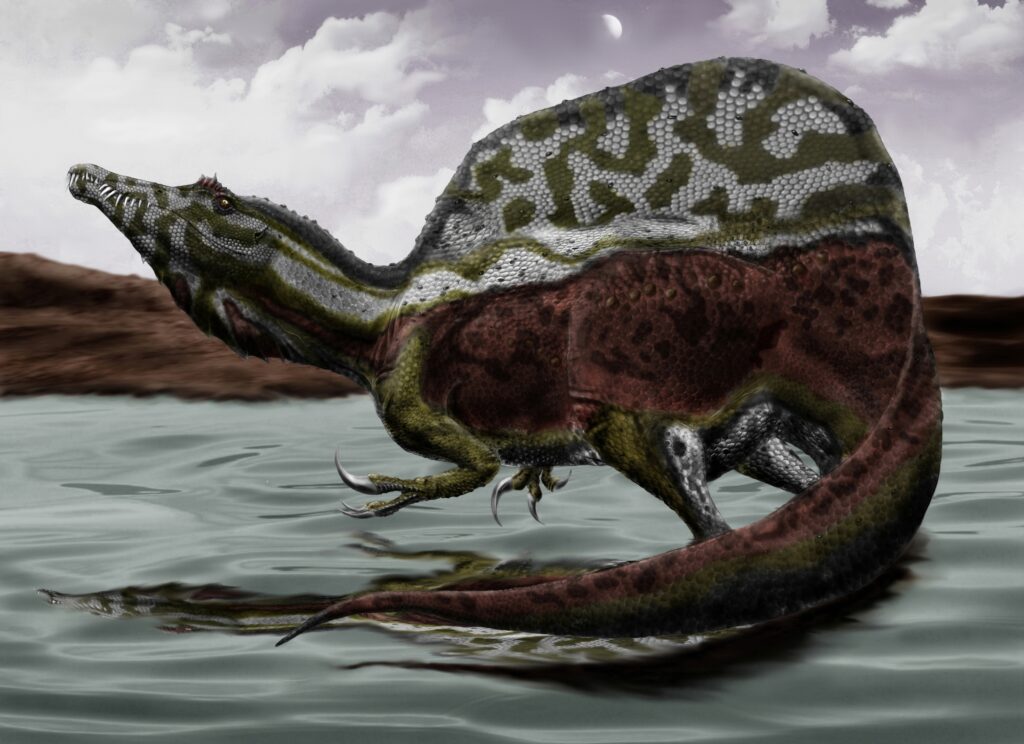
Most people picture Spinosaurus as either a swamp monster from a summer blockbuster or a slam-dunk case of “the first swimming dinosaur.” Neither picture is accurate. In reality, Spinosaurus is arguably the most argued-about dinosaur in paleontology, with rival teams of scientists publishing dueling papers as recently as this year.
The truth is messier, weirder, and honestly more interesting than the Jurassic Park version most fans grew up with. Some of what you think you know isn’t just outdated – it’s been directly contradicted by scientists who used to agree with each other. Here’s what the fossil record, and the researchers still fighting over it, actually say.
#11 – “Paleontologists All Agree on How Spinosaurus Hunted”
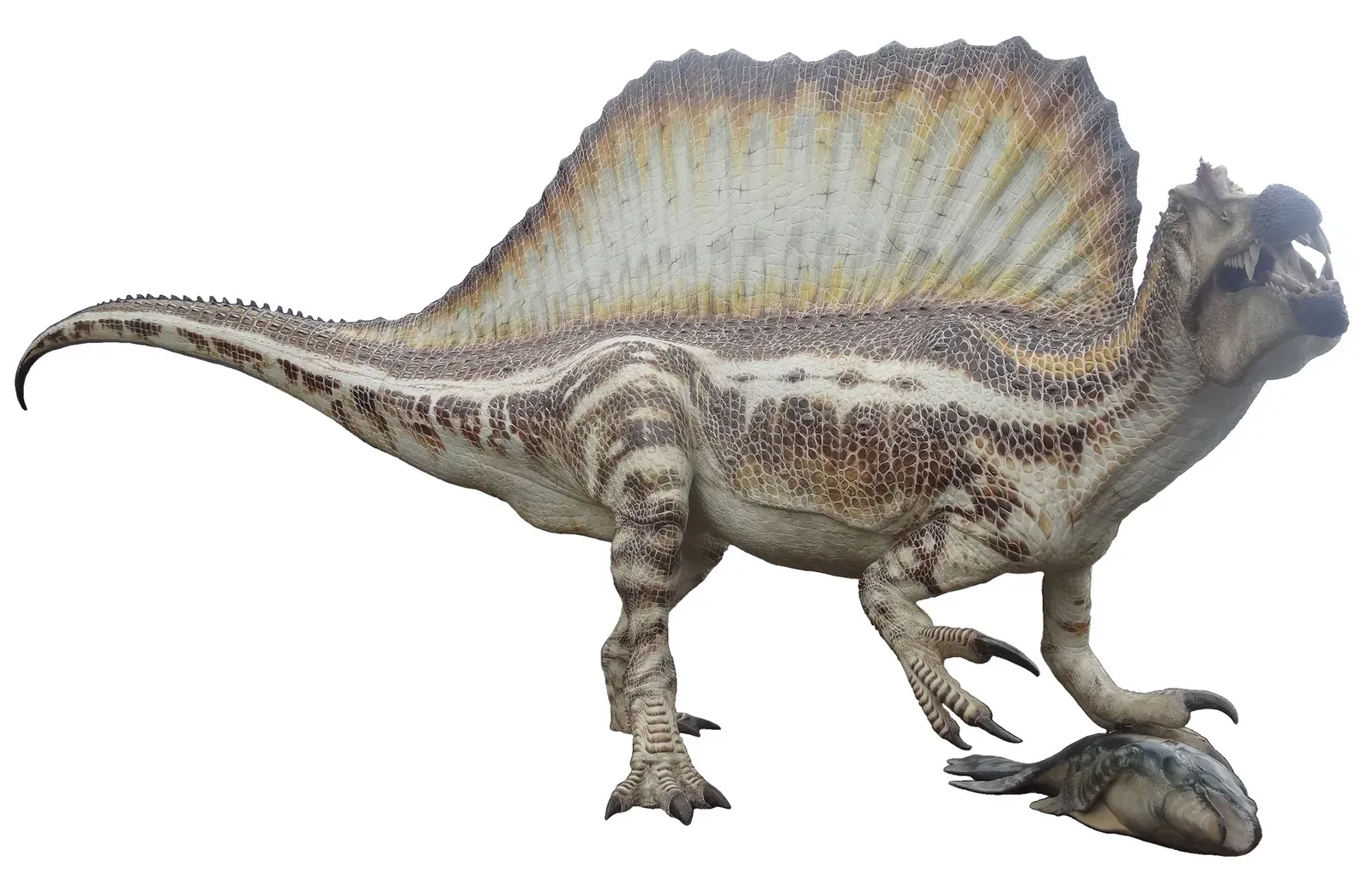
For decades, the story seemed simple: a giant sail-backed predator ambushing fish near the water and calling it a day. That tidy narrative is long gone. Spinosaurus was among the largest predators to ever prowl the planet, and possibly the most water-adapted meat-eating dinosaur we know of – but scientists still can’t agree on how it actually hunted.
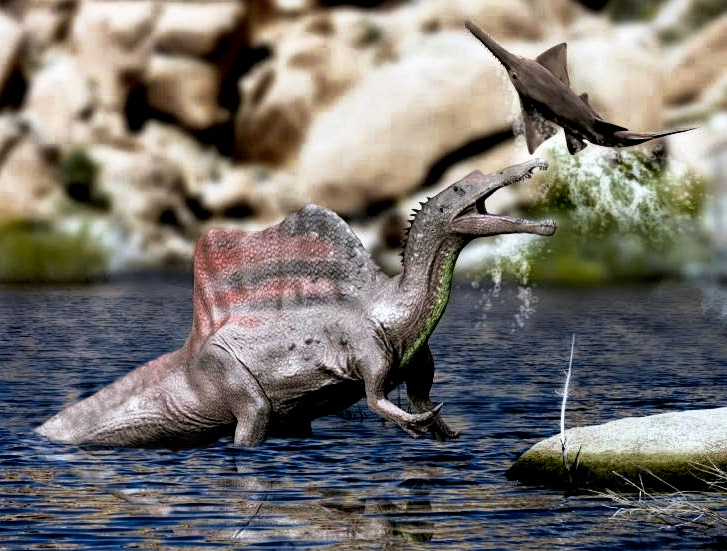
Was it a true aquatic predator, diving deep to chase prey underwater? Or a semiaquatic wader, snatching fish from the shallows like an oversized heron? Competing research teams, some of them former colleagues, are still publishing papers arguing the opposite conclusion. The “consensus” you remember from a documentary is likely already outdated – this isn’t a closed case, it’s a live, ongoing scientific brawl.
#10 – “Every Spinosaurid Cousin Was Just As Aquatic”
Spinosaurus gets all the glory, but its family tree tells a very different story. Many fans assume that because Spinosaurus was water-adapted, its whole family – Baryonyx, Suchomimus, and the rest of the spinosaurids – must have been just as comfortable in rivers and lakes.
The bone evidence disagrees. Researchers found that some spinosaurids, like Spinosaurus’s older African cousin Suchomimus, had less dense bones and were likely waders rather than divers or swimmers. Spinosaurus was the outlier, not the rule, even within its own family – the group didn’t evolve toward water all at once, and some cousins barely got their feet wet while Spinosaurus went all in.
#9 – “We Have Spinosaurus’s Original, Complete Skeleton”
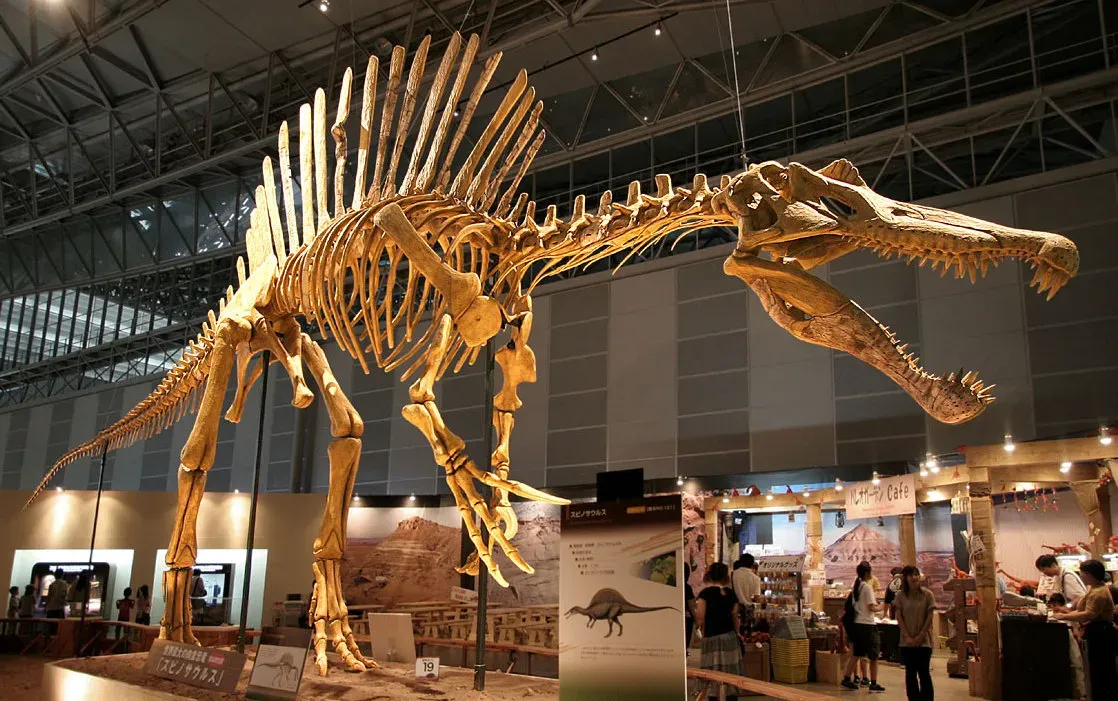
Here’s a fact that stuns most casual fans: the original bones that started this whole saga don’t even exist anymore. In 1915, German paleontologist Ernst Stromer announced the discovery of Spinosaurus aegyptiacus in Egypt’s Western Desert, describing elongated jaws and a partial skeleton unlike anything scientists had seen before.
Those irreplaceable fossils were destroyed during World War II bombing, wiping out the physical evidence behind one of history’s most famous dinosaur discoveries. Everything we know about Spinosaurus today comes from newer finds – especially a skeleton unearthed in Morocco in 2008 and additional tail bones dug up years later – meaning scientists had to rebuild this animal’s story almost from scratch, decades after the original bones turned to dust.
Fast Facts
- Named and described: 1915, by German paleontologist Ernst Stromer
- Original fossils housed in Munich, destroyed in an Allied bombing raid in 1944
- Modern rediscovery: a partial skeleton unearthed in Morocco’s Kem Kem beds
- New tail bones added to the record years later, prompting yet another reconstruction
#8 – “Spinosaurus Always Looked The Way It Does In Movies Today”
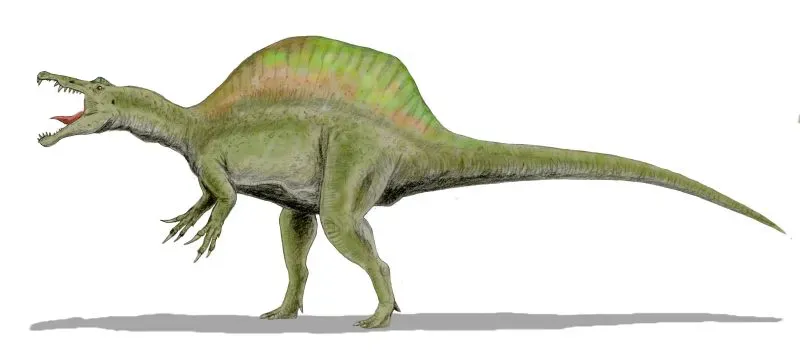
If you think the Spinosaurus silhouette has been locked in since its discovery, think again – it’s been redrawn again and again. Stromer’s first reconstruction showed a fairly ordinary bipedal carnivore. By the 1970s, some scientists reimagined it as quadrupedal, complete with a bison-like humped sail, before it got flipped back to bipedal again.
Then in 2014, researchers proposed yet another radical body plan, shaking up the picture all over again. Spinosaurus has probably been redesigned more times than any other dinosaur in popular science. Every version you’ve seen in a museum, book, or movie reflects the science of that specific moment, not a final answer – the Jurassic Park III version looked outdated within barely a decade.
At a Glance: Spinosaurus’s Many Makeovers
- 1915 – Stromer’s original sketch: an ordinary bipedal carnivore
- 1970s – Reimagined as quadrupedal with a bison-like humped sail
- Later 20th century – Flipped back to a bipedal stance
- 2014 – A radically different, semiaquatic body plan proposed
#7 – “Spinosaurus Was A Generalist Apex Predator That Ate Everything”
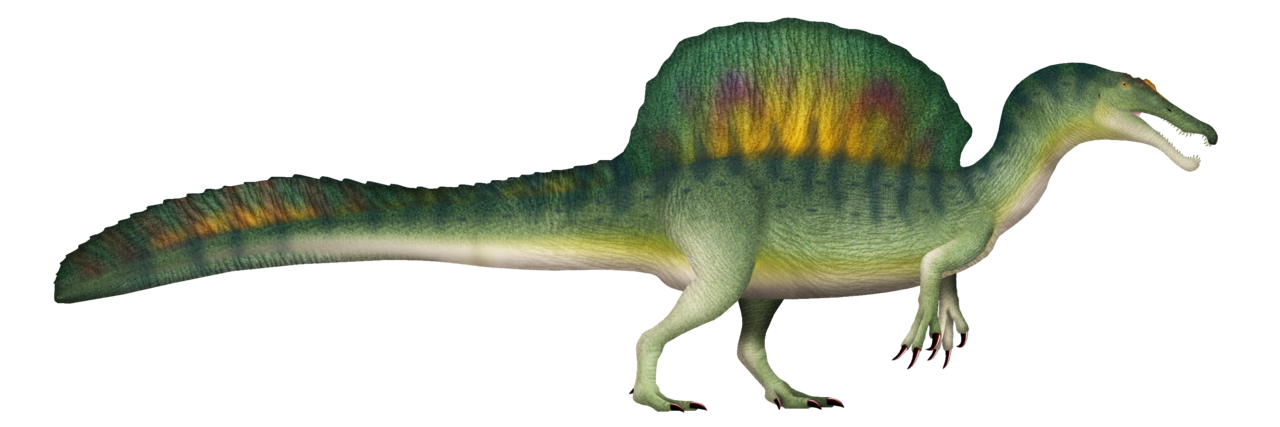
Most fans picture Spinosaurus as a T. rex-style opportunist, willing to eat anything unlucky enough to cross its path. The actual anatomy tells a far more specialized story. Its skull and teeth weren’t built like a typical land-hunting theropod’s – they were built for one very specific job.
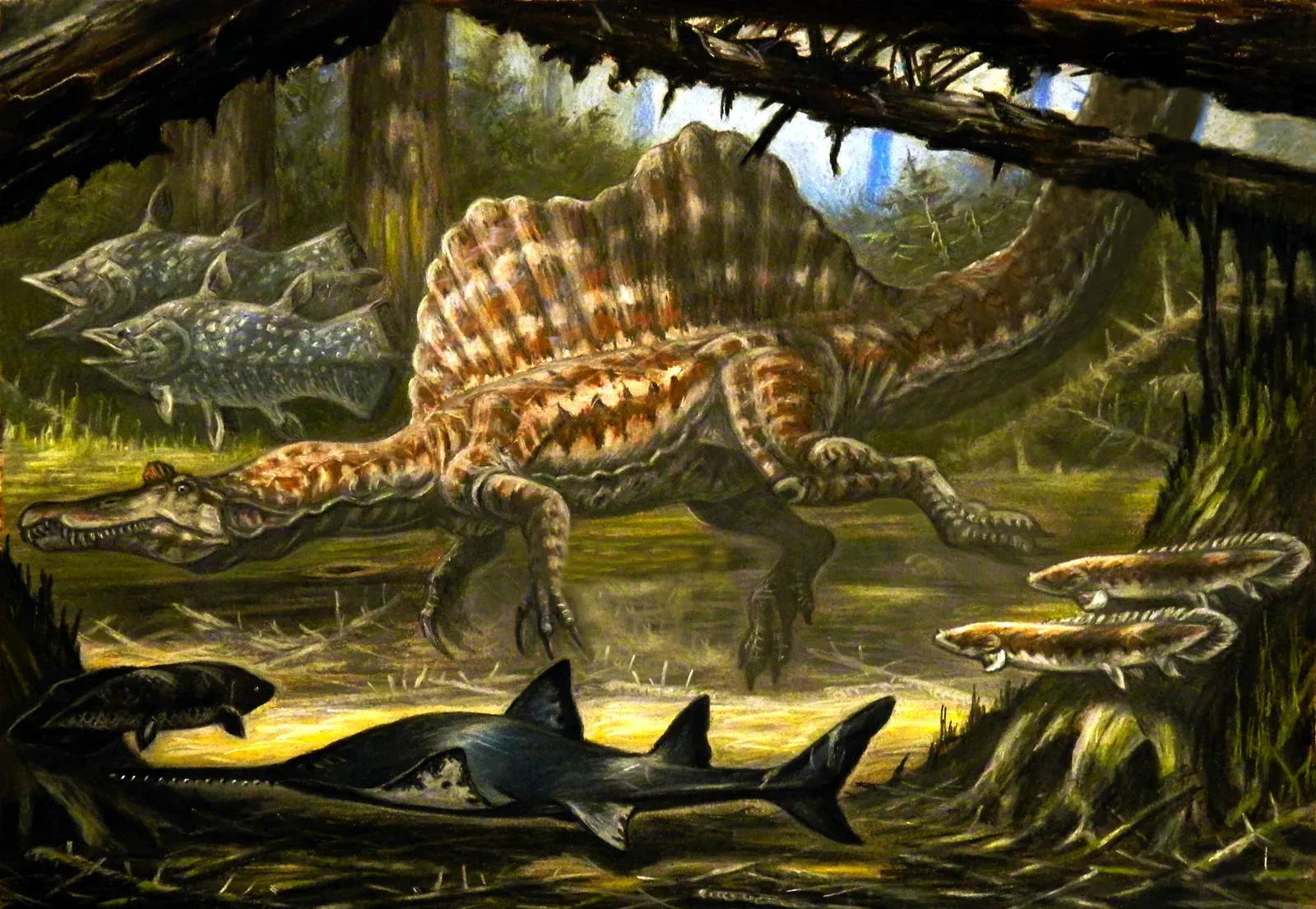
Researchers believe Spinosaurus likely moved through shallow water using “bottom-walking,” similar to modern hippos, combined with lateral strokes of its tail to ambush large fish like lungfish and coelacanths. Its long, narrow, crocodile-like jaws packed with conical teeth were built for snatching slippery prey underwater, not tearing into other dinosaurs. This was a fish-eating specialist, not the all-purpose killing machine Hollywood loves to sell.
#6 – “Spinosaurus Definitely Walked On All Fours”
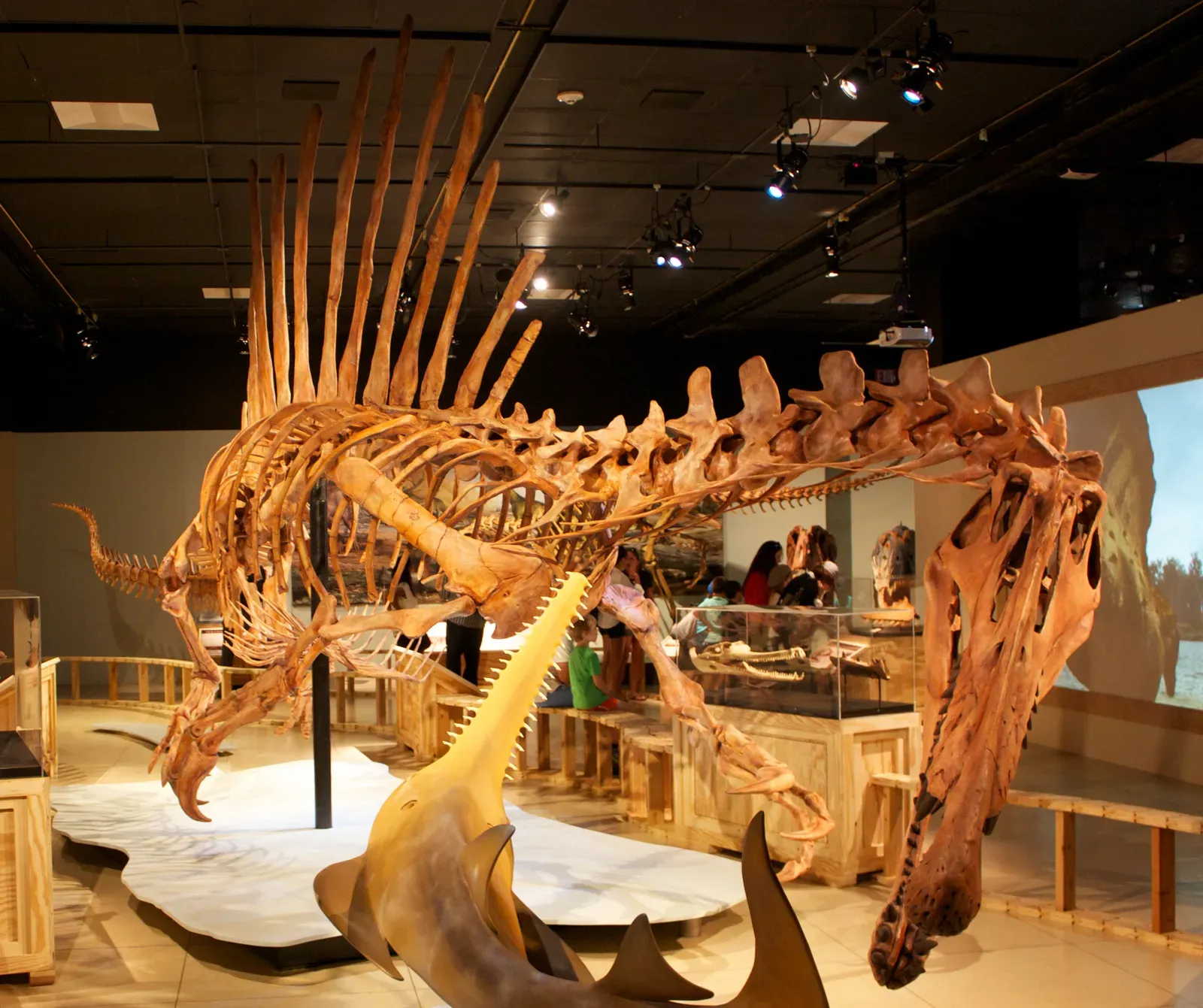
This one split the entire paleontology community for the better part of a decade, and honestly, it’s still not fully resolved. A landmark 2014 paper argued that Spinosaurus was an obligate quadruped on land – the first ever discovered among theropod dinosaurs – based on its horizontal sacroiliac joint and a center of body mass shifted far forward.
That claim exploded across headlines; a dinosaur that walked on all fours seemed almost too strange to be true. But follow-up studies recalculated its center of gravity using more complete data and concluded Spinosaurus was actually a competent biped after all. The “four-legged dinosaur” headline you probably remember has been directly challenged – the posture debate isn’t fully closed, but the knuckle-walking version is far shakier than that original viral claim suggested.
#5 – “The Sail Was Obviously Built For Swimming”
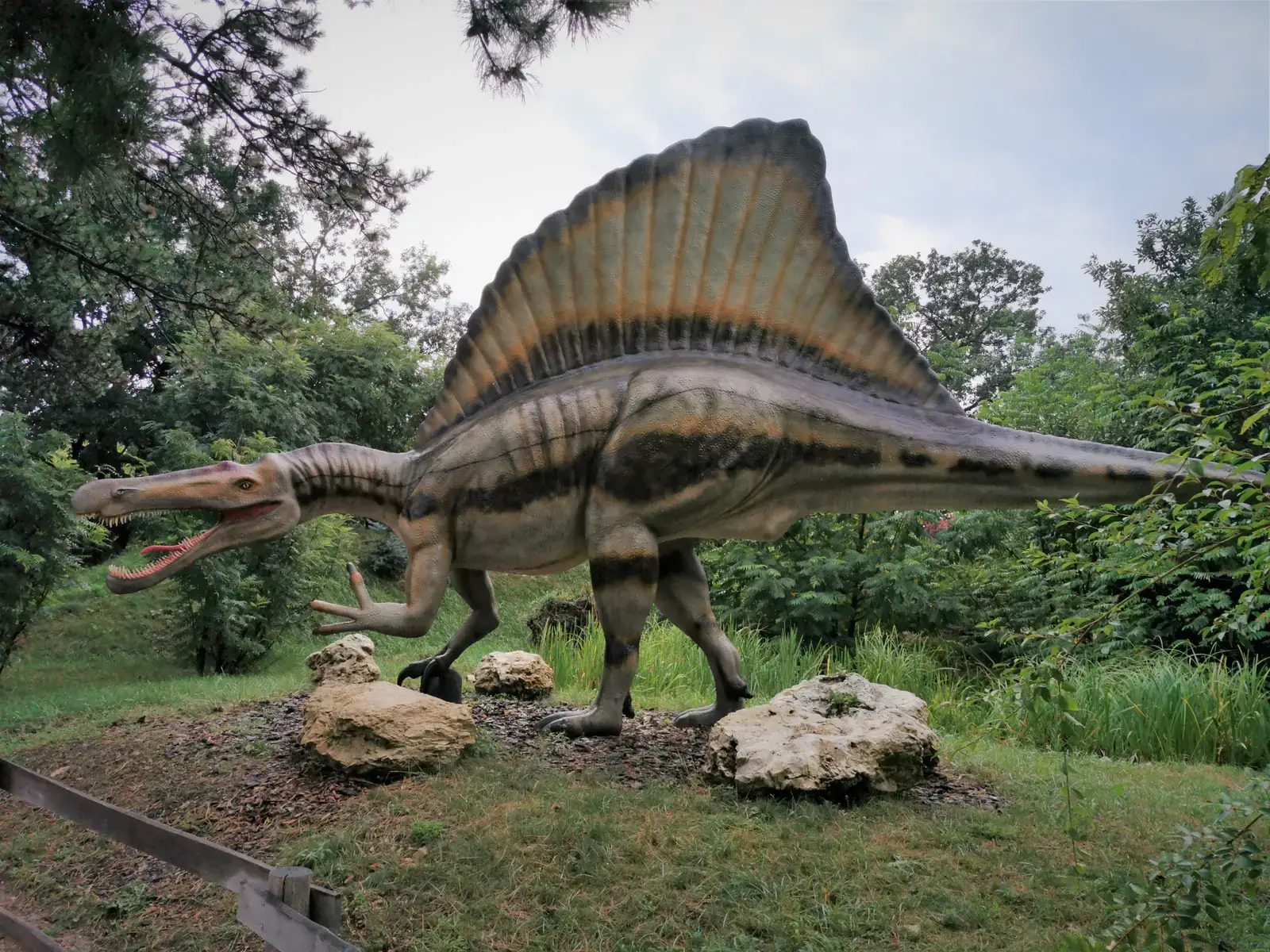
The single most famous feature of Spinosaurus – that massive sail – isn’t nearly as settled a mystery as most people assume. It’s tempting to assume something so dramatic must have had an obvious water-related purpose, but scientists genuinely don’t agree on what it was for.
Three competing hypotheses are still on the table: thermoregulation, fat storage like a bison’s hump, or pure display. Some researchers compare the sail to a sailfish’s fin for hydrodynamic stability, while others reject that idea entirely, pointing out that living reptiles with similar spine-supported sails typically use them for display, not swimming. The sail might have had nothing to do with water at all – it may have simply been for showing off.
Quick Compare: Leading Sail Theories
- Thermoregulation – acted like a radiator to help manage body temperature
- Fat storage – functioned like a bison’s hump, storing energy reserves
- Display – used to attract mates or intimidate rivals, much like living reptiles
- Hydrodynamic stability – compared to a sailfish’s fin for swimming balance
#4 – “Spinosaurus Hunted Out In The Open Ocean”
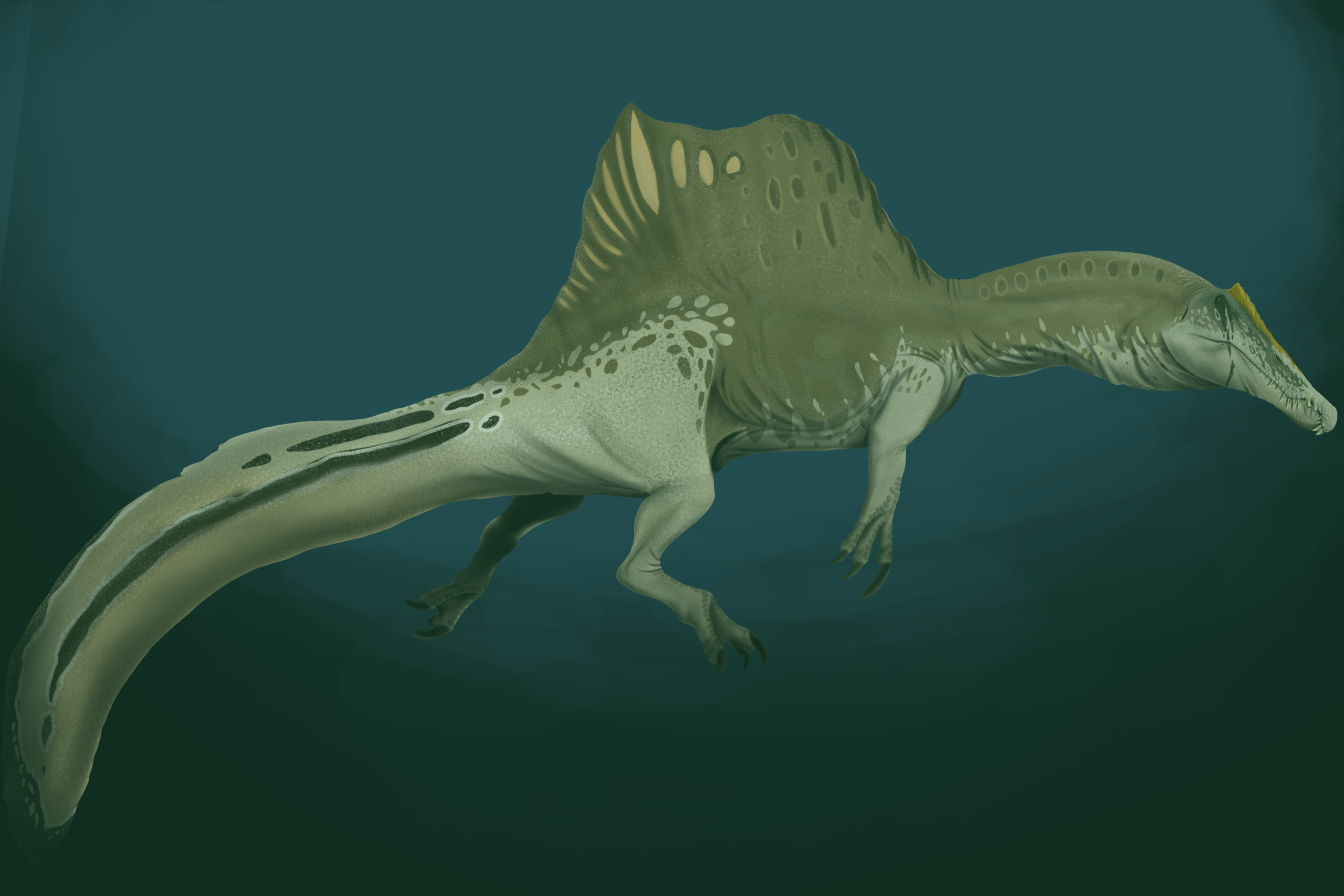
Picture Spinosaurus and you might imagine it cruising through open, prehistoric seas. That mental image is geographically wrong. Spinosaurus lived in a world of rivers, lakes, and coastal wetlands, not open ocean.
Around 100 million years ago, Earth’s sea level sat roughly 200 meters higher than today, and a vast seaway covered much of what is now Algeria, Mali, and Niger. That created enormous freshwater and brackish habitats, not a marine hunting ground. Newer fossils show Spinosaurus ranged far inland too, best understood as a semiaquatic ambush predator patrolling the margins of coastal and inland waterways. This was a river-and-floodplain predator, not an open-sea monster – the “sea monster” label plastered across toy packaging and clickbait headlines is simply misleading.
#3 – “Its Paddle-Shaped Tail Has Always Been Known”
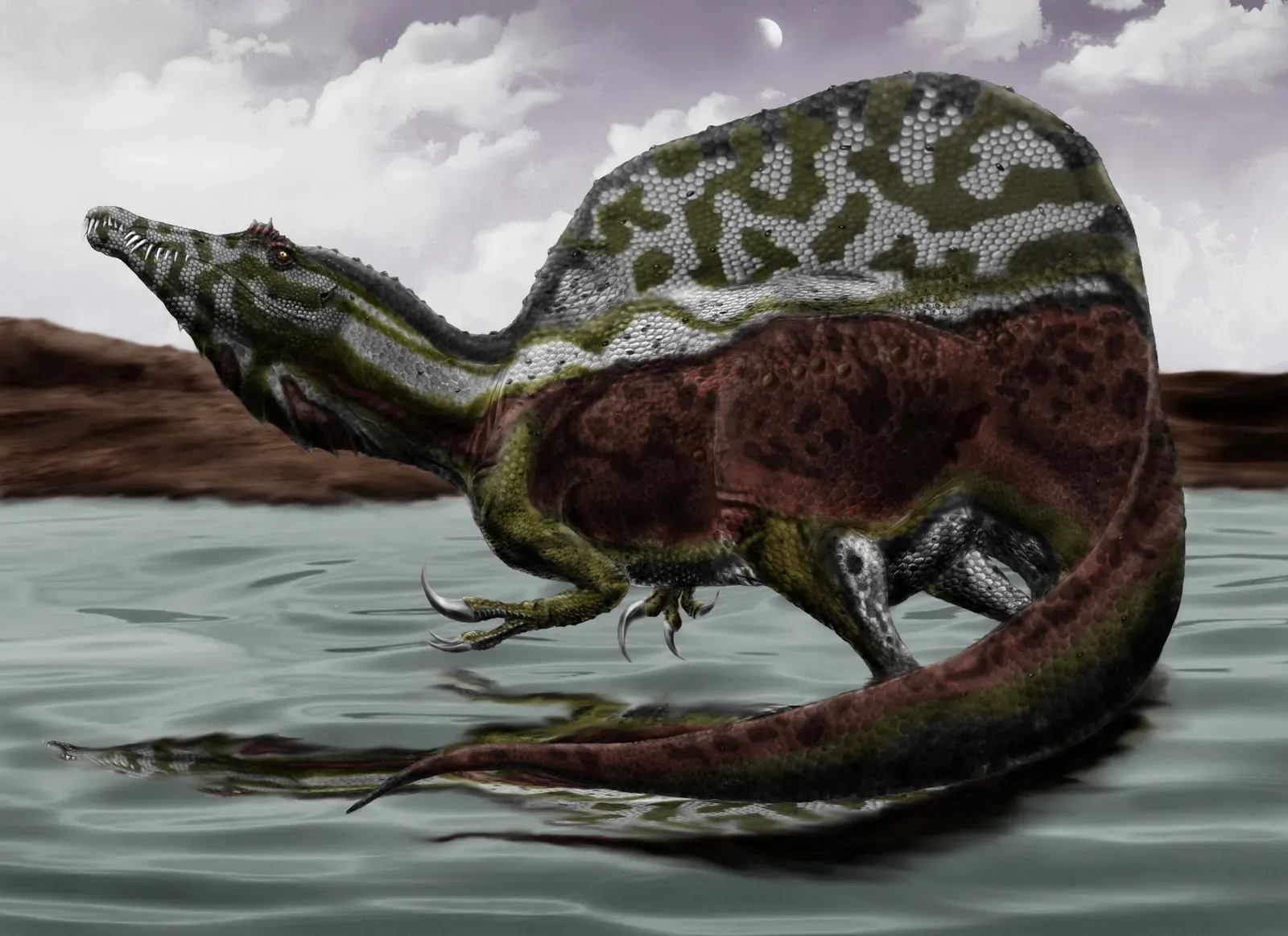
Here’s a detail that surprises almost everyone: the feature most associated with Spinosaurus swimming wasn’t discovered until shockingly recently. For over a century, nobody even knew Spinosaurus had this kind of tail.
That changed in 2020, when a paper in the journal Nature described newly found caudal vertebrae showing a broad, paddle-like tail capable of propelling the animal through water. Before that discovery, artists and scientists alike had been drawing Spinosaurus with a fairly ordinary theropod tail for decades. The single most famous “proof” of Spinosaurus’s swimming ability is barely five years old, and it reshaped documentaries, toy designs, and museum displays almost overnight.
#2 – “Spinosaurus Actually Fought And Beat A T. rex”
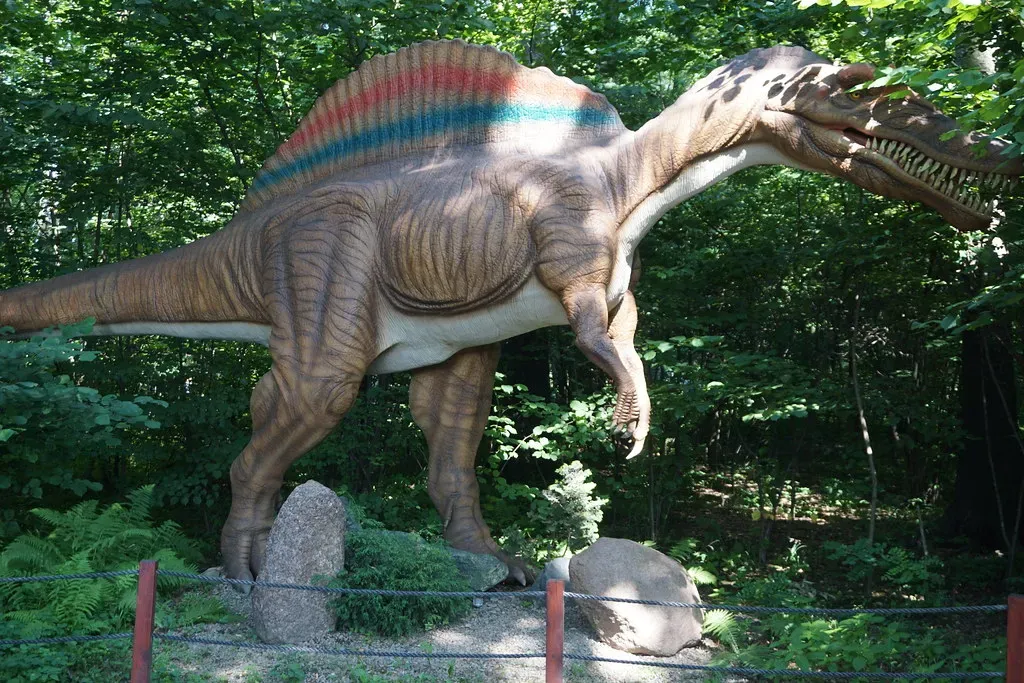
If your entire mental image of Spinosaurus comes from one movie scene, we have some disappointing news. The iconic Jurassic Park III showdown is one of the most repeated “facts” fans casually cite – and it’s pure fiction.
In reality, T. rex and Spinosaurus never crossed paths; they lived on different continents roughly 27 to 33 million years apart and filled completely different ecological roles. T. rex was a terrestrial apex predator built to hunt large dinosaurs, while Spinosaurus was primarily a semiaquatic specialist built for catching fish. Yes, Spinosaurus was markedly larger, but it lacked the muscle and bite power to win that fight. The most famous Spinosaurus moment in pop culture is scientifically impossible on nearly every level.
#1 – “Spinosaurus Was Definitely A Deep-Diving Aquatic Hunter”
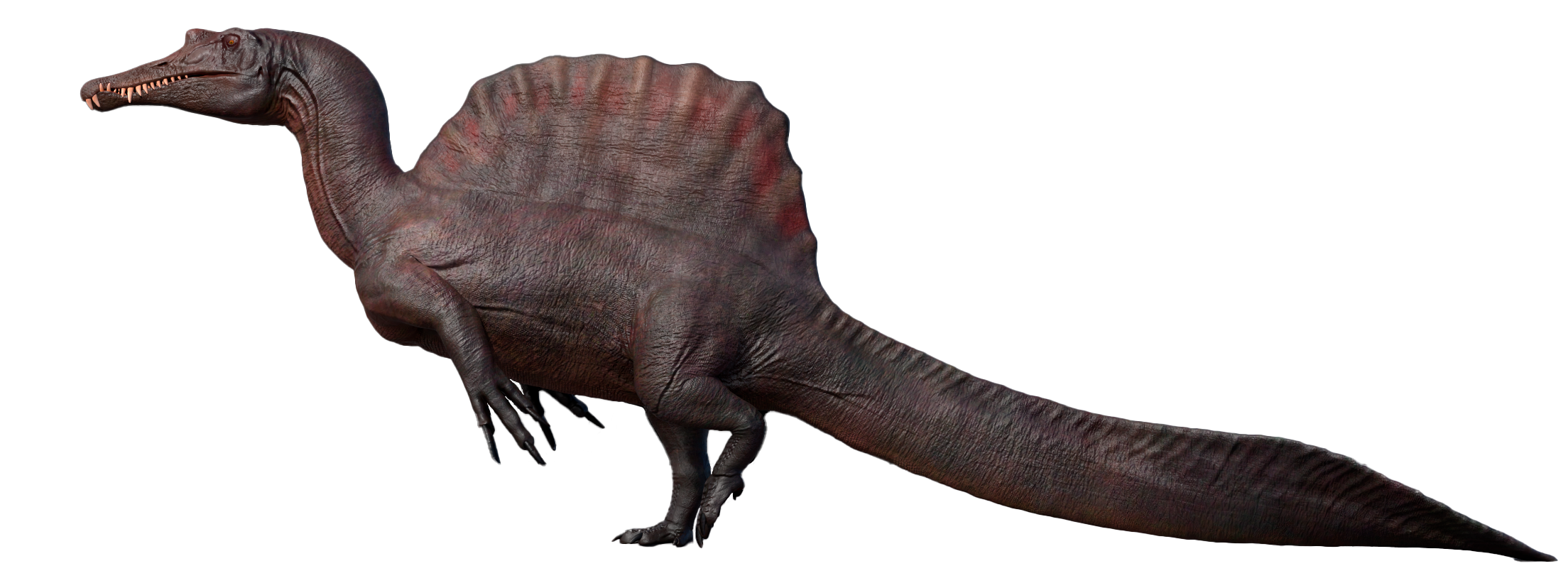
This is the single biggest misconception of all, and it’s currently the subject of an all-out scientific war between former research partners. The “deep-diving Spinosaurus” idea exploded in popularity after a 2022 bone-density study published in Nature, which compared spinosaurid bones to penguins, hippos, and alligators and found that Spinosaurus and its close relative Baryonyx both had dense bones capable of full submersion.
It seemed like the debate was finally over. It wasn’t. Just two years later, a rival team fired back in PLOS ONE, arguing that recalculated bone-compactness data actually points the other way. The original bone-density team pushed back just as hard, publicly disputing the rebuttal’s methodology. Two teams of credentialed scientists are staring at the same skeleton and reaching opposite conclusions, and the argument is still unresolved today.
It was a heron from hell.
Nathan Myhrvold, co-author of the 2024 PLOS ONE rebuttal study
The Bottom Line
Spinosaurus isn’t the simple, swamp-diving movie monster most casual fans think it is – it’s a walking, swimming, wading controversy. From its destroyed original fossils to its century-old posture debate to the fact that its most famous “aquatic proof” is barely a few years old, almost everything people confidently repeat about this dinosaur is either outdated, disputed, or flat-out wrong.
In my opinion, the real story here isn’t embarrassing – it’s exciting. Few animals in the fossil record have forced scientists to publicly disagree, retract, and re-argue their positions this openly, and that messiness is exactly what makes Spinosaurus more fascinating than any Hollywood fight scene could ever make it.
The “monster” isn’t the dinosaur – it’s the debate itself. Which of these misconceptions did you believe before today? Drop your answer in the comments.