
Walk outside and look around your yard for a second. The shaggy shrubs by the fence, the moss in the shady corner, that tree you never really noticed until a storm knocked a branch off it. Most of us treat our yards like background scenery, but hiding in that patch of grass are living things with lineages that stretch back hundreds of millions of years before your house – or anything like it – even existed.
Some of them were here before dinosaurs vanished. Some evolved long before humans walked upright. And yet they’re just… sitting in front of your porch, getting mowed over or blown into a leaf pile.
Once you realize how ancient some of these “ordinary” yard plants really are, it changes how you see them. They stop being just lawn clutter and start feeling more like time travelers, carrying genetic stories that outlast whole civilizations. Let’s walk through your yard with a different set of eyes and look at 11 things growing out there that, in a very real sense, are older than your house – and in some ways, older than humanity itself.
#1: Moss – The Quiet Green Carpet From Deep Time
![#1: Moss – The Quiet Green Carpet From Deep Time (By fir0002 flagstaffotos [at] gmail.com
Canon 20D + Tamron 28-75mm f/2.8, GFDL 1.2)](https://nvmwebsites-budwg5g9avh3epea.z03.azurefd.net/dinoworld/df904b360b4dbaf2f32e3ed1e42acfcc.webp)
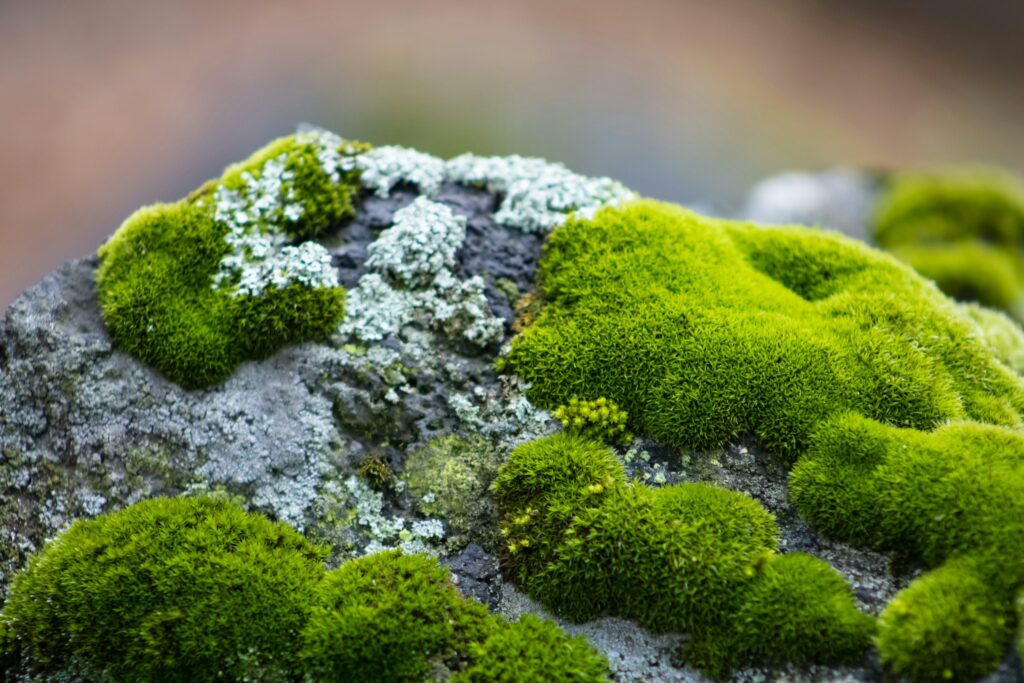
Next time you see that velvety green cushion at the base of a tree or on a damp rock, remember: you’re looking at one of the earliest pioneers of land life. Mosses belong to a group of plants called bryophytes, which are among the oldest lineages of land plants on Earth. Their ancestors were already spreading across damp shorelines more than four hundred million years ago, long before flowering plants or grasses existed.
That soft green fuzz on your retaining wall is part of a lineage that helped make soil possible. Early moss-like plants helped break down bare rock, trapped sediments, and slowly created the first thin layers of soil that later forests could grow in. Without humble mosses and their relatives, your yard probably would not even have enough soil to support that lawn you complain about mowing.
Mosses also show off just how minimalistic life can be and still thrive. They do not have roots like modern trees, they do not have flowers, and they do not have seeds. Instead, they absorb water directly through their leaves and spread through tiny spores. They can dry out almost completely and then spring back to life when it rains again, which is why the same patch keeps reappearing even after a brutal summer.
If you want a quick mental reset on your sense of time, consider this: that moss growing in the cracks of your driveway represents a plant strategy so successful it has survived multiple mass extinctions and dramatic climate shifts. Your house might last a century if you’re lucky. The basic blueprint of moss has lasted almost half a billion years.
#2: Ferns – Prehistoric Fronds Hiding Behind the Shed
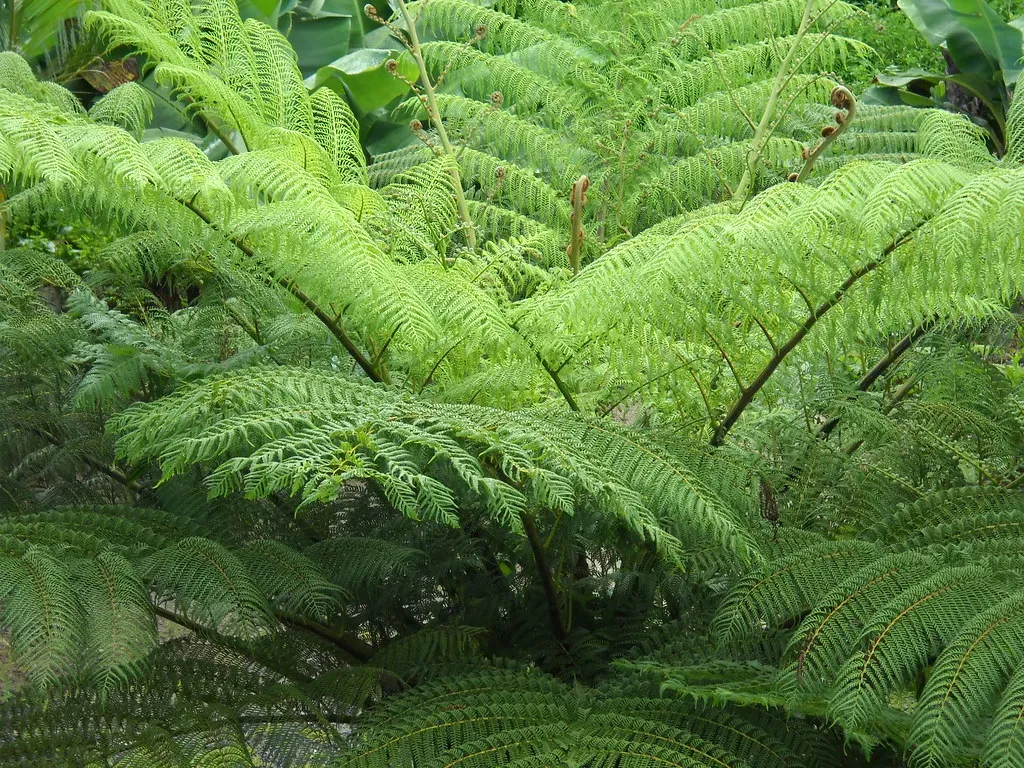
Those delicate, feathery leaves unfurling behind your shed or along a shady fence are not just “pretty greenery.” Ferns are living fossils in the truest sense of the phrase. Their ancestors dominated the world’s forests during the Carboniferous period, more than three hundred million years ago, when giant tree ferns and their relatives helped build the coal deposits we still burn today.
Modern ferns in your yard, whether they are native species or ornamental varieties, still reproduce in a way that feels almost alien compared to flowers. They have no seeds and no flowers. Instead, they produce spores on the undersides of their fronds, which release into the air and, under the right conditions, grow into a tiny, heart-shaped plant that then makes eggs and sperm. It sounds like something out of science fiction, yet it is happening right now in shady corners of suburban yards.
Ferns are survivors because they are incredibly flexible about where they live. Many tolerate deep shade and thin soil, which is why you often see them flourishing where turf grass gives up: under trees, behind rocks, in forgotten, damp side yards. They are quiet opportunists, slipping into ecological niches that more demanding plants ignore.
When you see a fern in your yard, you are looking at a design that predates dinosaurs, flowering plants, grass, and certainly every house on your block. It is like finding an old analog cassette player that still works perfectly in a world of streaming services – only in this case, the “cassette player” has outlasted almost everything else evolution has tried.
#3: Ginkgo Trees – Living Relics Older Than Many Streets
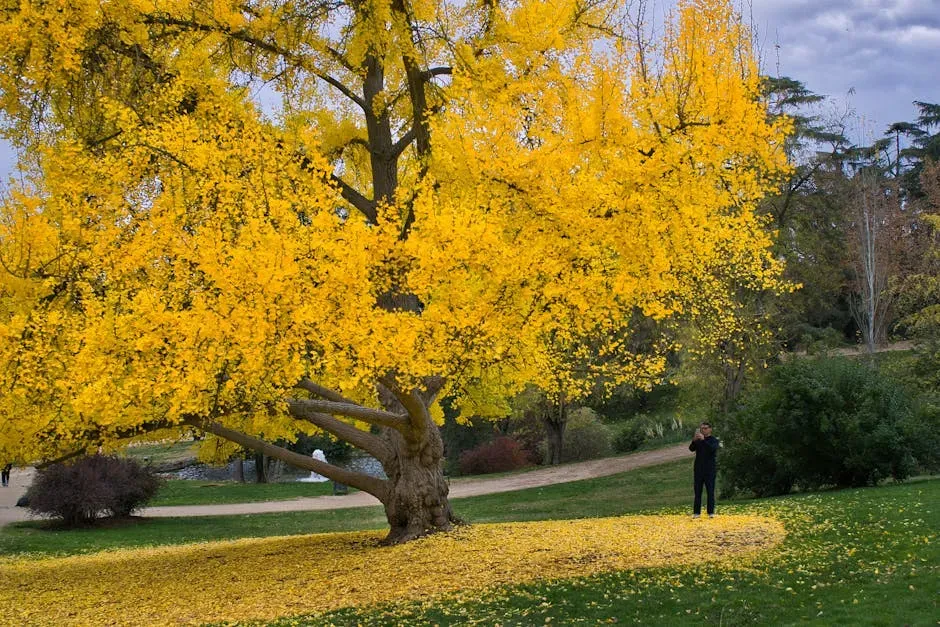
You may not have a ginkgo tree in your yard, but many neighborhoods, parks, and older streets are lined with them. That fan-shaped leaf you see every autumn, turning a blazing yellow before dropping all at once, belongs to one of the most famous living fossils on Earth. Ginkgo trees first appear in the fossil record roughly two hundred and fifty million years ago, and the modern species is strikingly similar to ancient fossils.
What is wild about ginkgo is how narrowly it escaped disappearing altogether. For a long stretch of Earth’s history, ginkgo relatives declined until they survived only in a small region of East Asia. Human cultivation preserved them in temple gardens, and from there they were spread across cities worldwide. So when you see a ginkgo in a neighbor’s yard or on a city sidewalk, you are seeing the last living representative of an entire branch of the tree of life.
Ginkgo leaves, with their simple, fan-like shape and radiating veins, look strangely primitive compared to the complex, branching patterns of many modern trees. They do not have flowers in the way most yard trees do; instead, they have separate male and female trees, and fertilization happens using mobile sperm cells that swim, a trait more like ferns and mosses than typical modern trees.
It is a bit humbling to park your very modern car under a ginkgo that belongs to a lineage older than mammals. Your house might have stood for a few decades; the street layout might be a century old. The genes inside that ginkgo leaf trace back hundreds of millions of years. As far as nature is concerned, the house is the temporary tenant. The ginkgo style has staying power.
#4: Horsetails – Ancient “Scouring Rushes” in the Wet Corner
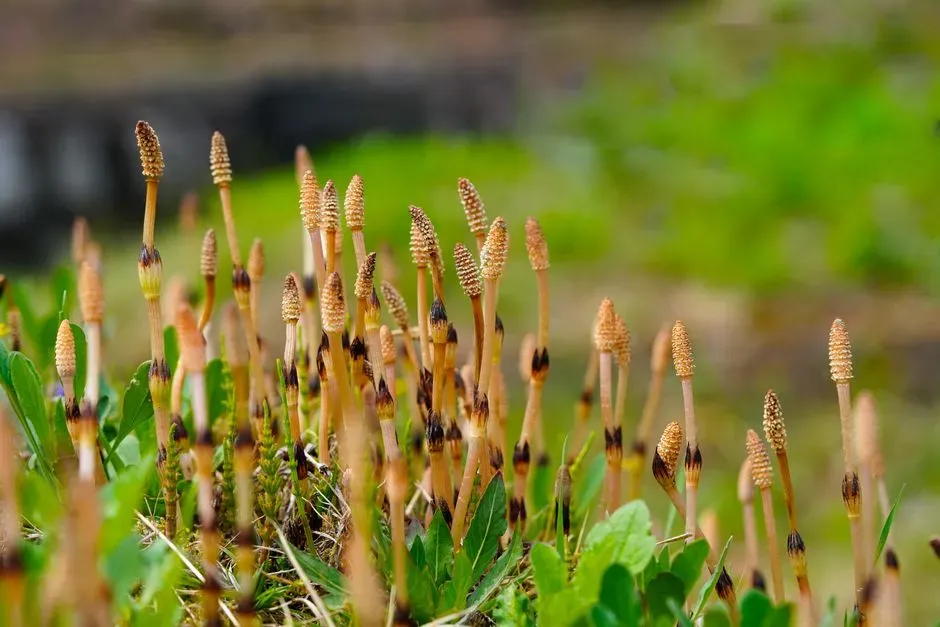
If you have a soggy, poorly drained spot in your yard or near a ditch, you might notice slender, jointed green stems that look a bit like mini bamboo or green drinking straws stacked together. Those are horsetails, sometimes called scouring rushes, and they belong to a tiny, ancient plant group whose relatives once formed towering forests.
During the Paleozoic era, some horsetail relatives grew to the size of trees and helped build the swampy landscapes that later turned into coal. Today’s versions are much smaller, but they still carry that unmistakable segmented structure. They reproduce with spores rather than seeds and store gritty silica in their stems, which is why people once used them as natural scrub brushes to polish metal or clean pots.
Horsetails are remarkably stubborn. If they like your yard, they tend to spread aggressively, especially in damp soil. Gardeners sometimes curse them as weeds, but from a geological point of view, they are veterans of Earth’s history, surviving massive climate swings and continental rearrangements that would have erased many other plant lines.
When you see horsetails popping up repeatedly along a drainage ditch or garden edge, it is a reminder that what looks like a nuisance weed is actually a member of a plant lineage that stood tall before flowering plants ever appeared. Your drainage issue might be ten years old; horsetails have been handling wet ground strategies since before land vertebrates got fully comfortable on shore.
#5: Conifers – Pine, Spruce, and Cedar With Deep Roots in Time
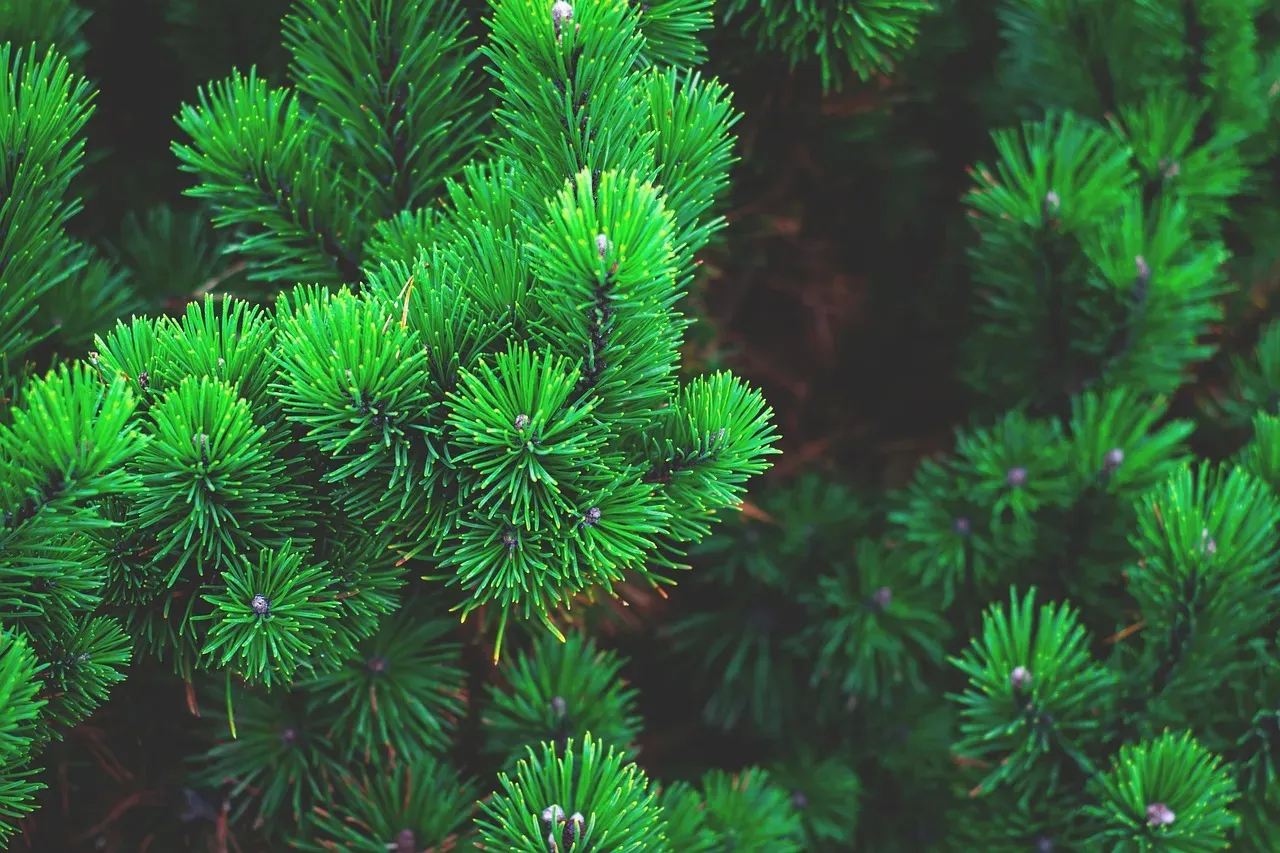
That pine shedding needles all year, the spruce the previous owner planted as a privacy screen, the stately cedar at the corner of your lot – they all belong to the conifer clan. Conifers are gymnosperms, seed-producing plants that evolved long before flowering plants and grasses took over. Their ancestors were already forming vast forests by the late Paleozoic and early Mesozoic eras, more than two hundred million years ago.
Unlike your flowering crabapple or ornamental cherry, conifers do not produce flowers or fruits in the usual sense. Their seeds develop in cones, often protected by tough scales. This approach is ancient but effective. Even as flowering plants exploded in diversity, conifers held their ground in colder climates, higher elevations, and nutrient-poor soils where their evergreen strategy pays off.
In many neighborhoods, the oldest living thing on the lot is not the house but a big pine or spruce, sometimes planted when the subdivision was first carved out. While the individual tree in your yard might only be a few decades old, its lineage stretches back to early conifer forests that overlapped with the age of dinosaurs. The blueprint for your yard pine is staggeringly old.
It helps to shift perspective a bit. From your timeline, that conifer is just “the big tree that drops needles everywhere.” From Earth’s timeline, it is the latest iteration of a design that has shrugged its way past mass extinctions, asteroid impacts, and ice ages. Your roof shingles might last twenty or thirty years; conifers have been roofing continents in green for hundreds of millions.
#6: Clover – Ancient Partner in the Grass
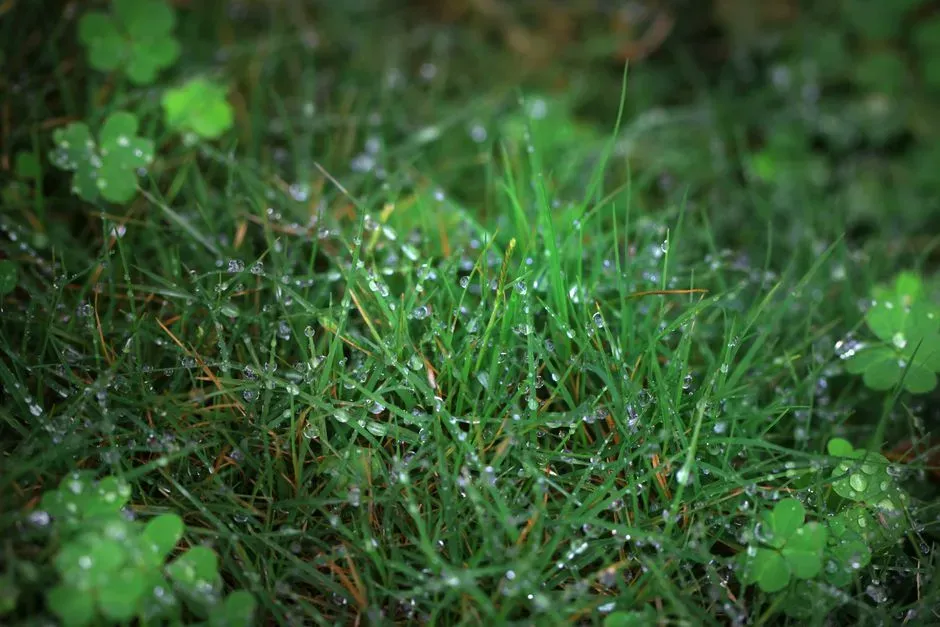
Clover often shows up as the underappreciated supporting actor in a lawn, sprinkled between blades of grass. Some homeowners try to eliminate it; others quietly cheer when they spot a four-leaf patch. Botanically, clovers are members of the legume family, and their evolutionary story goes far deeper than a lucky charm in the yard.
Legumes evolved a remarkable partnership with bacteria that can take nitrogen from the air and convert it into forms plants can use. This trick – called nitrogen fixation – transformed ecosystems and agriculture. Long before people planted clover in pastures or lawns, leguminous plants were helping enrich soils and support more complex plant communities. That mutualistic relationship between plant roots and bacteria is one of evolution’s quiet masterstrokes.
The clover in your yard may be relatively recent in terms of planting, but it is carrying an ancient toolkit. That nodulated root system, packed with bacteria living rent-free in exchange for nutrients, is the product of a long co-evolutionary dance. When you let clover grow instead of killing it off, you are not just being tolerant of “weeds”; you are hosting a tiny, natural fertility system beneath the surface.
Think of it this way:
- Clover’s family history predates modern lawns by a huge margin.
- Its nitrogen-fixing bacteria are part of a very old, finely tuned partnership.
- Your house leans on synthetic fertilizers; clover leans on ancient biology.
I still remember the first time I learned that clover feeds the soil instead of stealing from it. It completely flipped my view: from annoyance to quiet respect for these small trifoliate leaves that have been improving soils since long before anyone invented suburbia.
#7: Dandelions – Resilient “Weeds” With Ancient Survival Skills
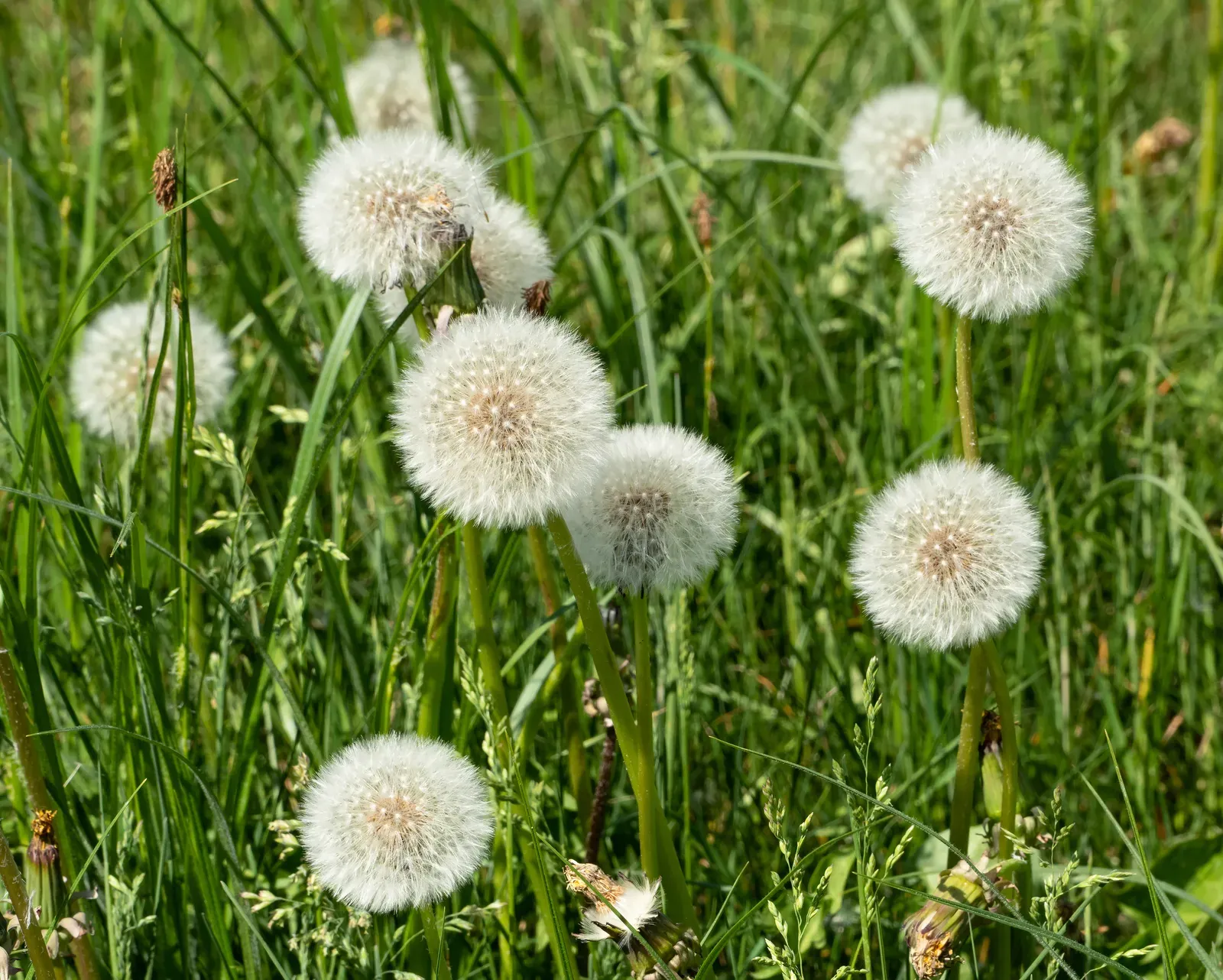
Dandelions might be the most unfairly hated plant in the average yard. Bright yellow flowers turning into fluffy seed heads kids love to blow – and yet adults spend time and money trying to wipe them out. Under the surface of all that drama is a plant strategy that has proved brutally effective over evolutionary time.
Dandelions are flowering plants, which makes them more recent than mosses or ferns, but their general style of survival – deep taproots, rapid seed production, wind-dispersed seeds – fits into a long, successful tradition of colonizing disturbed ground. Whenever humans scrape, dig, or mow, it creates opportunities. Plants like dandelions have evolved to see disturbance as an open invitation.
Biologically, a single dandelion can produce large numbers of seeds, each with its own little parachute. Those seeds can float far beyond the property line and land in tiny cracks of soil where pickier plants would fail. The deep root allows the plant to regrow after being pulled or mowed. This tactic has been refined over millions of years across many plant lineages: survive insult, regrow fast, and spread widely.
If you think about it in terms of “what is older, this plant’s way of living or my building?” the answer is not close. The strategies that make dandelions so persistent have been tested on Earth through countless generations, long before we decided we prefer a uniform green carpet. Your house is new; the concept of the scrappy, disturbance-loving colonizer is one of evolution’s classic hits.
#8: Grasses – The Ancient Foundation of the Modern Lawn

The irony of most yards is that the thing we obsess over the most – the lawn grass – might be the one we understand the least. Grasses as a group are relatively young compared to mosses and ferns, but still incredibly old on any human time scale. They emerged tens of millions of years ago and eventually reshaped landscapes into vast grasslands that supported herds of grazing animals and, eventually, the rise of agriculture.
Your bluegrass, fescue, Bermuda grass, or ryegrass lawn is part of this enormous grass family. The key innovation of grasses is their growth point hiding near the base of the plant, close to the soil surface. That means when something eats or mows the top, they can regrow quickly. It is a brilliant adaptation to grazing pressure, and it is why your lawn keeps bouncing back after each cut.
Grasses also helped drive the evolution of grazers and even influenced climate by changing how carbon moves through ecosystems. Grassy landscapes reflect sunlight differently and store carbon in roots and soil. The shift from forests to grasslands over geological time changed entire continents. The tiny, unassuming blades outside your front door belong to this sweeping planetary story.
In practical backyard terms, that means:
- The “crop” you mow every week is shaped by ancient grazing dynamics.
- The lawn’s resilience comes from a deep evolutionary strategy, not just fertilizer.
- Grasses have outlasted houses, farms, and cities, and will probably outlast this one too.
Once you see your lawn as a domesticated version of wild grasslands, the whole weekend mowing ritual feels like you are participating in a story that started long before suburbia and will keep going long after each house on the block is remodeled or replaced.
#9: Lichens – Slow-Motion Timekeepers on Rocks and Fences
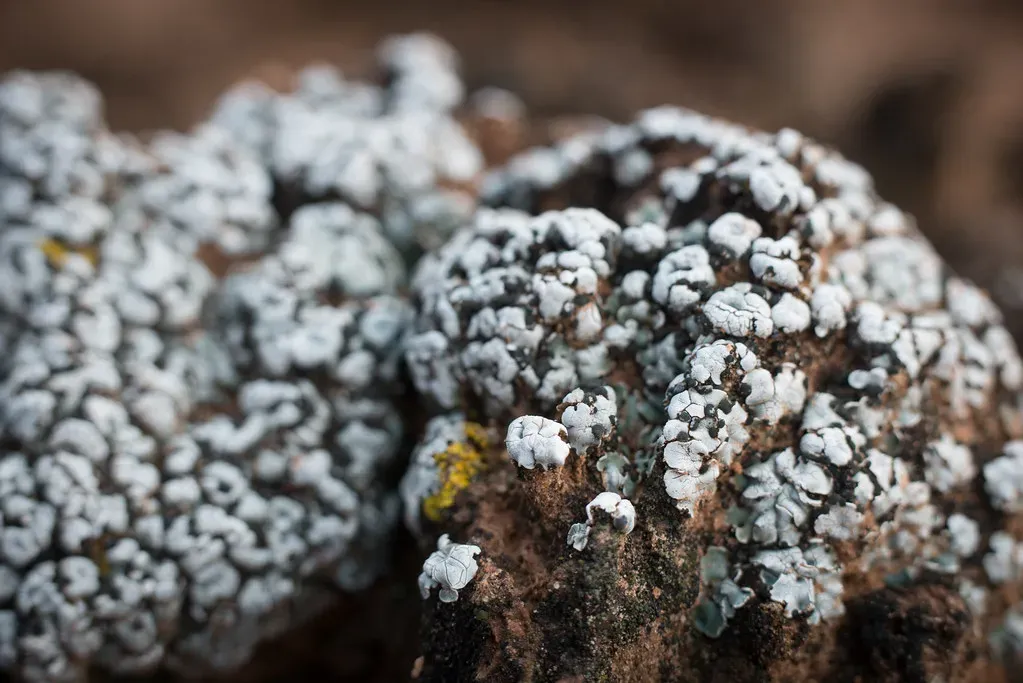
Those crusty, flaky, or leafy patches on rocks, old bricks, or fence posts that you might mistake for peeling paint or a stain? Many of them are lichens – symbiotic partnerships between fungi and algae (or cyanobacteria). Lichens are not single organisms in the usual sense; they are collaborations, and that style of living has ancient roots.
The fungi provide structure and protection, while the algae or bacteria inside do the photosynthesis, making sugars from sunlight. Together, they can live in places where almost nothing else survives: bare rock, tree bark, rooftop shingles, even arctic tundra and scorching deserts. Lichens grow incredibly slowly, sometimes just a few millimeters a year, silently recording time in tiny widening circles.
In your yard, lichens on a rock or old wall likely predate whatever landscaping the last owner installed. They start colonizing hard surfaces as soon as they are exposed, and they can persist through multiple cycles of construction, repainting, and renovation around them. Scrub them off today and, given time, they will simply return.
What makes lichens feel older than the house is not just their age in years, but their method of existence. Cooperative living between fungi and photosynthetic partners is an ancient concept. It parallels other big evolutionary leaps where partnerships created possibilities neither partner could manage alone. Your home’s bricks and boards are short-term. The lichen’s slow, patient colonization represents a strategy honed over deep time.
#10: Plantain and Other “Sidewalk Weeds” – Masters of Disturbance
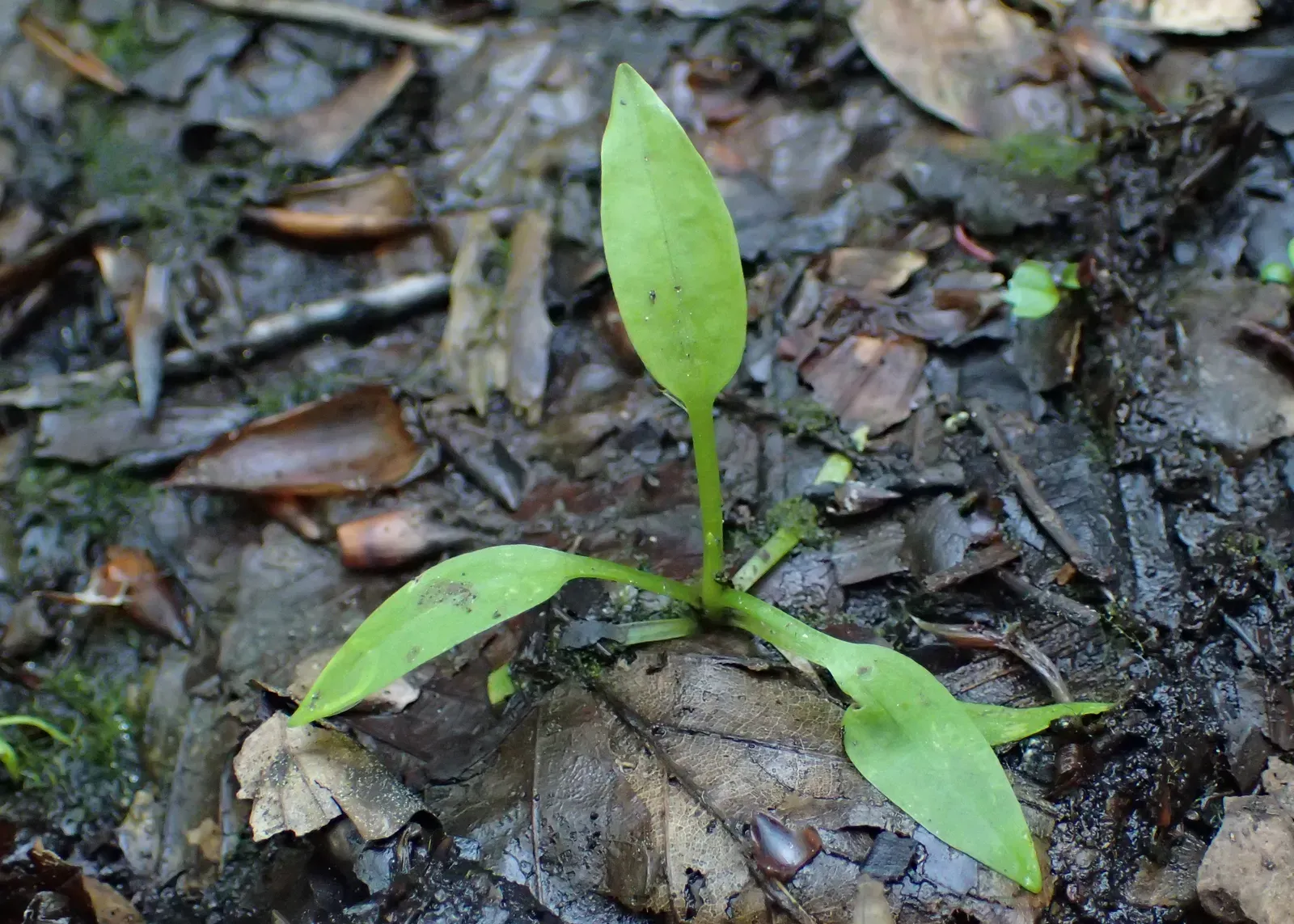
Look down at the cracks in your driveway or the edge where sidewalk meets lawn. Those flat rosettes of broad leaves that seem to take foot traffic like a champ? That is often plantain (Plantago), a classic “sidewalk weed.” It is one of several hardy plants that specialize in disturbed, compacted soil where most garden plants would sulk and die.
Plantain and its fellow crack-dwellers are not ancient in the same way mosses are, but they embody very old survival principles: stay low, tolerate trampling, seed heavily, and grab any scrap of soil you can get. They are the scrappy urban equivalents of the first plants that colonized raw ground after glaciers retreated or after landslides stripped hills bare.
What fascinates me about these little plants is how perfectly they take advantage of human behavior. We create hard surfaces, compact soil, and disturb the ground constantly – and they are ready. Their seeds have often traveled with humans for centuries, hitching rides in soil, in animal fur, and in trade. Some species, including certain plantains, were carried across continents and quickly found new homes in yards, paths, and fields.
So yes, that scruffy weed in the sidewalk crack is younger than your actual house, but the ecological role it plays – rapid colonizer of disturbed ground – is as old as land ecosystems. In that sense, your walkways and foundations are just the latest canvas for a strategy that has been playing out for eons.
#11: Microbial Life in the Soil – The Oldest Residents of All
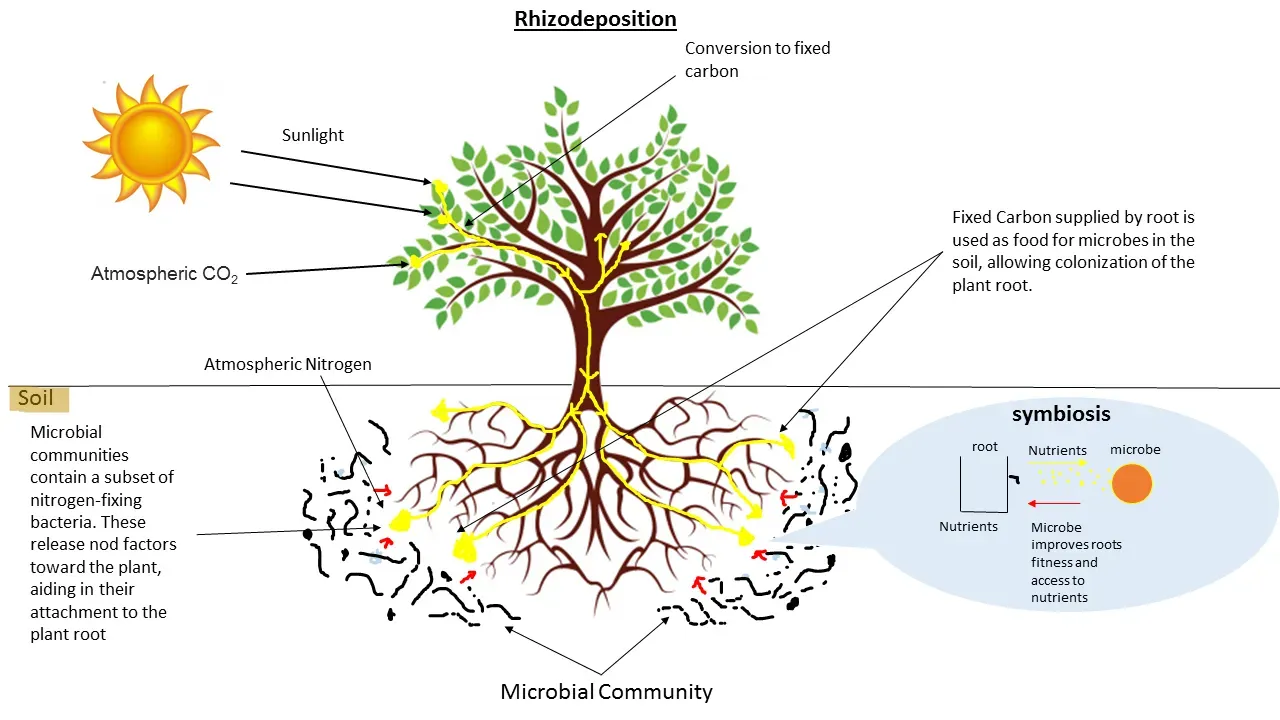
Beneath your grass, flowers, and trees lies the part of your yard that truly makes everything else work: the soil. And within that soil lives a hidden world of bacteria, fungi, archaea, and microscopic animals. If anything in your yard can legitimately claim to be “older than the house” in both lineage and style of life, it is this invisible, teeming community.
Microbial life has been on Earth for billions of years, long before plants, animals, or any structure that could reasonably be called a house. Many of the chemical tricks microbes perform in your yard – breaking down organic matter, cycling nitrogen, releasing or storing carbon – are variations on processes that shaped the planet’s atmosphere and oceans long before multicellular life arrived.
In a handful of your backyard soil, there are likely more individual organisms than there are people living in your entire city. Most cannot be seen without a microscope, but they form complex networks and food webs. Some form partnerships with plant roots, helping them access nutrients and water. Others decompose dead leaves or old roots, turning them back into raw materials future plants will use.
When you water your lawn or rake leaves, you are interacting with the surface of an ancient engine. The house depends on foundations and concrete; everything green in your yard depends on a living, microscopic infrastructure that has been refining its methods since Earth was a very different place. If the house vanished tomorrow, the microbes would barely notice. If the microbes shut down, the yard would collapse in slow motion.
A few big-picture truths about your soil life:
- Their evolutionary story is measured in billions, not millions, of years.
- They quietly manage nutrient cycles your house relies on indirectly for shade, food, and beauty.
- They will keep going, adapting, and reshaping the soil long after your current roof has been replaced several times.
Conclusion: Your Yard Is Not Young Just Because Your House Is
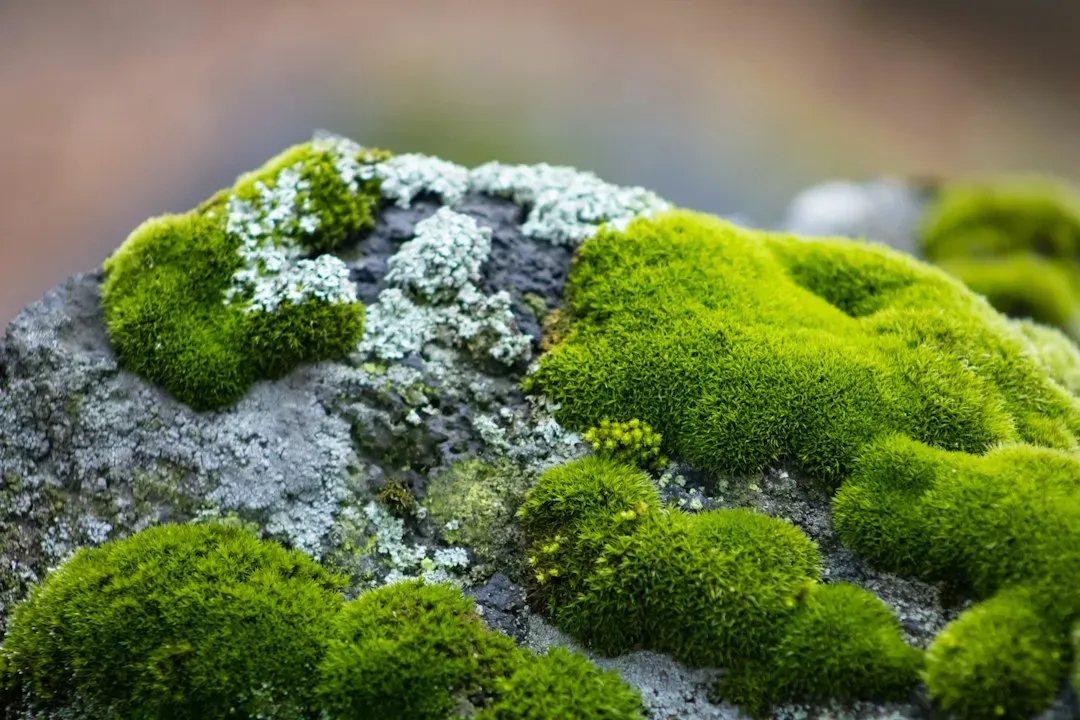
Once you look at your yard through this deeper-time lens, it is hard to unsee it. That patch of moss on the shady side path is not just “slippery stuff”; it is a member of one of the first land plant lineages. The ferns curled behind the garage are echoing forests that predate flowering plants. The ginkgo shading the sidewalk is a survivor from an almost vanished world. Even the “weeds” in the cracks and the microbes under your feet are playing out strategies so old they make your mortgage look like a momentary experiment.
Personally, this perspective changed the way I treat my own yard. I still pull weeds and trim shrubs, but I do it with a little more humility. Instead of seeing everything as either “landscaping” or “problem,” I catch myself thinking about which ancient story each plant represents. There is something oddly comforting in realizing that, no matter how modern and fragile our houses are, they sit inside ecosystems built on unimaginably long experience.
If there is a takeaway here, it is that you do not have to travel to a national park or a fossil site to touch deep time. You step into it every time you walk into your backyard. Your house is the temporary guest. The moss, the ferns, the conifers, the lichens, the soil life – they are part of a much older continuity that will keep unfolding long after floor plans and siding styles change. Next time you look out the window, will you still see just “the yard,” or will you notice the ancient neighbors quietly going about their business all around you?