Here’s the uncomfortable truth about dinosaur documentaries: the science has moved on dramatically, but the visuals haven’t. Palaeontologists who spend their careers studying actual fossils, trackways, and bone mechanics watch these shows and quietly lose their minds – because the same debunked ideas keep getting recycled with bigger budgets and better CGI. The animals look more stunning than ever. They’re also more wrong than ever in ways that actually matter.
Some of these errors are cosmetic. Others completely change how the animals hunted, moved, communicated, and survived for 165 million years. A few will make you retroactively furious at every dinosaur film you’ve ever loved. What palaeontologists find most maddening isn’t that Hollywood gets creative – it’s that the real animals are stranger and more impressive than the lazy shortcuts being used to replace them. Here are the eleven things the scientists most want filmmakers to finally fix.
#11 – The Tail-Dragging T. rex That Would Have Broken Its Own Hips
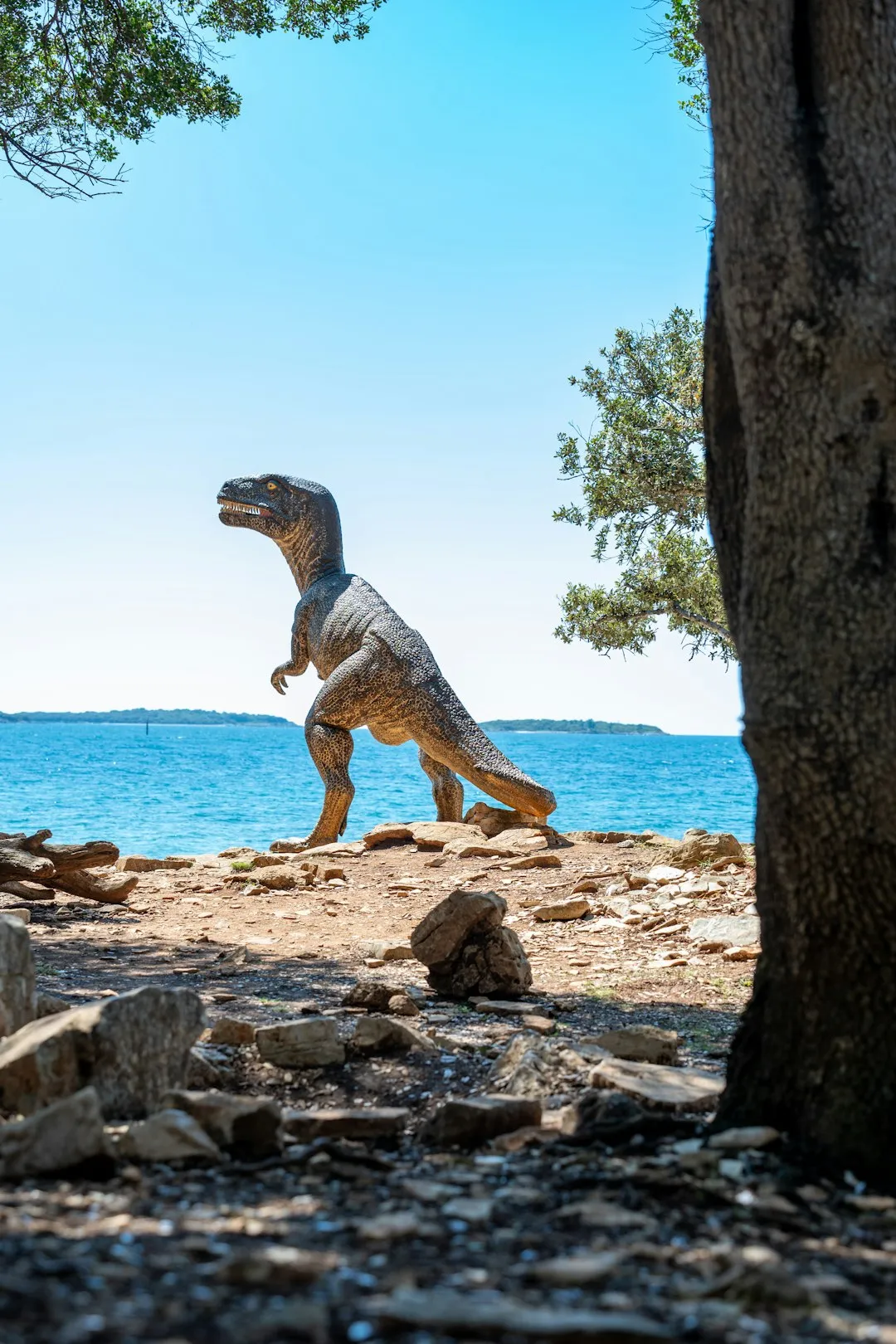
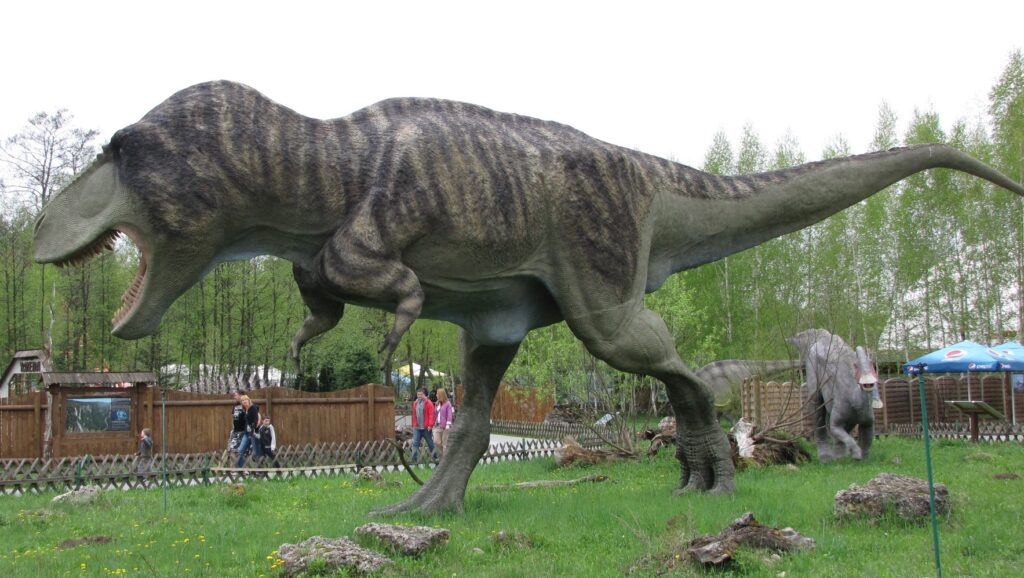
There’s a specific kind of wince that palaeontologists do when a T. rex lumbers across the screen with its tail scraping the dirt like a dragged anchor chain. That image comes directly from 19th-century museum reconstructions that modeled dinosaurs as oversized, sluggish lizards – and it has never been correct. Fossil trackways left behind by large theropods show no tail drag marks, ever. Not once. The spine was held nearly horizontal, the tail extended outward as a rigid counterbalance, and the entire body moved like a precision instrument rather than a collapsing bridge.
The detail that stuns most people when they first hear it: dragging the tail wouldn’t just look wrong – it would have physically destroyed the animal. The mechanical stress on the hip joints and posterior vertebrae of a living T. rex moving that way would have been catastrophic. Early museum mounts locked the posture in place for generations, and filmmakers inherited the error wholesale. Modern analysis of muscle attachment sites, joint surfaces, and bone stress patterns confirmed the correct horizontal posture decades ago. Documentaries just haven’t caught up, or don’t care enough to try.
Fast Facts
- Zero theropod trackway sites have ever recorded a tail drag mark in the fossil record.
- The T. rex tail contained more than 40 vertebrae and functioned as an active counterbalance to the head and torso.
- 19th-century kangaroo-style museum mounts were formally abandoned by palaeontologists in the 1970s but live on in film.
- Horizontal posture means T. rex’s head was roughly level with its hips – not towering upright like a movie monster.
#10 – Those Earth-Shaking Roars That Have No Fossil Basis Whatsoever
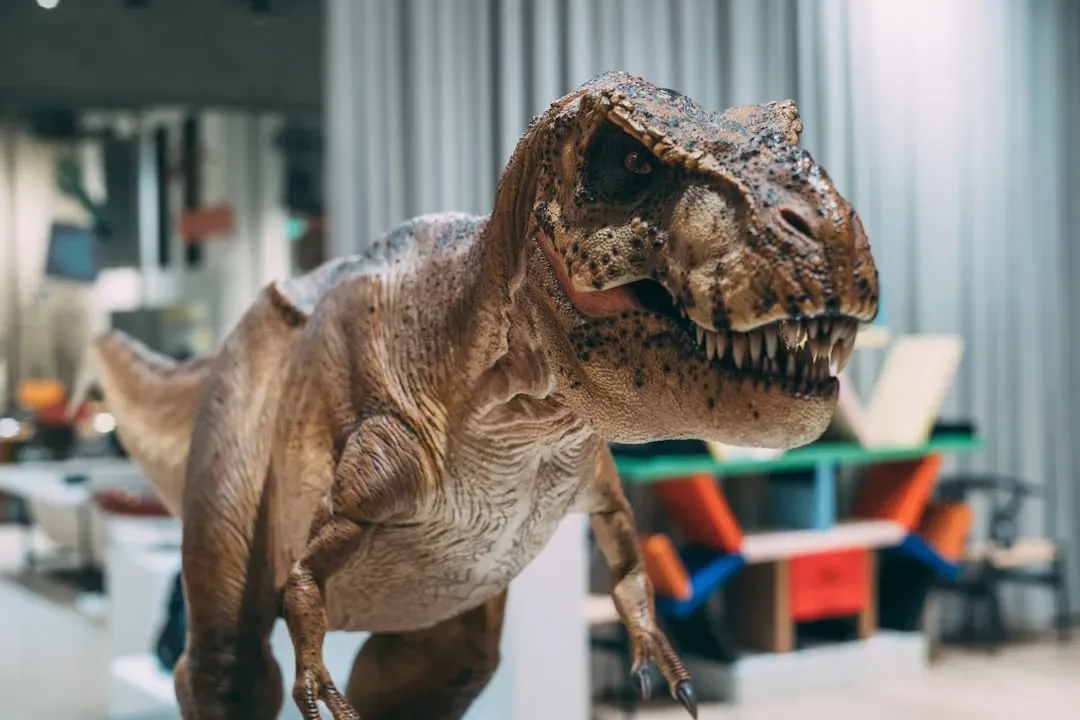
The T. rex roar from Jurassic Park – that iconic, chest-collapsing wall of sound – is one of the most effective pieces of movie audio engineering ever created. It is also complete fiction, and palaeontologists know it every single time they hear it repeated in a new documentary. There are no preserved larynges, no soft-tissue vocal structures in the fossil record. What researchers do have are the living relatives: birds and crocodilians. And neither group produces open-mouthed, lion-style roars. They produce closed-mouth booms, low rumbles, hisses, and infrasonic vibrations.
The genuinely unsettling implication of the current evidence is that T. rex may have communicated primarily through low-frequency infrasound – vibrations more felt than heard, similar to what cassowaries and some crocodilians produce today. A T. rex encounter might have felt like pressure in your sternum before you heard anything at all. That’s arguably more terrifying than a roar, and documentaries keep leaving it on the table in favor of the same borrowed big-cat sound design. The real soundscape of the Late Cretaceous was nothing like what’s on screen.
#9 – Velociraptors the Size of People (They Were Actually Turkey-Sized)
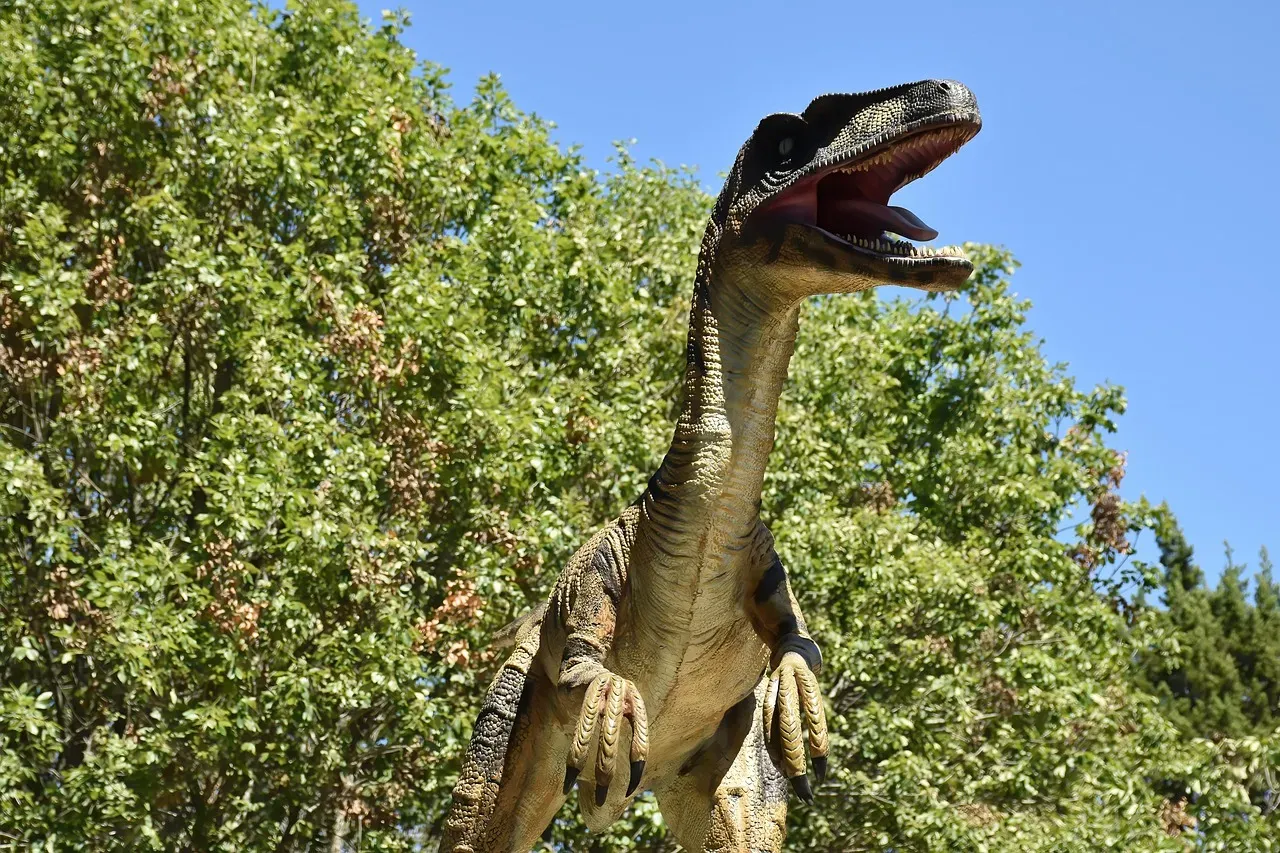
The Velociraptors of virtually every major dinosaur production are tall, fast, terrifyingly intelligent predators that stare down adult humans eye-to-eye. The real Velociraptor mongoliensis – the actual animal that name belongs to – stood roughly knee-height, weighed around 15 kilograms, and was covered in feathers. The creature filmmakers have been calling a Velociraptor for thirty years is closer in size and body plan to Deinonychus, a North American dromaeosaurid that is genuinely more impressive in scale but doesn’t have the same cinematic brand recognition.
The size inflation wasn’t a palaeontological mistake – it was a deliberate creative choice for scarier antagonists, and it worked so well that it permanently distorted public understanding of what these animals were. Correct the scale and every chase scene looks fundamentally different. The famous sickle claw, which documentaries portray as a slashing weapon tearing through flesh, is now understood to have functioned more as a climbing and pinning tool. At true size, against accurate prey, the real raptor is still a formidable and fascinating predator – just not the velociraptor-as-monster-movie shorthand the screen version became.
At a Glance: Movie Raptor vs. Real Raptor
- Height: Film version – human eye level (~1.8 m); real V. mongoliensis – roughly 0.5 m at the hip.
- Weight: Film version implies ~80 kg; actual fossil evidence puts adults at around 14–20 kg – roughly a large turkey.
- Skin: Film version – smooth scales; fossil evidence confirms feathers, including quill knobs on forearm bones discovered in 2007.
- Sickle claw function: Slashing weapon on screen; pinning and restraining tool per current biomechanical analysis.
- The real inspiration: The JP “raptor” body plan is closer to Deinonychus antirrhopus, a North American species nearly three times the size.
#8 – Smooth-Skinned Theropods When the Fossil Evidence Says Otherwise
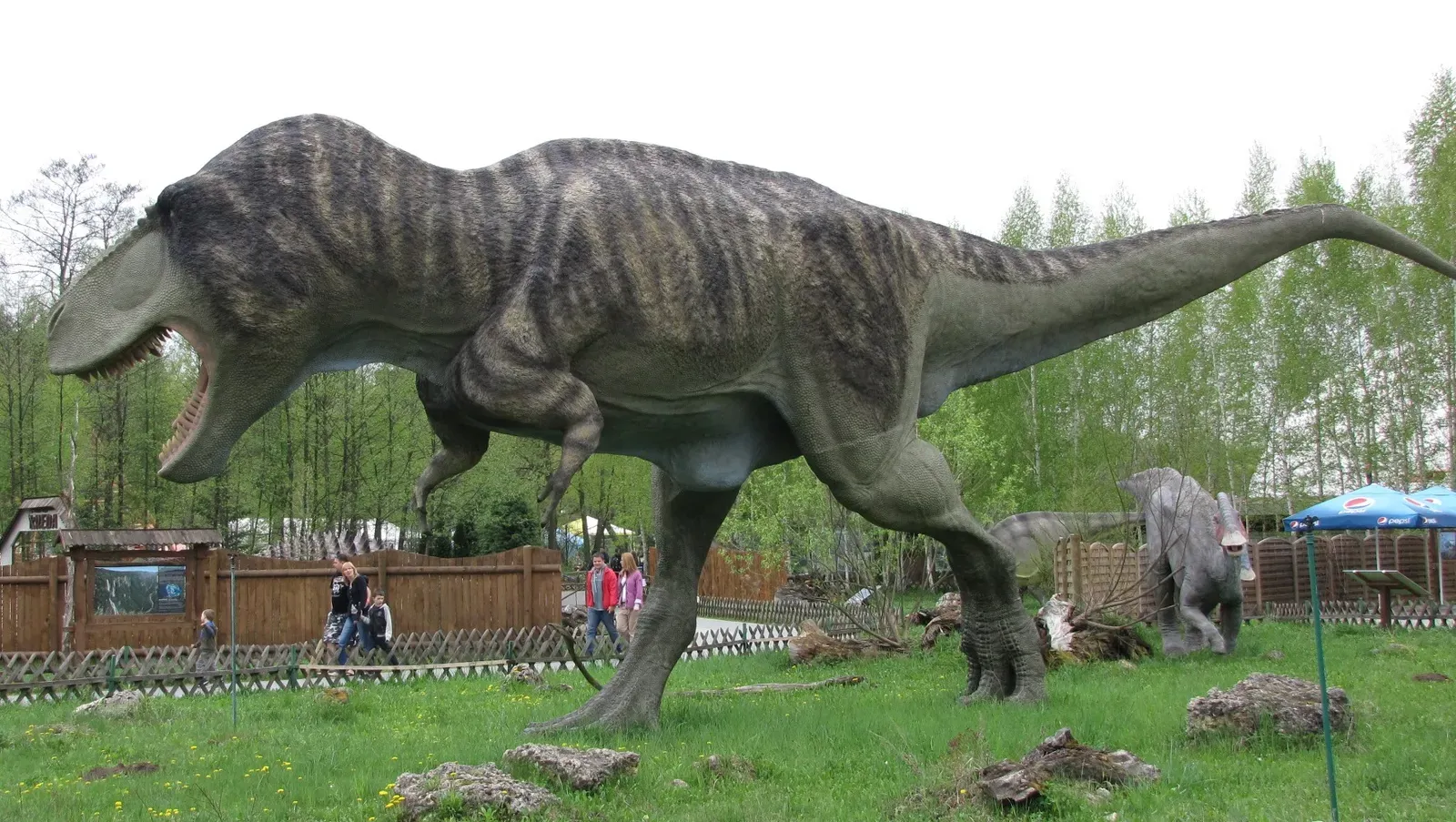
For a long time, the “no feathers on big theropods” approach felt like a reasonable default – after all, large modern animals like elephants and rhinos are mostly hairless, and maybe giant dinosaurs followed the same thermal logic. That argument collapsed under the weight of actual fossil discoveries. Specimens from the Yixian Formation in China and elsewhere have preserved filamentous structures and genuine feathers across a wide range of theropod lineages. Some tyrannosaur relatives carried bristle-like proto-feathers, particularly in earlier and smaller species. Documentaries still routinely ignore all of this.
The T. rex skin impression question is legitimately complex – some adult skin patches suggest scales in certain body regions, and the feather coverage of large adult T. rex remains genuinely debated among specialists. But “genuinely debated” is not the same as “definitely scaly everywhere,” and documentaries tend to resolve that uncertainty entirely in favor of the visually familiar reptilian look. What’s being erased isn’t just an aesthetic detail. Feathers or filaments change how these animals displayed to each other, regulated temperature, and relate evolutionarily to modern birds. Flattening that story into smooth skin is flattening the science itself.
#7 – Raptor Hands Twisted Into a Position That Would Shatter Real Wrists
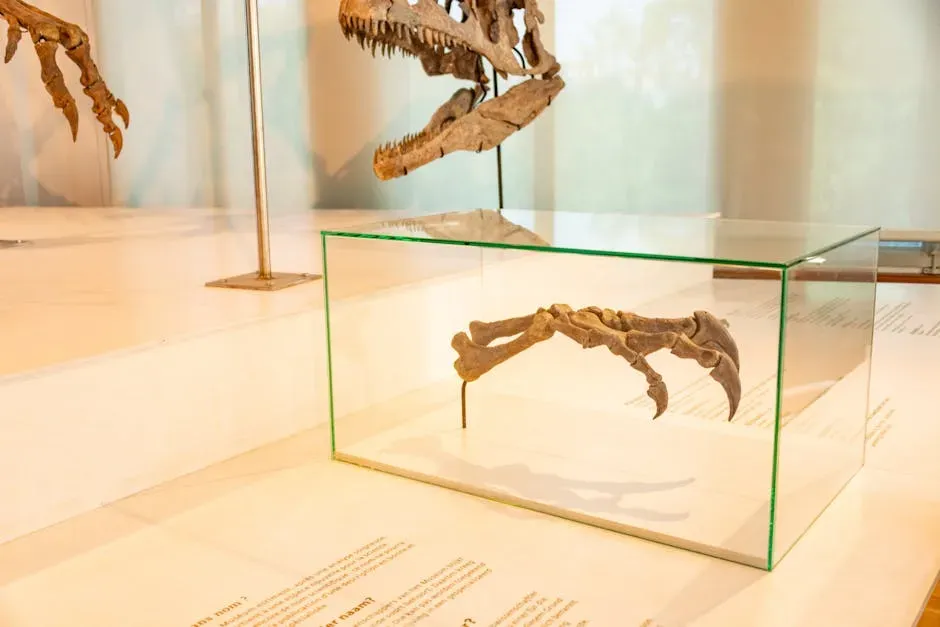
Watch almost any theropod dinosaur reach for something in a documentary and you’ll see the palms rotating downward – hands angled like a person about to do a push-up or a movie monster about to grab a victim. It looks menacing and intuitive. It is also anatomically impossible based on the wrist bones these animals actually had. The semi-lunate carpal bone that defines theropod wrist anatomy forced the palms to face inward, toward each other – exactly the orientation you see in a bird folding its wings against its body. The bones physically could not rotate into the documentary pose.
Palaeontologists aren’t being pedantic here – the wrist constraint is consistent across theropod fossils and directly affects how these animals could have interacted with prey, objects, and each other. The “claws-down” pose has persisted largely because it reads as more threatening on screen and more analogous to human hands reaching for something. But correcting it forces a reimagining of every grasping, hunting, and social interaction scene. The animals would have moved their arms with the inward-facing precision of birds – which is, if anything, more alien and more interesting than the generic monster-hand shorthand.
Worth Knowing
- The semi-lunate carpal bone is found in all non-avian theropods and directly connects to the bird wing-folding mechanism.
- Palms-down wrist rotation is biomechanically impossible in theropods – the joint surfaces simply don’t allow it.
- Every CGI theropod hand you’ve seen reaching forward, claws down, is anatomically equivalent to a human bending their wrist the wrong way and holding it there.
- Correcting the wrist posture was one of the first things palaeontological advisors flagged on major productions – and one of the first things overruled for “visual impact.”
#6 – The Dilophosaurus Frill and Venom Spit Invented Entirely for a Movie
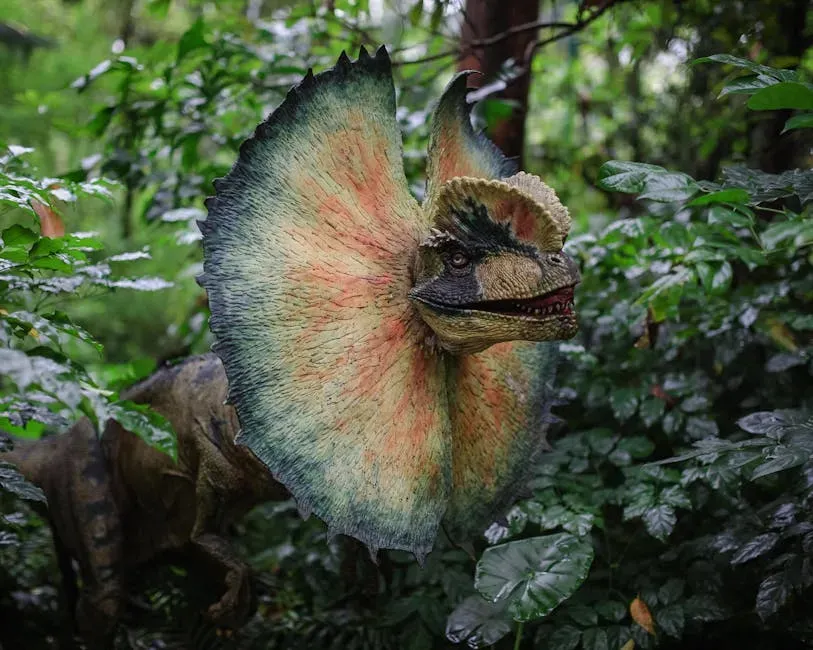
The Dilophosaurus scene in Jurassic Park is iconic. It is also, from a palaeontological standpoint, almost entirely fabricated. The neck frill that fans out dramatically before the attack? No fossil evidence, no skeletal anchor points for such a structure, no trace of it in any specimen. The venom spit? Venom glands are soft tissue – they don’t mineralize, they don’t leave skeletal markers, and there is no indirect evidence suggesting venom delivery in this species. Both traits were invented by the filmmakers for dramatic effect and then absorbed into documentary culture as though they had some scientific backing.
What Dilophosaurus actually had was remarkable enough without the embellishment: two thin, parallel bony crests running along the top of the skull, almost certainly used for species recognition and display rather than combat. It was one of the earliest large predatory dinosaurs, a genuinely significant animal in the evolutionary story of theropods, and its real biology raises interesting questions about Early Jurassic ecosystems. Instead, every viewer now pictures a frilled, spitting ambush predator – a fictional creature wearing the name of a real one. The actual Dilophosaurus deserves better than being remembered as a prop.
#5 – Dinosaurs and Early Humans Sharing the Same World
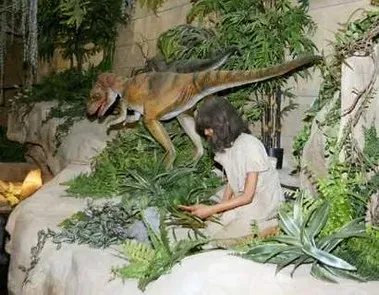
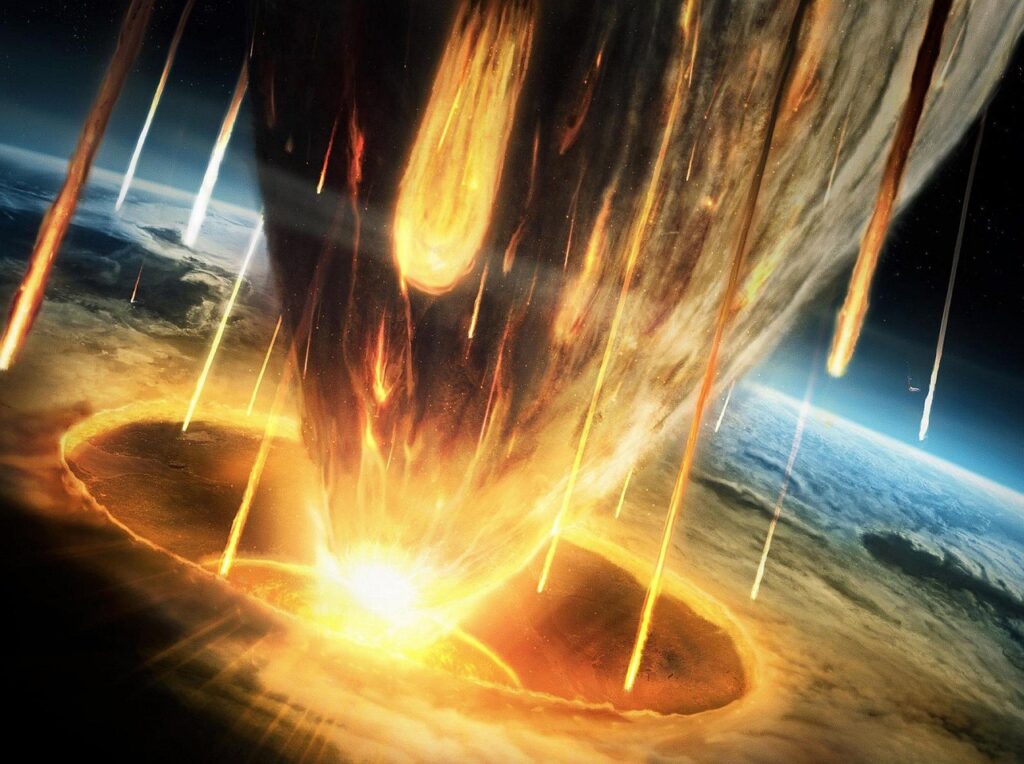
This one feels too obvious to still be a problem in 2024, and yet low-budget productions and sensationalist specials keep finding ways to blur the timeline. The last non-avian dinosaurs were wiped out approximately 66 million years ago at the end of the Cretaceous. Modern Homo sapiens appeared on Earth roughly 300,000 years ago. The arithmetic is unambiguous: these two groups missed each other by more than 65 million years – a gap so enormous it makes the entire recorded history of human civilization look like a rounding error.
The reason palaeontologists treat this as the floor-level minimum standard for any documentary isn’t pedantry – it’s that conflating the two timelines produces a fundamentally false picture of deep time that distorts everything else. When audiences don’t feel the true scale of geological time, they can’t properly understand extinction, evolution, or the rarity of what the fossil record actually preserves. Creationist media has historically exploited this confusion deliberately. Legitimate documentaries have no excuse for contributing to it, even accidentally, through sloppy framing or misleading visual timelines.
Quick Compare: The Deep Time Gap
- Last non-avian dinosaurs: ~66 million years ago (end-Cretaceous mass extinction)
- First anatomically modern humans: ~300,000 years ago
- The gap between them: ~65.7 million years
- All of recorded human history: roughly 5,000 years – less than 0.008% of that gap
- T. rex and Stegosaurus: These two iconic species are separated by ~80 million years – more time than separates T. rex from us today.
#4 – Sauropods Wading in Swamps Because Their Bodies Were “Too Heavy” for Land
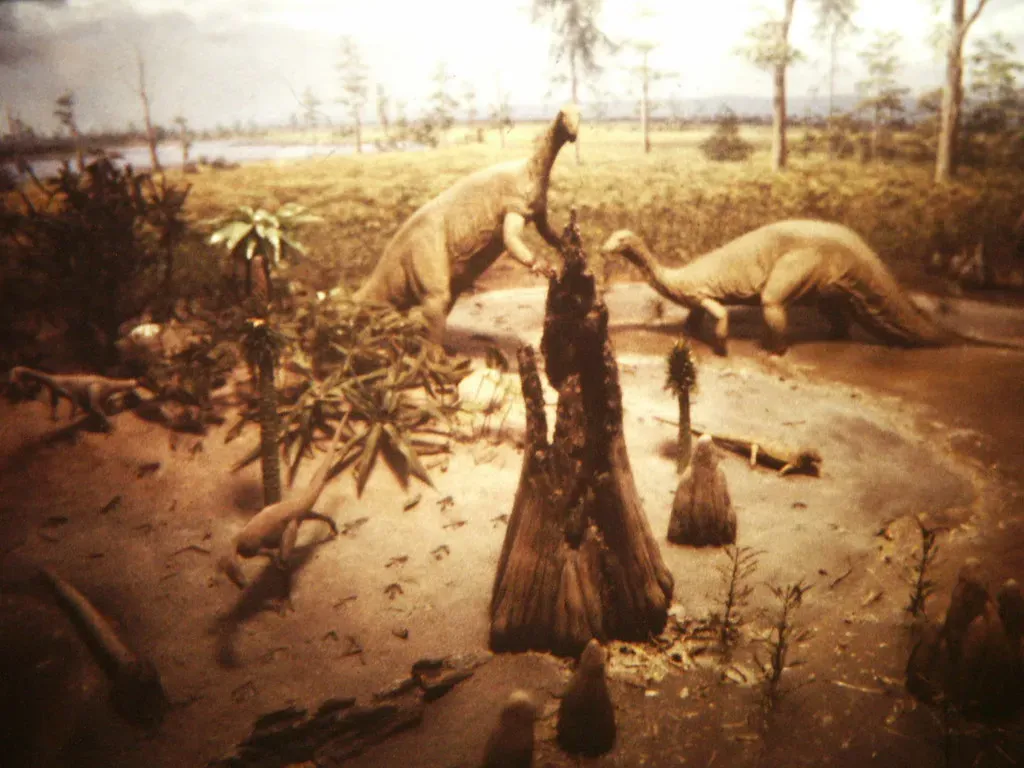
The image of massive long-necked sauropods half-submerged in murky swamps, using the water to support their impossible bulk, was the dominant view in palaeontology for most of the 20th century. It made intuitive sense: the animals seemed too enormous to function on land, so water must have been doing the work. The fossil evidence systematically dismantled that idea. Sauropod limb bones are dense, columnar, and engineered for weight-bearing on solid ground – more similar in structure to elephant legs than to the limbs of any semi-aquatic animal. Trackways show them moving confidently on dry substrates.
The proposed “snorkel neck” idea – that sauropods could submerge their bodies and breathe through their extended necks – was tested against respiratory mechanics and blood pressure modeling and failed comprehensively. The water pressure on a submerged sauropod’s chest would have made breathing nearly impossible, and the cardiovascular demands of pumping blood to a head elevated several meters above a submerged body would have been extreme even on land, let alone underwater. These were land animals. Enormous, extraordinary, fully terrestrial land animals. The swamp scenes aren’t just wrong – they actively diminish how impressive the real biology was.
#3 – The Stegosaurus “Second Brain” That Was Never a Brain at All
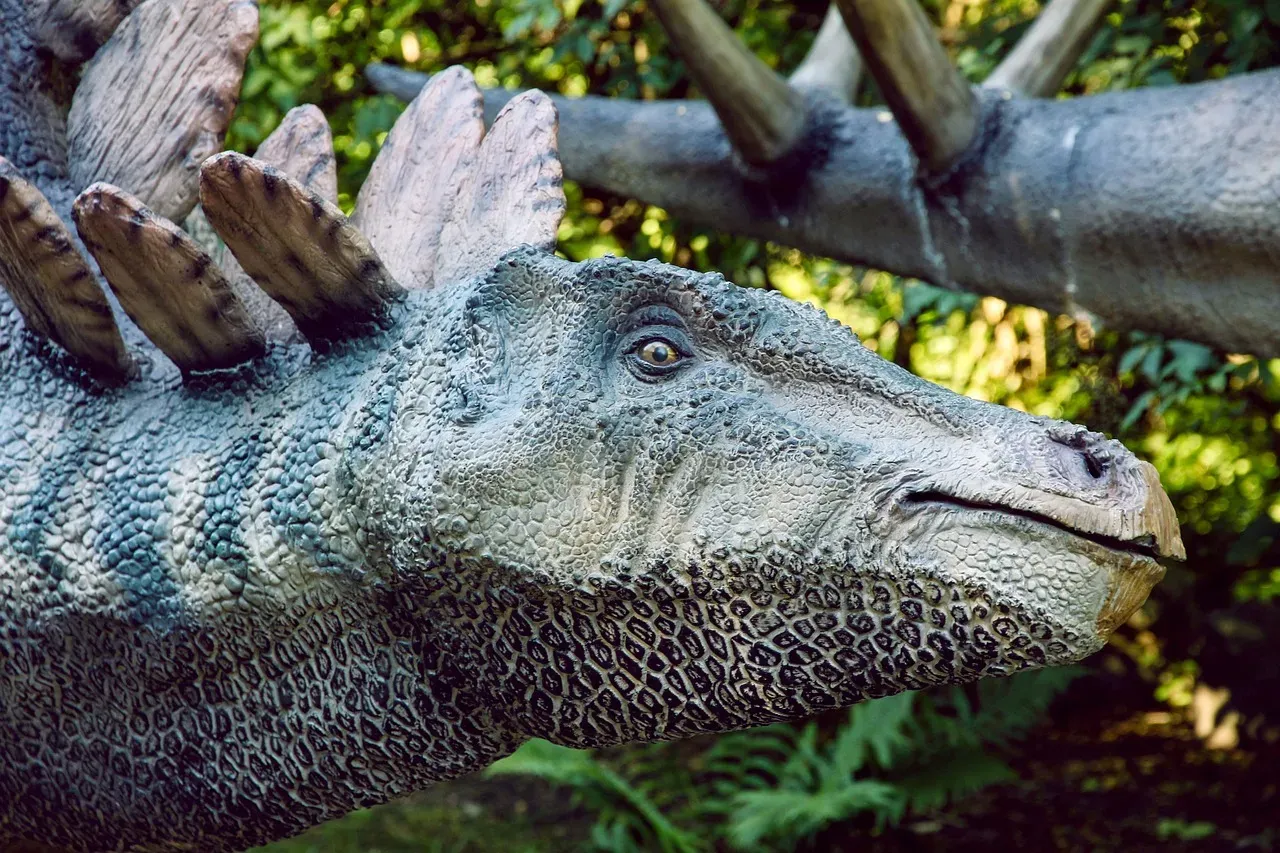
Few dinosaur myths have had the staying power of the Stegosaurus second brain. The story goes that Stegosaurus had such a tiny skull-brain that it needed a supplementary neural center in its hip region to manage the back half of its body – a neatly satisfying explanation for an animal that looked almost too dumb to function. It circulated in textbooks for decades and became one of those facts people repeat with confidence at dinner parties. The problem: it was based on a misreading of a single enlarged spinal cavity in the sacral region, and no such brain ever existed.
What that cavity actually contained was almost certainly a glycogen body – a structure found in the spinal cords of living birds today, where it plays a role in energy storage and possibly balance and coordination. It was metabolic infrastructure, not a cognitive organ. The real brain in the skull was genuinely small relative to body size, but Stegosaurus was an herbivore navigating a relatively stable environmental niche – it didn’t need the neural complexity of a predator. Documentaries that still trot out the second brain idea aren’t just repeating a myth. They’re replacing a genuinely interesting piece of avian-linked biology with a story that was never true.
Why It Stands Out
- The sacral enlargement in Stegosaurus was real – but it housed a glycogen body, not neural tissue.
- Glycogen bodies are found in the spinal cords of living birds today, likely supporting balance and energy metabolism.
- Stegosaurus’s actual brain was roughly the size of a walnut relative to its bus-sized body – genuinely small, but functional for its ecological niche.
- The “second brain” myth dates to 1880s descriptions by Othniel Charles Marsh and was never supported by neurological evidence.
#2 – T. rex Vision So Poor It Couldn’t See You If You Stood Still
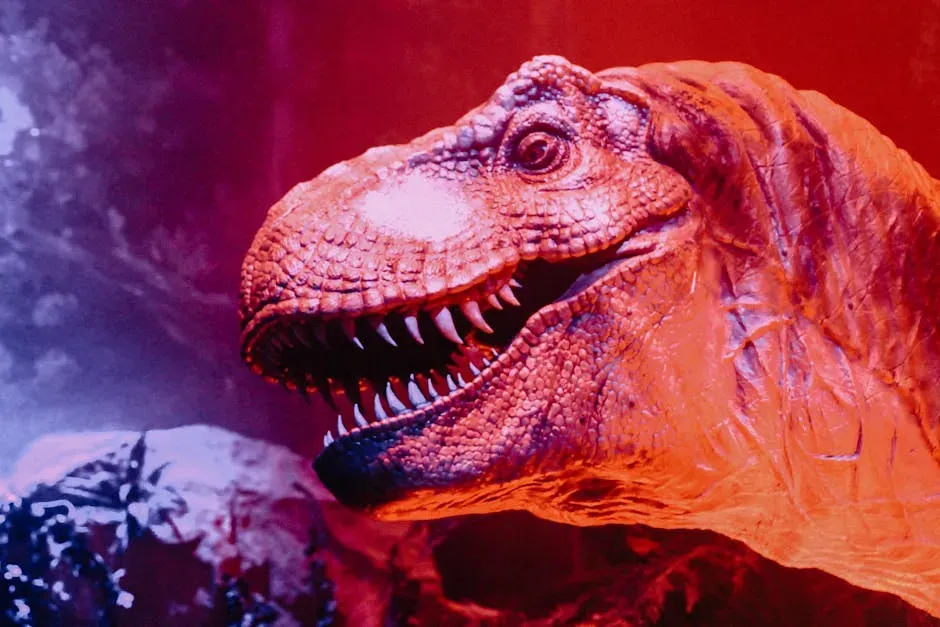
“Don’t move. Its vision is based on movement.” It’s one of the most quoted lines in blockbuster history, and palaeontologists have spent thirty years explaining why it is nonsense. The skull of T. rex tells a detailed story about its sensory capabilities: forward-facing eyes positioned to maximize binocular overlap, large orbits suggesting substantial eye size, and brain endocasts that show highly developed optic processing regions. These are not the anatomical signatures of an animal relying on motion detection to compensate for poor acuity. They are the signatures of a visual predator with exceptional depth perception.
Research into T. rex orbital anatomy has produced striking results: T. rex might have had visual acuity as much as 13 times that of people. For context, an eagle’s acuity is 3.6 times that of a person – meaning T. rex may have seen the world more sharply than one of the most visually acute animals alive today. T. rex had a binocular range of 55°, which is wider than that of modern hawks. T. rex might also have had a limiting far point of 6 kilometers, compared with the human far point of 1.6 km. The idea that a predator with that level of visual investment couldn’t detect a stationary human standing in a jeep’s headlights is biologically absurd. The trope persists because it generates a specific kind of suspense that screenwriters love. But every time a documentary repeats it as fact, it actively misleads audiences about how this animal actually functioned in its ecosystem.
The more we look at T. rex, the more it looks like a big bird. And birds are not stupid, and birds are not slow.
Jack Horner, palaeontologist
#1 – Treating Dinosaurs as Cold-Blooded, Dim-Witted Lizards When the Evidence Points Somewhere Else Entirely
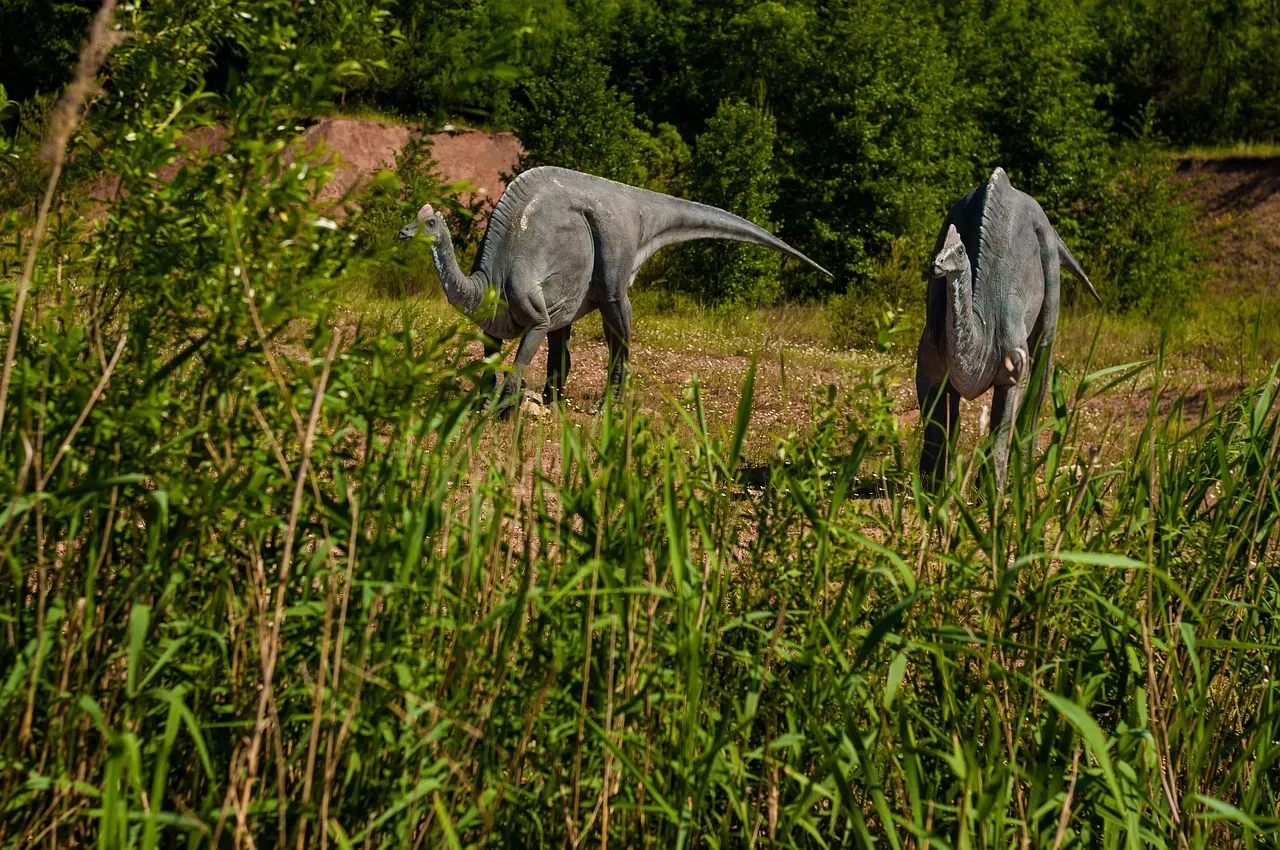
This is the error that makes every other error worse, because it’s not a single factual mistake – it’s a foundational framing failure that colors every scene. When documentaries portray non-avian dinosaurs as essentially slow, dumb, reactive reptiles waiting for something to happen, they’re importing a 19th-century worldview into 21st-century productions. The metabolic evidence accumulated over the past several decades – bone growth rates, isotopic analysis, body size scaling – points strongly toward warm-blooded or at minimum mesothermic physiology in most dinosaur groups. Examination of dinosaur bones shows a high degree of reworking even as juveniles, and when growth rates are plotted against body size, dinosaurs had much higher growth rates than ectotherms of the same size – in fact, comparable to those of mammals and ground-dwelling birds. These were not ectotherms basking in the sun between meals.
The fossil record also preserves behavioral complexity that the sluggish-lizard framing erases entirely: colonial nesting sites, evidence of extended parental care in some species, social aggregation in hadrosaurs and ceratopsians, and cooperative behavior patterns that suggest cognitive lives far richer than the movie monster template allows. The dinosaur-bird evolutionary link isn’t a footnote – it means that modern birds, in all their behavioral and metabolic complexity, are literally living dinosaurs. When documentaries strip all of that away in favor of a simpler, scarier reptile, they’re not just being scientifically inaccurate. They’re telling a less interesting story than the one the fossils actually preserve.
At a Glance: What the Metabolism Evidence Actually Shows
- Bone histology: Dinosaur bones show rapid, high-vascularization growth patterns matching warm-blooded mammals – not the slow, intermittent rings of cold-blooded reptiles.
- Mesothermy finding: A landmark study comparing growth rates across 381 living species found dinosaurs occupy a metabolic middle ground – faster than reptiles, closer to mammals.
- Growth rings reinterpreted: Annual growth pauses once cited as cold-blooded evidence are now known to occur in warm-blooded ruminants too, living in seasonal environments.
- Living proof: Birds – direct dinosaur descendants – are fully endothermic, highly active, and cognitively sophisticated. That lineage began in the Mesozoic.
The most maddening part, according to working palaeontologists, is that none of these corrections make dinosaurs less dramatic. They make them stranger, more vivid, and harder to categorize – animals that don’t fit neatly into any modern analogue. A feathered, warm-blooded, infrasound-rumbling T. rex with eagle-grade vision and bird-like wrist mechanics moving at speed across an open landscape is more unsettling, not less, than the lumbering movie version. Documentaries keep choosing the familiar shortcut over the genuinely extraordinary truth, and the fossils deserve better than that.