
You ever wonder why some people just seem to click with everyone, while others clear a room without saying much? It’s not magic. Sometimes the smallest things we do send massive signals to the people around us. Maybe you’ve never thought about it. Maybe you’ve noticed people pulling away without understanding why.
The truth is, first impressions form ridiculously fast. We’re talking seconds. What you do in those early moments can shape how someone sees you for months, even years. Most of us don’t set out to rub people the wrong way, yet we all carry little habits that quietly push others away. The interesting part is that once you know what these behaviors are, you can actually do something about them.
Let’s dig into the things that make people dislike you almost immediately. Some might surprise you. Others might hit a little too close to home.
Constantly Interrupting When Someone’s Talking

When you cut someone off mid sentence, you’re basically telling them their words don’t matter. Everyone craves the feeling of being heard. This habit makes people feel dismissed and suggests you think your thoughts hold more weight than theirs.
Research shows that people who interrupt are seen as more dominant but way less likable. Think about how it feels when you’re sharing something important and someone just talks right over you. Frustrating, right? Eventually, people just stop opening up around serial interrupters because every conversation feels like a battle for airtime.
Talking About Others Behind Their Backs

When you gossip about someone, people naturally assume you’ll do the same thing to them. It creates this atmosphere where nobody feels safe being genuine. Speaking negatively about people who aren’t there reveals far more about your character than theirs, showing poor judgment and lack of integrity.
Relationships built on gossip tend to be flimsy. They collapse the moment any real conflict shows up. If you want people to trust you, keep conversations respectful and address issues directly with the person involved, not with an audience.
Always Showing Up Late

Your time isn’t actually more valuable than anyone else’s, yet showing up late sends exactly that message. Punctuality communicates respect. Consistently being late tells people their schedules don’t matter, leaving them feeling frustrated and unimportant.
Over time, folks start planning around your unreliability or just stop inviting you altogether. It’s honestly one of the easiest ways to damage relationships without even realizing it. If you struggle with time management, set your clocks ahead or schedule things earlier than needed.
One-Upping Everyone’s Stories
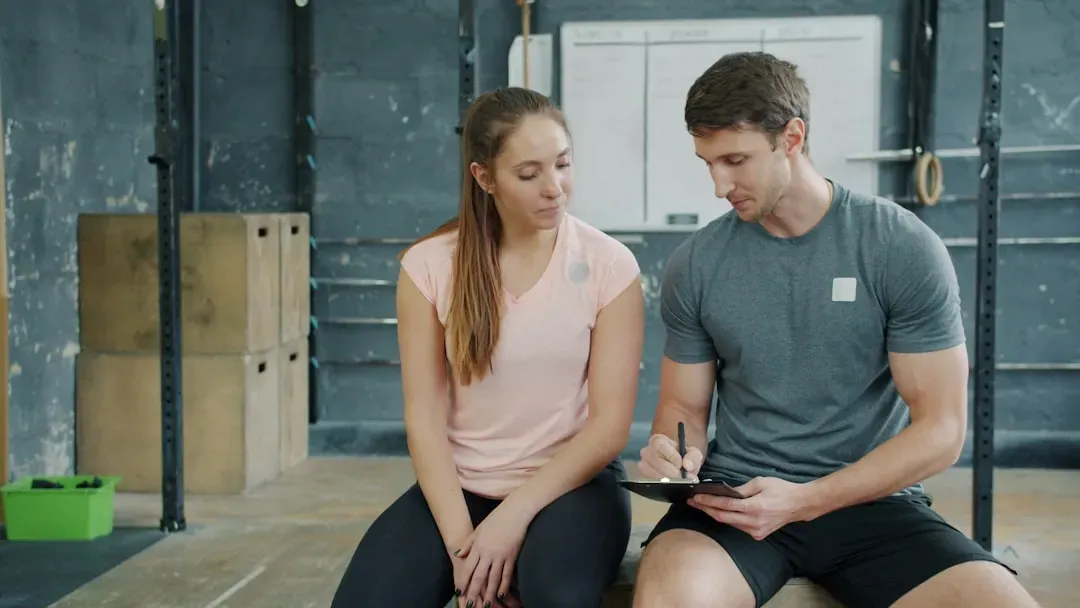
That classic phrase instantly kills connection because one-uppers can’t let anyone else have the spotlight for even a moment, when someone really wants acknowledgment and connection, not competition. You had a tough day at work? Well, theirs was way worse. Visited somewhere cool? They’ve been somewhere more exotic.
This behavior makes people feel invalidated and stems from insecurity but comes across as pure arrogance. Eventually, people stop sharing anything with you because every chat becomes about your superiority. Genuine interest in what others experience makes you infinitely more likable than constantly topping their stories.
Ignoring Basic Hygiene
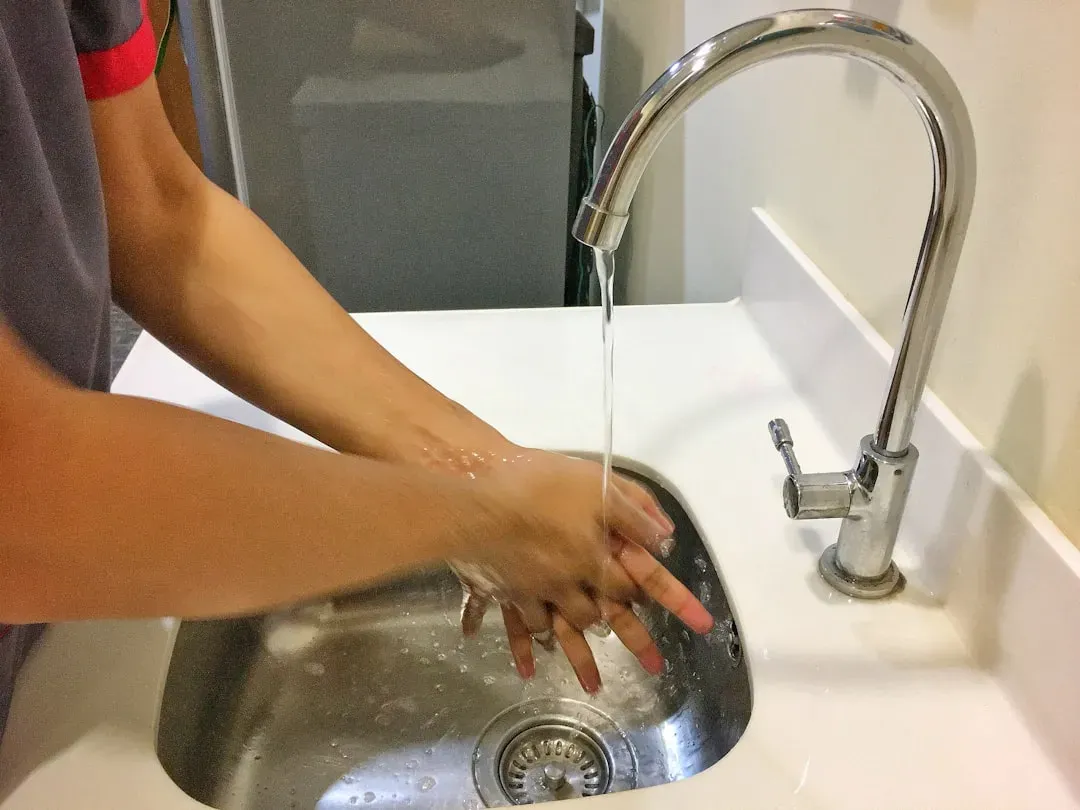
Personal cleanliness directly affects how comfortable people feel around you, as bad breath, body odor, or dirty clothes create immediate physical discomfort. Here’s the thing though: most people won’t tell you directly. It’s awkward. Instead, they’ll quietly distance themselves, and professional opportunities along with friendships suffer when basic cleanliness gets ignored.
This isn’t about being shallow. It’s about respect for the people sharing your space. Regular showers, clean clothes, and dental care aren’t negotiable if you want to maintain healthy social connections.
Lacking Basic Manners

Being rude to service workers reveals your true character instantly because how you treat people who can’t benefit you shows who you really are. People notice when you skip basic courtesies like holding doors or saying thank you, and good manners aren’t old fashioned but timeless signs of respect.
Without these simple gestures, you appear selfish and difficult regardless of your other qualities. Honestly, I’ve seen promising relationships crash because someone was dismissive to a waiter. Those small moments speak volumes.
Staring at Your Phone During Conversations
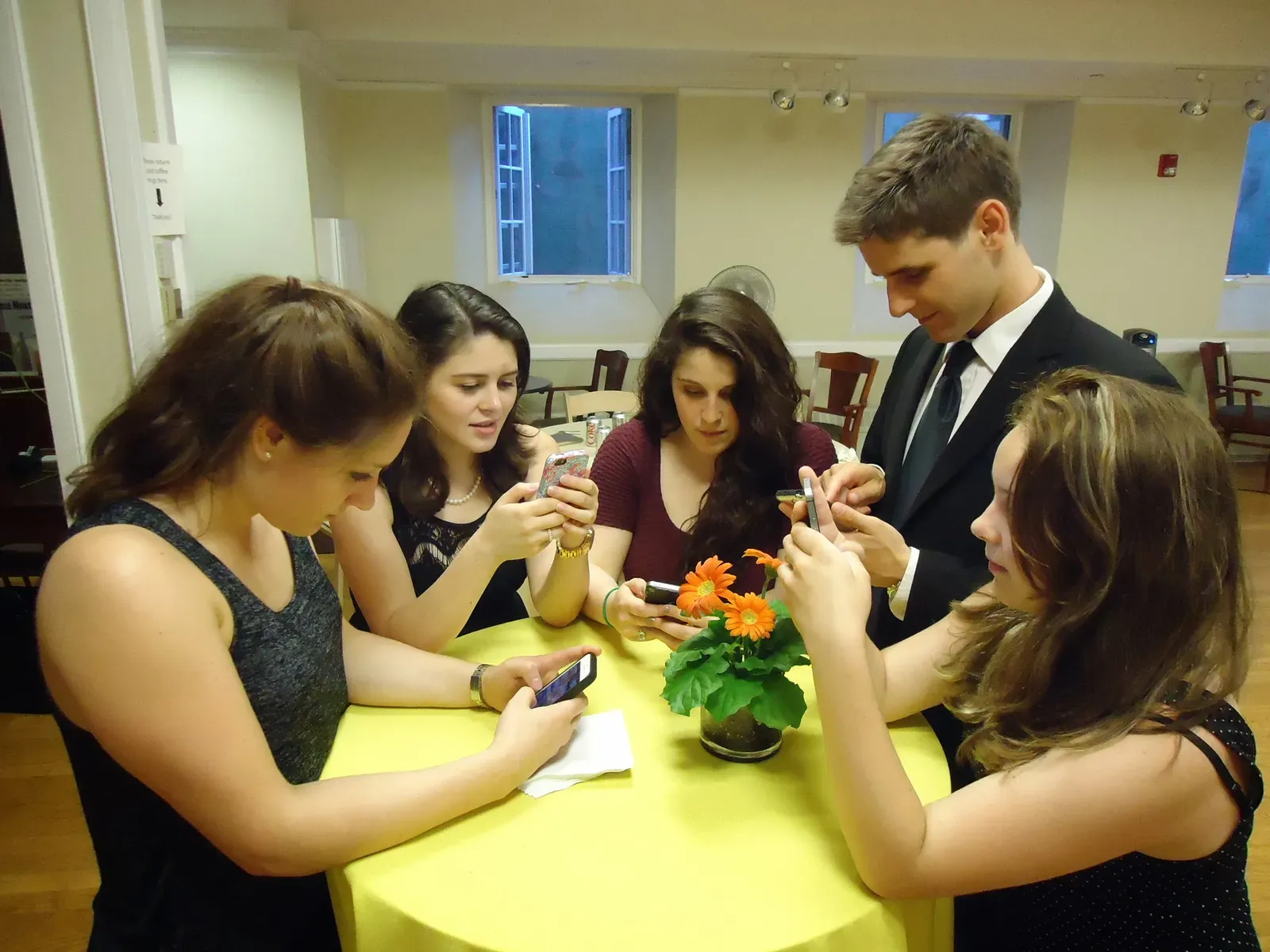
This behavior called phubbing makes people feel ignored and unimportant, and even quick glances at notifications disrupt conversation flow. Your phone essentially becomes a third person in the conversation, except that person is way more interesting to you than the human standing right there.
Brief moments of behavior can shape how people judge you, and a phone check can become one of those defining moments. Keep your phone away during face to face interactions. It’s simple respect that makes a massive difference in how people experience time with you.
Making Everything About Yourself

When every conversation circles back to your problems, opinions, or achievements, others start feeling like props in your personal monologue. Talking about ourselves gives us a psychological kick and lights up reward centers in the brain, yet when it comes to being liked, it’s actually a terrible strategy as likability decreases whenever we bring topics back to ourselves.
Good dialogue requires balance, and if you’re always the star, it’s not a conversation but a performance. People remember how you made them feel. If they walk away feeling unheard, they won’t be rushing back for another round.
Complaining About Everything

Negativity spreads like a virus, and studies show that simply being around frequent complainers makes you feel more negative yourself, which explains why people distance themselves from constant complainers. Sure, everyone needs to vent occasionally. That’s totally normal.
However, when every single conversation turns into a rant about what’s wrong, people start avoiding you. If your first five minutes are mostly negatives, people start bracing themselves and expect more heaviness to follow. Try shifting focus to solutions or positive moments instead of dwelling on problems.
Invading Personal Space

This seemingly small habit makes people dislike you almost instantly because it’s about respecting boundaries in all aspects, whether leaning too close during conversation or rummaging through belongings without asking. When you stand too close, their nervous system wants distance, and they may lean back or step away, but if you keep moving in, they feel trapped.
Give extra space at first, especially with new people, as you can always move closer later if the vibe supports it. Watch for body language cues. If someone keeps backing up or holding objects between you, they’re asking for more space without words.
Acting Like You Know Everything
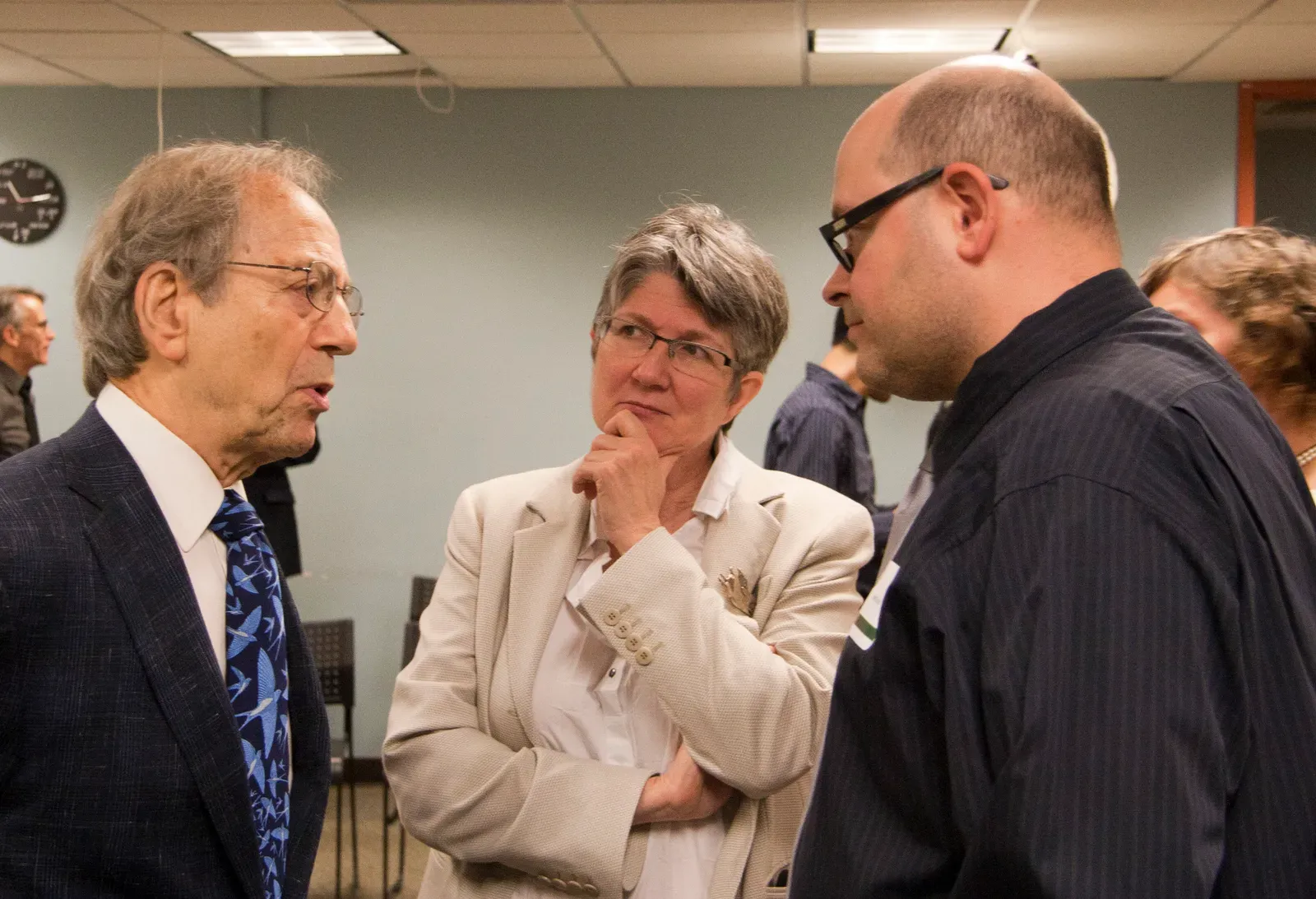
Research shows the chance of changing someone’s mind by overwhelming them with your superior knowledge is basically zero. Acting like a know it all or telling people they’re wrong makes others dislike you. Everyone appreciates knowledgeable people, but nobody wants to hang around someone who constantly has to prove their intelligence.
If you never admit when you’re wrong and constantly correct others, people start avoiding any substantial discussions with you because nobody enjoys walking on eggshells. Some of the wisest people aren’t those who talk most but those who know when to listen and say you might be right. Humility goes much further than being right all the time.
The Path Forward

These behaviors aren’t character flaws carved in stone. They’re habits, plain and simple. Habits can change once you recognize them. The beautiful part about all this is that you hold the power to shift how people experience you.
Self awareness matters more than perfection. Nobody expects you to be flawless in every interaction. People appreciate someone who listens, respects boundaries, shows up on time, and treats others with basic courtesy. These aren’t revolutionary concepts, just fundamentals that somehow get lost in our busy lives.
So what now? Maybe take a moment and honestly reflect on which of these hit home. We all have blind spots. The question is whether you’re willing to see yours before you’ve pushed away people who actually matter. What would change if you tackled just one of these habits this week?