
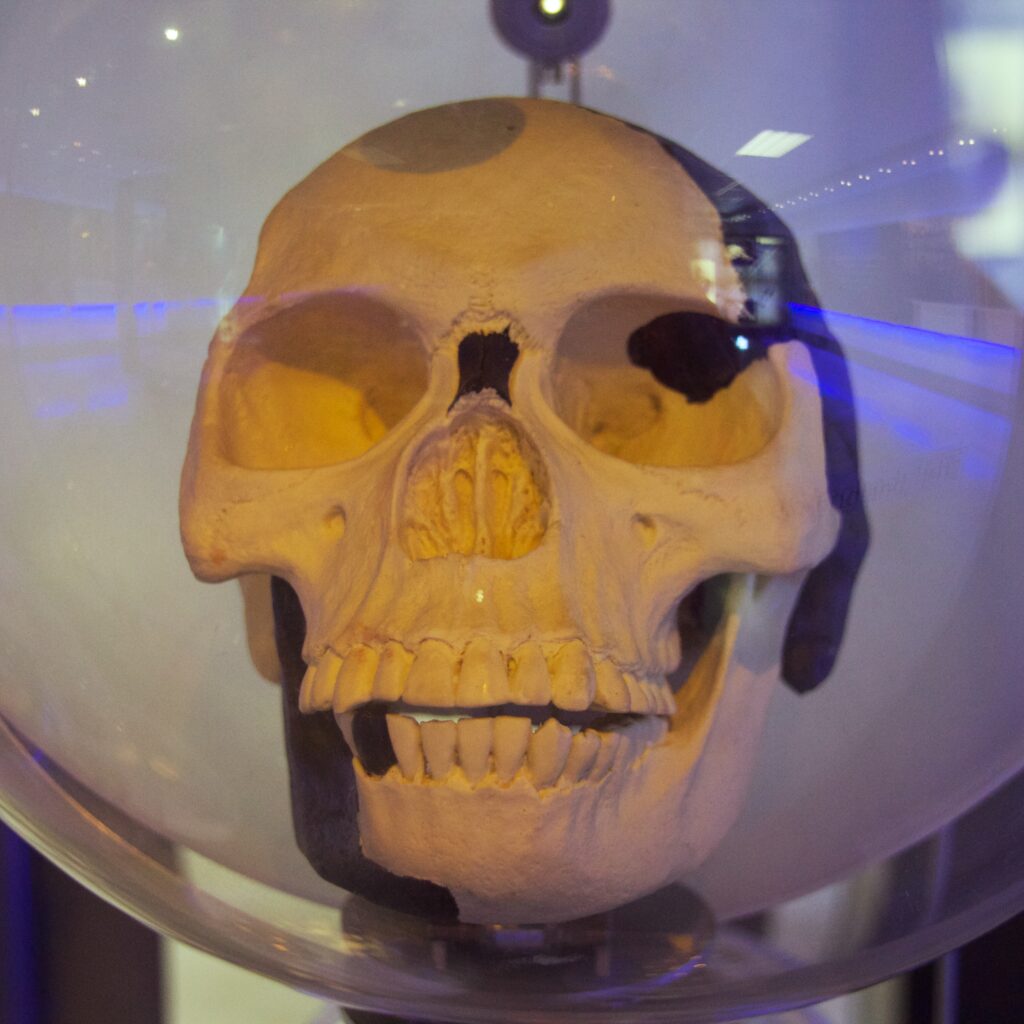
Most textbooks call it the greatest scientific fraud of the 20th century, yet for 41 years, some of the sharpest minds in British science stood by it without blinking. A skull dug out of a Sussex gravel pit in 1912 convinced anatomists, geologists, and newspaper editors alike that humanity’s missing link had finally been found. It hadn’t. It was a human skull glued to an orangutan’s jaw, stained with chemicals and quietly filed down to fool the naked eye.
What’s wild is just how much scientists were willing to believe once they wanted something to be true. Here’s what the historical record actually reveals about the beliefs the Piltdown hoax planted – and how long each one managed to survive before the whole thing collapsed.
#1 – That the “Missing Link” Between Apes and Humans Had Finally Been Found
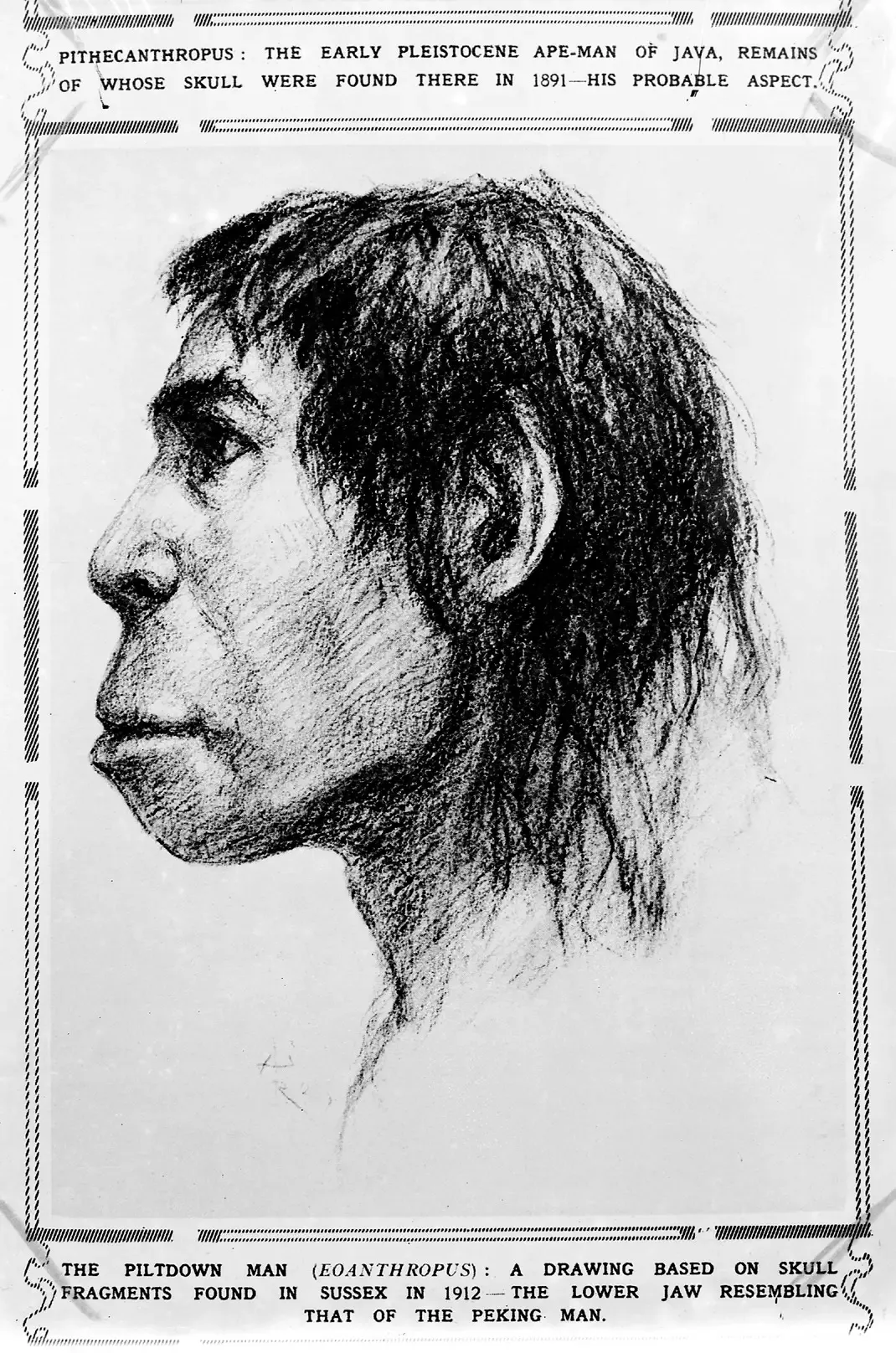
The entire Piltdown saga only makes sense once you understand the desperation driving it. The story really begins with Charles Darwin’s 1859 publication of “On the Origin of Species,” which convinced people that if evolution by natural selection was true, there had to be fossils clearly connecting apes to modern humans. The search for that “missing link” turned into a race that consumed the archaeological community for the rest of the century, with scientists across Europe scrambling to be the ones who found it first.
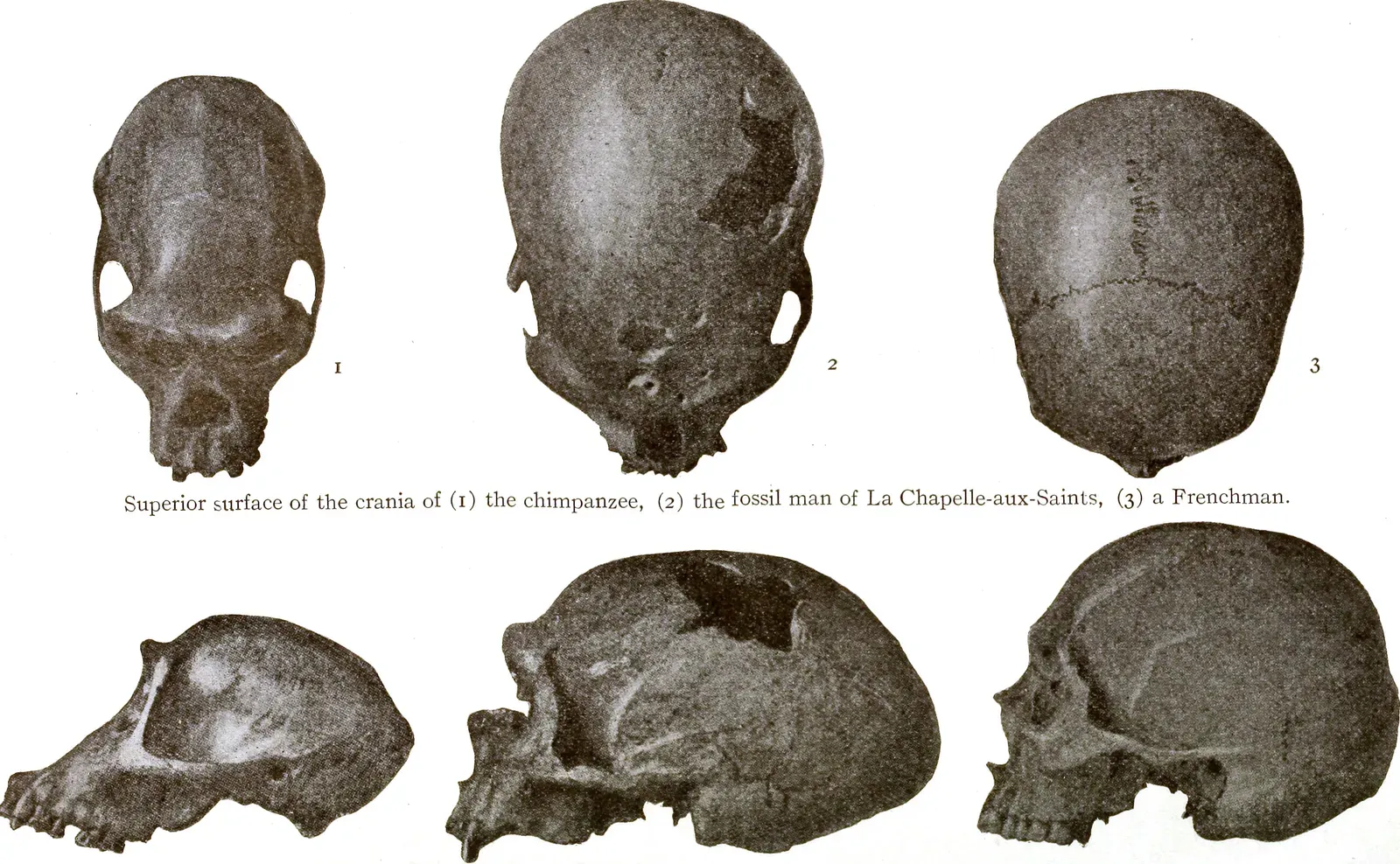
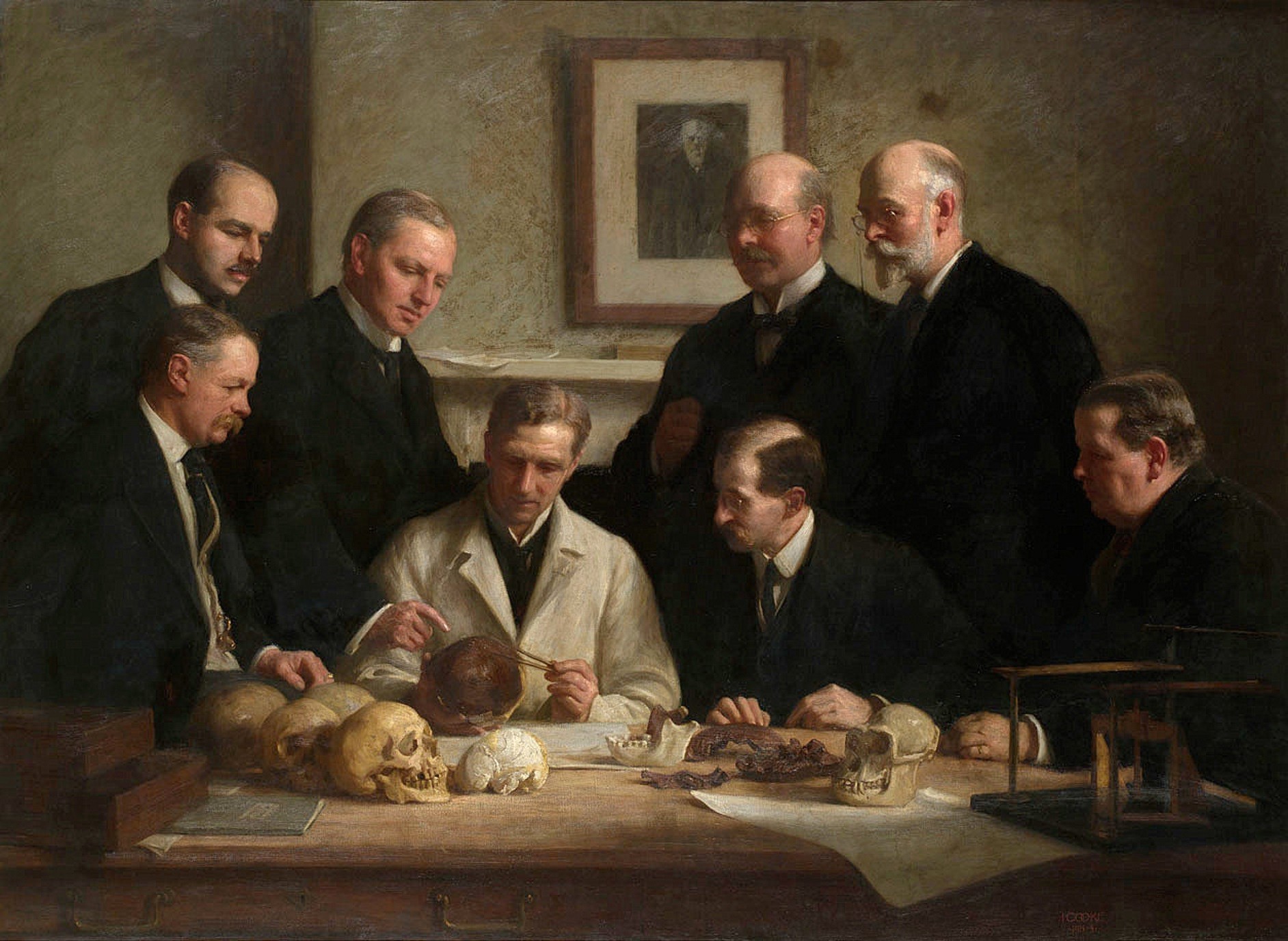
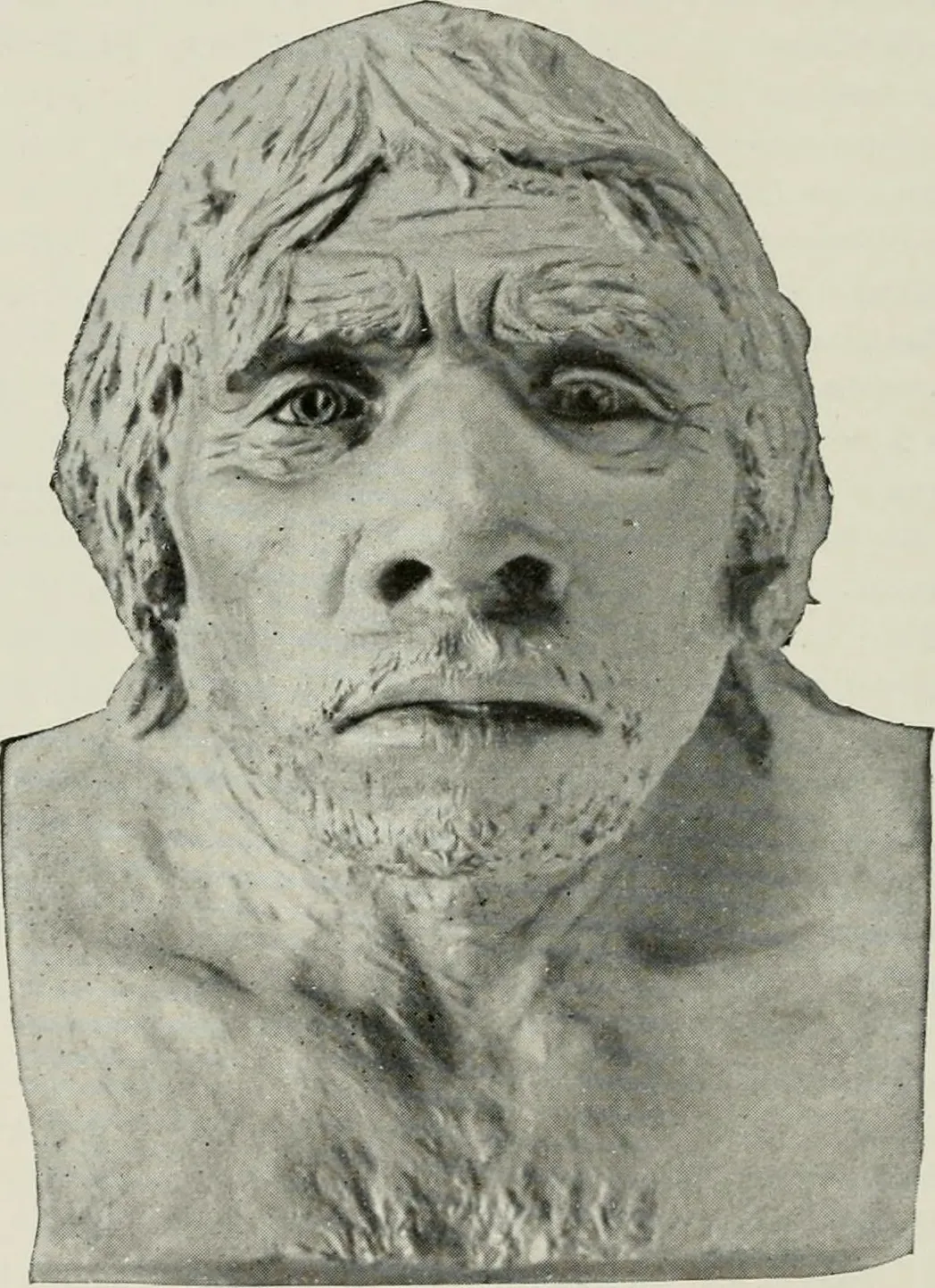
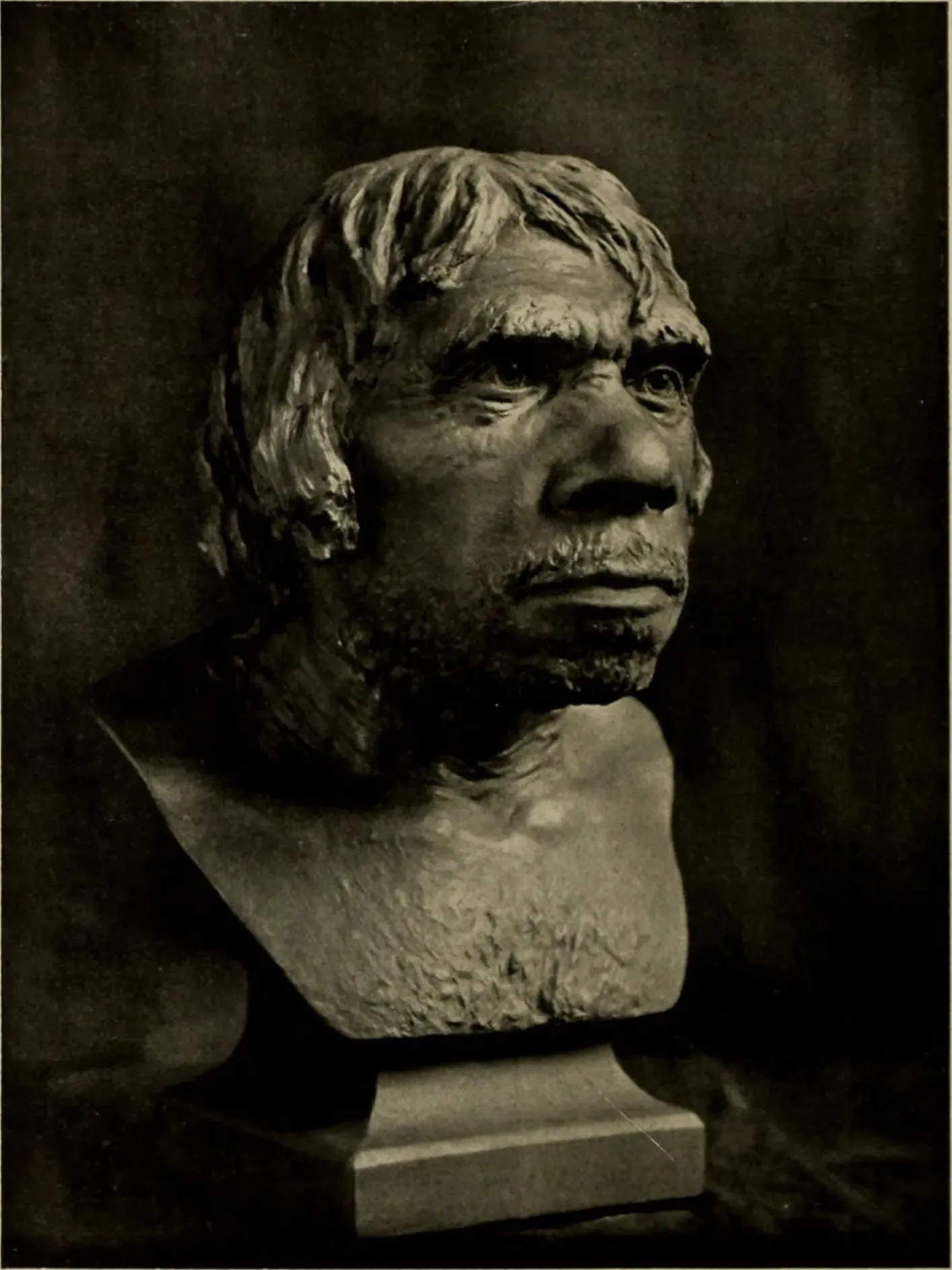
When Charles Dawson announced his discovery in December 1912, Piltdown Man set the scientific world ablaze. It was hailed as the missing evolutionary link between apes and humans, and proof that humans’ enlarged brains had evolved earlier than anyone had supposed. It was exactly what the scientific community had been hunting for, delivered in a single dramatic package.
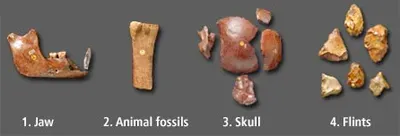
The believability came from the packaging itself. Dawson and Smith Woodward presented a set of teeth, a jawbone, more skull fragments, and primitive tools, all suggested to belong to the same individual living roughly 500,000 years ago. A composite this elaborate didn’t look like a lucky accident. It looked like proof.
But that’s nothing compared to what we found about #2…
#2 – That Large Brains Evolved Before Anything Else
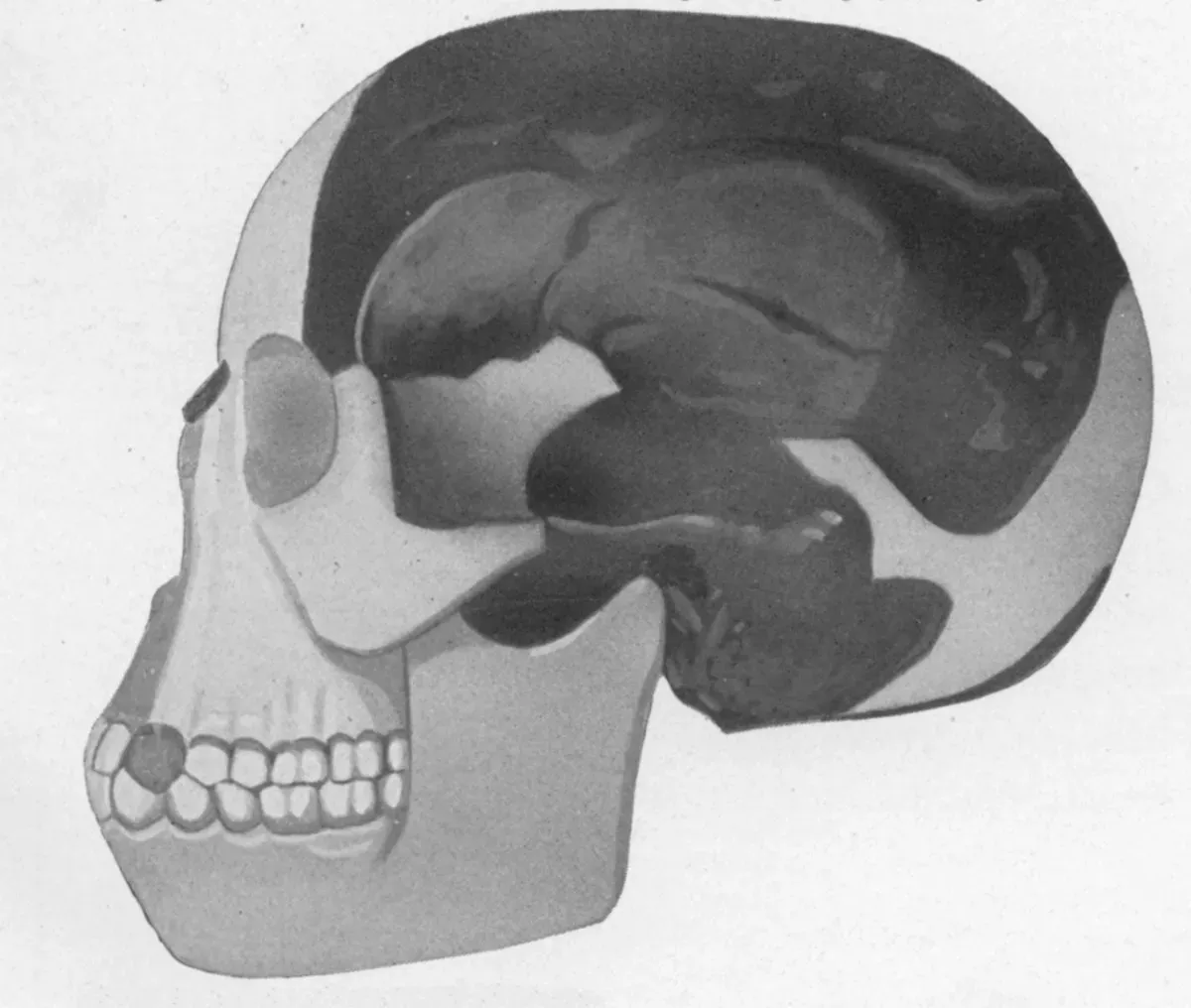
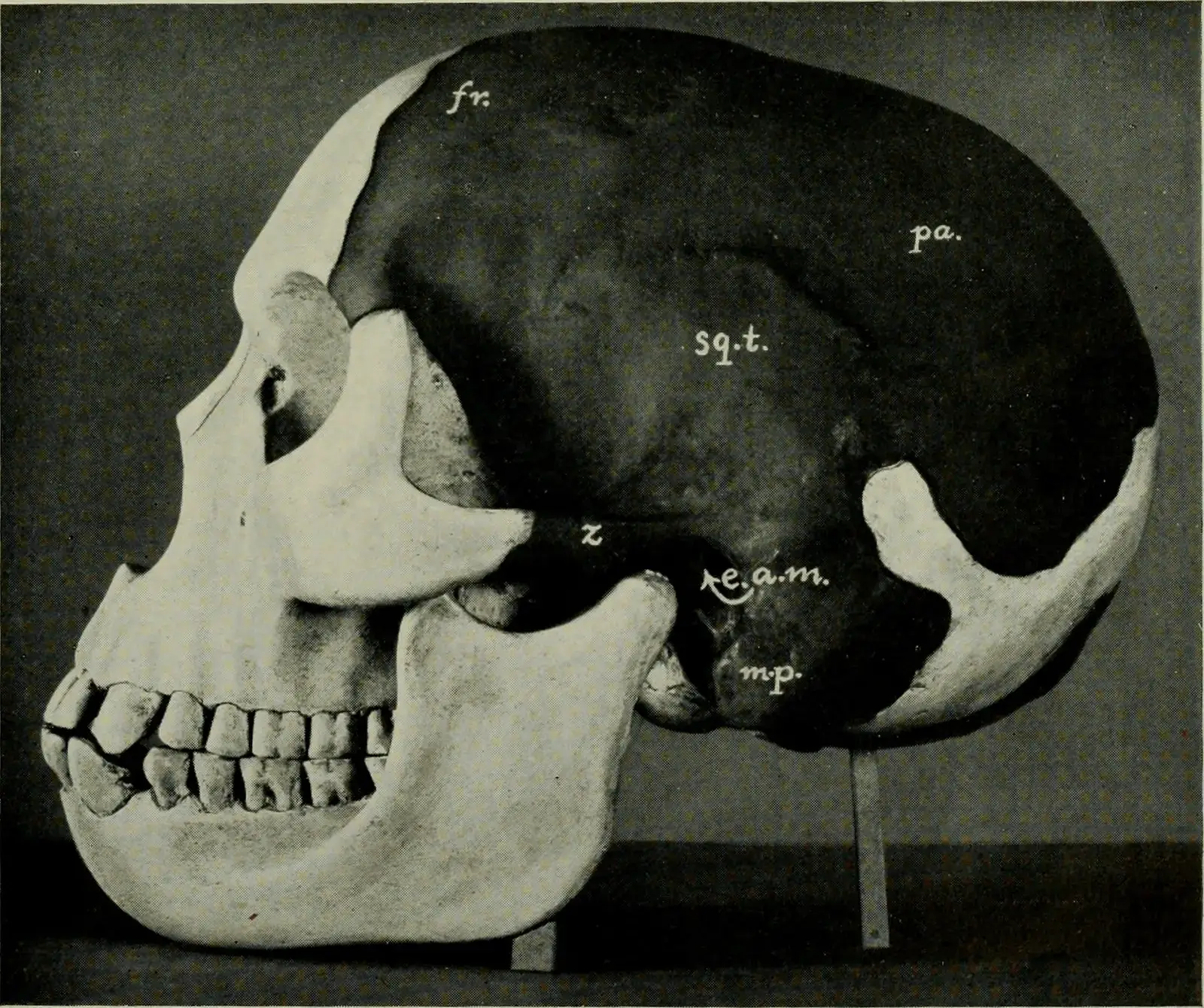
Piltdown Man didn’t just confirm evolution – it seemed to prove a very specific, and very flattering, theory about how it happened. The skull fragments suggested a large, modern-looking braincase paired with a primitive, ape-like jaw. To British scientists already primed to believe humans became smart before they became anything else physically, this was a dream discovery.
This fortuitous find – nine pieces of a large-brained human skull alongside an ape-like lower jaw with two teeth – was readily accepted by the British scientific establishment precisely because it matched their existing belief that a large brain was one of the first human features to evolve. Scientists weren’t just evaluating evidence objectively. They were fitting evidence into a story they already wanted to tell.
That’s the uncomfortable part modern researchers keep coming back to. The find flattered existing assumptions so perfectly that almost nobody thought to question whether the assumptions came first and the “evidence” was built to match them. It’s one of the clearest textbook cases of confirmation bias in the history of science, and it worked precisely because it told scientists what they already expected to hear.
But that’s nothing compared to what we found about #3…
#3 – That Britain Was a Cradle of Early Human Evolution
By 1912, national pride was quietly steering scientific interpretation. Fossil hominins had already turned up in Germany, France, and Belgium, while Britain had nothing to show for it. The saga of Piltdown actually starts in 1907, when a sand miner in Germany discovered the jawbone of Homo heidelbergensis. Rising national tensions – the kind that would later boil over into World War I – only sharpened the sting of being left behind, and something close to an inferiority complex settled over U.K. scientists.
At a Glance
- 1907: A German sand pit yields the jawbone of Homo heidelbergensis
- Early 1900s: More hominin fossils surface in France and Belgium
- Pre-1912: Britain holds zero major hominin fossil finds of its own
- December 1912: Piltdown Man appears and instantly fills the gap
Piltdown Man solved that problem overnight. Suddenly England had its own ancient ancestor, one arguably older and more significant than anything found on the continent. The find set the pace for evolutionary research for decades and established the United Kingdom as an important site in the story of human evolution.
Most people assume scientific institutions are immune to nationalism, but Piltdown proves otherwise. The timing, the enthusiasm, and the speed of acceptance all lined up suspiciously well with a country desperate for a seat at the paleoanthropology table. Scientists didn’t just want a missing link – they wanted a British one, and that desire almost certainly softened the scrutiny the fossils deserved.
But that’s nothing compared to what we found about #4…
#4 – That the Bones Were Genuinely Hundreds of Thousands of Years Old
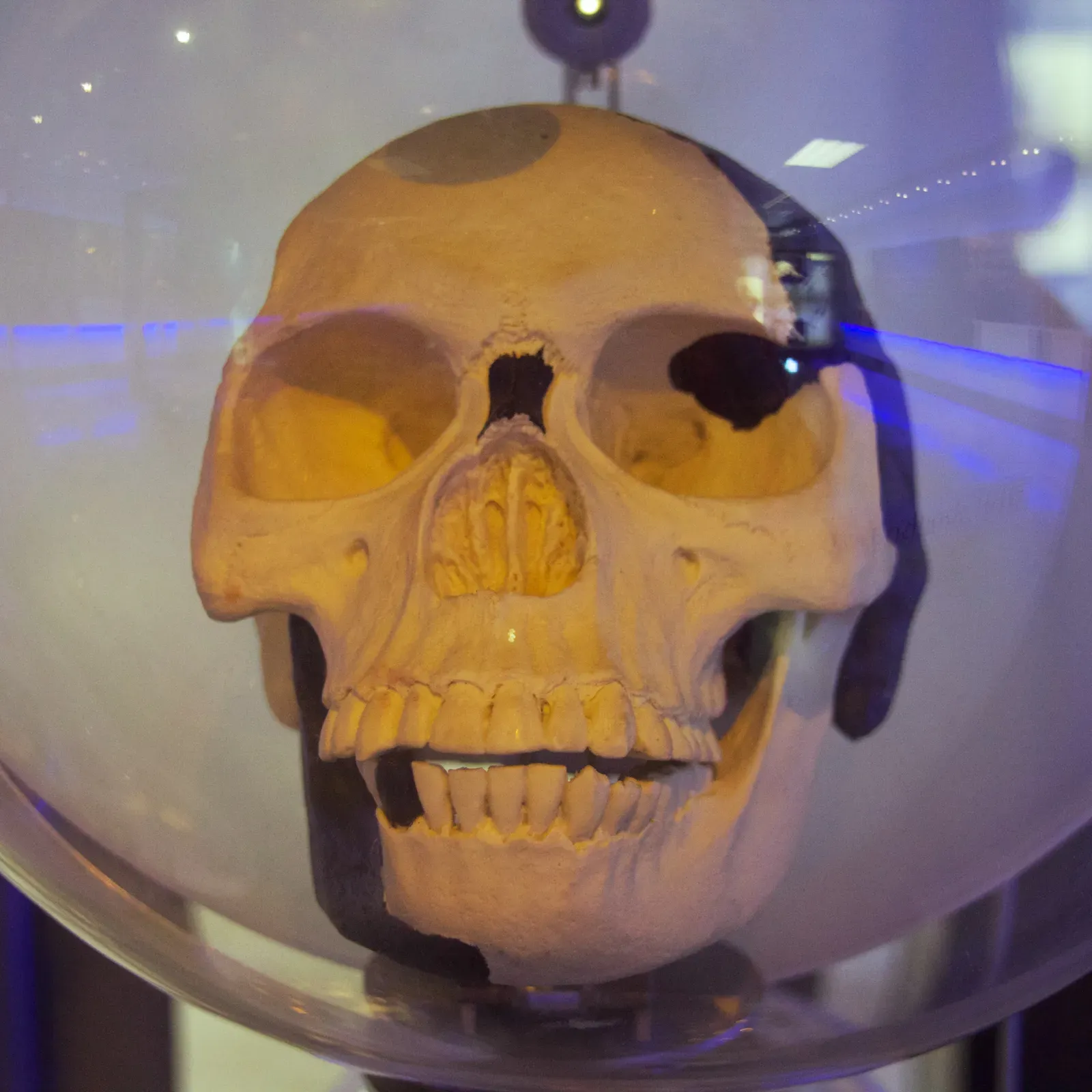
For decades, the scientific consensus treated Piltdown Man’s age as settled fact. In December 1912, it was announced that Charles Dawson had made an astonishing discovery in a Sussex gravel pit: prehistoric remains, up to 1 million years old, combining the skull of a human with the jaw of an ape. That number alone made it one of the oldest human ancestors known at the time.
The reality, uncovered decades later, was almost comically different. In 1953, scientists from London’s Natural History Museum and Oxford University ran tests showing the find was a cleverly assembled fake – a human skull only a few hundred years old, combined with the jaw of an orangutan and stained to look ancient. A skull believed to be prehistoric turned out to be barely older than the Renaissance.
The gap between belief and reality is staggering. Scientists thought they were holding something a million years old when they were actually holding bones that could have belonged to someone’s recent ancestor. Later carbon dating drove the point home even further, with one estimate for the skull landing at roughly 600 years old – a number that would have been unthinkable to the men who first examined it in 1912.
Quick Compare
- Believed in 1912: Prehistoric remains up to 1 million years old
- Revealed in 1953: A human skull only a few hundred years old
- Believed in 1912: One of the oldest human ancestors on record
- Revealed later: Carbon dating placed the skull at roughly 600 years old
But that’s nothing compared to what we found about #5…
#5 – That the Skull and Jaw Belonged to the Same Creature
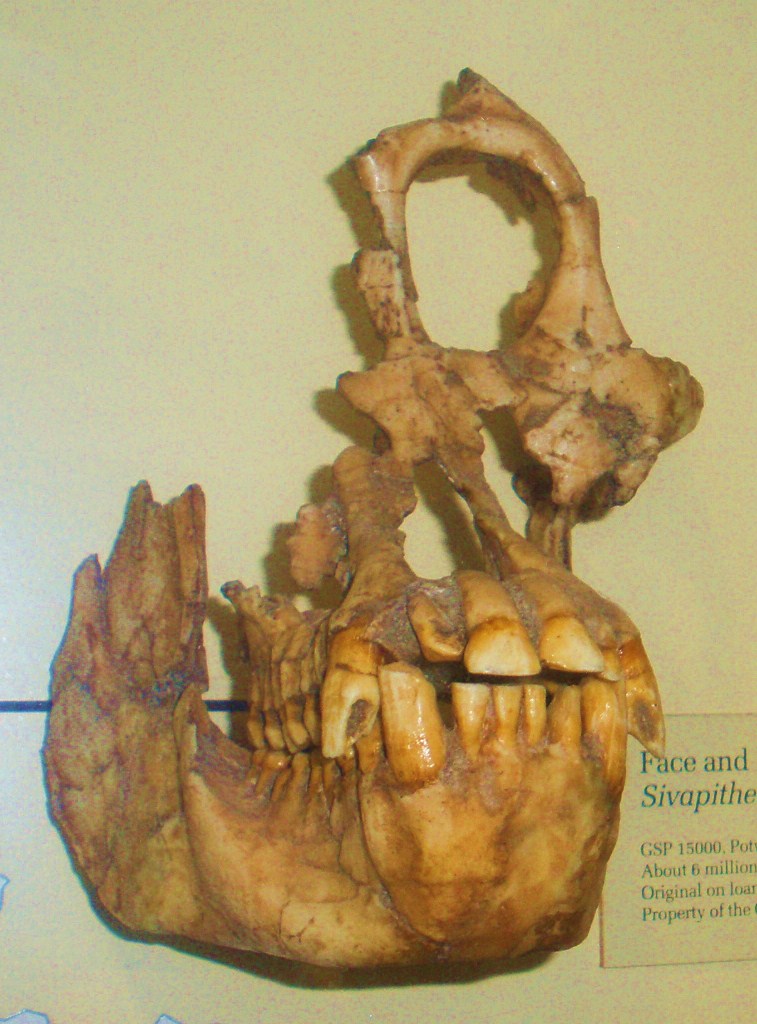
This is the belief the entire hoax was built around, and it’s the one that collapsed the hardest once real testing began. Scientists in 1912 assumed a jawbone and a cranium found together in the same gravel pit obviously came from the same individual. Why would anyone question that?
Some did, almost immediately. The anatomist David Waterston and the American zoologist Gerrit Miller argued as early as 1913 that the jaw looked exactly like what it was: an ape’s jaw with nothing human about it. They were dismissed for decades.
The truth, once fluorine testing entered the picture, was undeniable. What scientists had been studying was an altered orangutan mandible and a few orangutan teeth, deliberately combined with the cranium of a fully developed, though small-brained, modern human. Two completely different species, from two completely different time periods, presented as one. Scientists spent forty years studying a single “individual” that never actually existed.
But that’s nothing compared to what we found about #6…
#6 – That a Perfectly Matching Canine Tooth Proved the Connection
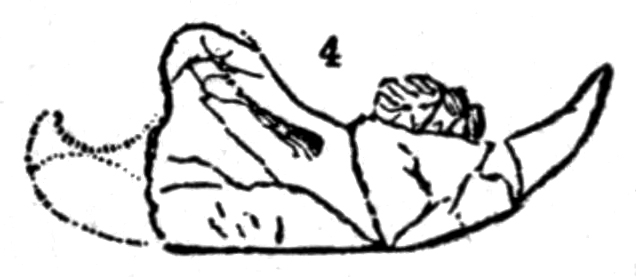
Every good con needs a moment that erases lingering doubt, and for Piltdown, that moment came in the form of a single tooth. Early skeptics had pointed out that the jaw didn’t quite fit the skull. Then, conveniently, a canine tooth turned up that seemed to resolve everything.
The skull pieces came first, presented by Dawson and Woodward to the Geological Society on December 18, 1912, alongside the jawbone and, crucially, a canine tooth that fit the jaw’s missing gap almost too well. It was the kind of detail that silences a room.
Rather than raising alarm bells, the tooth’s perfect timing calmed critics who had been circling the discovery. Looking back, that “almost too well” fit should have been the loudest red flag in the entire affair – real fossil assemblages are messy, incomplete, and full of frustrating gaps. Piltdown’s gaps kept closing exactly when they needed to, which is precisely how a fabricated find is supposed to behave, not how genuine paleontology works.
But that’s nothing compared to what we found about #7…
#7 – That the Animal Fossils and Stone Tools Proved the Site Was Ancient
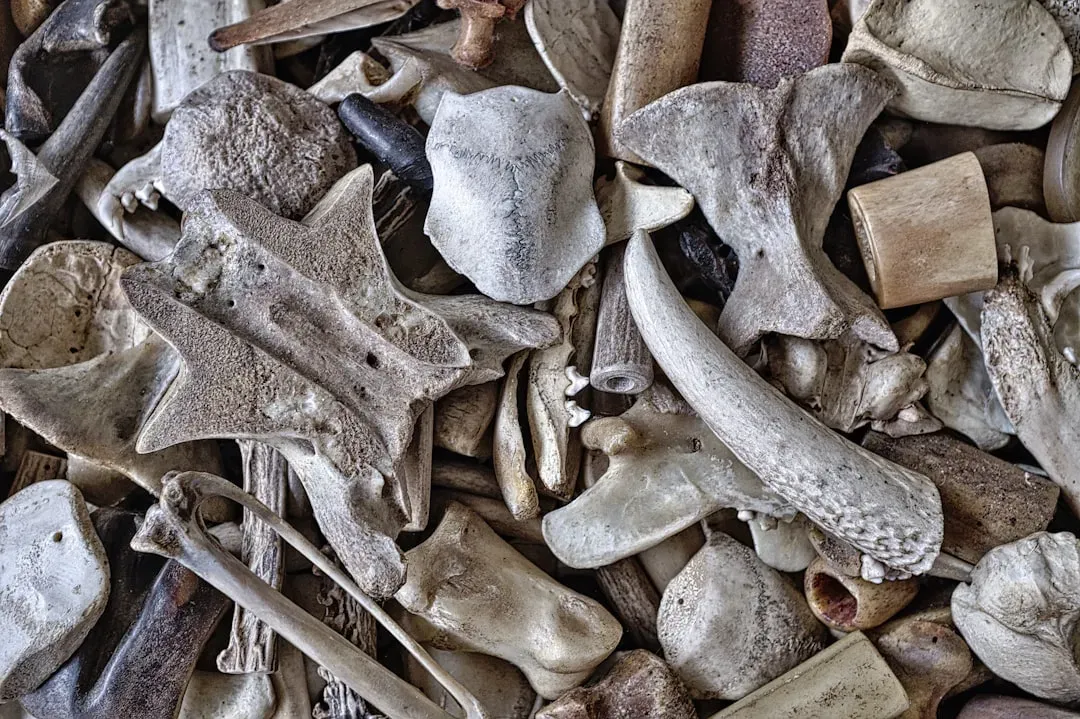
A single skull is easy to doubt. A skull surrounded by ancient animal remains and primitive tools is much harder to dismiss, and that’s exactly the trick used at Piltdown. Scientists at the time didn’t just examine the human-like bones – they looked at the surrounding “evidence” as independent confirmation.
Fast Facts
- Ancient animal bones were buried alongside the skull to suggest deep antiquity
- Flint tools were planted nearby to imply early human toolmaking
- Both human and ape skull fragments were mixed into the same layer
- The staged “ecosystem” made the fraud look like several independent proofs, not one
Whoever perpetrated the hoax buried ancient animal bones, flint tools, and both human and ape skull fragments in the English town of Piltdown, creating an entire fabricated ecosystem rather than a single fake object. This context made the fraud dramatically more convincing, because it appeared that multiple independent lines of evidence all pointed the same direction.
It worked for years. Findings published in 1955 showed that the real mammalian fossils and rudimentary tools were not naturally associated with the human remains at all – they had been planted alongside them to manufacture a sense of geological authenticity. The “supporting evidence” wasn’t corroboration. It was staging.
But that’s nothing compared to what we found about #8…
#8 – That a Second Piltdown Site Independently Confirmed the First
By the mid-1910s, doubts about the original find were growing louder, and the hoax needed reinforcement. That reinforcement arrived in the form of a brand-new discovery a few miles from the original pit. In 1915, Dawson found three more fragments at a second Piltdown site, said to belong to a separate, 500,000-year-old skull.
A second, independent site producing similar remains felt like undeniable proof – coincidences don’t happen twice, scientists reasoned. The importance of this second discovery could not be overstated at the time, and skeptics who had been circling the first find largely went quiet.
What nobody suspected was that “Piltdown II” wasn’t independent confirmation at all – it was simply the same hoaxer striking again, using the same techniques, to reinforce a story that was starting to wobble under scrutiny. It’s one of the most cynical details of the entire affair: the “proof” that silenced doubters was manufactured by the very same hand that created the original deception.
But that’s nothing compared to what we found about #9…
#9 – That the Bone Staining Was Simply Natural, Ancient Weathering
Anyone examining the Piltdown bones in 1912 would have noticed their uniform, aged, reddish-brown color – and assumed it was the natural result of decades or centuries buried in mineral-rich soil. That assumption held for four decades.
The real explanation was chemical, not geological. Every bone had been stained with iron sulfate and, on some pieces, chromic acid, giving the fragments a uniform, aged, iron-rich color that matched the reddish gravel of the pit and disguised both the age mismatch and the fact that the jaw had never actually sat in that ground. A later analysis by the Australian Museum found something almost identical: the mandible had been stained with potassium bichromate, and the teeth had been filed down by hand.
Worth Knowing
- Iron sulfate gave the skull fragments a convincing reddish-brown tone
- Chromic acid was applied to select pieces for an extra layer of “aging”
- The jawbone was separately treated with potassium bichromate, per a later Australian Museum analysis
- Teeth were physically filed down by hand to mimic natural human wear
It’s a deceptively simple trick that fooled professional anatomists for decades – proof that visual inspection alone, no matter how experienced the observer, isn’t enough to authenticate a fossil. A basic dye job passed as scientific evidence in some of the world’s most respected institutions.
But that’s nothing compared to what we found about #10…
#10 – That the Discovery Was Innocent Chance, Not Deliberate Fraud
For 41 years, the dominant belief wasn’t just that the fossils were real – it was that the entire discovery process had been honest. Scientists assumed Dawson had gotten remarkably lucky, not that he’d engineered the entire find from the start.
That belief unraveled completely once modern testing arrived. Interest in the remains rebounded in the summer of 1953, when scientists Kenneth Page Oakley and Joseph Weiner conducted an extensive forensic analysis that exposed Piltdown Man for what it truly was. Rather than relying on simple visual inspection, they turned to the microscope – and there, plainly, they could see that the Piltdown molars had been filed down to resemble human ones.
The public reaction confirmed just how thoroughly people had been misled. Headlines roared, “Fossil Hoax Makes Monkeys Out of Scientists!” and “Great Missing Link Hoax Rocks Scientists.” This wasn’t framed as a misunderstanding – it was framed, correctly, as a deliberate deception that had succeeded spectacularly.
But that’s nothing compared to what we found about #11…
#11 – That Charles Dawson Was Just a Lucky Amateur, Not a Calculated Hoaxer
This is the belief that took the longest to fully unravel, and arguably the most damning one. For most of the 20th century, Dawson was remembered as an enthusiastic, if unusually fortunate, amateur archaeologist – a man who happened to be in the right gravel pit at the right time.
That reputation hasn’t survived close inspection. Once the Piltdown hoax was exposed in 1953, Dawson’s other finds came under scrutiny too. His Roman tiles turned out to be forged under chemical testing, as did his Chinese pottery pieces. Of more than forty artifacts tied to Dawson’s amateur scientific career, most were either forged outright or showed some sign of deceitful tampering. This wasn’t a one-time lapse in judgment. It was a pattern.
A landmark 2016 genetic and morphological study went even further. Researchers combined genetic testing with detailed analysis of the construction techniques used on the bones and concluded the same meticulous hand was behind every fragment of the fraud. Paleoanthropologist Isabelle De Groote, who led the study, didn’t mince words about what it meant.
Arguably the greatest scientific crime ever committed in Britain.
Isabelle De Groote
Her team believes they’ve finally solved who faked Piltdown Man – a single person carving, combining, and dyeing human and orangutan bones with patience and precision, then waiting decades to be found out. The “lucky amateur” was, in reality, the architect of the whole deception.
The Bottom Line
Piltdown Man wasn’t just a bad fossil – it was a masterclass in how scientists talk themselves into believing what they want to be true. Forty-one years is an absurdly long time for a hoax built on glue, dye, and a filed-down orangutan jaw to survive peer review.
The uncomfortable truth is that national pride, professional ambition, and a flattering theory about brain evolution did more to protect this fraud than any actual evidence ever did. Modern science eventually caught it, but only after decades of unnecessary confusion about human origins.
If credentialed experts can be fooled for that long by a story they wanted to hear, it’s worth asking what similar blind spots might exist right now. What do you think finally would have exposed Piltdown sooner – better technology, or less ego? Drop your take in the comments.