Think you know dinosaurs? Sure, you’ve probably imagined them stomping through steamy swamps and lush jungles. The truth is far more remarkable.
These ancient creatures were master survivors who conquered environments that would make most modern animals surrender. From frozen polar wastelands to blistering deserts, dinosaurs found ways to thrive where you’d least expect them. Their story isn’t just about being big or fierce. It’s about adaptation, innovation, and sheer determination to survive against staggering odds. Let’s dig into the incredible ways these prehistoric pioneers conquered our planet’s harshest corners.
Feathered Insulation for Freezing Polar Regions
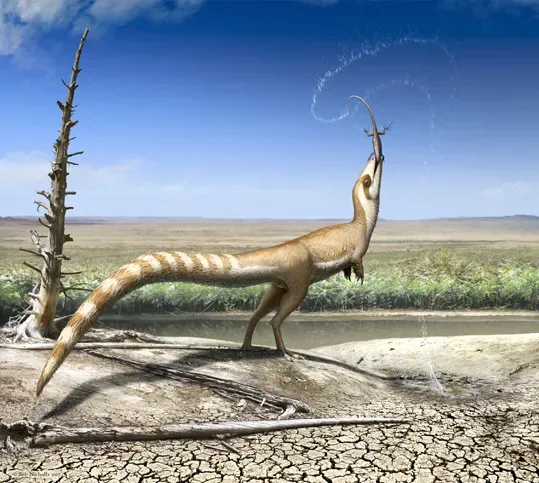
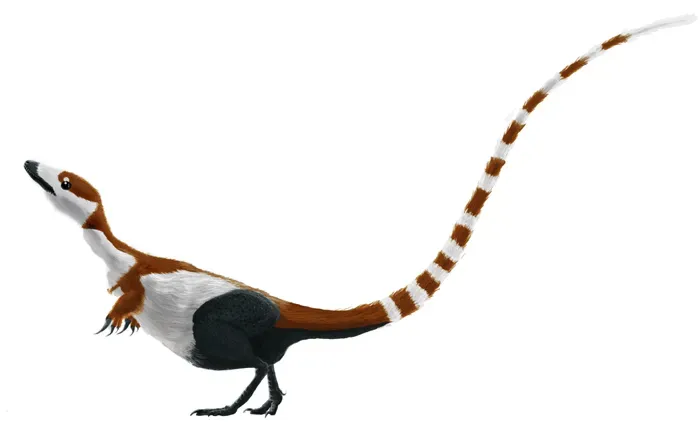
You might be surprised to learn that many dinosaurs sported fuzzy feathers or protofeathers, and these weren’t just for show. These feather-like structures provided crucial insulation, allowing dinosaurs to maintain body heat in cold temperatures. Research shows that non-avian dinosaurs were primitively insulated, enabling them to access rich Arctic vegetation even under freezing winter conditions.
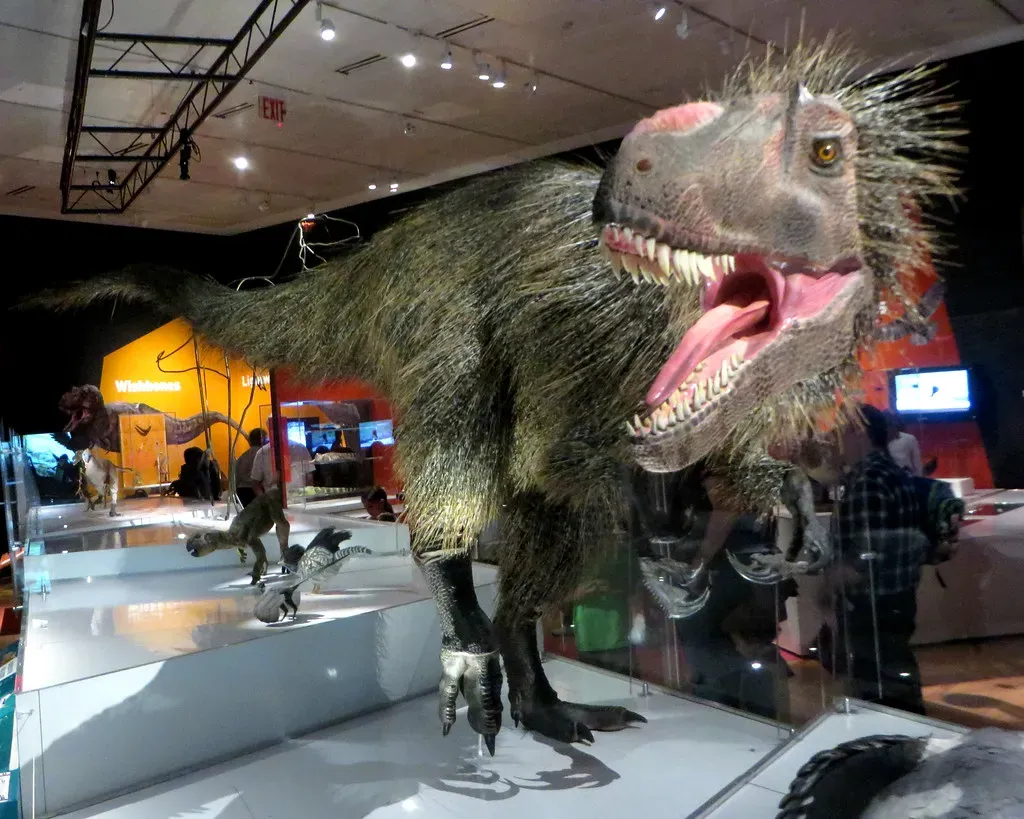
Here’s the fascinating part. Dinosaurs were primarily adapted for cold climates from the beginning, being insulated like birds with feather-like structures called protofeathers. Fossils show that many non-avian dinosaurs, including iconic beasts like tyrannosaurids, were covered in feathers, probably for insulation. This gave them a massive advantage when volcanic eruptions plunged the planet into freezing darkness during mass extinction events.
Shrinking Body Size in Cold Environments
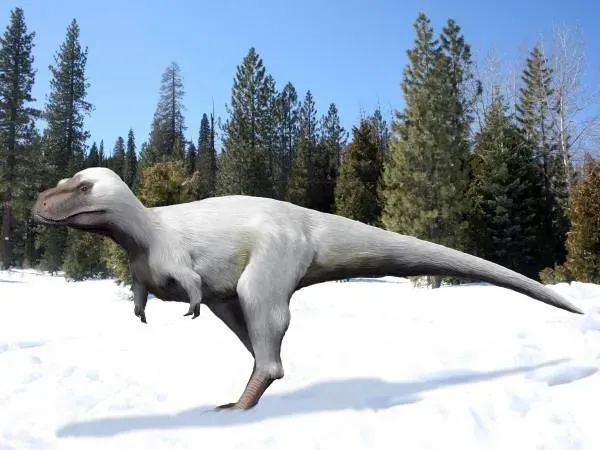
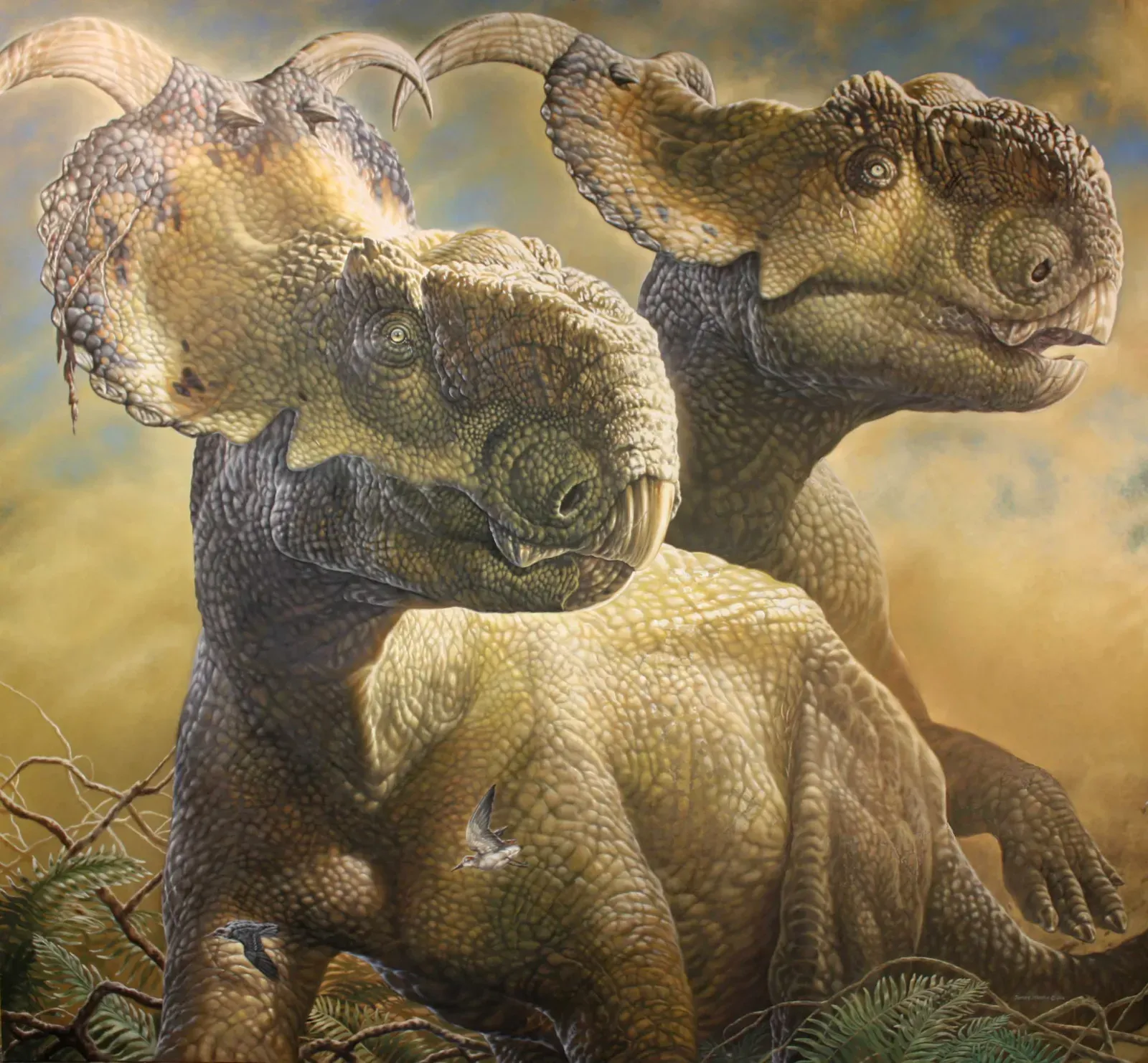
The local tyrannosaur in Alaska’s Prince Creek Formation was not a familiar species seen elsewhere, but a unique and smaller predator roughly the size of a polar bear, and the comparatively small stature of this dinosaur, as well as downsized species like Pachyrhinosaurus, hints that types of dinosaurs that grew big elsewhere adapted to become smaller and thereby get by on less food. Getting smaller wasn’t a weakness. It was strategic brilliance.
Smaller bodies meant lower energy requirements, which translated directly to survival in harsh polar winters where food was scarce. These downsized species could get by on less food in the cool of ancient Alaska. It’s hard to imagine mighty predators deliberately evolving to be smaller, but when the alternative is starvation, downsizing becomes a powerful survival strategy.
Seasonal Growth Slowdown During Harsh Winters
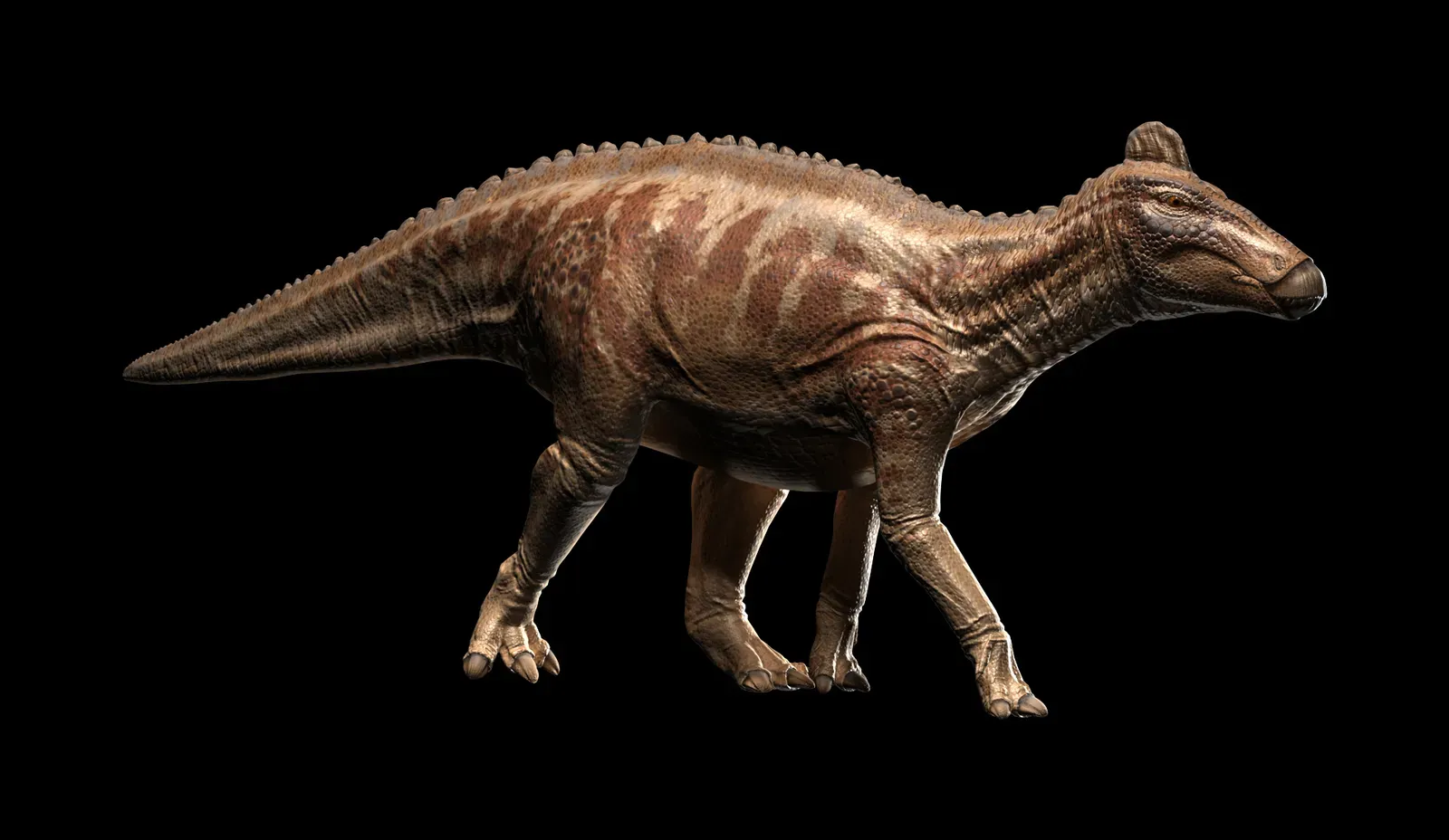
Polar dinosaurs were already biologically predisposed to surviving on less during the cold months, with the dinosaurs growing faster again during the lush summers. Think of it like hitting pause on development when times got tough. Dinosaurs could temporarily stop growing in the harsh winters, enabling them to conserve energy while food was scarce, with fossilized bones from the Junggar basin showing bone rings that indicate this growth pattern.
This wasn’t hibernation exactly, but something equally clever. During winter darkness and cold, when vegetation withered, these creatures essentially went into low-power mode. When spring returned with abundant food, they’d resume normal growth like flipping a biological switch. Modern caribou do something similar, surviving Arctic winters on sparse lichen.
Enhanced Vision for Prolonged Polar Darkness
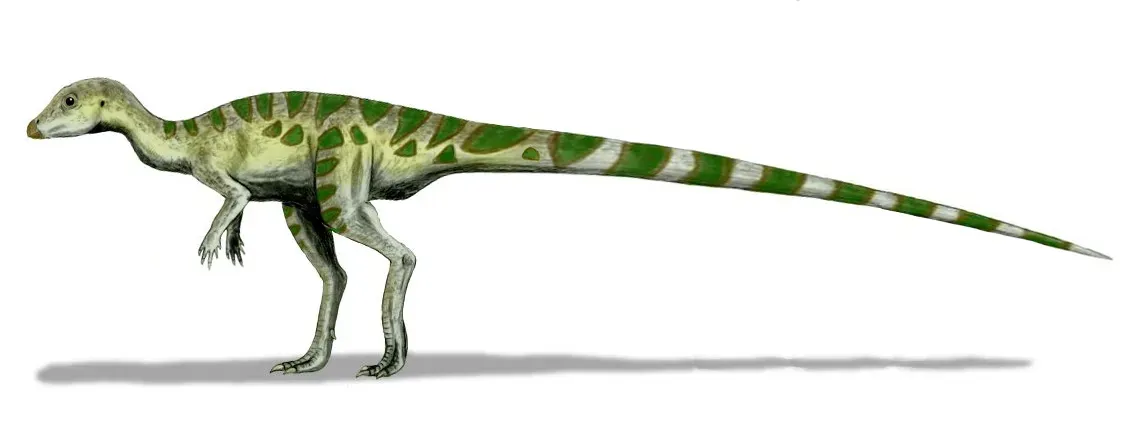
Imagine living through months of total darkness. Some species, such as the Australian ornithischian Leaellynasaura, had enlarged eye sockets which indicated that they had developed a keen sense of vision, and having enhanced eyesight would have been important in helping these dinosaurs thrive during the dark polar winters.
Polar dinosaurs had to endure prolonged darkness up to six months each winter. Their solution? Evolve bigger, more sensitive eyes capable of catching every scrap of available light. This adaptation allowed them to navigate, hunt, and avoid predators even when the sun vanished for half the year. Let’s be real, that’s more impressive than any night vision goggles.
Burrowing Behavior to Escape Temperature Extremes
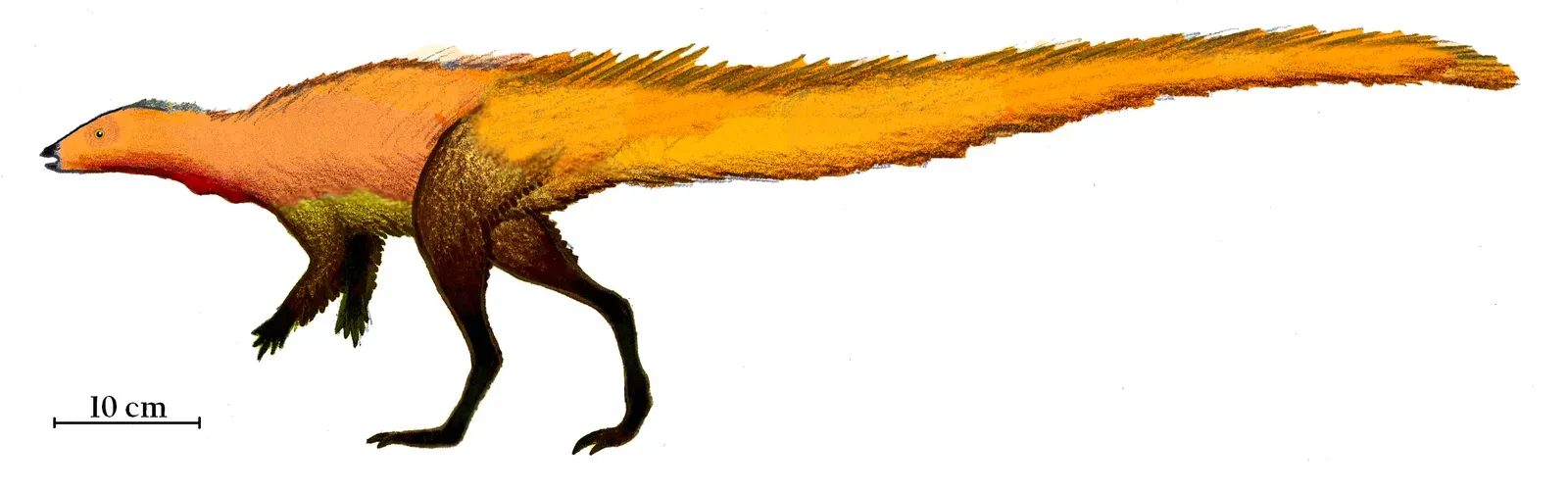
Some dinosaurs might have dug in to survive the harshest months, with paleontologists finding burrow-like structures from the age of Leaellynasaura in southern Australia’s strata, and elsewhere these structures actually contain small, herbivorous dinosaurs, suggesting it’s possible that dinosaurs might have burrowed as a way to escape the cold.
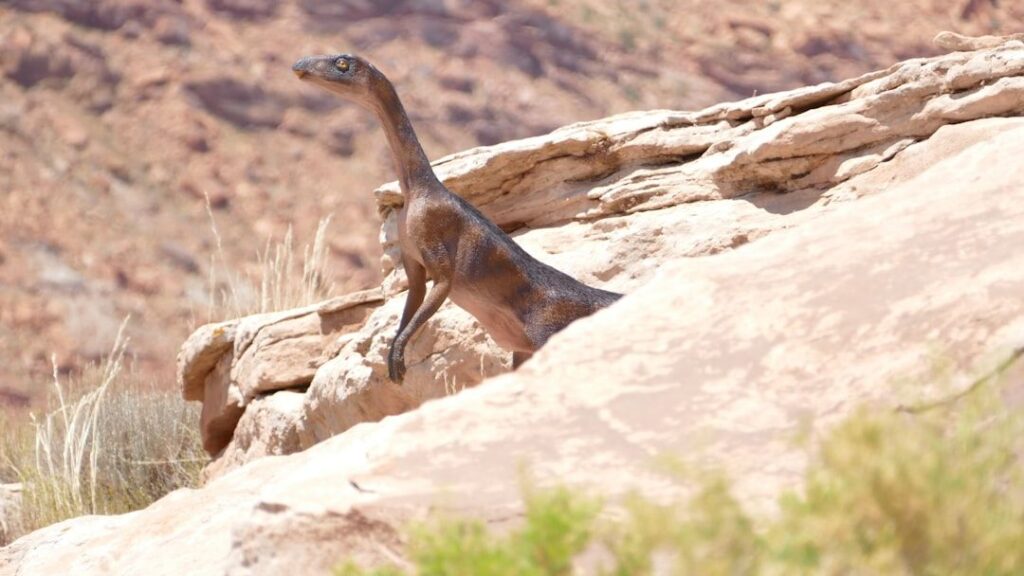
Underground shelters provided stable temperatures when surface conditions became unbearable. Burrow structures associated with certain smaller desert dinosaur species indicate that some may have adopted subterranean lifestyles during extreme weather conditions, similar to many modern desert animals. Whether facing polar cold or desert heat, going underground was a universal survival trick these creatures mastered.
Water Conservation in Arid Desert Regions
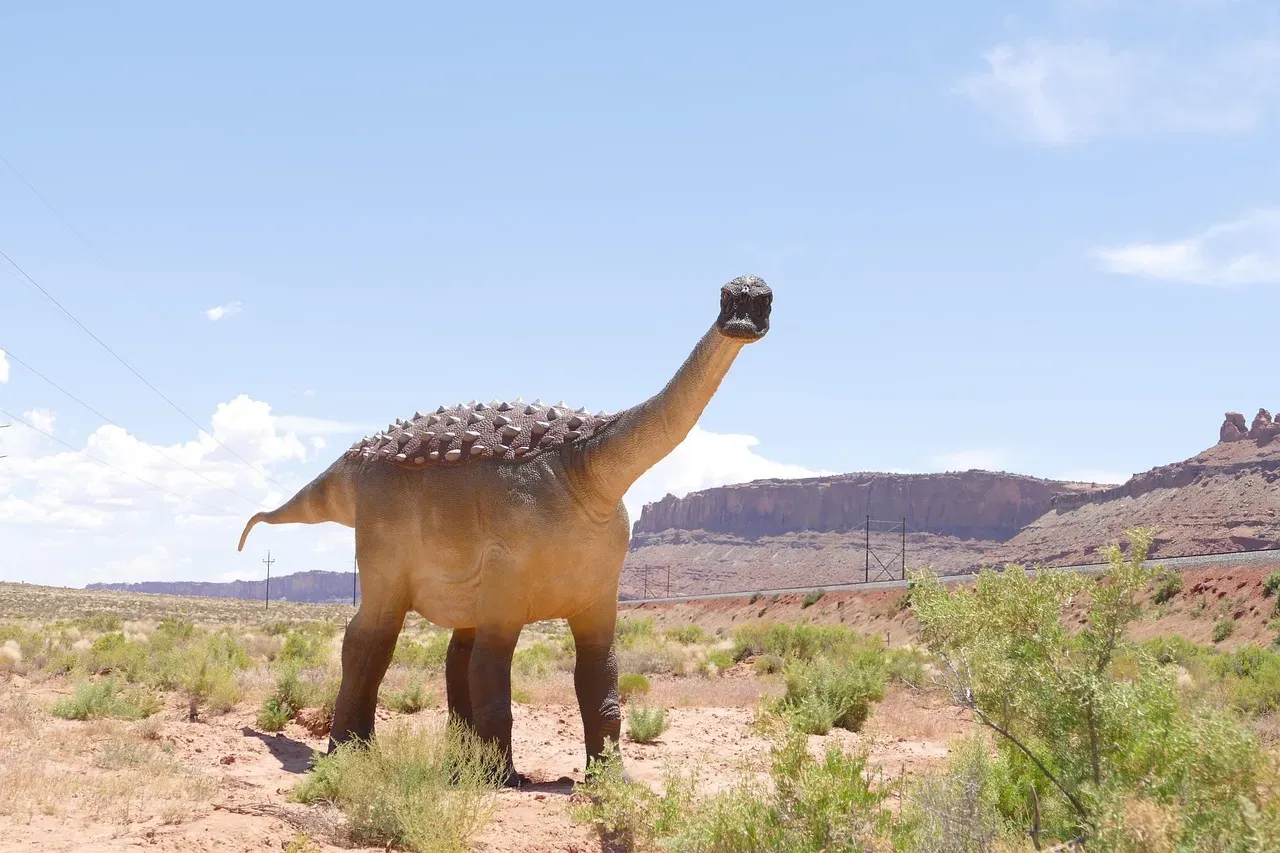
One of the most important adaptations was their ability to conserve water, with many desert-dwelling dinosaurs having the ability to store water in their bodies, allowing them to survive for long periods without drinking. Water is life, especially in deserts where it’s desperatingly scarce.
Nasal passages in desert dinosaurs frequently show evidence of enlarged turbinate bones, structures that would have helped condense moisture from exhaled breath, recapturing precious water that would otherwise be lost during respiration, and some species may have also developed specialized scales or skin structures that minimized water loss through evaporation. Every drop mattered, and these dinosaurs evolved incredibly efficient systems to recycle and retain moisture.
Specialized Thermoregulation for Desert Heat
Desert dinosaurs developed sophisticated thermoregulation mechanisms to survive the extreme temperature fluctuations characteristic of arid environments, with evidence suggesting some desert-adapted dinosaurs possessed specialized blood vessel arrangements just beneath the skin surface, creating efficient heat exchange systems similar to those found in modern desert reptiles.
Scientists speculate that structures like the Spinosaurus sail may have helped regulate body temperature, providing a cooling mechanism in the scorching desert heat. Nocturnal behavior patterns likely evolved among many desert species, allowing them to remain inactive during peak daytime temperatures while hunting and foraging in the relative cool of night. Smart predators hunted when their prey was vulnerable and the sun wasn’t trying to cook them alive.
Nocturnal Activity Patterns
Desert temperatures could swing wildly between scorching days and freezing nights. These ancient deserts were characterized by extreme temperature variations, with scorching days potentially exceeding 120°F and nights that could drop below freezing. The solution? Become a night owl, or rather, a night raptor.
Dietary Adaptations for Tough Vegetation
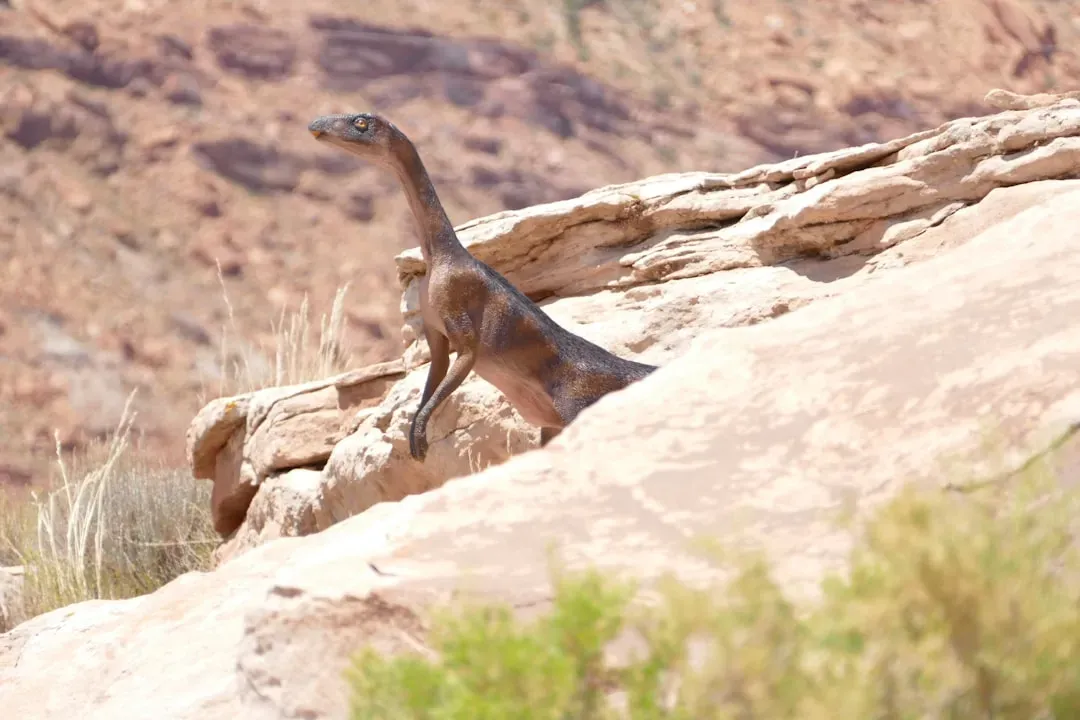
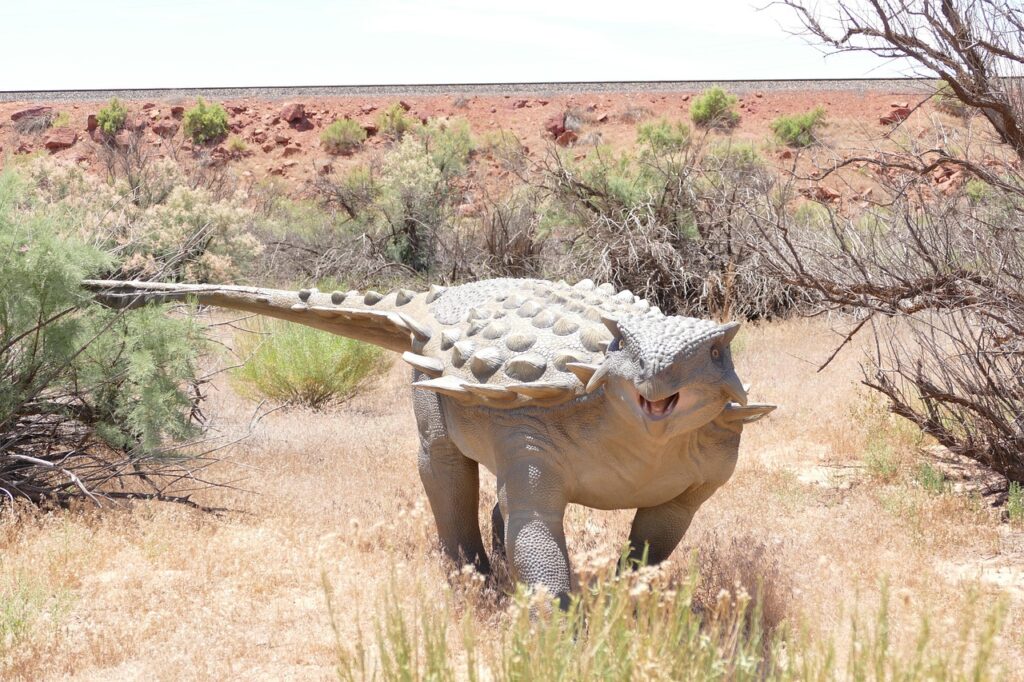
Some desert-dwelling dinosaurs had specialized diets that allowed them to survive in the harsh environment, with some dinosaurs being herbivores that fed on tough, fibrous plants that were abundant in the desert. Herbivorous dinosaurs evolved adaptations like efficient water retention and heat management, with their teeth and digestive systems adjusted to process tough, fibrous plants found in dry habitats.
Processing drought-resistant plants required serious dental hardware. The diet of desert-dwelling dinosaurs was adapted to their arid surroundings, with some dinosaurs having specialized teeth suited for feeding on tough desert vegetation, such as cycads and other drought-resistant plants. Modern desert herbivores face similar challenges, but dinosaurs pioneered these strategies millions of years ago.
Tolerance for High-Altitude Cold and Low Oxygen
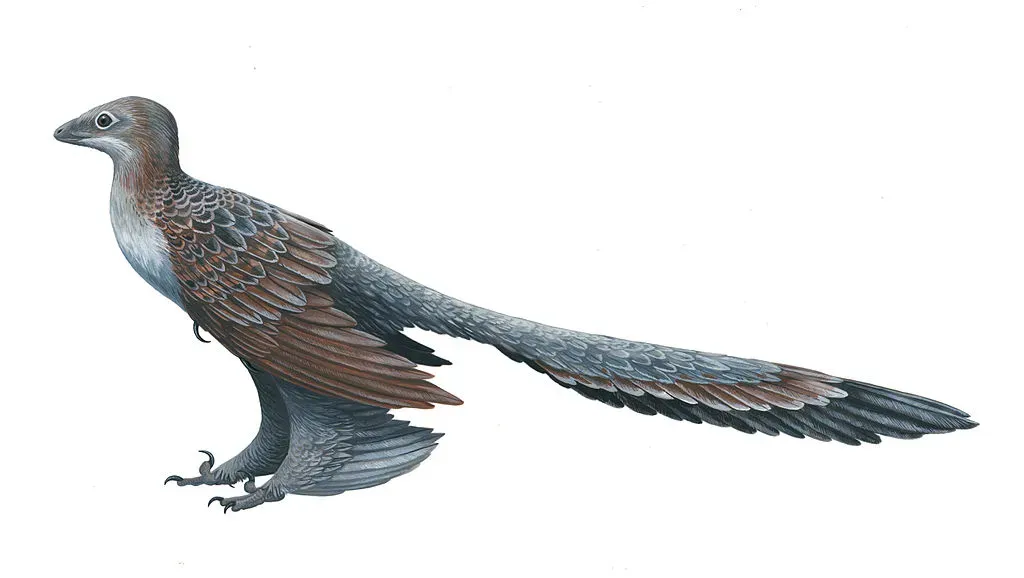
Feathered dinosaurs in northeast China lived in a high-altitude habitat with frozen winters and volcanic eruptions, which implies possible climate-influenced evolution of the feathered characteristic of the dinosaurs. The mean annual paleotemperature in the Sihetun area was approximately 6 degrees Celsius, and the paleoelevation was between 2.8 and 4.1 kilometers during the Early Cretaceous.
Living nearly three miles above sea level while dealing with freezing temperatures takes extraordinary adaptation. High altitude means thinner air and less oxygen, yet these feathered dinosaurs thrived. Their insulating feathers weren’t just fashion statements. They were survival equipment in environments where both cold and oxygen scarcity could kill.
Survival Through Volcanic Winters
Dinosaur ecological dominance resulted from adaptations to cold, allowing them to survive volcanic winters 202 million years ago. Those early feathers or fur are what allowed dinosaurs to survive the freezing conditions of the Late Triassic. When massive volcanic eruptions darkened skies and plunged temperatures, most creatures perished.
Warm body temperatures and insulating coats allowed dinosaurs to better survive the swings between warm and cold climates at the end of the Triassic, and paired together, these features allowed dinosaurs to better survive the swings between warm and cold climates. Volcanic eruptions may have brought freezing temperatures to the tropics, which is where many extinctions of big, un-feathered vertebrates seem to have occurred. While their competitors froze, feathered dinosaurs weathered the storm.
Diverse Group Success in Polar Environments
The composition of the fauna shows which types of dinosaurs were found in cooler places versus those that are missing, and theropods, ornithopods, and ankylosaurs were commonly found at heaps of sites. Not all dinosaur groups made it in the cold. Certain types of dinosaurs could withstand the cold and dark months, but long-necked, plant-eating dinosaurs called sauropods that lived at the same time are missing from the same sites, which suggests that they were not able to survive or adapt to the colder environments.
This selective success reveals something crucial about adaptation. It wasn’t just about size or diet. Certain body plans, metabolisms, and behavioral strategies proved superior in extreme cold. The winners were those flexible enough to adjust, whether through insulation, diet changes, or activity patterns. The losers? They stayed where it was warm or vanished from the fossil record entirely.
Conclusion
Dinosaurs weren’t the sluggish, tropical creatures we once imagined. They were adaptable survivors who conquered frozen polar nights, scorching deserts, towering mountains, and volcanic catastrophes. From feathered insulation to water-conserving physiology, from shrinking bodies to enhanced senses, these ancient animals developed an arsenal of survival strategies that allowed them to dominate Earth for over 150 million years.
Their success story teaches us something profound about resilience and adaptation. When environments changed, dinosaurs changed with them or perished. The ones that survived were the innovators, the flexible ones willing to evolve new solutions to impossible problems. What do you think was their most impressive adaptation? Did any of these survival strategies surprise you?