Have you ever wondered why you react the way you do in certain situations? Maybe you freeze when startled, or perhaps you’re the first to sense danger in a room. Your instincts might feel random, but they’re anything but. Deep within your behavioral patterns lie echoes of a time when survival meant everything, when your ancestors walked among creatures far more dangerous than anything you’ll encounter today.
The truth is, your personality traits aren’t just quirks. They’re survival blueprints passed down through millions of years of evolution. Whether you’re the type who charges ahead or prefers to observe from the sidelines, your behavior mirrors strategies that kept our prehistoric relatives alive. Some of us carry the boldness of ancient hunters, while others embody the caution of creatures who had to stay one step ahead of becoming someone else’s meal. Let’s explore how your modern self connects to a world where teeth, claws, and quick thinking made all the difference.
1. The Ambush Specialist: You Strike When the Moment Is Perfect
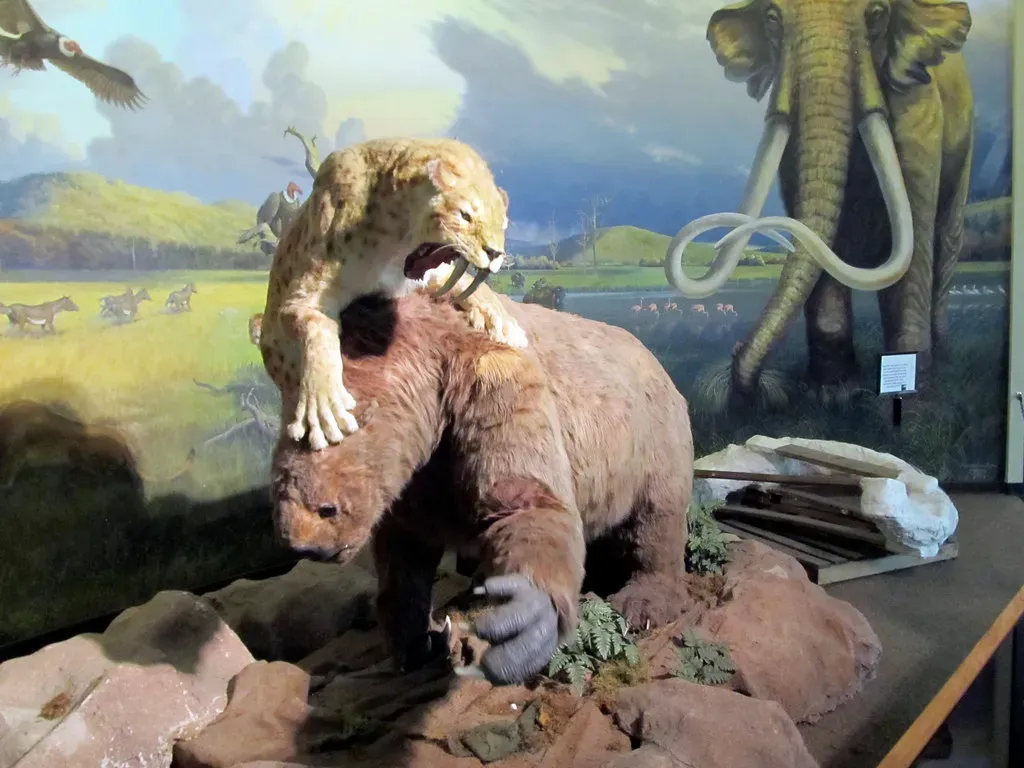
You’re the person who waits and watches, scanning your environment from a concealed position until the perfect opportunity presents itself. In meetings, you rarely speak first. Instead, you observe, gathering information until you can deliver a comment that changes everything. This mirrors the hunting style of prehistoric ambush predators who relied on patience and precision rather than brute force.
Personality becomes a key source of trait variation, and research shows that predator and prey personalities essentially amplify outcomes of general hunting mode interactions. Your calculated approach isn’t weakness. It’s a refined strategy that conserves energy and maximizes impact. Like a leopard waiting in the trees, you understand that timing matters more than speed. People might mistake your silence for disengagement, but you’re simply waiting for your moment to pounce.
2. The Pursuit Predator: Relentless and Driven
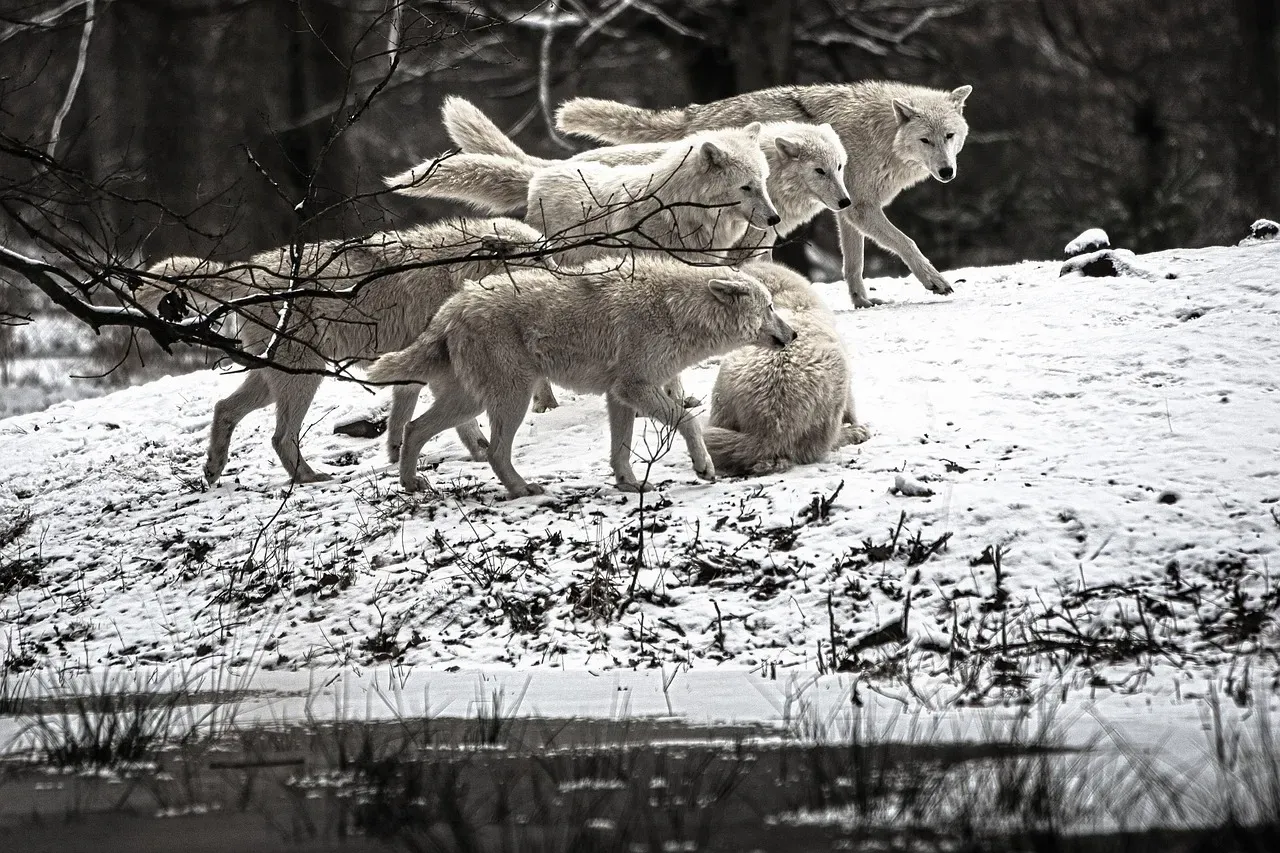
You don’t give up easily. When you set your sights on a goal, whether it’s a promotion or mastering a new skill, you pursue it with unwavering determination. Persistence hunting, documented among hunter-gatherers, involves tracking and chasing prey over vast distances, exploiting superior endurance rather than weapons. Your ancestors likely survived by outlasting their prey through sheer stamina.
This trait makes you the colleague who follows up on every detail, the friend who never forgets a promise. You’re exhausting to compete against because you simply won’t quit. However, this relentlessness can sometimes tip into obsession. Like ancient hunters who had to know when to abandon a chase, you benefit from recognizing when to redirect your energy. Still, your determination has carried you through challenges that would have broken others.
3. The Herd Mentality: Safety in Numbers
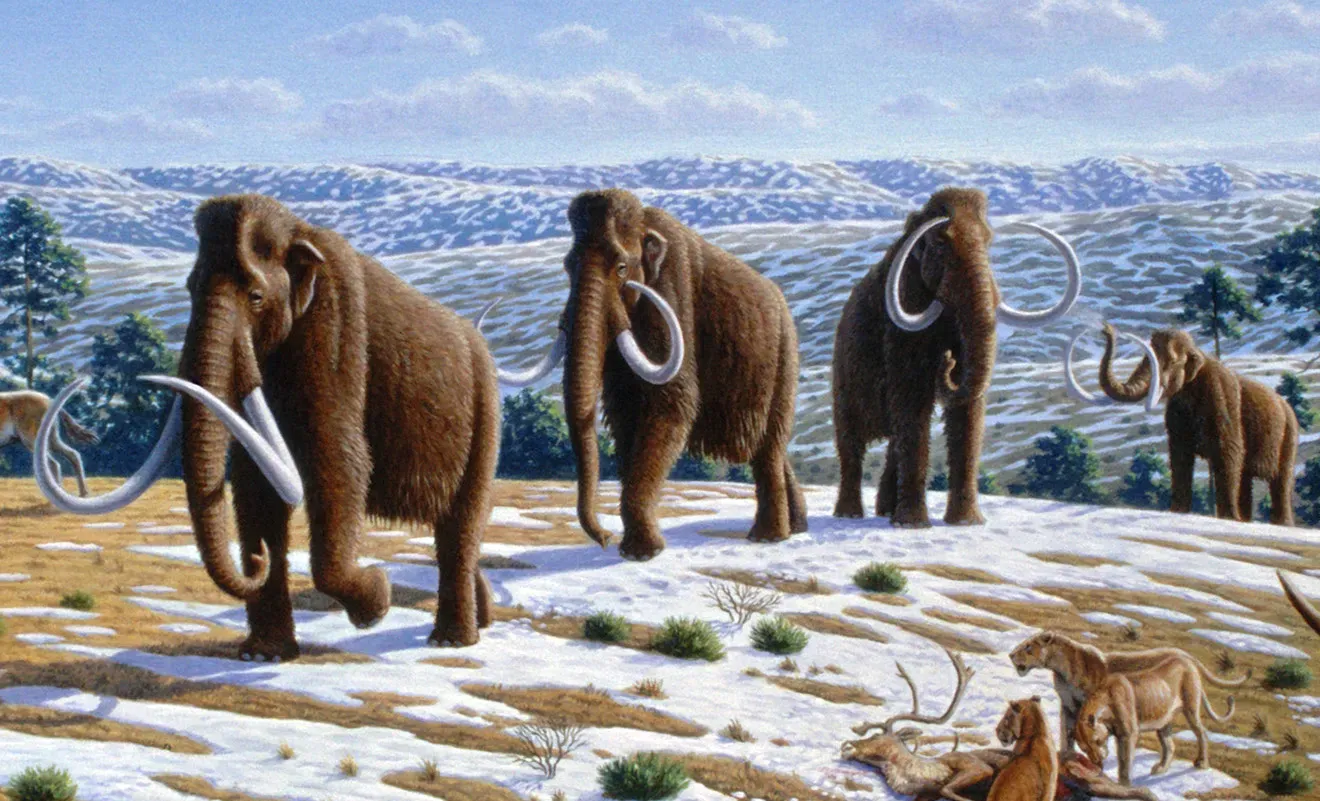
Members of groups are at reduced risk of predation, despite the increased conspicuousness of a group, through improved vigilance and the likelihood that the predator will attack some other individual. If you’re someone who thrives in teams, who feels most secure when surrounded by trusted colleagues or friends, you’re channeling the prey animal instinct that recognized strength in unity.
You’re uncomfortable making major decisions alone and prefer consensus. This isn’t indecisiveness. It’s strategic thinking rooted in survival. A herd has more eyes and heads to keep vigilance against predators, a technique used by deer and zebras. Your instinct to consult others, to build coalitions, to never venture too far from your social group reflects wisdom encoded over millions of years. The downside? Sometimes you struggle with independent action when the herd isn’t there to support you.
4. The Camouflage Artist: Blending Into Every Environment
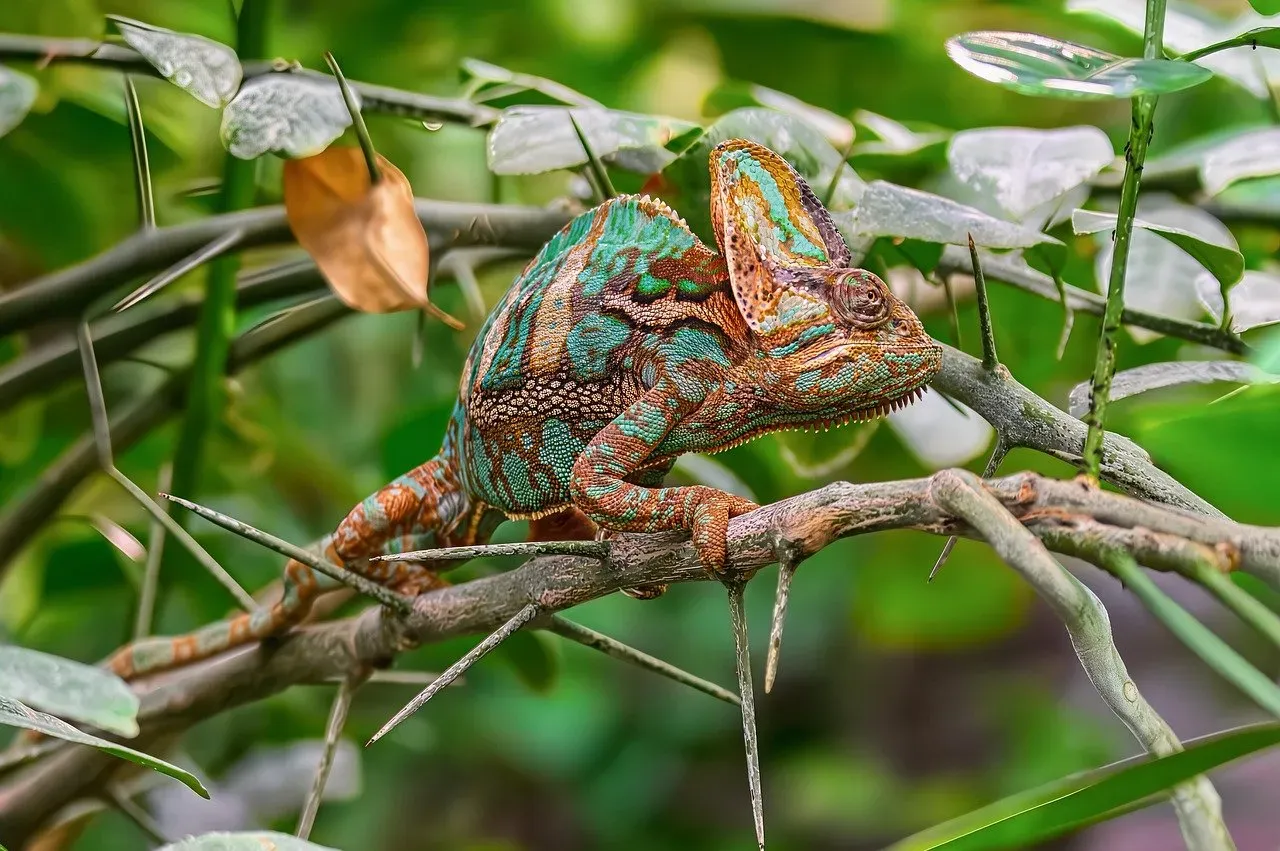
You adapt seamlessly to new situations, changing your behavior to match whatever social environment you enter. The first line of defense consists in avoiding detection, through mechanisms such as camouflage. At work, you mirror the dominant communication style. At social gatherings, you shift your personality to fit the crowd. This isn’t being fake; it’s survival.
Creatures like chameleons can change their colors according to their surroundings, and camouflaging plays a key role in protecting animals from their predators. Your ability to read rooms and adjust accordingly is a sophisticated defense mechanism. People trust you because you make them comfortable. The challenge comes when you spend so much time blending in that you lose touch with your authentic self. Remember, even camouflaged creatures have a true form underneath.
5. The Alarm Caller: First to Sense Danger

Animals that live in groups often give alarm calls that give warning of an attack, with different calls depending on the nature of the threat. You’re hyperaware of potential threats, often the first person to notice when something feels off in a conversation or situation. Your friends might call you anxious, but you prefer “prepared.”
This vigilance kept your ancestors alive. Our fear response is more influenced by the ancient species we struggled to escape than any modern challenges. You pick up on subtle cues others miss because your nervous system is wired to detect danger before it arrives. In modern contexts, this makes you excellent at risk assessment, though it can also lead to overthinking. Your instinct to warn others, to raise concerns before problems escalate, is a valuable trait even when people don’t always appreciate it in the moment.
6. The Lone Wolf Predator: Independent and Self-Sufficient
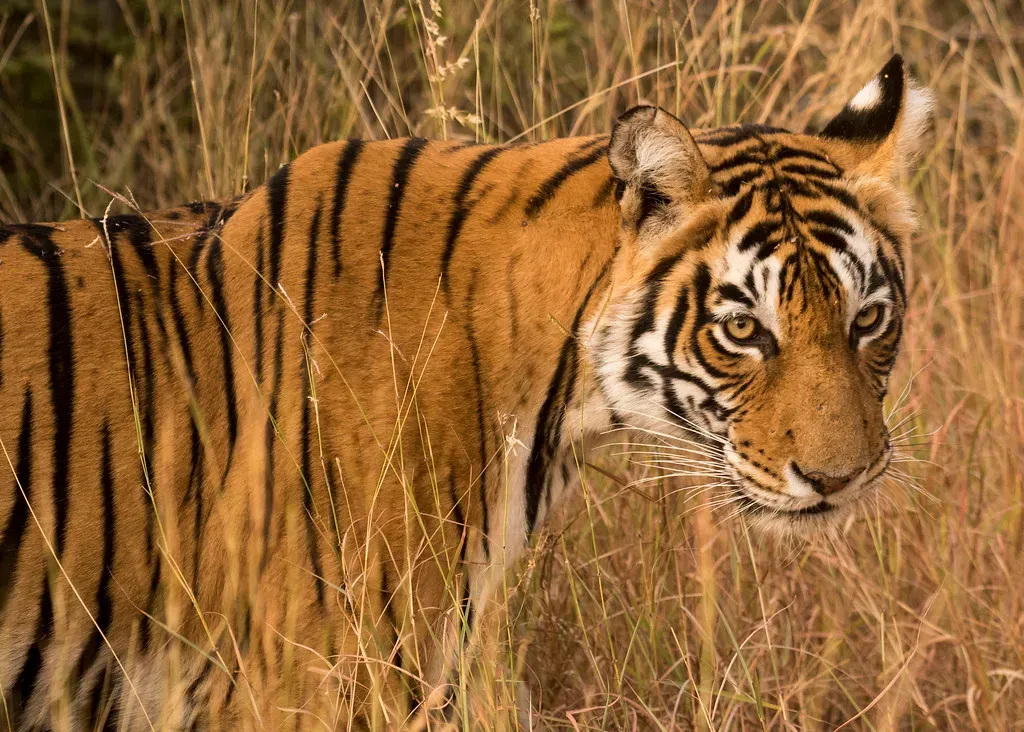
You prefer working alone, relying on your own intelligence and resourcefulness. Adaptations for hunting include stealth, endurance, intelligence, and social behavior that improve hunting efficiency. While some predators hunted in packs, others operated solo, using cunning and strategy to survive. That’s you.
You trust your judgment above all else and feel most capable when you can control every variable. This independence serves you well in complex problem-solving situations where too many voices create confusion. Human intelligence stands as a powerful predatory adaptation, with our large brains enabling sophisticated problem-solving, strategic planning, and effective communication. However, your reluctance to ask for help can sometimes leave you struggling with challenges better solved collaboratively. The most successful prehistoric hunters knew when to join forces.
7. The Freeze Response: When Stillness Is Strategy
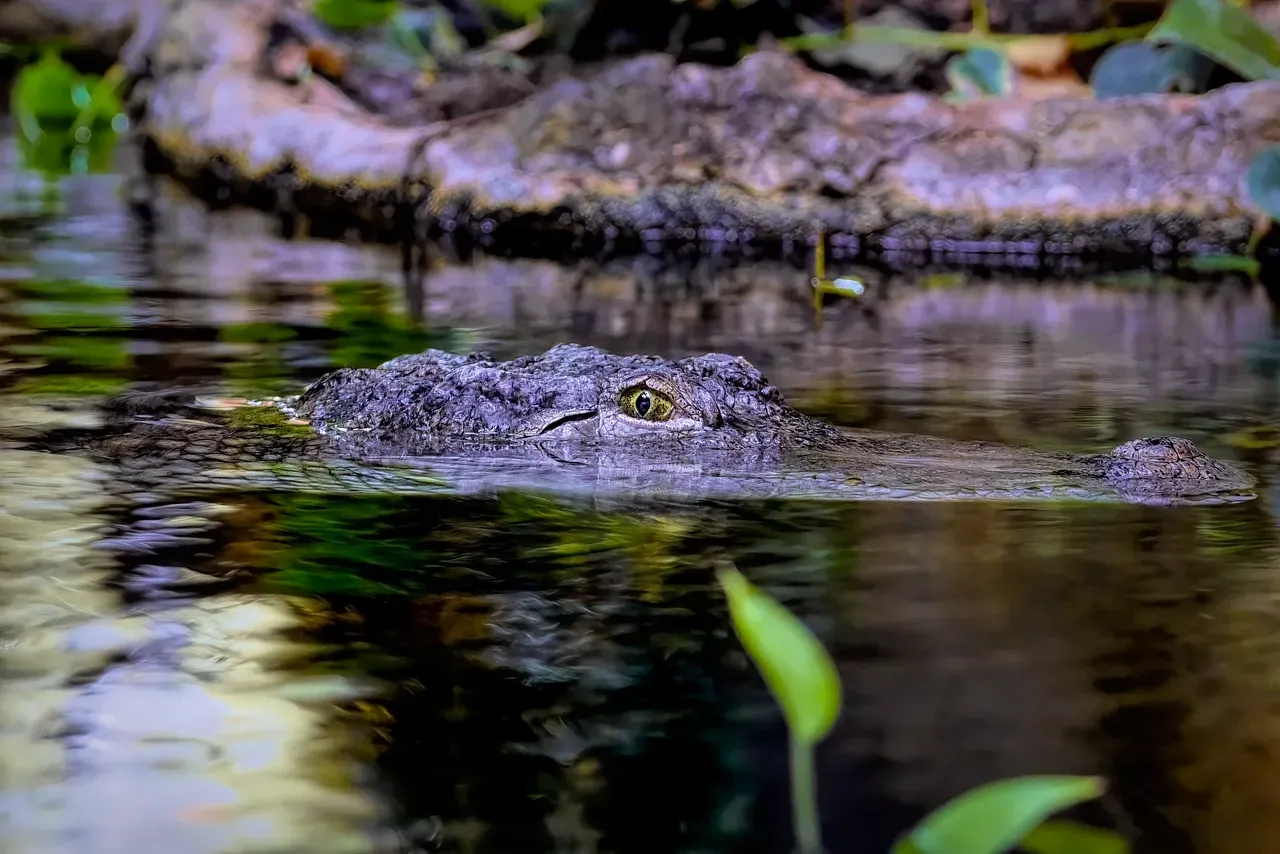
Sticklebacks freeze in place to become cryptic and fend off an attack, and individuals that freeze longer tend to have higher survivorship. When confronted with sudden stress or conflict, you go still. Not because you’re weak, but because freezing is a legitimate survival response. You become quiet, observant, and wait for the danger to pass.
In prehistoric times, movement attracted predators. Your tendency to pause and assess rather than react impulsively has evolutionary wisdom behind it. This serves you well in heated arguments where others escalate while you maintain composure. The challenge is distinguishing between strategic stillness and avoidance. Sometimes the situation requires action rather than waiting it out. Learning when to freeze and when to move is your growth edge.
8. The Territorial Defender: Protecting Your Domain
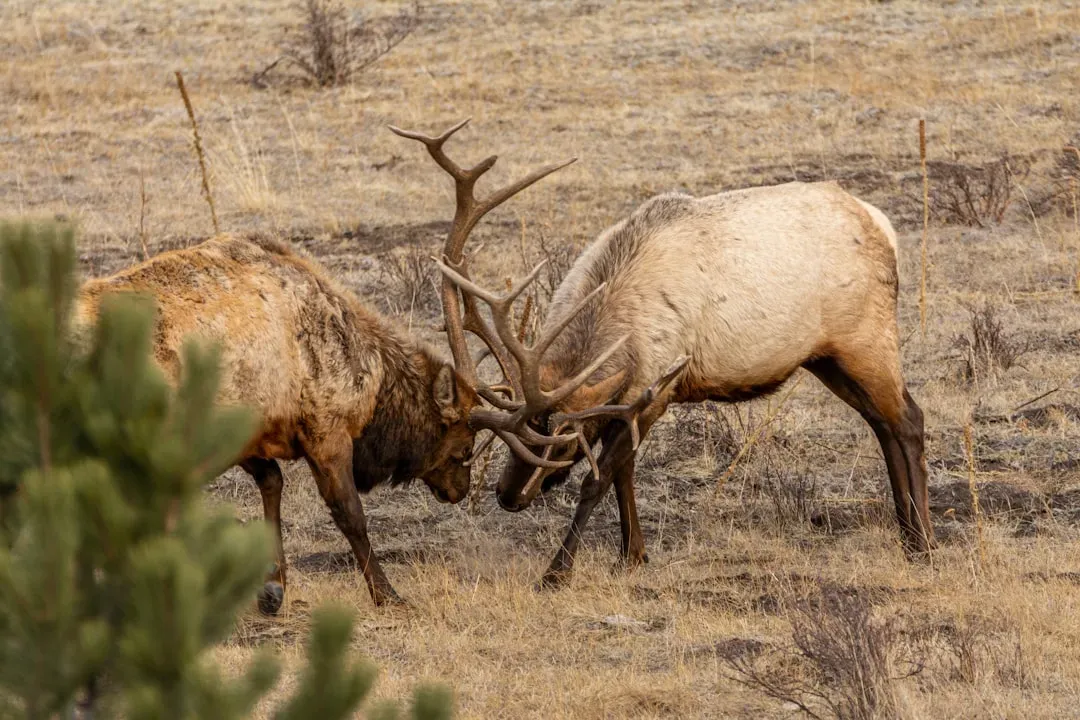
You’re intensely protective of your space, resources, and inner circle. Cooperative hunting strategies allowed prehistoric creatures to take down larger prey and defend their territories effectively. Whether it’s your office, your home, or your friend group, you have clear boundaries and don’t hesitate to defend them when threatened.
This territorial instinct comes from predators who needed to secure hunting grounds and prey animals who defended safe zones from intrusion. You’re the person who speaks up when someone oversteps, who establishes firm expectations in relationships. People know where they stand with you because you make your boundaries clear. The potential pitfall is becoming so defensive that you miss opportunities for collaboration or push away people who aren’t actually threats. Not everyone approaching your territory is a predator.
9. The Mimicry Master: Adopting Successful Patterns
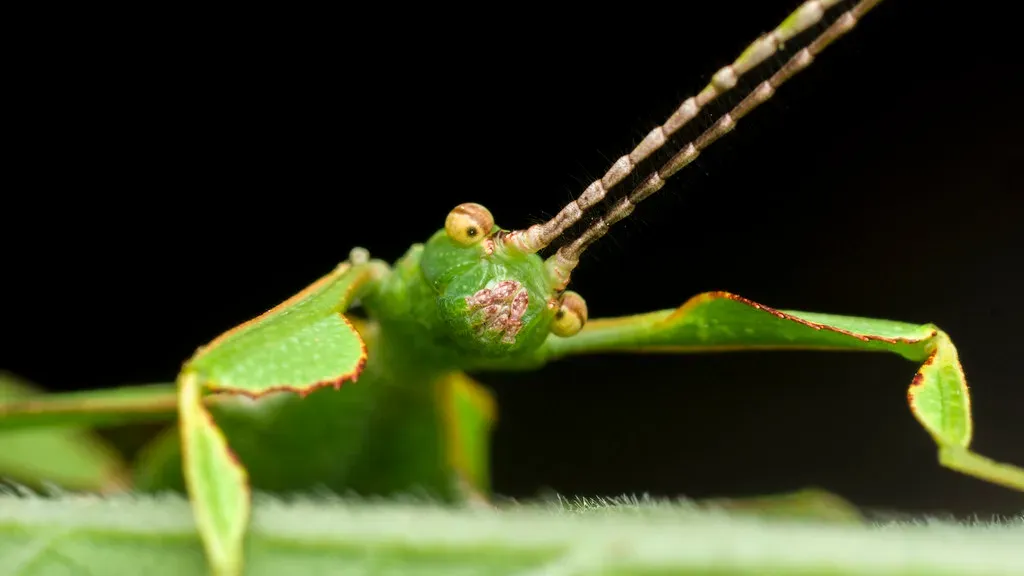
Mimicry occurs when an organism simulates signal properties of another organism to confuse a third party, gaining protection, food, and mating advantages. You learn by watching successful people and adopting their strategies. You’re not copying; you’re borrowing proven patterns for survival and success.
In your career, you’ve observed mentors and integrated their best practices. In social situations, you model behaviors that seem effective. Animals use mimicry to protect themselves by looking similar to other species, with predators staying away from both because of their similar appearance. This adaptability has accelerated your learning curve and helped you navigate unfamiliar territory. The key is ensuring you’re selecting healthy patterns to emulate rather than toxic ones, and eventually developing your own authentic approach once you’ve learned enough.
10. The Chemical Warfare Specialist: Emotional Defense Mechanisms
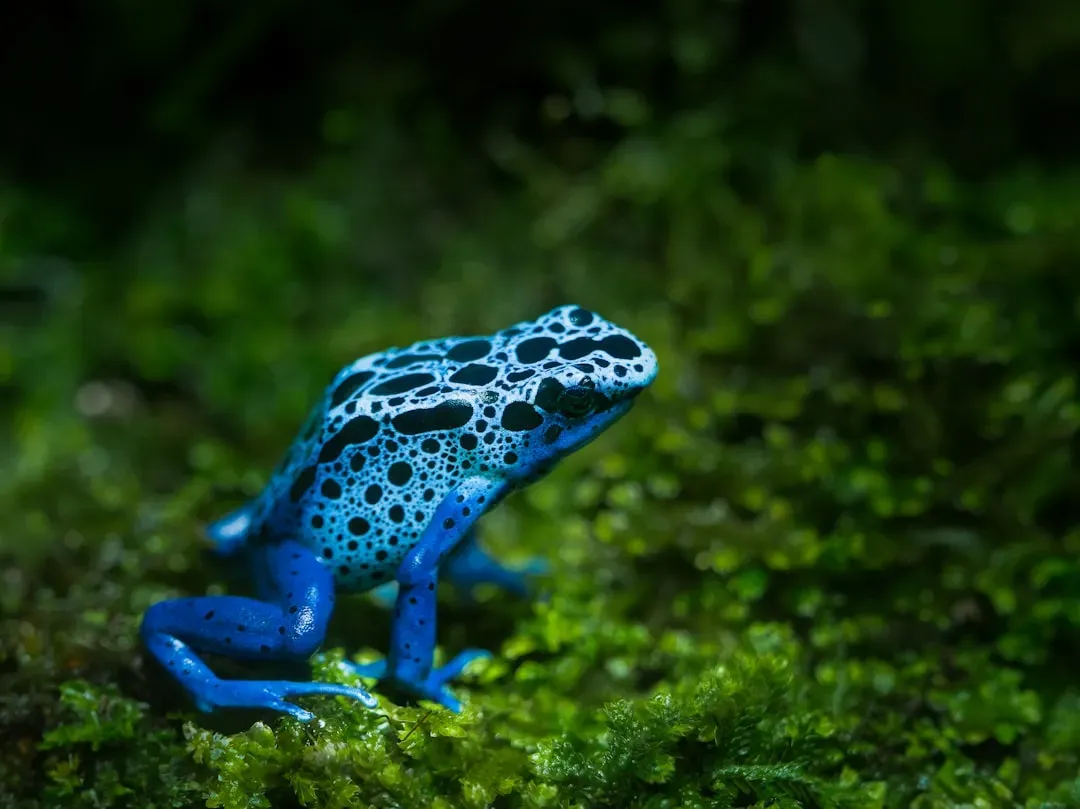
Chemical defenses involve producing toxins or unpalatable substances to deter predators. When threatened, you deploy sharp words, cutting humor, or emotional distance. Like skunks spraying predators or frogs secreting poison, you’ve developed psychological deterrents that keep people at bay when you feel vulnerable.
Your sarcasm, your ability to emotionally shut down, your talent for saying exactly what will hurt someone who’s hurt you – these are your chemical defenses. They work effectively in the short term, creating space when you need it. When an animal can’t outrun or outmuscle its predator, it may resort to chemicals, with some synthesizing potent toxins that cause paralysis or death in potential predators. The drawback is that these defenses sometimes activate when you’re not actually in danger, pushing away people who mean you no harm. Understanding when to lower your guard is crucial for building genuine connections.
11. The Social Coordinator: Strength Through Connection

Many modern human traits, including cooperation and socialization, developed as a result of being a prey species and the early human’s ability to outsmart predators. You’re the person who brings people together, who builds networks and maintains relationships. Your strength isn’t physical dominance but social intelligence.
Cooperative hunting strategies emerged, allowing early humans to collectively bring down larger prey, compensating for individual physical limitations. You understand that connections equal resources, protection, and opportunity. You’re the friend who knows someone for every situation, the colleague who can assemble the perfect team. Your ability to read social dynamics and facilitate collaboration is a sophisticated evolutionary adaptation. The challenge is ensuring you’re building genuine relationships rather than just collecting contacts, and remembering that quality sometimes matters more than quantity.
Conclusion

Your personality isn’t arbitrary. Every instinct, every behavioral pattern, every way you respond to stress or opportunity connects to strategies that kept your ancestors alive when the world was far more dangerous. Whether you’re an ambush specialist waiting for the perfect moment or a herd animal finding strength in numbers, you’re carrying forward wisdom encoded over millions of years.
The most interesting part? Most of us embody several of these patterns depending on context. You might be a pursuit predator at work but revert to camouflage in unfamiliar social settings. Understanding these prehistoric mirrors in your personality gives you power – the power to recognize why you react certain ways, to honor the survival wisdom behind your instincts, and to consciously choose when those ancient patterns serve you and when they hold you back. Which prehistoric creature do you see reflected most clearly in yourself?