Most of us grew up believing we already knew the full story of the dinosaurs. Giant, scaly, cold-blooded monsters terrorizing a prehistoric jungle – that was the picture. Turns out, the real story is far stranger, far more breathtaking, and in some ways, far more surprising than anything Hollywood ever managed to put on screen.
The age of dinosaurs is one of the longest, most dramatic chapters in Earth’s history, and paleontologists are still rewriting it. Every dig season, every cracked open fossil, every new paper changes something we thought we understood. So here’s a fair warning: you might need to rethink some old assumptions before you’re done reading.
Let’s dive in.
Dinosaurs Ruled for a Mind-Bending Amount of Time
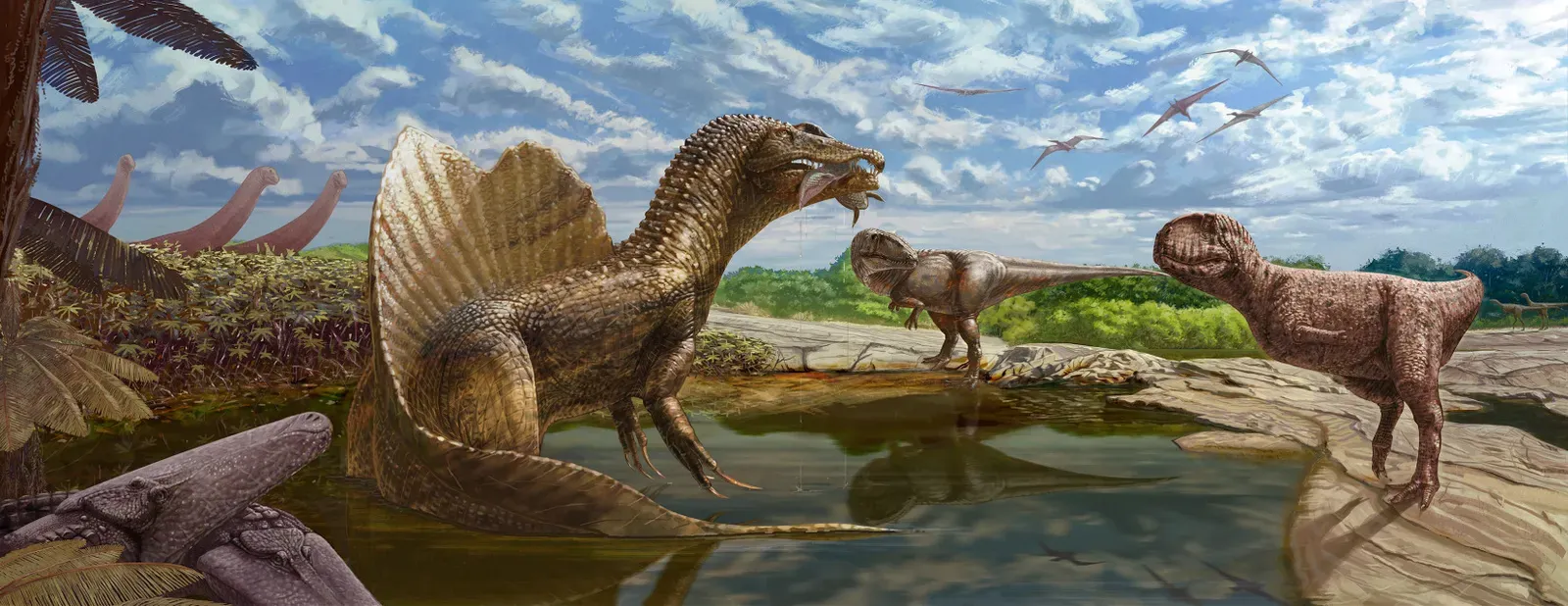
Stop and actually think about this for a second. The age of dinosaurs stretched far longer than humans have even walked upright – roughly 186 million years versus just 7 million years for our own lineage. That number is so large it almost refuses to fit inside the human brain.
For perspective, imagine stacking every year of recorded human history end to end and multiplying it thousands of times over. Dinosaurs roamed Earth for more than 165 million years – this is staggering when you consider that humans only appeared about five to seven million years ago. We act like we own the planet, but we are genuinely newcomers here.
They Lived Across Three Very Different Worlds
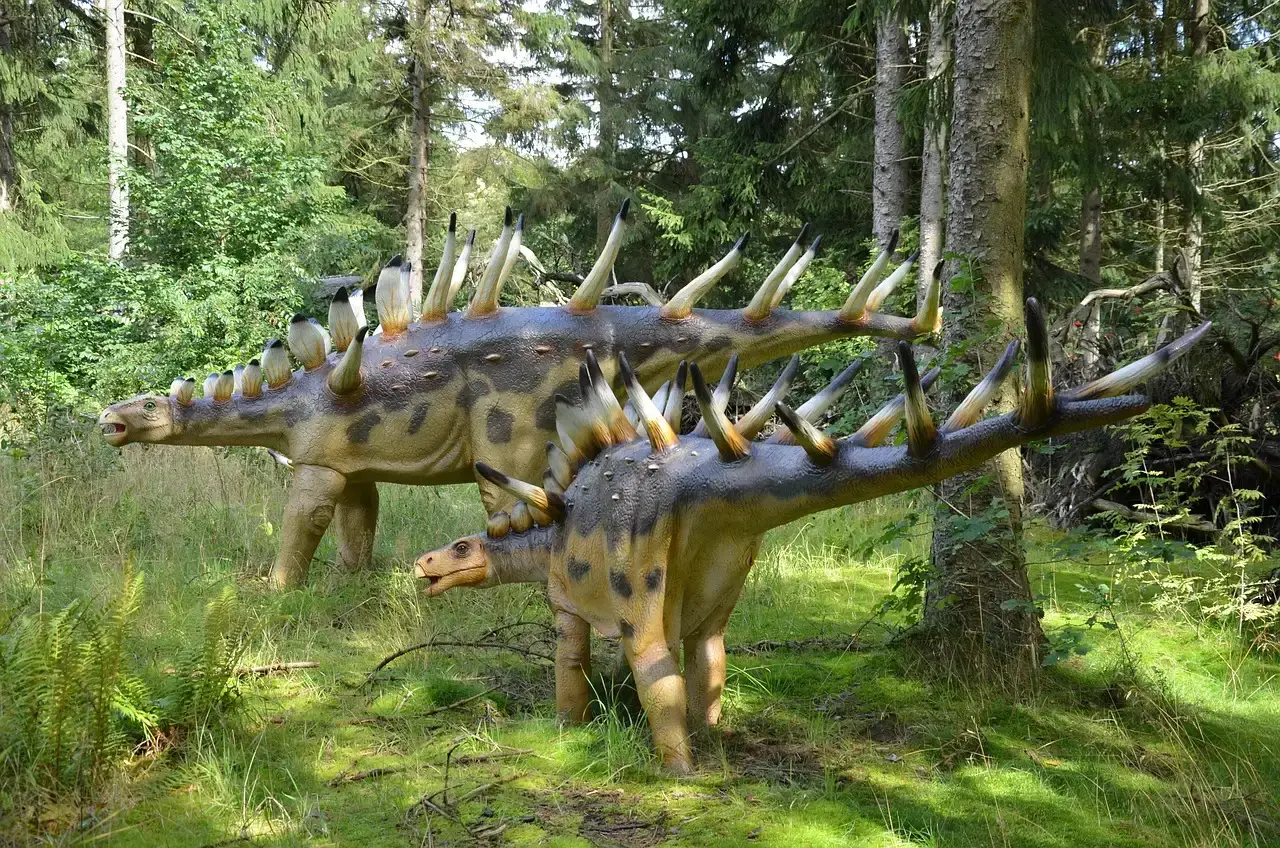
Here’s a common misconception you’ve probably held for years: that all dinosaurs lived at the same time, in the same world, knowing each other. Not even close. The dinosaurs actually lived during three different geologic periods – the Triassic, Jurassic, and Cretaceous – each one distinct, with its own unique cast of dinosaur characters. While the Triassic Period saw mostly small dinosaurs, the Jurassic Period gave rise to monstrously proportioned animals, and the Cretaceous Period hosted an immense diversity of species.
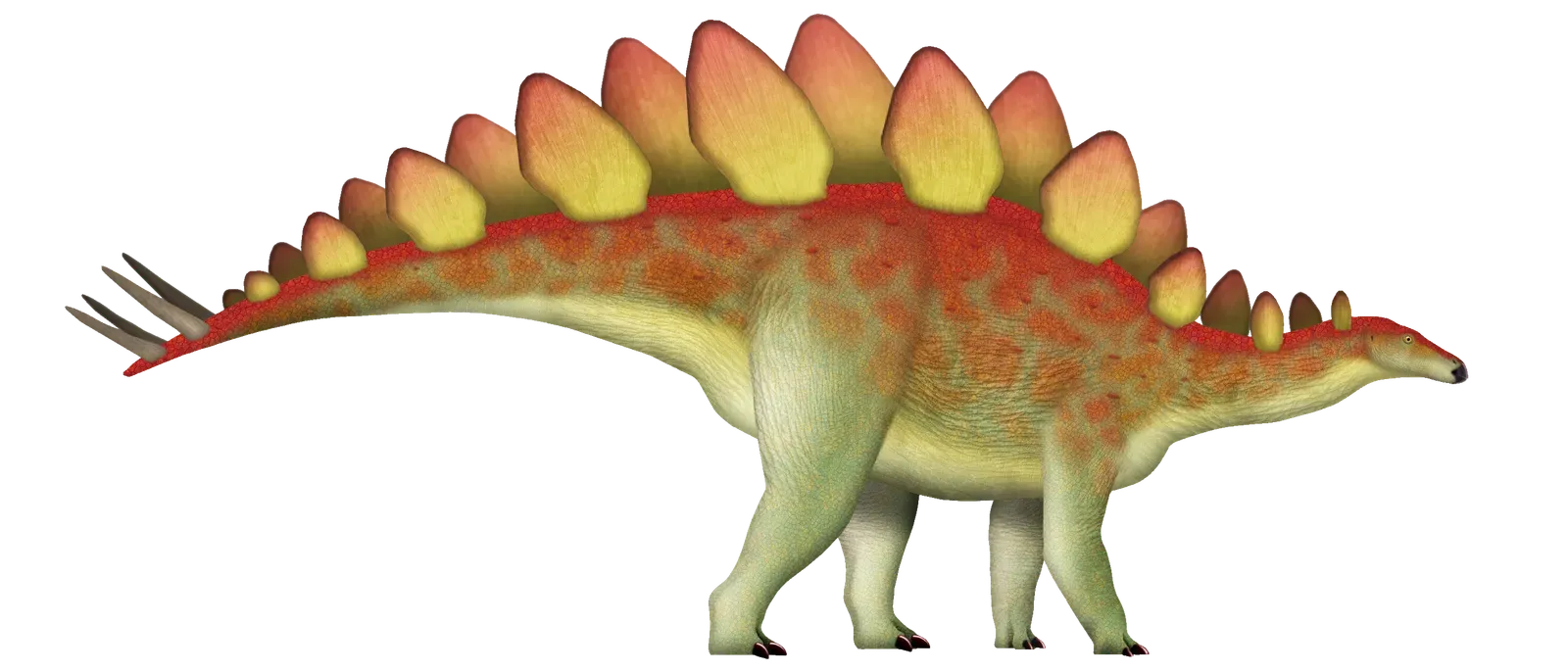
This means that the classic dinosaur icons you picture together were actually separated by enormous gulfs of time. Contrary to what many people think, not all dinosaurs lived during the same geological period. Stegosaurus, for example, lived during the Late Jurassic Period, about 150 million years ago, while Tyrannosaurus rex lived during the Late Cretaceous Period, about 72 million years ago. More time separated a Stegosaurus from a T. rex than separates us from T. rex today. Let that one sink in.
The Earth Itself Looked Completely Unrecognizable
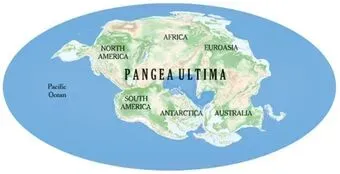
You wouldn’t recognize the world the dinosaurs lived in. During the Triassic Period, when dinosaurs first evolved, all the continents we know today were clumped together in a single landmass called Pangaea. Over tens of millions of years, Pangaea split apart, eventually coming to resemble the map of the world we know today. Imagine being able to walk from what is now Africa to what is now North America without getting your feet wet.
Earth during the Mesozoic era was much warmer than today, and the planet had no polar ice caps. During the Triassic period, without much coastline to moderate the continent’s interior temperature, Pangaea experienced major temperature swings and was covered in large swaths of desert. This was not the lush, tropical paradise the movies typically show you. It was something far more complex and extreme.
Days Were Actually Shorter Back Then
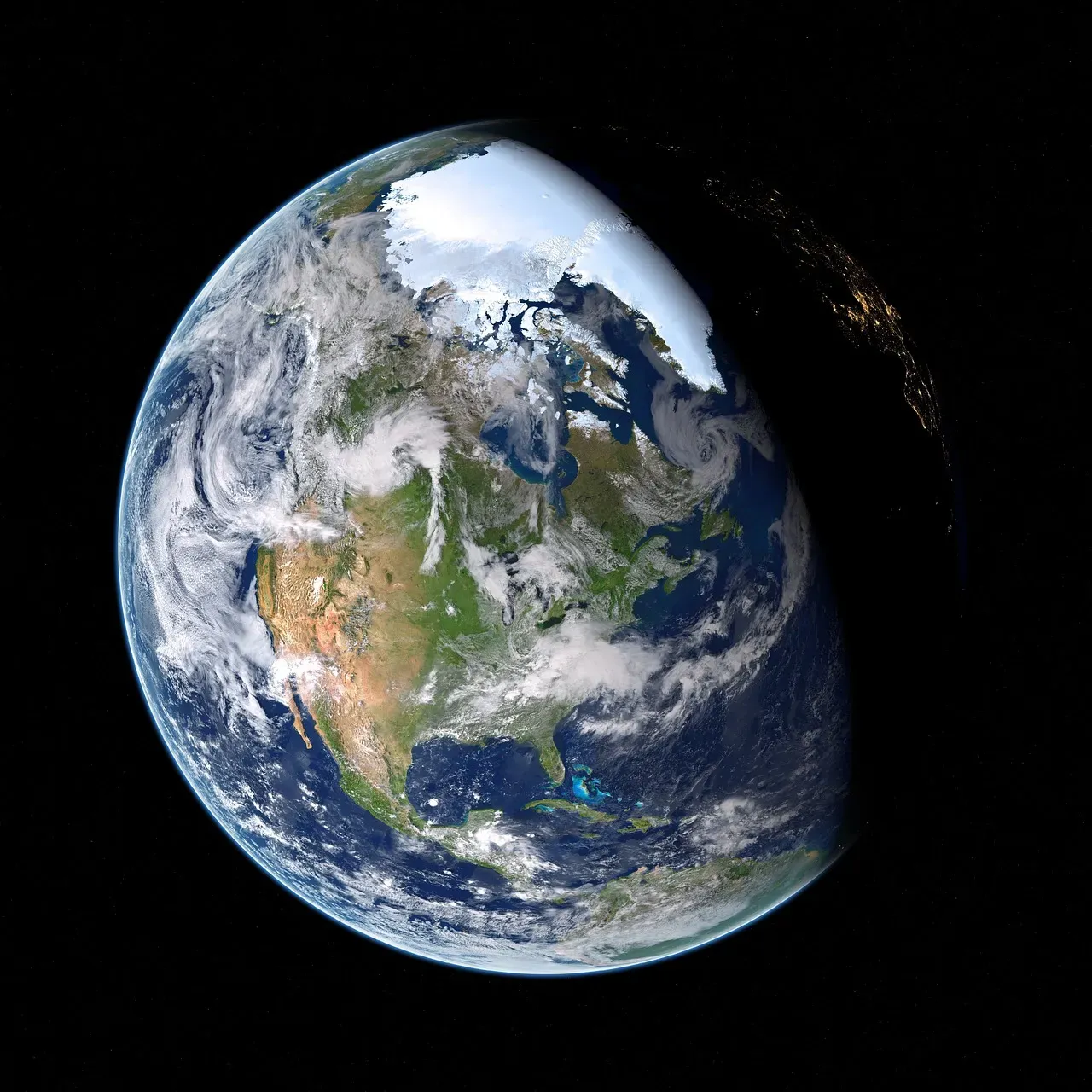
This one genuinely surprised me when I first came across it. The length of a day wasn’t 24 hours during the dinosaur age. This is because ever since the Earth’s creation, the planet’s rotation has been slowing down. Some 1.4 billion years ago, a day on Earth was approximately 18 hours and 41 minutes. At the dawn of the dinosaur age, a day would have been around 23 hours long.
Over time, Earth’s rotation continued to slow down as the moon moved further into its modern orbit. Every year, approximately 0.0000135 seconds are added to the length of a day on Earth. It’s a tiny change, but across millions of years it adds up. The dinosaurs lived in a slightly faster-spinning world – one hour shorter per day, every single day of their entire existence.
Dinosaurs Were Not the Undisputed Rulers From the Start
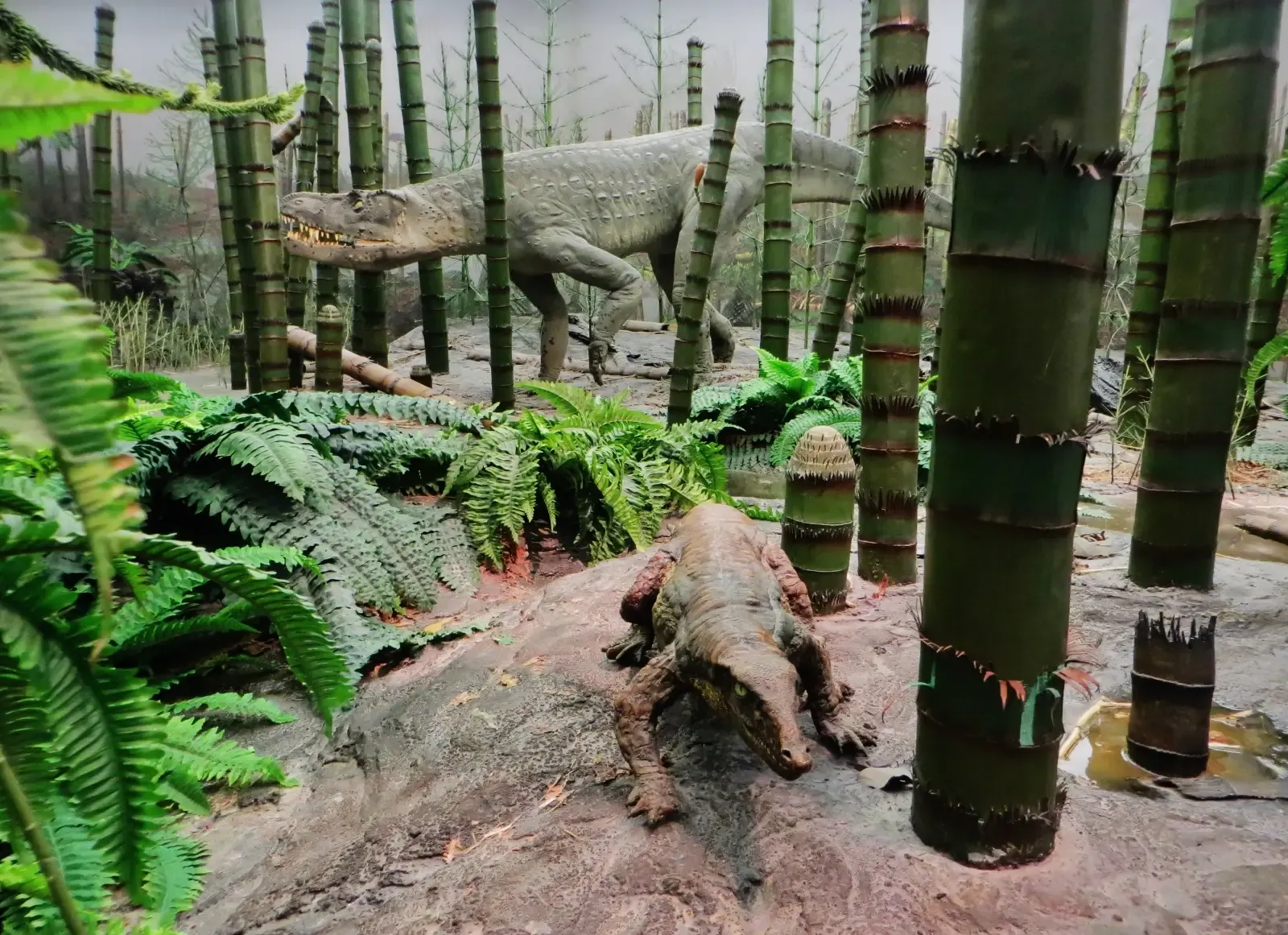
You might picture the Triassic as the moment dinosaurs took over and immediately dominated everything. That is not what happened at all. The oldest dinosaurs we know about are around 235 million years old, from the middle part of the Triassic Period – but those reptiles didn’t rule anything. From recent finds in Africa, South America, and Europe, we know that they were no bigger than a medium-sized dog, lanky, omnivorous creatures that munched on leaves and beetles.
Ancient relatives of crocodiles, by contrast, were much more abundant and diverse. Among the Triassic crocodile cousins were sharp-toothed carnivores that chased after large prey on two legs, armadillo-like creatures covered in bony scutes and spikes, and beaked, almost ostrich-like creatures that gobbled up ferns. It wasn’t a dinosaur world yet. Not by a long shot.
Dinosaurs Actually Had Feathers – Many of Them
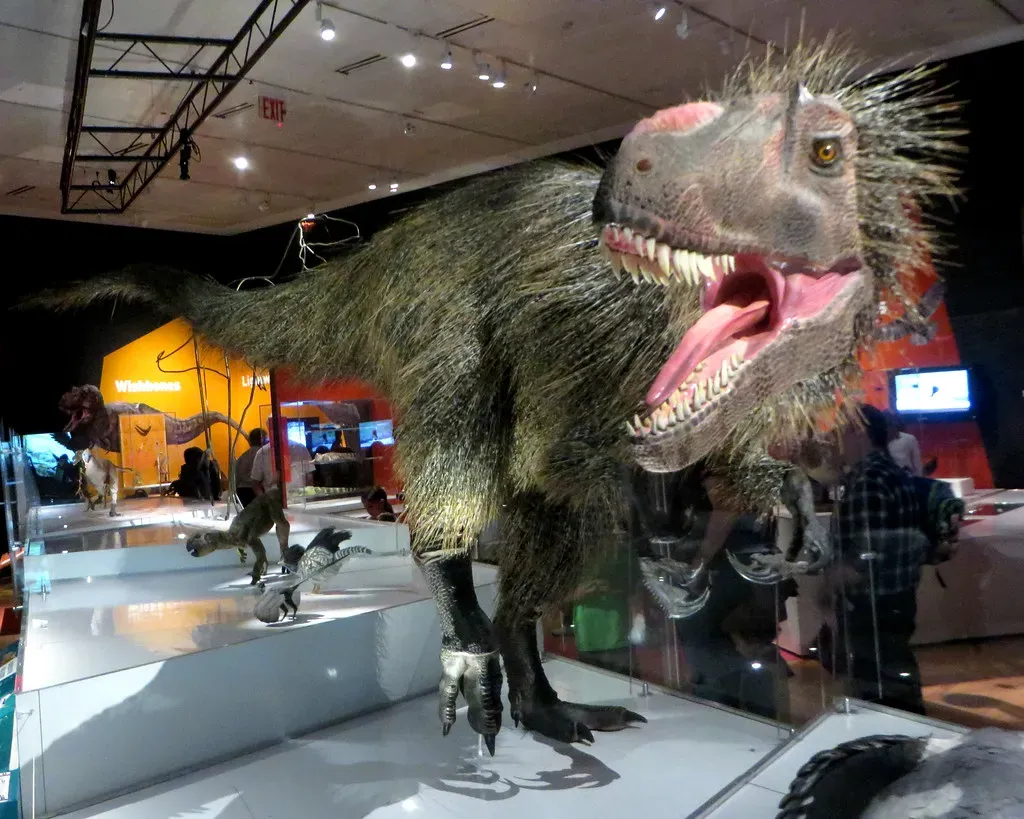
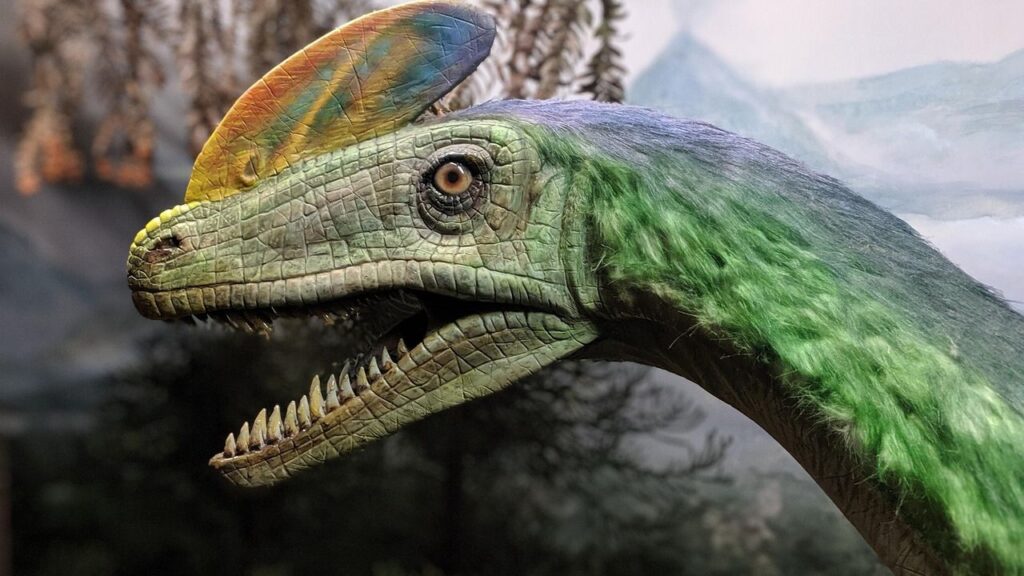
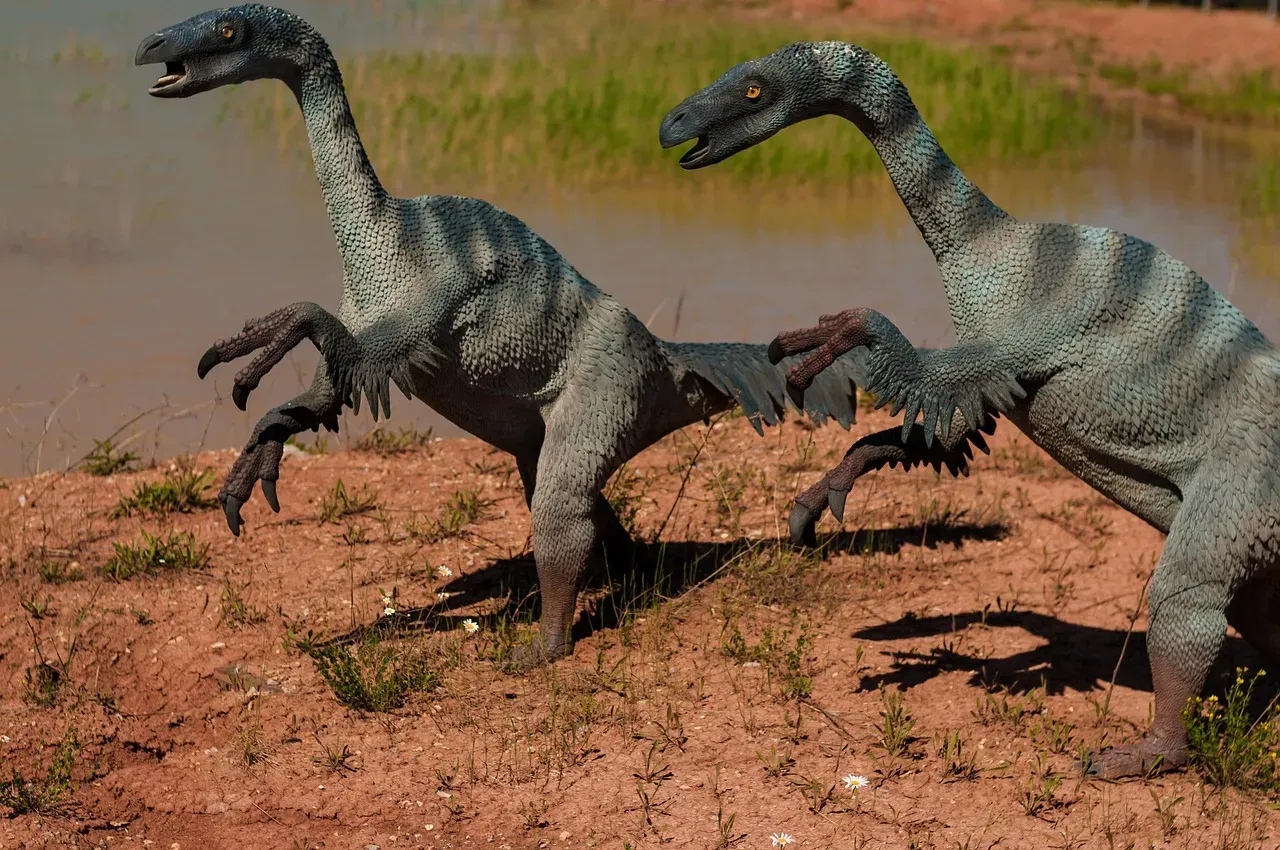
This is arguably the most visually shocking fact about the entire dinosaur age, and honestly, it still hasn’t fully reached mainstream culture. Almost three decades have passed since the scientific debut of the first non-avian dinosaur with feathers, and in that time experts have discovered dozens more. Bird-like raptors, tyrannosaurs, and even horned dinosaurs have been found with feathers and feather-like body coverings, revealing that fluff and fuzz were widespread among dinosaurs.
One of the largest feathery dinosaurs yet found is Yutyrannus, a large carnivore that lived in prehistoric China about 125 million years ago. Its fossils underscore the possibility that other tyrannosaurs, such as T. rex itself, may have had fuzzy feathers too. Think about that the next time you watch a Jurassic Park movie. That terrifying T. rex you’ve always pictured? It may have been wearing feathers from snout to tail.
Their Body Temperature Was More Complicated Than You Think
For years, dinosaurs were dismissed as slow, cold-blooded reptiles. Then science swung hard in the opposite direction and called them fully warm-blooded like birds. The truth, it turns out, sits somewhere in between – and that’s actually fascinating. What researchers seem to have found is that dinosaurs weren’t cold-blooded, but they weren’t warm-blooded either – they were somewhere in between.
Dinosaur growth rates were most like those of animals called mesotherms, which include mako sharks, tuna, and leatherback turtles. Such animals can burn energy to generate heat, but don’t maintain their bodies at a set temperature. Think of it like a hybrid engine. Not fully electric, not fully gas, but something uniquely powerful in its own right. Dinosaurs operated on metabolic terms we have no real modern equivalent for today on land.
The Atmosphere Itself Was Radically Different
If you could somehow travel back to the Cretaceous era right now, you’d feel it immediately – in your lungs. Researchers in Germany found that fossilized dinosaur teeth can reveal what the air was like in prehistoric times. Humans might have found it hard to breathe if we were around back then, because CO2 levels were four times as high as the preindustrial era.
Fossilized dinosaur teeth show that the atmosphere during the Mesozoic era, between 252 and 66 million years ago, contained far more carbon dioxide than it does today. This super-charged greenhouse atmosphere is also what fed the enormous plant growth of the era. Coniferous plants already existed at the beginning of the era but became much more abundant during the Mesozoic, and flowering plants emerged during the late Cretaceous period. The lush plant life allowed the biggest of the dinosaurs to grow to enormous sizes.
Dinosaurs Were Surprisingly Good Parents
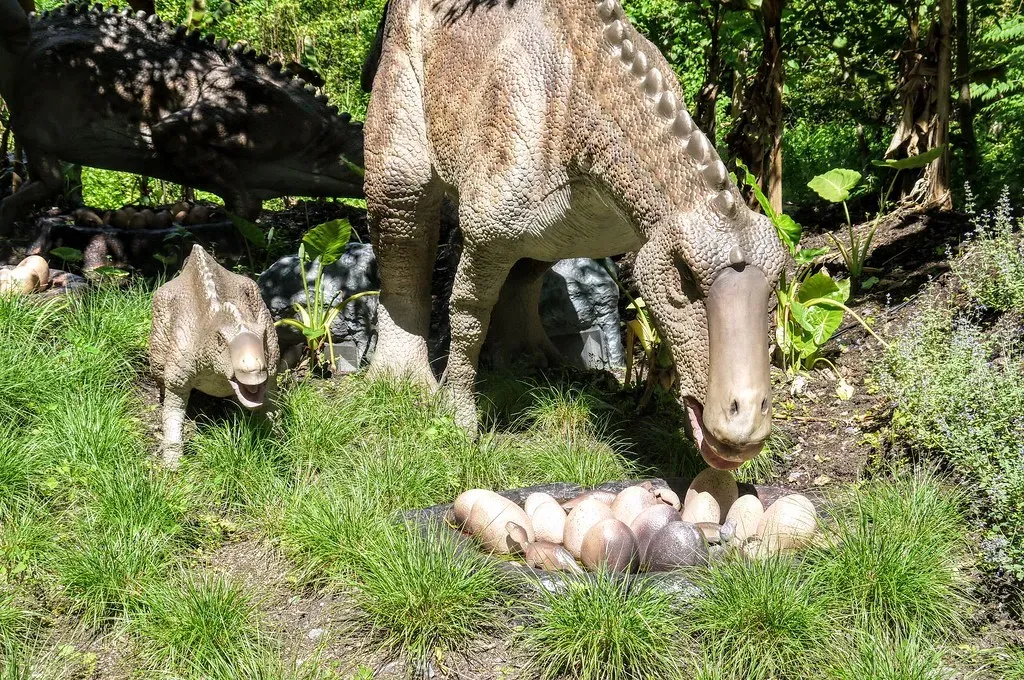
The image of a lone dinosaur abandoning a pile of eggs in the sand is wonderfully outdated. Fossil evidence now paints a far more tender picture. The duck-billed Maiasaura – a name that literally means “good mother lizard” – is one of the best-known examples of parental behavior. These Late Cretaceous dinosaurs, which lived around 80 to 75 million years ago, are thought to have nested in large colonies, with parents possibly providing food and protection for their hatchlings.
Evidence suggests that hatchlings spent significant time in the nest after hatching, implying that adults of at least some dinosaur species provided a degree of parental care for their young. Adult specimens have even been found in nest structures alongside hatchlings and juveniles of the same species, and the preservation of adults and juveniles together provides strong evidence of actual parenting behavior. It’s hard not to find something unexpectedly moving about that.
Dinosaur Eggs Came in a Dazzling Range of Colors and Shapes
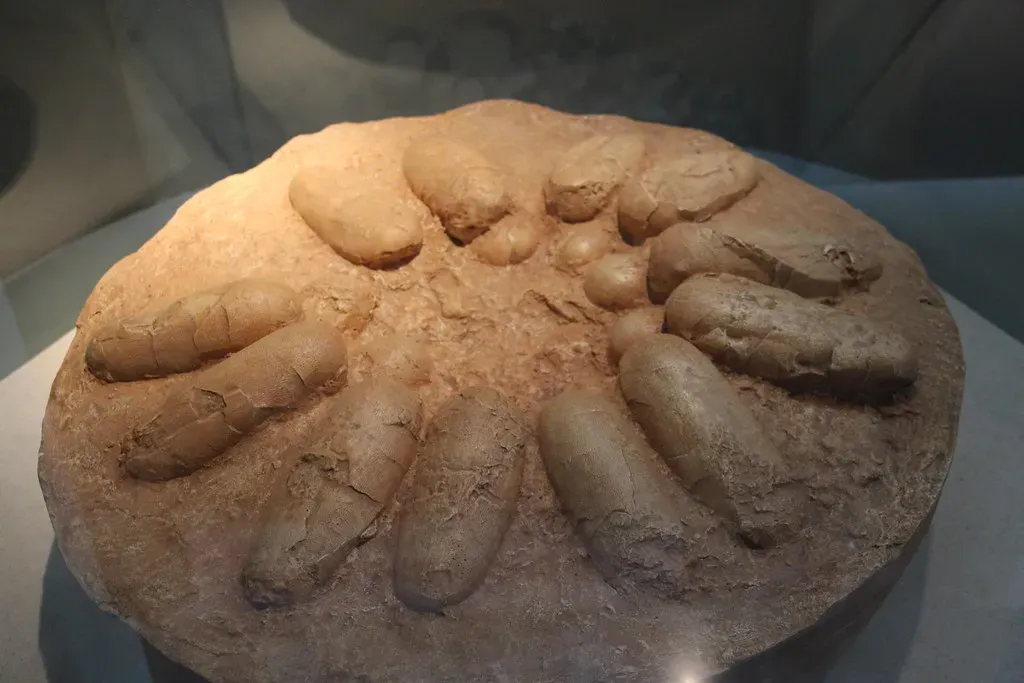
You probably picture dinosaur eggs as plain, grey ovals. The reality is far more colorful – literally. Modern birds inherited their knack for vibrant eggshells from their dinosaur ancestors, who first gained the trait more than 145 million years ago, according to research published in the journal Nature. That’s right – colorful eggshells are an ancient dinosaur invention.
Research shows the dinosaur Deinonychus probably had blue eggs like today’s emus, while other species had whitish, speckled eggs like today’s sparrows. “It seems that nonavian dinosaur eggshells had a diversity of egg color that pretty much equals what we see in modern bird eggs.” Meanwhile, no typical dinosaur nest even exists. Some species laid lots of round, hard eggs in a pile. Others laid eggs two-by-two and arranged them carefully. Some eggs were spheres. Some were cone-shaped.
The Size Range Was Absolutely Staggering
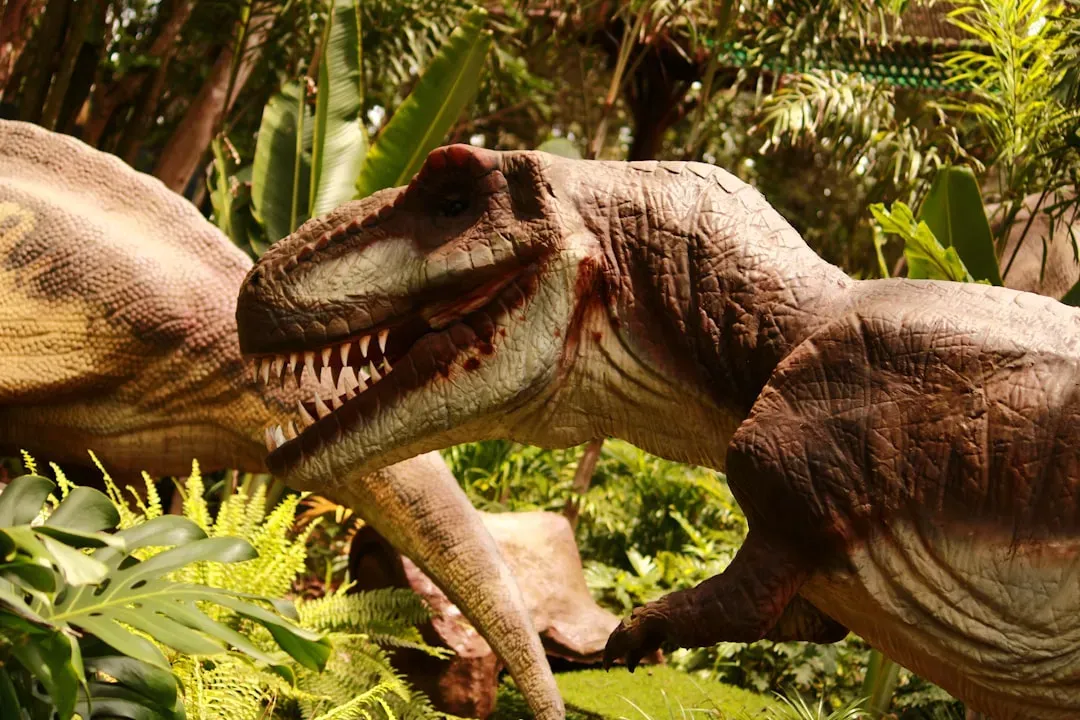
People tend to think of dinosaurs as uniformly massive. Some were, yes. Others were genuinely tiny. The smallest of the now-extinct dinosaurs weren’t very big at all – some may have only been the size of a sparrow. On the other end of the spectrum, no creature quite compared to the Titanosaur. The largest of this group was the Argentinosaurus, discovered in Argentina, and although no complete skeleton has ever been uncovered, paleontologists estimate it would have stood 131 feet tall and weighed upwards of 110 tons – making it the largest land animal in Earth’s history.
Think about that range for a moment. You’re talking about creatures spanning from the size of a sparrow all the way up to a living skyscraper. Based on the size of its front leg, one titanosaur on display was 20 feet from the ground at its shoulder – and with its neck stretched out at a 45-degree angle, the animal could have peeked into the windows of a five-storey building. Honestly, there’s something almost absurd about that mental image.
Birds Are Dinosaurs – And They’re Still Among Us
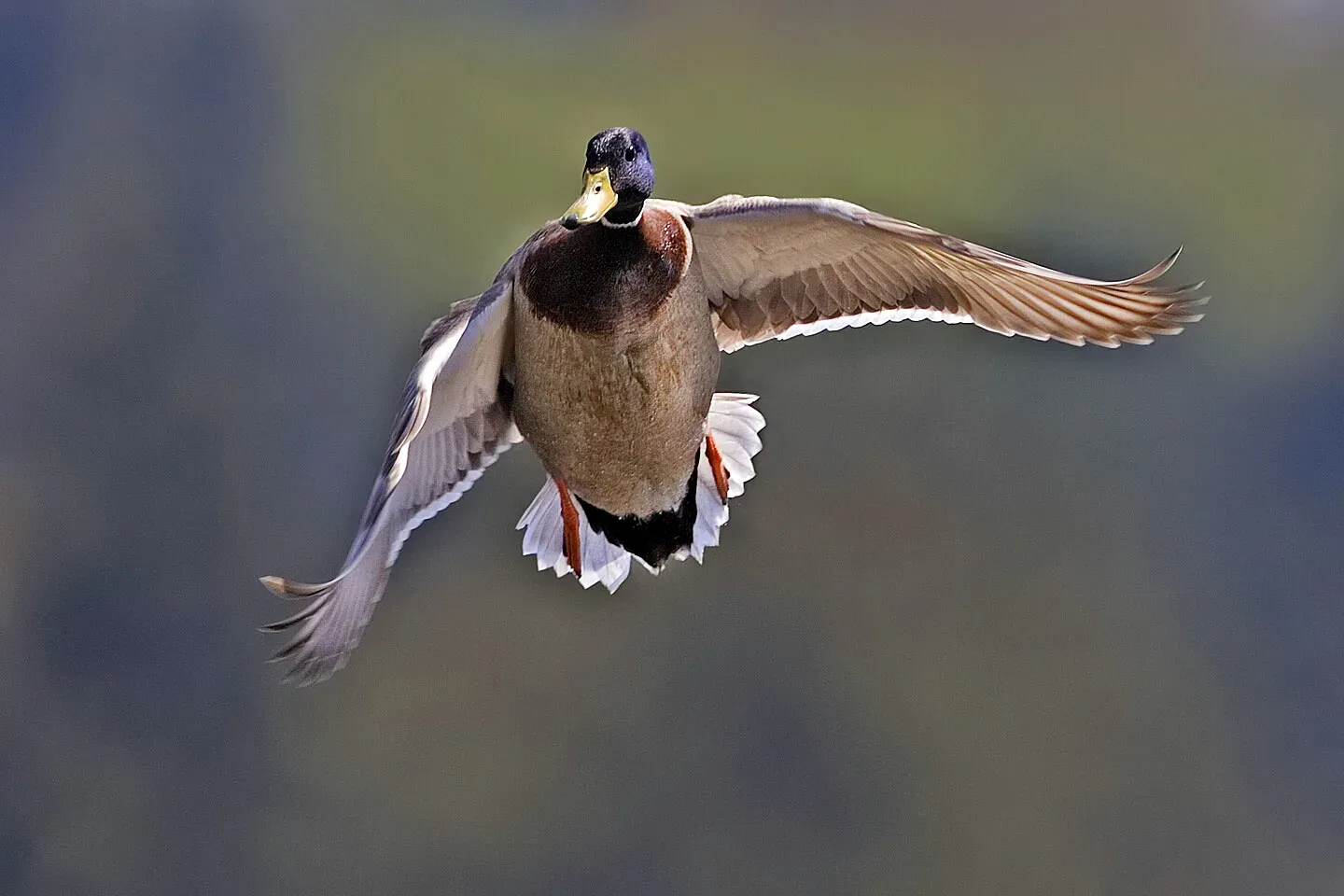
This is perhaps the most mind-bending fact of all: you don’t have to go to a museum to see a dinosaur. You can look out your window. Fossil records show that birds evolved from dinosaurs during the Jurassic Period and are consequently considered to be modern feathered dinosaurs. Some birds survived the extinction event that occurred 66 million years ago, and their descendants continue the dinosaur lineage into the present day – so dinosaurs still live among us.
In 1842, the English naturalist Sir Richard Owen coined the term Dinosauria, derived from the Greek deinos, meaning “fearfully great,” and sauros, meaning “lizard.” Yet today the descendants of those fearfully great creatures are hopping across your garden fence and singing from telephone wires. Feathered flight allowed early birds to survive in diverse habitats, which seems to have been the key to their survival when their relatives went extinct about 66 million years ago. Flying and tweeting among us are the descendants of the onetime overlords of the planet.
Conclusion
The age of dinosaurs is not a closed chapter in Earth’s history. It’s an evolving, endlessly surprising story that keeps getting richer with every new discovery. From feathered giants to blue dinosaur eggs, from their mesotherm metabolisms to the fact that you see their living descendants every single morning, these creatures refuse to stop being astonishing.
What strikes me most is how wrong our assumptions have been for so long – and how much we still don’t know. Paleontologists in 2026 are still finding species no one has ever seen before, still rewriting timelines, still upending certainties we held for decades. The dinosaurs didn’t just shape ancient Earth. They shaped the birds outside your window, the world under your feet, and the very oxygen you’re breathing right now.
So here’s a question worth sitting with: if everything we thought we knew about dinosaurs has already been revised this dramatically, what do you think we’ll be rewriting about them in another fifty years?