Paleontology is a science built on surprises. You can spend decades thinking you understand an animal, and then a single fragment of bone pulled from a quarry wall rewrites the story entirely. That’s what makes the field so compelling: the past is never truly settled.
Over the last two centuries, a handful of discoveries have done something more than add new species to a list. They’ve shifted the entire way scientists, and the rest of us, imagine prehistoric life. Some overturned assumptions so fundamental it’s almost hard to believe they were ever held. Others filled gaps so precisely that they seem almost too perfectly timed. Here are twelve of those extraordinary finds.
1. Megalosaurus: The Find That Started It All
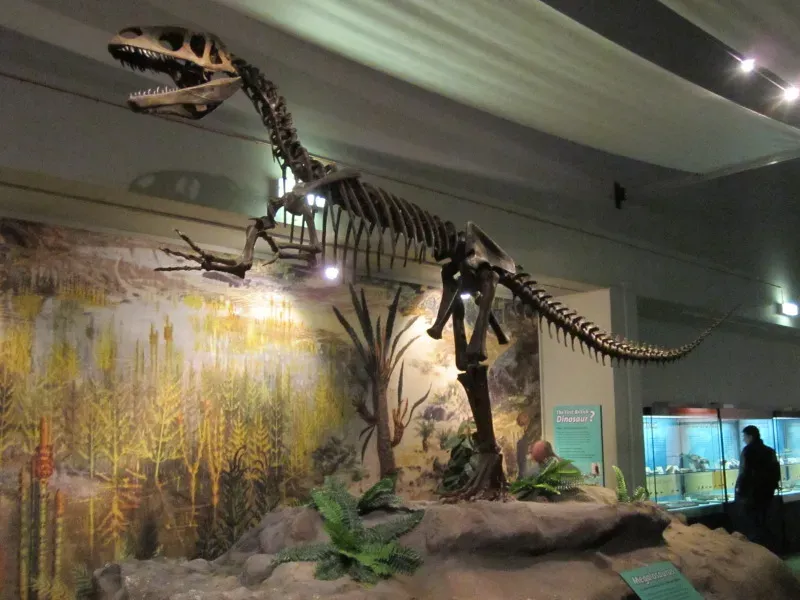
On February 20, 1824, during a meeting of the Geological Society of London, paleontologist William Buckland formally introduced Megalosaurus, the first dinosaur to be described by scientists. Its remains, though incomplete, had begun to be collected from quarries at the village of Stonesfield in Oxfordshire from around 1815, and the bones, teeth, and jaws were passed to Oxford University Museum, where they still reside today.
Buckland and Cuvier deduced that the bones belonged to a gigantic reptile the like of which had not been seen before, and over the next decade and a half, more large fossil reptile bones recovered in England were reviewed by British anatomist Richard Owen. In 1842, Owen decided that these fossils were so utterly different from any known reptiles that they deserved classification as a completely new group of giant fossil reptiles: Dinosauria, meaning “terrible or fearfully great reptiles.” Prior to 1842, nobody had heard of dinosaurs. The rest is, in essence, history.
2. Archaeopteryx: The Missing Link Between Dinosaurs and Birds
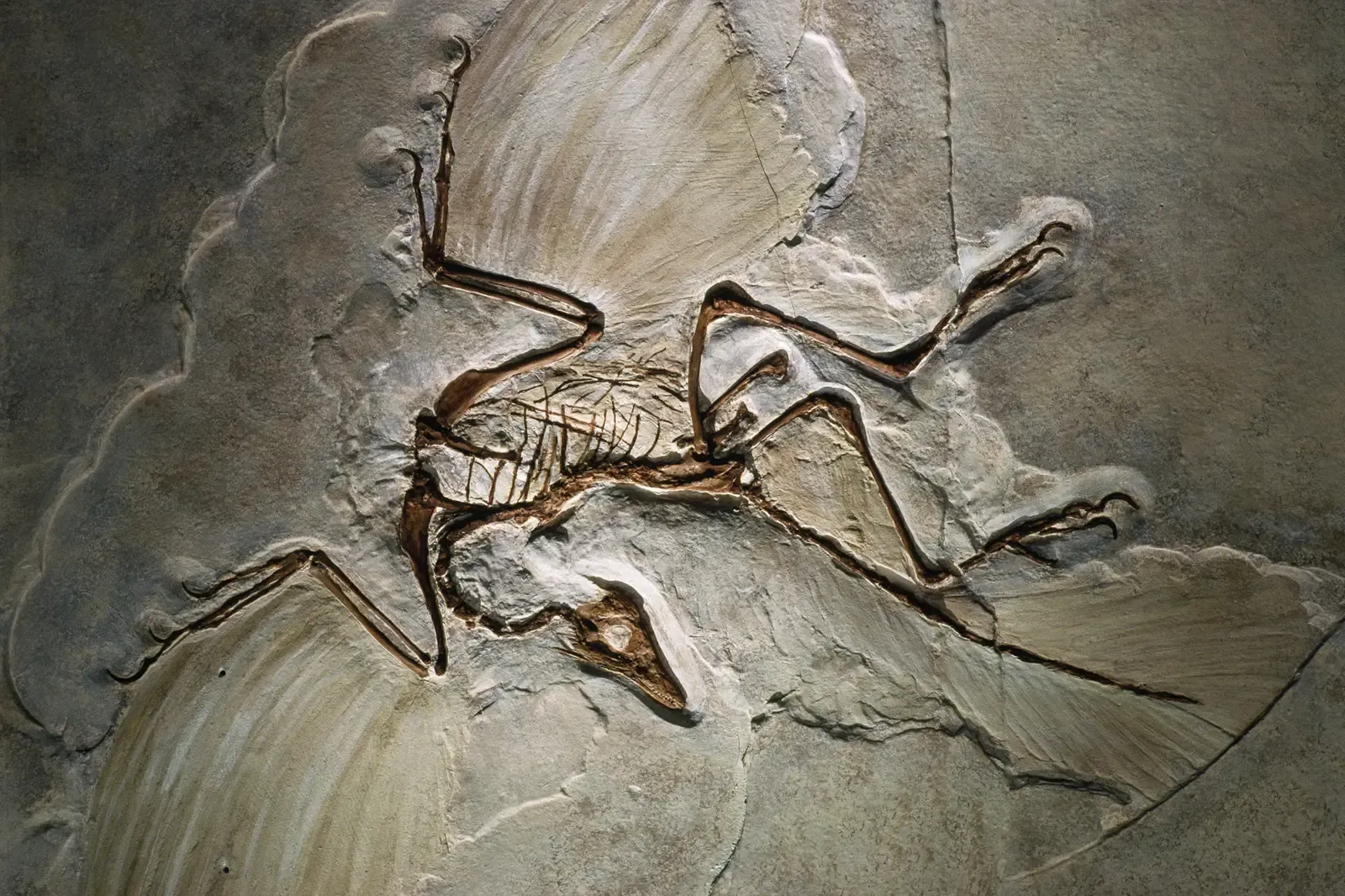
When the small bird-like Archaeopteryx fossil was discovered in the limestone deposits of Solnhofen, Germany in 1860, it made waves not only in the world of paleontology but also in evolutionary science. The first Archaeopteryx skeleton was uncovered in Germany in 1861. This extraordinary find had clear impressions of feathers around its skeleton, and since birds weren’t known from this long ago, it was described as one of the first birds.
Similar in size to a magpie, this small ancient creature seemed to solve the missing link between birds and dinosaurs, featuring jaws with sharp teeth, a long bony tail, and three clawed fingers. Thomas Huxley, a great disciple of Darwin, was one of the first people to realize the significance of Archaeopteryx, noticing that there were striking similarities between it and some meat-eating dinosaur skeletons. Since 1861, twelve Archaeopteryx specimens have been dug up.
3. Iguanodon: Proof That Giant Plant-Eaters Once Roamed the Earth
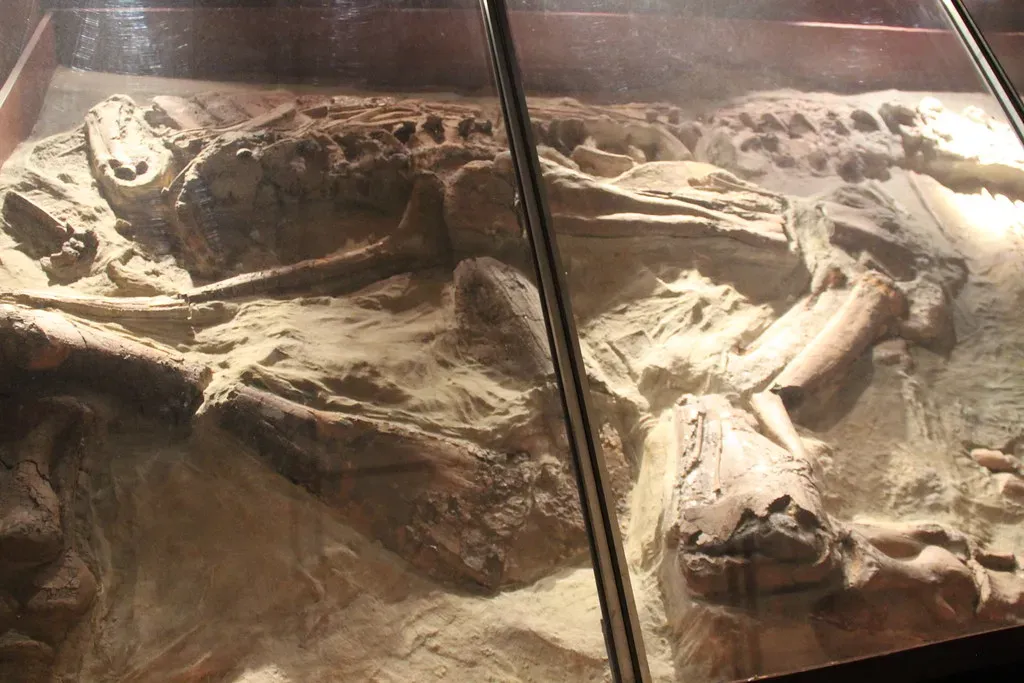
A year after Megalosaurus was named, a second giant prehistoric reptile called Iguanodon was described. It was a hugely significant discovery in its own right, and notably, it was the first giant prehistoric reptile found to be herbivorous. At the time, most reptiles were thought to eat mainly meat or insects, so to find a reptile on this scale that only ate plants was viewed as revolutionary.
This specimen of Iguanodon, discovered by Mary Ann Mantell, is thought to be the first herbivorous dinosaur ever discovered, which broadened the horizons of scientists’ understanding of the animals greatly. When in 1834 a larger specimen was discovered in a limestone quarry in Kent by William Bensted, Gideon Mantell was finally able to create a clearer image of the unknown creature, following which it became one of the first three included in the Dinosauria classification.
4. The Bone Wars Specimens: A Chaotic Golden Age of Discovery
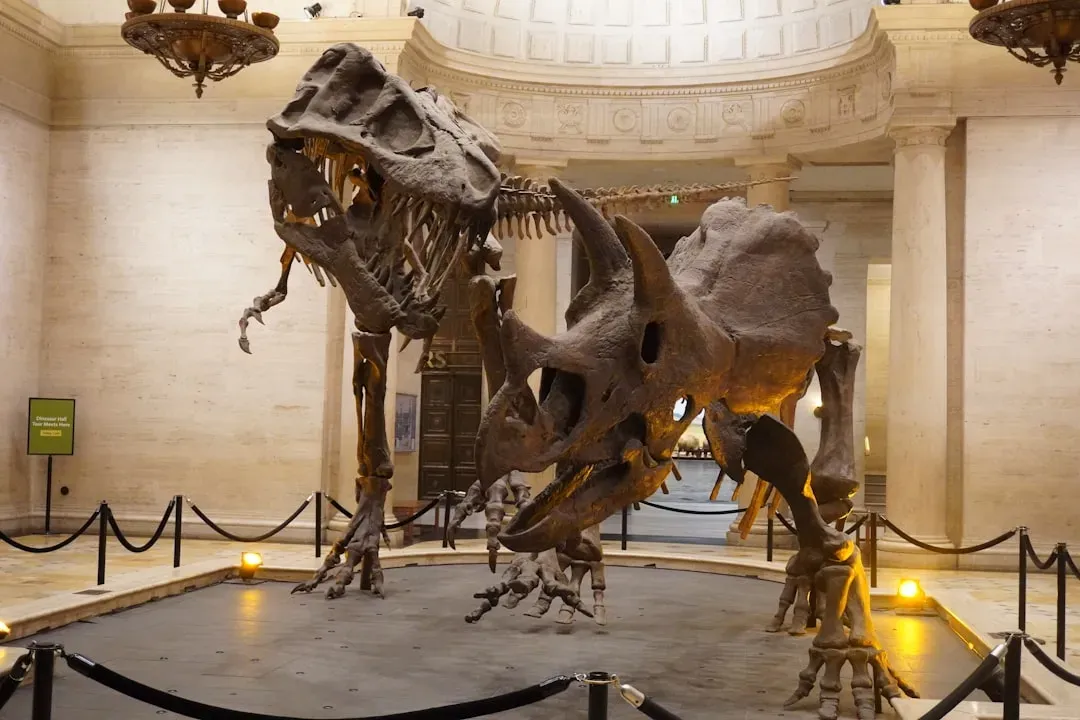
Although not technically a single discovery but many, the Bone Wars stands out as one of the most significant and intense periods of fossil hunting in the history of paleontology. By the 1870s, interest in dinosaurs was growing rapidly, and a fierce rivalry emerged between two paleontologists, Othniel Charles Marsh and Edward Drinker Cope, both of whom fought relentlessly to find and name the most dinosaurs.
What came out of this period was a significant increase in the knowledge of North American dinosaurs, including the discovery of many near-complete specimens. In total, the two men described 136 species of dinosaurs, including some famous names such as Stegosaurus, Triceratops, Allosaurus, Diplodocus, and Brontosaurus. As time went on, the feud became even more bitter, with the pair using tactics such as spying, theft, and even the destruction of fossils to get ahead. The rivalry eventually soured their professional and scientific reputations, but not before they had well and truly left their mark in the history books.
5. Deinonychus: The Discovery That Sparked a Dinosaur Renaissance
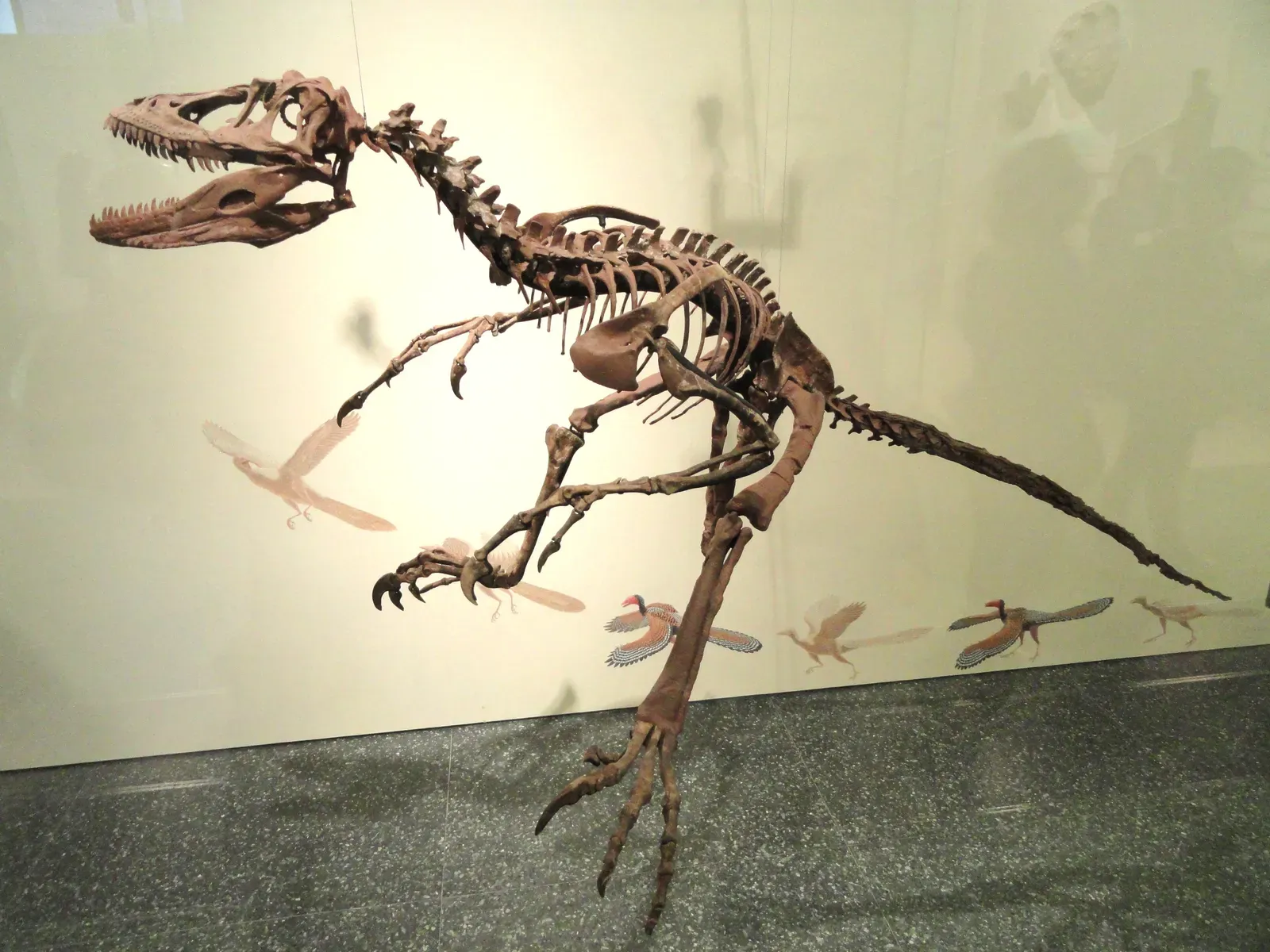
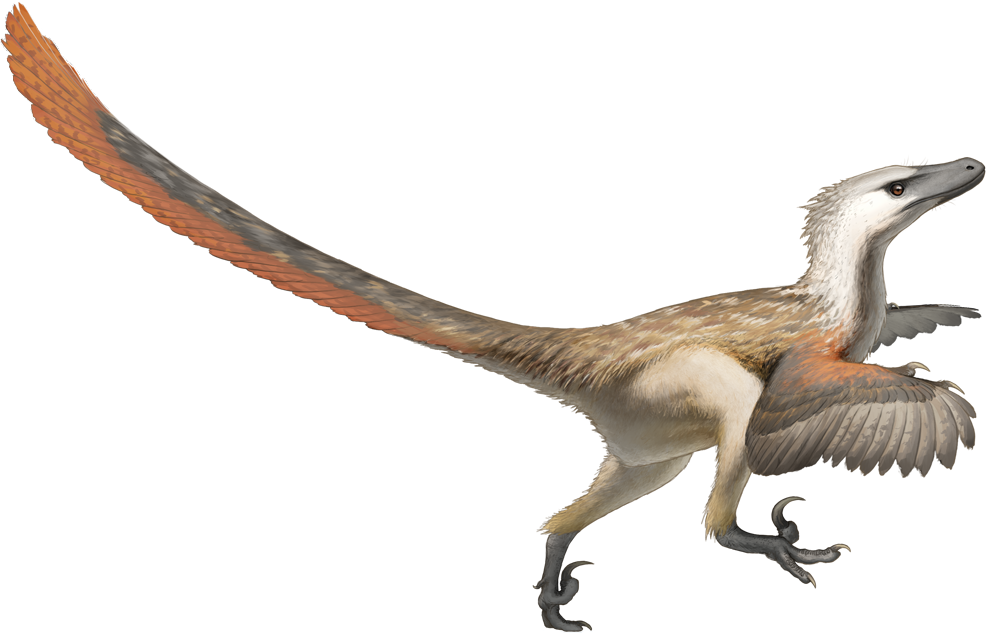
Beginning with the discovery of Deinonychus in 1964, Yale paleontologist John Ostrom challenged the widespread belief that dinosaurs were slow-moving lizards. He argued that Deinonychus, a small two-legged carnivore, would have been fast-moving and warm-blooded. While conducting fieldwork in the Bighorn Basin of Montana in 1964, Ostrom found a fossilized claw that he determined to have belonged to a predatory dinosaur that lived more than 125 million years ago, and he named it Deinonychus, Greek for “terrible claw.”
Paleontologist John Ostrom’s study of Deinonychus in the late 1960s revolutionized the way scientists thought about dinosaurs, leading to the “dinosaur renaissance” and igniting the debate on whether dinosaurs were warm-blooded or cold-blooded. The discovery of this clearly active, agile predator did much to change the scientific and popular conception of dinosaurs and opened the door to speculation that some dinosaurs may have been warm-blooded. The altered view of dinosaurs inspired a new generation of dinosaur movies, including Jurassic Park, which based its murderous “Velociraptors” on Deinonychus.
6. Maiasaura and Egg Mountain: Dinosaurs as Devoted Parents
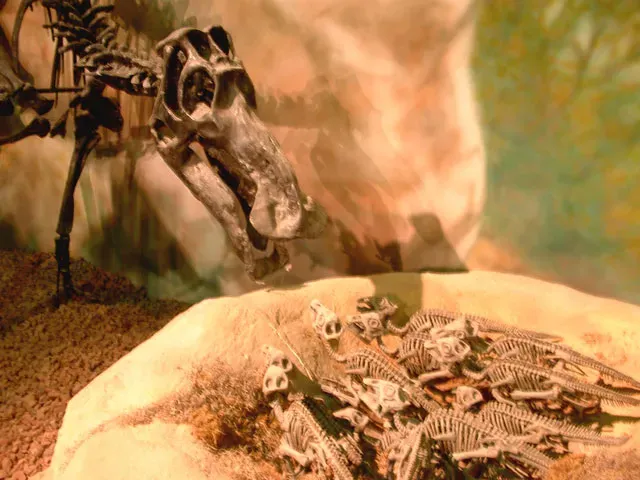
The story of Maiasaura begins in 1978 when paleontologist Jack Horner and his colleague Bob Makela discovered a vast nesting site in the Two Medicine Formation of western Montana. This extraordinary find included not just adult specimens but also eggs, hatchlings, and juveniles of various ages, all preserved in what appeared to be a massive communal nesting ground. This discovery of fifteen juvenile dinosaurs in close proximity to an adult showed the first instance of parental and social behavior in dinosaurs.
In contrast to numerous fossil discoveries limited to bones, the site revealed nests with eggs, hatchlings, and adult Maiasaura specimens. “Egg Mountain,” as the site is formally called, showed that the dinosaurs lived in colonies and cared for their babies after hatching, and this nest site evidence helped establish that not all dinosaurs were isolated or cold-blooded. The nests contained 30 to 40 eggs laid in a circular or spiral pattern, and the eggs were about the size of ostrich eggs.
7. The Feathered Dinosaurs of Liaoning, China
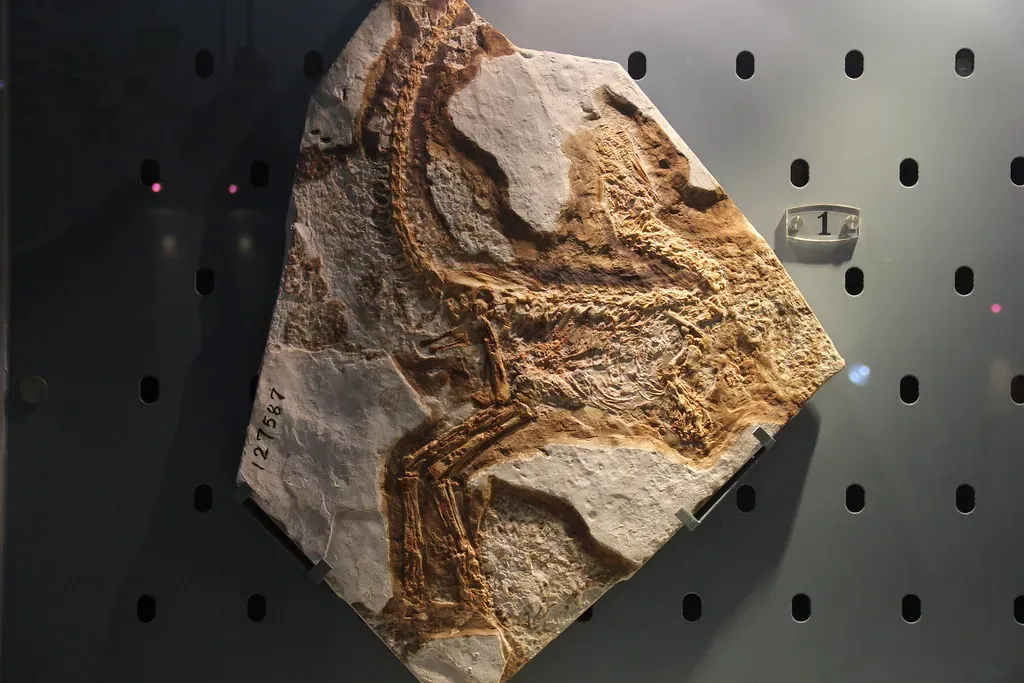
Paleontologists have known that many non-avian dinosaurs had plumage since the mid-1990s, but discoveries over the following decades saw the expansion of fuzziness to even more branches of the dinosaur family tree. Dinosaurs that were previously envisioned as scaly, like Ornithomimus, were found with evidence of feathers. These discoveries demonstrated the wisdom of Huxley’s earlier intuition and the validity of Ostrom’s work on Deinonychus, confirming that many, though not all, dinosaurs were feathered, and that some were indeed the progenitors of modern birds.
Other dinosaurs, such as the herbivore Kulindadromeus, showed that fuzz, filaments, and bristles might have been a common dinosaur feature. It is no longer controversial to envision many dinosaurs as both scaly and feathery. The discovery that the fuzz of flying reptiles called pterosaurs is equivalent to the protofeathers of dinosaurs is another part of this puzzle, hinting that the Age of Reptiles was fluffier than anyone had expected.
8. Borealopelta: The Nodosaur That Looks Like It’s Still Sleeping
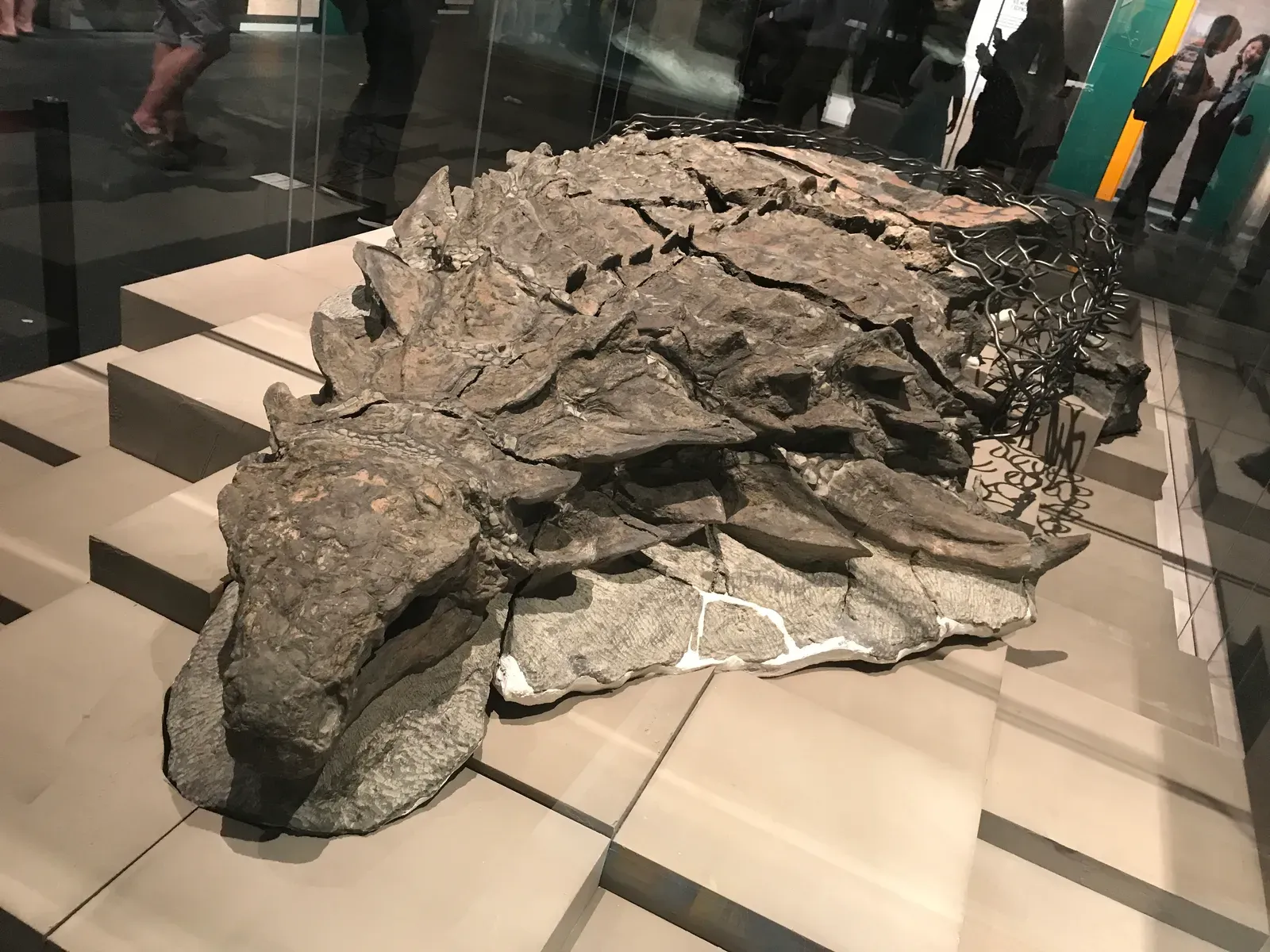
In 2011, one of the most incredible dinosaur discoveries was unearthed: the “sleeping Nodosaur.” Though 112 million years old, its impressive preservation gives the appearance that it is merely sleeping, offering one of the most realistic images of a dinosaur ever found. Also known as the “Sleeping Dragon,” the armored dinosaur’s unique spiky exterior became fossilized in a three-dimensional manner after its body fell face-up onto the prehistoric seabed after its death.
The fossil of Borealopelta is considered one of the most spectacular dinosaurs ever found, representing a large portion of an armored dinosaur including the head, neck, and front portion of the body. The fossil is so well-preserved that every armor piece is in place, with the keratin covering of the spiky armor preserved as well as the bone itself. It’s about as close a look as we’re likely to get at an armored dinosaur. Alberta, Canada has given researchers hundreds of important fossils, but the world’s best-preserved armored dinosaur, Borealopelta markmitchelli, stands as one of its greatest gifts to science.
9. Patagotitan mayorum: Redefining the Limits of Giant
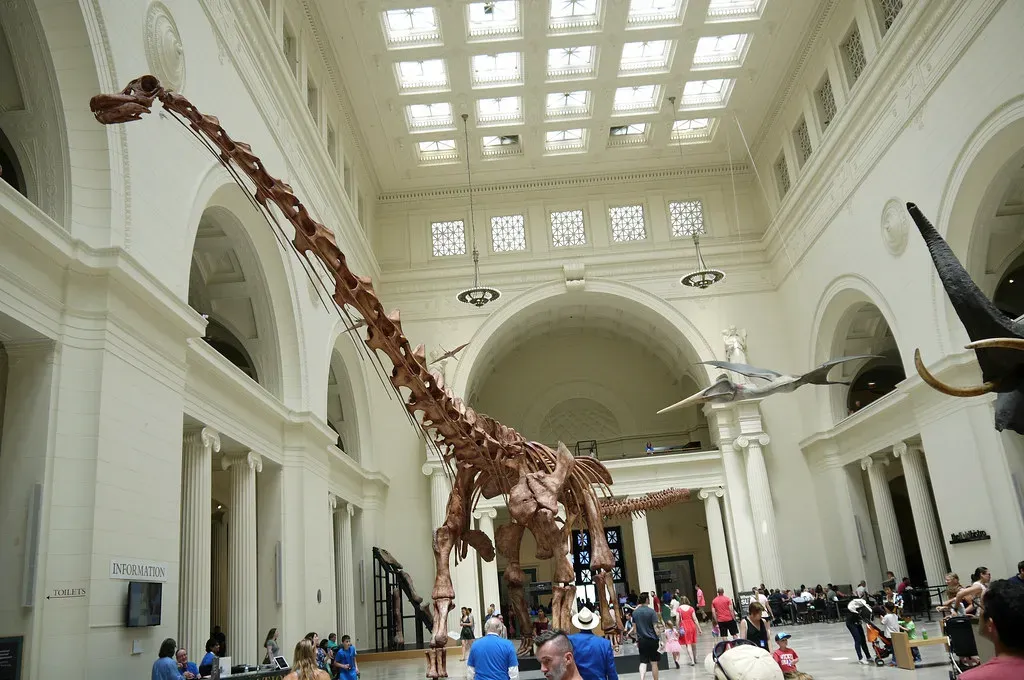
In Patagonia, paleontologists uncovered the remains of Patagotitan mayorum, a massive titanosaur that quickly became a contender for the title of the largest land animal ever discovered. Estimated to exceed 120 feet in length and weigh around 69 tons, this colossal sauropod offered new insight into the size limits of terrestrial vertebrates.
Breakthrough fossils unearthed across Asia, South America, North America, and Europe have dramatically expanded our understanding of dinosaur evolution, biology, and behavior. These finds, remarkable for their preservation, size, or scientific implications, showcase how much remains to be uncovered about life in the Mesozoic. Patagotitan in particular forced scientists to reconsider not just how large a land animal could get, but what biological constraints, from bone structure to cardiovascular demands, would have governed every step these giants took.
10. The Dueling Dinosaurs: A Frozen Moment of Prehistoric Combat
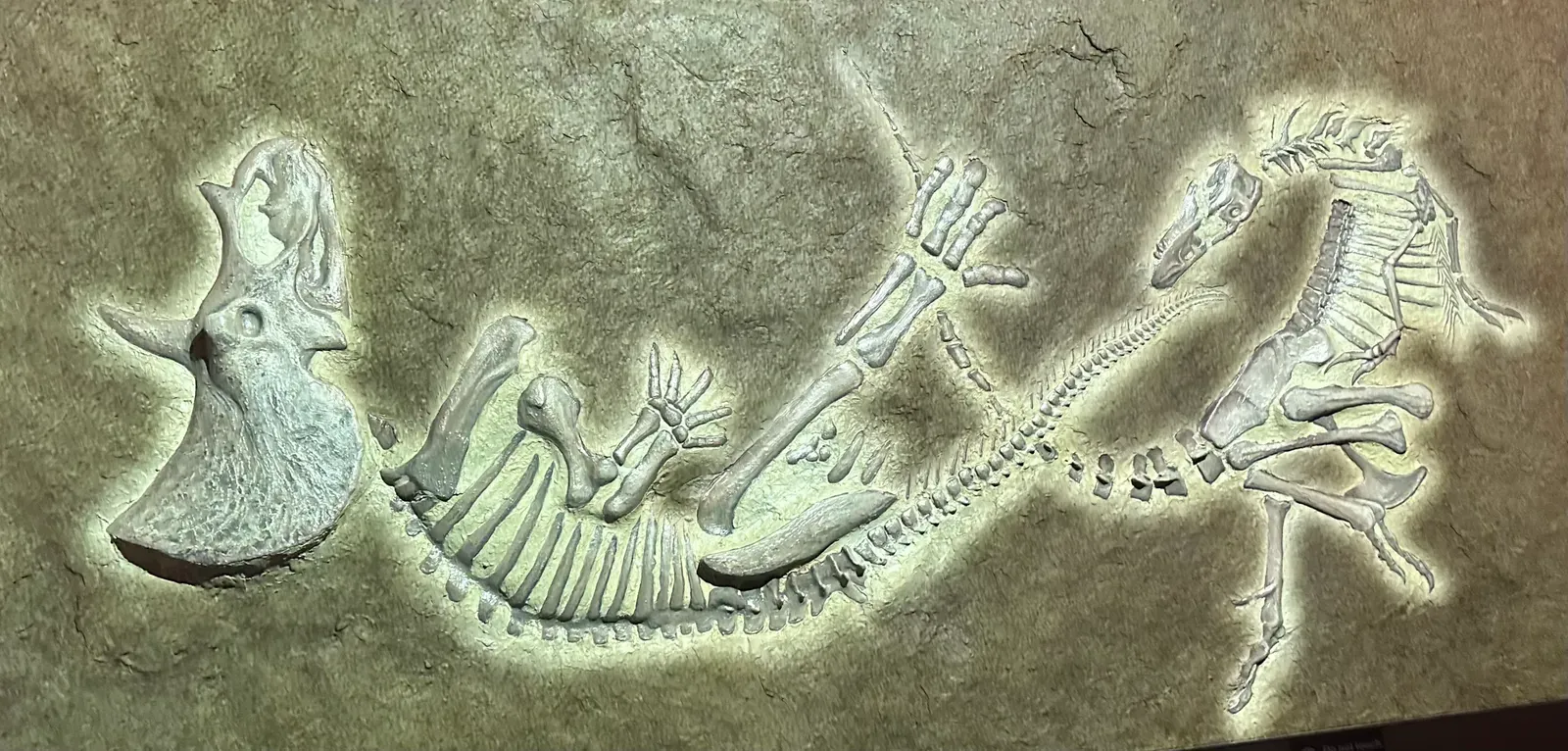
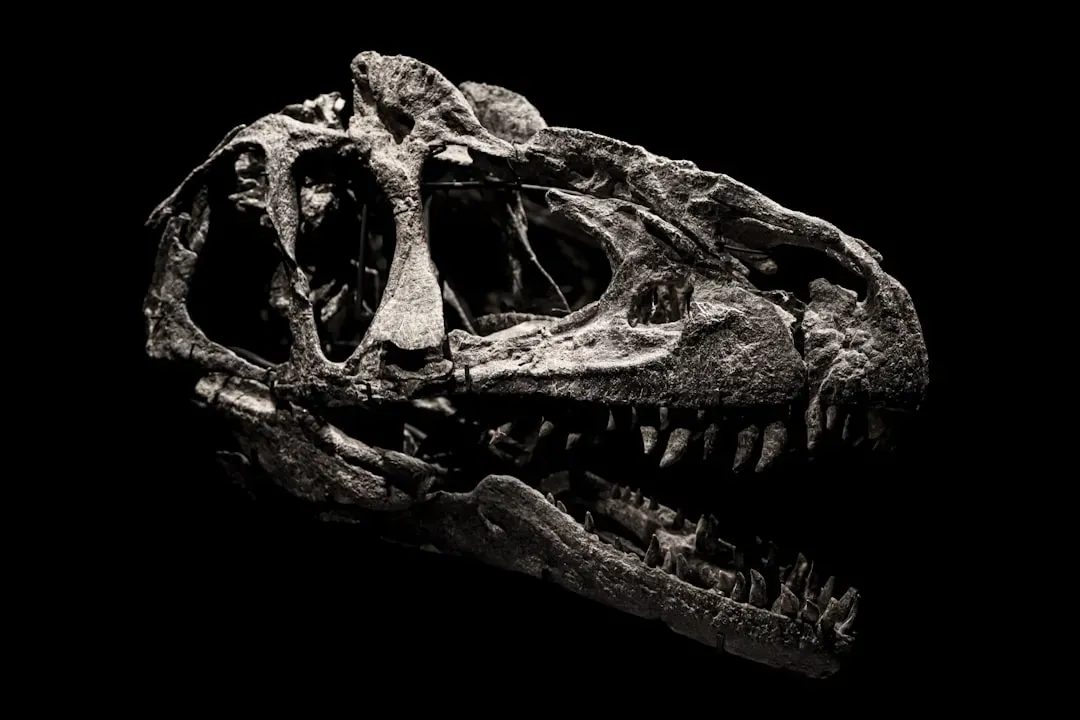
The Dueling Dinosaurs fossil, found in Montana, contains two dinosaurs locked in prehistoric combat: a Triceratops and a small-bodied tyrannosaur. That tyrannosaur turns out to be the most complete skeleton ever found of Nanotyrannus lancensis, a dinosaur long debated as being either a distinct species or a teenage T. rex. This fossil categorically ended that debate: Nanotyrannus is not a juvenile T. rex. It belongs to a separate genus entirely, and one much more distantly related.
For decades, paleontologists used Nanotyrannus fossils to study T. rex growth and behavior, but this new evidence shows those studies were based on two entirely different animals. This discovery completely reframes the idea that T. rex was the lone predator of its time, challenging long-held assumptions about late Cretaceous ecosystem dynamics. We now know multiple tyrannosaur species coexisted in the last million years before the asteroid impact, suggesting a richer, more competitive ecosystem than previously imagined.
11. Yi Qi: The Bat-Winged Dinosaur Nobody Predicted
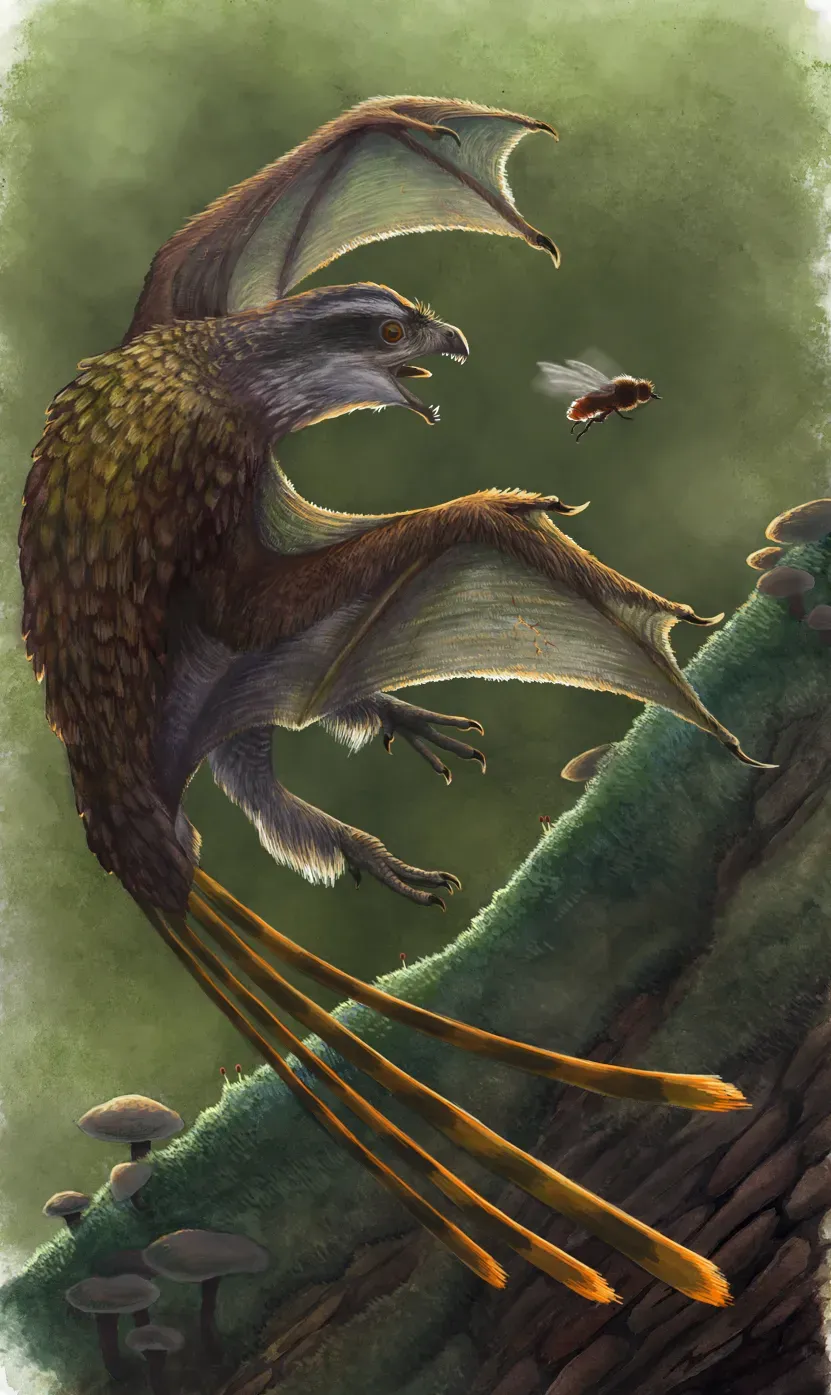
Researchers in Hebei Province, China, found the remains of Yi qi, a small theropod dinosaur regarded as one of its kind. The remains consisted of membranous, bat-like wings supported by an elongated rod of bone extending from its wrist. Nothing in the fossil record had suggested that dinosaurs would explore this particular evolutionary path. The structure is unlike anything seen in birds or other feathered theropods, making Yi qi a genuinely strange outlier.
Together with other discoveries, Yi qi illustrates the vibrant pace of modern dinosaur research. From experimental wing structures and monumental sauropods to exquisitely preserved mummies and revelations about reproduction, each find reshapes our understanding of Mesozoic ecosystems. Yi qi is a reminder that evolution doesn’t always follow the most predictable route, and that the dinosaur family tree still holds genuine surprises at nearly every branch.
12. Ahvaytum bahndooiveche: Rewriting the Origins of Dinosaurs
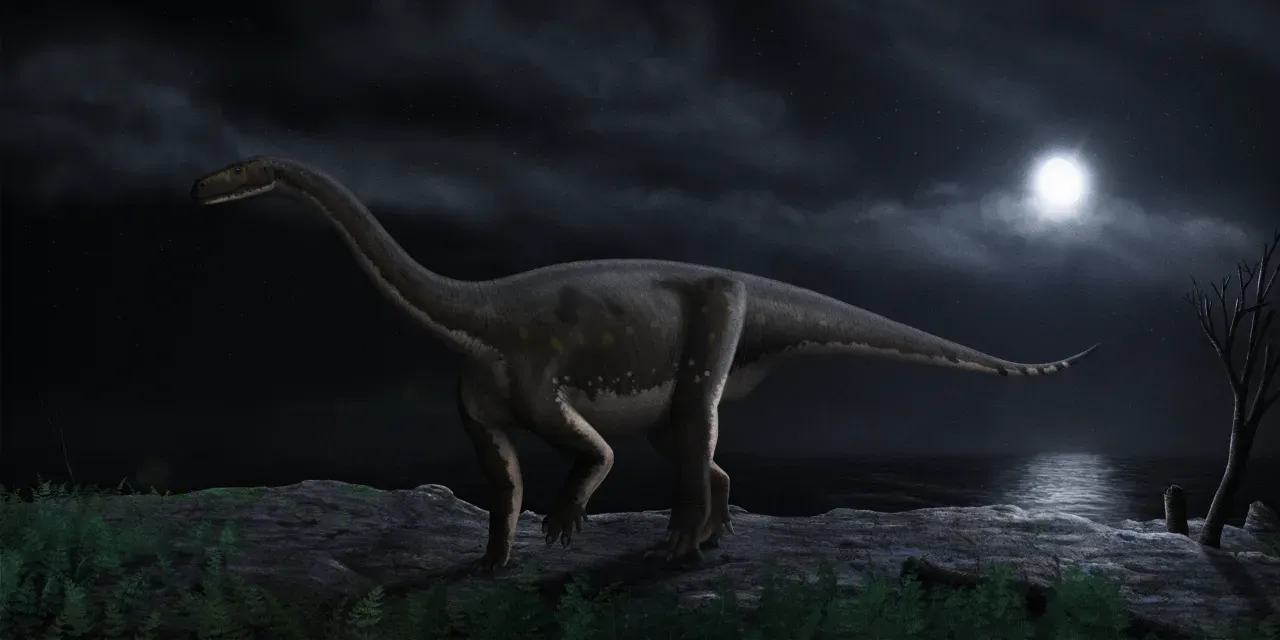
Paleontologists in the United States uncovered the fossilized remains of a new species of sauropodomorph dinosaur that lived in the northern hemisphere during the Carnian age of the Late Triassic epoch, around 230 million years ago. Until this find, the origin of dinosaurs was thought to be deeply rooted in the high-latitude southern hemisphere supercontinent Gondwana. Gondwanan dinosaur faunas and the oldest known dinosaur occurrence in the northern hemisphere were separated by 6 to 10 million years, but the newly described Laurasian species lived at the same time as the oldest known southern dinosaurs. Named Ahvaytum bahndooiveche, this sauropodomorph is the oldest known Laurasian dinosaur.
Ahvaytum bahndooiveche lived in Laurasia during or soon after a period of immense climatic change known as the Carnian pluvial episode, which has previously been connected to an early period of diversification of dinosaur species. The climate during that period was much wetter than it had been previously, transforming large, hot stretches of desert into more hospitable habitats for early dinosaurs. The presence of a 230-million-year-old, low-latitude, early sauropodomorph from the northern hemisphere challenges the hypothesis of a delayed dinosaurian dispersal out of high-latitude Gondwana.
Conclusion
What you see across these twelve discoveries is a clear pattern: every time paleontology seemed close to a settled picture, the ground gave up something new and unexpected. Cold-blooded and slow-witted became warm-blooded and agile. Solitary became social. Scaly became feathered. The narrative keeps shifting, not because science is unreliable, but because it’s working exactly as it should.
In the 200 years since the first formal description of a dinosaur, we’ve learned more about how dinosaurs evolved, what they looked like, how they behaved, and what eventually became of them. The discovery of new fossils and the development of new techniques to study them have enabled scientists to delve into the fascinating lives of these ancient reptiles like never before.
The most honest thing paleontology can tell you is that the next extraordinary find is almost certainly already waiting somewhere underground. It just hasn’t been found yet. That’s not a limitation of the science. It’s the most exciting part of it.