
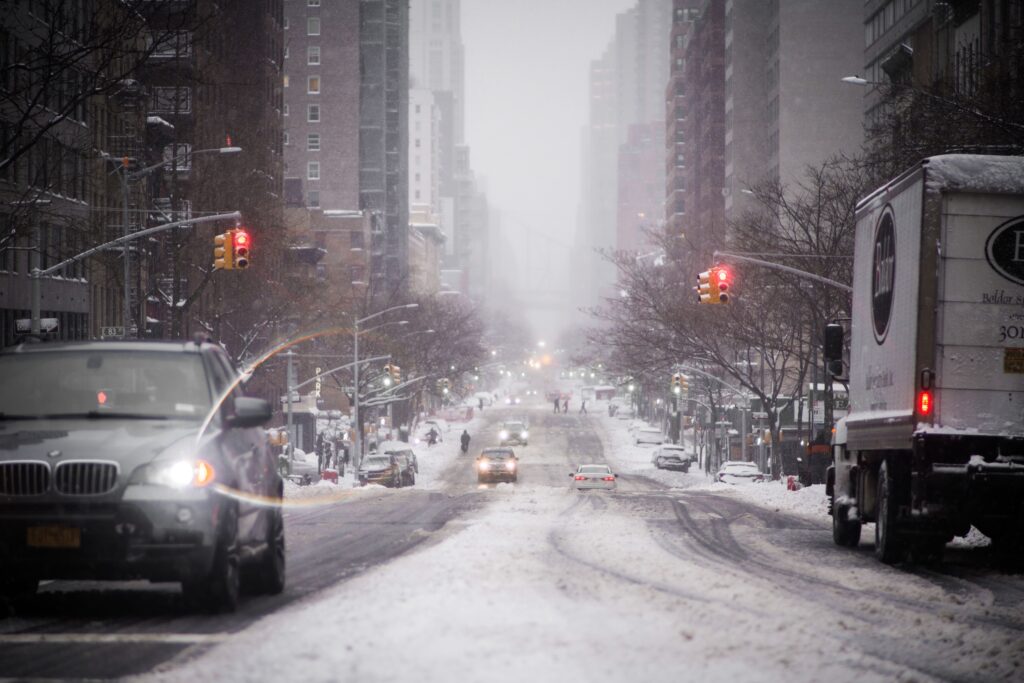
Most people assume America’s wildest winter records were set centuries ago and have since been quietly broken. They haven’t. From a Montana valley that still holds the Lower 48’s coldest reading ever measured, to a Massachusetts snowfall that buried Boston in 2015, these twelve winters produced numbers meteorologists still call “unbeatable.” Some records are nearly 140 years old. Others were set within the last decade.
Here’s what NOAA’s own archives and the National Weather Service actually say about the winters that broke America – and never got broken back.
#12 – The Winter of 1971-72: Mount Rainier’s Snow Wall
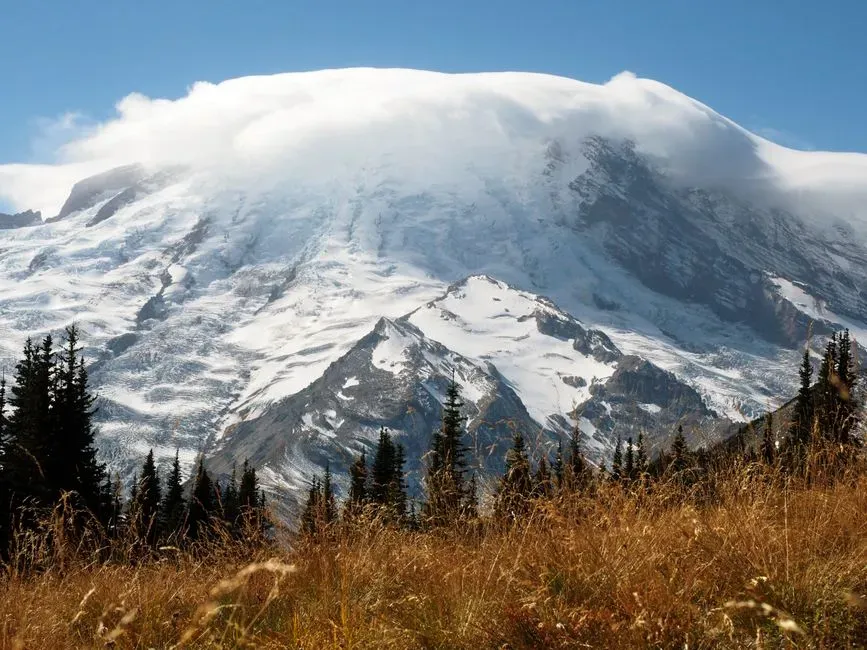
Before anyone had heard of Mount Baker’s snow totals, Washington State already owned the national snowfall crown, and almost nobody outside meteorology circles noticed.
During the 1971-72 season, Mount Rainier’s Paradise Ranger Station buried itself under an almost unbelievable amount of snow. That total set the previous record of 1,122 inches at Mount Rainier, Wash., in the winter of 1971-1972. For nearly three decades, that number stood as the gold standard against which every snowy season in America was measured.
Fast Facts
- Location: Paradise Ranger Station on Mount Rainier, Washington
- Season total: 1,122 inches of snow in 1971-72
- Record reign: Stood as the U.S. seasonal snowfall record for 27 years
- Eventually surpassed by: Mount Baker, Washington, in 1998-99
What made Rainier’s total so staggering wasn’t just the volume – it was the consistency. Storm after storm rolled in off the Pacific, each one dumping feet rather than inches, stacking up week after week without the thaws that usually give snowpacks a break. Rangers had to physically dig out buildings multiple times per winter just to keep entrances functional.
The record eventually fell, but the fact that it stood for 27 years before another mountain finally topped it says everything about how rare a season like 1971-72 really was. But the strangest record on this list belongs to a state you’d never suspect. Wait until you see #11.
#11 – The Winter of 1899: The Great Arctic Outbreak
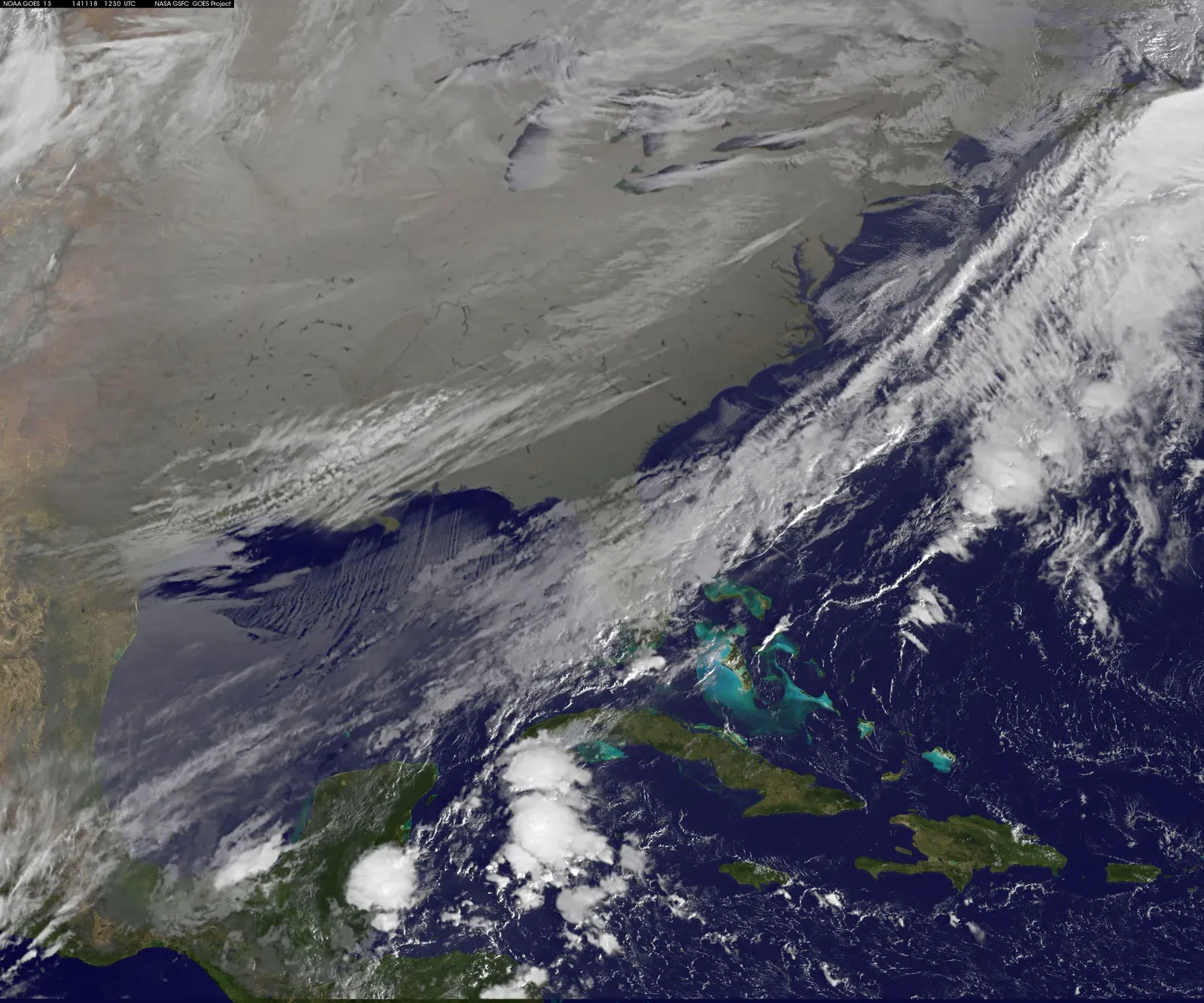
Florida and subzero temperatures should never appear in the same sentence – except once, and it happened during this legendary February freeze.
Even Florida has seen a subzero temperature, with Tallahassee dropping to minus 2 degrees during the most brutal U.S. cold outbreak on record in Feb. 1899. Think about that for a second: a state famous for oranges and beaches recorded a temperature colder than most Chicago winter mornings. This wasn’t a fluke local reading – it was part of a continent-spanning arctic collapse that shoved frigid Canadian air deep into the Gulf Coast.
The 1899 outbreak became the benchmark against which every future brutal winter would be measured. Decades later, meteorologists studying the historic winter of 1936 noted that February 1936 rivaled the coldest February on record for the continent as a whole, a title previously held by 1899. That’s how extreme 1899 truly was – it took 37 years and a Dust Bowl-era deep freeze just to come close to matching it.
Most people have never heard of this winter, yet it remains one of the only times subzero air has ever gripped the Florida panhandle. Yet even that pales next to the winter that turned four states into one long deep freeze. Here’s #10.
#10 – The Winter of 1935-36: The Dakotas’ Longest Freeze
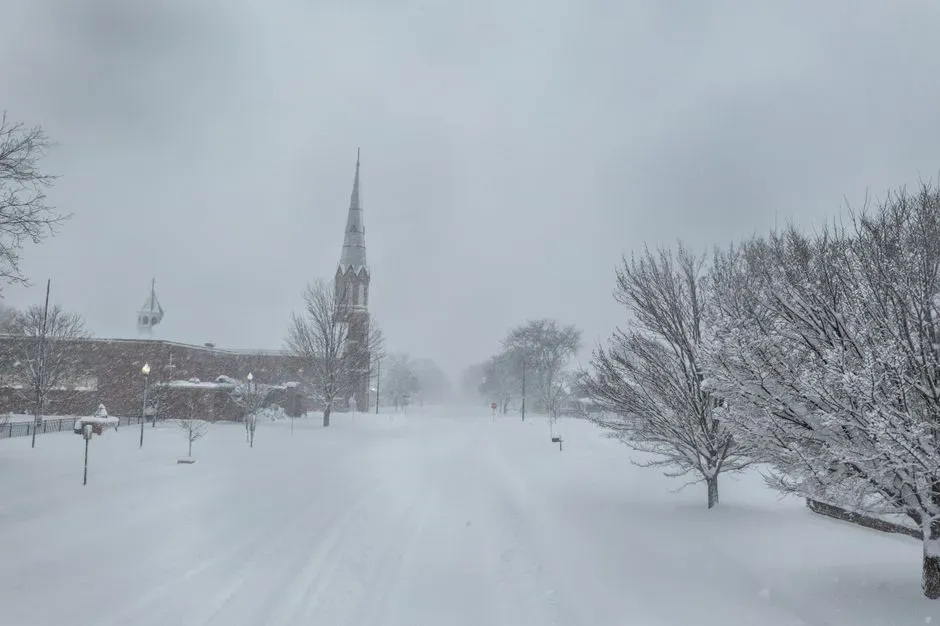
Four entire states still point to this single winter as the coldest they’ve ever endured – and one town went a record-breaking 41 days without seeing a temperature above zero.
North Dakota, South Dakota, Minnesota and Iowa all had their coldest winter on record during this brutal stretch. The suffering wasn’t limited to a single bad week – it dragged on for months. In North Dakota, the town of Langdon became famous for its cold, going an incredible 41 straight days without reaching 0°F, the longest such stretch anywhere in the Lower 48.
The single coldest reading came from a tiny town most Americans have never heard of. Parshall, North Dakota hit −60°F, a record that still stands today. Nearby, McIntosh, South Dakota hit -58, and Jordan, Montana reached -60 during the same brutal stretch. Trains stalled in snowdrifts, entire towns went isolated for weeks, and one North Dakota basketball team got stranded overnight inside a stopped train.
At a Glance
- North Dakota: Parshall hit -60°F, still the state record
- South Dakota: McIntosh reached -58°F
- Montana: Jordan also hit -60°F that same brutal week
- Langdon, ND: 41 straight days without reaching 0°F – the longest streak in the Lower 48
The cruelest irony? That same year, 1936, later became one of the hottest summers in state history – proving America’s weather extremes don’t discriminate by season. As brutal as that was, one mountain pass in Montana still holds the coldest reading ever recorded in the Lower 48. That’s #9.
#9 – The Winter of 1954: Montana’s Unbreakable Cold Floor
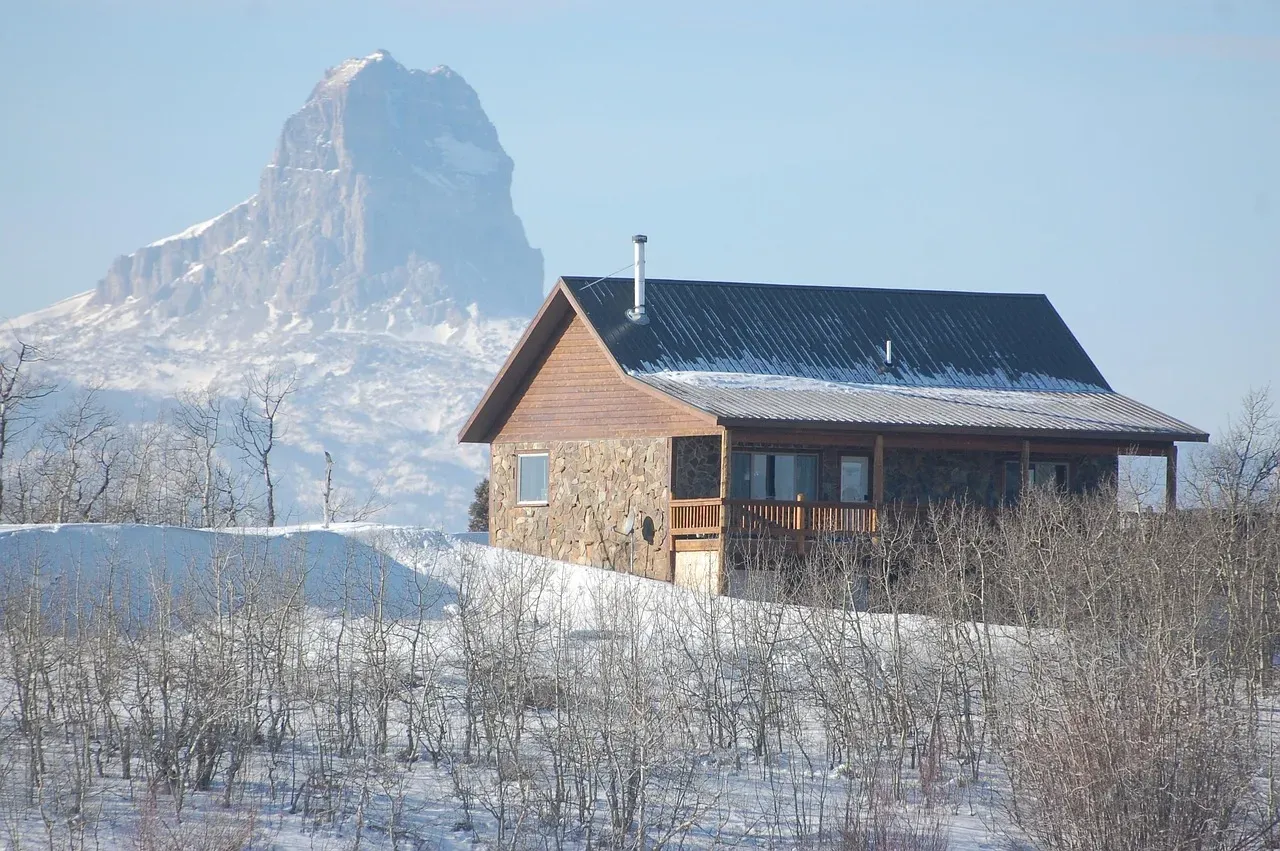
Somewhere along the Continental Divide sits a mountain pass that still holds the coldest temperature ever measured anywhere in the Lower 48 states.
Montana holds the record for the all-time coldest temperature at negative 70 degrees, set at Rogers Pass – on the Continental Divide at 5,610 feet above sea level – on Jan. 20, 1954. That’s not a typo. Seventy degrees below zero, achieved without wind chill, purely from radiational cooling in a high-altitude bowl that traps arctic air like a bathtub trapping cold water.
What makes Rogers Pass so scientifically fascinating is the terrain itself. The location sits in a natural depression that allows dense, frigid air to pool and settle overnight, with nothing to stir it and no city lights or pavement to hold onto residual heat. It’s essentially a natural refrigerator, and in January 1954, it hit a setting nobody has matched since – anywhere in the Lower 48.
Seven decades later, no location in the continental United States outside Alaska has ever recorded anything colder. That’s not a record close to being threatened; it’s a record most meteorologists consider essentially permanent. Rogers Pass owns the record books, but the Great Lakes region endured something almost as unforgiving. Here’s #8.
#8 – The Winter of 1977-78: The Great Lakes Deep Freeze
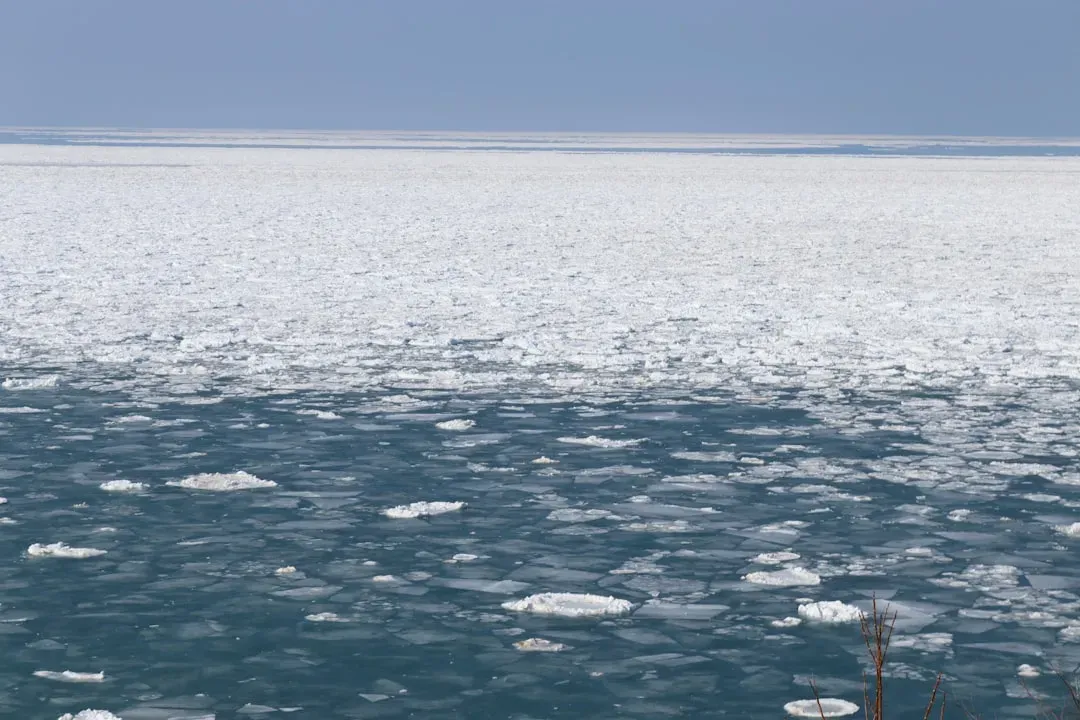
Michigan and Ohio residents who lived through this winter still talk about it, and the numbers explain exactly why.
Beginning in December 1977 and lasting until March, it produced one of the coldest winters on record in all states east of the Rocky Mountains, except Maine. The cold wasn’t just severe – it was historically ranked. This cold wave heavily hit Michigan and Ohio, whose average winter temperature was to be the second lowest in recorded history, rivaled only by an even colder wave that hit the previous winter.
The wind made everything worse. Wind chills across the plains fell to between −70 and −80°F that January, numbers that today would trigger emergency alerts across multiple states simultaneously. Combined with the legendary Blizzard of ’78 that buried the Northeast and Midwest under historic snow totals, this winter earned its reputation as one of the most punishing back-to-back stretches in modern American weather history.
What’s often overlooked is that 1977 and 1978 essentially formed a two-winter gauntlet – consecutive seasons so severe that neither one has since been matched in the region. Michigan and Ohio weren’t alone in their suffering – a tiny New York town quietly set a record of its own. That’s #7.
#7 – The Winter of 1979: New York’s Coldest Night Ever
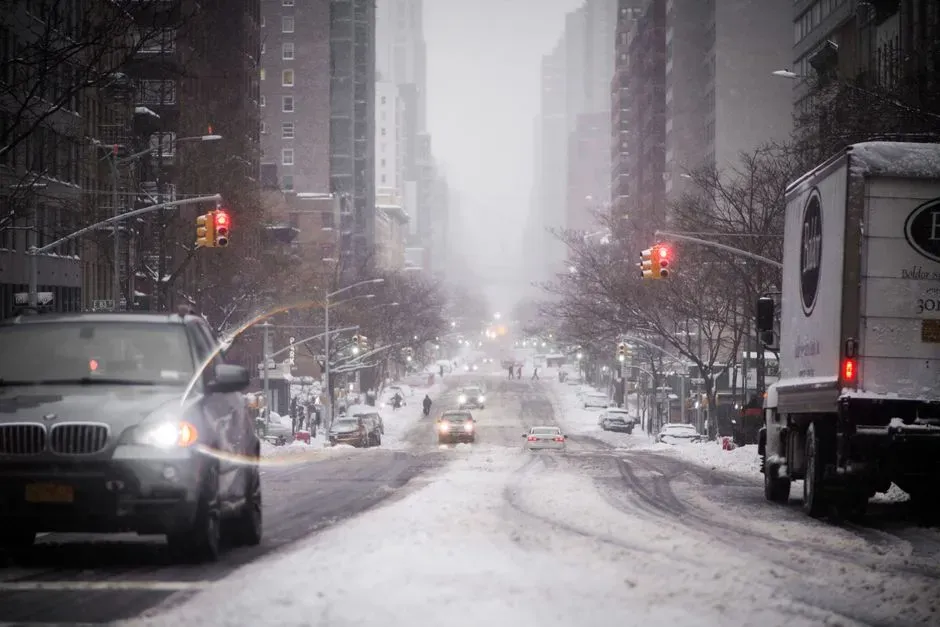
A tiny Adirondack town nobody outside New York has heard of still holds the state’s all-time coldest temperature record.
New York can claim the coldest temperature ever recorded in the region, with an all-time record low of negative 52 degrees set in Old Forge on Feb. 18, 1979. Old Forge sits in a valley within the Adirondack Mountains, a geographic setup nearly identical to Montana’s Rogers Pass – cold air sinks in, gets trapped, and has nowhere to escape overnight.
What’s remarkable is how this record has survived nearly half a century of subsequent winters, including several notably harsh polar vortex events in the 2010s. Meteorologists studying New York’s climate history note that despite dozens of brutal cold snaps since, nothing has come within striking distance of Old Forge’s 1979 mark.
The bigger surprise is that this record belongs to New York, a state most Americans associate with New York City’s relatively mild coastal winters rather than genuine arctic extremes. It’s a reminder that state records often hide in obscure mountain valleys, not major cities. Old Forge’s record has held for decades, but the South has its own frozen secret. Here’s #6.
#6 – The Winter of 1985: The Southern Arctic Invasion
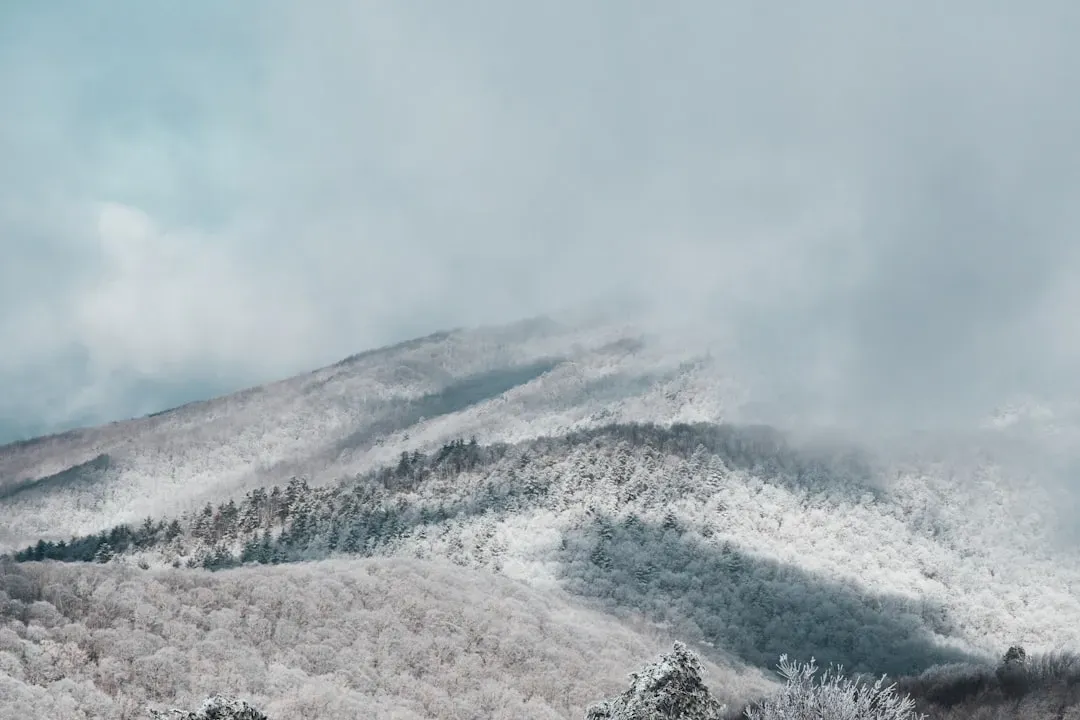
An entire week in January turned the Appalachian Mountains into one of the coldest places in North America, and one peak in North Carolina still hasn’t recovered its old temperature title.
North Carolina’s coldest temperature ever recorded was -34°F at Mount Mitchell on January 21, 1985. Mount Mitchell is the highest peak east of the Mississippi River, and even by its own extreme-elevation standards, that reading was jaw-dropping. This wasn’t an isolated mountain phenomenon either – the same arctic outbreak that froze North Carolina’s highest point also plunged temperatures to record or near-record lows across a huge swath of the South and Mid-Atlantic simultaneously.
What made January 1985 so unusual was its geographic reach. Cold snaps that severe typically stay confined to the northern Plains or New England. This one reached deep into Dixie, freezing pipes and citrus crops across states that rarely see temperatures anywhere close to zero, let alone well below it.
Most Southerners today have no idea their region ever experienced anything this extreme – and it’s exactly why this winter still shows up in NOAA’s record books, undefeated. Mount Mitchell wasn’t the only Southern spot blindsided by arctic air – Kentucky got hit just as hard. That’s #5.
#5 – The Winter of 1994: Kentucky’s Deep Freeze
A brutal January arctic blast pushed one Kentucky town to a temperature so extreme it still sounds fake to locals who lived through it.
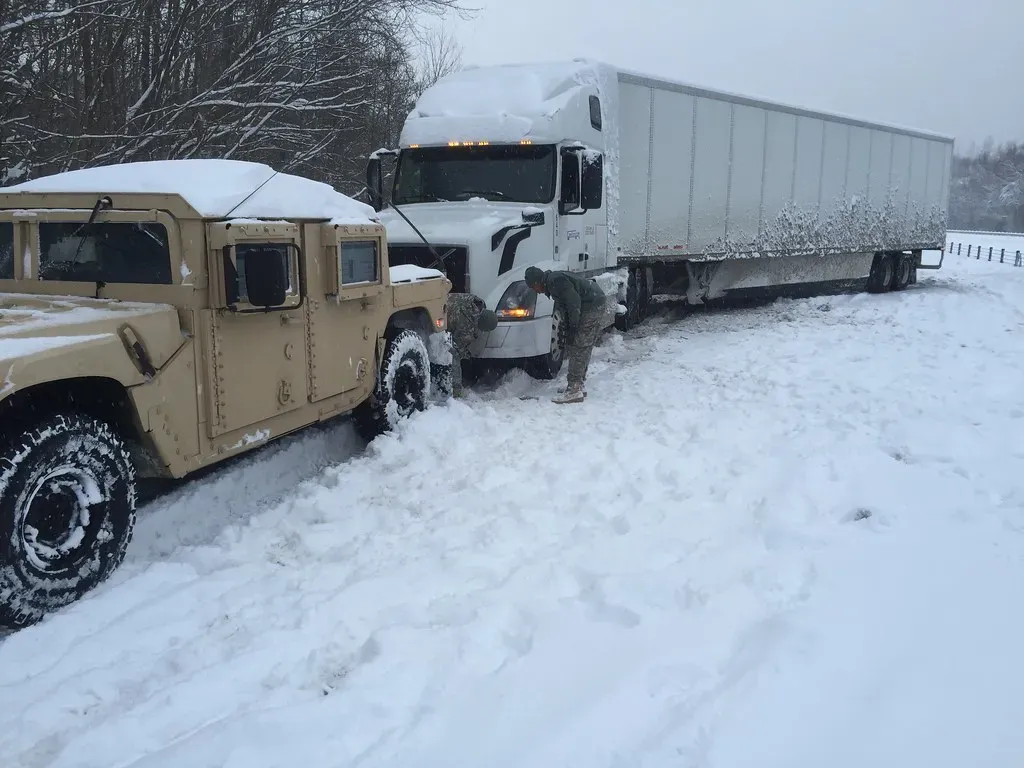
Kentucky’s coldest temperature ever recorded was -37°F in Shelbyville on January 19, 1994. That reading is more typical of Minnesota or North Dakota than the Bluegrass State, and it reflects just how far south this particular arctic outbreak managed to push. The entire eastern half of the country got hammered simultaneously, with numerous states recording some of their lowest temperatures in decades during the same week.
This wasn’t a slow-moving seasonal chill – it was a sudden, violent plunge. Temperatures across the Ohio Valley dropped so quickly that pipes burst across entire neighborhoods before residents had time to react. Schools and government offices across multiple states shut down for days as infrastructure buckled under conditions nobody had prepared for.
Three decades later, Shelbyville’s -37°F mark remains untouched, even as the region has experienced its share of harsh winters since. It stands as proof that a single week of extreme weather can outlast generations of subsequent cold snaps. Kentucky’s deep freeze is unforgettable, but the next record isn’t about cold at all – it’s about snow. Here’s #4.
#4 – The Winter of 1998-99: Mount Baker’s World Record
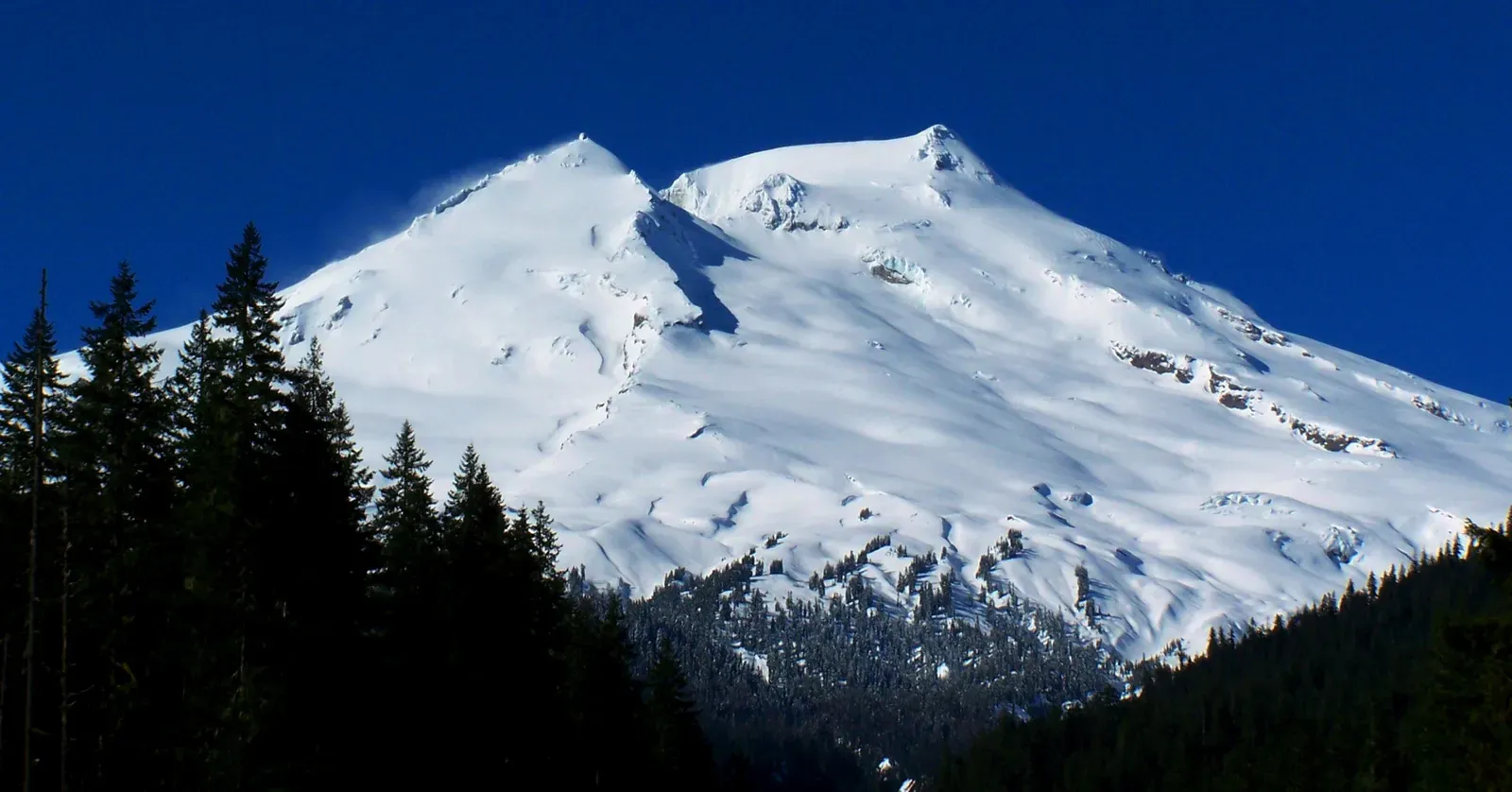
This is the winter that broke the planet’s snowfall record, and it happened at a modest 4,200-foot elevation that nobody expected to make history.
The National Climate Extremes Committee confirmed the 1998-99 snowfall at Mt. Baker totaled 1,140 inches, topping the previous record of 1,122 inches set at Mount Rainier in the winter of 1971-1972. That’s 95 feet of snow falling in a single season – enough to bury a nine-story building.
Quick Compare
- Mount Rainier (1971-72): 1,122 inches – held the record for 27 years
- Mount Baker (1998-99): 1,140 inches – today’s world record
- Gap between them: just 18 inches separates the two all-time totals
- Elevation edge: Baker’s record fell at only 4,200 feet, far lower than Rainier’s high-alpine station
The cause was a textbook meteorological setup. A La Niña weather pattern brought a parade of storms that combined with cold weather for monthly snow totals that would satisfy skiers in Aspen or Taos for an entire winter. Investigators later scrutinized the numbers carefully, since a measure of economic self-interest often accompanies ski-resort snowfall claims – but the record held up under NOAA’s official review.
No mountain on Earth has come close since. The mark still stands more than two decades later, and no annual total has since come close, at Mount Baker or any other ski hill on the planet. Mount Baker buried the snowfall record in the mountains, but Boston proved a major city could drown in snow too. That’s #3.
#3 – The Winter of 2014-15: Boston’s Snow Apocalypse
Bostonians who lived through this winter still flinch at the mention of it, and the official numbers explain exactly why it earned that reputation.
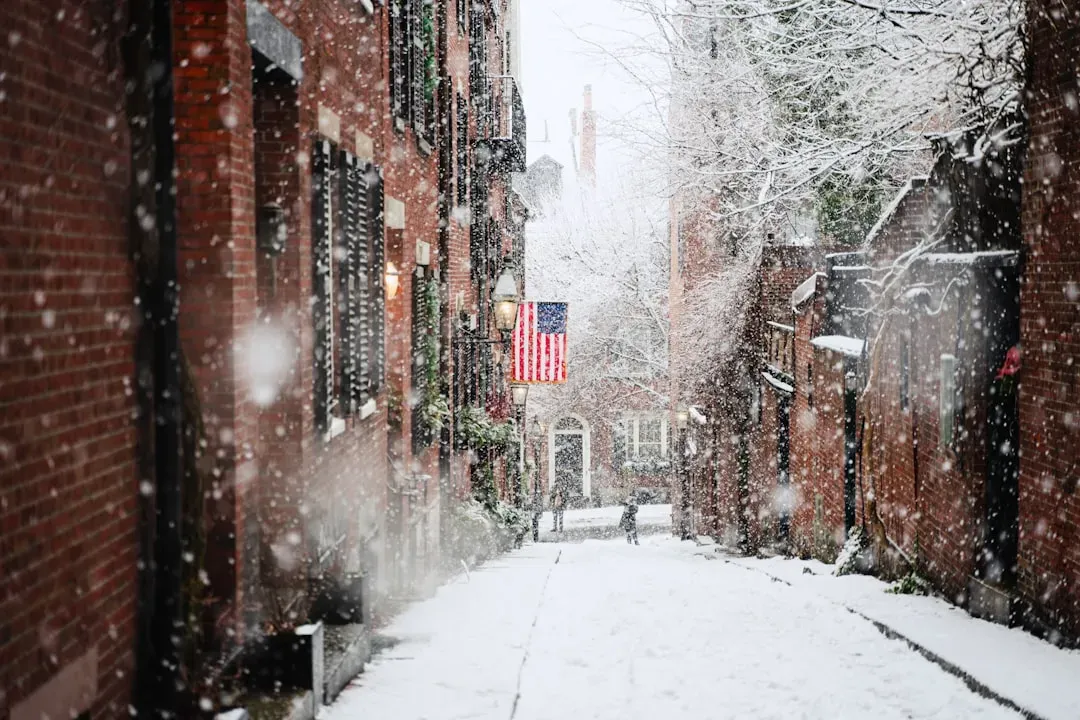
Boston Logan Airport received 108.6 inches of snow, officially making the 2014-2015 season the all-time snowiest season for the city – a total that later climbed even higher. According to NOAA records, the most snow Boston has ever received over a winter season is 110.6 inches, set in 2014-2015.
What made this winter genuinely historic wasn’t just the seasonal total – it was the speed. Boston set a record 30-day snowfall of 94.4 inches from January 24 to February 22, 2015. The city also broke its record for fastest accumulation, with 72.5 inches falling in just 18 days, from January 24 to February 10.
Snow piles grew so massive that the city had to dump excess snow into Boston Harbor, and some mounds didn’t fully melt until July. Four separate calendar days delivered at least 12 inches of snow apiece – a feat no other Boston winter season has ever matched, before or since. Boston’s snow apocalypse is legendary, but nothing on this list compares to what happened in the Alaskan interior. Here’s #2.
#2 – The Winter of 1971: Alaska’s Coldest Night in History
One remote camp north of Fairbanks recorded a temperature so extreme it remains the coldest ever measured anywhere in the United States.
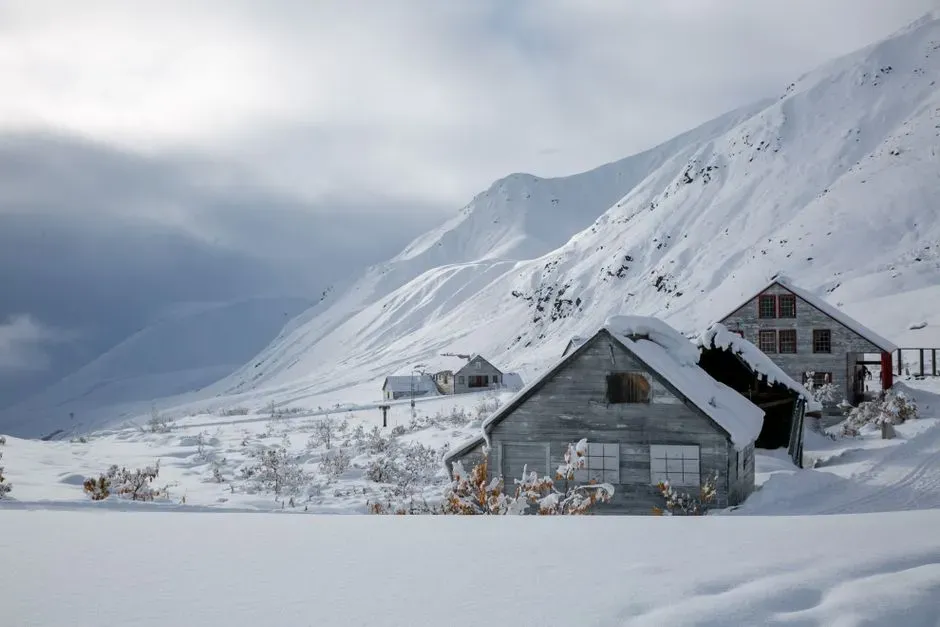
The temperature hit minus 80 degrees at Prospect Creek Camp, Alaska, on Jan. 23, 1971, which is located north of Fairbanks. To put that in perspective, that’s more than 50 degrees below the January average low of minus 23 degrees at this location. This wasn’t just cold for Alaska – it was cold for anywhere on the planet outside Antarctica or Siberia.
The number becomes even more staggering compared to the Lower 48. That temperature is 10 degrees colder than the Lower 48 all-time record of minus 70 degrees set in Montana. Alaska’s interior achieves these extremes because it sits far from the moderating influence of ocean currents, allowing heat to radiate away into clear arctic skies uninterrupted for days at a time.
More than fifty years later, no thermometer anywhere in the United States has ever recorded anything colder. It’s a record so extreme that most climatologists consider it essentially permanent – barring a climate shift nobody currently expects. Alaska’s cold is almost unimaginable, but the winter that tops this entire list wasn’t measured in degrees – it was measured in lives lost. Here’s #1.
#1 – The Winter of 1888: America’s Deadliest Blizzard Season
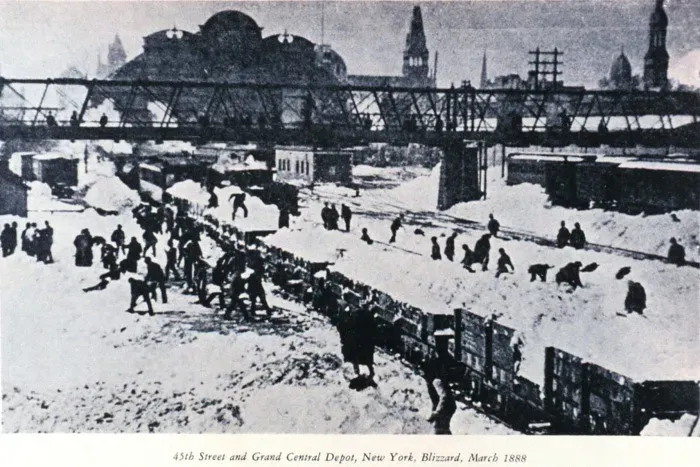
This is the winter that still defines “worst-case scenario” for American meteorologists, and it produced not one but two legendary killer storms in the same season.
It started in January with the Schoolhouse Blizzard. Within a few hours, temperatures plummeted as low as -40°F and icy winds ripped through the air at almost 60 miles per hour, and in the whiteout, between 250 and 500 people perished. Many victims were children caught walking home from prairie schoolhouses, giving the storm its heartbreaking nickname.
Then came March, and the Great Blizzard hit the East Coast. It was one of the most severe recorded blizzards and deadliest blizzard in American history. Max snowfall reached 58 inches in Saratoga Springs, New York. In New York, winds averaged 40 miles per hour and gusted up to 80 miles per hour. Over 400 fatalities occurred as a result of the storm and the bitter cold that followed, 200 of the deaths in New York City alone.
Worth Knowing
- Schoolhouse Blizzard (January): winds near 60 mph, temperatures as low as -40°F, 250-500 deaths
- Great Blizzard (March): winds gusting to 80 mph, up to 58 inches of snow in Saratoga Springs, NY
- Great Blizzard death toll: over 400, including roughly 200 in New York City alone
- Two historic killer storms in one winter – a combination never repeated since
Nearly 140 years later, this remains the single most legendary winter in American history – a season so extreme it’s still the measuring stick every modern blizzard gets compared against, and still comes up short.
The Bottom Line
Winter records aren’t just trivia – they’re proof of how wildly extreme American weather can get, and how rarely nature repeats itself at that scale. From Montana’s unbreakable -70°F floor to Mount Baker’s 1,140-inch snow avalanche, these twelve winters share one theme: none of them have been matched since, some for over a century.
Modern forecasting, better infrastructure, and a warming baseline climate make several of these records look increasingly permanent. That should worry – or comfort – you, depending on how you look at it. Which of these winters do you think will finally get broken first? Drop your prediction in the comments.