When you think about ancient civilizations, what comes to mind? Maybe dusty ruins or faded hieroglyphics. Yet, these societies were far more sophisticated than we often give them credit for. They didn’t have computers, advanced machinery, or even basic power tools, yet they managed to create structures and systems that still leave modern engineers scratching their heads. Some of these achievements involved moving stones weighing hundreds of tons, others required precise astronomical calculations, and a few demanded an understanding of hydraulics that wouldn’t be matched for thousands of years.
The truth is, ancient civilizations were masters at solving problems with limited resources. They observed their environments, experimented with materials, and developed techniques that allowed them to build cities, temples, roads, and water systems that have endured for millennia. Let’s explore some of the most impressive engineering accomplishments from these remarkable societies.
Ancient Egypt: Hydraulic Pyramid Construction

Recent discoveries suggest that the Step Pyramid of Djoser in Saqqara, Egypt, constructed about 4,500 years ago, offers a remarkable blueprint for hydraulic engineering, with a hydraulic-powered mechanism that could have maneuvered the oversized stone blocks. This challenges everything we thought we knew about pyramid construction.
South of the monument, a huge trench carved into rock reveals a sequence of basins and chambers connected like a water treatment system, feeding into vertical shafts that may have functioned as a primitive yet effective hydraulic elevator, with massive limestone blocks set on floating platforms lifted upward by the sheer pressure of water, then slid into position. It’s hard to say for sure, but this discovery points to a level of engineering sophistication that feels almost futuristic for its time.
The Roman Empire: Masters of Concrete and Infrastructure
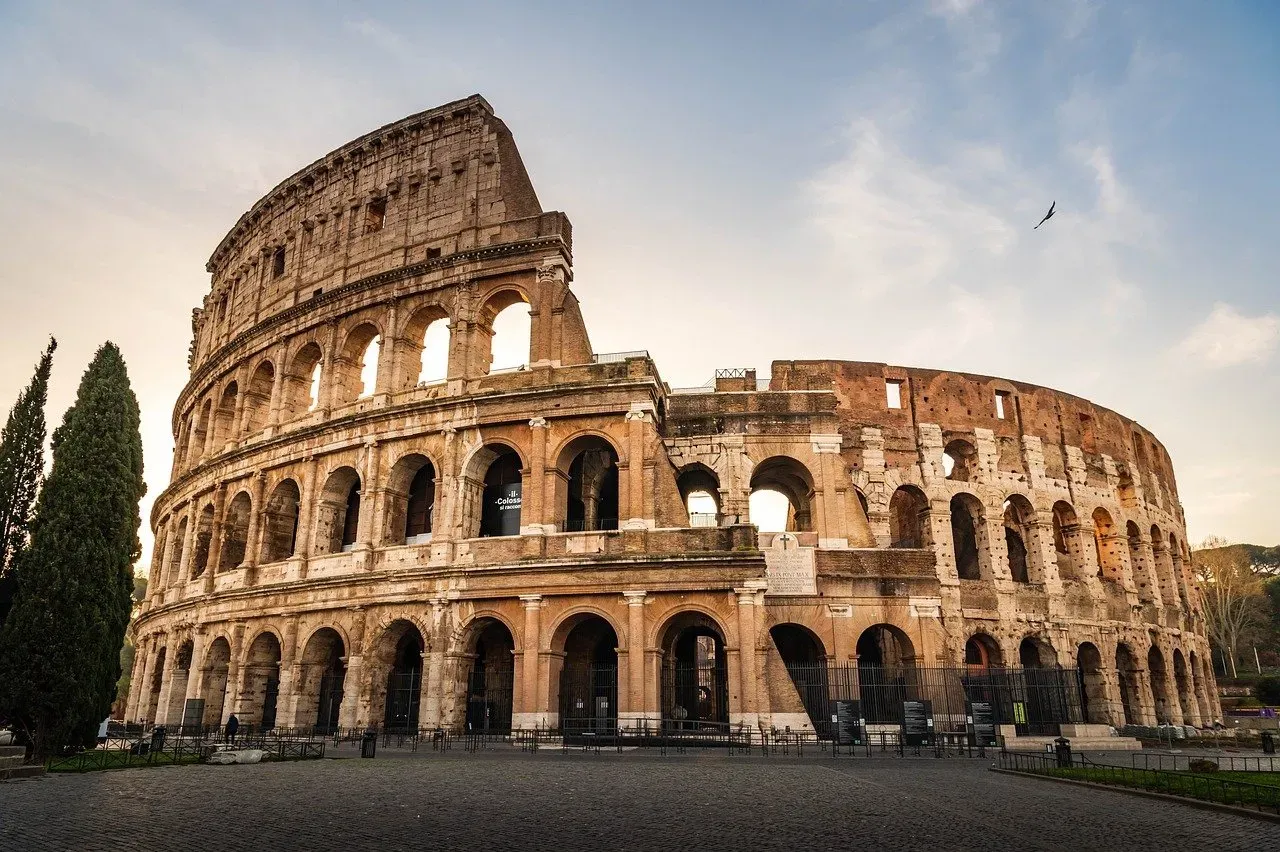
Ancient Rome’s magnificent feats of engineering would not have been possible without opus caementicium – Roman concrete, a unique mix of sand, lime, and volcanic ash so strong and durable that it has barely started to decompose over 2,000 years. This material changed everything for them. The Pantheon still stands as the largest unreinforced concrete structure in the world.
Their infrastructure network was equally impressive. A thousand cubic metres of water were brought into Rome by eleven different aqueducts each day, with per capita water usage matching that of modern cities like New York City or modern Rome. The Romans also developed complex sewer systems, extensive road networks spanning thousands of miles, and heated floors called hypocausts that circulated hot air beneath buildings. Let’s be real, they basically invented central heating.
The Indus Valley Civilization: Urban Planning Pioneers
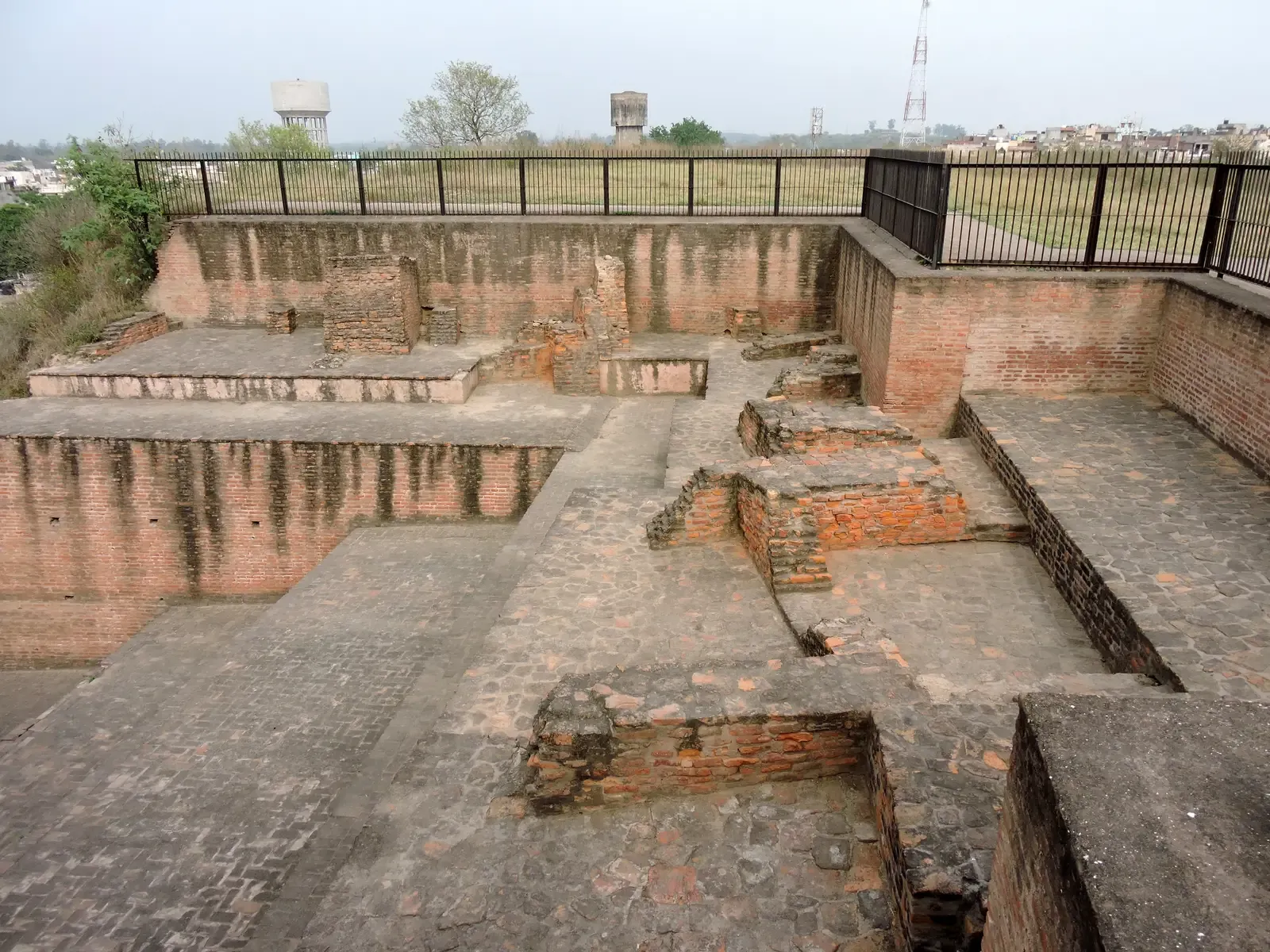
The lost city of Mohenjo Daro in Pakistan is over 4,500 years old and unknown to modern people until 1921, housing up to 35,000 people with complex water and sewage systems on a grid plan, regarded today as one of the most important archaeological finds. Think about that for a moment. While most ancient cities were chaotic mazes, the Indus Valley people were designing organized grids.
Individual homes had bathrooms that often included toilets that drained into a city sewer system, an impressive feat of city planning that predated Roman engineering by two thousand years. They even had a trash collection system. Honestly, their sanitation standards would put some modern cities to shame.
The Inca Empire: Precision Stonework Without Mortar
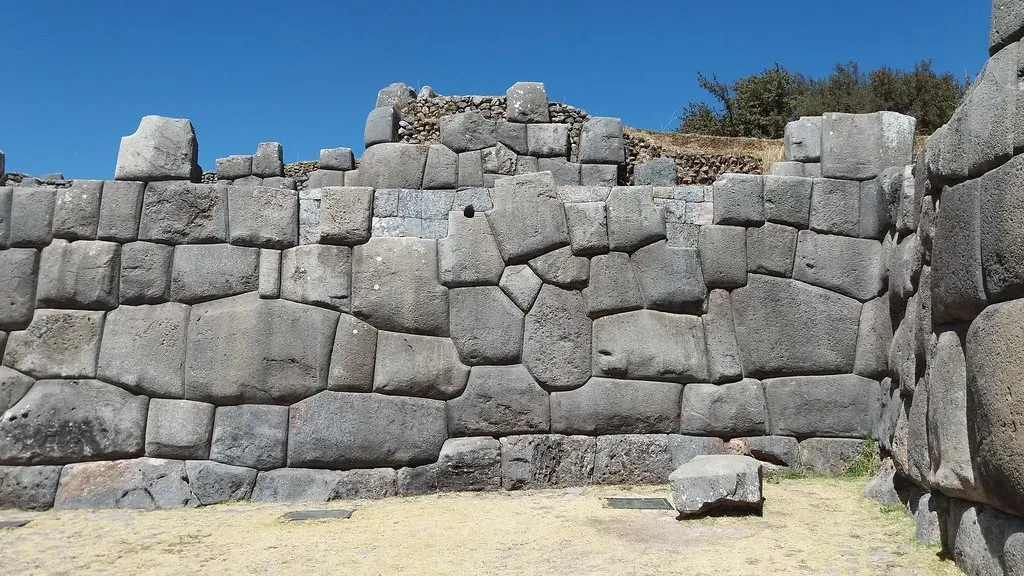
Located outside Cusco, Peru, the Saksaywaman stone structure completed in the 16th century consists of three stone boulder walls that interweave in a puzzle-like pattern, with stone boulders so precisely interconnected that it is virtually impossible to push even something as thin as a piece of paper between them. The precision is mind-blowing.
Here’s the thing: the stone boulders were excavated from a quarry located three kilometers away and moved to their current location using an unknown transportation system, with the largest tipping the scales at about 120 tons. How did they accomplish this without wheels, draft animals capable of pulling such loads, or metal tools? The mystery continues to fascinate researchers today.
Ancient China: The Great Wall and Irrigation Systems
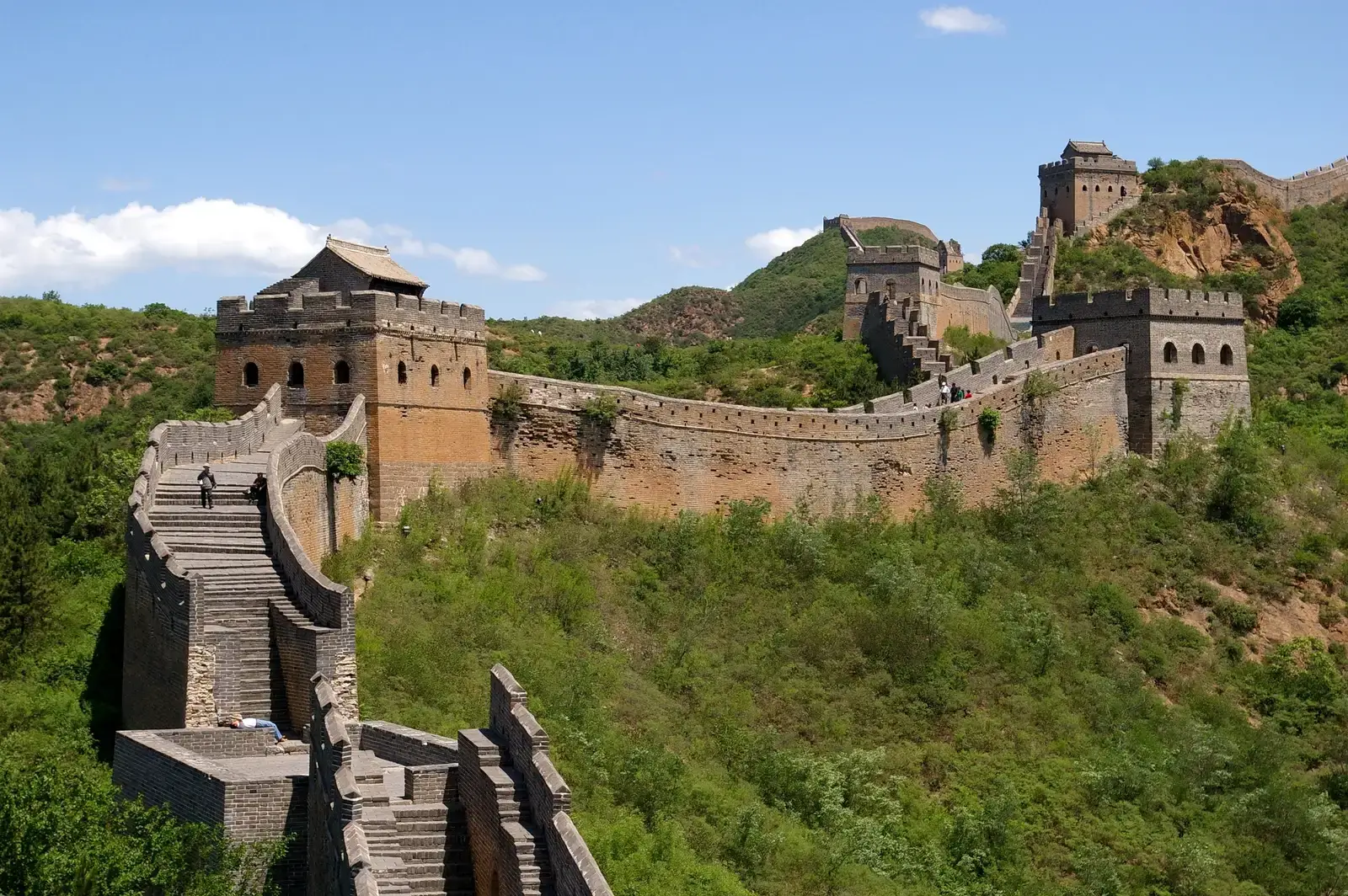
The creation of the Great Wall began sometime in the 7th century BCE and was built in smaller segments over hundreds of years, relying on local stonework and rammed earth to help sustain the wall’s defenses along miles of rough terrain with strong garrisons. The scale alone is staggering when you consider the coordination required.
The development of canals was also vital to the civilization’s success, as the sophisticated Dujiangyan Irrigation System redirected and distributed water to facilitate irrigation without the need to build river dams to block the flow. This approach demonstrated an understanding of water management that emphasized working with nature rather than against it, something modern engineers are only now rediscovering.
The Achaemenid Persian Empire: Underground Water Systems
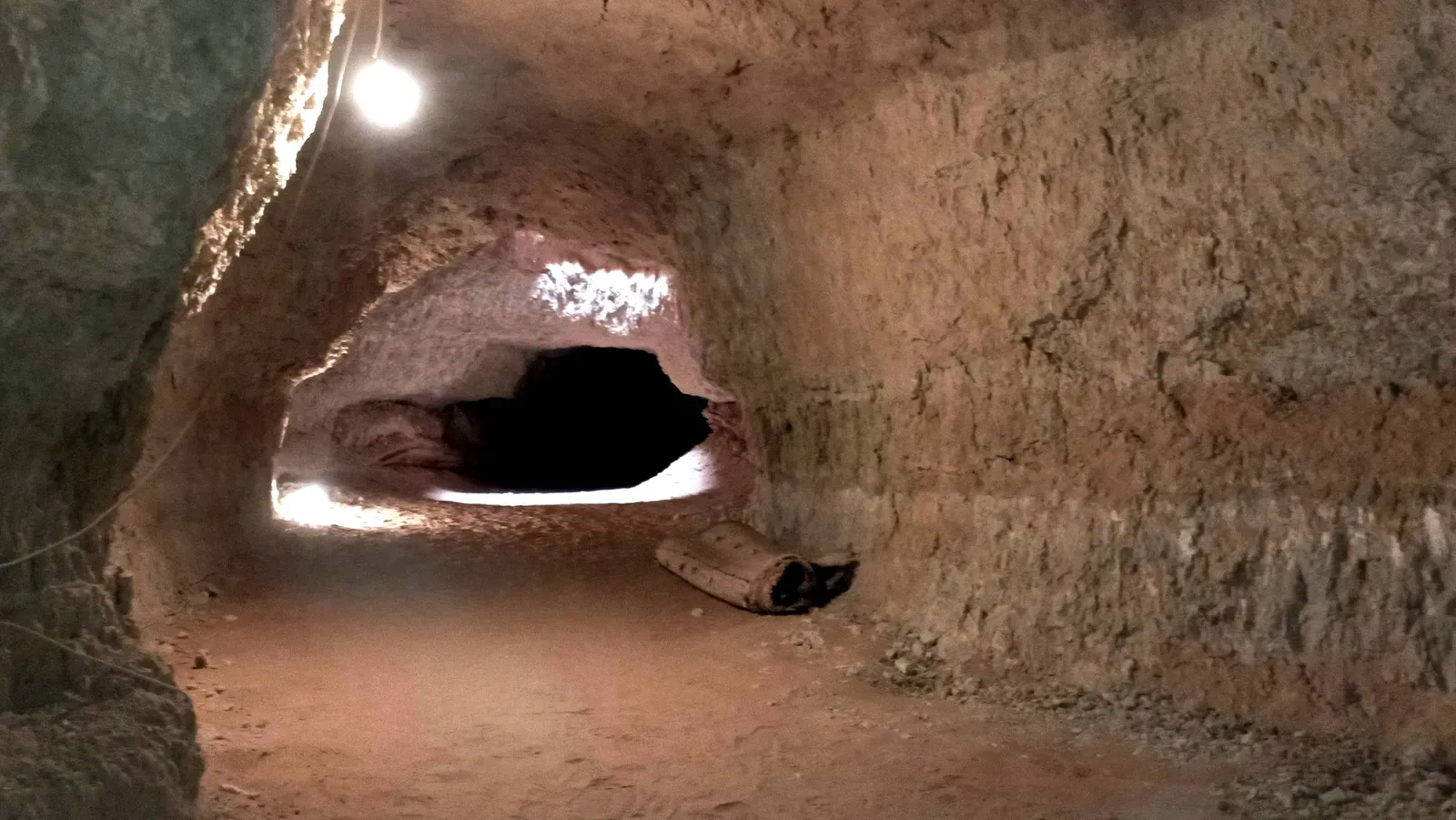
The empire was known for its feats of engineering, such as the development of subterranean irrigation systems and the Persian Royal Road, with underground tunnels known as qanats that helped prevent evaporation so water could be transported from rivers to fields with minimal loss due to heat. Pretty clever solution for a desert environment.
The Royal Road, measuring over 1,700 miles long, was used to transport goods and facilitate communication between the ancient capital of Susa and the western part of the empire to Sardis, with mounted couriers able to cross it in about a week. The Persians established posting stations along the route, creating what was essentially an ancient postal service that kept their vast empire connected.
The Minoans: Advanced Drainage and Sanitation
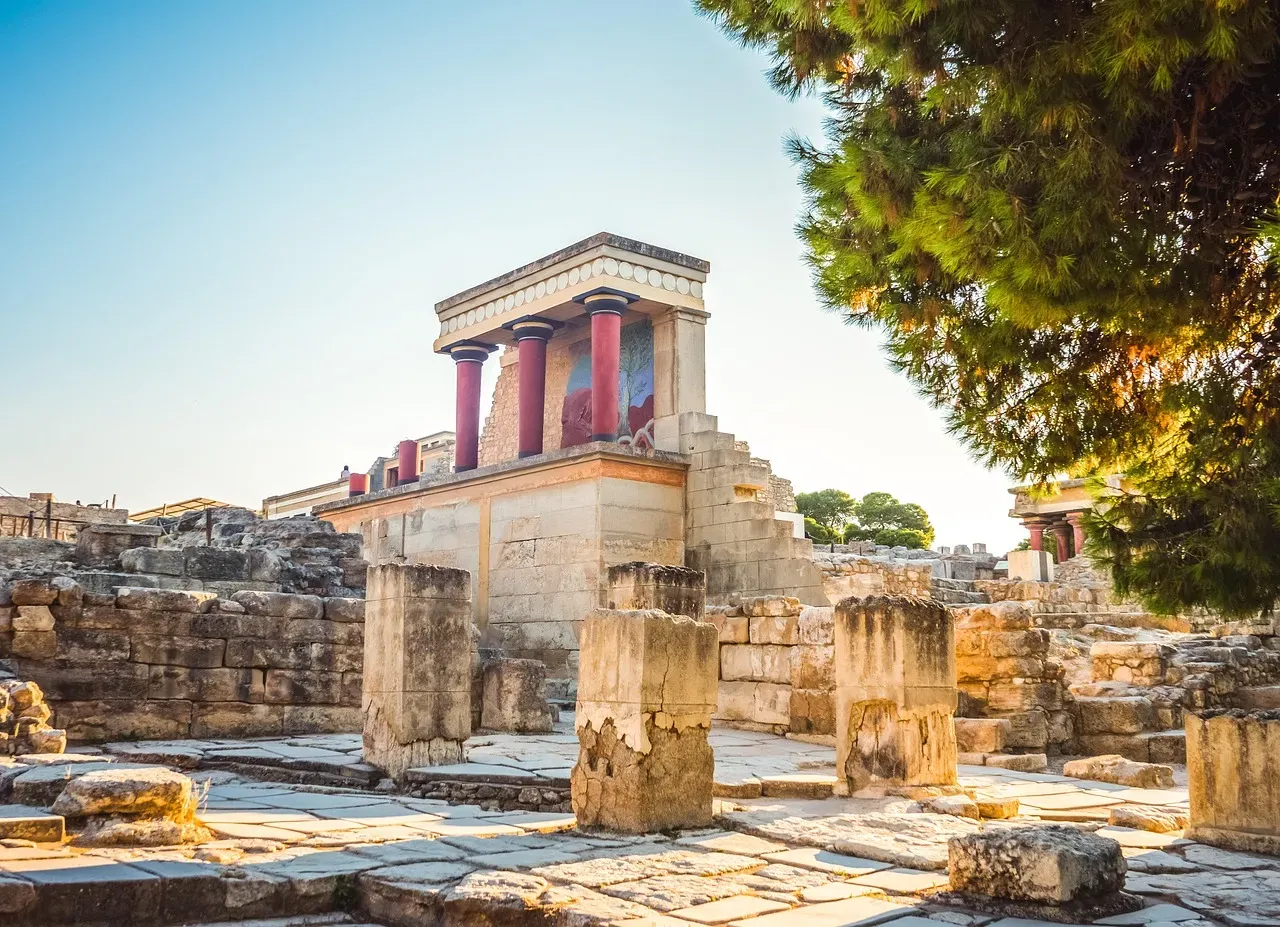
The Minoans in Crete developed intricate drainage and sewerage systems, with evidence suggesting their systems were organized and efficient by 3000 BCE. This timeline places them among the earliest civilizations to tackle urban sanitation comprehensively. Their palace complexes featured sophisticated plumbing that included terracotta pipes, stone drains, and even flushing toilets.
The level of forethought in their water management demonstrates that they understood not just how to move water, but how to control it for multiple purposes: drinking, bathing, and waste removal. Their engineering methods showcased a keen understanding of urban planning that many civilizations wouldn’t achieve for centuries.
Mesopotamian Civilizations: Irrigation and the Wheel

In Mesopotamia, irrigation systems enabled large-scale agriculture through the controlled distribution of water, and this knowledge spread to early civilizations around the world. The impact cannot be overstated. Without reliable irrigation, sustained urban populations simply wouldn’t have been possible in this region.
The Mesopotamians also contributed innovations like the wheel and early forms of writing to track resources and construction projects. They built ziggurats that required advanced understanding of structural stability, and they created sophisticated city layouts that balanced residential areas with religious centers and marketplaces. Their approach to civil engineering influenced countless cultures that followed.
Ancient Greece: Precision Architecture and Aqueducts
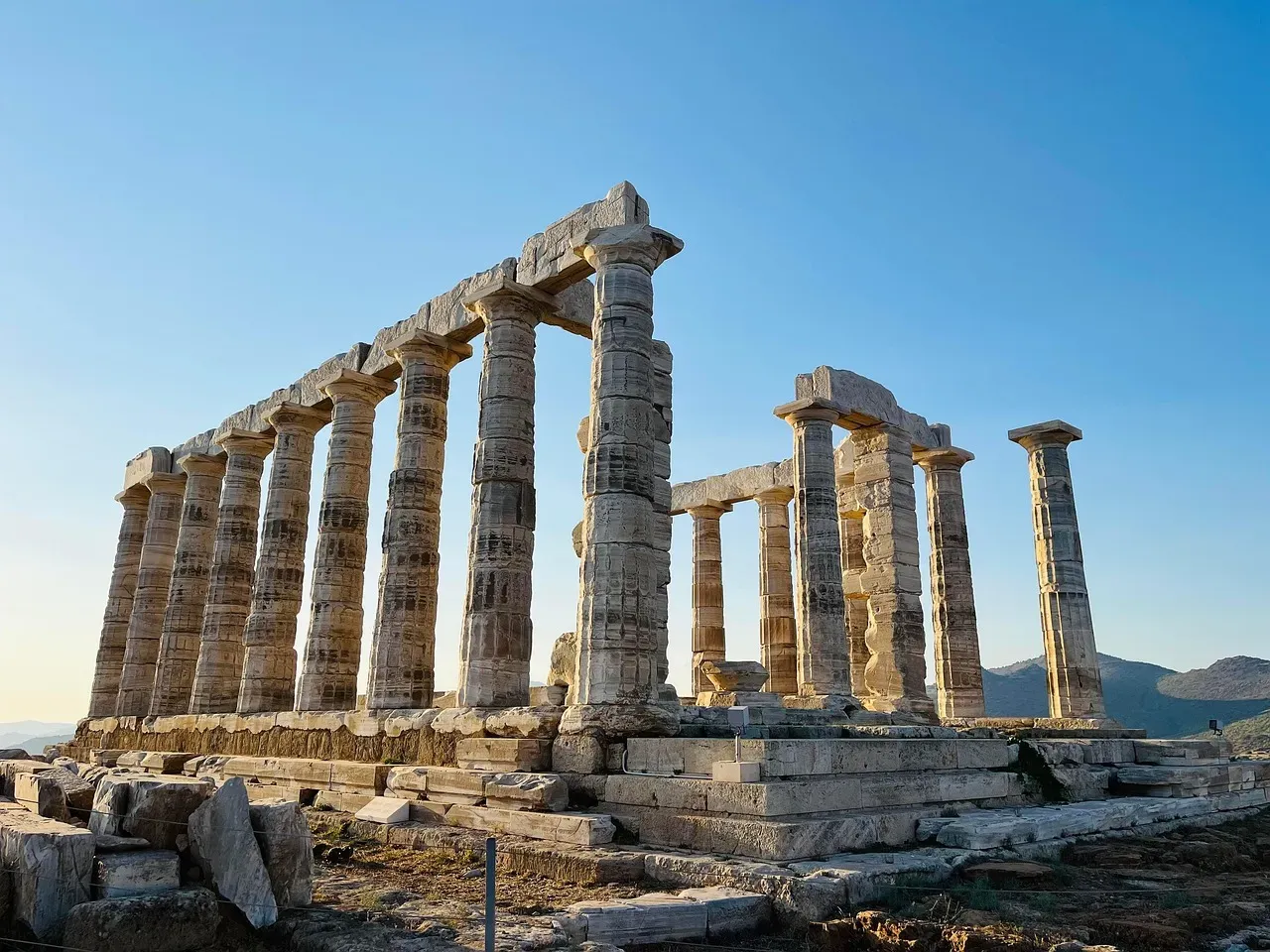
The Tunnel of Eupalinos was a major achievement in subterranean aqueduct engineering, only the second ever to be dug from both ends and the first to do so using advanced geometric principles. The fact that two teams started from opposite ends and met in the middle, deep underground, demonstrates an impressive command of surveying and mathematics.
Greek architects also perfected column designs and proportional systems that created structures of stunning beauty and structural integrity. Their temples featured columns designed with subtle curves called entasis, which corrected optical illusions and made the buildings appear perfectly straight. This blend of engineering and aesthetics set standards that architects still study today.
The Nabataean Kingdom: Desert Water Management at Petra
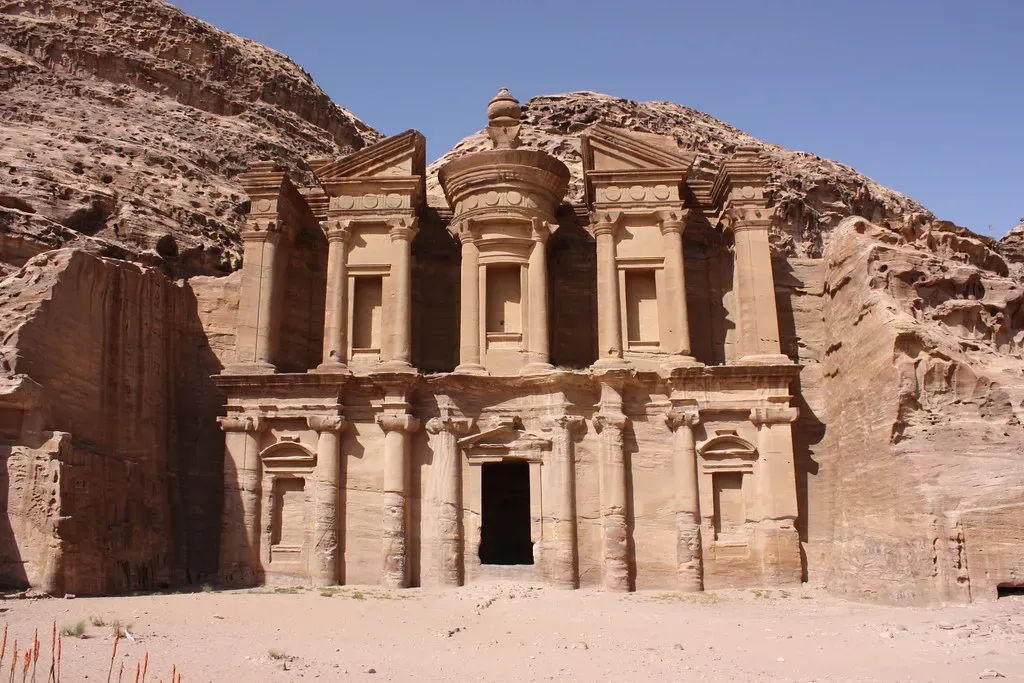
Petra, the famous desert city carved into rose-red cliffs in Jordan, reveals the Nabataean civilization’s mastery over water in one of the harshest environments imaginable. They developed elaborate systems of channels, pipes, and cisterns that captured seasonal rainfall and stored it throughout the dry months. These systems were so effective that the city supported thousands of inhabitants in the middle of a desert.
Their rock-cut architecture itself represents an engineering marvel, with entire temples and tombs carved directly from cliff faces. The precision required to create such structures without modern tools staggers the imagination. The Nabataeans understood their environment intimately and designed solutions perfectly adapted to their specific challenges.
The Khmer Empire: Angkor Wat’s Hydraulic City

One among the largest religious temples in the world, the Angkor Wat in Cambodia was originally a Hindu temple built in the 12th Century as a place of worship dedicated to Vishnu. Yet, beyond the temple’s architectural magnificence lies an often-overlooked engineering achievement: the massive hydraulic system surrounding it.
The Khmer engineers created an intricate network of reservoirs, canals, and moats that served multiple purposes: water storage, flood control, irrigation, and possibly symbolic representation of the cosmic ocean. This system managed water on a scale comparable to modern urban planning. The coordination required to construct and maintain such infrastructure across a sprawling city demonstrates organizational capabilities that rival any ancient civilization.
The Aksumite Kingdom: Monolithic Obelisks
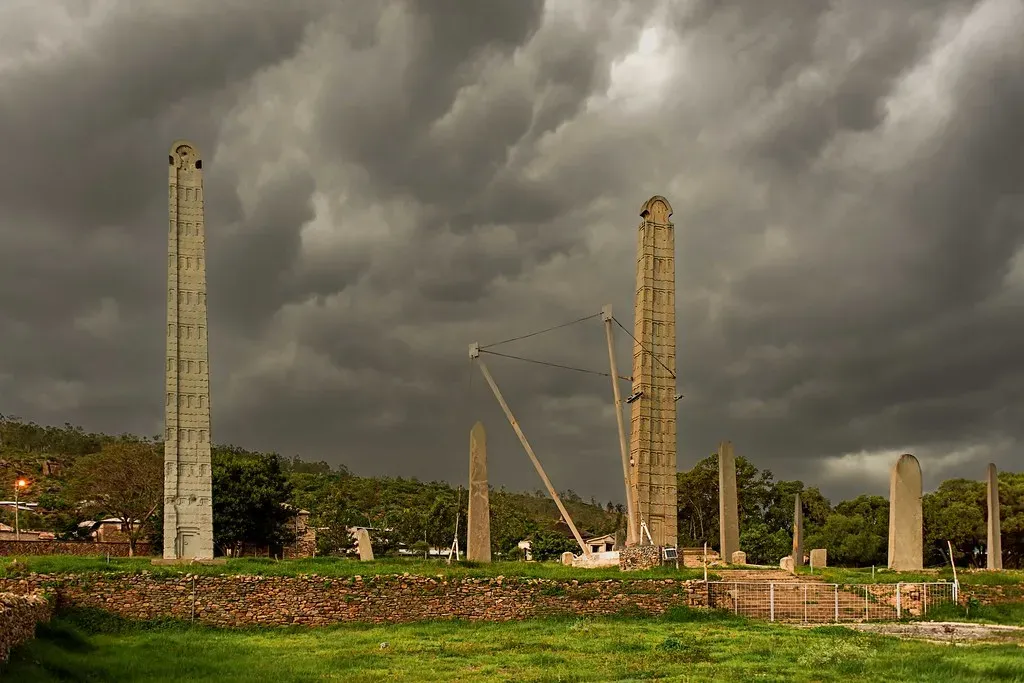
The Obelisk of Axum was decorated and erected at the end of the Ancient period in the 4th century AD by the subjects of the Kingdom of Axum, with its size suggesting it must have been ordered by one of the kings who ruled during that period. These towering monuments were carved from single pieces of granite, then transported and erected without fracturing the stone.
How were they able to treat such large stones without breaking them, and how did they transport large blocks of rocks to the construction sites? These questions remain partially unanswered. What we do know is that the Aksumites developed techniques sophisticated enough to create, move, and raise stone monuments that modern engineers would struggle to replicate without heavy machinery.
Conclusion: Engineering Wisdom From the Past
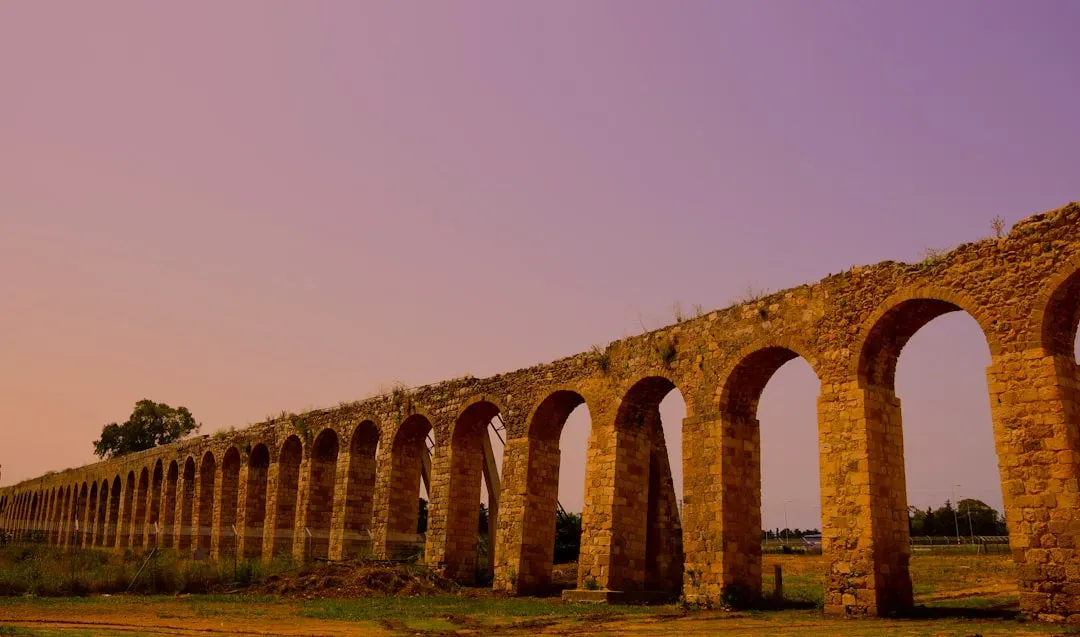
The engineering feats of ancient civilizations have had a lasting impact on the development of human societies, from the Mesopotamians’ innovations in irrigation to the Romans’ advances in concrete and bridge building, demonstrating a deep understanding of mathematical, physical, and engineering principles. These accomplishments weren’t accidents or lucky breaks. They resulted from careful observation, experimentation, and the accumulated knowledge of generations.
What strikes me most is how these civilizations achieved so much with so little. No computers. No electricity. No power tools. Just human ingenuity, determination, and an impressive understanding of materials and natural forces. Their solutions were often more sustainable than modern approaches, working with the environment rather than dominating it.
So, what do you think? Does it change your perspective on ancient peoples? These engineering marvels remind us that intelligence and innovation aren’t exclusive to the modern world. Sometimes the old ways hold wisdom we’ve forgotten.