Picture yourself hiking through the rugged badlands of Montana, kicking up dust on a sun-scorched trail, when your boot catches the edge of something sticking out of the earth. It could just be a rock. Or it could be a bone that’s been buried for 75 million years, holding secrets that would unravel everything science thought it knew about prehistoric life on this continent. That kind of discovery has happened more times than most people realize across North America, a landmass that holds one of the richest fossil records on the planet.
From the frozen Arctic of Canada to the sweltering Texas desert, ancient fossils have been found in the most unexpected places, each one forcing scientists to throw out their old textbooks and start again. These aren’t just dusty relics sitting behind museum glass. They are earth-shattering pieces of evidence that changed our entire understanding of how life evolved, thrived, and died on this continent. You’re about to find out exactly which fossils made the biggest impact, and a few of these will genuinely surprise you. Let’s dive in.
1. Tiktaalik: The Fish That Learned to Walk
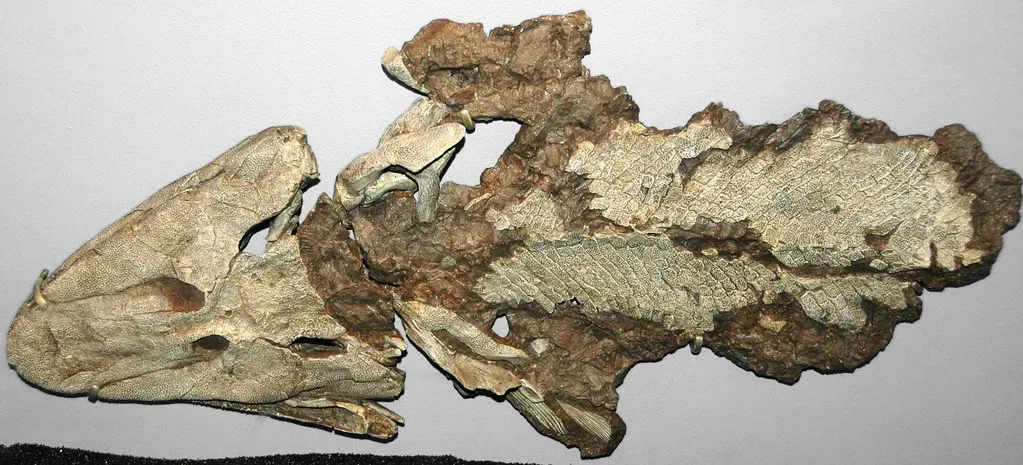
In 2004, three fossilized Tiktaalik skeletons were discovered in the Late Devonian fluvial Fram Formation on Ellesmere Island, Nunavut, in northern Canada. If you were to imagine the single most dramatic moment in vertebrate evolution, this creature would be right at the center of it. Tiktaalik generally had the characteristics of a lobe-finned fish, but with front fins featuring arm-like skeletal structures more akin to those of a crocodile, including a shoulder, elbow, and wrist.
Those fins and other mixed characteristics mark Tiktaalik as a crucial transition fossil, a link in evolution from swimming fish to four-legged vertebrates, and this and similar animals might be the common ancestors of all vertebrate terrestrial fauna. Think about that for a moment. Every lizard, bird, mammal, and human being owes a part of their body plan to a creature like this one. Researchers showed how Tiktaalik was gaining structures that could allow it to support itself on solid ground and breathe air, a key intermediate step in the transformation of the skull that accompanied the shift to life on land by our distant ancestors.
2. Maiasaura: The Dinosaur That Proved Reptiles Could Be Loving Parents
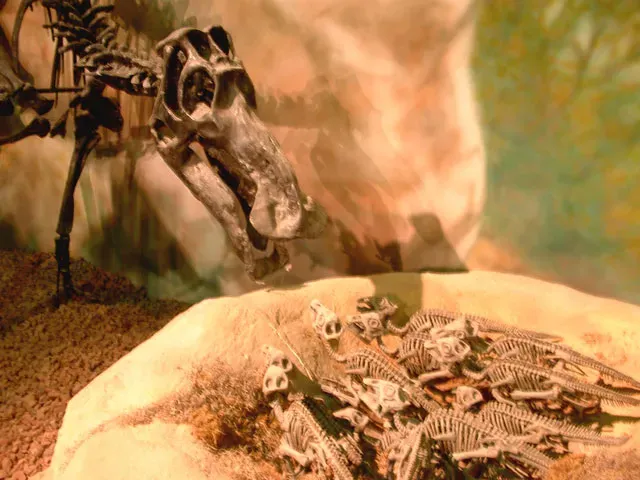
The first remains of Maiasaura were discovered in the Two Medicine Formation near Choteau, Montana in 1978, and this holotype specimen was later described by Horner and Makela in 1979 as the new genus and species Maiasaura peeblesorum. Before this discovery, the popular image of dinosaurs was cold, solitary, instinct-driven creatures that laid eggs and walked away. Maiasaura shattered that idea completely. The discovery of fifteen juvenile dinosaurs in close proximity to an adult showed the first instance of parental and social behavior in dinosaurs.
The nests were made of earth and contained 30 to 40 eggs laid in a circular or spiral pattern, and the eggs were about the size of ostrich eggs, oval shaped with one slightly more pointed end. Even more striking, fossils of baby Maiasaura show that their legs were not fully developed and thus they were incapable of walking, and fossils also show that their teeth were partly worn, which means that the adults brought food to the nest. Honestly, that level of parental devotion feels almost modern.
3. Quetzalcoatlus: The Sky Giant of Texas
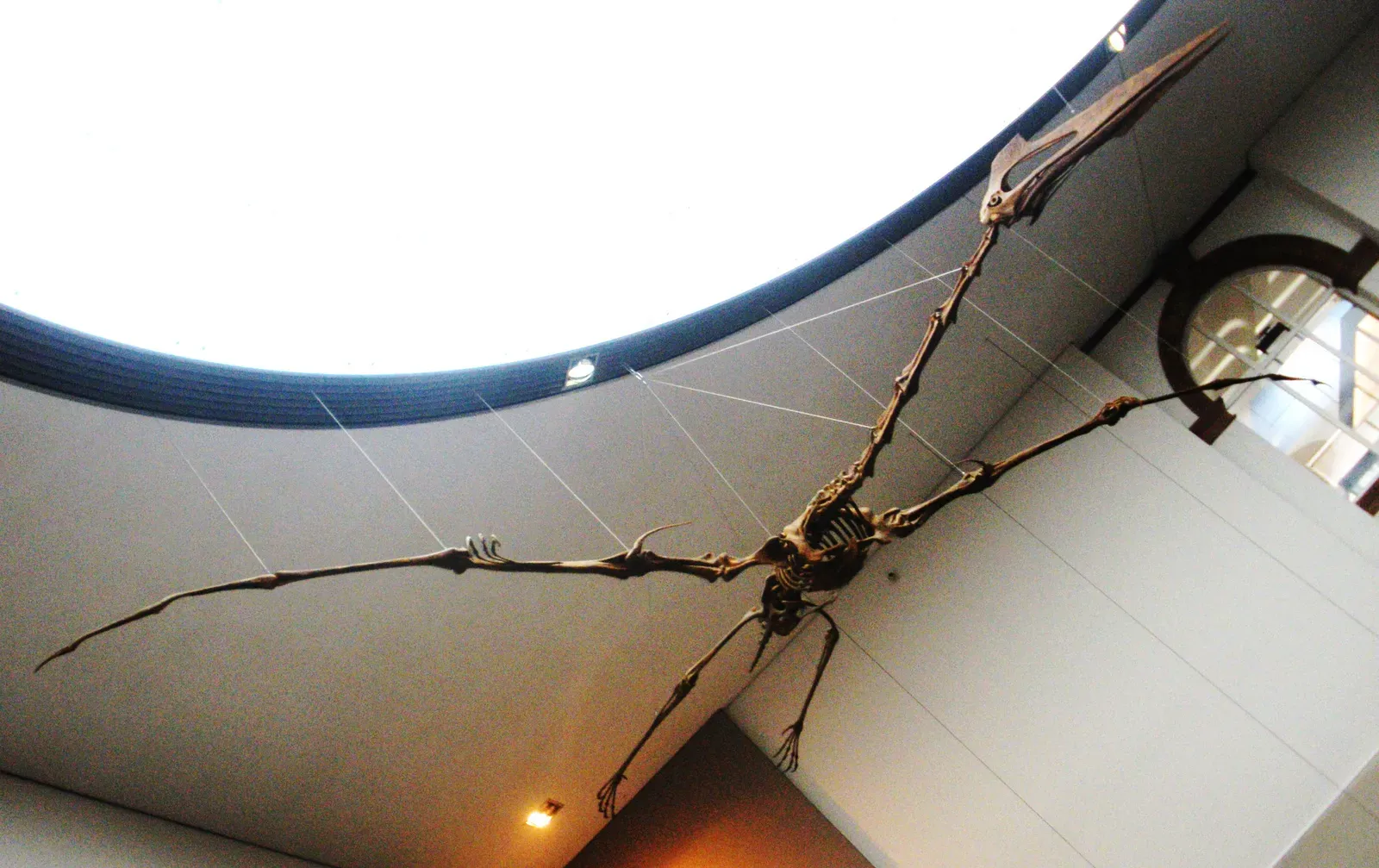
The first Quetzalcoatlus fossils were discovered in 1971 by the graduate student Douglas A. Lawson while conducting field work for his Master’s degree project on the paleoecology of the Javelina Formation. Nobody expected to find the largest flying creature in Earth’s history in a Texas desert, but that’s exactly what happened. The huge Quetzalcoatlus northropi stood as tall as a giraffe on the ground, more than five meters tall and weighed 250 kilograms.
Estimates of Quetzalcoatlus’ size have varied over the years, with wingspans ranging from 17 to 85 feet, and today the more widely accepted estimate is around 33 feet, earning its title as the largest flying creature in the history of vertebrate paleontology. Quetzalcoatlus dominated the skies of North America at the end of the Dinosaur Age and flew high over such famous creatures as Tyrannosaurus and Triceratops. The image of something that massive actually taking flight is both thrilling and slightly terrifying.
4. The La Brea Tar Pits Megafauna: A Time Capsule in the Middle of Los Angeles
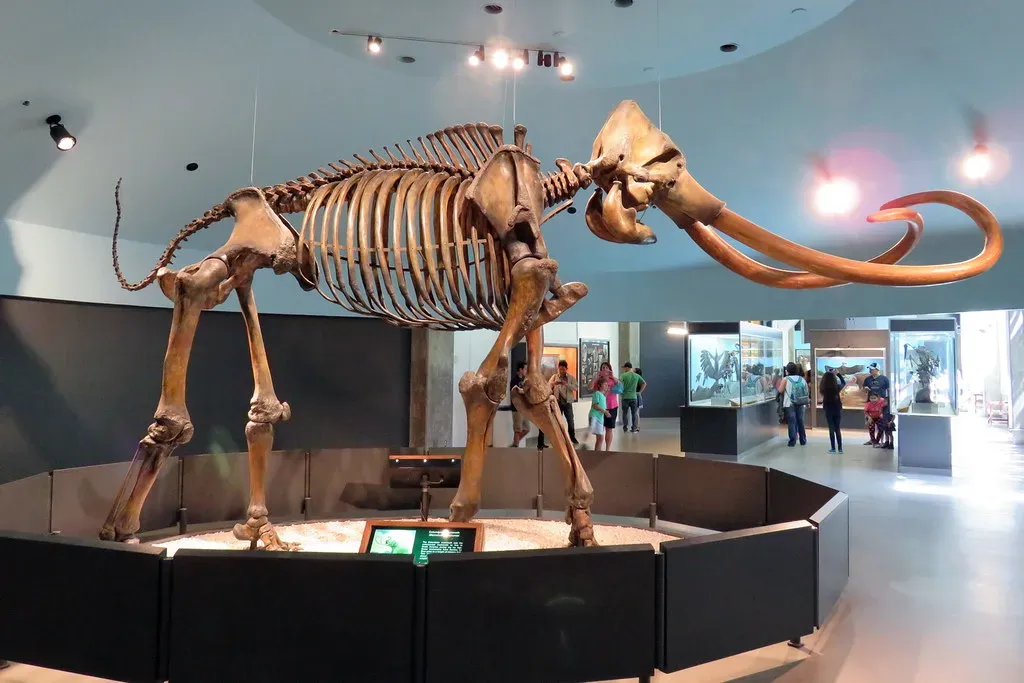
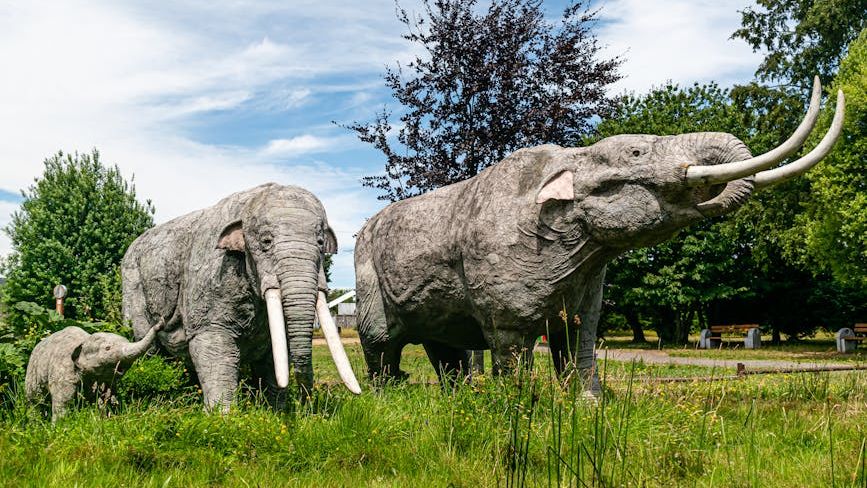
It sounds almost comical, doesn’t it? One of the greatest fossil treasures in North America, sitting right in the heart of Los Angeles. Between 1906 and 1916, hundreds of thousands of Pleistocene fossils were uncovered in central Los Angeles. The La Brea Tar Pits became one of the richest Ice Age fossil sites ever discovered. Cave sites across North America have revealed fossils of giant ground sloths, sabre-toothed cats, woolly mammoths, camels, dire wolves, and early bison.
The discoveries range in scale from massive prehistoric mammoths to microscopic traces of flora and fauna that provide insight into how past environments and climates altered. What you’re looking at when you visit La Brea isn’t just bones. It’s a frozen snapshot of an entire ecosystem, predators and prey trapped together at the exact same moment in geological time. Since the 1900s, the Tar Pits have seen more than a hundred excavations, and most of the fossils found here are now kept at the La Brea Tar Pits Museum.
5. Deinonychus: The Dinosaur That Sparked a Scientific Revolution
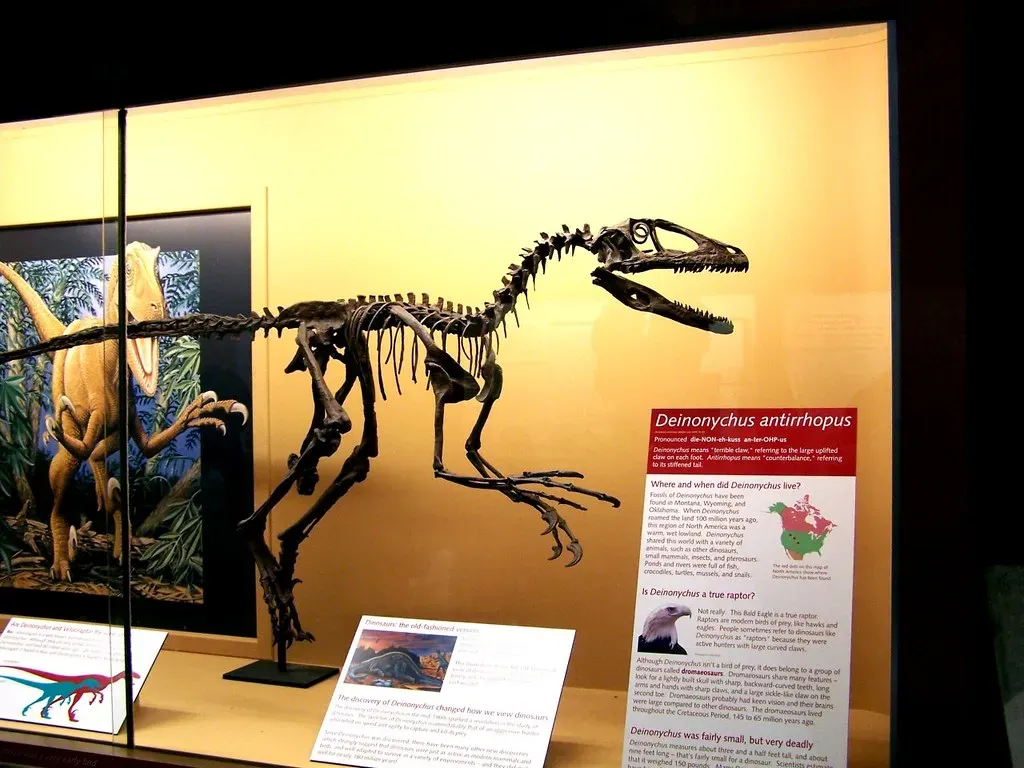
In 1964, John Ostrom led an expedition that included his student Robert T. Bakker into the south-central part of Montana, where they prospected rocks of the Cloverly Formation dating back to the Early Cretaceous, and among their finds were the first documented remains of a small carnivorous dinosaur that would be named Deinonychus antirrhopus. Before Deinonychus, most scientists pictured dinosaurs as slow, cold-blooded, tail-dragging monsters, essentially just overgrown lizards. This find changed everything.
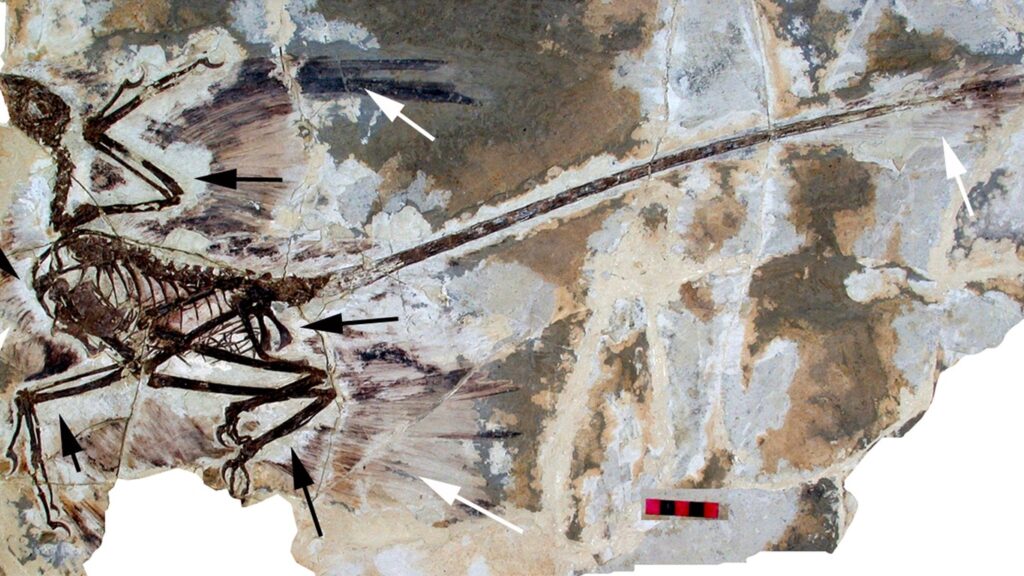
This discovery helped ignite the Dinosaur Renaissance, as it exhibited important anatomical similarities to birds that helped scientists shed antiquated ideas interpreting dinosaurs as overgrown lizards. The discovery of the bird-like Deinonychus overturned misguided notions of dinosaurs as plodding lizard-like animals and cemented their sophisticated physiology and relationship with birds. In hindsight, every feathered dinosaur image you’ve ever seen in a modern documentary traces back, in part, to this single discovery in Montana.
6. Big Bone Lick: Where North American Paleontology Was Born
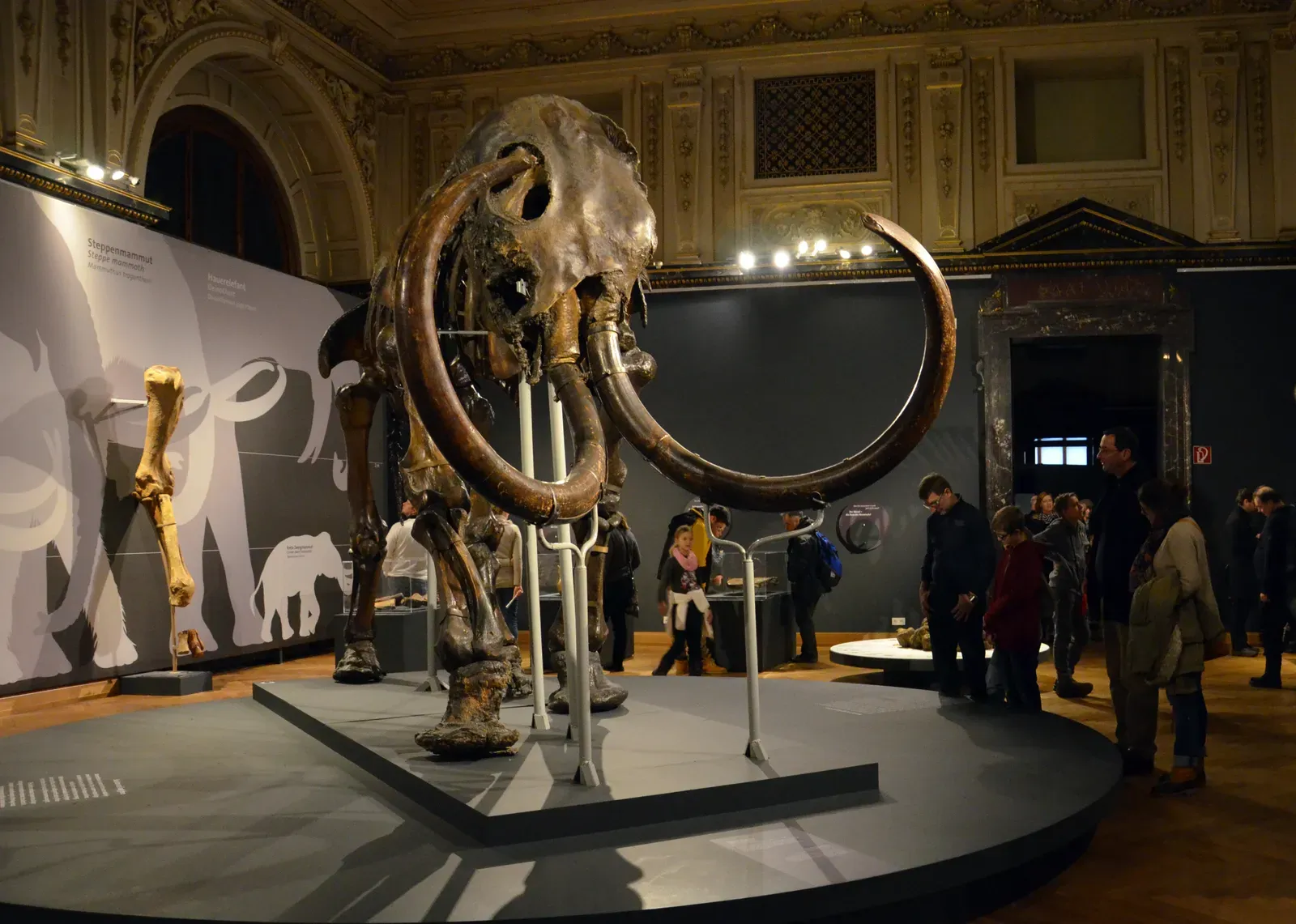
Here’s something that might surprise you. The very beginning of North American paleontology wasn’t kicked off by a professional scientist at all. The first major fossil discovery to attract the attention of formally trained scientists were the Ice Age fossils of Kentucky’s Big Bone Lick. When explorers returned from the site, their canoes were laden with massive fossils including long tusks, massive teeth, and a thighbone almost as tall as a person.
These fossils were studied by eminent intellectuals like France’s Georges Cuvier and local statesmen and frontiersmen like Daniel Boone, Benjamin Franklin, William Henry Harrison, Thomas Jefferson, and George Washington. It’s remarkable to imagine Benjamin Franklin puzzling over a mammoth’s teeth and wondering what kind of world could have produced such a beast. The mammoth quickly became a symbol of American patriotism and equality with the Old World.
7. The Burgess Shale Fossils of Canada: Life’s Earliest Blueprint
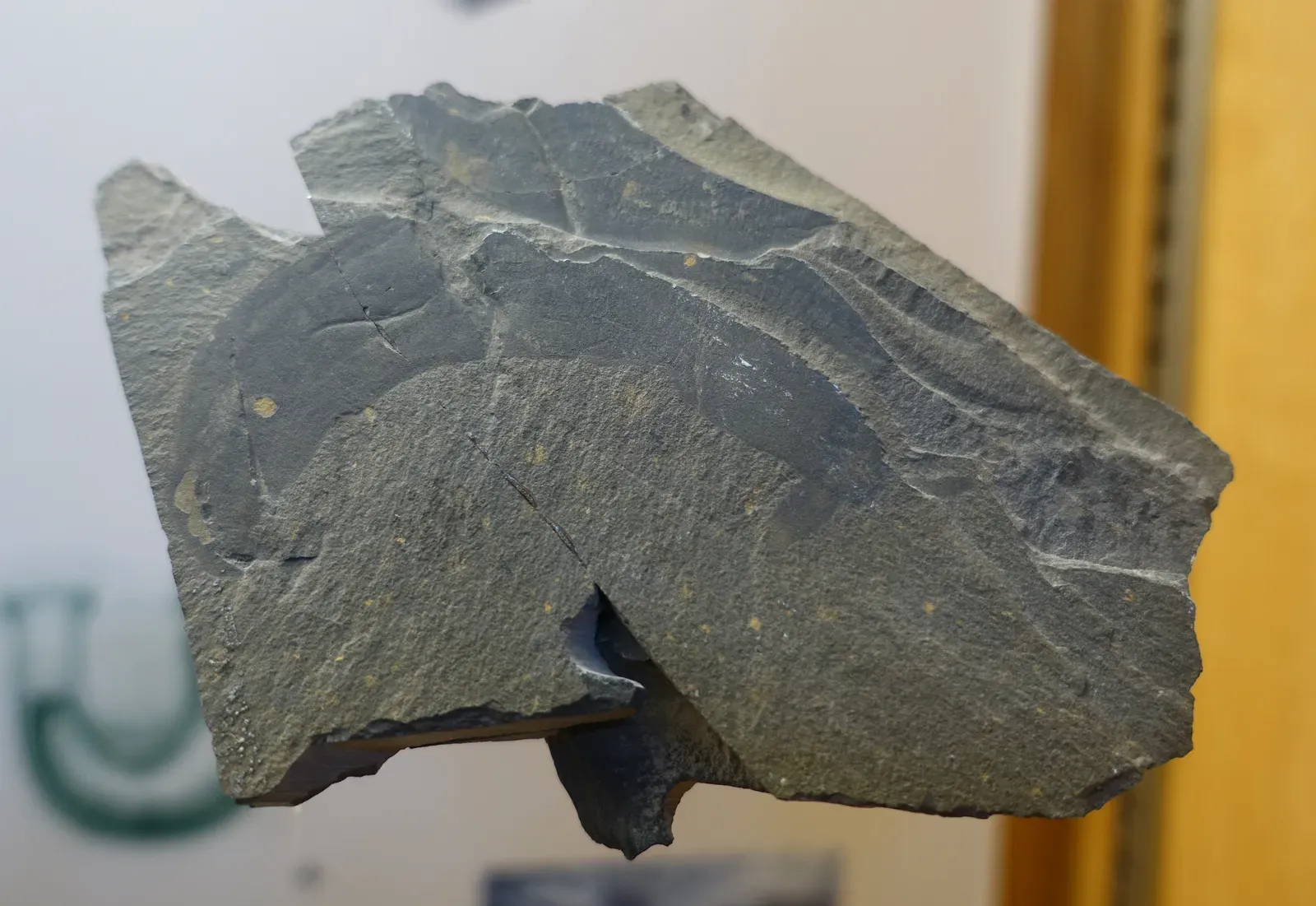
If you want to understand how complex animal life first exploded onto the scene, you need to travel mentally back to the Cambrian period, roughly 508 million years ago. The Burgess Shale, a large black-shale deposit in the Canadian Rockies, has been called the most significant fossil-related site in history. The creatures locked inside this rock are so alien-looking, so spectacularly weird, they seem almost invented. The park’s exposed sedimentary rock is chock-full of Cambrian Era strata that have proven to be very interesting to scientists interested in the explosive radiation of multicellular life.
Some of these scientists’ more impressive discoveries include a shale-preserved phyllopod bed and a new collection of basal arthropods, plus more than 50 new species. The Burgess Shale fundamentally reshaped understanding of the Cambrian explosion, proving that complex life didn’t simply appear but erupted in an extraordinary burst of biological creativity. It’s the closest thing paleontology has to a Big Bang moment for animal life on Earth.
8. Albertosaurus: The Find That Opened Canada’s Fossil Floodgates
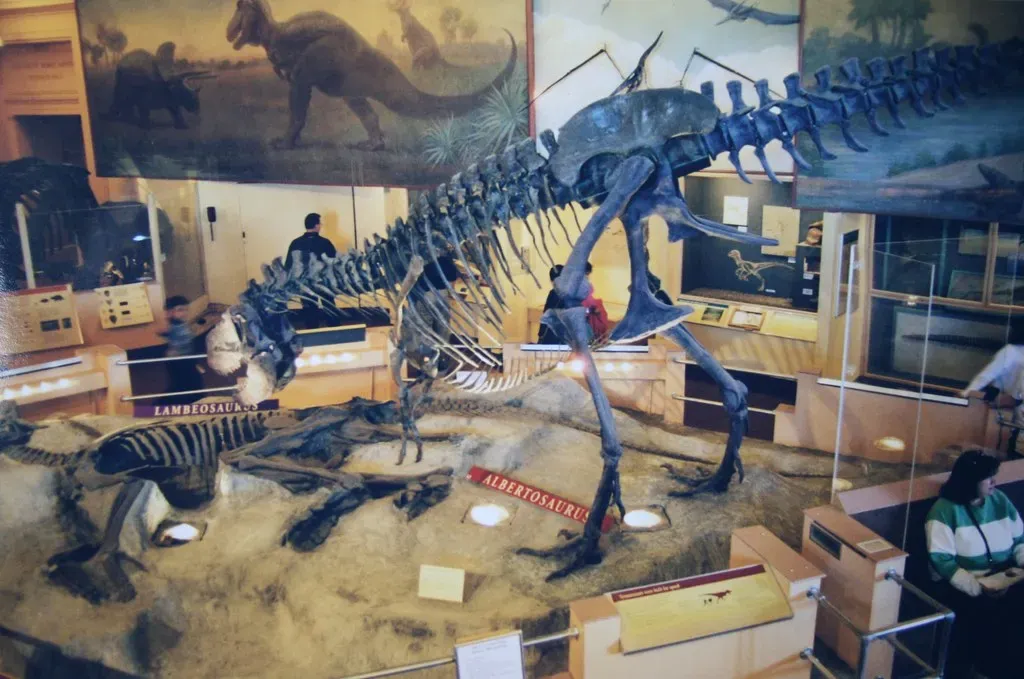
In 1884, Joseph Burr Tyrrell discovered the skull of a 70-million-year-old dinosaur while searching for coal deposits in the Red Deer River Valley. Nobody was looking for dinosaurs that day. The discovery was, by all accounts, a total accident, which is honestly a recurring theme in paleontology. That skull, now known as Albertosaurus sarcophagus, shed light on the presence of dinosaurs in North America and paved the way for subsequent fossil and dinosaur discoveries in Alberta.
Alberta, Canada has given us hundreds of important fossils, including the largest marine reptile ever found and the world’s best-preserved armoured dinosaur. Today, the area is one of the most important regions in the world for palaeontology, with Alberta’s Badlands and Dinosaur Provincial Park UNESCO World Heritage Site at its heart. That one accidental coal-prospecting trip set off a chain reaction of discoveries that is still unfolding today.
9. Traskasaura sandrae: The Sea Monster That Baffled Scientists for Decades
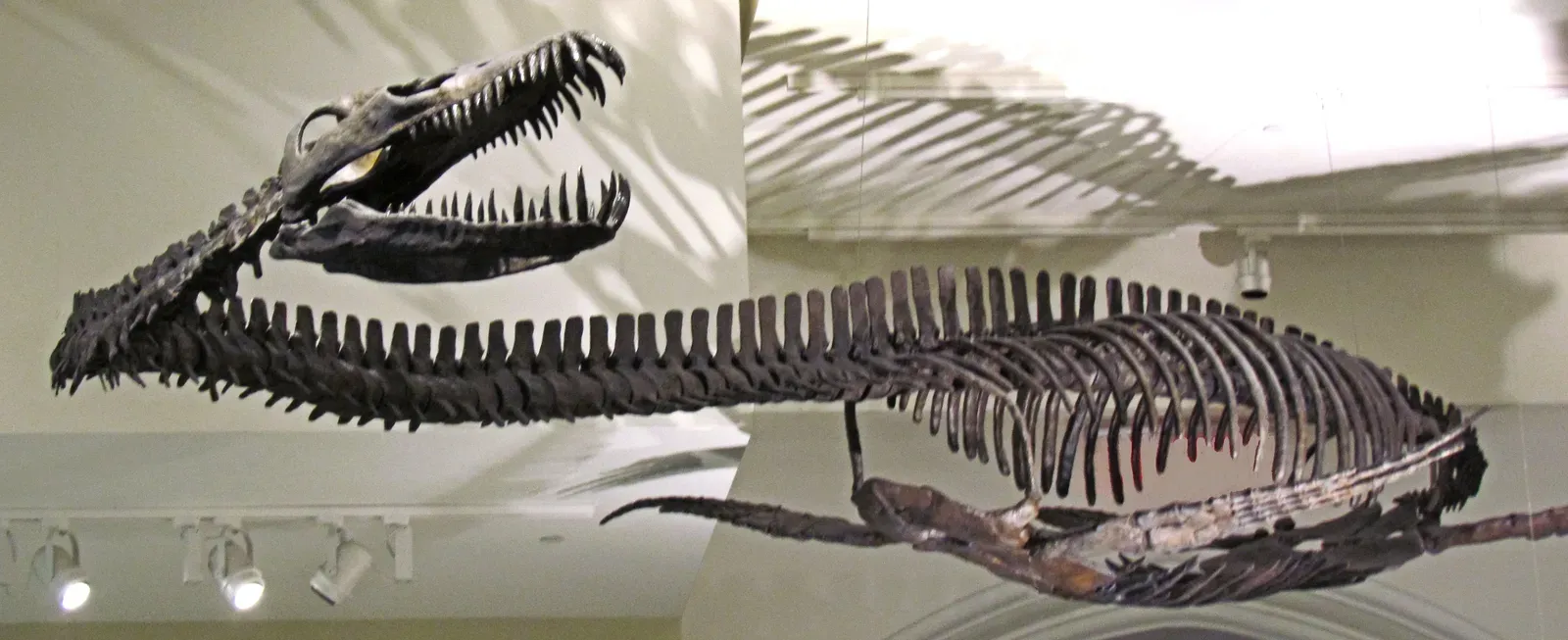
A prehistoric sea monster never before known to science was hunting prey in North America 85 million years ago, as fossils found decades ago in Canada reveal, with the first set of fossils found in 1988 along the Puntledge River on Vancouver Island. For years, scientists couldn’t agree on what they were even looking at. The bones sat in storage, tantalizing but frustratingly incomplete. The fossils were determined to belong to elasmosaurs, a genus of plesiosaur that lived in North America during the Late Cretaceous period, about 80.6 to 77 million years ago.
Traskasaura sandrae, named in the Journal of Systematic Paleontology, was declared the Provincial Fossil of British Columbia in 2023. Paleontologists were reluctant at first to erect a new genus based solely on the adult skeleton, but a new excellently preserved partial skeleton enabled an international team of scientists from Canada, Chile, and the U.S. to eventually identify the new genus and species. The lesson here? Sometimes patience is the most important tool in a paleontologist’s kit.
10. The Gray Fossil Site’s Ancient Deer: America’s Most Familiar Animal Has Deep Roots
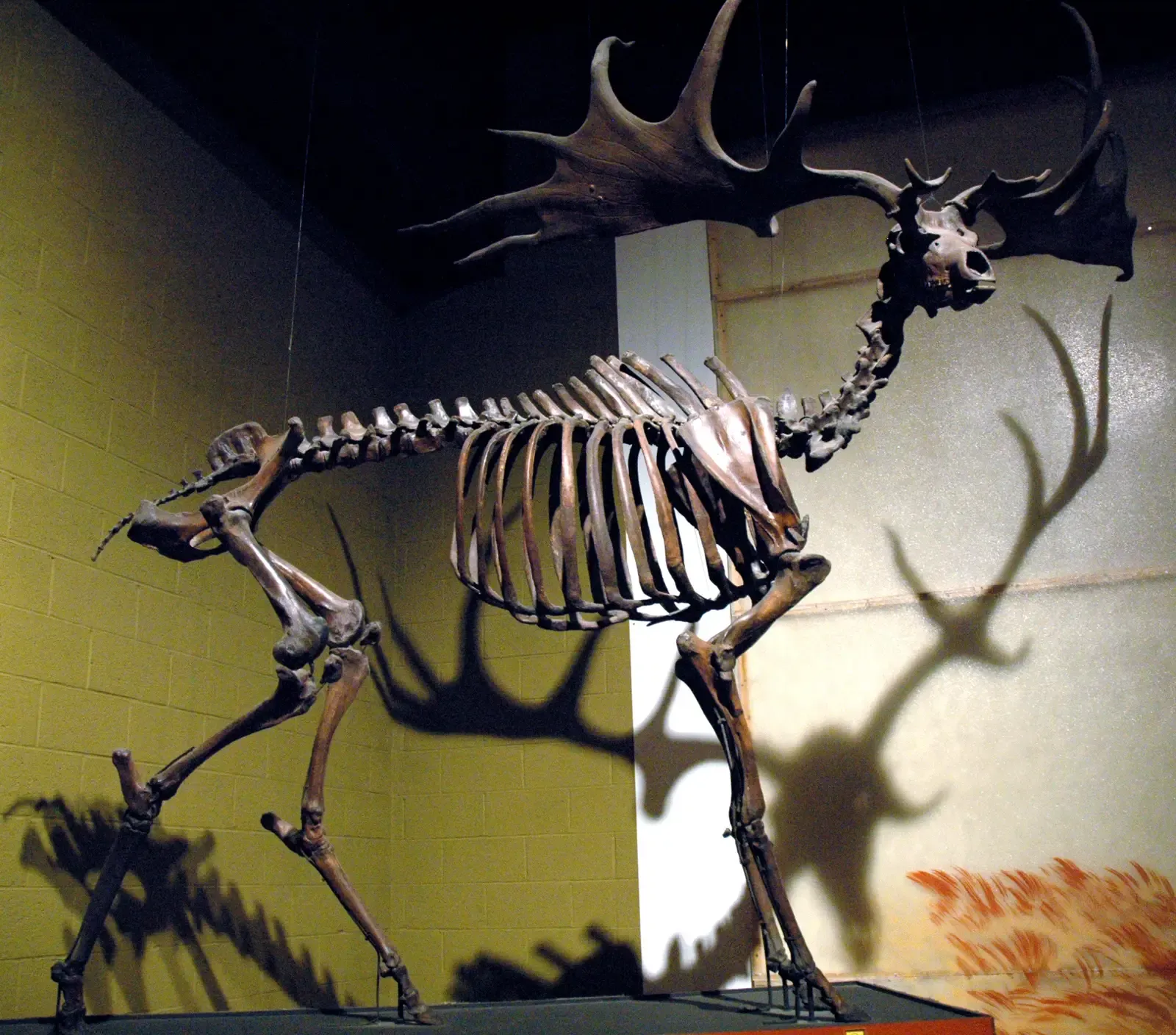
You probably see white-tailed deer regularly, maybe even in your own backyard. What you likely don’t know is that they have been roaming the forests of North America for an almost incomprehensible length of time. Researchers at the Gray Fossil Site and Museum have discovered the first fossil deer, representing one of the earliest records of the deer family in North America, with the newly described fossils of Eocoileus gentryorum offering a fascinating glimpse into the deep roots of America’s most recognizable wildlife.
These 5-million-year-old fossils reveal the likely ancestor of today’s white-tailed deer, animals that have a deep history in Appalachian forests. Fossil evidence from Washington and Florida shows these early deer dispersed rapidly coast-to-coast after their North American arrival, successfully adapting to diverse habitats from Pacific forests to Appalachian highlands. Interestingly, these ancient deer were notably smaller than most modern species. So the graceful animals bounding through your garden today are the product of five million years of extraordinary adaptation.
11. The Bone Wars Fossils: How Rivalry Built a Nation’s Dinosaur Legacy
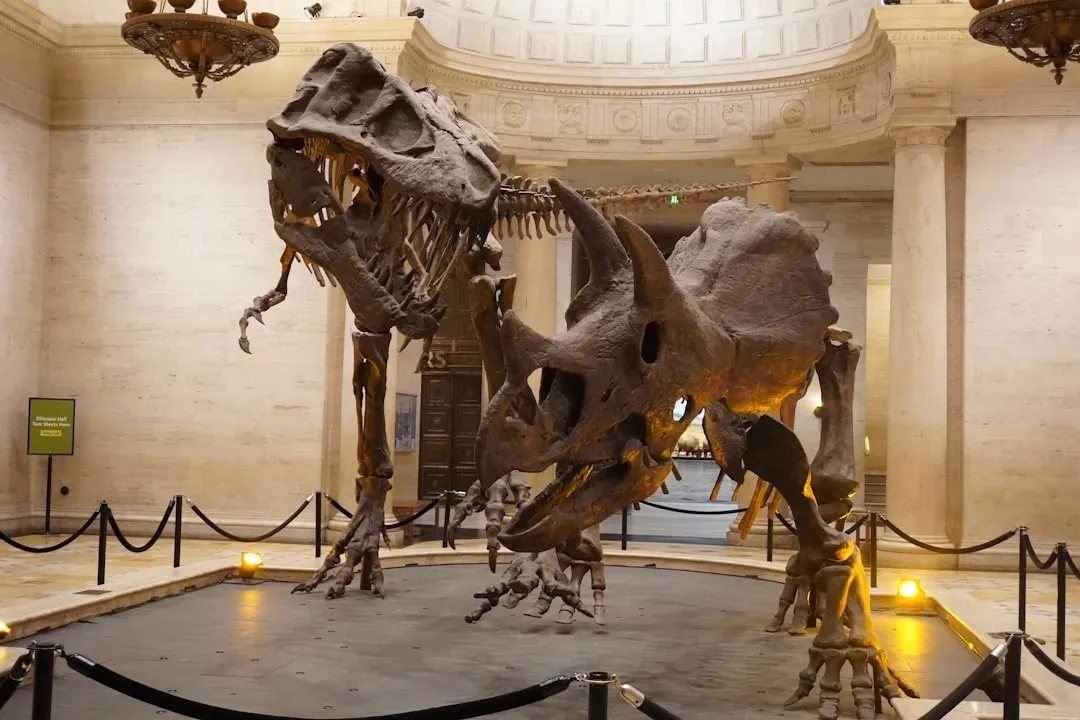
Let’s be real, some of the greatest scientific discoveries in North American history came from two men who absolutely despised each other. Eminent paleontologists Edward Drinker Cope and Othniel Charles Marsh were embroiled in a bitter rivalry to collect the most fossils and name the most new prehistoric species. Their feud, later known as the Bone Wars, was petty, competitive, and sometimes destructive. It was also incredibly productive. In total, the two men described 136 species of dinosaurs, including some famous names such as Stegosaurus, Triceratops, Allosaurus, Diplodocus, and Brontosaurus.
What came out of this period was a significant increase in the knowledge of North American dinosaurs, including the discovery of many near-complete specimens. The dinosaur-crazy culture you grew up in, the museum dioramas, the movie franchises, the school projects, all of it was seeded by this extraordinary, chaotic, contentious era of discovery. Dinosaur National Monument contains huge assemblages of dinosaur bones from Jurassic sauropods to Cretaceous raptors, and the legendary Hell Creek Formation gifted the world discoveries like Tyrannosaurus rex and Triceratops horridus when the most complete dinosaur fossil collections were found.
12. The Agate Fossil Beds: North America’s Lost Serengeti
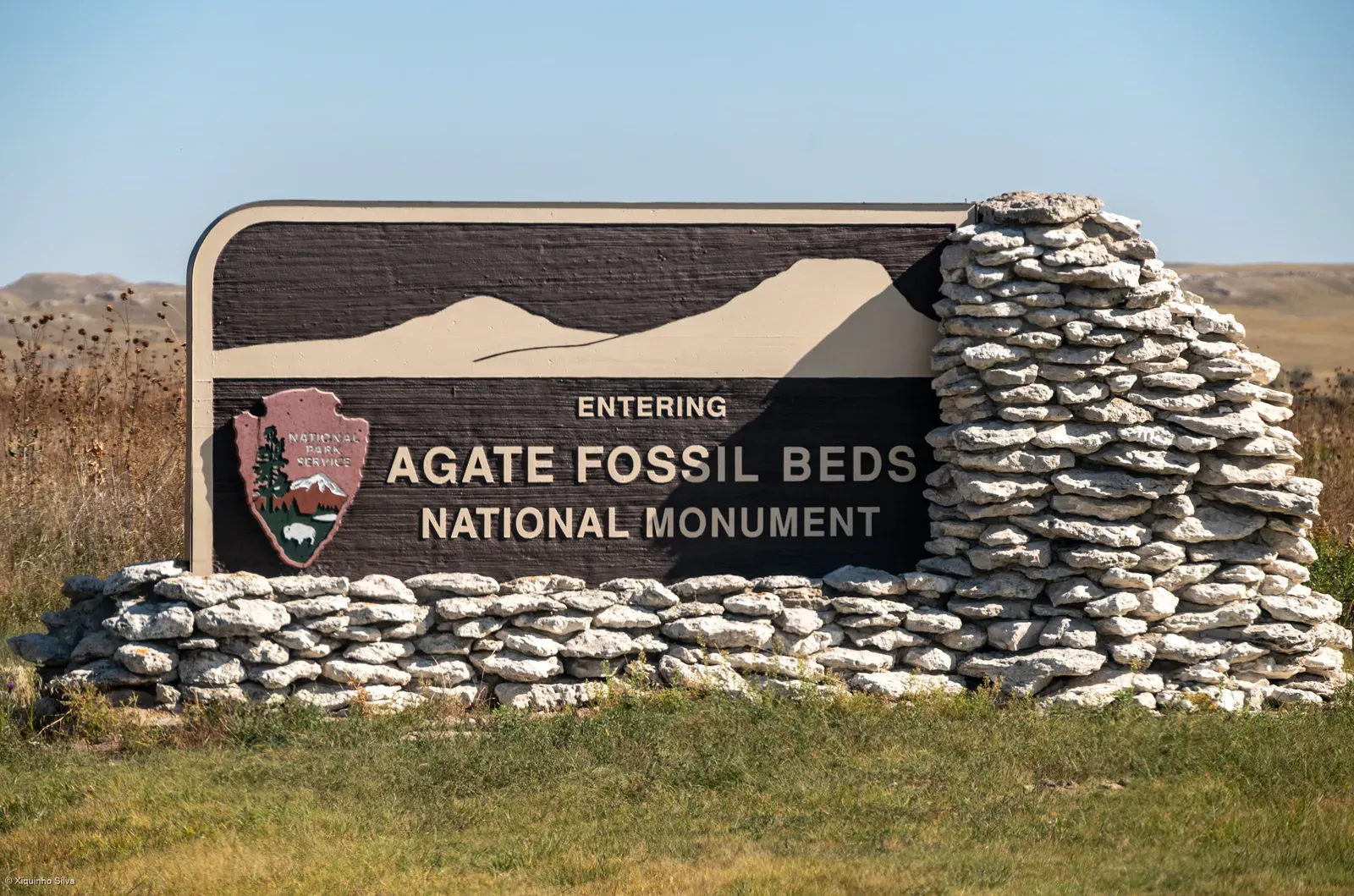
Twenty million years ago, Nebraska looked nothing like it does today. Once you consider the fact that 20 million years ago this region was a grassy, Serengeti-like plain, perhaps it becomes not so surprising that the Agate Fossil Beds have easily become one of the most impressive fossil sites in North America. The creatures preserved here were extraordinary, bizarre by modern standards yet perfectly adapted to their world. Especially notable discoveries have included Amphicyon, also known as a beardog, the pig-like Dinohyus, a short rhinoceros called a Menoceras, a Miohippus which is the prehistoric ancestor of the horse, and a camel-like gazelle called Stenomylus.
The monument houses 20-million-year-old animals such as the moropus, a cross between an anteater and a donkey, and is also home to the dinohyus, a pig as giant as a bison, and the Bear Dog. Hundreds of remarkably preserved skeletons have been found here, including prehistoric camels, tortoises, horses, and even rhinos. It’s a humbling reminder that the landscape you stand on today is completely unrecognizable from the one that existed even a geological blink ago.
Conclusion
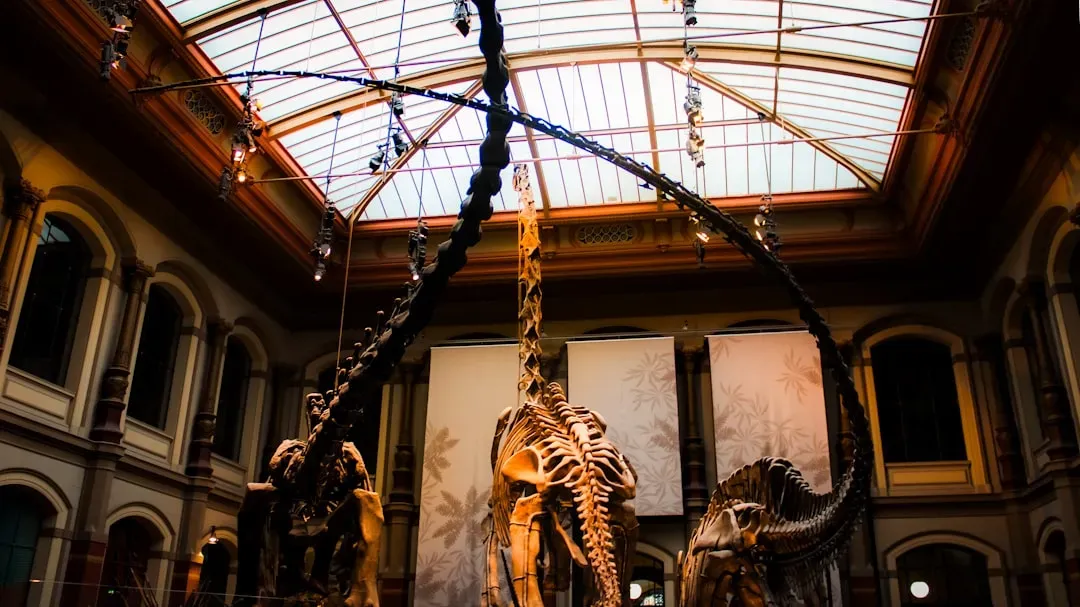
What strikes you most, when you look at all twelve of these discoveries together, is how interconnected they are. Each fossil unlocked a door that opened onto an entirely new room of questions. These preserved remains have revolutionized our understanding of evolution, extinction events, and the interconnectedness of all living things. From a fish learning to prop itself up in shallow Devonian water, to a mother dinosaur bringing food to her nest in Montana, to a flying giant the size of a giraffe ruling the Texas sky, North America’s fossil record tells a story that is wilder and more dramatic than any fiction.
I think what makes paleontology so endlessly fascinating is that it never truly ends. There’s always something else waiting in the rock, something that will make scientists gasp, argue, and rethink. As technology continues to advance, the study of fossils grows more precise, allowing researchers to extract even more information from ancient remains, and these groundbreaking discoveries remind us that the history of life on Earth is still being written, one fossil at a time. The next discovery that rewrites North American wildlife history could be sitting just beneath the surface right now, waiting for the right pair of eyes. Which of these twelve fossils surprised you most? Tell us in the comments below.