Think back to your school dinosaur posters: swamp-dwelling brontosaurs with dragging tails, cold-blooded monsters stomping through a steamy jungle, and a T. rex that could barely see you if you did not move. A lot of that mental picture feels oddly nostalgic now, like an old VHS tape – familiar, but also a little wrong. Over the last few decades, paleontology has ripped up and rewired much of what many of us were taught as kids.
What is wild is that these changes did not arrive with fanfare in your classroom; they crept out of dusty field sites, quiet CT scans, and late-night lab debates. I still remember the first time I saw a museum display of feathered raptors and felt my brain do a double-take: this was not the Jurassic Park lineup I grew up with. Below are twelve of those once-confident “facts” that have aged badly, replaced by a far stranger and more interesting dinosaur reality.
1. Dinosaurs Were Always Cold-Blooded, Like Lizards
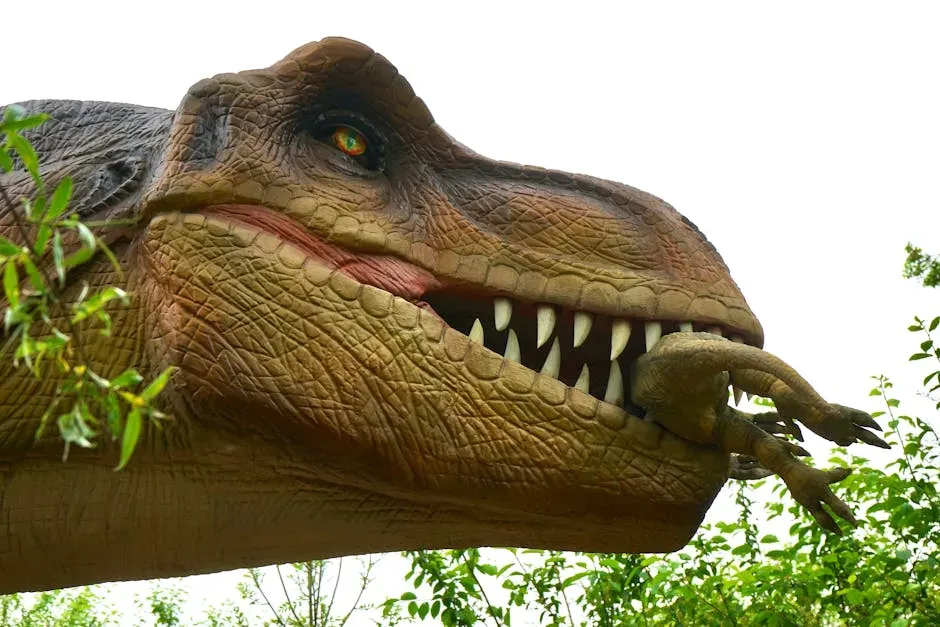
For a long time, the story was simple: reptiles are cold-blooded, dinosaurs were reptiles, therefore dinosaurs must have been slow, sluggish, cold-blooded creatures that needed the sun to get moving. That tidy chain of logic has pretty much collapsed under a pile of fossil evidence. Bone microstructure, growth rings, and blood vessel patterns in many dinosaur skeletons suggest they grew fast, lived active lives, and maintained higher, more stable body temperatures than typical modern reptiles.
Scientists now often describe many dinosaurs as having a metabolism somewhere between classic reptiles and birds or mammals, a kind of “middle gear” that let them power long-distance movement and fast growth. Large herbivores seem to have used their sheer size to hold heat, while smaller predators show signs of almost birdlike metabolic rates. The new picture is not a lazy crocodile sunbathing, but a spectrum of metabolic strategies, with some dinosaurs running hot enough to chase, migrate, and parent with surprising intensity.
2. All Dinosaurs Were Scaly, Reptilian, and Definitely Not Fuzzy
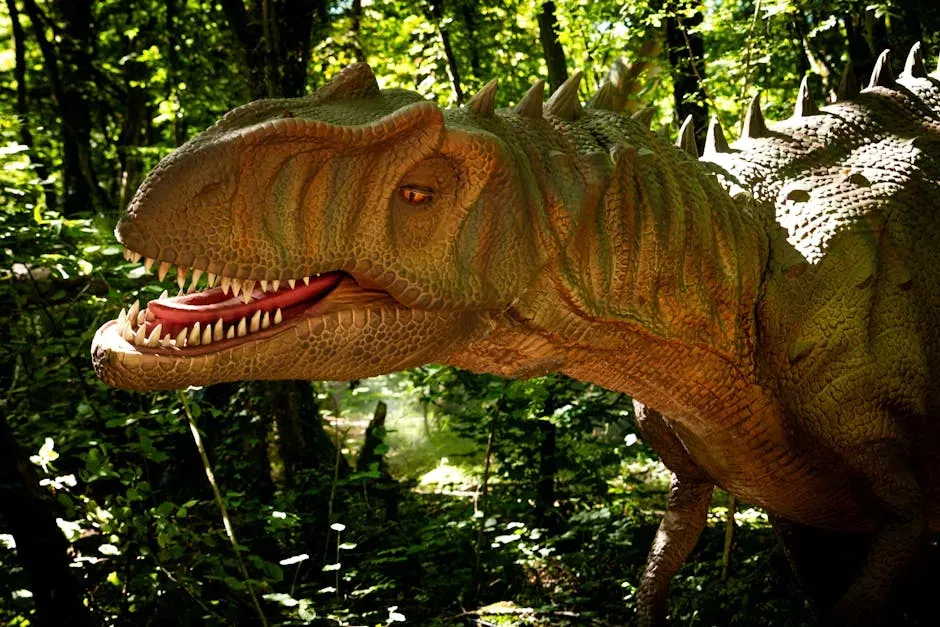
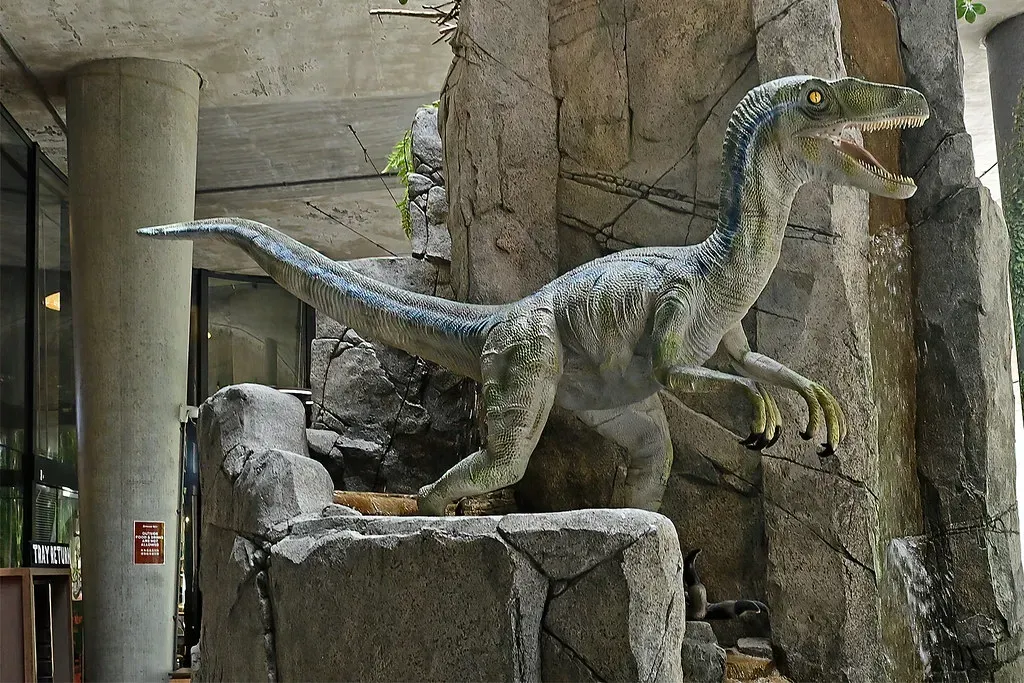
If your childhood coloring books were like mine, every dinosaur was drawn with smooth reptile scales, maybe with some dramatic spikes if the illustrator felt bold. That image has been shredded by a wave of spectacular fossils, especially from China, that preserve impressions of feathers and filamentous fuzz. It turns out that a lot of theropods – the group that includes Velociraptor and, eventually, birds – wore coats of feathers or at least simple, hair-like filaments.
These feathers were not all about flying; many were for insulation, display, or species recognition, more like a parka or a peacock tail than a jet wing. Some small dinosaurs probably looked more like weird ground birds than like miniature T. rexes. Even some plant-eaters show hints of bristle-like coverings, suggesting “naked, scaly dinosaurs” were only part of the story. Once you see a fluffy raptor mount in a modern museum, the old rubber-lizard look starts to feel almost comically outdated.
3. Brontosaurus Never Existed (And Then, Somehow, It Did Again)
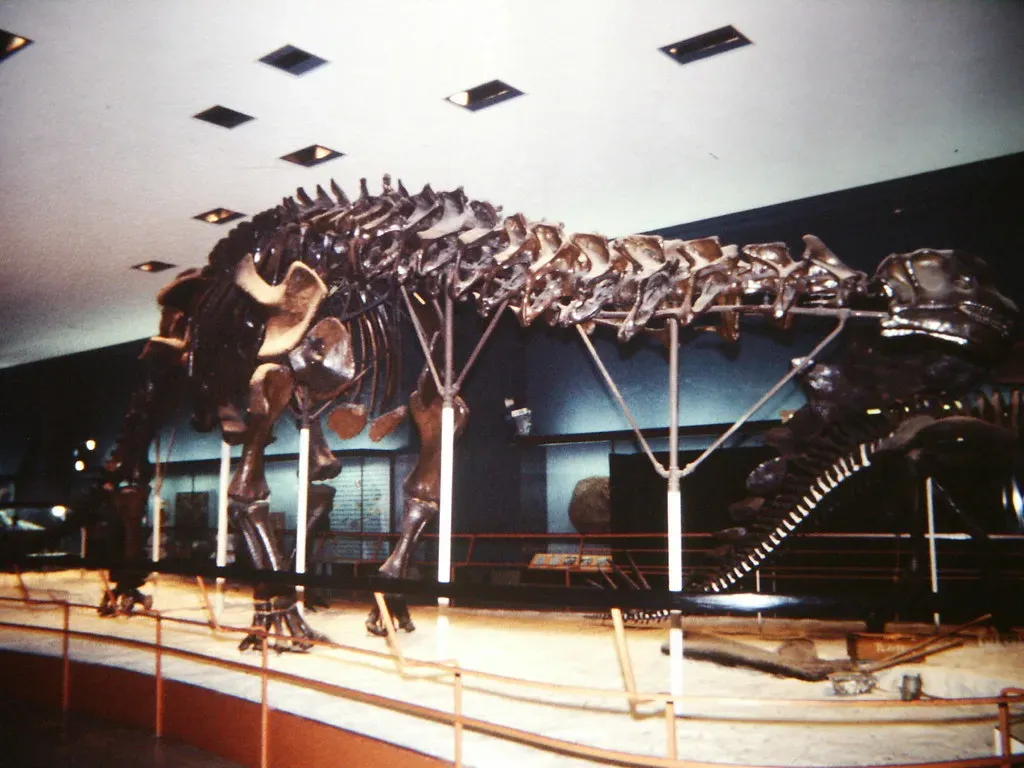
Many of us grew up loving Brontosaurus, only to be told later, almost scoldingly, that it was not real and that the proper name was Apatosaurus. That correction was based on early twentieth-century work showing that the original “Brontosaurus” skull and skeleton were actually from an Apatosaurus, making Brontosaurus a duplicate name. For years, museum labels changed and Brontosaurus was the poster child for scientific self-correction – until new research reopened the case.
Detailed analyses of sauropod skeletons in the twenty-first century suggested that the animals originally lumped together were actually different enough to revive Brontosaurus as its own valid genus. The exact boundaries and species lists are still being refined, but the short version is that Brontosaurus has shuffled back into scientific respectability. To me, this saga is a perfect reminder that “fact” in science is often a snapshot of the best argument at the time, not a final verdict handed down for eternity.
4. Dinosaurs Dragged Their Tails Like Giant Lizards
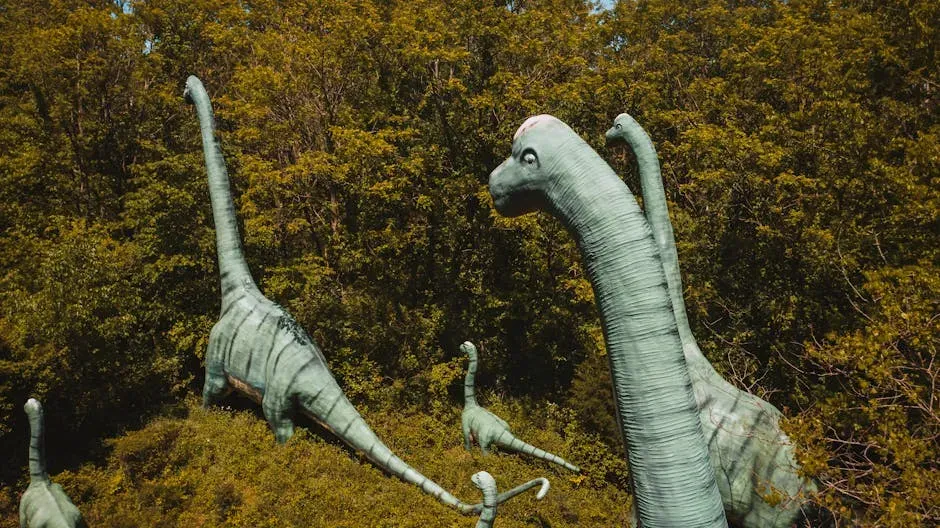
Old museum murals and toys often show sauropods and theropods with their tails plowing trenches in the mud, as if they were too heavy to lift. That idea came largely from early reconstructions that treated dinosaurs as overgrown, lumbering lizards. As more complete skeletons turned up, and as scientists studied joint angles and balance, the tail-dragging era faded fast. Tail vertebrae, muscle attachment scars, and trackways simply do not support the idea of tails scraping along the ground.
We now know that many dinosaurs held their tails straight out behind them like counterbalances, stabilizing the body during movement. For bipeds like T. rex, the tail acted almost like a tightrope walker’s pole, helping align the center of mass over the hips. Sauropods, meanwhile, used their massive tails both as balance devices and possibly even as defensive whips. Whenever I see an old statue with a tail carving a groove behind it, it feels like catching a historical typo in stone.
5. Stegosaurus Had a Second “Brain” in Its Backside
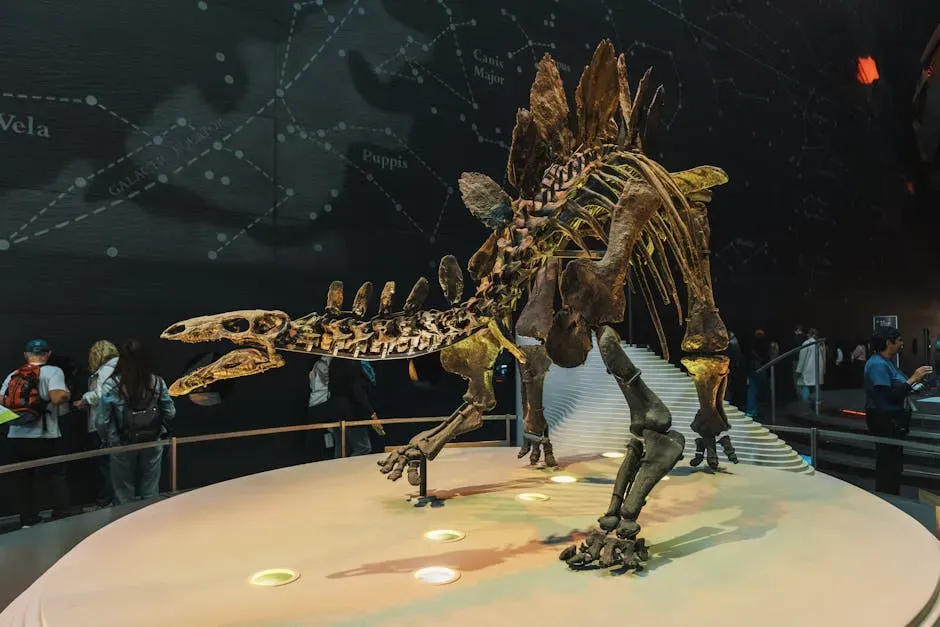
If you ever heard that Stegosaurus had a second brain in its hips to control its back half, that was a genuine piece of scientific speculation that somehow fossilized into classroom lore. The idea came from a large cavity in the hip region of some dinosaurs, which some early researchers imagined must have held a neural center. Later work showed that this cavity is better explained as a storage space for a glycogen-rich structure or maybe just a feature of the spinal canal, not a working second brain.
Modern paleontology is clear: even the weirdest dinosaurs did not have extra brains hiding in their backsides. Their nervous systems, while sometimes enlarged in certain regions, still followed the central brain plus spinal cord layout we see in other vertebrates. I always find this correction strangely comforting: nature can be bizarre, but it usually does not cheat by handing out spare brains. Stegosaurus was odd enough already with its plates and tail spikes; it did not need a bonus brain to be interesting.
6. Tyrannosaurus Rex Was Mostly a Scavenger, Too Slow to Chase Prey
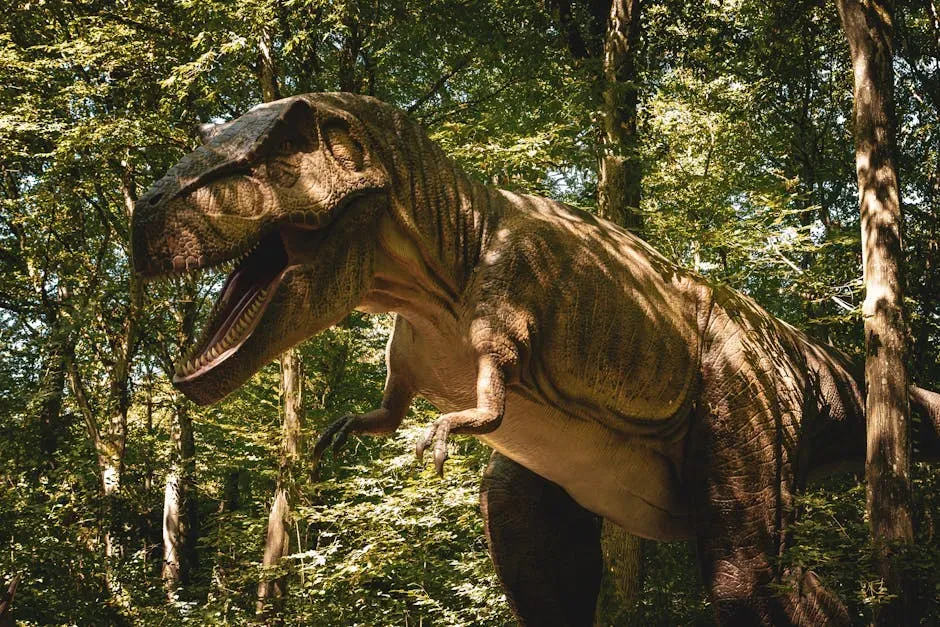
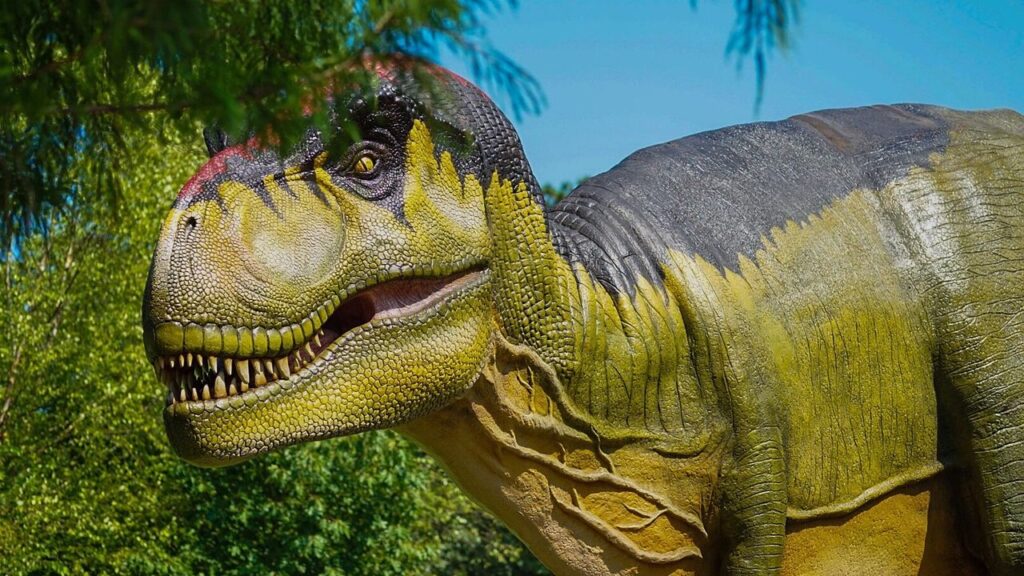
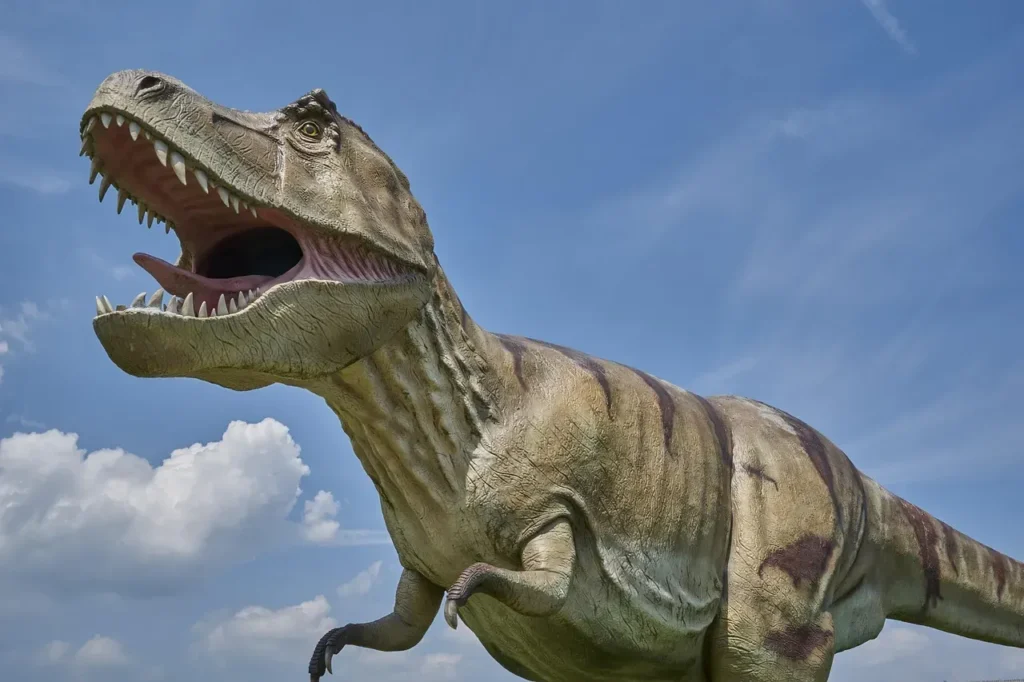
At one point, a popular scientific and media argument claimed that T. rex was mainly a lumbering scavenger, not a fearsome predator, based on its massive head, relatively small arms, and theories about its speed. That idea grabbed headlines because it went against the Hollywood image, but later evidence has not been kind to the pure-scavenger view. Healed bite marks on herbivorous dinosaurs, consistent with T. rex teeth, show predators attacking living prey rather than just cleaning up carcasses.
Biomechanical studies of leg bones, muscles, and balance suggest that while T. rex was probably not a sprinter like a cheetah, it could move fast enough to run down large, slower herbivores. Its sense organs also look highly tuned: large forward-facing eyes for depth perception and complex inner ears for tracking movement. The most reasonable picture now is of a flexible apex predator that both hunted and scavenged, much like big carnivores today. The idea of a purely shambling garbage-eater T. rex has mostly been left on the cutting room floor.
7. Dinosaurs Lived in Steamy, Unchanging Tropical Swamps
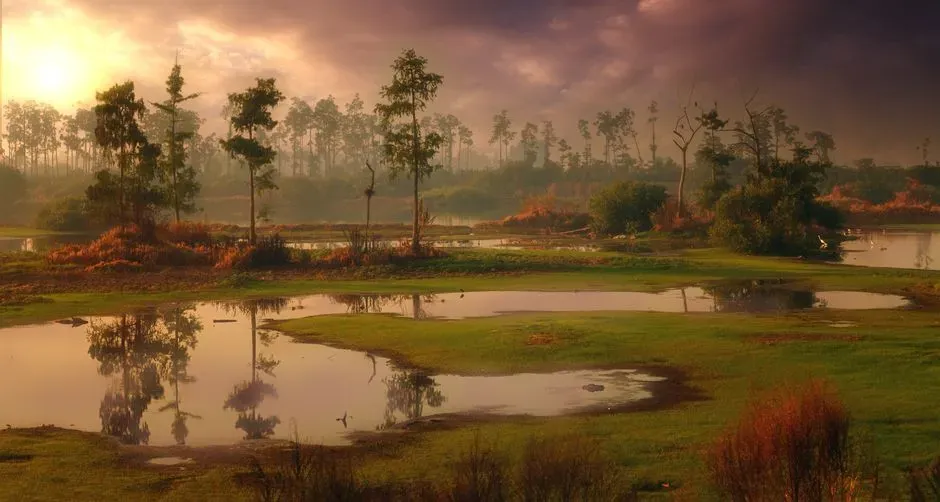
Textbook art from a few decades ago makes it look like dinosaurs spent their whole history in a world that resembled a giant, humid greenhouse swamp. While Earth was generally warmer in the Mesozoic than it is today, that old picture ignores how varied climates were across time and space. Fossils of dinosaurs have been found at high latitudes, including regions that would have experienced long winters and seasonal darkness, even if temperatures were milder than modern polar regions.
Evidence from fossilized plants, growth rings, and sediment layers shows that dinosaurs dealt with changing seasons, shifting coastlines, and varying environments, from floodplains and deserts to cool forests. Some species probably migrated, changed their diets seasonally, or developed strategies to cope with months of low light. The simplistic “permanent Jurassic jungle” idea has given way to a richer, more dynamic world where dinosaurs adapted to many different kinds of ecosystems, some of them surprisingly harsh.
8. Dinosaurs and Humans Once Lived Side by Side
This one shows up more in pop culture and fringe claims than in serious classrooms, but it still lurks in the background of how many people imagine prehistory. The notion that humans or early humanlike beings walked alongside non-avian dinosaurs has been thoroughly dismantled by radiometric dating, geology, and fossil sequences. Non-avian dinosaurs died out about sixty-six million years ago, while our own species arrived only a few hundred thousand years ago, separated by an almost unimaginable gulf of time.
What we do see in the fossil record is a sequence: dinosaurs dominate the Mesozoic, then vanish in a mass extinction, and later, mammals radiate into their empty niches. Humans are very late arrivals, more like the last few pages of a huge book. Every time I see a cartoon caveman riding a Triceratops, I cannot help but picture a timeline stretched across a football field; the overlap between us and T. rex would be thinner than a sheet of paper near the end zone.
9. Pterosaurs and Marine Reptiles Were Dinosaurs Too
![9. Pterosaurs and Marine Reptiles Were Dinosaurs Too ([3] archive copy at the Wayback Machine, CC BY-SA 3.0)](https://nvmwebsites-budwg5g9avh3epea.z03.azurefd.net/dinoworld/bd35e9d94e89860230073d9696c6946b.webp)
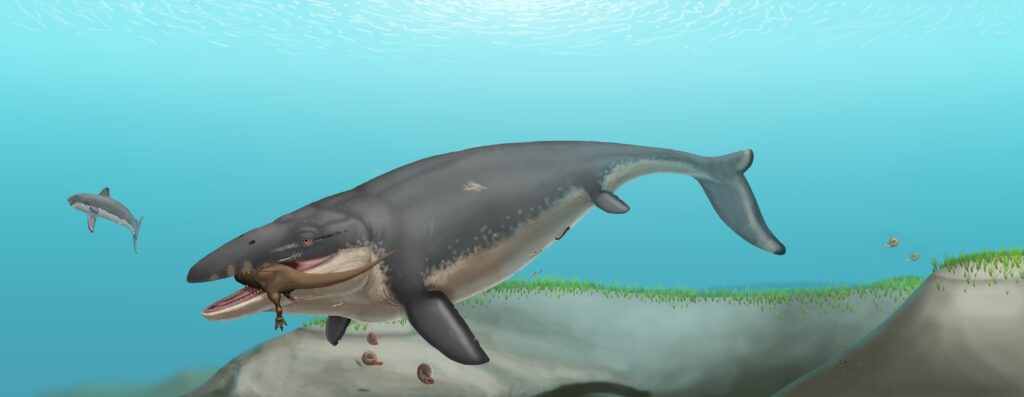
School diagrams often toss all the big ancient reptiles into a single “dinosaurs” bucket: pterosaurs in the sky, long-necked plesiosaurs in the oceans, and land dinosaurs stomping around in between. That might be convenient for posters, but it is wrong from an evolutionary perspective. Dinosaurs are a specific branch of the reptile family tree defined by particular hip, ankle, and limb traits. Pterosaurs and marine reptiles like ichthyosaurs and plesiosaurs belong to separate branches with their own distinct histories.
Pterosaurs were close cousins of dinosaurs, but they evolved flight on their own, with wings based on a single elongated finger, not feathered arms. Marine reptiles, meanwhile, took separate routes to life in the water, with adaptations like flippers and fishlike shapes that dinosaurs never quite copied. Once you start seeing these lineages as different experiments rather than one uniform group, the Mesozoic stops being “the age of dinosaurs and friends” and becomes a full-blown evolutionary carnival of separate, overlapping worlds.
10. All Dinosaurs Went Completely Extinct
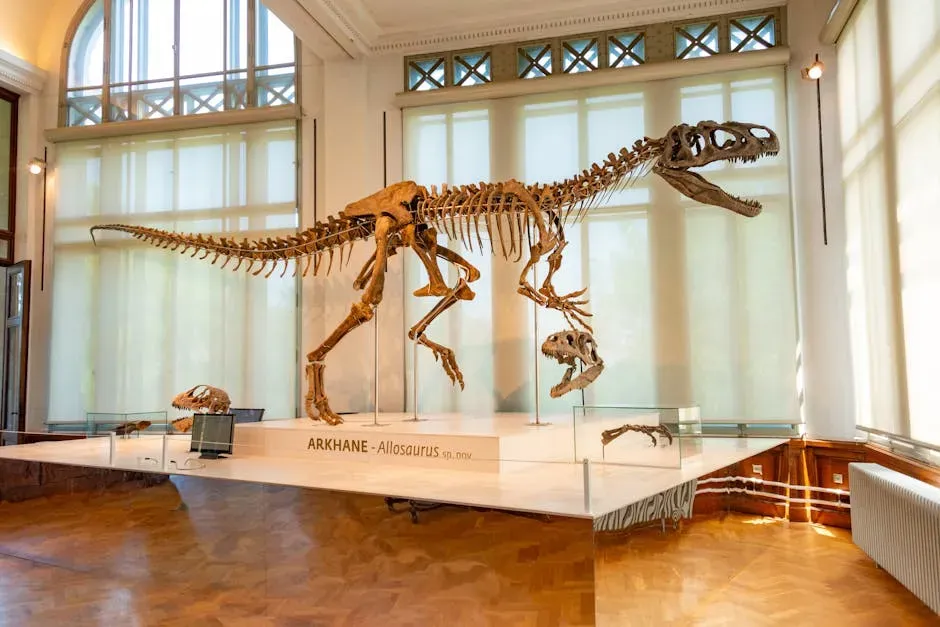
We were often taught that dinosaurs simply vanished at the end of the Cretaceous, wiped out by an asteroid and volcanic chaos. While it is true that all non-avian dinosaurs died in that mass extinction, one lineage slipped through the bottleneck: the small feathered theropods that we now call birds. Genetic, skeletal, and developmental evidence all converge on the conclusion that birds are not just related to dinosaurs; they are living dinosaurs, the last surviving branch of a once-dominant group.
Features like wishbones, hollow bones, three-toed feet, and even brooding behavior link many birds directly to their dinosaur ancestors. When you watch a chicken scratch the ground or a crow tilt its head, you are seeing echoes of small, agile theropods that once darted through Cretaceous forests. This reframing turned a sad extinction story into something oddly hopeful: dinosaurs did not entirely vanish; they reinvented themselves in feathers and flight, and they are still singing outside your window.
11. Dinosaurs Were Dumb, Slow, and Mostly Just Big Eating Machines
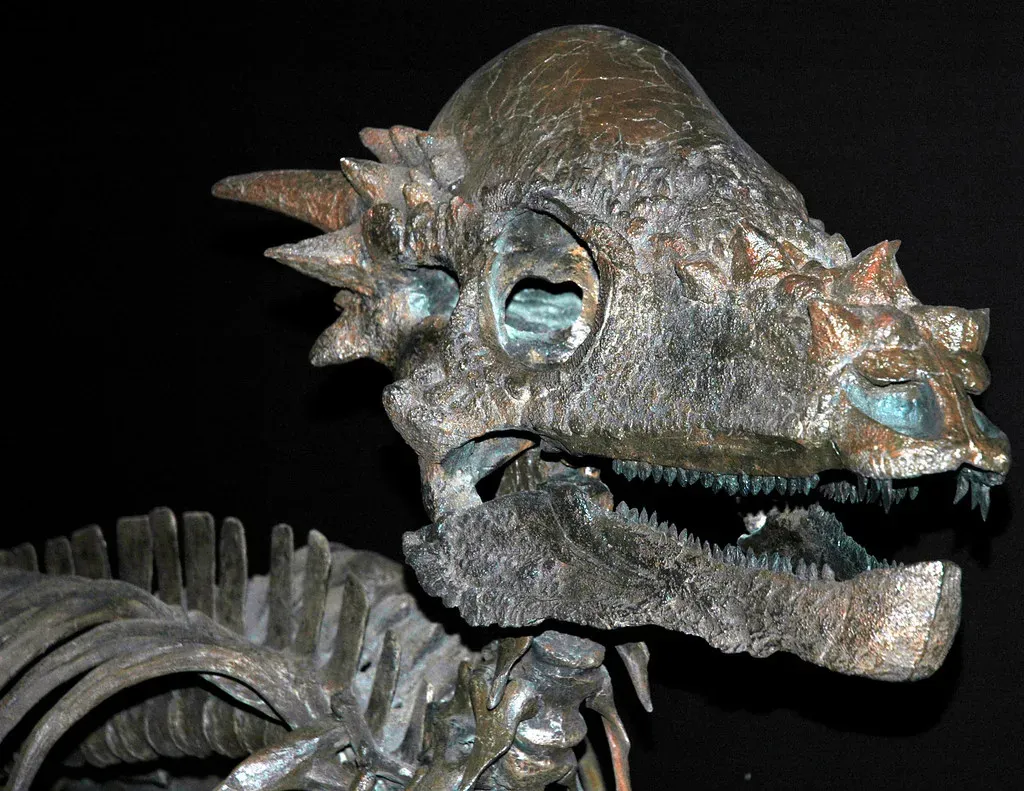
The old stereotype paints dinosaurs as huge but dim-witted, more like moving stomachs than genuinely complex animals. Brain size relative to body size in many species is indeed smaller than in mammals or birds, but that does not mean they were universally stupid. Studies of brain cavity shapes and sensory structures suggest that many predatory theropods had sharp senses and coordination, while some plant-eaters invested heavily in balancing massive bodies and processing huge volumes of food efficiently.
Behavioral clues from trackways and nesting sites hint at herding, parental care, and possibly even coordinated movement. There is evidence of some species returning to the same nesting grounds repeatedly or guarding eggs and hatchlings. While it is risky to romanticize dinosaur intelligence, the cartoon of a brainless, tail-dragging hulk has been replaced by a more nuanced view: a wide range of cognitive abilities, from minimal to surprisingly sophisticated, not unlike what we see across animals today.
12. The Dinosaur Story Is Basically Finished and Fully Understood
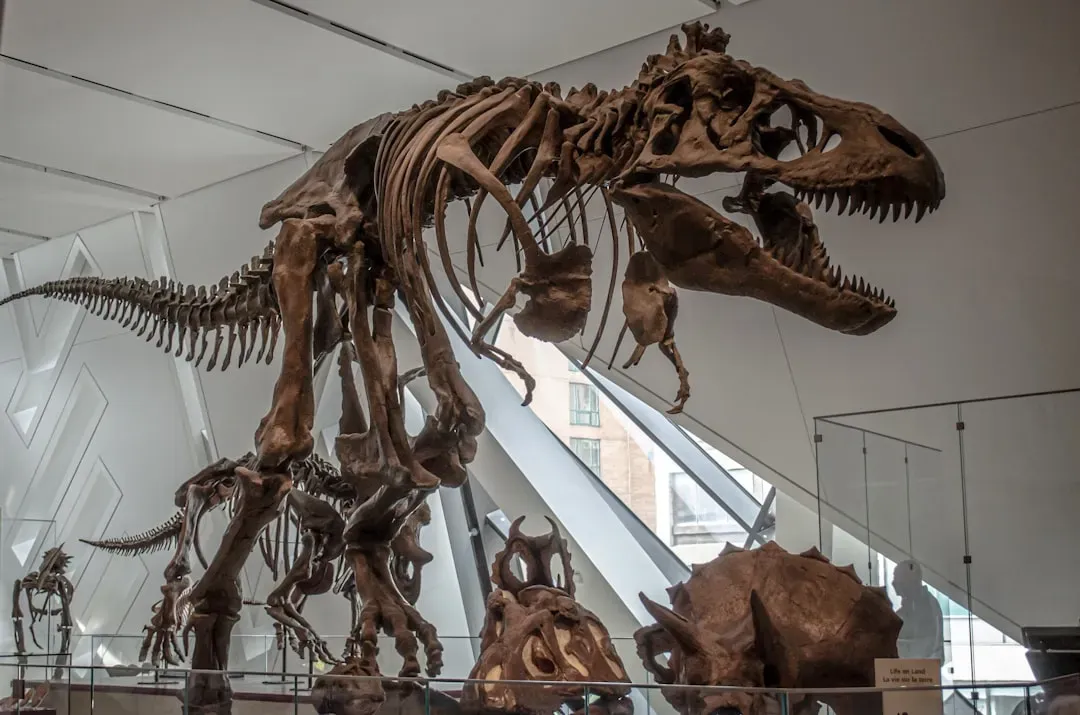
One of the quietest “facts” many of us absorbed in school is that dinosaurs were a mostly solved puzzle: the big discoveries had happened, the main players were known, and only minor details remained. The last thirty to forty years have blown that idea to pieces. New species are described almost every week, feathered fossils keep rewriting what we thought we knew about appearance, and updated dating methods reshape the timing of major evolutionary events.
Mass extinction triggers, dinosaur growth rates, social behavior, color patterns, even how some species breathed – none of these are fully settled; many are active battlegrounds of data and interpretation. From my perspective, that uncertainty is not a weakness but the real thrill of the field. Dinosaurs are not a closed chapter; they are an ongoing investigation where tomorrow’s fossil can upend today’s story. Whenever someone claims the science is “done,” that is usually your cue that the plot is about to twist again.
Conclusion: Letting Go of Childhood Dinosaurs Makes the Real Ones Even Better
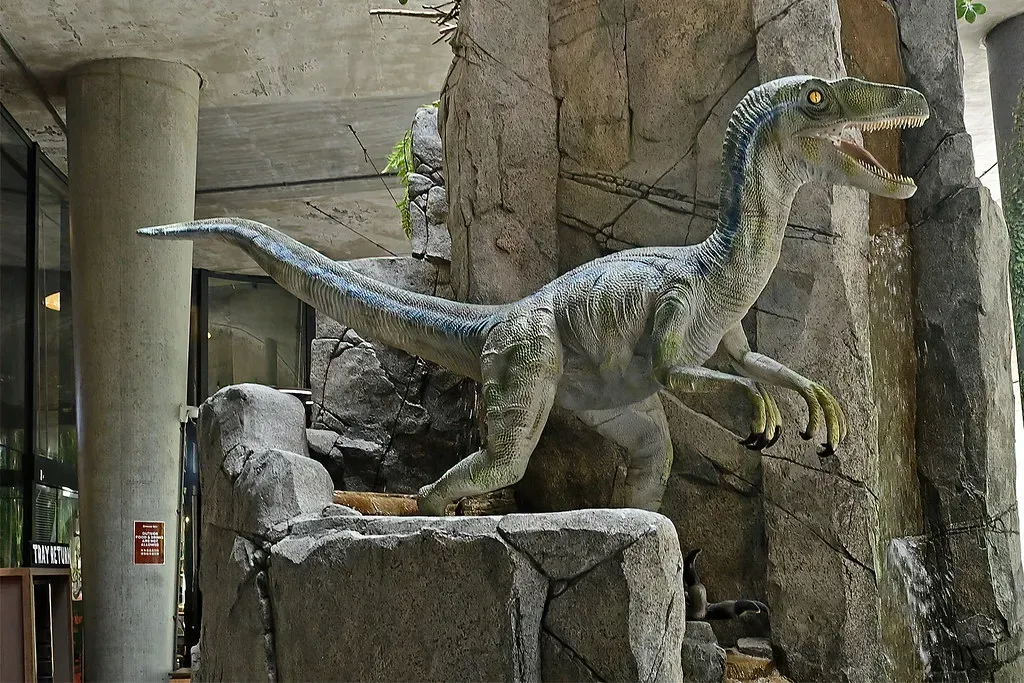
It can feel a bit like losing a favorite childhood toy to realize that so many classroom dinosaur “facts” were half-truths, guesses, or simply wrong turns that got stuck in the public imagination. The swamp monsters, tail-draggers, and brainless behemoths are hard to let go of, partly because they are tied to how we first fell in love with these animals. But when you look at what has replaced them – feathered predators, climate-adapted migrants, social herds, and living bird descendants – the trade is more than worth it. The new dinosaurs are stranger, sharper, and far more alive in our minds than the cardboard versions we grew up with.
To me, the most important lesson is not about any single corrected detail but about how scientific knowledge itself constantly mutates. Every time paleontologists admit they were wrong about something big, it is a sign that the system is working, not failing. If our picture of dinosaurs can flip from swamp lizards to warm-blooded, feathered survivors, what else that we take for granted today is waiting to be rewritten? And when the next generation looks back at our current dinosaur “facts,” what do you think they will laugh at first?