Picture the incredible power of hydraulic machinery tearing through metal like paper. Now imagine that same crushing force concentrated in the jaws of living creatures that once dominated our planet. When you consider that modern trucks are built to withstand tremendous forces, the idea that any ancient predator could actually crush one seems almost impossible. Yet recent scientific advances in biomechanical modeling and fossil analysis reveal shocking truths about dinosaur bite capabilities that would make even the toughest modern vehicle look fragile by comparison.
The raw numbers behind these prehistoric powerhouses tell a story of evolutionary engineering that puts human technology to shame. Let’s explore twelve dinosaurs whose jaws could genuinely flatten automotive steel with crushing forces that defy imagination.
Tyrannosaurus Rex – The Undisputed Bone-Crushing Champion
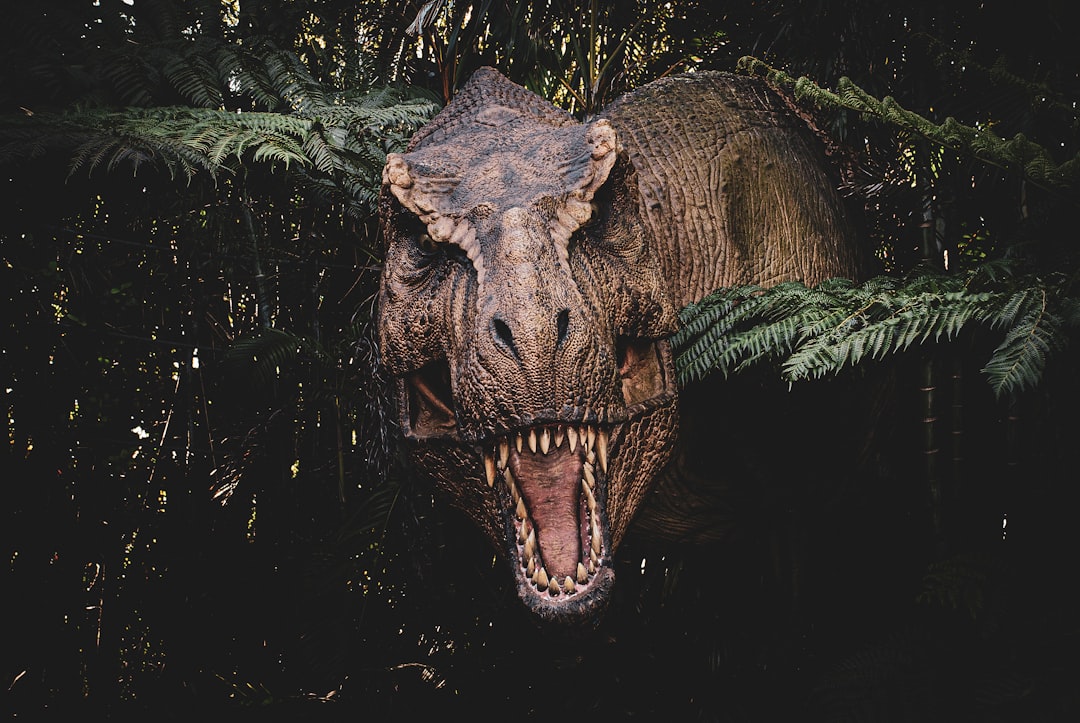
Recent biomechanical studies using computer models have revealed that T. rex could deliver a maximum bite force of nearly 35,000 to 57,000 newtons, equivalent to about 12,800 pounds of crushing power. This incredible force represents what scientists describe as “the equivalent of an adult T. rex sitting down on top of you” in terms of pure crushing pressure.
That’s more than four times higher than previous estimates and ten times as forceful as the bite of a modern alligator. To put this in perspective, modern car crushers used in junkyards typically exert between 3,000 to 4,000 pounds of pressure. With a bone spanning its jaw joint, T. rex could have generated bite forces of more than 6 metric tons, about the mass of a large male African elephant.
Torvosaurus – The Jurassic Powerhouse
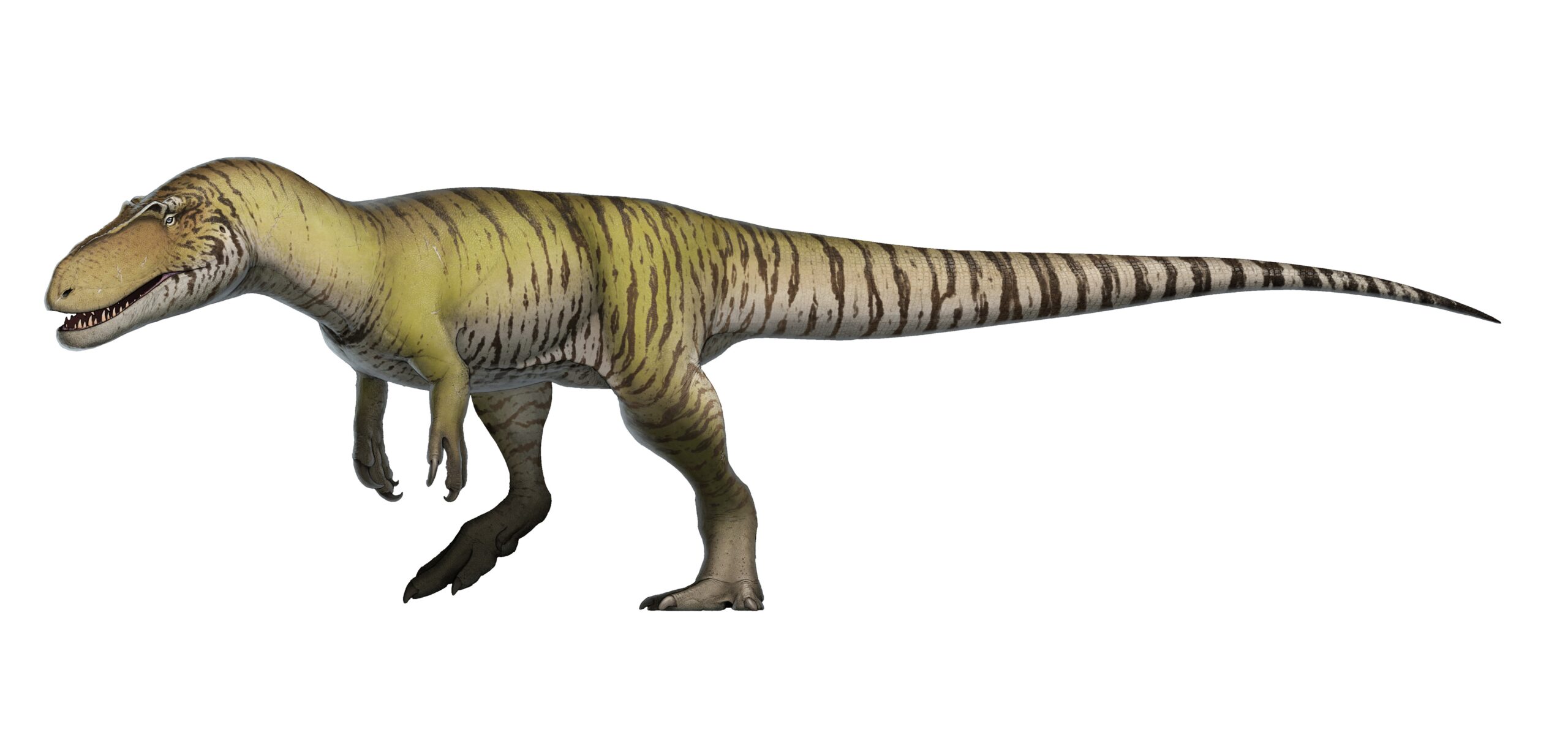
This massive Jurassic predator possessed an estimated bite force between 12,000 to 18,000 pounds per square inch, closely rivaling T. rex in terms of raw bite force. Despite living approximately 70 million years before T. rex, Torvosaurus demonstrated that devastating bite power evolved early in dinosaur history.
Growing to lengths of about 11 meters (36 feet), this heavily-built carnivore was among the largest predators of the Late Jurassic, competing with giants like Allosaurus for dominance. Based on bone morphology, Torvosaurus is thought to have had short but very powerful arms, making it a formidable hunter capable of taking down the largest prey of its time.
Giganotosaurus – The Giant Southern Lizard
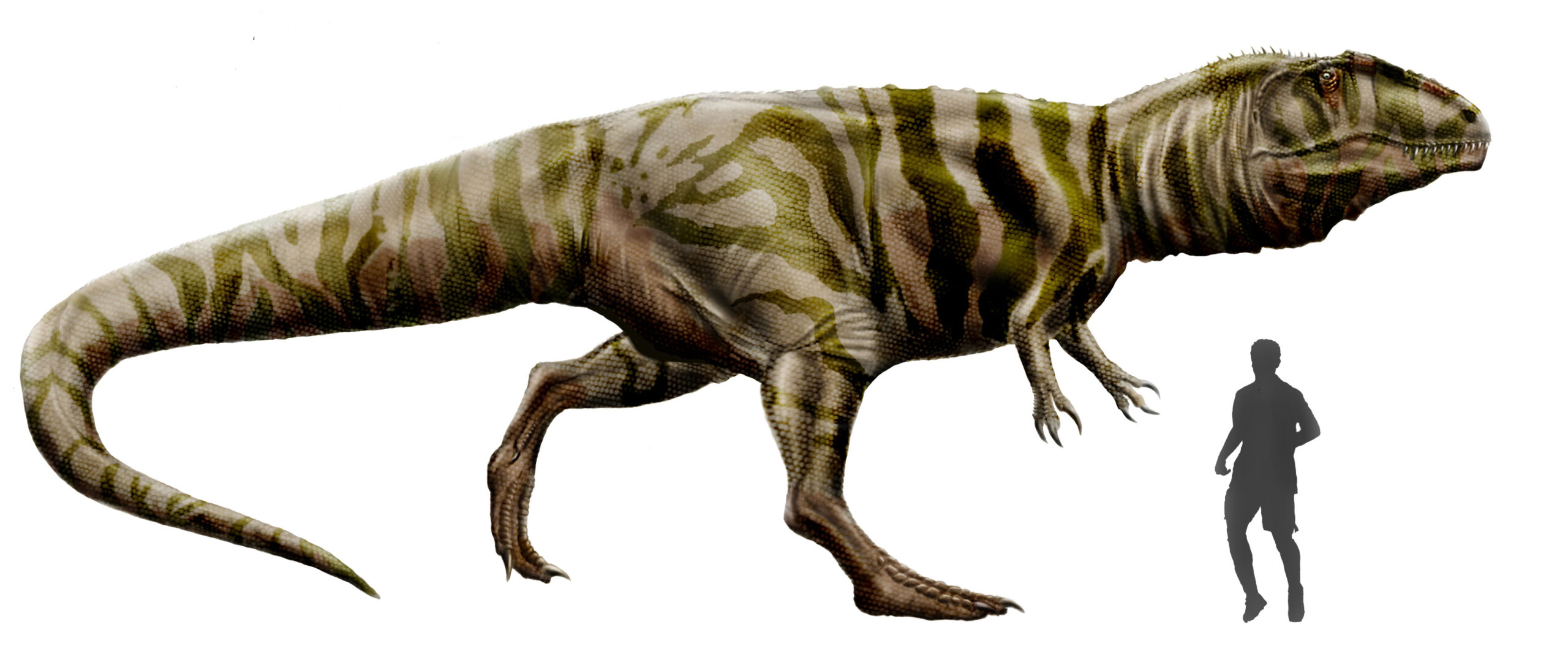
This South American giant boasted a bite force of approximately 11,000 pounds, while other estimates suggest bite forces ranging from 5,000 to 6,000 pounds per square inch, with recent studies showing it could exert up to 25,450 newtons. Standing as one of the largest land predators ever discovered, Giganotosaurus evolved alongside massive sauropods that required exceptional jaw strength to subdue.
Its biggest feature was a large and narrow long mouth with very sharp but thin teeth, with a skull measuring about 1.8 meters long and jaws full of razor-sharp teeth 9 to 13 centimeters long. This predator specialized in delivering slashing wounds to massive prey, using an “attack and wait” strategy that relied on blood loss to weaken victims.
Daspletosaurus – The Frightful Tyrant
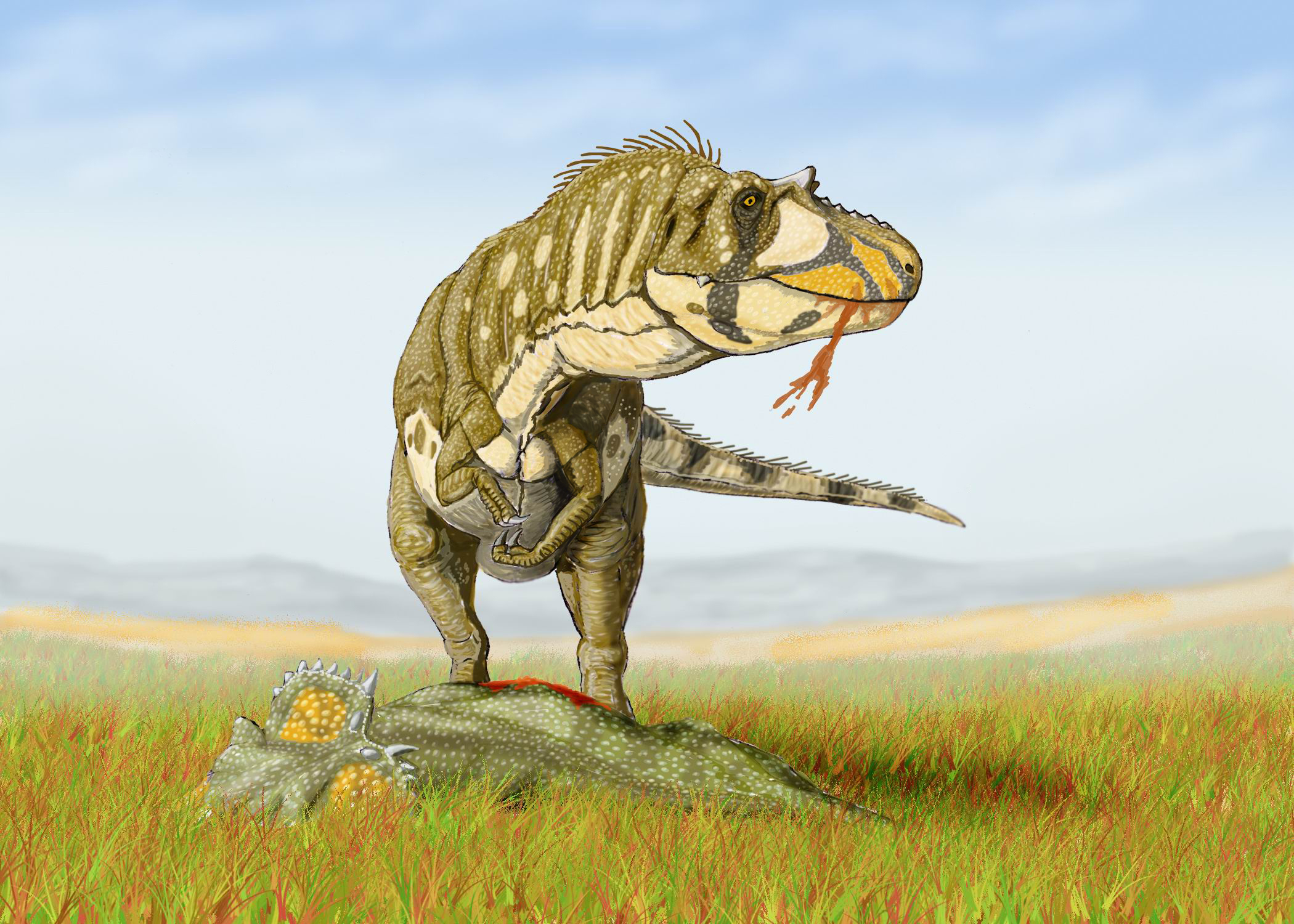
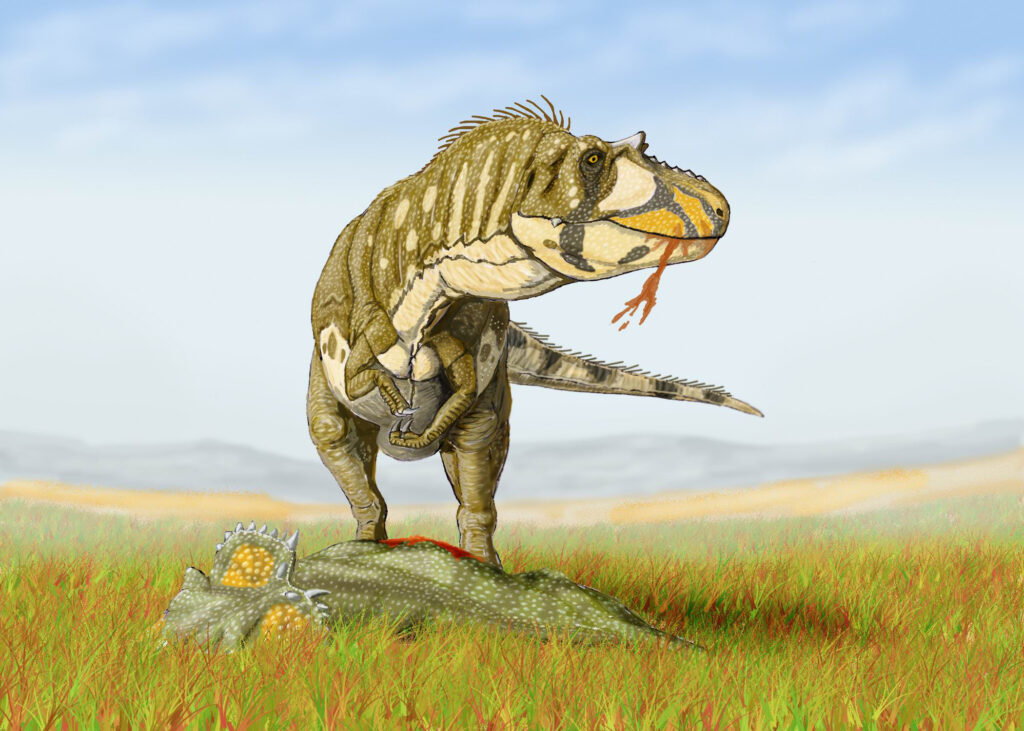
Scientific studies estimate Daspletosaurus had a bite force of approximately 16,641 newtons, making it one of the most powerful biters among smaller tyrannosaurs. Despite being smaller than its famous cousin T. rex, this predator packed incredible jaw strength that could easily crush bone and cartilage.
With bite force estimates ranging from 4,600 to 5,000 pounds per square inch, Daspletosaurus represented the evolutionary stepping stone toward the ultimate tyrannosaur jaw design. This dinosaur lived approximately 75 million years ago and demonstrated that powerful bite force was already a key tyrannosaur trait long before T. rex dominated the landscape.
Acrocanthosaurus – The High-Spined Crusher
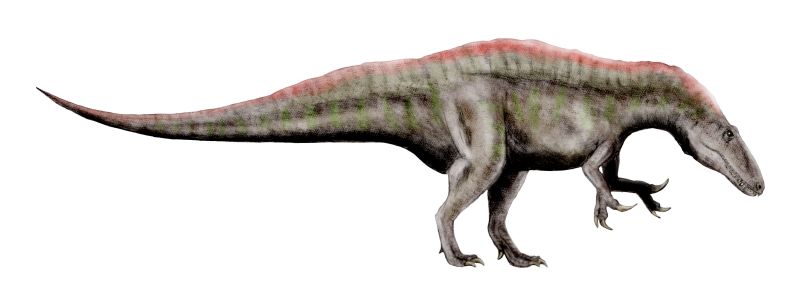
According to recent scientific analysis, Acrocanthosaurus had a bite force at the anterior part of its jaws of 8,266 newtons, while the posterior bite force was estimated at 16,894 newtons. This massive Early Cretaceous predator used its sail-like back ridge and powerful jaws to dominate North American ecosystems.
Among the largest theropods known to exist, with an estimated body length of 11.0–11.5 meters and body mass estimates between 4.4 and 8.4 metric tons, Acrocanthosaurus combined size with crushing power. Some estimates place its bite force between 8,000 to 9,000 pounds per square inch, making it a formidable apex predator capable of taking down the largest herbivores of its time.
Tarbosaurus – The Asian Tyrant King
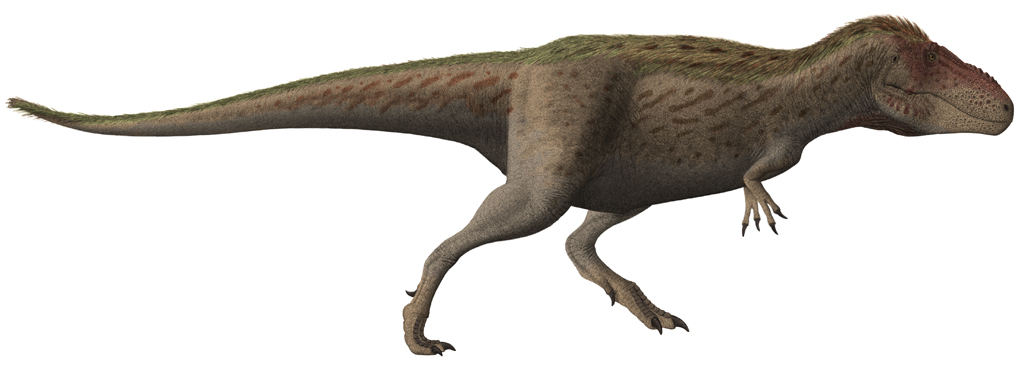
Tarbosaurus was basically a smaller, slightly weaker version of Tyrannosaurus rex, with an estimated bite force of around 8,000 pounds per square inch. It had a mighty bite force that was up to 10,000 pounds, enough to puncture metal and break bones.
Living in what is now Mongolia and China during the Late Cretaceous, this Asian tyrannosaur demonstrated that devastating bite force evolved independently across different continents. Measuring about 36-39 feet long, Tarbosaurus had similar vision and intelligence to Tyrannosaurus, making it a highly effective predator that could crush prey with bone-shattering force.
Carcharodontosaurus – The Shark-Toothed Lizard
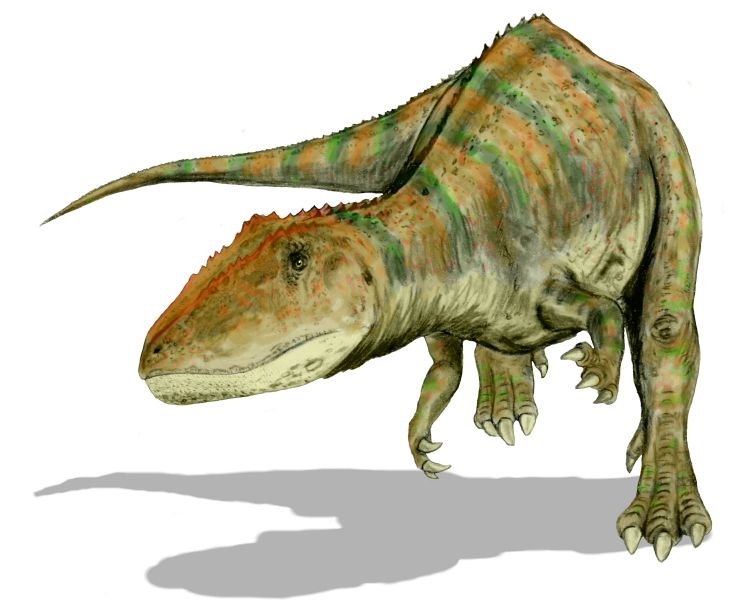
The shark-toothed lizard possessed a bite force of 4,000 pounds, while recent scientific studies estimate Carcharodontosaurus saharicus had a bite force of 16,984 newtons. This massive African predator earned its name from teeth that resembled those of great white sharks, designed for slicing through flesh with devastating efficiency.
Measuring an average length of 40 feet and weighing 6-8 tons, it possessed two very powerful arms and razor-sharp serrated teeth. Living in what is now North Africa during the Cretaceous period, Carcharodontosaurus competed with Spinosaurus for dominance in one of the most dangerous ecosystems ever known.
Spinosaurus – The Semi-Aquatic Giant
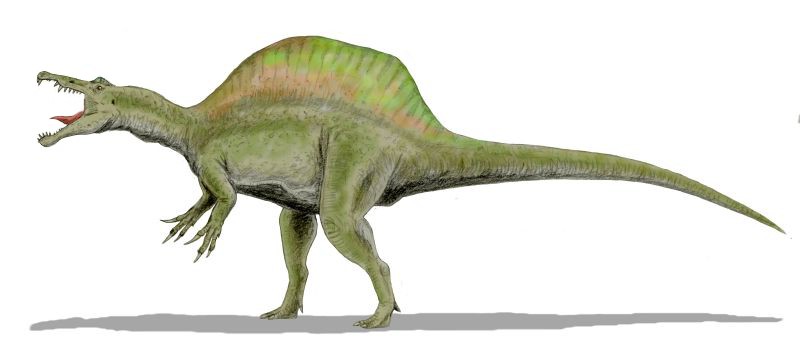
The “spine lizard” could exert a force of 4,200 pounds per square inch, while scientific analysis suggests Spinosaurus had a bite force of just under 12,000 newtons. Though this seems modest for the largest known predatory dinosaur, this bite force was perfectly adapted for its unique lifestyle.
Spinosaurus showed adaptations advantageous for generating relatively faster shutting speeds with less muscle input force at the expense of raw bite power, perfect for its semi-aquatic fishing lifestyle. Despite the specialized design for aquatic prey, this massive predator’s jaws could still generate enough force to crush modern automotive parts with ease.
Allosaurus – The Hatchet-Wielding Hunter
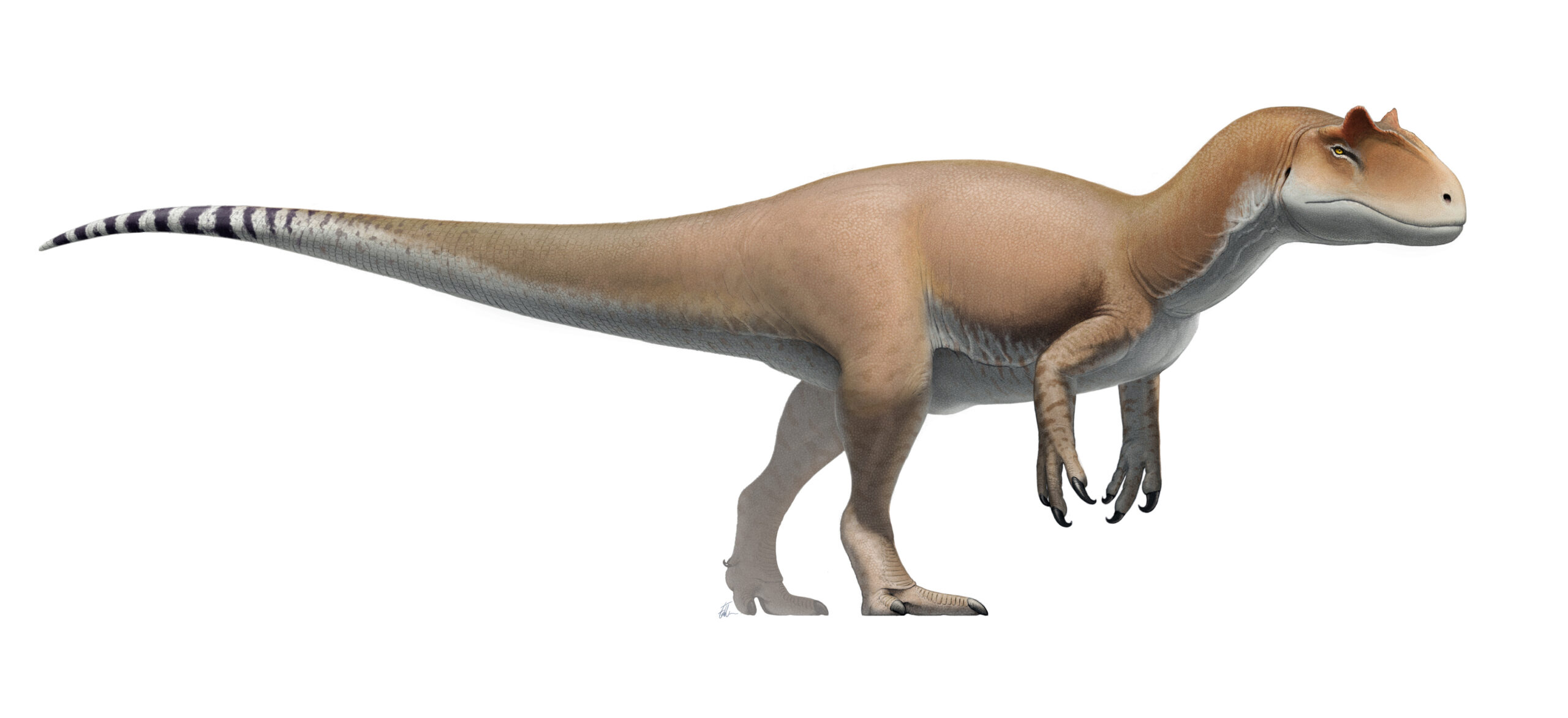
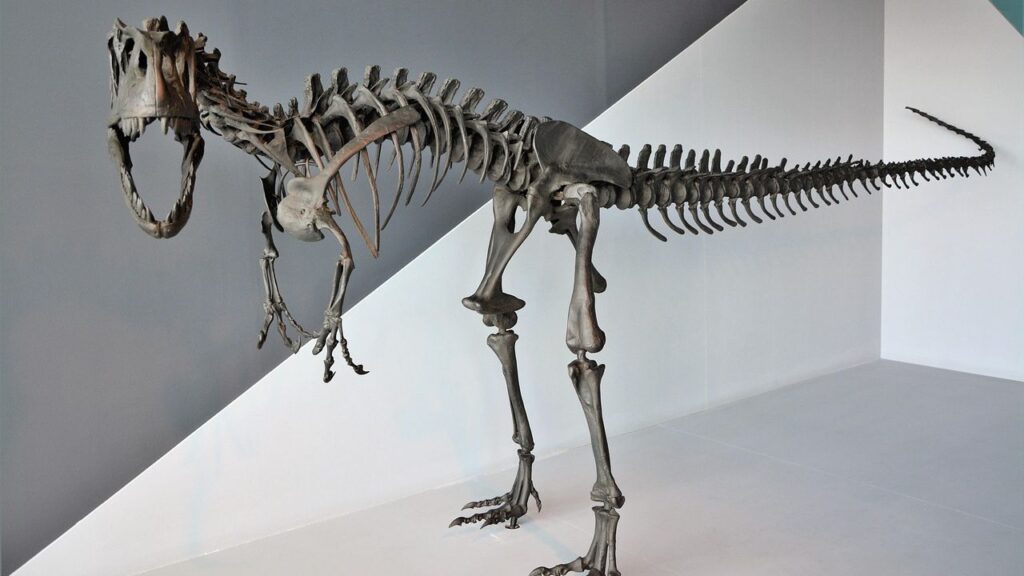
Allosaurus could deliver what scientists call a “hatchet chop bite” with forces estimated at around 1,500 to 2,000 newtons, though some estimates suggest bite forces between 2,000 to 3,000 pounds per square inch, or even up to 9,000-11,000 pounds per square inch for its specialized hatchet chop attack.
This Jurassic predator employed a unique hunting strategy that relied more on slashing attacks than pure crushing power, using its head like a “20 knife pointed hammer” to cause deep, bleeding wounds. While not matching the crushing power of later tyrannosaurs, Allosaurus compensated with 40% more neck muscle mass than T. rex relative to body size.
Carnotaurus – The Meat-Eating Bull
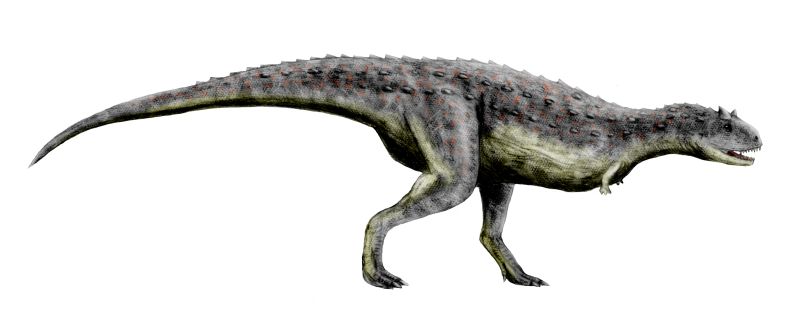
Carnotaurus possessed a bite force of approximately 7,172 newtons, making it a powerful predator despite its unusual horned skull design. This South American abelisaurid was built for speed and power, combining devastating bite force with incredible running ability.
Nicknamed the “meat-eating bull” for good reason, its horned skull and powerful jaws made it a fearsome sight in Late Cretaceous Argentina. The dinosaur’s bite was concentrated through a relatively small jaw area, creating incredible pressure per square inch that could easily puncture even the toughest materials.
Gorgosaurus – The Fierce Tyrannosaur
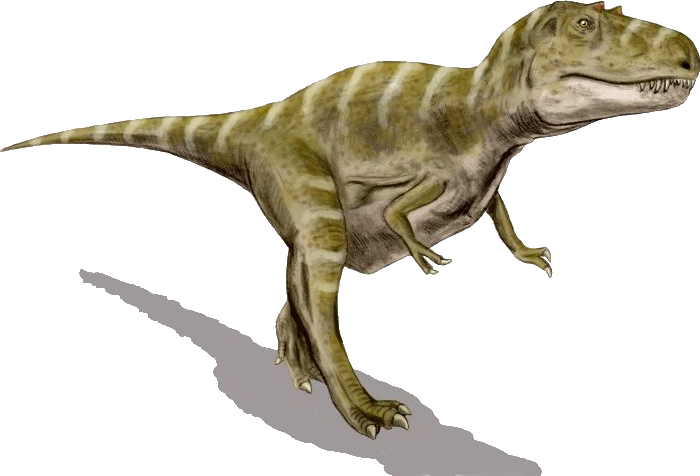
Scientific studies estimate Gorgosaurus had a bite force of approximately 13,817 newtons, placing it among the most powerful biters in the tyrannosaur family. This earlier relative of T. rex demonstrated that crushing jaw power was already well-developed in smaller tyrannosaur species.
Living approximately 75 million years ago in what is now North America, Gorgosaurus represented an important evolutionary step toward the ultimate tyrannosaur design. Its bite force was sufficient to crush the bones of large herbivorous dinosaurs, making it an apex predator in its ecosystem long before T. rex appeared on the scene.
Ceratosaurus – The Horned Crusher
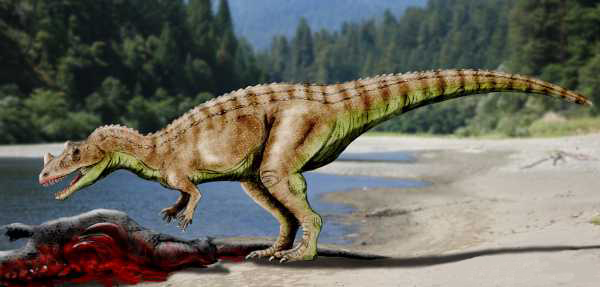
Ceratosaurus possessed a bite force ranging from 900 to 1,100 pounds per square inch, which while lower than some mega-predators, was concentrated through a unique skull design featuring a prominent nasal horn. This Jurassic theropod used its powerful jaws and distinctive appearance to dominate its territory.
The dinosaur’s bite was enhanced by robust skull construction and powerful jaw muscles that could deliver crushing blows to prey. Though smaller than later giants like T. rex, Ceratosaurus demonstrated that effective bite force design appeared early in theropod evolution, with jaw mechanics that could easily crush materials far stronger than modern truck components.
Conclusion
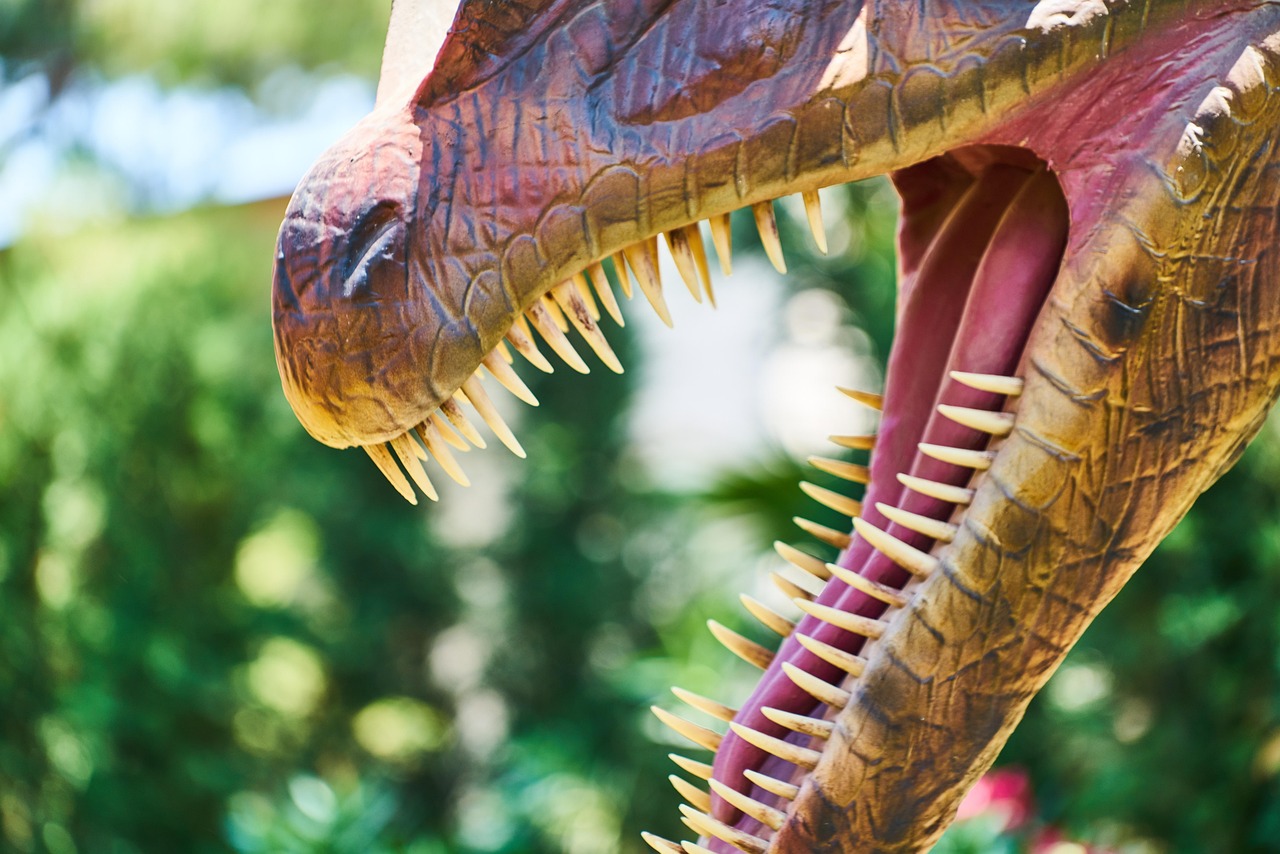
The sheer crushing power of these prehistoric giants reveals just how perfectly evolution engineered these apex predators for their roles as nature’s ultimate destroyers. The ability to exert significant bite force was a crucial evolutionary trait for many dinosaurs, aiding in hunting, defense, and feeding strategies, providing insight into their behavior and ecological roles. When you consider that modern vehicles require specialized industrial equipment to be crushed, the fact that these living creatures could generate such devastating force through biological means seems almost supernatural.
These twelve dinosaurs represent the pinnacle of biological crushing power, each evolved to tackle different prey and environments with jaw strength that puts our most powerful machines to shame. What do you think about these incredible bite force capabilities? Tell us in the comments.