
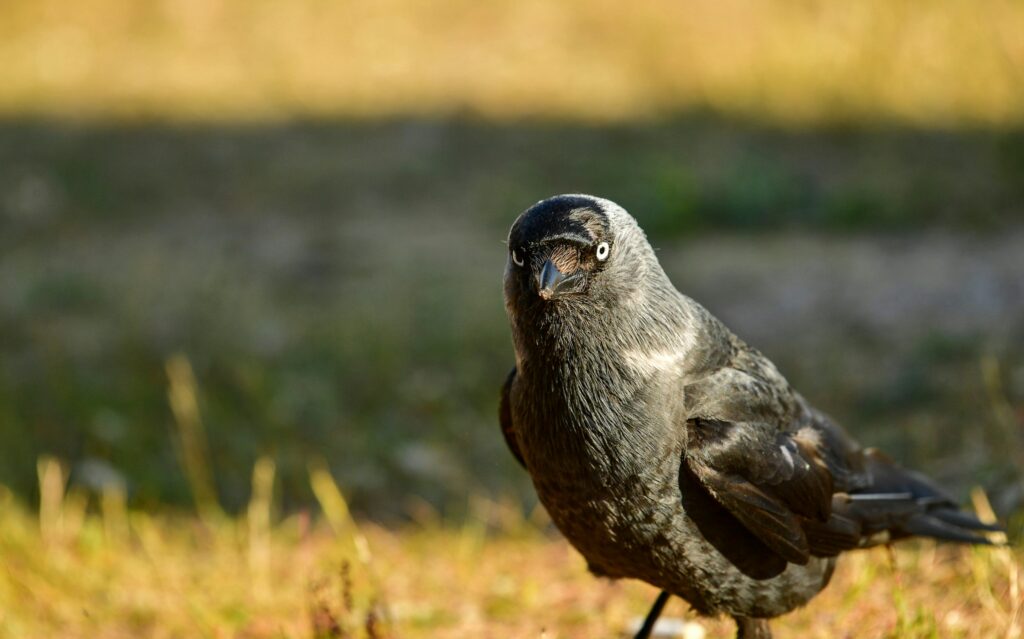
Walk past a noisy group of crows and you might just feel watched. That is not your imagination. For years, scientists have been quietly discovering that crows are doing things we once thought only humans, great apes, or maybe dolphins could pull off. From recognizing faces to solving logic puzzles, these birds keep breaking the rules we tried to write about animal intelligence.
What makes this so gripping is not just that crows are smart, but how their intelligence shows up: in tiny decisions, sneaky strategies, and eerie moments of insight that feel uncomfortably familiar. The more carefully researchers test them, the stranger the results become. It is like realizing your chatty neighborhood crow has been running a low‑key science fiction story in the background of your daily life.
Below are twelve real research lines and classic experiments that crows have passed, often in ways nobody expected. Some are famous, some are lesser known, but together they paint a picture of a bird mind that is flexible, social, and surprisingly strategic. By the end, you may never look at a crow the same way again.
#1 Recognizing Human Faces And Holding Grudges
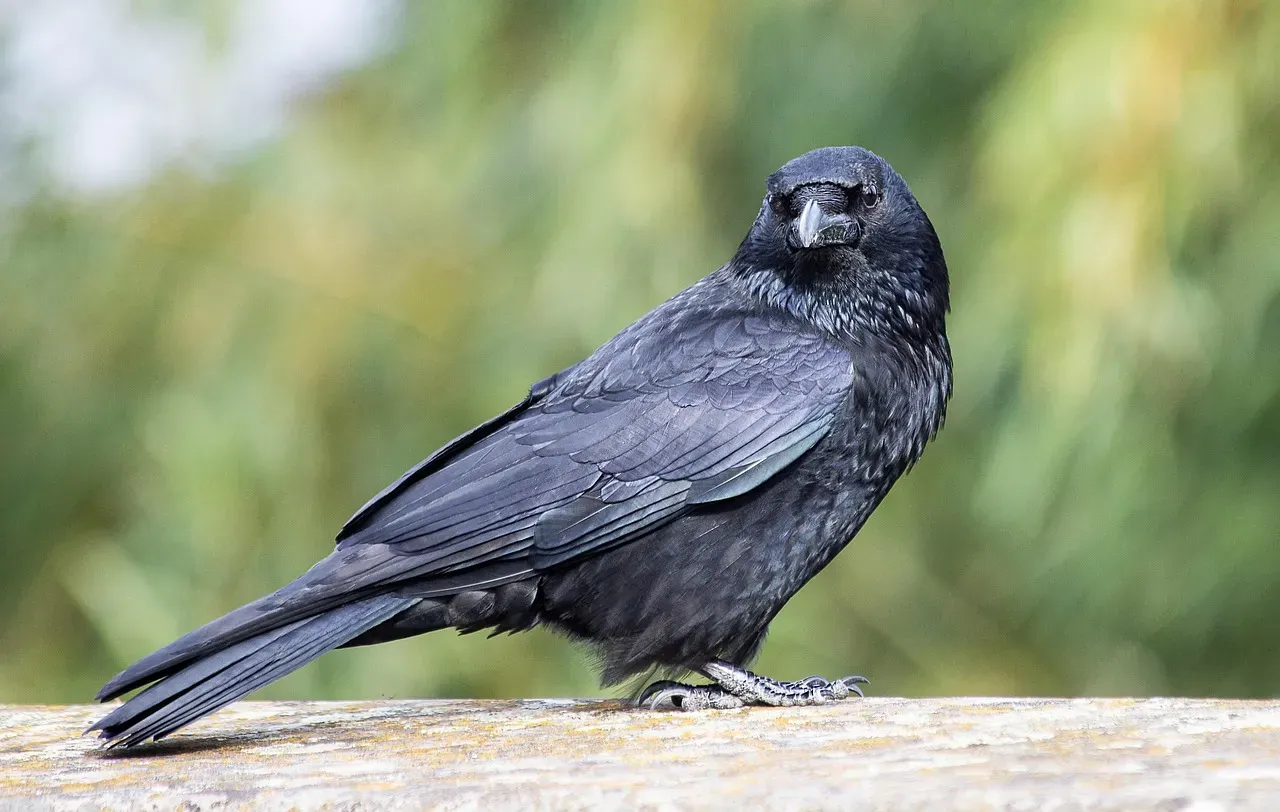
One of the most unsettling findings about crows is that they can remember individual human faces for years. In controlled field experiments, researchers wore specific masks while trapping and banding wild crows. Those masked humans were not just noticed on the day of capture; months and even years later, crows reacted aggressively to the same mask, even when worn by a different person walking through campus or a park.
This was not a random burst of noise either. Crows gave particular alarm calls when they saw the “dangerous” face, mobbed the person, and sometimes recruited other crows that had never been captured but seemed to learn socially that this face meant trouble. Neutral or “safe” masks, by contrast, barely drew a response. That pattern makes it clear they were tracking specific visual features of a face, not just clothing or body shape.
What really shocked people was the persistence of the memory. Follow‑up observations showed that crows recognized and reacted to the dangerous face after several breeding seasons, long after a typical bird encounter would be forgotten. In human terms, that is like remembering which stranger jostled you at a concert years ago and still crossing the street when you spot them. The experiment forced scientists to admit that these birds keep long personal “files” on us in their heads.
In a nutshell, researchers saw that crows:
- Distinguished individual human faces, not just broad categories like “person” or “predator.”
- Maintained those memories across multiple years and seasons.
- Shared social information so others learned who to avoid.
Once you know that, being rude to a crow suddenly feels like a long‑term investment in bad PR.
#2 Using Tools To Reach The Unreachable
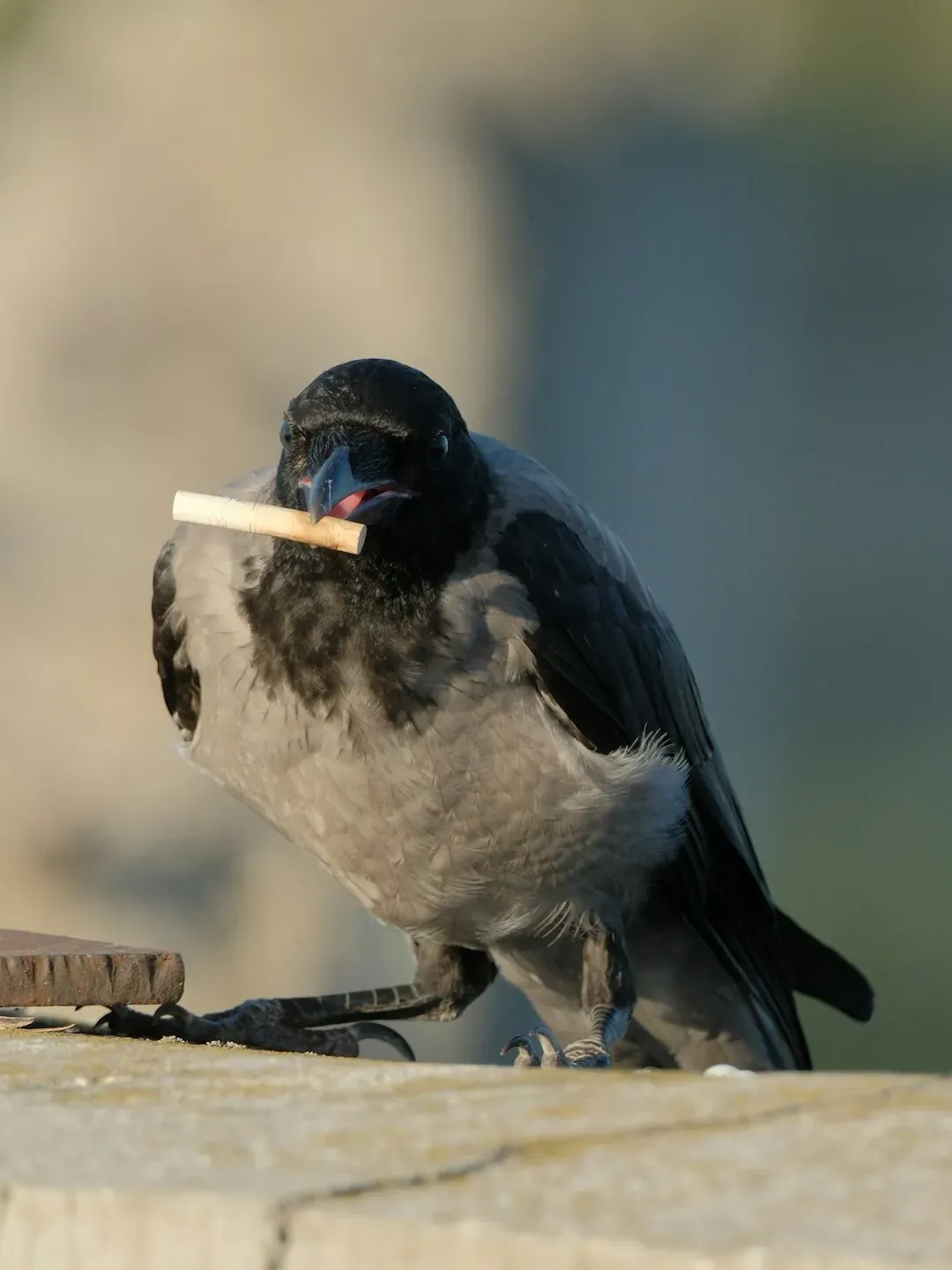
Tool use is often treated as a big dividing line in animal cognition, and crows keep stomping all over that line. In classic lab experiments with New Caledonian crows, birds were given hard‑to‑reach food, such as meat placed deep inside a tube. With no training in human workshops, they learned to pick up sticks, twigs, or specially shaped rods and insert them into the tube to drag or spear the food out.
That alone would be impressive, but these crows do not just grab any stick. In the wild, they manufacture hooked tools by carefully shaping twigs or cutting leaves into specific patterns, making them more effective. Laboratory tests showed that when offered a choice between a naturally shaped stick and a well‑designed hook or barbed tool, crows often preferred and used the better tool, suggesting they understand efficiency, not just random trial and error.
Scientists have watched them adjust their grip, rotate the tool, and even swap tools if something better becomes available. You can imagine one crow internally thinking, “This twig is fine, but that hooked one will grab more meat,” and acting accordingly. While we do not know what that inner experience actually feels like, their behavior mirrors how a human might reach for a better screwdriver when the first one keeps slipping.
Summarizing what surprised researchers about crow tool use:
- They do not just use tools; they manufacture them in specific shapes.
- They choose more efficient tools when given options.
- They flexibly adjust how they use tools depending on the task.
For an animal with a brain the size of a walnut, that level of object manipulation was far beyond what most people expected.
#3 Bending Wire Like Tiny Engineers
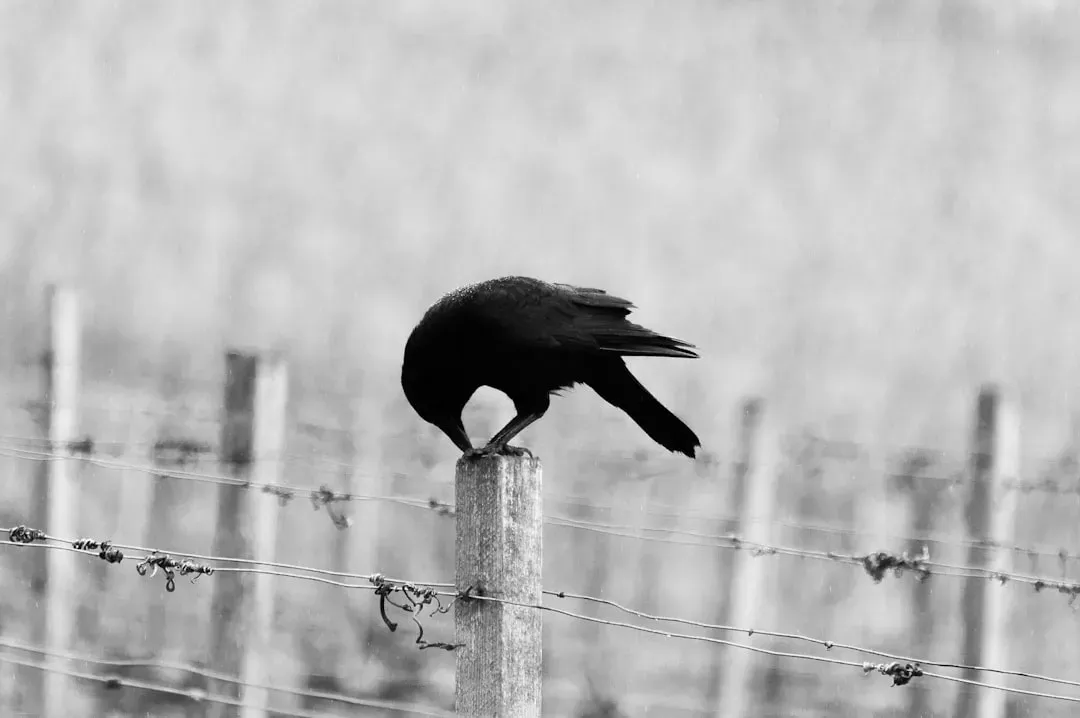
One of the most famous crow experiments involved nothing more glamorous than a piece of straight garden wire. In a well‑known test, a crow was given a vertical tube with a food bucket at the bottom and a straight wire nearby. There was no pre‑shaped hook, no obvious solution. To the astonishment of the research team, the bird bent the wire into a hook shape with its beak and feet, then used the homemade hook to lift the bucket out.
This was the sort of moment that makes scientists double‑check their cameras. The crow had never seen wire used that way before and had not been directly trained to bend objects into tools. It seemed to spontaneously see the wire not as “just a thing,” but as raw material. Somewhere in that bird brain, there was an understanding that a hook could catch the handle, and that a straight piece of metal could be reshaped into that hook.
Later experiments tested whether this was just a one‑time stroke of luck. Other crows were given similar wire‑and‑bucket challenges, sometimes with more complex tool shapes required. Repeatedly, birds came up with bent tools that did the job, sometimes trying a few variants before settling on one that worked. This looked less like random flailing and more like a rough design process, scaled down into a few rapid body movements.
From a human perspective, that wire‑bending experiment may be one of the clearest glimpses into crow problem‑solving. It suggests:
- An ability to imagine a useful shape that does not yet exist.
- Understanding that materials can be transformed for a purpose.
- Rapid adaptation when early attempts are not perfect.
It is hard not to see a faint reflection of our own tool‑making instincts in that small act of bending metal.
#4 Solving Multi‑Step Puzzles And “Insight” Problems
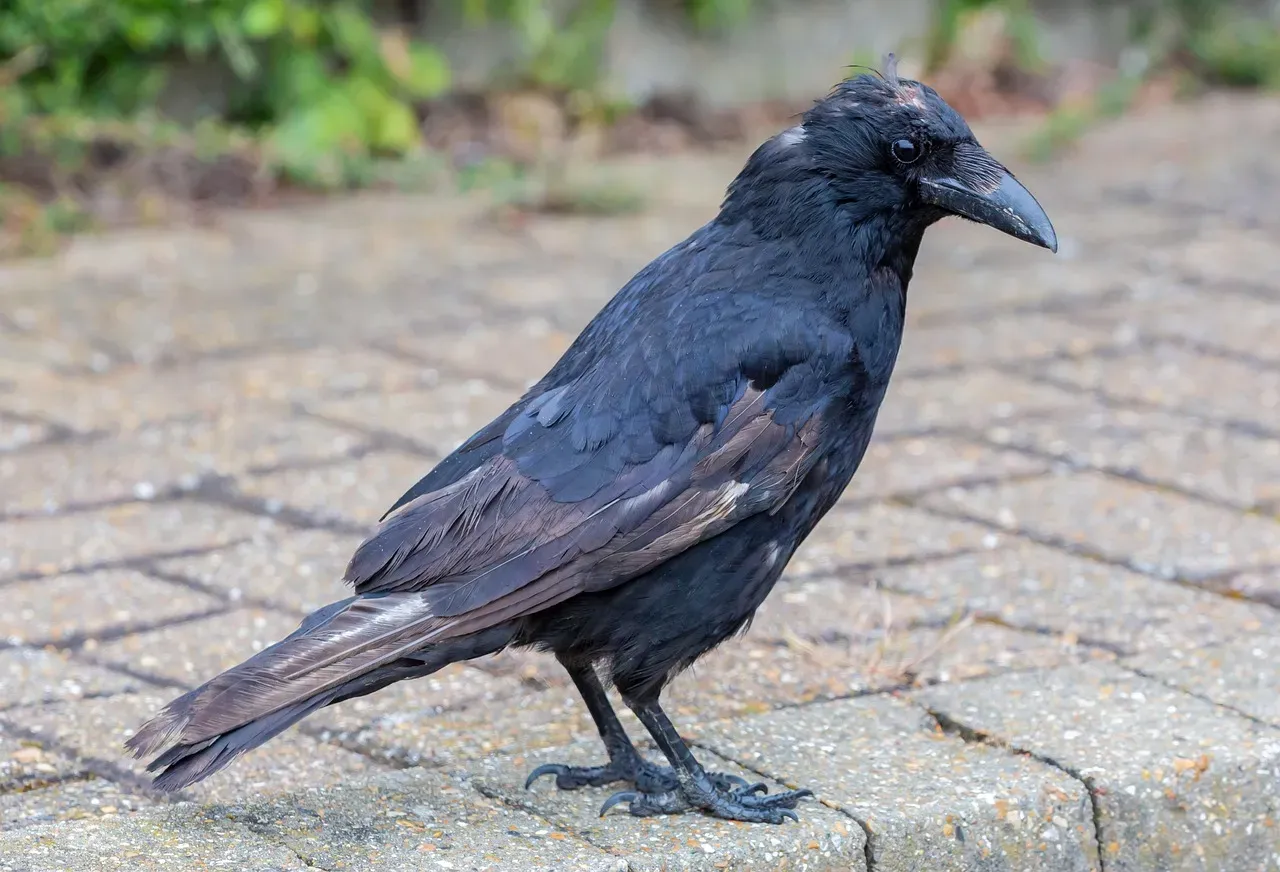
Single‑step tricks are one thing; chained, multi‑step puzzles are another. In several experiments, crows were challenged with tasks that required at least two or three separate actions in the right order to get food. For example, a crow might have to pull up a string to get a tool, use that tool to get a second tool from a new location, and then use that second tool to finally access the reward.
Humans often treat that kind of chained reasoning as something special, almost magical, because it suggests the animal is mentally holding different steps in mind instead of just reacting to what is immediately in front of them. Crows, however, worked through many of these tasks with a speed and determination that stunned observers. They sometimes paused and looked, as if mentally rehearsing the sequence, then suddenly executed the correct steps in order.
What is interesting is not just that they eventually succeeded, but how efficiently they did it once they figured out the basic structure of a problem. After a few exposures, they would often repeat the same sequence with fewer errors, as if the entire chain had been compressed into a mental routine. That looks less like blind trial‑and‑error and more like a small, bird‑sized version of planning.
Key takeaways from multi‑step puzzle experiments include:
- Crows can hold intermediate goals in mind, not just immediate rewards.
- They improve quickly with practice, suggesting a form of procedural learning.
- Their pauses and “inspection” behavior hint at internal problem‑solving, not mechanical reflexes.
I still remember the first time I watched a video of such a trial; it felt like watching a tiny locksmith work through a complicated lock.
#5 Understanding Water Displacement Like Mini Physicists
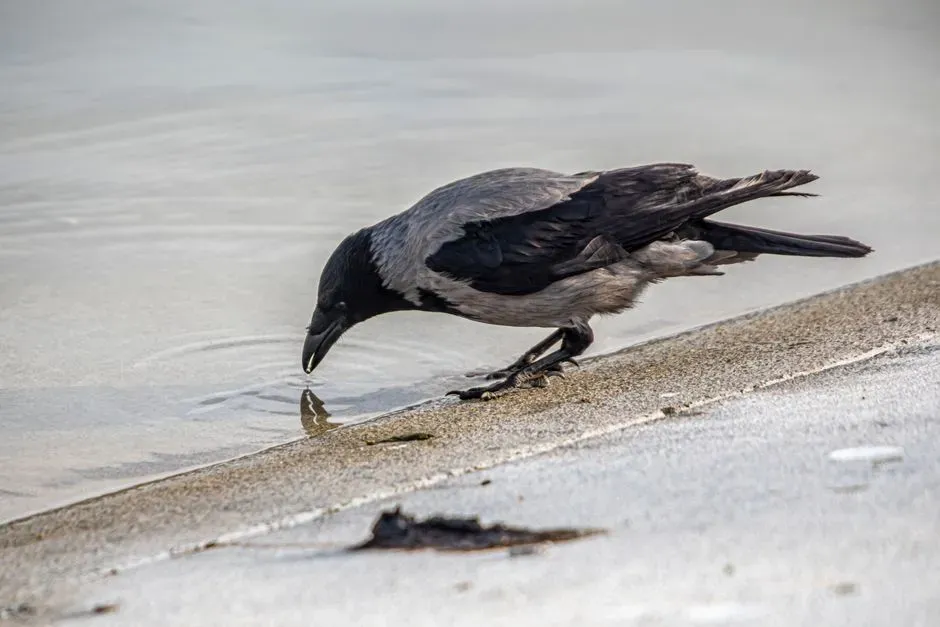
One of the most mind‑bending kinds of tests given to crows borrowed an old fable concept: stones in a pitcher. Researchers filled a tall tube with water and floated a treat on the surface, but the water level was too low for the crow to reach with its beak. Nearby lay small stones and larger, heavier objects. The question was whether the birds could work out how to raise the water level.
Many crows did exactly what we tell children in that classic story. They picked up the heavy objects and dropped them into the tube, one by one, watching the water level rise until the floating reward came within reach. When lighter, less effective items were mixed in, birds often preferred the denser ones that caused a bigger rise in water height, suggesting they were tracking what actually worked instead of just throwing in anything at random.
Later versions of the experiment became trickier: tubes of different widths, floating items that sank, or water levels that could not be changed. Even when they did not pass every single variant, the overall pattern showed that crows grasped at least some underlying physical relationships. They seemed to understand that adding volume below displaces water upward, even if they could not write down the equations.
In more human language, these water displacement trials suggest crows:
- Notice cause and effect between their actions and changing water levels.
- Prefer more effective objects after brief experience, showing rapid learning.
- Struggle with some abstract variations, reminding us their “physics” has limits.
Still, the fact that a bird can use a principle we teach in school science classes is something almost nobody expected when these studies began.
#6 Planning For Tomorrow And Hiding Food Strategically
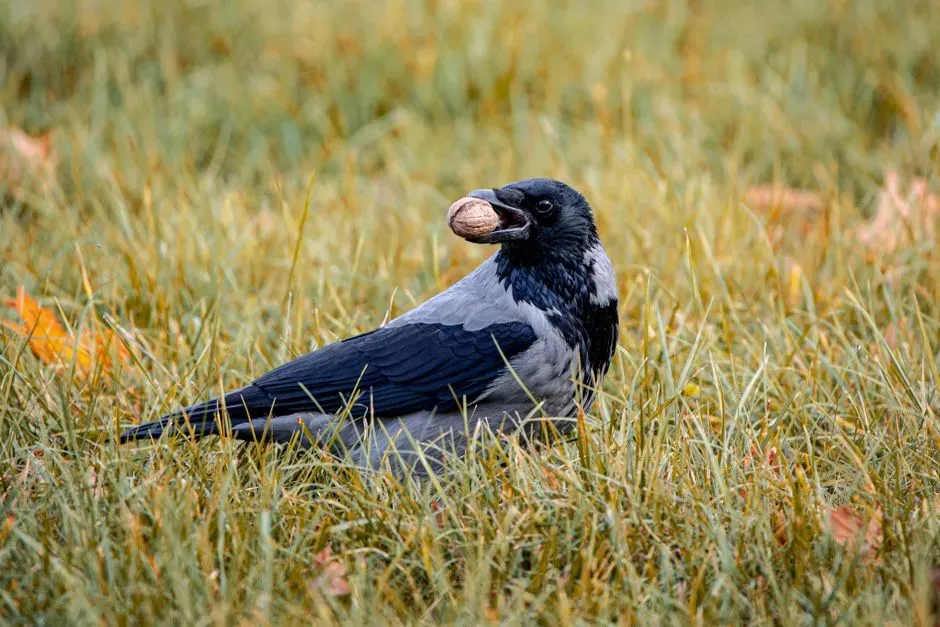
Crows are not just clever in the moment; they also think ahead, especially when it comes to food. In the wild, many crow and jay species cache food in dozens or even hundreds of hiding spots. Later, they recover those caches based on memory of location, type of food, and how long it has been stored. Experiments have taken this natural behavior indoors, testing just how far their planning really goes.
In controlled setups, crows and related corvids were given chances to hide food while being watched by another bird, versus when alone. They showed a striking habit: when they knew a competitor had seen them cache food, they sometimes returned later and re‑hid it somewhere else, apparently trying to outsmart potential thieves. That suggests they were not only remembering where their own food was, but also modeling what another individual might know.
Other work has looked at how they plan for future scarcity. Some birds were given access to a favorite food in one setting but not in another, over repeated days. Eventually, they began storing more of that specific food when they were in the location where it tended to be absent later. In plain terms, they behaved as if they were thinking, “I will want this tomorrow when I am here, so I should stash it now.” That nudges into the territory of future‑oriented decision making, which many people once claimed only humans could do reliably.
For me, this is where crows start to feel eerily familiar. Their behavior around caching and re‑caching sounds less like a simple instinct and more like:
- Tracking what others have seen or not seen.
- Adjusting current behavior based on likely future conditions.
- Balancing risk (theft) versus reward (having food later).
It is a messy, social version of planning – exactly the kind many of us live our own lives with.
#7 Reading Social Danger And Sharing “Gossip”
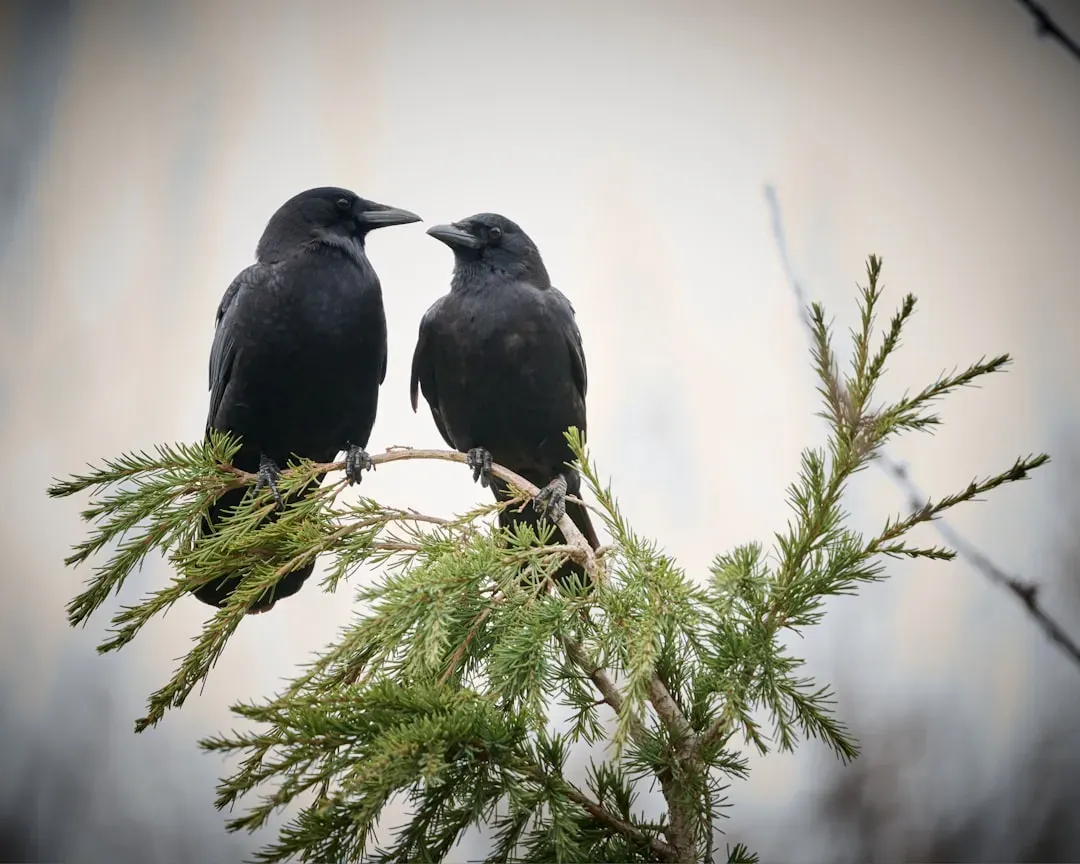
Those face‑recognition experiments hinted at another layer of crow life: social information spreading through the group. When researchers repeatedly appeared wearing “danger” masks, crows that had never personally been trapped still began to react as if they had. This did not happen instantly, but over time, alarm calls and mobbing behavior spread, indicating some form of social learning or what you might loosely call crow gossip.
Field observations and playback experiments support the idea that crows have different alarm calls or vocal patterns for different types of threats. A perched raptor may trigger one kind of call, a human with a weapon another, and an unfamiliar predator a third. Nearby crows respond differently depending on the call, sometimes approaching to mob, other times staying hidden but vigilant. You can think of this as a crude but functional warning code.
Perhaps the most striking part is how long this social memory can last in a local population. Years after the original trapping, new generations of crows can still behave as if that dangerous face is bad news, even though they were not alive during the first events. That suggests older birds transmit information within families or flocks, reinforcing the associations.
Summarizing what these studies revealed about crow social intelligence:
- They share specific information about dangerous individuals or situations.
- Young birds learn who and what to fear from older group members.
- Local “cultures” of danger memory can persist across generations.
If you have ever felt like the neighborhood crows were talking behind your back, this research does not entirely prove you wrong.
#8 Understanding “Same” And “Different” Concepts
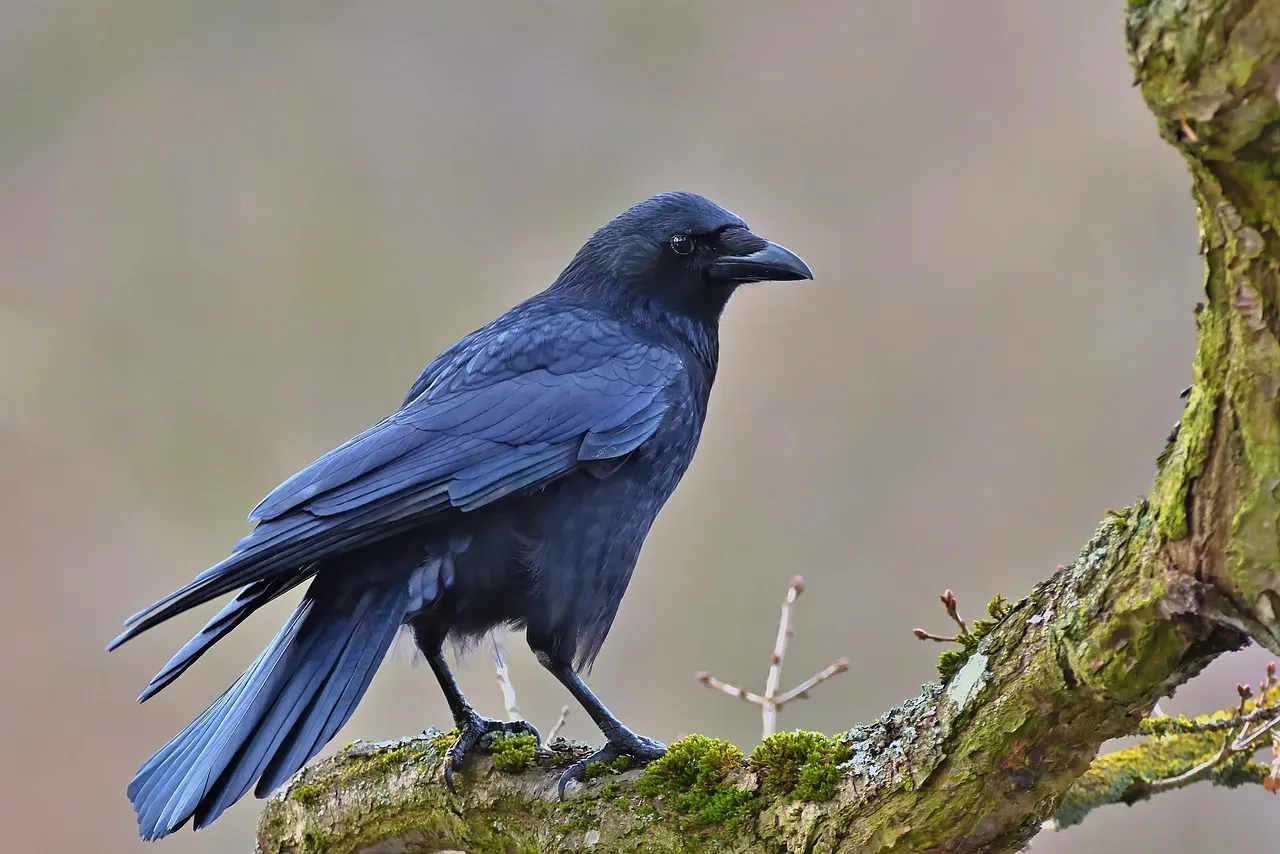
Beyond physical tricks, scientists have also probed whether crows can handle more abstract concepts like “same” and “different.” In one type of experiment, birds were shown sets of images or patterns and rewarded for pecking at pairs that were the same, or sometimes pairs that were different, depending on the rule. After enough training, they could apply the rule to new images they had never seen before.
This might sound modest, but it matters a lot. Succeeding at these tasks means the bird is not just memorizing each picture. Instead, it appears to be learning the underlying relation between items. When new pairs are presented, such as two totally novel shapes, a crow that understands the concept of “same” will still treat matching shapes differently from non‑matching ones, without needing explicit feedback first.
Some studies have pushed further, asking whether crows can distinguish more complex relations or switch between rules, like sometimes choosing the “same” pair and sometimes the “different” pair based on context. While their performance is not perfect – and neither is ours, if we are honest – the fact that they cope at all with tasks drawn from human psychology experiments is revealing.
From these conceptual tests, researchers concluded that crows:
- Can form simple abstract categories that go beyond specific stimuli.
- Transfer rules learned in one context to new, unfamiliar situations.
- Show flexibility in switching rules, though with limits.
When you realize a crow can follow the same kind of logic puzzles once used to study human children, the gap between “birdbrain” and “mind” starts to narrow.
#9 Passing Variants Of The Mirror Test (With Asterisks)
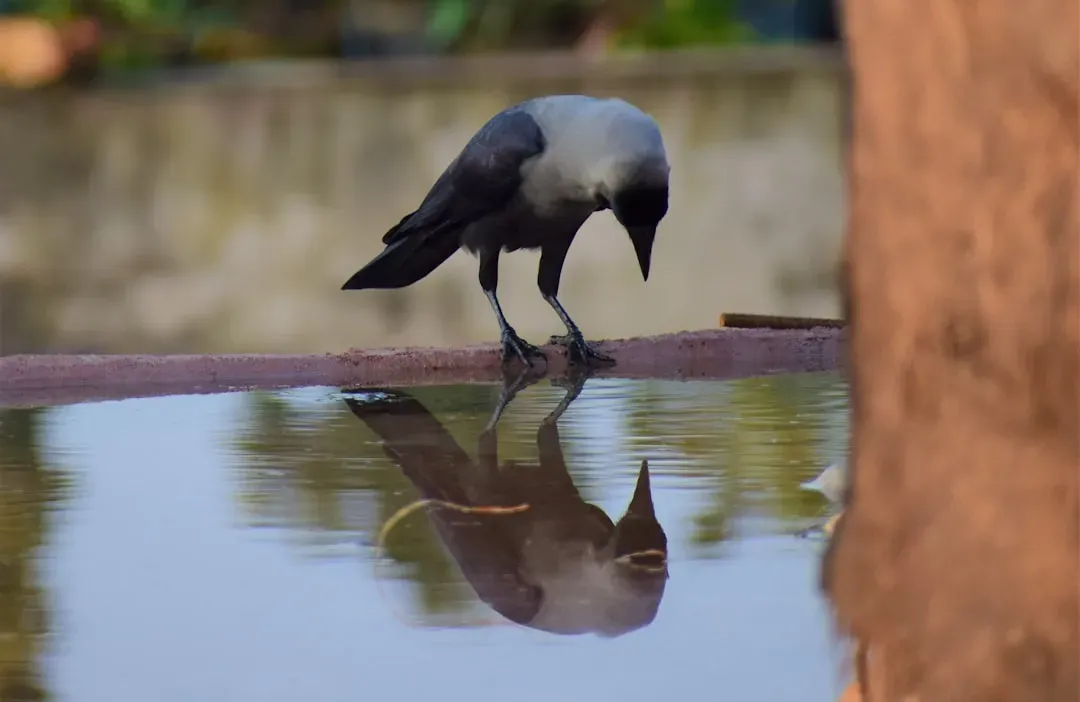
The mirror self‑recognition test, often used as a benchmark of self‑awareness, has a messy history even in humans. But some corvids, close relatives of crows, have produced intriguing results in mirror experiments, and crows themselves have shown behaviors that suggest they are at least using mirror information in a meaningful way. In certain setups, they use reflections to locate hidden food or inspect body parts they cannot normally see.
One approach involves placing a small, harmless mark on a bird’s body in a spot only visible in a mirror, then seeing if it uses the reflection to investigate or touch that area. Some corvids have engaged in more grooming or touching behavior directed toward the marked region when a mirror is present, compared with when it is not. The sample sizes are small and results are mixed, but even partial success forces a re‑evaluation of what a bird can understand about its own body.
There is healthy debate over how much we should read into these tests. Some argue that passing a mirror test shows a kind of self‑concept, while others say animals may simply be learning a clever association between mirror movements and sensations. Still, whatever interpretation you favor, the fact remains: crows and their cousins are extracting non‑trivial information from mirrors, not just treating them as random shiny surfaces.
To keep expectations realistic, it is fair to say:
- Crow mirror experiments show meaningful use of reflections, not just confusion.
- Evidence for full human‑like self‑recognition is suggestive but not conclusive.
- Even so, these results exceed what many people imagined a bird could do with a mirror.
Personally, I like that the story is unresolved; it reminds us that not every interesting animal behavior fits neatly into our tests.
#10 Tracking Who Saw What: Simple Theory Of Mind Hints
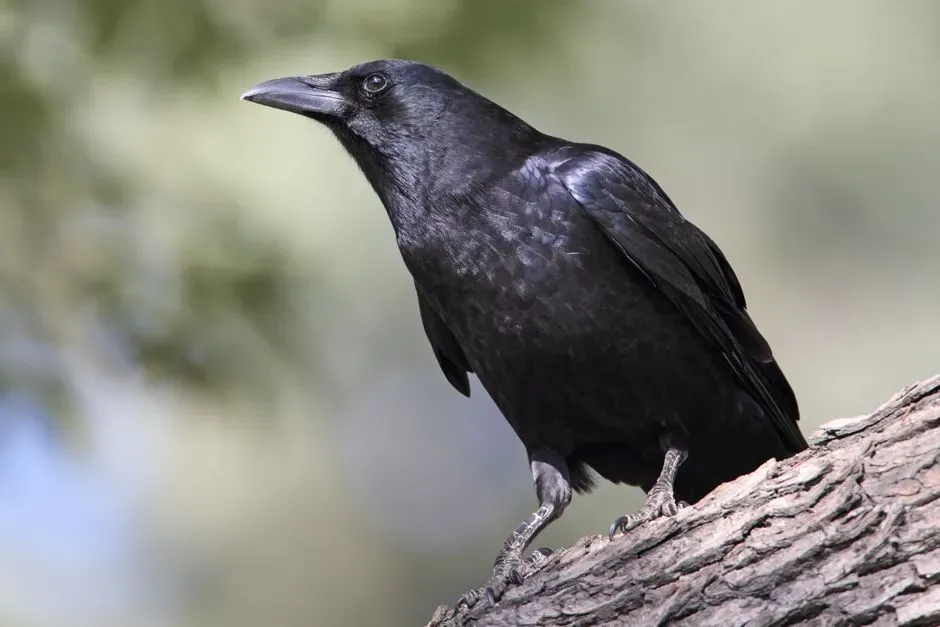
One of the boldest claims in comparative cognition is that some animals have a rudimentary theory of mind – a sense of what others know, want, or intend. With crows and other corvids, food caching has provided a natural laboratory for this question. Experiments have carefully arranged who can see whom during hiding and stealing events to test how birds adjust their behavior.
For instance, a crow may cache food while another bird watches, then later have a chance to move that cache while alone. Birds that had been observed often re‑hide their food more frequently than birds that had been unobserved, especially if the observer had a history of pilfering. In some studies, they behaved as if they were sensitive not just to presence, but to whether the other bird had line‑of‑sight to the hiding process.
More refined setups have used barriers or peepholes, so that sometimes an observing crow can see the caching, and sometimes it cannot, even though it is still physically nearby. The caching crow appears to differentiate between these conditions, suggesting it tracks who has visual access to which events. That is subtle. It moves beyond “another bird is here” into “another bird has information about what I did.”
What does this amount to? Carefully phrased, the evidence suggests:
- Crows change their behavior based on what others have or have not seen.
- They treat informed competitors as more dangerous than uninformed ones.
- This resembles, though may not fully equal, a basic theory of mind capacity.
Whatever label you give it, the idea that a crow might be mentally modeling your viewpoint while you watch it hide food is both impressive and slightly unnerving.
#11 Counting, Quantity Judgment, And Simple Arithmetic
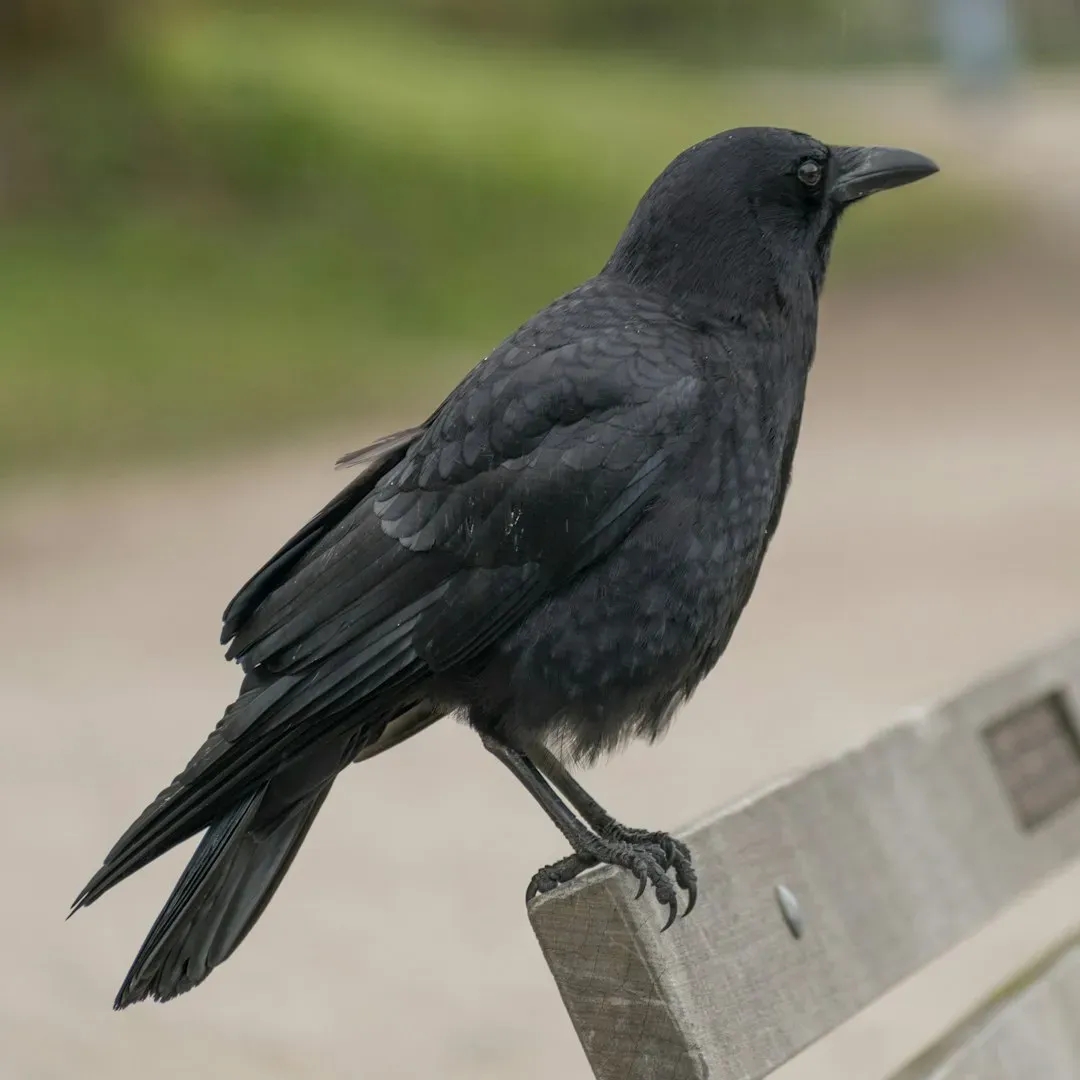
Counting is another skill long reserved for humans in our own stories about ourselves, yet crows have repeatedly shown that they can handle basic quantity tasks. In experiments, they have been trained to peck a certain number of times in response to a visual cue, or to choose images with a specific number of items. After enough training, they can apply the learned quantity to new sets that look different but contain the same number of elements.
Some research has even recorded neural activity from crow brains during number tasks. Specific neurons respond preferentially when the bird is processing a given quantity, such as “two” or “three,” regardless of the physical form of the items. This kind of abstract number coding looks strikingly similar to patterns seen in primate brains, despite the very different anatomy.
Behaviorally, crows are not solving algebra, but they are comfortable with small numbers and relative comparisons: more versus less, roughly equal versus clearly different. They can distinguish, for example, between a plate with a few food items and one with many more, adjusting their choices based on simple economic logic. That ability ties in naturally with foraging decisions in the wild.
These quantitative skills boil down to a few core points:
- Crows can map arbitrary symbols or cues onto specific small numbers.
- Their brains contain neurons tuned to numerical values, not just raw sights.
- In practical terms, they use quantity judgments to make smarter choices.
It is humbling to realize that a crow on a branch may, in its own way, be running tiny mental tallies about the world around it.
#12 Adapting To Cities And Human Technology In Real Time
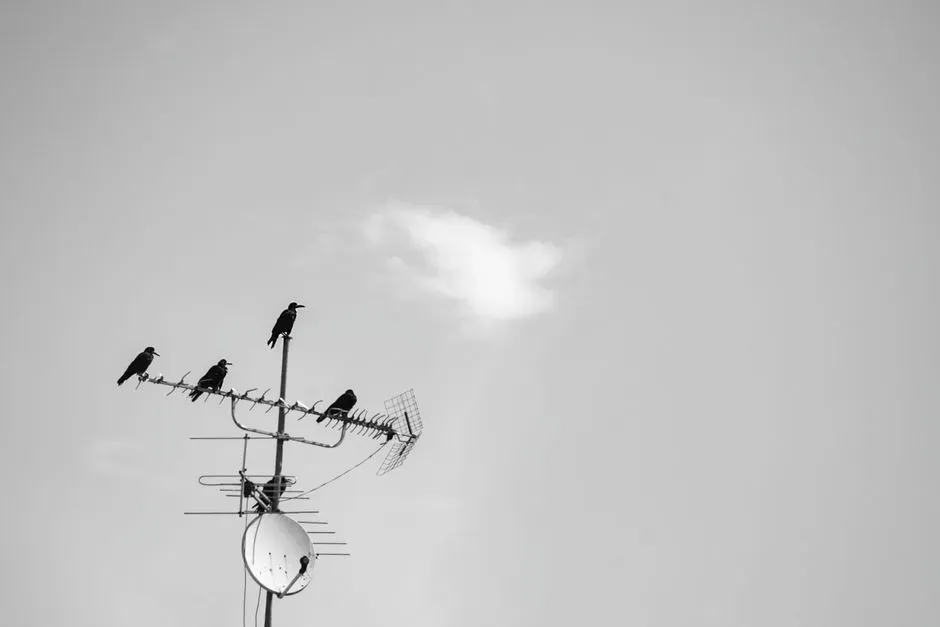
Not every crow experiment happens in a лаборатory. Some of the most revealing “tests” are the ones they run on us, uninvited, in our cities. Urban crows have learned to exploit traffic patterns, garbage collection schedules, and even specific pieces of human infrastructure like crosswalks. In some places, field biologists have reported crows dropping nuts on roads, waiting for cars to crack them, then retrieving the contents during red lights when traffic pauses.
These behaviors are not the result of a single, dramatic study, but of many observations and smaller tests stitched together. Scientists have seen crows adjust their foraging routes based on which neighborhoods put out trash on which days, or gather near outdoor dining areas at times when people are likely to leave leftovers. They also watch humans very carefully for cues about safety – walking patterns, gaze direction, posture – reacting more calmly to predictable behavior than to erratic motion.
There is a sense in which every new technology we roll out becomes a fresh puzzle for crows to solve. They investigate wind turbines, landfills, solar farms, and fast‑food parking lots with the same blend of caution and opportunism. When researchers analyze how quickly crow populations adapt to new features in an urban environment, they find an astonishing pace of learning, both individually and socially shared.
From these informal but widespread “real‑world experiments,” a few themes emerge:
- Crows excel at spotting regular patterns in human behavior and exploiting them.
- They share successful tricks within groups, leading to local traditions.
- Urban life is constantly testing and revealing their cognitive flexibility.
In a way, every city has quietly become a giant, uncontrolled crow experiment that nobody planned – but the birds seem very comfortable participating.
Conclusion: Rethinking What A “Birdbrain” Really Means
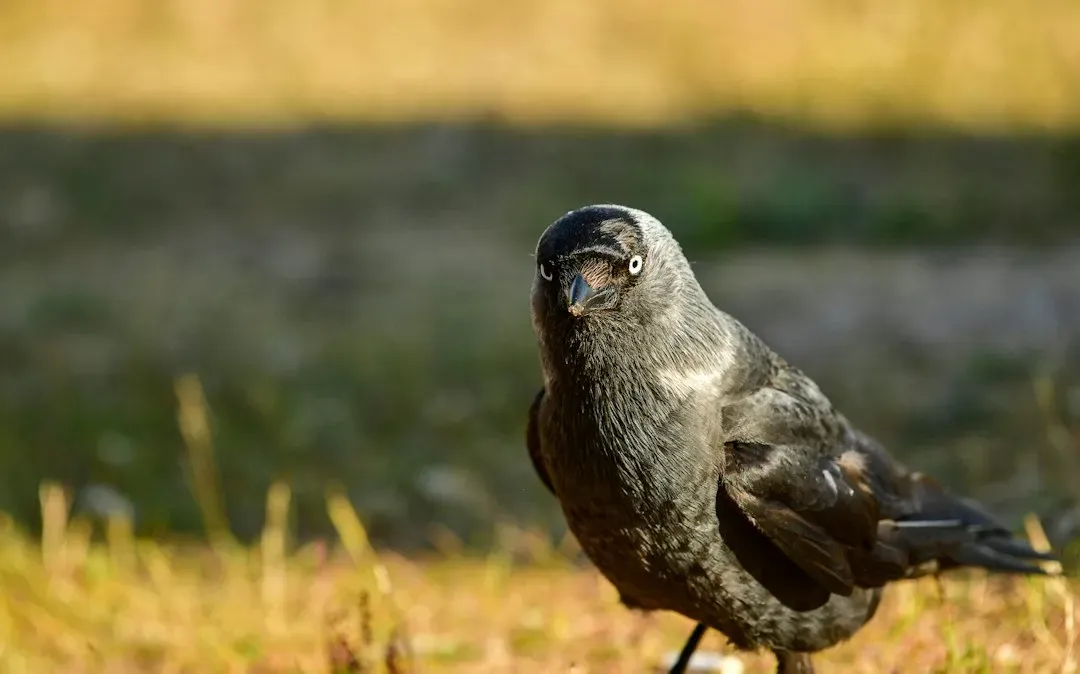
Put all of these experiments side by side – face recognition, tool use, water physics, social scheming, numerical sense – and a clear message emerges: the insult “birdbrain” has outlived its accuracy. Crows are not little humans with feathers, and we should not romanticize them into mystical geniuses. But they consistently pass tests that many scientists once considered far beyond the grasp of a small‑brained bird, often on the first try, and often in creative ways.
For me, the most important shift is not that crows are suddenly “special,” but that our old mental ranking of minds – humans at the top, then big mammals, then everything else in a gray blur – no longer works. Crow research shows that evolution can stitch intelligence into very different brain architectures, yielding rich problem‑solving and social awareness without copying the primate blueprint. A crow pecking at a wire or scanning your face from a lamppost is not doing magic; it is running a different, but surprisingly powerful, version of cognition.
There is also a quieter lesson here about humility. For decades, many of these experiments were designed with the expectation that crows would fail, neatly confirming human uniqueness. Instead, time after time, the birds slipped through our lowered expectations and did something more sophisticated. That does not mean they are on the verge of writing poetry, but it does mean we should be cautious about assuming where the limits of other minds lie.
So the next time you see a crow watching you, it might be worth imagining that the experiment is running in both directions. We study them, but they are also quietly gathering data on us – who feeds them, who chases them, who can be ignored, and who must be remembered. Given everything they have already , are you still sure you know what is going on behind those dark, curious eyes?